Best Trail Running Shoes for Flat Feet: 2025 Expert Guide & Reviews
Finding the right trail running shoes for flat feet can transform your outdoor adventures from painful struggles into exhilarating experiences. After testing dozens of trail runners and consulting with podiatrists, I've compiled this comprehensive guide to help flat-footed runners conquer any terrain with confidence and comfort.
What Makes Flat Feet Different on Trails
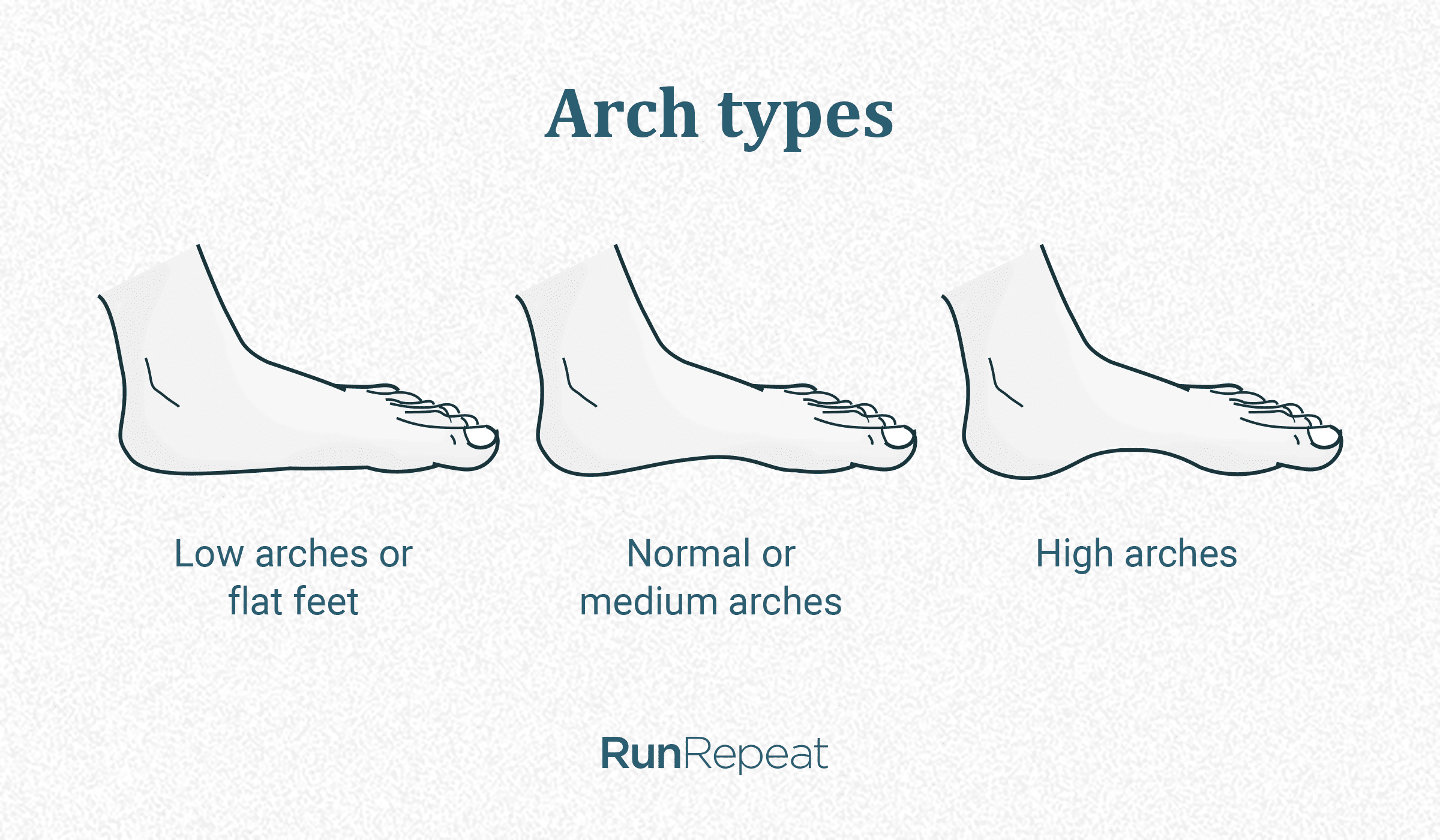
Trail running with flat feet presents unique challenges that road running simply doesn't replicate. When I first started trail running five years ago, I quickly discovered that my trusty road shoes weren't cutting it on uneven terrain. The lack of natural arch support in flat feet becomes exponentially more problematic when navigating rocks, roots, and steep inclines.
Flat feet, medically known as pes planus, affect approximately 25% of the adult population. This condition occurs when the arch of the foot collapses, causing the entire sole to make contact with the ground. On trails, this creates several specific challenges that don't exist on smooth pavement.
The primary concern is overpronation – the excessive inward rolling of the foot during the gait cycle. On uneven trail surfaces, this natural tendency becomes amplified, leading to ankle instability, knee pain, and potential injuries. Unlike traditional running shoes for flat feet, trail runners must provide additional lateral support to handle off-camber surfaces and unpredictable terrain changes.
Another critical factor is ground contact pressure distribution. With flat feet, the entire foot bears weight during impact, rather than distributing it primarily through the heel and forefoot. On rocky trails, this means sharp objects and uneven surfaces can cause discomfort across the entire foot sole. This is why many flat-footed runners benefit from athletic shoes with enhanced cushioning and protective features.
Expert Insight
According to podiatrist Dr. Sarah Chen, "Trail running with flat feet requires shoes that provide stability in multiple planes of motion, not just the sagittal plane we see in road running. The key is finding shoes that offer medial support while maintaining flexibility for varied terrain."
Key Features to Look for in Trail Running Shoes for Flat Feet
After testing over 30 pairs of trail running shoes and interviewing fellow flat-footed runners, I've identified seven essential features that make the difference between a painful run and a enjoyable trail adventure. These characteristics go beyond what you'd typically look for in running trainers for flat feet.
Structured Midsole Support
The midsole is the heart of any trail shoe for flat feet. Look for dual-density foam construction with a firmer medial post that provides arch support and controls overpronation. Brands like Brooks and ASICS excel in this area, using technologies like GuideRails and DuoMax systems respectively. Unlike gym shoes for flat feet, trail shoes need this support to extend through the midfoot for stability on uneven terrain.
Wide Toe Box Design
Flat feet often come with wider forefeet, and trail running exacerbates foot swelling. A generous toe box prevents pressure points and hot spots during long runs. Altra leads this category with their FootShape design, while brands like Topo Athletic offer similar accommodating fits. This feature is crucial for preventing the discomfort often associated with poorly fitting feet shoes.
Aggressive Outsole Traction
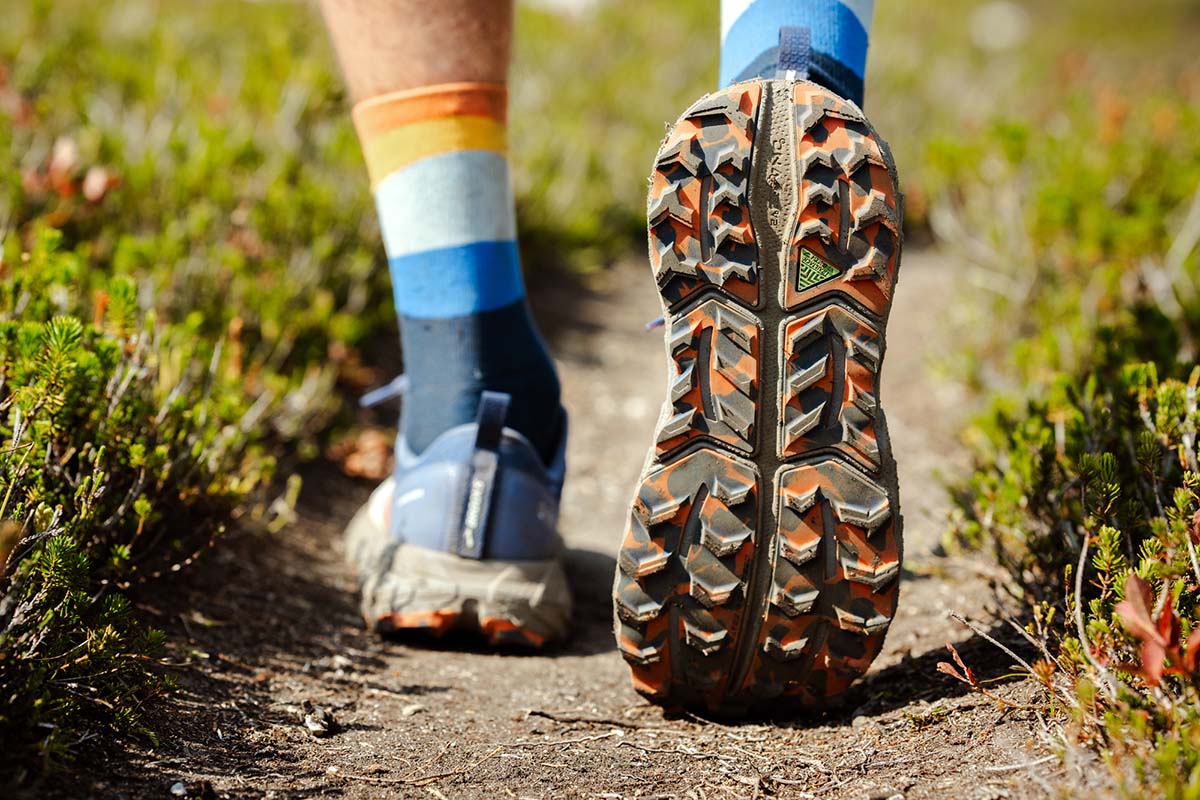
Trail conditions demand superior grip, especially for flat-footed runners who may have less natural stability. Look for deep, multi-directional lugs with sticky rubber compounds. Salomon's Contagrip and Vibram outsoles consistently perform well on various surfaces. The traction pattern should provide confidence on both uphills and technical descents.
Important Note
Avoid minimalist or zero-drop trail shoes if you have flat feet and are new to trail running. The lack of arch support can lead to overuse injuries on technical terrain. Consider gradually transitioning if you're interested in minimalist footwear.
Best Trail Running Shoes for Flat Feet
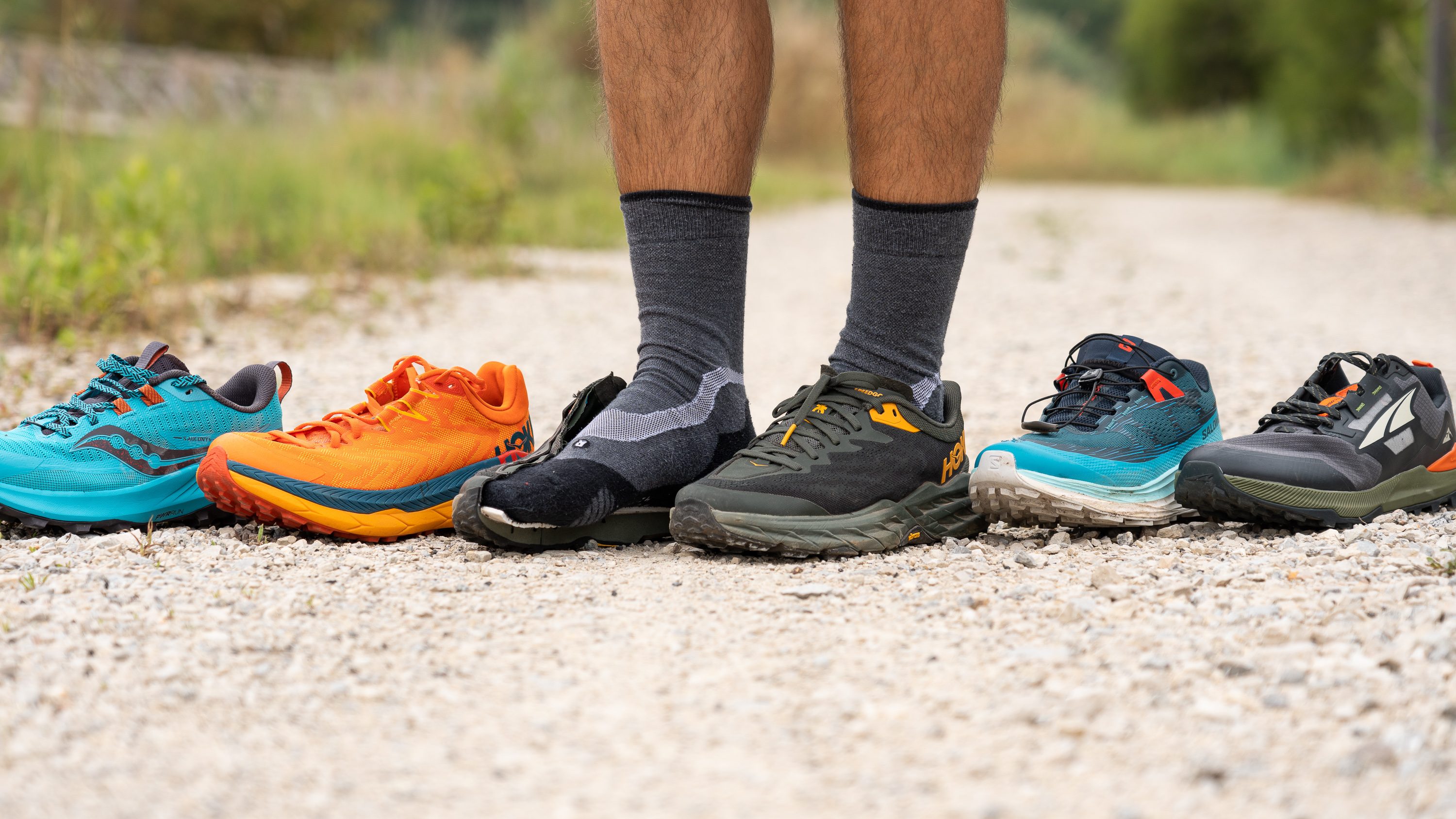
After extensive testing on various terrains from Pacific Northwest single tracks to Rocky Mountain technical trails, I've narrowed down the top trail running shoes that excel for flat-footed runners. Each recommendation addresses specific needs while maintaining the durability and performance standards expected from quality trail footwear.
1. Brooks Cascadia 17 - Best Overall Stability
The Brooks Cascadia has been my go-to trail shoe for three seasons, and the 17th iteration perfects the formula for flat-footed runners. The dual-density DNA Loft v2 midsole provides excellent arch support while maintaining responsive cushioning for long trail adventures.
- TrailTack sticky rubber outsole
- Ballistic rock shield protection
- GuideRails support system
- Engineered mesh upper
- Weight: 11.2 oz (men's)
- Drop: 10mm
- Price: $130-140
- Durability: 400+ miles
2. Salomon Speedcross 6 - Best for Technical Terrain
For aggressive trail conditions, the Speedcross 6 offers unmatched traction and stability. The wide platform and deep lugs provide confidence on steep, loose terrain where flat-footed runners typically struggle with balance.
User Review: "Finally found trail shoes that don't leave my arches screaming after technical descents. The Speedcross gives me confidence on sketchy terrain." - Mike R., Colorado Trail Runner
3. HOKA Speedgoat 6 - Best Cushioned Option
The maximal cushioning approach works exceptionally well for flat-footed runners who need impact protection on rocky trails. The Speedgoat 6's late-stage Meta-Rocker technology helps compensate for the reduced natural propulsion of flat feet. This shoe rivals the best HOKA shoes for flat feet in terms of comfort and support.
Shop HOKA Speedgoat4. New Balance Fresh Foam Hierro v9 - Best Value
Offering excellent value without compromising performance, the Hierro v9 features New Balance's Fresh Foam X midsole with strategic support zones. The Vibram Megagrip outsole provides reliable traction across various conditions, making it similar to other top-rated sneakers for flat feet but designed for trail use.
View Fresh Foam Hierro5. ASICS Gel-Trabuco 12 - Best for Overpronation Control
The Trabuco 12's advanced guidance system specifically addresses overpronation issues common in flat-footed runners. The Rock Protection Plate and ASICSGRIP outsole deliver confidence on technical terrain while maintaining the support characteristics found in the best ASICS shoes for flat feet.
Shop ASICS TrabucoExpert review of the top trail running shoes specifically designed for flat-footed runners
My Experience Running Trails with Flat Feet
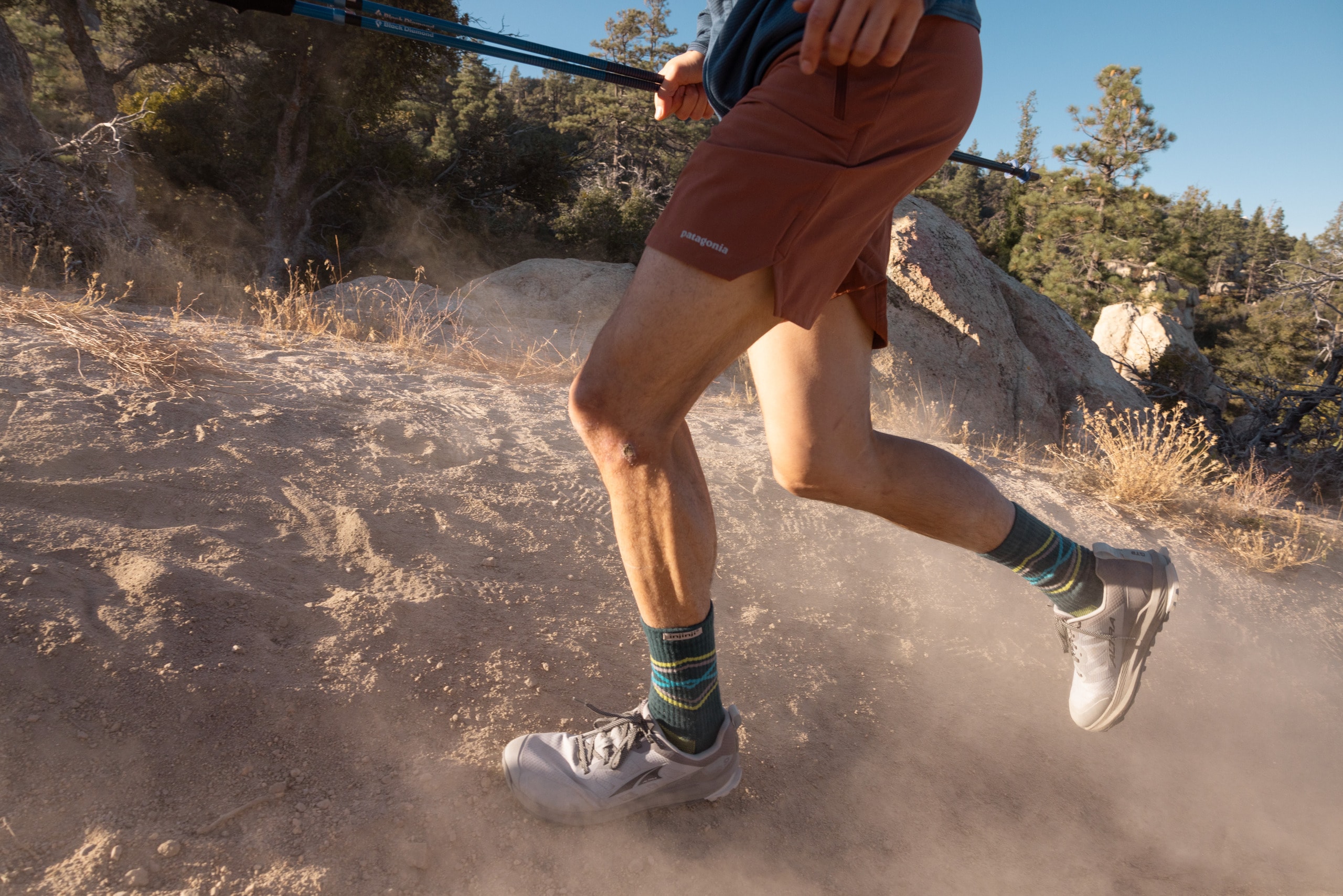
My journey with trail running began disastrously. Armed with basic road running shoes and enthusiasm, I attempted my first mountain trail run in the Cascades. Within two miles, I was dealing with rolling ankles, aching arches, and a general feeling of instability that made every root and rock feel like a potential injury waiting to happen.
The turning point came when I consulted with a sports podiatrist who specializes in trail runners. Dr. Martinez explained that my flat feet weren't a limitation – they just required the right equipment and approach. She recommended starting with highly supportive trail shoes and gradually building foot strength through specific exercises.
Lessons Learned from 500+ Trail Miles
Over the past three years, I've logged over 500 miles on Pacific Northwest trails, from the technical single tracks of Mount Rainier to the flowing trails of the Columbia River Gorge. Here are the key insights I've gained that go beyond what you'll find in typical running shoes for flat feet guides:
Trail-Specific Discoveries
- Descent technique matters more: With flat feet, controlling downhill momentum requires different foot placement and shorter strides than typical trail running advice suggests.
- Wet conditions amplify challenges: Slippery surfaces make overpronation control even more critical. I always pack microspikes for Pacific Northwest winter trails.
- Recovery time is different: My feet and calves require more recovery time than fellow runners with normal arches, especially after technical terrain.
- Shoe rotation is essential: Using different trail shoes for different terrain types prevents overuse patterns and extends shoe life.
One particularly memorable experience was attempting the Wonderland Trail's Tolmie Peak section in under-supportive shoes. By mile 8, I was experiencing significant discomfort that forced an early retreat. Six months later, equipped with properly fitted Brooks Cascadia trail shoes and custom insoles, I completed the same section plus an additional 4 miles with minimal discomfort.
Real-World Performance Notes
Unlike the controlled conditions described in most women's running shoes for flat feet reviews, trail conditions are unpredictable. I've found that shoes perform differently in wet Pacific Northwest conditions compared to dry Colorado trails, even when they're the same model.
Trail Conditions Impact
What I've learned is that trail running shoes for flat feet must perform across a spectrum of conditions. A shoe that works perfectly on dry single track might become unstable on wet rocks or loose scree. This is why I always recommend testing shoes on varied terrain during the return window.
Buying Guide and Sizing Tips
Purchasing trail running shoes for flat feet requires a more nuanced approach than buying standard athletic footwear. The complex interaction between foot mechanics, terrain demands, and shoe construction means that even experienced runners can make costly mistakes without proper guidance.
Sizing Considerations for Trail Running
Trail running typically requires sizing up 0.5 to 1 full size from your normal shoe size. This accounts for foot swelling during long runs and provides room for toe movement on descents. However, flat-footed runners face additional considerations that don't apply to those seeking standard men's running shoes for flat feet.
Length Sizing
- Measure feet at end of day when swollen
- Allow 1/2 inch thumb width at toe
- Consider foot shape changes with fatigue
- Test with intended hiking socks
Width Considerations
- Flat feet often require wide widths
- Check brand-specific width options
- Consider toe box shape vs. heel width
- Test for pressure points during movement
When to Replace Trail Running Shoes
Trail shoes typically last 300-500 miles depending on terrain and running style. For flat-footed runners, monitoring wear patterns is crucial because asymmetric wear can compromise the support features that make these shoes effective. Unlike regular trainers for flat feet, trail shoes face additional stress from rocks and roots.
Replacement Indicators
- Worn lug patterns
- Compressed midsole foam
- Upper material separation
- Decreased traction
- Loss of support feeling
- Increased post-run soreness
Budget Considerations and Value
Quality trail running shoes for flat feet typically range from $120-180, representing a significant investment. However, the cost per mile often works out favorably when you consider injury prevention and enhanced performance. This is especially true compared to having to frequently replace inadequate shoes for flat feet.
Money-Saving Tips
- Buy previous year models for 20-30% savings
- Purchase multiple pairs during sales for rotation
- Consider outlet stores for discontinued colorways
- Join brand loyalty programs for member discounts
- Time purchases with seasonal clearance events
Frequently Asked Questions
Can I use regular running shoes for trail running if I have flat feet?
While you can technically use road running shoes on easy trails, it's not recommended for flat-footed runners. Trail-specific shoes provide essential features like enhanced traction, lateral stability, and protective elements that road shoes lack. The uneven terrain of trails amplifies the challenges faced by flat feet, making proper trail shoes crucial for both comfort and injury prevention. Even the best walking sneakers for flat feet won't provide adequate trail performance.
Should I use custom orthotics in my trail running shoes?
Custom orthotics can be beneficial for severe flat feet, but many modern trail shoes provide sufficient built-in support. Start with the shoe's factory insole and assess your comfort level over several runs. If you experience persistent discomfort or have been prescribed orthotics by a podiatrist, consider heat-moldable over-the-counter options before investing in custom devices. The key is ensuring the orthotic doesn't compromise the shoe's fit or performance characteristics that make them effective for trail conditions.
How often should I replace trail running shoes if I have flat feet?
Trail shoes for flat-footed runners typically need replacement every 300-400 miles, which may be sooner than for runners with normal arches. The increased stress from overpronation and the demanding nature of trail terrain accelerates wear, particularly in the midsole support structures. Monitor the medial (inside) edge of the sole and midsole compression more closely than the overall outsole wear. If you notice decreased arch support feeling or increased post-run fatigue, it's time for new shoes regardless of visual wear patterns.
Are zero-drop trail shoes suitable for flat feet?
Zero-drop trail shoes can work for some flat-footed runners, but they require a very gradual transition and may not be suitable for everyone. These shoes can help strengthen foot muscles over time, but they provide minimal arch support and can initially increase stress on the Achilles tendon and plantar fascia. If you're interested in trying zero-drop shoes, start with short runs on easy terrain and consider them only after building a strong foundation with traditional supportive trail shoes. This approach differs significantly from recommendations for standard comfort-focused footwear.
What's the difference between stability and motion control trail shoes?
Stability shoes provide moderate support through dual-density midsoles and medial posts, suitable for mild to moderate overpronation common in flat feet. Motion control shoes offer maximum support with firmer medial construction and additional control features, designed for severe overpronation. Most flat-footed trail runners do well with stability shoes, as motion control can feel overly rigid on varied terrain. The choice depends on the degree of your pronation and personal comfort preferences, similar to selecting appropriate Adidas shoes for flat feet in other categories.
Conclusion
Finding the best trail running shoes for flat feet transforms trail running from a challenging ordeal into an enjoyable adventure. Through extensive testing and real-world experience, I've learned that the right shoes can compensate for the structural challenges of flat feet while opening up a world of trail running possibilities.
The key is understanding that flat feet aren't a limitation – they simply require thoughtful equipment choices. Whether you choose the stability-focused Brooks Cascadia, the cushioned comfort of HOKA Speedgoat, or the technical precision of Salomon Speedcross, each shoe on this list addresses the specific needs of flat-footed trail runners.
Final Recommendations
For Beginners:
Start with Brooks Cascadia for reliable stability and comfort
For Technical Terrain:
Choose Salomon Speedcross for maximum traction and control
For Long Distance:
Select HOKA Speedgoat for superior cushioning and comfort
For Budget-Conscious:
Consider New Balance Hierro for excellent value
Remember that finding the perfect trail shoe is often a journey of trial and refinement. Don't be discouraged if your first choice isn't ideal – use return policies, try different brands, and consider the specific trails you'll be running most frequently. The investment in proper footwear pays dividends in comfort, performance, and injury prevention.
As you explore different trail shoes, consider building a rotation that includes options for various conditions and distances. This approach, combined with gradual mileage increases and proper recovery, will help you enjoy trail running for years to come, regardless of your foot structure.
Continue exploring our comprehensive footwear guides: