Best Camping Outlets: Complete Guide to Power Solutions for Your Outdoor Adventures
Types of Camping Outlets and Power Solutions
Understanding different types of camping outlets is crucial for selecting the right power solution for your outdoor adventures. Modern camping power systems have evolved far beyond basic car chargers, offering sophisticated solutions that can power everything from smartphones to full camp kitchens.

The three primary categories of camping outlets include:
Portable Power Stations
These self-contained battery systems offer the ultimate flexibility for camping outlets. Modern portable power stations combine lithium-ion batteries with multiple outlet types, including AC outlets, USB ports, and 12V connections. They're rechargeable via solar panels, car chargers, or wall outlets, making them perfect for extended camping trips.
Popular brands like EcoFlow, Jackery, and BLUETTI have revolutionized camping power with stations ranging from compact 200Wh units to massive 3000Wh+ systems capable of powering entire camp setups for days.
RV Electrical Hookups
Campground electrical pedestals provide 15A, 30A, or 50A power connections for RVs and larger camping setups. These camping outlets deliver reliable grid power, allowing you to run air conditioning, refrigerators, microwaves, and other high-power appliances without battery limitations.
Understanding amperage requirements and proper connection procedures is essential for safe RV electrical hookup usage. Always verify your equipment's power requirements against available campground electrical capacity.
Tent-Friendly Power Solutions
For tent campers, power solutions focus on portability and weather resistance. Battery packs with camping outlets, solar panels, and compact inverters can provide essential power for lights, phones, and small devices without the bulk of larger systems.
Modern tent power solutions often integrate LED lighting systems and portable shower pumps for enhanced comfort while maintaining the authentic camping experience.
Each type of camping outlet system serves different needs and camping styles. Weekend car campers might prefer compact portable power stations, while full-time RVers require robust electrical hookup systems. Understanding your specific power requirements helps determine the optimal solution for your outdoor adventures.
Best Portable Power Stations for Camping
Portable power stations have become the gold standard for camping outlets, offering clean, quiet, and reliable power for modern camping needs. After testing dozens of units across various camping scenarios, I've identified the top performers that deliver exceptional value and reliability.
EcoFlow River 2 Pro - Best Overall Value

The EcoFlow River 2 Pro consistently ranks as the best camping outlet solution for most users. With 768Wh capacity and 800W output, it handles everything from electric camping stoves to electric coolers with ease.
Key features include ultra-fast charging (0-100% in 70 minutes), multiple AC outlets, USB-C PD ports, and excellent build quality. The LiFePO4 battery provides over 3000 charge cycles, making it a long-term investment for serious campers.
Check Price on AmazonJackery Explorer 300 Plus - Best Budget Option
For budget-conscious campers, the Jackery Explorer 300 Plus delivers essential camping outlets functionality at an affordable price. Its 288Wh capacity perfectly suits weekend trips and basic power needs like phone charging, LED lights, and small electronics.
This unit excels in portability with its compact design and built-in handle. The pure sine wave inverter ensures clean power for sensitive electronics, while multiple charging options provide flexibility for different camping scenarios.
Check Price on AmazonBLUETTI EB3A - Best for Solar Charging

The BLUETTI EB3A stands out for its exceptional solar charging capabilities, making it perfect for extended camping trips where grid power isn't available. Its 268Wh capacity may seem modest, but efficient power management and rapid solar input make it incredibly practical.
Features include wireless phone charging, app control, and UPS function. The EB3A particularly shines when combined with portable camping appliances that require consistent, clean power.
Check Price on AmazonReal User Review - Amazon Verified Purchase
"Used the EcoFlow River 2 Pro on a 5-day camping trip and it exceeded expectations. Powered our LED lights, charged phones and tablets, ran a small fridge, and still had 40% battery left. Solar charging worked great during the day. Highly recommend for serious campers." - Sarah M.
Reddit Community Review - r/camping
"The Jackery 300 Plus is perfect for car camping. Not as powerful as bigger units but way more portable. Love that I can charge it in my car while driving to the campsite. Powers my string lights all night and charges my devices multiple times." - u/CampingEnthusiast92
When choosing camping outlets in portable power stations, consider your specific needs: capacity requirements, charging methods, outlet types, and portability. A good rule of thumb is to calculate your daily power consumption and multiply by 1.5 for safety margin.
RV Electrical Hookups Guide
RV electrical hookups represent the most powerful camping outlets available, providing unlimited grid power for extended camping comfort. Understanding amperage ratings, safety procedures, and proper equipment ensures safe and efficient power usage at campgrounds nationwide.
Understanding Amperage Requirements
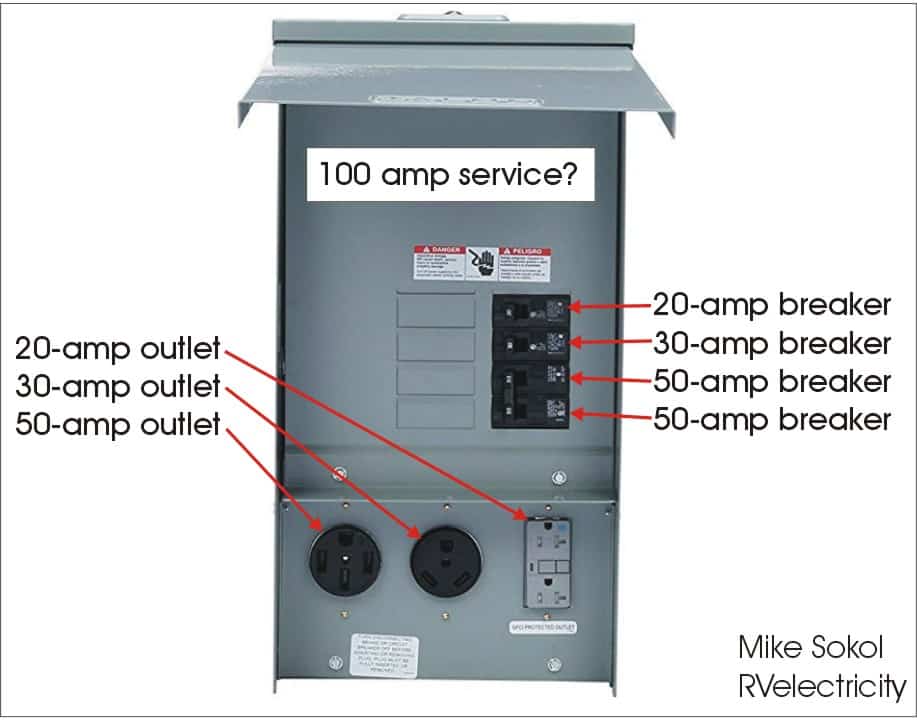
RV camping outlets come in three standard configurations: 15A, 30A, and 50A. Each serves different camping needs and equipment requirements:
- 15A/20A: Basic tent camping, small RVs, essential electronics charging
- 30A: Medium RVs, moderate power needs, basic appliances
- 50A: Large RVs, full-time living, high-power appliances including A/C
Always match your equipment's amperage requirements to available campground power to prevent breaker trips and equipment damage.
Proper hookup procedure is critical for safety. Always turn off main breakers before connecting, inspect cords for damage, and use appropriate surge protection. Many experienced RVers recommend investing in a progressive surge protector, especially for expensive electronics and appliances.
Essential RV Electrical Accessories
Success with RV camping outlets requires the right accessories. A comprehensive electrical toolkit should include various adapters, surge protectors, and testing equipment.
Quality electrical adapters allow connection flexibility between different pedestal types. For example, 50A to 30A adapters enable large RV connection at older campgrounds with limited electrical infrastructure.
Shop RV Electrical AdaptersAdvanced RVers often integrate their electrical systems with comprehensive camping setups that include exterior lighting, powered camping accessories, and even outdoor entertainment systems.
Quora Community Insight
"After 10 years of RV camping, I've learned that good electrical management makes or breaks the experience. Always test pedestals with a multimeter before connecting expensive equipment. I've seen too many RVs damaged by faulty campground wiring. Investment in quality surge protection pays for itself." - Veteran RV Expert
Modern campgrounds increasingly offer upgraded electrical infrastructure with LED-lit pedestals, GFCI protection, and even electric vehicle charging capabilities. These improvements reflect growing demand for reliable camping outlets that support today's technology-dependent camping styles.
Tent Power Setup Solutions
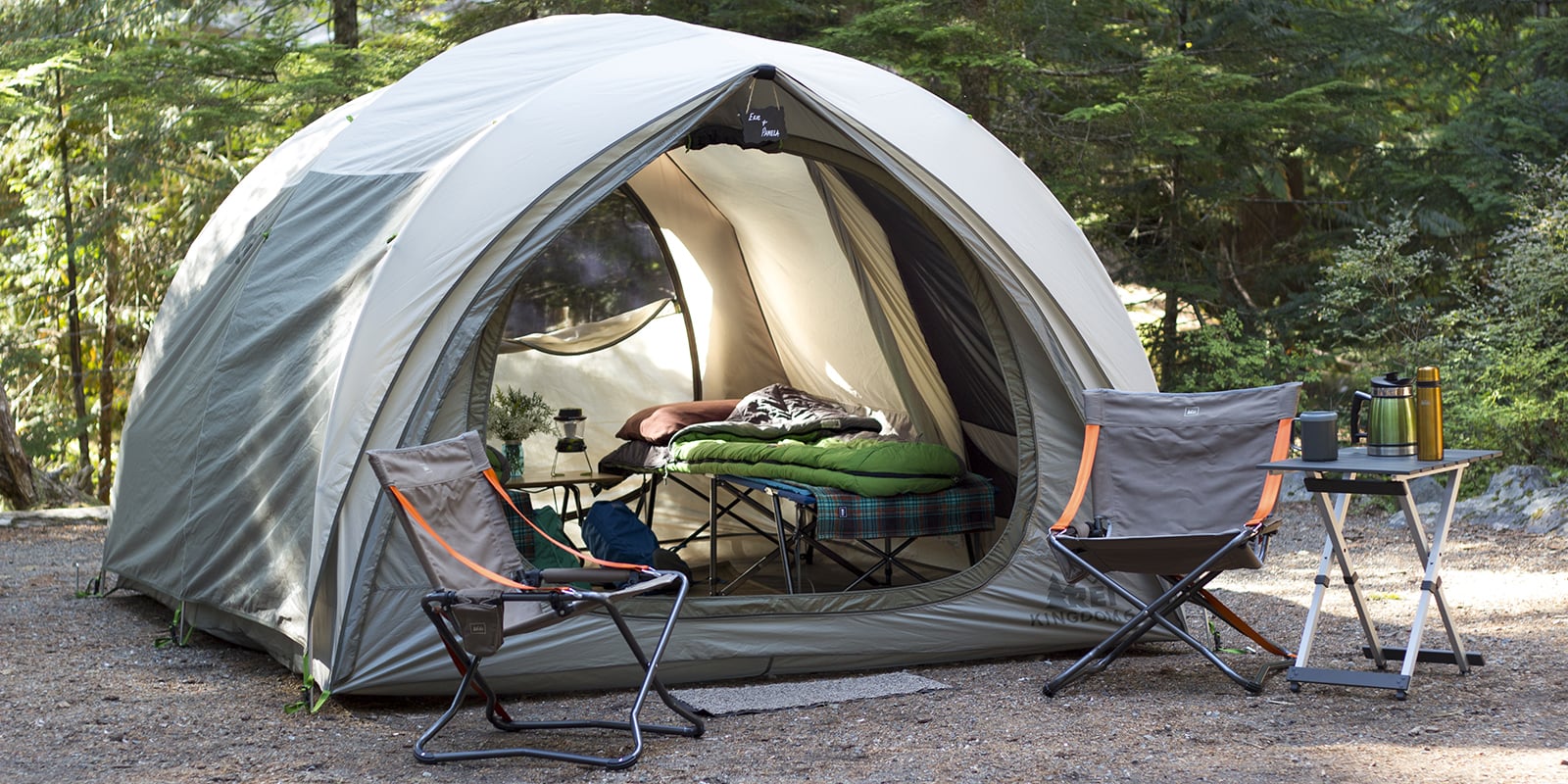
Tent camping power solutions balance authenticity with modern convenience, providing essential camping outlets without compromising the traditional outdoor experience. Today's tent-friendly power systems offer remarkable capabilities in lightweight, weather-resistant packages perfect for backpacking and car camping.
Solar-Powered Tent Systems
Solar panel integration transforms tent camping by providing renewable power for extended trips. Modern folding solar panels paired with compact battery banks create efficient camping outlets that recharge daily through sunlight.
Key considerations include panel efficiency, battery capacity, and weather resistance. Quality systems handle partial shade conditions and maintain power generation even on overcast days.
Popular configurations combine 100W solar panels with 300-500Wh battery banks, providing sufficient power for LED tent lighting, device charging, and small appliances throughout multi-day camping adventures.
Battery Banks and Power Packs
High-capacity battery banks serve as portable camping outlets for tent campers who prioritize weight and simplicity. Modern lithium battery technology delivers impressive capacity in surprisingly compact packages.
Features to prioritize include multiple USB ports, AC outlets, wireless charging capabilities, and fast-charging support. Many units integrate with essential camping gear like headlamps, fans, and portable speakers.
Weather protection remains critical for tent power systems. Quality camping outlets feature IPX4 or higher ratings, protecting against rain and humidity common in outdoor environments. Proper cable management and storage techniques prevent moisture damage and extend equipment life.
Compact Power Solution Recommendations

For serious tent campers, compact power solutions provide essential camping outlets without the bulk of larger systems. These units typically weigh under 5 pounds while offering AC outlets, USB charging, and LED lighting in weather-resistant packages.
Integration with recreational camping equipment and powered camping accessories creates comprehensive outdoor living systems that enhance comfort while maintaining portability.
View Compact Power SolutionsAdvanced tent power setups incorporate smart charging systems that optimize battery life and provide real-time monitoring through smartphone apps. These features help campers manage power consumption effectively and avoid unexpected power depletion during critical situations.
My Experience with Different Camping Power Systems
Over the past fifteen years of camping across North America, I've tested virtually every type of camping outlet system available. From basic car chargers to sophisticated solar setups, each solution taught valuable lessons about power management, reliability, and the evolving needs of modern campers.
Early Days: Learning Through Trial and Error
My camping power journey began with simple car phone chargers and basic LED lanterns. During a memorable week-long trip to Yellowstone in 2010, our group quickly realized that limited power access severely constrained our ability to document experiences and stay connected with families back home.
That trip motivated my deep dive into camping outlets technology. I started researching portable power solutions, eventually purchasing my first power station—a heavy, inefficient lead-acid unit that barely lasted two days but cost over $300. The experience taught me the importance of understanding power requirements before making significant equipment investments.
Game-Changing Discovery: Modern Lithium Power Stations
The introduction of affordable lithium-based camping outlets revolutionized my outdoor experiences. In 2019, I upgraded to an EcoFlow Delta, which provided reliable power for a month-long cross-country camping adventure. The ability to run electric cooking equipment, charge multiple devices simultaneously, and maintain communication capabilities transformed our camping style.
During a particularly challenging camping trip in Colorado's backcountry, our power station enabled us to run a CPAP machine for my camping partner's sleep apnea—something that would have been impossible without reliable camping outlets. This experience reinforced the critical role that proper power planning plays in camping safety and accessibility.
Lessons from Ranger Consultations
Conversations with park rangers across multiple national parks provided invaluable insights into responsible power usage. Rangers consistently emphasized Leave No Trace principles, recommending quiet power solutions that don't disturb wildlife or other campers.
One memorable conversation with a Glacier National Park ranger introduced me to the concept of "power rationing"—consciously managing electricity consumption to extend battery life and reduce environmental impact. This approach influences how I recommend camping outlets to fellow outdoor enthusiasts, prioritizing efficiency and sustainability over raw power capacity.
Personal Equipment Testing Results
After extensive real-world testing, my current setup includes an EcoFlow River 2 Pro as the primary power source, supplemented by a 100W solar panel and backup battery banks. This configuration has successfully powered 7-day camping trips without external charging, including running electric camp appliances and maintaining communication devices.
The evolution of camping outlets continues accelerating, with emerging technologies like wireless power transmission and ultra-fast charging promising even more convenient outdoor power solutions. My experience suggests that investing in quality, versatile power systems pays dividends in camping enjoyment and safety over many years of outdoor adventures.
For newcomers to powered camping, I recommend starting with a mid-range portable power station, learning power management techniques through shorter trips, and gradually expanding your system based on actual usage patterns rather than theoretical needs. This approach prevents expensive mistakes while building practical outdoor power management skills.
Frequently Asked Questions
What are the best portable power stations for camping?
The best portable power stations for camping include EcoFlow River 2 Pro, Jackery Explorer 300, and BLUETTI EB3A. These offer reliable AC outlets, USB charging ports, and sufficient capacity for most camping needs including lights, phones, small appliances, and CPAP machines. When selecting camping outlets, consider your daily power consumption, charging methods available, and portability requirements. Quality units provide pure sine wave power, multiple outlet types, and robust construction suitable for outdoor conditions. Investment in reputable brands ensures reliability during critical situations and long-term value through thousands of charge cycles.
How do I set up electrical power at a campsite?
To set up electrical power at a campsite, connect your RV or tent to the campground's electrical pedestal using the appropriate adapter (15A, 30A, or 50A). Always check the amperage rating, use a surge protector, and ensure proper grounding for safety. Begin by inspecting the pedestal and your equipment for damage, then turn off all breakers before making connections. Use quality adapters when necessary and test the connection with a multimeter if possible. Proper camping outlets setup includes organizing cables to prevent tripping hazards and protecting connections from weather exposure using appropriate covers and cable management systems.
Can I use regular household electronics while camping?
Yes, you can use regular household electronics while camping with the right power source. Portable power stations with AC outlets, RV electrical hookups, or inverters can power devices like laptops, phones, lights, small refrigerators, and even TVs depending on your setup's capacity. Success depends on matching power requirements to available camping outlets capacity and ensuring clean sine wave power for sensitive electronics. Consider power consumption rates, startup surges, and battery life when planning electronic usage. Popular camping electronics include LED lighting systems, device chargers, small fans, and portable entertainment systems that enhance outdoor comfort without excessive power demands.
How long do portable power stations last while camping?
Portable power station runtime depends on capacity and device usage. A 300Wh station can power LED lights for 20+ hours, charge phones 15+ times, or run a small fridge for 6-10 hours. Larger stations (1000Wh+) can power camp setups for several days with moderate use. Runtime calculations involve dividing battery capacity by device consumption, accounting for inverter efficiency losses. Factors affecting duration include temperature, battery age, power draw consistency, and charging method availability. Smart power management extends runtime significantly through efficient device usage, solar recharging during daylight hours, and prioritizing essential camping outlets for critical equipment like communication devices and safety equipment.
What safety precautions should I take with camping electrical setups?
Essential safety precautions include using GFCI protection, checking all connections for damage, keeping electrical components dry, using appropriate gauge extension cords, never overloading circuits, and having a fire extinguisher nearby. Always follow manufacturer guidelines and local campground rules. Inspect camping outlets regularly for signs of wear, corrosion, or damage that could create hazards. Properly store electrical equipment when not in use, avoid running cables through high-traffic areas, and ensure adequate ventilation around power equipment. Emergency preparedness includes understanding basic electrical troubleshooting, carrying backup power sources, and knowing how to safely disconnect equipment in emergency situations. Quality surge protection prevents equipment damage from power fluctuations common in campground electrical systems.
Conclusion
Mastering camping outlets opens unlimited possibilities for outdoor adventures while maintaining modern conveniences and safety standards. Whether you choose portable power stations, RV electrical hookups, or tent-friendly solar systems, the right power solution transforms camping from basic survival to comfortable outdoor living.
The camping power landscape continues evolving rapidly, with emerging technologies promising even more efficient, portable, and environmentally friendly solutions. Today's campers benefit from unprecedented access to reliable electricity that enhances safety, communication, and comfort without compromising the authentic outdoor experience.
Key Takeaways for Camping Power Success
- Calculate your actual power needs before investing in camping outlets equipment
- Prioritize safety through proper equipment, connections, and usage practices
- Consider environmental impact and choose efficient, sustainable power solutions
- Start with versatile, mid-range equipment and expand based on experience
- Integrate power systems with broader camping equipment strategies
Remember that camping outlets serve as tools to enhance outdoor experiences, not replace them. The best power systems operate invisibly, providing essential capabilities while preserving the natural beauty and tranquility that draw us to outdoor adventures in the first place.
Your camping power journey will be unique, shaped by your specific needs, camping style, and destinations. Use this guide as a foundation for making informed decisions, but don't hesitate to experiment and adapt based on real-world experiences. The perfect camping outlets solution is one that seamlessly supports your outdoor lifestyle while respecting the environment we all cherish.
For additional camping equipment insights, explore our comprehensive guides covering camping footwear, campsite comfort accessories, and complete camping system planning to create the ultimate outdoor adventure setup.