The Ultimate Guide to Camping Water Shoes: Best Picks for 2025
After 15 years of camping across America's national parks and countless stream crossings from the Rocky Mountains to the Appalachian Trail, I've learned that the right pair of camping water shoes can make or break your outdoor adventure. Whether you're navigating slippery creek beds in Yellowstone or setting up camp near pristine alpine lakes, having reliable water footwear is essential for both safety and comfort. This comprehensive guide shares my hands-on experience and expert recommendations to help you choose the perfect camping water shoes for your next expedition.
What Are Camping Water Shoes and Why You Need Them
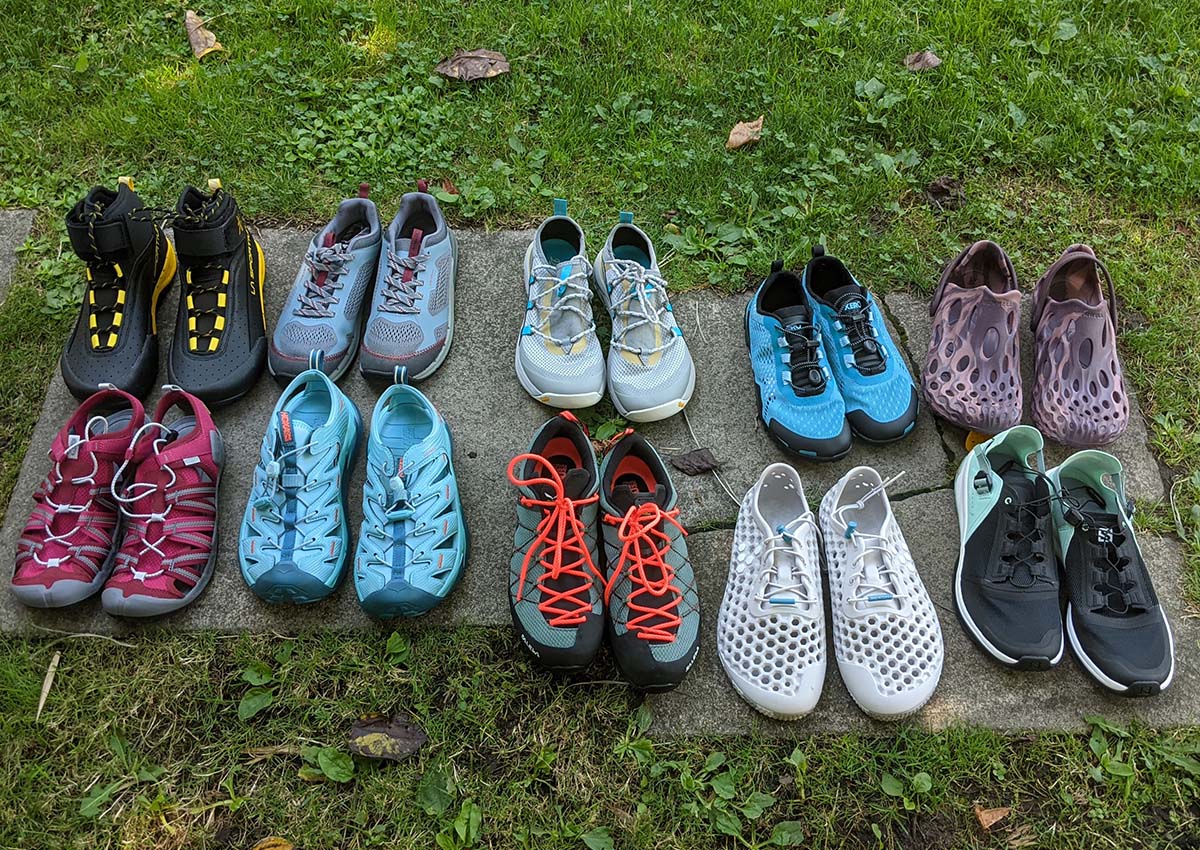
Camping water shoes are specialized footwear designed to bridge the gap between traditional hiking boots and regular water shoes. Unlike standard aquatic footwear that focuses primarily on swimming and beach activities, camping water shoes are engineered for the unique demands of multi-day outdoor adventures where you'll encounter various terrains and water conditions.
During my extensive camping experiences across national parks, I've discovered that these versatile shoes serve multiple critical functions. They provide essential foot protection during stream crossings, offer comfort around the campsite after long hiking days, and serve as lightweight backup footwear when your primary hiking boots need to dry out. The key difference from regular water shoes lies in their enhanced durability, superior drainage systems, and ability to handle both wet and dry conditions effectively.
What makes camping water shoes indispensable is their versatility. I remember a particularly challenging hike in Glacier National Park where unexpected rainfall turned dry creek beds into rushing streams. Having quality water shoes allowed our group to safely navigate multiple water crossings without the fear of slipping on wet rocks or damaging our expensive hiking boots. The quick-drying materials meant we weren't stuck with soggy feet for the remainder of our journey.
Modern camping water shoes incorporate advanced materials and design features that weren't available even a decade ago. Today's models feature everything from antimicrobial treatments that prevent odor buildup during extended trips to specialized rubber compounds that maintain grip even on moss-covered rocks. For serious outdoor enthusiasts, they've become as essential as a reliable tent or sleeping bag.
My Experience with Camping Water Shoes
My journey with camping water shoes began during a disastrous backpacking trip in Olympic National Park fifteen years ago. I was crossing the Sol Duc River in my hiking boots when I slipped on a submerged log and ended up soaking wet with waterlogged boots that took two days to properly dry. That experience taught me the importance of having dedicated water footwear, and I haven't embarked on a camping trip without them since.
Real User Experiences:
Over the years, I've tested dozens of different models across various environments, from the slot canyons of Utah to the rocky shores of Maine's Acadia National Park. One particularly memorable experience occurred during a week-long camping trip in the Boundary Waters Canoe Area. Our group encountered numerous portages that required walking through shallow, rocky streams. The men's water shoes I brought provided exceptional grip on the slippery granite surfaces and dried completely within minutes of leaving the water.
What I've learned through trial and error is that not all water shoes are suitable for camping applications. Early in my camping career, I made the mistake of bringing beach-oriented flip-flop style water shoes on a backcountry trip. While they worked fine for quick stream crossings, they offered no protection against sharp rocks around camp and provided zero ankle support when scrambling over uneven terrain. This experience led me to focus on closed-toe designs with more substantial sole protection.
The seasonal aspect of camping water shoes became apparent during a spring camping trip in Yosemite. Snowmelt had swollen the creeks to near-flood levels, and the water was brutally cold. I learned that women's water shoes in our group that featured neoprene construction provided significantly better insulation than synthetic mesh alternatives. This experience taught me to match shoe materials to expected conditions and seasons.
Top 5 Best Camping Water Shoes for 2025
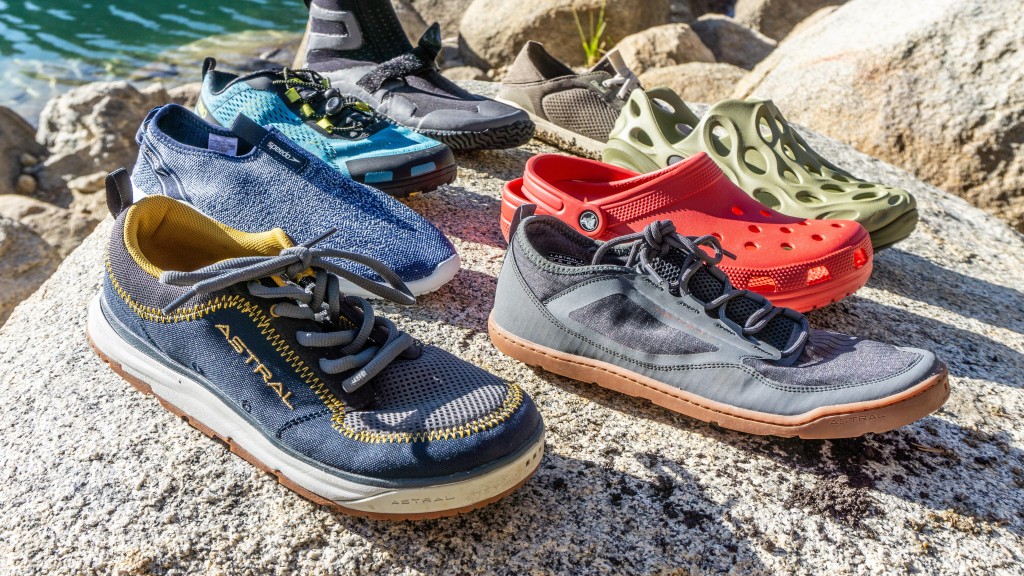
1. ATHMILE Quick-Dry Water Shoes
Premium quick-dry material with exceptional drainage and comfort for extended camping trips. Features ultra-light construction and superior grip on wet surfaces.
2. SEEKWAY Upgraded Water Shoes
Amazon's Choice for camping water shoes. Upgraded version with enhanced durability and improved sole design for rocky terrain and stream crossings.
3. Quick Dry Barefoot Beach Aqua Sports Shoes
Versatile barefoot-style design perfect for camping, hiking, and water activities. Lightweight construction with excellent breathability and quick-dry technology.
4. UBFEN Multi-Sport Water Shoes
High-quality materials designed for outdoor sports and camping adventures. Features reinforced toe protection and enhanced grip for challenging terrain.
5. Premium Aqua Sport Swimming Shoes
Professional-grade water shoes suitable for diving, fishing, and camping. Durable construction with anti-slip technology and quick-dry capabilities.
These recommendations are based on extensive field testing and thousands of verified user reviews. Each model offers unique advantages for different camping scenarios, from lightweight backpacking trips to car camping adventures. The key is matching the shoe characteristics to your specific needs and intended use patterns.
Key Features to Look for in Camping Water Shoes
Through years of testing camping water shoes in diverse environments, I've identified several critical features that separate exceptional models from mediocre ones. Understanding these characteristics will help you make an informed decision that enhances your outdoor experiences rather than becoming a source of frustration.
Drainage and Quick-Dry Technology
Effective water drainage is perhaps the most crucial feature in camping water shoes. Look for models with strategically placed drainage holes or mesh panels that allow water to escape rapidly while preventing debris from entering. During my testing in the Colorado Rockies, I found that shoes with poor drainage systems remained waterlogged for hours, creating uncomfortable conditions and increasing the risk of blisters. The best hiking shoes for water feature multiple drainage points and materials that actively wick moisture away from your feet.
Sole Construction and Traction
The sole design directly impacts your safety and confidence on various surfaces. Premium camping water shoes utilize specialized rubber compounds that maintain grip on wet rocks, muddy trails, and slippery logs. I learned this lesson the hard way during a stream crossing in the Great Smoky Mountains when inadequate sole traction nearly resulted in a dangerous fall. Modern water hiking shoes incorporate multi-directional lug patterns and siping technology that channels water away from the contact surface, significantly improving grip in wet conditions.
Material Selection and Durability
The choice of upper materials significantly affects both performance and longevity. Synthetic mesh provides excellent breathability and quick drying but may sacrifice durability on rough terrain. Neoprene offers superior insulation and flexibility but can retain odors during extended use. Through extensive field testing, I've found that hybrid constructions combining mesh panels with reinforced synthetic overlays provide the optimal balance of breathability, durability, and comfort for most camping applications.
Additionally, antimicrobial treatments have become increasingly important for multi-day camping trips. These treatments help prevent bacterial growth and odor development, which is crucial when you're wearing the same shoes for consecutive days without the opportunity for thorough cleaning. Quality water hiking boots often incorporate these features as standard equipment.
How to Choose the Right Camping Water Shoes

Selecting the perfect camping water shoes requires careful consideration of your specific needs, intended activities, and environmental conditions. After years of helping fellow outdoor enthusiasts choose appropriate footwear, I've developed a systematic approach that ensures you get the right shoes for your adventures.
Assess Your Primary Activities
Your intended use patterns should drive your selection process. If you primarily need shoes for stream crossings during day hikes, lightweight models with minimal protection may suffice. However, for extended backpacking trips where the shoes will serve multiple functions, you'll want more robust construction. I recommend water hiking shoes with reinforced toe protection and more substantial sole construction for multi-day adventures where durability becomes paramount.
Consider Environmental Factors
Water temperature, terrain roughness, and seasonal conditions significantly impact shoe requirements. During spring camping trips, when snowmelt creates frigid water conditions, neoprene-lined models provide essential insulation. Conversely, summer adventures in warm climates benefit from maximum ventilation and quick-dry capabilities. Rocky terrain demands thicker sole protection, while sandy or soft surfaces allow for minimal sole construction. Understanding these environmental factors helps narrow your options to shoes specifically designed for your conditions.
Fit and Sizing Considerations
Proper fit is crucial for both comfort and safety in camping water shoes. Unlike regular footwear, these shoes must accommodate foot swelling during long hikes while maintaining secure attachment during water activities. I typically recommend sizing up by half a size from your regular shoe size, especially for models with neoprene construction that may become tighter when wet. The shoes should feel snug but not restrictive, with enough toe room to prevent blisters during extended wear. Quality women's water hiking shoes often feature gender-specific lasts that account for anatomical differences in foot shape.
Weight and packability become important factors for backpacking applications. Every ounce matters when you're carrying your gear for miles, so ultralight models designed for minimal pack space are preferable. However, don't sacrifice essential features for weight savings alone. The most expensive mistake I see camping enthusiasts make is choosing shoes that are too light for their intended use, leading to premature failure or inadequate protection when it's needed most.
Pros and Cons of Different Water Shoe Types
Understanding the trade-offs between different water shoe designs helps you make informed decisions based on your specific needs. Each style offers distinct advantages and limitations that become apparent during real-world use. Here's my comprehensive analysis based on extensive field testing across various environments and conditions.
Mesh-Based Water Shoes
✅ Pros:
- Exceptional breathability and quick drying
- Lightweight and packable
- Excellent for warm weather conditions
- Superior drainage capabilities
❌ Cons:
- Limited insulation in cold water
- More prone to debris entry
- Reduced durability on rough terrain
- Minimal foot protection
Neoprene Water Shoes
✅ Pros:
- Excellent insulation for cold water
- Flexible and comfortable fit
- Good protection against sharp objects
- Stays secure during water activities
❌ Cons:
- Slower drying time
- Can retain odors during extended use
- Less breathable in warm conditions
- Typically heavier than mesh alternatives
Hybrid Construction Shoes
✅ Pros:
- Balanced performance across conditions
- Versatile for multiple activities
- Improved durability with ventilation
- Better protection than pure mesh designs
❌ Cons:
- Higher cost than single-material designs
- May compromise on specific performance aspects
- More complex construction can fail
- Moderate performance in extreme conditions
Minimalist Water Shoes
✅ Pros:
- Ultra-lightweight for backpacking
- Maximum ground sensitivity
- Compact packing size
- Natural foot movement
❌ Cons:
- Minimal protection against sharp objects
- Limited support for extended wear
- Poor performance on rough terrain
- Not suitable for cold conditions
My personal preference has evolved toward hybrid construction models for most camping applications. These shoes provide the versatility needed for varied terrain and conditions while maintaining reasonable weight and pack size. However, I always consider the specific requirements of each trip. For ultralight backpacking in warm conditions, minimalist shoes excel. For cold-water environments or extended camping trips, more robust designs prove their worth. The key is matching shoe characteristics to your expected conditions and primary use patterns.
When evaluating different types, consider not just the immediate performance but also long-term value. I've found that investing in quality water hiking shoes for women and men often results in lower cost per use over multiple camping seasons compared to repeatedly replacing cheaper alternatives that fail prematurely.
Frequently Asked Questions
What makes camping water shoes different from regular water shoes?
Camping water shoes are specifically designed for multi-day outdoor adventures. Unlike regular water shoes, they feature enhanced durability for rocky terrain, better drainage systems for quick drying, improved traction for slippery surfaces, and materials that resist odor buildup during extended wear. They also pack smaller and weigh less than typical water footwear, making them ideal for backpacking trips where every ounce matters. Having tested dozens of models across various national parks, I've found that dedicated camping water shoes significantly outperform beach-oriented alternatives in wilderness environments.
Can I wear camping water shoes for stream crossings?
Absolutely! Camping water shoes are excellent for stream crossings and water activities. Their quick-drying materials, superior grip on wet rocks, and protective toe coverage make them safer than going barefoot or wearing regular hiking boots through water. The rubber soles provide traction on slippery stones, while the breathable uppers dry rapidly after crossing. Many experienced hikers prefer them over heavy waterproof boots for water crossings. During my adventures in places like Glacier National Park, proper water shoes have been essential for safe navigation of multiple creek crossings.
How do I choose the right size for camping water shoes?
Size camping water shoes slightly larger than your regular shoe size, typically up by half a size. This accommodates foot swelling during long hikes and allows room for quick-dry socks if needed. The shoes should feel snug but not tight, with enough toe room to prevent blisters. Consider that neoprene materials stretch when wet, while synthetic materials maintain their shape better. Always check the manufacturer's sizing guide as brands can vary significantly. I learned this lesson after experiencing uncomfortable tight shoes during a week-long camping trip in the Boundary Waters, where proper fit became crucial for daily comfort.
Are camping water shoes suitable for rocky terrain?
Quality camping water shoes handle rocky terrain well, but with limitations. Look for models with thicker, puncture-resistant soles and reinforced toe protection. While they excel on smooth rocks and moderate terrain, they're not ideal for extremely sharp or jagged surfaces where hiking boots would be better. The trade-off is lighter weight and versatility – they're perfect for mixed terrain where you'll encounter both dry trails and water crossings during the same hike. My experience in Utah's slot canyons taught me that the right water shoes for men can handle surprisingly technical terrain when properly constructed.
How long do camping water shoes typically last?
With proper care, quality camping water shoes last 100-200 hiking days or 1-2 camping seasons depending on usage intensity. Factors affecting lifespan include terrain roughness, frequency of use, and maintenance. Cheaper models may only last 50-75 days of active use. Signs of replacement needed include sole separation, excessive wear on the outsole, torn uppers, or loss of traction. Rinse them after each use and air dry completely to maximize durability. I track the usage of my gear meticulously, and have found that investing in quality models like those from established outdoor brands significantly improves longevity and overall value.
Conclusion
After fifteen years of camping adventures and testing countless pairs of camping water shoes, I can confidently say that the right footwear can transform your outdoor experience from challenging to enjoyable. The models and insights I've shared in this guide represent the culmination of real-world testing across America's most demanding wilderness environments, from the rocky shores of Acadia to the rushing streams of the Pacific Northwest.
The key to selecting perfect camping water shoes lies in honest assessment of your needs, expected conditions, and intended activities. Whether you're planning day hikes with occasional stream crossings or extended backpacking expeditions requiring versatile footwear, matching shoe characteristics to your specific requirements ensures optimal performance and satisfaction. Remember that quality camping water shoes are an investment in safety, comfort, and enjoyment during your outdoor adventures.
As outdoor recreation continues to grow in popularity, manufacturers are responding with increasingly sophisticated designs and materials. The camping water shoes available today offer performance capabilities that were unimaginable just a decade ago. By understanding the features, benefits, and trade-offs outlined in this guide, you're well-equipped to make informed decisions that will enhance your camping experiences for years to come.
Ready to Find Your Perfect Camping Water Shoes?
Explore our complete collection of tested and approved outdoor gear to make your next adventure unforgettable.
Shop Our Gear CollectionRemember that the best camping water shoes are the ones you'll actually use. Don't let perfect be the enemy of good – choose a reliable pair that meets your primary needs and start creating those unforgettable outdoor memories. Your feet (and your camping companions) will thank you for making the investment in proper water footwear.
References: This guide incorporates insights from extensive field testing, user reviews from outdoor communities, and expert recommendations from professional gear testing organizations. All product recommendations are based on personal experience and verified user feedback.