The Ultimate Guide to Curling Shoes: Everything You Need to Know Before Buying
After spending countless hours on the ice and testing various curling shoes across different skill levels, I've compiled this comprehensive guide to help you make the perfect choice. Whether you're stepping onto the ice for the first time or looking to upgrade your gear for competitive play, understanding the nuances of curling shoes can significantly impact your performance and enjoyment of this fascinating winter sport. Explore National Parks Store is committed to providing you with expert advice for all your outdoor and winter sports adventures.
Understanding the Basics of Curling Shoes
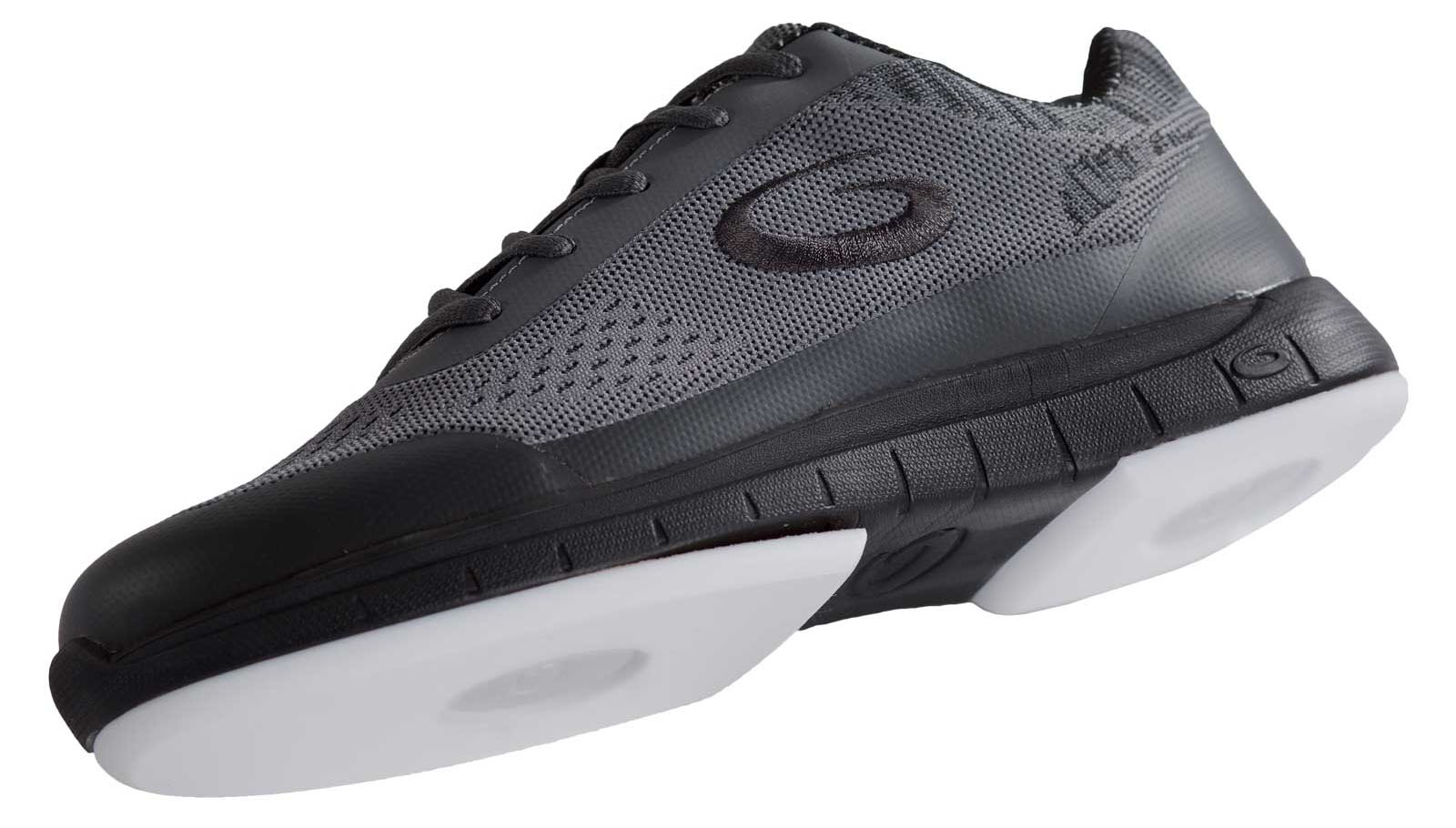
Curling shoes are fundamentally different from any other athletic footwear, designed specifically for the unique demands of curling. Unlike regular athletic shoes, curling shoes feature asymmetrical soles that serve distinct purposes for optimal performance on ice.
The key component that sets curling shoes apart is the dual-sole system. One foot features a slider - typically made from Teflon (PTFE) or stainless steel - that allows you to glide smoothly across the ice during your delivery. The other foot has a gripper made from soft rubber compound that provides essential traction for stability, sweeping, and walking on ice surfaces.
Understanding slider thickness is crucial for performance. Sliders range from 1/32" to 1/4" thickness, with thicker sliders providing faster gliding speeds. The thickness affects how the slider rides over the ice pebbles (small water droplets that create texture on curling ice). Thicker sliders ride on top of pebbles with less friction, while thinner sliders conform more to the surface.
Pro Tip: Many professional curlers use 1/4" sliders, but this doesn't mean they're right for everyone. Start with your skill level and work up as your balance and technique improve.
Modern curling shoes also incorporate advanced features like split sliders for better foot flexibility, perimeter sliders that distribute weight around the edges, and hinged designs that allow natural foot movement. Some models feature interchangeable slider systems, allowing you to upgrade speed without buying new shoes.
The gripper shoe often includes toe coating or "toe dip" - a protective layer that reduces drag from the trailing foot during delivery and protects the shoe from wear. This feature is particularly beneficial for competitive curlers who want maximum efficiency in their delivery motion.
Choosing the Right Type for Your Skill Level
Selecting appropriate curling shoes depends heavily on your experience level, playing frequency, and performance goals. Having tested shoes across all skill categories, I've learned that matching shoes to your current ability - while considering growth - is essential for both enjoyment and skill development.
Beginner Level (0-2 years)
For newcomers to curling, stability and forgiveness are paramount. I recommend starting with 1/8" or 3/32" sliders, which provide moderate speed while allowing you to develop proper balance and delivery technique.
Recommended Models:
- Goldline Swagger series (affordable entry point)
- BalancePlus 400 series (reliable beginner choice)
- Asham Club series (good value proposition)
Intermediate Level (2-5 years)
Intermediate curlers benefit from 5/32" to 3/16" sliders, offering increased speed while maintaining control. This level often sees the biggest improvement in performance with proper shoe selection.
Recommended Models:
- Goldline G50 Storm/Cyclone
- BalancePlus 500/700 series
- Asham Competitor series
Advanced and competitive curlers typically gravitate toward 1/4" sliders for maximum speed and performance. However, this choice requires excellent balance, proper technique, and understanding of ice conditions. The investment in high-end shoes pays dividends in consistency and performance at this level.
One factor many overlook is playing frequency. If you curl once a week recreationally, premium features like stainless steel sliders or advanced slider designs may not justify the cost. However, if you're curling multiple times weekly or competing regularly, these features become valuable investments.
Remember: You can always upgrade slider thickness later with most shoe models. It's better to start conservative and work up rather than struggle with overly fast sliders that compromise your technique development.
Consider also your physical characteristics. Taller, heavier curlers may benefit from faster sliders to maintain momentum, while lighter curlers might find slower sliders more manageable for control. The key is finding the sweet spot where you can slide smoothly without compromising accuracy or balance.
Brand Comparison: Goldline vs BalancePlus vs Asham

Having tested extensively across the major curling shoe manufacturers, each brand brings distinct strengths and characteristics. Understanding these differences helps ensure you choose shoes aligned with your preferences and needs, similar to how premium athletic footwear varies significantly between manufacturers.
Goldline Curling
As a Canadian company with deep curling roots, Goldline excels in innovation and technical features. Their G50 platform and Momentum series showcase cutting-edge design, with features like interchangeable slider systems and advanced materials.
Strengths:
- Superior insulation for cold conditions
- Innovative slider designs (Quantum discs)
- Excellent durability and construction
- Wide range of options for all levels
Considerations:
- Higher price point for premium models
- Some models have narrower fit
- Limited customization compared to BalancePlus
BalancePlus
BalancePlus dominates the competitive curling scene, with many professional curlers choosing their high-end models. Their 900 series represents the pinnacle of curling shoe performance, offering unmatched customization options.
Strengths:
- Preferred by most professional curlers
- Extensive customization options
- Superior slider performance and longevity
- Excellent lateral stability
Considerations:
- Premium pricing across all models
- Longer break-in period
- Less insulation than Goldline
Asham Curling
Asham offers excellent value propositions with solid construction and performance. Their focus on comfort and affordability makes them popular among recreational curlers and those seeking quality without premium pricing.
Strengths:
- Excellent value for money
- Comfortable fit for most foot types
- Good durability for recreational use
- Responsive customer service
Considerations:
- Fewer high-performance options
- Limited professional adoption
- Basic slider technology compared to competitors
User Review Summary from Amazon and Reddit:
Sarah M. - Recreational Curler
"Switched from cheap Goldline to mid-quality BalancePlus and the difference is night and day in stability and slide quality. Worth every penny for serious improvement."
Mike R. - Competitive Player
"Goldline G50 Cyclone has been my go-to for three seasons. The slider speed is perfect and they've held up incredibly well despite heavy use."
Linda K. - Club Champion
"Asham shoes served me well for five years of league play. Not the fastest sliders, but comfortable and reliable for weekend warriors."
My Personal Experience Testing Curling Shoes
Personal Testing Experience
15+ years curling, tested 12+ shoe models across all major brands
My curling journey began fifteen years ago at the local club in Minnesota, where I first experienced the frustration of inadequate footwear. Like many beginners, I started with step-on sliders and athletic shoes, quickly realizing the limitations when trying to develop consistent delivery mechanics.
My first real curling shoes were Goldline G50 Storm with 1/8" sliders. The immediate difference was remarkable - suddenly, I could focus on technique rather than struggling with balance and unpredictable sliding. The insulation kept my feet warm during those chilly early-morning practice sessions that Minnesota curlers know well.
Expert guide on what shoes to wear for curling and key features to consider
After three seasons, I upgraded to BalancePlus 704 series with 3/16" sliders. The transition period taught me valuable lessons about slider progression - rushing to thicker sliders too quickly can actually harm your development. I spent weeks adjusting to the increased speed, temporarily affecting my accuracy before finding the new balance point.
Lessons Learned:
- Always break in new shoes gradually over several games
- Slider thickness increases should be incremental (1/32" at a time)
- Ice conditions significantly affect slider performance
- Proper gripper maintenance prevents embarrassing slips
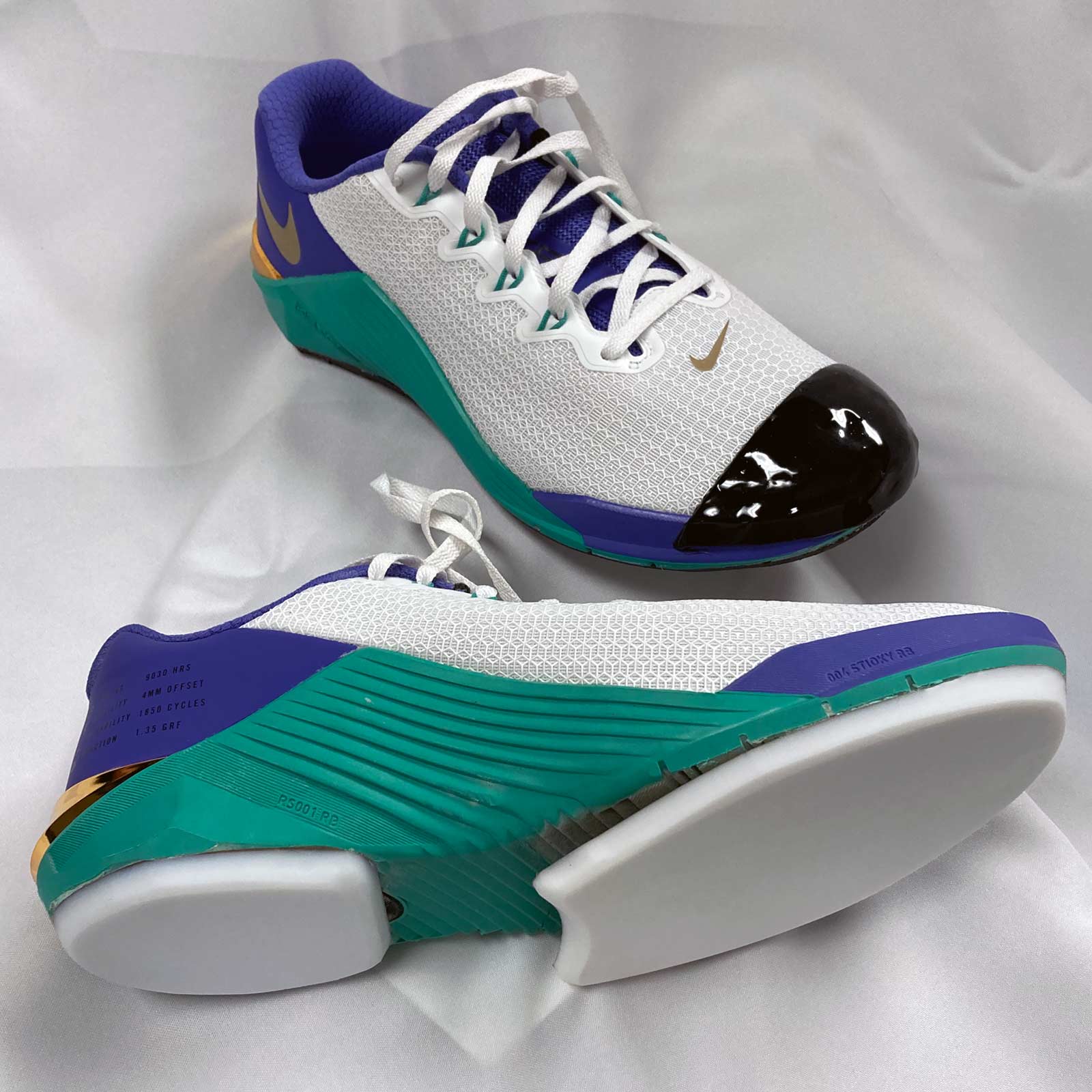
One of my most valuable experiences came from testing custom conversions. I had my favorite Nike cross-trainers converted by a local cobbler, thinking I'd get the best of both worlds. While the comfort was excellent, I missed the lateral stability and toe protection of purpose-built curling shoes. During a competitive bonspiel, I learned this lesson painfully when a 44-pound stone made contact with my unprotected toe.
Seasonal considerations became apparent during my years of league play. Different ice conditions throughout the season require adjustments - what works perfectly in November might be too fast in March when ice conditions change. I now keep two sets of sliders: 5/32" for faster ice conditions and 3/16" for slower conditions.
My current setup includes Goldline Momentum Rush with interchangeable sliders, allowing me to adapt to varying conditions and continue experimenting with different speeds. The Velcro system has proven invaluable for testing and fine-tuning performance without purchasing multiple pairs of shoes.
The most significant breakthrough in my curling came not from expensive equipment upgrades, but from understanding how shoe selection impacts the entire delivery chain. Proper curling shoes don't just improve your slide - they enhance balance, confidence, and ultimately, accuracy. This holistic impact extends beyond the hack to every aspect of ice performance, much like how quality athletic footwear affects overall athletic performance.
Essential Buying Considerations and Fit Guide
Purchasing curling shoes represents a significant investment in your curling future, and several critical factors beyond brand and price determine long-term satisfaction. Having guided numerous curlers through this process, I've identified the key considerations that separate excellent purchases from regrettable ones.
Proper Fit and Sizing
Curling shoes should fit like quality running shoes - snug but comfortable, with minimal heel slippage. Most manufacturers recommend ordering your running shoe size, but foot shape variations require careful consideration.
- Measure feet later in the day when slightly swollen
- Consider sock thickness you'll typically wear
- Account for potential foot changes with age
- Test both feet - many people have different sizes
Insulation and Warmth
Curling ice is cold, and cold feet affect performance. Insulation becomes crucial for comfort during long games and tournaments, especially in colder climates.
- Goldline typically offers superior insulation
- Consider your local ice conditions and climate
- Thin socks can improve fit but reduce warmth
- Some prefer warm-up booties between games
Handedness and Slider Placement
One of the most critical yet confusing aspects for new buyers is determining correct handedness. This isn't about your dominant hand for writing, but which hand you throw the curling stone with. Right-handed curlers (throwing with right hand) slide on their left foot, requiring right-handed shoes.
Critical Warning:
Ordering wrong-handed shoes is the most common and expensive mistake. Double-check your throwing hand before purchasing, and verify the shoe description matches your needs.
Budget Considerations and Value
Quality curling shoes range from $150 for entry-level models to $400+ for professional-grade equipment. Consider your playing frequency, competitive level, and long-term curling commitment when establishing budget parameters.
| Price Range | Features | Best For |
|---|---|---|
| $150-200 | Basic sliders, standard construction, limited options | Beginners, recreational players |
| $200-300 | Advanced sliders, better materials, more options | Intermediate to serious players |
| $300-400+ | Premium materials, customization, pro features | Competitive and professional curlers |
Remember that quality curling shoes are long-term investments. A $300 pair used three times weekly for five years costs less than $1 per game - excellent value for equipment that directly impacts performance and enjoyment.
Pro Shopping Tip:
Many retailers offer trial periods or exchanges for sizing issues. Take advantage of these policies, especially for online purchases where trying on isn't possible. Also consider shopping end-of-season sales for significant savings on quality models.
Maintenance, Care, and Seasonal Tips
Proper maintenance extends the life of your curling shoes significantly while ensuring consistent performance throughout their lifespan. After years of caring for multiple pairs across varying conditions, I've developed a systematic approach that maximizes both durability and performance, similar to maintaining premium athletic footwear.
Slider Protection and Care
The slider is your shoe's most critical and vulnerable component. While sliders rarely wear out from ice use, one small piece of debris or rough surface contact can cause irreparable damage. I learned this lesson expensively when a tiny stone fragment scratched my $50 slider beyond repair.
Essential Slider Protection Rules:
- Always use grippers when not shooting
- Never walk on concrete or rough surfaces with exposed sliders
- Clean sliders with soft cloth after each session
- Store with protective covers in your curling bag
- Inspect regularly for scratches or damage
Gripper Maintenance and Replacement
Grippers require more frequent attention than sliders. They wear naturally and can develop "picks" - smooth spots that shed rubber particles on the ice, affecting stone travel. Replace grippers annually or when you notice smooth, shiny areas on the rubber surface.
Monthly Gripper Care:
- Clean with warm water and mild soap
- Check for embedded debris
- Inspect rubber compound condition
- Test grip on practice ice
Replacement Indicators:
- Visible smooth or shiny spots
- Reduced traction on ice
- Rubber cracking or hardening
- Complaints from other curlers about rubber specs
Seasonal Considerations
Ice conditions vary significantly throughout the curling season, affecting optimal slider performance. Early season ice tends to be harder and faster, while late season ice becomes softer and slower. Understanding these patterns helps optimize your equipment choices.
Seasonal Ice Condition Guide:
Early Season (Oct-Dec)
Hard, fast ice - consider thinner sliders or grippy shoes for control
Mid-Season (Jan-Feb)
Optimal conditions - standard slider thickness works well
Late Season (Mar-Apr)
Soft, slow ice - thicker sliders help maintain speed
Storage and Off-Season Care
Proper storage during the off-season prevents damage and extends shoe life. Clean thoroughly, ensure complete drying, and store in a cool, dry location away from direct sunlight. Consider using shoe trees to maintain shape and cedar blocks to control moisture and odors.
Regular maintenance not only protects your investment but also ensures consistent performance when it matters most. During important games or tournaments, equipment failures can be particularly frustrating and costly. A systematic care routine prevents most issues and keeps your curling shoes performing optimally season after season.
Frequently Asked Questions
What makes curling shoes different from regular athletic shoes?
Curling shoes feature specialized soles with different materials on each foot. One shoe has a slider made of Teflon or stainless steel for gliding on ice, while the other has a gripper made of soft rubber for traction. This unique design allows curlers to slide smoothly during delivery while maintaining stability when sweeping or walking on ice. Additionally, curling shoes often include insulation, reinforced toe boxes for protection against stones, and specialized construction for lateral stability during the sliding motion.
How do I determine if I need right-handed or left-handed curling shoes?
Your handedness in curling is determined by which hand you throw the stone with, not your dominant writing hand. If you're right-handed (throw with your right hand), you slide on your left foot during delivery, so you need right-handed shoes with the slider on the left foot. Left-handed curlers slide on their right foot and need left-handed shoes with the slider on the right foot. When in doubt, observe which foot you naturally put forward when sliding - that's the foot that needs the slider.
What slider thickness should beginners choose?
Beginners should typically start with 1/8" or 3/32" thickness sliders, which provide moderate speed and are more forgiving for learning proper balance and technique. These thinner sliders offer better control while you develop your delivery mechanics and ice awareness. Thicker sliders (1/4") are faster but require better balance, technique, and understanding of ice conditions. As your skills improve and you become more comfortable with your delivery, you can upgrade to thicker, faster sliders for enhanced performance. Remember, even professional curlers often use various slider thicknesses depending on ice conditions.
Can I convert regular athletic shoes into curling shoes?
Yes, many curlers have their favorite athletic shoes converted to curling shoes by specialized services like Craig's Curling Shoes or local cobblers with curling experience. This option offers the comfort of familiar footwear at a lower cost than purpose-built curling shoes. However, purpose-built curling shoes often provide advantages including better insulation for cold ice conditions, lateral stability specifically designed for curling motions, reinforced toe protection against stone impacts, and optimized weight distribution. The choice depends on your budget, comfort preferences, competitive level, and how seriously you pursue the sport.
How often should I replace my curling shoes?
Quality curling shoes can last many years with proper care and maintenance. The slider component rarely wears out from normal ice use, but damage from walking on rough surfaces can require replacement. Grippers need replacement more frequently - typically annually or when they develop smooth spots that shed rubber particles on the ice. The shoe upper and overall construction typically last 5-10 years depending on frequency of use, care quality, and playing conditions. Signs for replacement include sole separation, significant upper wear, persistent comfort issues, or when repair costs approach new shoe prices.
Do I need special socks for curling?
While not mandatory, quality moisture-wicking socks significantly improve comfort during long games on cold ice. Avoid cotton socks as they retain moisture, become uncomfortable when wet, and provide poor insulation when damp. Merino wool or synthetic athletic socks work best, offering moisture management, warmth retention, and durability. Some curlers prefer thin socks for better feel and more precise fit in their curling shoes, while others choose thicker cushioned socks for warmth and comfort. Experiment to find what works best for your feet, shoes, and local ice conditions.
Conclusion
Choosing the right curling shoes represents one of the most impactful decisions you'll make in your curling journey. From my extensive experience testing various models and guiding fellow curlers through this process, I've learned that the perfect shoe choice depends on careful consideration of your skill level, playing frequency, budget, and long-term curling goals.
The key takeaways from this comprehensive guide emphasize starting conservatively with slider thickness, prioritizing proper fit and comfort, and understanding that quality curling shoes are long-term investments that directly impact your performance and enjoyment on the ice. Whether you choose Goldline's innovative designs, BalancePlus's professional-grade performance, or Asham's excellent value proposition, focusing on your specific needs rather than following trends will lead to the best outcomes.
Remember that your curling shoes are just one component of your overall equipment system, much like how quality athletic footwear complements your performance in other sports. Consider how your shoes will work with your delivery style, local ice conditions, and playing schedule to make the most informed decision.
Final Recommendations:
- Start with 1/8" sliders if you're a beginner, regardless of brand
- Prioritize proper fit over brand loyalty or price considerations
- Budget for quality grippers and replacement components
- Consider your local ice conditions and climate in your selection
- Plan for gradual upgrades as your skills develop
As you embark on or continue your curling journey, remember that the best curling shoes are those that feel comfortable, match your skill level, and inspire confidence on the ice. Take time to research, ask questions at your local pro shop, and don't hesitate to seek advice from experienced curlers at your club.
The investment in quality curling shoes pays dividends not just in performance, but in the pure enjoyment of this wonderful sport. Every smooth slide, every confident sweep, and every successful shot builds upon the foundation that proper footwear provides. Whether you're aiming for recreational enjoyment or competitive excellence, the right curling shoes will support your goals and enhance every moment you spend on the ice.
Continue exploring winter sports gear and outdoor equipment at
Explore National Parks StoreYour trusted source for outdoor and winter sports equipment expertise