Dipsea Trail: The Ultimate Guide to California's Most Challenging and Rewarding Hike
What is the Dipsea Trail?

The Dipsea Trail is arguably Northern California's most famous and challenging hiking trail, stretching approximately 7.4 miles from downtown Mill Valley to the pristine sands of Stinson Beach. This legendary trail has earned its reputation as both a bucket-list destination for serious hikers and the route of America's oldest trail race west of the Mississippi River, dating back to 1904.
What sets the Dipsea Trail apart from other hiking experiences is its unique combination of urban beginning, diverse ecosystems, and dramatic elevation changes. The trail begins in the charming downtown area of Mill Valley, immediately challenging hikers with its infamous three flights of stairs totaling over 670 steps – equivalent to climbing a 50-story building. These stairs weave through residential neighborhoods adorned with whimsical gardens and eclectic homes before transitioning into pristine wilderness areas.
Trail Stats: 7.4 miles one-way • 2,742 ft elevation gain • 5-7 hours hiking time • Difficulty: Hard
The trail crosses multiple jurisdictions including the National Park Service, California State Parks, Marin County, and private properties, making it a unique collaborative conservation effort. Listed on the National Register of Historic Places in 2010, the Dipsea Trail represents more than just a hiking route – it's a cultural landmark that has inspired generations of outdoor enthusiasts and competitive runners.
Beyond its physical challenges, the Dipsea Trail offers an incredible diversity of landscapes within a single hike. You'll traverse residential neighborhoods, climb through oak and madrone forests, descend into the cathedral-like groves of Muir Woods National Monument, ascend the challenging "Cardiac Hill," and finally descend through coastal scrublands to reach the Pacific Ocean at Stinson Beach.
Trail Route and Key Highlights
The Dipsea Trail's route is a masterclass in geographical diversity, taking hikers through distinct ecosystems and elevation zones that showcase the best of Northern California's natural beauty. Understanding each section helps prepare for the unique challenges and rewards that await.
Starting from Old Mill Park in downtown Mill Valley, the trail immediately announces its intentions with the famous Dipsea Stairs. These three flights of steps, constructed in different eras, wind through one of Mill Valley's most charming residential areas. The first flight begins at Cascade Drive and climbs approximately 200 steps through lush gardens. The second flight continues up Marion Avenue with another 200+ steps, while the final flight on Hazel Avenue completes the remaining stairs before reaching the wilderness sections.
Mile 1: The Stairs
670+ stairs through residential Mill Valley, gaining 400+ feet in elevation
Miles 2-3: Muir Woods
Ancient redwood groves with boardwalks and visitor facilities
After conquering the stairs, hikers enter the wilderness proper, following single-track trails that wind around Panoramic Highway before descending into Muir Woods National Monument. This section, known as "Dynamite" by race participants, features numerous switchbacks and steady climbing through mixed forests of oak, madrone, and Douglas fir. The trail's intersection with Muir Woods provides the only reliable water source and restroom facilities along the entire route.
The most challenging section comes after Muir Woods with the ascent to "Cardiac Hill" at 1,360 feet elevation – the highest point of the trail. This steep climb through towering Douglas firs tests even experienced hikers' endurance. From Cardiac Hill, the trail rewards your effort with panoramic views of San Francisco, the Golden Gate Bridge, and the Pacific Ocean. The descent includes the notorious "Steep Ravine" section with hundreds of wooden and stone steps, followed by the misleadingly named "Insult Hill" – one final climb before the gentle descent through coastal grasslands to Stinson Beach.
Essential Gear and Preparation
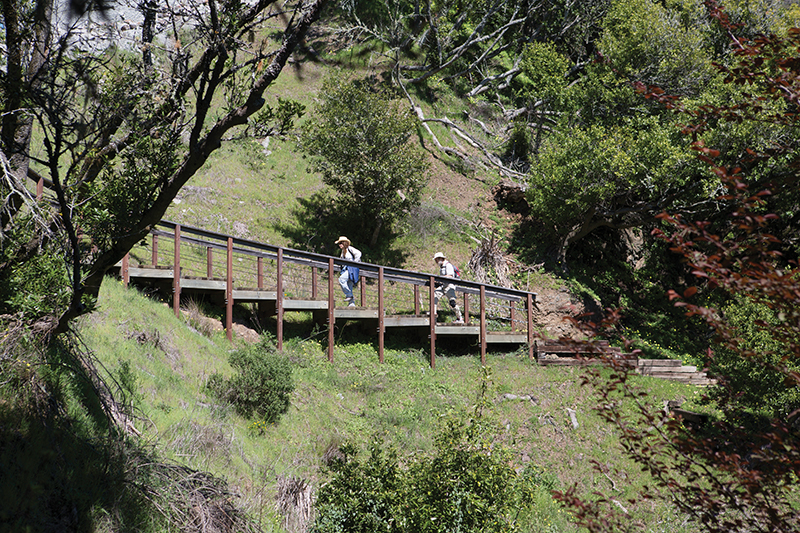
Proper gear selection can make the difference between an enjoyable adventure and a grueling ordeal on the demanding Dipsea Trail. The trail's diverse terrain, significant elevation changes, and potential for rapidly changing weather conditions require thoughtful preparation and the right equipment.
Footwear is absolutely critical for the Dipsea Trail's varied surfaces. The combination of wooden stairs, rocky single-track, muddy sections, and steep descents demands shoes with excellent traction and ankle support. I've learned this lesson the hard way – regular running shoes simply don't provide adequate grip on the wet wooden steps in Steep Ravine or the loose rocks near Cardiac Hill.
Hydration is another critical consideration. With only one reliable water source at Muir Woods (approximately halfway), hikers must carry sufficient water for the entire journey. I recommend at least 3 liters for most hikers, more during hot weather or for slower-paced groups. A hydration pack allows hands-free drinking, which is invaluable when navigating technical sections.
Gear Essentials Checklist
- Waterproof hiking boots with aggressive tread
- Moisture-wicking clothing layers
- Rain jacket (weather changes quickly)
- 3+ liters of water or hydration system
- High-energy snacks and lunch
- Trekking poles for steep sections
- First aid kit and emergency whistle
- Headlamp (if starting early or finishing late)
Weather protection deserves special attention on the Dipsea Trail. Marin County's coastal climate can shift dramatically, with fog rolling in quickly and temperatures varying significantly between the inland valleys and coastal areas. I always carry a lightweight rain jacket and an extra insulating layer, even on seemingly perfect weather days. The trail shoes and trail boots you choose should be able to handle both muddy forest sections and the potentially slippery wooden boardwalks in Muir Woods.
My Personal Experience Hiking the Dipsea Trail
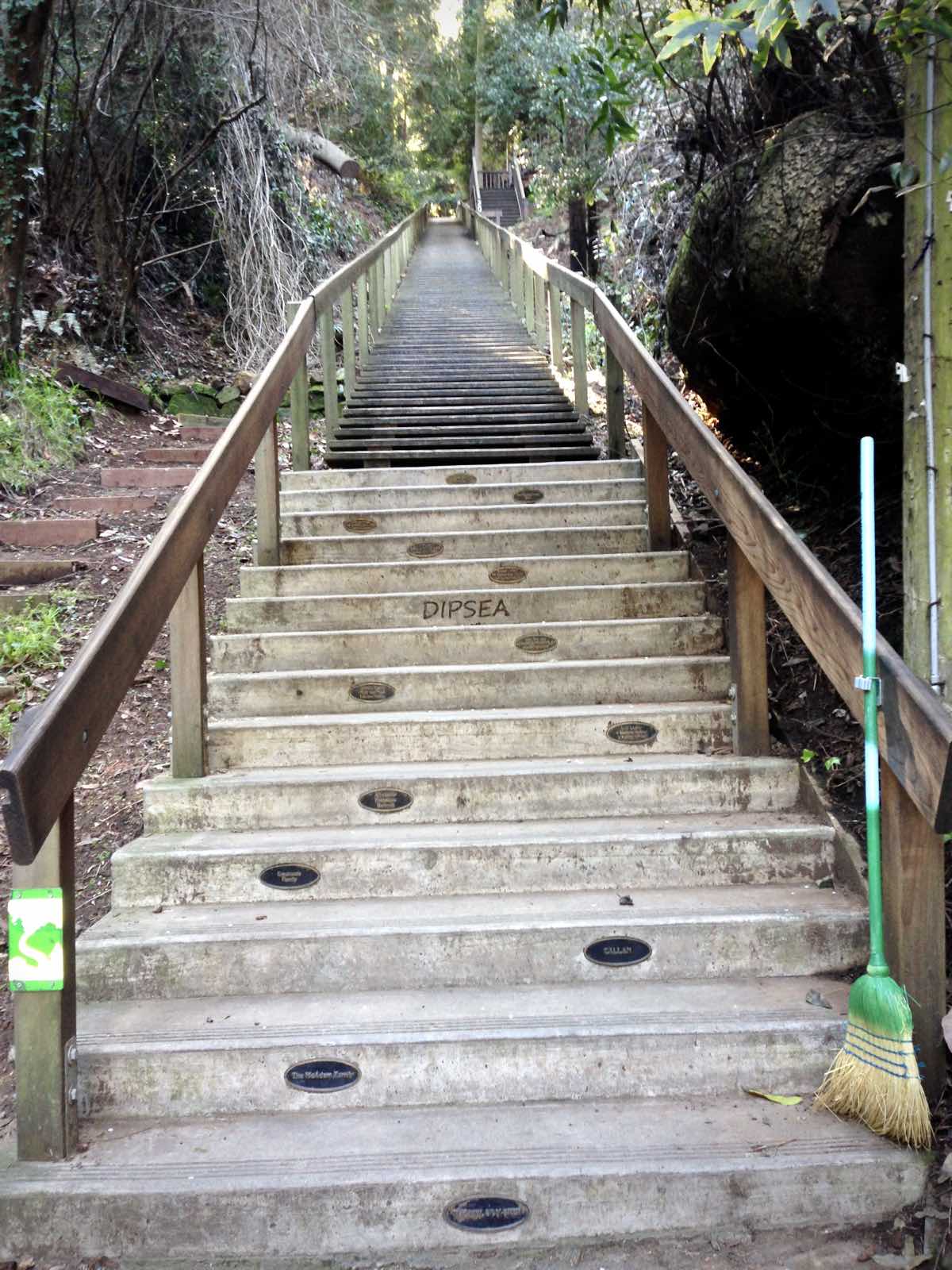
My first encounter with the Dipsea Trail came on a crisp October morning when I arrived at Old Mill Park with more confidence than preparation. Like many first-time hikers, I had underestimated both the physical demands and the trail's technical challenges. That humbling experience taught me valuable lessons that I now share with everyone planning to tackle this legendary route.
The initial climb up the Dipsea Stairs immediately set the tone for the day's challenges. By the second flight, my quads were burning, and I found myself stopping frequently to catch my breath while pretending to admire the charming Mill Valley gardens. A local ranger I met later that day advised me that pacing is crucial – "The stairs are just the warm-up," he warned with a knowing smile. This wisdom proved invaluable on subsequent hikes when I learned to maintain a steady, sustainable rhythm from the very beginning.
Lessons Learned from Experience
- Start early (7 AM or earlier) to avoid crowds and heat
- Hiking in reverse (Stinson Beach to Mill Valley) puts the brutal stairs at the end
- The wooden steps in Steep Ravine become treacherously slippery when wet
- Cardiac Hill lives up to its name – save energy for this section
- Pack more food than you think you'll need
What struck me most about subsequent visits was the seasonal transformation of the trail. My spring hikes revealed wildflower displays that aren't visible during other seasons, while winter visits showcased dramatic waterfalls and creek crossings that run dry by summer. Each season offers a completely different experience, making the Dipsea Trail worthy of multiple visits throughout the year.
The Muir Woods section consistently provides my favorite moments on the trail. There's something almost spiritual about transitioning from the challenging climb through Dynamite into the hushed cathedral of ancient redwoods. I've learned to build extra time into my schedule here – not just for rest and water refilling, but to truly appreciate one of California's most magnificent natural settings. The contrast between the intimate forest environment and the expansive ocean views awaiting at Stinson Beach creates a uniquely satisfying hiking experience.
User Reviews Summary
"Best hike in Bay Area, but prepare for serious challenge. Those stairs are no joke!" - AllTrails Review
"Incredible views and diversity. Started at 6 AM to avoid crowds - highly recommend!" - Reddit User
"Trail was muddy in winter but absolutely magical. Bring trekking poles!" - Hiking Forum
Perhaps most importantly, I learned that the Dipsea Trail rewards persistence over speed. My most enjoyable hikes have been those where I embraced the journey rather than racing to the destination. Taking time to chat with fellow hikers, observing wildlife, and simply absorbing the diverse landscapes makes each Dipsea experience memorable. The trail connects you not just to nature, but to a community of outdoor enthusiasts who share a appreciation for one of California's most challenging and rewarding hiking adventures. For those seeking similar challenges, I recommend exploring the Continental Divide Trail or Northville Placid Trail for multi-day adventures.
Seasonal Considerations and Best Times to Hike
The Dipsea Trail offers distinctly different experiences throughout the year, and understanding these seasonal variations is crucial for planning your optimal hiking experience. Northern California's Mediterranean climate creates unique opportunities and challenges that vary dramatically from season to season, affecting everything from trail conditions to crowd levels and natural beauty.
Spring (March-May) represents the trail's most spectacular season for wildflower enthusiasts and photographers. During this period, the hillsides explode with California poppies, lupines, and other native wildflowers, creating a colorful tapestry that's particularly stunning on the coastal sections approaching Stinson Beach. However, spring also brings increased creek flow and muddy conditions, especially in the Steep Ravine section where winter runoff creates numerous stream crossings and potentially slippery wooden bridges.
Spring (Mar-May)
Best for: Wildflowers, waterfalls, fewer crowds
Challenges: Muddy conditions, variable weather
Summer (Jun-Aug)
Best for: Clear weather, long daylight hours
Challenges: Crowds, heat, dry conditions
Fall (Sep-Nov)
Best for: Perfect weather, autumn colors
Challenges: Popular season, poison oak
Winter (Dec-Feb)
Best for: Solitude, dramatic weather
Challenges: Rain, shorter days, closures
Summer hiking on the Dipsea Trail requires careful planning due to the combination of increased crowds and challenging heat conditions. The annual Dipsea Race in June brings significant attention to the trail, and weekends throughout summer can see hundreds of hikers attempting the route. I've found that starting before 7 AM during summer months provides the best experience – cooler temperatures, fewer crowds, and better parking availability in Mill Valley. The dry summer conditions also mean that all water sources except those in Muir Woods may be unreliable.
Fall emerges as my personal favorite season for the Dipsea Trail, offering what many consider the perfect combination of weather, conditions, and natural beauty. September through November typically brings clear, stable weather with comfortable temperatures and minimal precipitation. The oak and madrone forests display beautiful autumn colors, and the reduced summer crowds make for a more peaceful hiking experience. However, this is also peak poison oak season, so staying on established trails becomes even more critical.
Optimal Timing Tips
- Best months: September-November and March-May
- Ideal start times: 7-8 AM to avoid heat and crowds
- Weather considerations: Check conditions; coastal fog can roll in quickly
- Trail conditions: Contact rangers about seasonal closures
Winter presents the most variable conditions on the Dipsea Trail, ranging from crisp, clear days with dramatic coastal views to stormy periods when sections may become impassable. The Steep Ravine area can become particularly hazardous during heavy rains, and creek crossings may require detours. However, winter also offers unique rewards – fewer hikers, dramatic storm watching opportunities from Cardiac Hill, and the chance to experience the trail's wild, untamed character. For those seeking winter hiking alternatives, consider exploring the Buckeye Trail or Chilkoot Trail for different seasonal experiences.
Safety Tips and Trail Etiquette

Safety on the Dipsea Trail extends far beyond personal preparation – it encompasses respect for the environment, consideration for other trail users, and understanding the unique hazards that make this trail both challenging and potentially dangerous. The combination of steep terrain, technical sections, and high usage levels creates situations that require constant awareness and good judgment.
The most critical safety considerations involve the trail's numerous stairways and steep sections. The wooden steps in Steep Ravine become extremely slippery when wet, and I've witnessed numerous falls in this area. Always test your footing, use handrails when available, and consider descending stairs sideways for better control. Trekking poles become invaluable in these sections – not just for stability, but for testing surfaces before committing your full weight.
Critical Safety Considerations
- Weather hazards: Fog can reduce visibility to feet
- Trail conditions: Wet wood stairs extremely slippery
- Wildlife encounters: Mountain lions occasionally reported
- Emergency access: Limited cell service in many areas
- Dehydration risks: Only one reliable water source
- Navigation challenges: Multiple trail intersections
- Poison oak: Abundant throughout lower elevations
- Overuse injuries: Steep descents stress knees significantly
Trail etiquette on the busy Dipsea Trail requires special attention due to the narrow single-track sections and high user volume. The golden rule is simple: uphill hikers have the right of way, and faster users should announce their approach and wait for a safe passing opportunity. During peak seasons, bottlenecks commonly occur at the stairway sections, and patience becomes essential. I've found that starting early not only provides better conditions but also demonstrates respect for the trail community by reducing congestion.
Positive Trail Etiquette
- Yield to uphill hikers
- Stay on designated trails
- Pack out all trash
- Keep noise levels respectful
- Respect private property markers
- Help fellow hikers when safe to do so
What to Avoid
- Dogs are prohibited on this trail
- No camping or overnight stays
- Don't create new trails or shortcuts
- Avoid hiking alone in winter
- Don't approach wildlife
- Never leave trash or food scraps
Environmental stewardship becomes particularly important on the heavily used Dipsea Trail. The route crosses sensitive habitats and passes through areas with rare native plants. Staying on established trails isn't just about safety – it's about preserving these ecosystems for future generations. The temptation to take shortcuts, especially during crowded conditions, can cause significant environmental damage and erosion problems that take years to repair.
Emergency preparedness deserves special attention given the trail's remote sections and limited cell coverage. I always carry a whistle, basic first aid supplies, and extra food and water beyond my planned needs. The most common injuries on the Dipsea Trail involve knee problems from the steep descents and ankle injuries from uneven surfaces. Consider using Hillsound Trail Crampons for additional traction in wet conditions, and always inform someone of your planned route and return time. For those interested in similar technical trails, the Chimney Tops Trail, Fiery Gizzard Trail, and Highline Trail offer comparable challenges with different scenery.
Conclusion
The Dipsea Trail stands as one of Northern California's most rewarding and challenging hiking experiences, offering an unparalleled journey from urban Mill Valley to the pristine Pacific shores of Stinson Beach. This legendary 7.4-mile trail has earned its reputation through more than a century of testing hikers, runners, and outdoor enthusiasts with its demanding combination of 670+ stairs, steep climbs, technical descents, and diverse ecosystems.
What makes the Dipsea Trail truly special isn't just its physical challenges, but its ability to showcase the incredible diversity of Northern California's landscapes within a single day's adventure. From the charming residential neighborhoods of Mill Valley through the cathedral-like groves of ancient redwoods in Muir Woods, up to the panoramic vistas from Cardiac Hill, and finally down to the endless horizons of the Pacific Ocean – few trails offer such dramatic transitions and memorable experiences.
Ready to Conquer the Dipsea Trail?
Join thousands of adventurers who have discovered why this trail remains California's most iconic hiking challenge.
Make Your Muir Woods ReservationSuccess on the Dipsea Trail requires more than just physical fitness – it demands proper preparation, appropriate gear, respect for the environment, and realistic expectations about the challenges ahead. The lessons learned on this trail – pacing, perseverance, and appreciation for natural beauty – extend far beyond the hiking experience itself. Whether you're training for the famous Dipsea Race or simply seeking an unforgettable outdoor adventure, this trail will test your limits and reward your efforts in equal measure.
Remember that the Dipsea Trail is more than just a hiking destination – it's a piece of California history, a conservation success story, and a community gathering place that has brought people together for over a century. As you plan your adventure, consider the generations of hikers who have walked this same path, each leaving with their own stories of challenge overcome and beauty discovered.
The Dipsea Trail awaits your exploration, ready to challenge your endurance, reward your persistence, and create memories that will last a lifetime. Pack your gear, respect the trail, and prepare for one of California's most iconic outdoor adventures. For those inspired to explore more challenging trails, consider the Juniper Trail, Shafer Trail, Sliding Sands Trail, or Stevens Trail for your next adventure. Don't forget to invest in quality trail boots, trail boots for women, or Banff trail boots to ensure your feet are properly equipped for whatever trail calls to you next.
Frequently Asked Questions
How difficult is the Dipsea Trail for beginners?
The Dipsea Trail is considered one of the most challenging day hikes in the Bay Area and is not recommended for beginners. The combination of 670+ stairs, 2,742 feet of elevation gain, and technical terrain over 7.4 miles requires significant fitness preparation. New hikers should start with easier trails like Watchman Trail or Grandfather Trail to build endurance. If you're determined to attempt the Dipsea Trail as a beginner, consider hiking just the first section to the stairs, or starting from Stinson Beach and hiking only partway up. Training for several months with stair climbing, hill hiking, and gradually increasing distances is essential for a safe and enjoyable experience.
What's the best starting point: Mill Valley or Stinson Beach?
Most hikers start from Mill Valley because it follows the traditional race route and provides a sense of accomplishment ending at the beach. However, starting from Stinson Beach offers significant advantages: better parking availability, no reservation requirements, and ending with the challenging stairs when you're tired actually makes them feel less daunting psychologically. The reverse route also means you start with ocean views and work your way into the forest. For first-time hikers, I recommend the traditional Mill Valley start to experience the full historical context. Experienced hikers often prefer the Stinson Beach start for logistics and to avoid the crowds that gather at the Mill Valley trailhead.
Are dogs allowed on the Dipsea Trail?
No, dogs are not allowed on the Dipsea Trail. This restriction is strictly enforced because the route passes through Muir Woods National Monument and other protected areas where dogs can disturb wildlife and native plant communities. The prohibition also exists for safety reasons, as the narrow trail with steep stairs and technical sections creates hazardous conditions for pets. Dog owners seeking similar hiking experiences should consider the Otter Trail or Pohono Trail, which allow leashed dogs in certain sections. Always check current regulations before hiking, as rules can vary by jurisdiction along multi-agency trails. Violations can result in significant fines and contribute to trail access restrictions.
How long does it take to complete the entire Dipsea Trail?
Hiking times vary significantly based on fitness level, weather conditions, and how many stops you make for photos or rest. Most hikers complete the one-way journey in 5-7 hours, while very fit hikers or trail runners might finish in 3-4 hours. The return trip (double Dipsea) typically takes 8-12 hours for most people. Plan for longer times during your first attempt, in wet conditions, or when hiking with a group. The technical sections, particularly the stairs and Steep Ravine, slow progress considerably and require careful footing. I recommend allowing 6-8 hours for your first one-way hike, bringing plenty of water and snacks, and starting early to avoid being caught on the trail in darkness. Remember that descent times can be longer than ascent due to the technical nature of many downhill sections.
What gear is absolutely essential for the Dipsea Trail?
Essential gear includes sturdy hiking boots with excellent traction (the wooden stairs become extremely slippery when wet), at least 3 liters of water (only one reliable refill point at Muir Woods), high-energy snacks or lunch, layers for changing weather conditions, and a basic first aid kit. Trekking poles are highly recommended for the steep descents and technical sections. Many experienced hikers consider a headlamp essential in case you're caught on the trail after dark. Weather protection is critical – coastal fog can roll in rapidly, dropping temperatures and visibility dramatically. Quality trail shoes with aggressive tread patterns are non-negotiable, as regular athletic shoes lack the traction needed for wet wooden surfaces and rocky single-track sections.
When is the best time of year to hike the Dipsea Trail?
The optimal hiking seasons are fall (September-November) and spring (March-May), when weather is most stable and temperatures are comfortable. Fall offers the best combination of clear skies, minimal precipitation, and fewer crowds, though poison oak is at its peak. Spring provides wildflower displays and flowing waterfalls but can be muddy and unpredictable. Summer brings crowds and heat but guarantees clear weather and long daylight hours – start very early to avoid both issues. Winter hiking can be spectacular but requires careful attention to weather conditions, as storms can make sections impassable. Avoid hiking during or immediately after heavy rains, when wooden stairs and creek crossings become dangerous. For the best experience, choose weekdays in late September or early October, starting at sunrise for optimal lighting and minimal crowds.
Start Your Dipsea Trail Adventure Today
Don't let this legendary trail remain just a dream. Take the first step toward conquering one of California's most iconic hiking challenges.
Plan Your Hike