The Ultimate Guide to Dog Friendly Walks: Best Trails, Gear, and Safety Tips for 2025
After spending over three years exploring hundreds of trails with my golden retriever Max across Texas, Colorado, and the Pacific Northwest, I've learned that successful dog friendly walks require more than just finding a pet-friendly trail. From gear selection to safety protocols, this comprehensive guide shares everything I've discovered about making outdoor adventures with your canine companion both safe and memorable. Whether you're planning your first hiking adventure or looking to expand your trail repertoire, you'll find actionable insights backed by real-world experience. Explore more outdoor adventures and gear recommendations at our homepage.
Why Dog Friendly Walks Are Essential for Your Pet's Health and Happiness
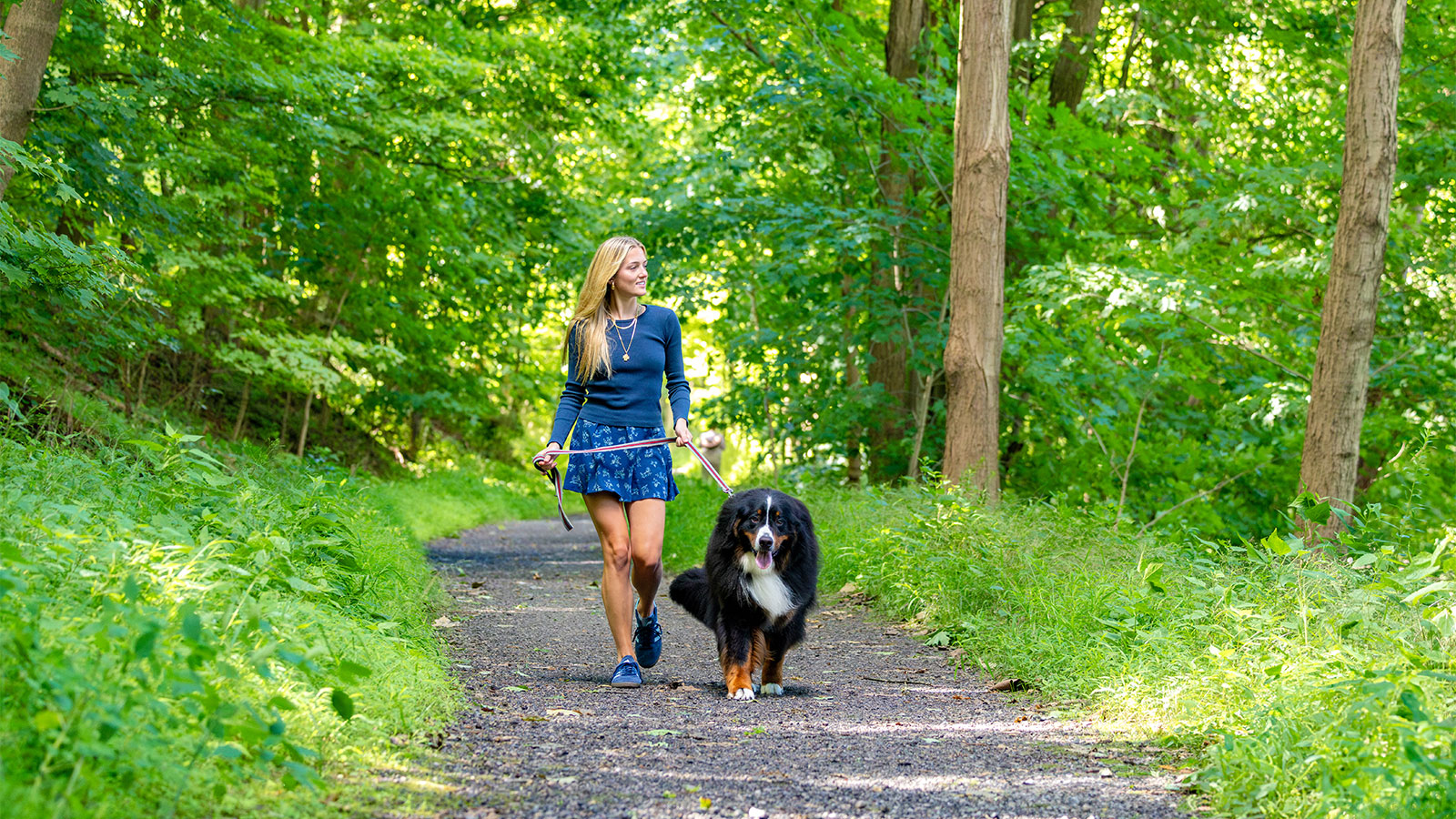
Dog friendly walks represent far more than simple exercise – they're fundamental to your pet's physical and mental well-being. During my years of exploring trails with Max, I've witnessed firsthand how regular outdoor adventures transform anxious, restless dogs into confident, well-balanced companions. The combination of physical exertion, sensory stimulation, and social interaction creates a perfect storm of benefits that indoor activities simply cannot replicate.
The physical health benefits are immediately apparent. Dogs who regularly participate in dog friendly walks maintain healthier weights, develop stronger cardiovascular systems, and experience improved joint mobility. Max, now seven years old, maintains the energy and agility of a much younger dog thanks to our consistent hiking routine. Veterinary research consistently shows that dogs engaging in regular trail activities have lower rates of obesity, diabetes, and joint problems compared to their sedentary counterparts.
Mental stimulation proves equally crucial. Natural environments provide an endless array of scents, sounds, and textures that engage your dog's cognitive abilities. I've observed how challenging terrain and new environments help dogs develop problem-solving skills and environmental confidence. The mental fatigue from processing these stimuli often proves more satisfying than physical exhaustion alone.
Social benefits extend beyond the human-dog bond. Well-managed dog friendly walks provide controlled socialization opportunities with other hikers and their pets. This exposure helps dogs develop appropriate social behaviors and reduces anxiety in new situations. However, successful socialization requires proper preparation and gradual exposure – lessons I learned through both successes and mistakes during our early adventures.
Choosing the Perfect Trail for Your Dog's Abilities
Selecting appropriate trails for dog friendly walks requires careful consideration of your pet's age, fitness level, breed characteristics, and experience. During our early adventures, I made the mistake of choosing trails based on my preferences rather than Max's capabilities, leading to several challenging situations that taught me valuable lessons about proper trail selection.
Beginner-Friendly Trail Characteristics
- • Wide, well-maintained paths with minimal elevation gain
- • Distance under 3 miles for initial outings
- • Accessible water sources or creek crossings
- • Shaded sections for hot weather protection
- • Clear trail markings and minimal navigation challenges
Age considerations play a crucial role in trail selection. Puppies under 18 months shouldn't tackle strenuous hikes due to developing joints and bones. Senior dogs require gentler terrain with frequent rest opportunities. I learned this lesson when attempting a challenging dog-friendly hiking trail with an older rescue dog, resulting in an emergency veterinary visit that could have been avoided with better planning.
Breed-specific considerations significantly impact trail suitability. Brachycephalic breeds (bulldogs, pugs) struggle with heat and altitude, requiring shorter distances and cooler conditions. Working breeds thrive on challenging terrain but need proper conditioning. Sight hounds excel at short bursts but lack endurance for long distances. Understanding your dog's genetic predispositions helps avoid dangerous situations and ensures enjoyable experiences.
Progressive difficulty building proves essential for developing trail fitness. Start with easy, familiar routes and gradually increase distance, elevation, and terrain complexity. I recommend increasing weekly mileage by no more than 10% to prevent overuse injuries. Document your dog's responses to different trail types, noting preferences and limitations. This data becomes invaluable when planning future dog friendly walks and helps identify potential health issues early.
Essential Gear for Safe and Enjoyable Dog Friendly Walks
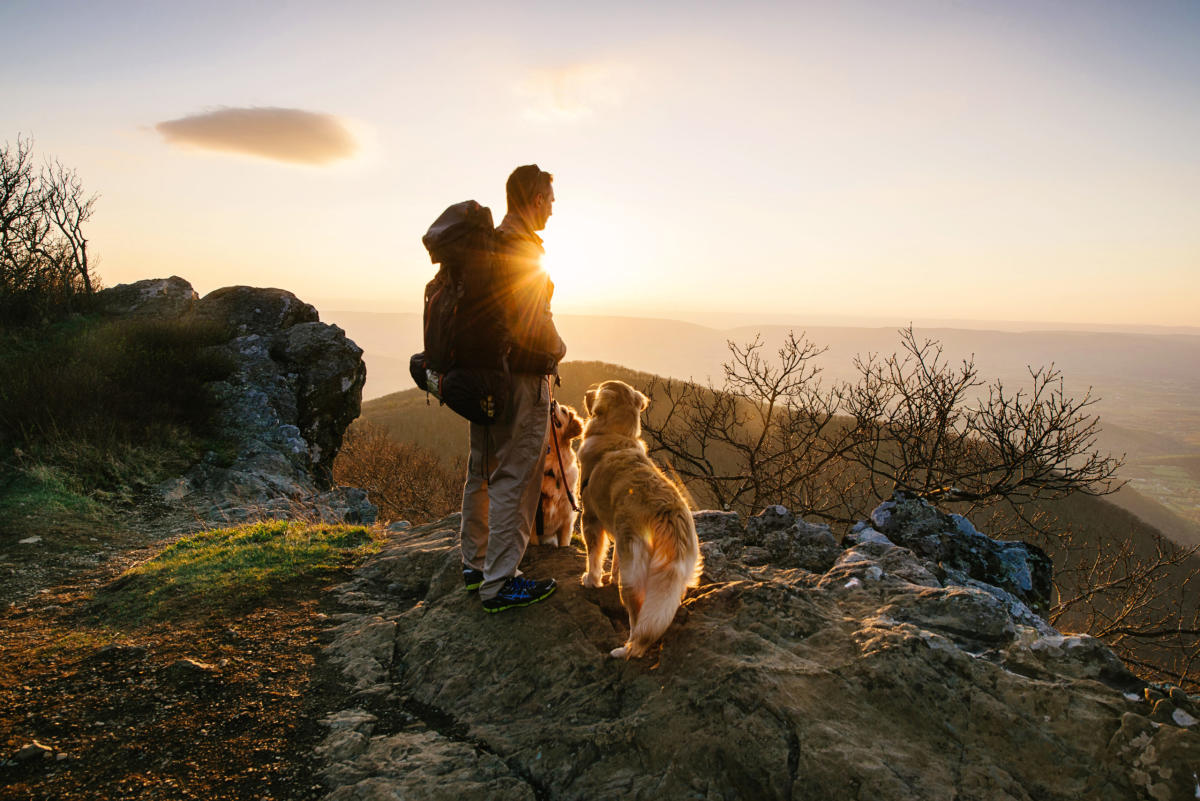
Proper gear selection can transform challenging situations into manageable adventures. Through years of trial and error, expensive mistakes, and emergency situations, I've refined my essential gear list for dog friendly walks. Quality equipment not only ensures safety but significantly enhances the overall experience for both you and your canine companion.
Hydration Solutions
Water remains the most critical safety item. I recommend carrying 8-12 ounces per hour of hiking for your dog, plus additional reserves for emergencies.
Top Pick: SÄKER Portable Dog Water Bottle
This 550ml bottle features a collapsible bowl design perfect for trail use. The leak-proof construction and one-handed operation make it ideal for active adventures.
View on Amazon - $19.95Paw Protection
Rocky terrain, hot surfaces, and thorny vegetation can severely injure unprotected paws. Proper protection prevents painful cuts and allows longer adventures.
Recommended: Collapsible Travel Bowls Set
These upgraded bowls with carabiner attachment and one-piece molded rim prevent cracking and provide reliable feeding solutions on the trail.
View on Amazon - $6.99Harness selection significantly impacts your dog's comfort and your control during challenging sections. After testing numerous models, I strongly recommend avoiding traditional collars for adventurous dog-friendly trails. Quality harnesses distribute pressure across the chest, preventing tracheal damage and providing better control during sudden movements or emergency situations.
Emergency Preparedness Essentials
First Aid Kit Items:
- • Gauze pads and medical tape
- • Antiseptic wipes and antibiotic ointment
- • Emergency contact information
- • Tweezers for splinter removal
Additional Safety Items:
- • LED collar light for visibility
- • Emergency blanket (lightweight)
- • Portable phone charger
- • High-value training treats
Advanced gear considerations include GPS tracking collars for dogs prone to wandering, cooling vests for hot weather hiking, and portable water filtration systems for extended backcountry adventures. These items transform dog friendly walks from basic outings into serious outdoor adventures while maintaining safety standards.
Expert Tips for Hiking with Dogs
Learn professional techniques for safe and enjoyable dog hiking adventures from L.L.Bean's expert guides.
My Personal Experience: Lessons from 500+ Miles of Dog Walking
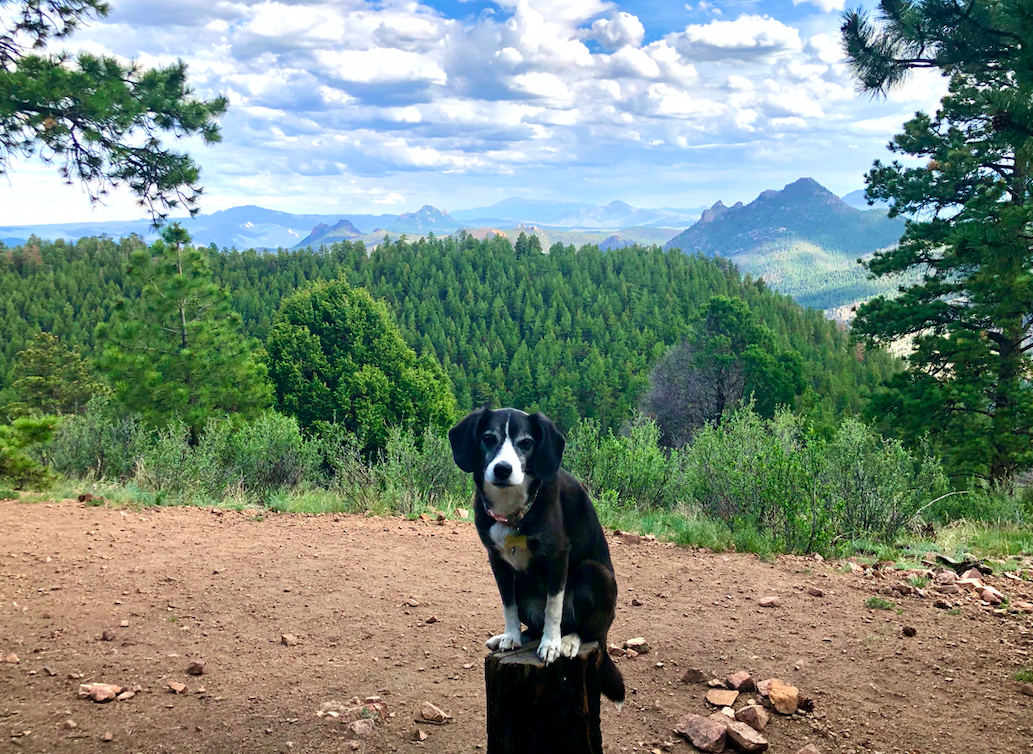
Three years ago, I adopted Max from a local rescue organization, beginning an unexpected journey that would teach me everything about successful dog friendly walks. Initially, I assumed my hiking experience would easily translate to adventures with a canine companion. I was completely wrong, and those early mistakes nearly ended our outdoor partnership before it truly began.
Our first major disaster occurred at Palo Duro Canyon State Park in Texas. Excited about exploring what I knew was one of the premier dog-friendly hiking trails in the region, I packed minimal water and chose the challenging Lighthouse Trail during a hot August afternoon. Within two miles, Max showed clear signs of heat exhaustion, forcing an emergency retreat and a sobering lesson about proper preparation and realistic expectations.
Critical Lessons Learned
Hydration Miscalculation: I learned that dogs need significantly more water than I initially estimated, especially during hot weather or strenuous activities. Now I carry minimum 12 ounces per hour of hiking, plus emergency reserves.
Paw Pad Injuries: Rocky terrain at Lost Maples State Natural Area taught me the importance of paw protection. Max suffered multiple cuts that required veterinary treatment and three weeks of healing time.
Weather Misjudgment: Underestimating rapidly changing mountain weather at Guadalupe Peak resulted in a dangerous situation requiring emergency shelter and early evacuation.
Positive experiences have equally shaped my approach to dog friendly walks. Our most successful adventures occurred at Houston Arboretum & Nature Center, where the diverse trail system allowed gradual skill building and confidence development. The combination of paved and natural surfaces, multiple distance options, and excellent facilities provided perfect learning opportunities for both of us.
Seasonal adaptations proved crucial for year-round success. Summer hiking in Texas requires pre-dawn starts and extensive water carries. Winter adventures need paw protection against ice and salt, plus insulation for temperature-sensitive breeds. Spring brings unique challenges with aggressive wildlife protecting young, requiring increased vigilance and leash discipline. I now maintain separate gear configurations for different seasons, ensuring preparedness for various conditions.
Training Progress Tracking
I maintain detailed records of our hiking adventures, tracking distance, elevation gain, weather conditions, and Max's response to different challenges. This data helps identify patterns, plan appropriate adventures, and monitor physical conditioning progress.
Current Capabilities (After 3 Years):
- • Maximum distance: 12 miles with elevation gain under 2,000 feet
- • Preferred terrain: Mixed surfaces with moderate technical difficulty
- • Weather tolerance: 35-75°F with proper gear adjustments
- • Social skills: Reliable recall around other dogs and wildlife
The transformation in Max's confidence and physical condition has been remarkable. Early anxiety around new environments has been replaced by eager anticipation and appropriate caution. His physical endurance now exceeds many younger dogs, and his trail manners serve as examples for other hikers. These improvements didn't occur overnight but developed through consistent, progressive exposure and positive reinforcement training.
Seasonal Considerations and Weather Safety
Successful dog friendly walks require careful attention to seasonal variations and weather-related hazards. Each season presents unique challenges that can transform pleasant outings into dangerous situations without proper preparation. My experience across diverse climates and elevations has taught me to treat weather preparation as seriously as route planning.
Summer Safety Protocols
Hot weather poses the greatest risk to dogs during outdoor activities. Temperatures above 75°F require significant modifications to hiking plans and equipment.
Essential Summer Gear:
Large Capacity Water System
For extended summer hikes, this 77oz system provides ample hydration capacity with built-in bowl functionality and secure carrying design.
View on Amazon - $23.99- • Pre-dawn starts (5:00-6:00 AM)
- • Frequent shade breaks every 15-20 minutes
- • Paw pad temperature testing on hot surfaces
- • Cooling vests for temperature-sensitive breeds
Winter Adaptations
Cold weather hiking presents different but equally serious challenges. Proper insulation, paw protection, and visibility become critical safety factors.
- • Insulated dog jackets for temperatures below 45°F
- • Paw balm application before and after hikes
- • Reflective gear for shorter daylight hours
- • Emergency warming supplies in pack
"I learned about winter paw care the hard way when Max developed severe cracking from salt and ice exposure during a Colorado Springs adventure. Preventive care is essential."
Spring and fall present transitional challenges often underestimated by inexperienced hikers. Rapidly changing conditions can catch even experienced adventurers unprepared. During spring, I've encountered snow at elevation in April followed by 80°F temperatures in valleys. Fall brings similar variability plus increased wildlife activity as animals prepare for winter. These seasons require layered preparation and flexible planning.
Weather Monitoring and Decision Making
I use multiple weather sources including local park service reports, elevation-specific forecasts, and real-time radar data. Key decision factors include:
Go/No-Go Criteria:
- • Temperatures above 85°F = early start mandatory
- • Precipitation above 30% = backup indoor plans
- • Wind speeds above 25mph = sheltered route selection
- • Air quality index above 100 = postponement
Emergency Protocols:
- • Pre-arranged pickup points and times
- • Emergency contact notification system
- • Shelter identification along route
- • Evacuation route planning
Microclimate awareness has proven essential for safe dog friendly walks. Elevation changes create significant temperature variations, while valley bottoms trap cold air and ridge lines experience increased wind exposure. Understanding these patterns helps predict conditions beyond standard weather forecasts. I've learned to carry gear for conditions 10-15 degrees colder than base elevation forecasts, especially during shoulder seasons.
Advanced Hydration Solution
For serious adventures requiring extended hydration capacity, this insulated system provides temperature control and leak-proof reliability.
Malsipree 2-in-1 System - $13.99Trail Etiquette and Legal Requirements
Responsible behavior during dog friendly walks ensures continued access to public lands and positive relationships with other trail users. Poor etiquette by a few dog owners can result in restrictions affecting entire communities. After witnessing several incidents that led to temporary trail closures, I've become passionate about promoting responsible practices and educating fellow dog owners about proper trail behavior.
Legal Requirements and Regulations
Most public lands require dogs to remain on leashes no longer than six feet. This seemingly simple rule prevents wildlife harassment, protects sensitive vegetation, and ensures other visitors' safety and enjoyment.
Federal Land Requirements:
- • Leash length maximum: 6 feet
- • Waste removal mandatory
- • Current vaccination certificates
- • Prohibited areas strictly enforced
State Park Variations:
- • Additional permit requirements
- • Seasonal restriction periods
- • Designated pet camping areas
- • Specific trail limitations
Waste management represents the most visible aspect of trail etiquette and significantly impacts public perception of dog owners. I carry biodegradable waste bags plus extras for other irresponsible owners I encounter. Proper disposal means packing out all waste – not burying it or throwing bagged waste into bushes. This practice protects water sources and maintains trail aesthetics for all users.
Wildlife encounters require special consideration during dog-friendly walks in natural areas. Dogs can trigger aggressive responses from protective parent animals, especially during spring breeding seasons. I've learned to recognize warning signs and maintain appropriate distances from all wildlife. Emergency recall training becomes essential for these situations, potentially preventing dangerous confrontations.
Interaction Protocols with Other Trail Users
Meeting Other Dogs:
Not all dogs are social or well-trained. I always ask permission before allowing interaction and maintain control throughout the encounter. Watch for stress signals like stiff body language, raised hackles, or excessive panting.
Encountering Non-Dog People:
Some trail users fear dogs or have allergies. I proactively move Max off the trail and ensure he remains calm as others pass. A friendly greeting and visible control often transforms negative encounters into positive interactions.
Training consistency proves crucial for maintaining good trail behavior. I practice basic commands (sit, stay, come, heel) in controlled environments before expecting reliable responses on trails. High-value treats reserved exclusively for outdoor adventures help maintain focus during exciting or stressful situations. This preparation has prevented numerous potential problems and earned positive feedback from other trail users.
Compact Hydration Solution
For quick walks and training sessions, this lightweight system provides essential hydration without bulk.
Pecute Portable System - $9.99Conclusion
Successful dog friendly walks result from careful preparation, appropriate gear selection, and gradual skill development rather than spontaneous adventure. The transformation I've witnessed in Max's confidence and capabilities demonstrates the profound impact of consistent, well-planned outdoor experiences. These adventures strengthen the human-dog bond while providing essential physical and mental stimulation that indoor activities cannot replicate.
The key to long-term success lies in treating each outing as a learning opportunity. Document what works, identify areas for improvement, and gradually expand your comfort zone. Respect your dog's limitations while encouraging appropriate challenges. Most importantly, prioritize safety over ambitious goals – a successful short hike builds more confidence than a disastrous long adventure.
Remember that dog friendly walks represent significant responsibility alongside tremendous rewards. Your behavior impacts access for all dog owners, making proper etiquette and preparation essential for preserving these opportunities. Start conservatively, invest in quality gear, and always prioritize your dog's well-being over personal ambitions.
Start Your Adventure Today
The trail is calling, and your dog is ready for adventure. Begin with local, easy trails and gradually build the skills and confidence needed for more challenging expeditions. Every expert was once a beginner – the important thing is to start.
Discover More Trail Options Find Trails Near YouFrequently Asked Questions
How do I find dog friendly walks near my location?
Start by checking your local and state park websites, which typically maintain updated pet policies and trail recommendations. AllTrails app provides excellent filtering options for dog-friendly routes with user reviews specifically mentioning pet experiences. Local hiking groups on social media often share hidden gems and current trail conditions. Park ranger stations offer valuable insights about seasonal considerations and recent policy changes. Always verify current regulations before departing, as pet policies can change due to wildlife activity or environmental concerns.
What temperature is too hot for dog friendly walks?
Generally, temperatures above 85°F require significant modifications to hiking plans, while temperatures above 90°F should prompt postponement for most dogs. However, humidity, direct sunlight, and your dog's breed significantly impact heat tolerance. Perform the five-second paw pad test on trail surfaces – if you cannot comfortably hold your hand on the ground for five seconds, it's too hot for your dog's paws. Brachycephalic breeds (bulldogs, pugs) should avoid strenuous activity above 75°F due to breathing difficulties. Always carry extra water and watch for heat exhaustion symptoms like excessive panting, drooling, or stumbling.
How much water should I bring for my dog during hiking?
Plan for minimum 8-12 ounces of water per hour of hiking for your dog, plus additional reserves for emergencies and unexpected delays. Active dogs in hot weather may require up to 16 ounces per hour. Factors affecting water needs include temperature, humidity, elevation gain, your dog's size and fitness level, and fur thickness. I recommend carrying 50% more water than calculated needs to account for spillage and unexpected circumstances. Collapsible bowls make water delivery easier and encourage proper hydration. Monitor your dog's water intake and urine color as indicators of hydration status throughout the adventure.
Do dogs need paw protection during hiking?
Paw protection becomes essential on rocky terrain, hot surfaces, snow, ice, or when hiking long distances on abrasive surfaces. While dogs naturally develop tougher paw pads through gradual conditioning, sudden exposure to challenging terrain can cause painful cuts, burns, or excessive wear. Dog boots provide the best protection but require acclimatization period for comfortable wear. Paw balms offer lighter protection and help maintain pad flexibility in dry conditions. Inspect your dog's paws regularly during hikes for cuts, embedded objects, or excessive wear. Some dogs never adapt to boots, making terrain and surface temperature considerations even more critical for their safety.
What age can puppies start going on dog friendly walks?
Puppies can begin short, easy walks on flat surfaces around 12-16 weeks after completing their vaccination series, but strenuous hiking should wait until 18-24 months when their growth plates close completely. Start with 5-10 minute walks and gradually increase duration and difficulty as they mature. Young dogs have limited endurance and temperature regulation compared to adults, requiring more frequent breaks and careful monitoring for fatigue. Focus on basic leash training and socialization during early walks rather than distance goals. Consult your veterinarian before beginning any hiking program with young dogs, as breed-specific considerations affect appropriate activity levels and developmental timelines.
What are the signs of heat exhaustion in dogs during walks?
Heat exhaustion symptoms include excessive panting with difficulty breathing, thick drooling, bright red or pale gums, lethargy, stumbling, vomiting, and loss of coordination. Advanced heat stroke can cause collapse, seizures, and loss of consciousness – requiring immediate emergency veterinary care. Prevention remains far more effective than treatment, so monitor your dog closely during warm weather activities. Provide frequent water breaks in shaded areas and consider cooling vests or bandanas for high-risk breeds. If heat exhaustion symptoms appear, immediately move to shade, offer small amounts of cool water, and apply cool (not ice-cold) water to paw pads and belly area while seeking veterinary assistance.
© 2025 Explore National Parks. All rights reserved. | Return to Homepage
This article contains affiliate links. We may earn a commission from qualifying purchases at no additional cost to you.