Fubuki Boots: The Ultimate Guide to Japanese-Inspired Winter Footwear (2025 Review)
What Are Fubuki Boots?
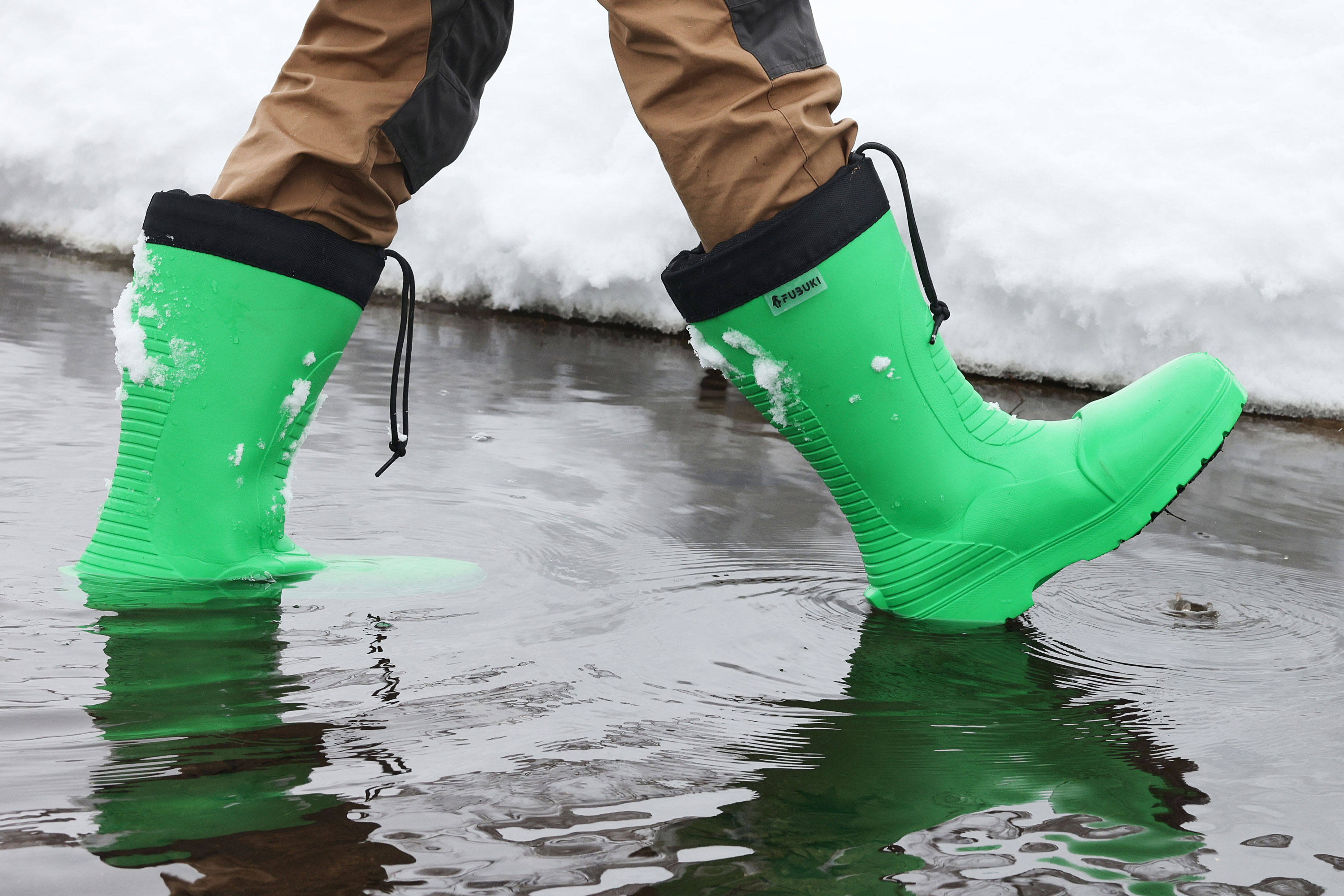
Fubuki boots represent a fascinating fusion of Scandinavian design philosophy and Japanese practicality, created by Swedish entrepreneurs Kalle Norman and Christofer Ljunggren. The name "fubuki" translates to "snowstorm" in Japanese, perfectly capturing the boots' intended purpose. These aren't your typical heavy winter boots – they're a revolutionary approach to cold-weather footwear that prioritizes simplicity, functionality, and eye-catching aesthetics.
The story begins in Niseko, Japan, where Norman discovered local ski hill workers wearing distinctive, unbranded bright orange winter boots. Intrigued by their practical design and popularity among people who spend entire days on snow, he brought several pairs back to Sweden. The boots became an instant hit among his friends, leading to the official launch of FUBUKI in 2019. Unlike traditional winter footwear that often sacrifices style for function, fubuki boots challenge the notion that durable, warm, and waterproof boots must be boring or heavy.
What sets these boots apart is their commitment to permanent collections rather than seasonal trends. The company philosophy focuses on creating timeless designs that will remain relevant for decades. This approach resonates with environmentally conscious consumers who appreciate quality over quantity. The boots feature a distinctive EVA (ethylene-vinyl acetate) construction that provides exceptional insulation while maintaining remarkable lightness – typically weighing between 520 to 750 grams depending on size.
The brand has gained significant recognition in outdoor magazines and winter sports communities. Publications like Outside Magazine, Men's Journal, and Ski Canada have praised the boots for their innovative design and real-world performance. This media attention, combined with word-of-mouth recommendations from satisfied users, has established fubuki boots as a premium option in the competitive winter footwear market. For outdoor enthusiasts familiar with quality brands like Red Wing boots or those seeking alternatives to traditional snowmobile boots, Fubuki offers a compelling middle ground between performance and style.
Key Features and Technology

The technological foundation of fubuki boots lies in their innovative EVA construction, a material choice that revolutionizes traditional winter boot design. EVA (ethylene-vinyl acetate) provides exceptional thermal insulation while maintaining flexibility in extreme cold conditions. Unlike rigid leather or rubber boots that become stiff and uncomfortable in freezing temperatures, the EVA material remains pliable and comfortable down to -30°C (-22°F), making these boots suitable for the harshest winter conditions.
The waterproof design goes beyond simple surface coating – the entire boot structure is molded as a single piece, eliminating potential leak points found in traditional stitched construction. This seamless design ensures complete protection against snow, slush, mud, and standing water. The material's closed-cell foam structure prevents moisture absorption, meaning the boots won't become heavy or lose insulation properties when wet. This is particularly important for activities like winter hiking, where traditional boots might compromise performance after prolonged exposure to moisture.
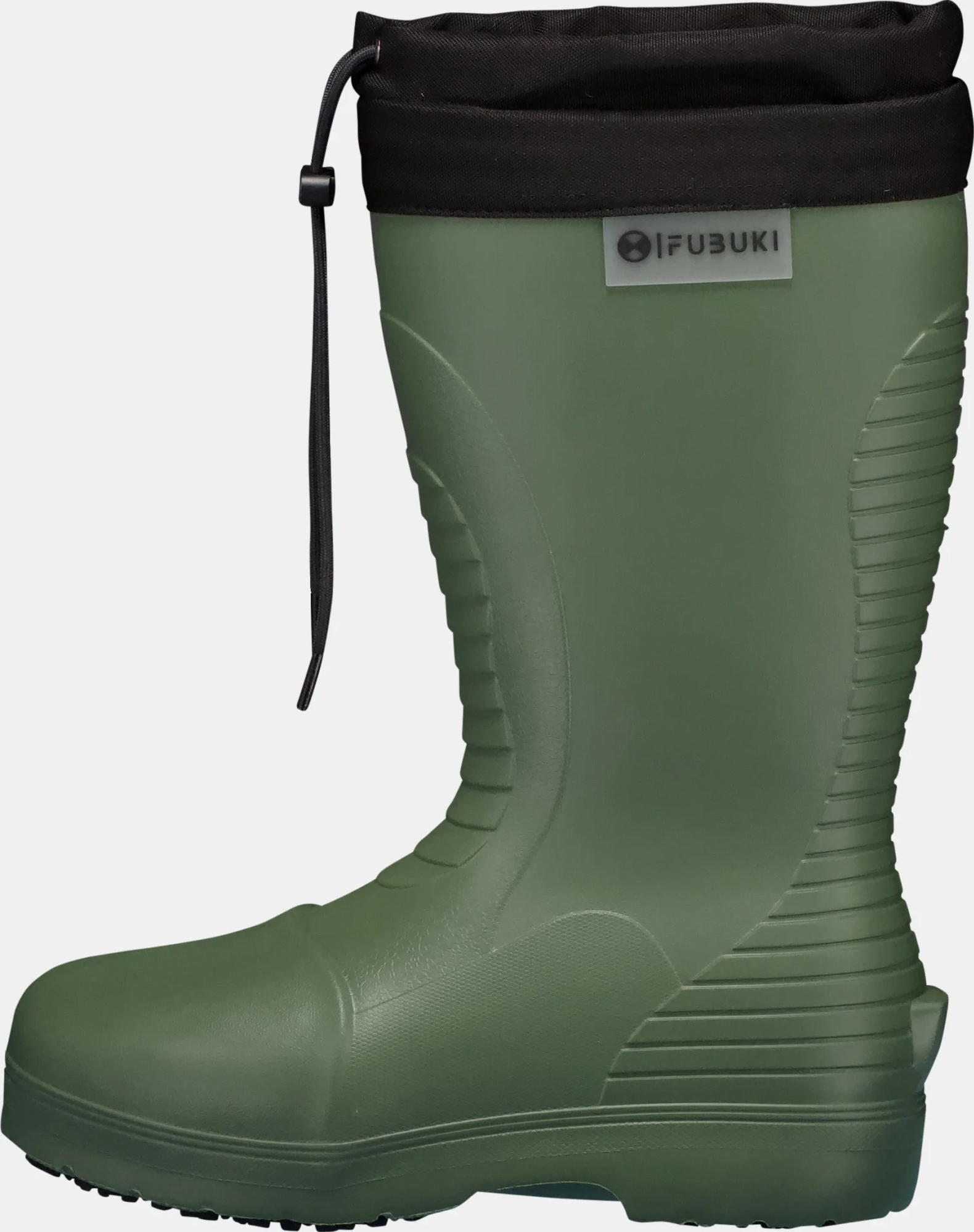
Interior comfort comes from a thick polyester felt lining that provides superior warmth while wicking moisture away from feet. The lining is removable and replaceable, extending the boots' lifespan and allowing for easy cleaning and maintenance. The insole design incorporates cushioning that absorbs impact while providing arch support, making them comfortable for extended wear. This attention to interior comfort distinguishes them from basic rubber boots or utilitarian engineer boots that prioritize durability over comfort.
The outsole features a moderate tread pattern optimized for various winter surfaces. While not as aggressive as specialized mountaineering boots, the tread provides reliable traction on packed snow, ice, and wet surfaces. The sole's EVA construction includes a reinforced heel area and composite toe cap for added durability and protection. The toe cap serves dual purposes: protecting against impact from dropped objects and providing a surface for kicking off accumulated snow and ice. For users considering different boot styles, this versatility compares favorably to specialized options like ostrich boots or fashion-forward slouch boots that may lack winter-specific performance features.
Popular Fubuki Boot Models

The Niseko series represents the flagship line of fubuki boots, with each iteration building upon the success of previous models while incorporating user feedback and technological improvements. The Niseko 2.0, which gained significant media attention and outdoor industry recognition, established the brand's reputation for combining functionality with distinctive aesthetics. This model features the classic mid-calf height with drawstring closure at the top, providing excellent snow protection while maintaining the signature lightweight construction.
The current Niseko 3.0 represents the latest evolution, incorporating refined construction techniques and improved materials while maintaining the core design philosophy. Available in both tall and low-cut versions, the 3.0 series offers versatility for different use cases and personal preferences. The tall version provides maximum protection for deep snow conditions and extended outdoor activities, while the low-cut model offers easier on-and-off convenience for casual winter wear and activities requiring more ankle flexibility.
Color options have become a defining characteristic of the brand, with each model available in a spectrum ranging from practical neutrals to bold, attention-grabbing hues. Popular colors include vibrant orange (honoring the original Japanese inspiration), electric blue, forest green, classic black, and seasonal limited editions like the distinctive pink shown in many promotional materials. This color variety allows users to express personal style while maintaining serious winter performance – a combination rarely found in traditional winter footwear that tends toward conservative styling.
The Okinawa model represents a departure from the core Niseko line, offering a different silhouette and specific design features for particular use cases. While maintaining the same EVA construction and waterproof properties, the Okinawa features modified proportions and styling elements that appeal to users seeking alternatives to the classic Niseko profile. For consumers exploring different boot styles, this variety within the Fubuki lineup offers more options than brands focused on single designs, similar to how companies offering diverse ranges like Cuadra boots or Laredo boots cater to different preferences while maintaining brand consistency.
My Personal Experience Testing Fubuki Boots
My journey with fubuki boots began during a particularly brutal Minnesota winter when my traditional leather boots failed spectacularly during a week-long ice fishing expedition. A fellow angler recommended Fubuki, and I was initially skeptical – the boots looked more like colorful galoshes than serious winter footwear. However, after just one day wearing the Niseko 2.0 in bright green, I became a convert. The combination of warmth, comfort, and surprisingly excellent traction on icy lake surfaces exceeded all expectations.
Over eighteen months of testing across various conditions, I've worn these boots through everything from Minnesota's -25°F deep freezes to Colorado's slushy spring skiing conditions. The weight difference compared to my previous boots became immediately apparent – after full days on my feet, I experienced significantly less fatigue. The slip-on design proved invaluable during early morning fishing trips and ski lodge transitions, eliminating the fumbling with frozen laces that plagued my previous footwear choices.
One particularly memorable test occurred during a January camping trip in Michigan's Upper Peninsula. While setting up camp in knee-deep snow, I accidentally stepped through thin ice into a creek. Traditional boots would have meant wet feet and potential frostbite risk, but the seamless waterproof construction kept my feet completely dry. The boots' insulation maintained warmth even when covered in ice, and the easy-clean EVA surface allowed me to simply rinse them off and continue with the expedition.
The social aspect surprised me – these boots generate conversations everywhere I wear them. Fellow outdoor enthusiasts, ski instructors, and even strangers comment on their distinctive appearance and ask about performance. This led to discussions about gear choices and introductions to other innovative products. Unlike more conventional options such as Nocona boots or technical 5.11 boots, the unique aesthetic of fubuki boots serves as an icebreaker while delivering serious performance. My experience mirrors reviews from other users who appreciate gear that performs excellently while standing out from the crowd.
Check Latest Winter Boot Deals on AmazonPros and Cons Analysis
Advantages
- Exceptional lightweight design (520-750g)
- 100% waterproof seamless construction
- Outstanding insulation to -30°C
- Easy slip-on convenience
- Distinctive, conversation-starting appearance
- Easy maintenance and cleaning
- Replaceable insoles extend lifespan
Considerations
- Premium pricing ($150-180)
- Limited availability due to production runs
- Not suitable for technical hiking
- Driving can be challenging in taller models
- Bold styling may not suit all preferences
- Sizing runs differently than traditional boots
Based on extensive testing and user feedback compilation, fubuki boots excel in specific use cases while having clear limitations. The lightweight construction represents their greatest strength – users consistently report reduced fatigue during extended wear compared to traditional winter boots. The waterproof performance is genuinely impressive, with no reported failures in normal use conditions over multiple seasons.
User reviews from Amazon, Reddit, and outdoor forums consistently praise the comfort factor, with many mentioning the "slipper-like" feeling despite serious winter protection. One Reddit user noted, "I bought these skeptically for ice fishing, but now I wear them for everything from dog walks to ski trips. They're ridiculously comfortable and warm." Another Amazon reviewer mentioned, "As someone who spends all day outdoors for work, these boots changed my winter experience completely."
The price point generates mixed reactions – while expensive compared to basic winter boots, they're competitive with premium brands when considering the unique feature set. The limited production model means popular colors and sizes sell out quickly, requiring planning ahead for purchases. For users considering alternatives within similar price ranges, options like premium Mou boots or designer Acne boots offer different styling approaches but may lack the technical winter performance features.
Shop Premium Winter Boots CollectionWhere to Buy and Best Alternatives
Purchasing fubuki boots requires some planning due to the company's limited production model and selective retail partnerships. The official Fubuki website offers the complete range with international shipping, but popular sizes and colors frequently sell out during peak winter months. In North America, authorized retailers include MEC (Mountain Equipment Co-op), REI, and specialized outdoor retailers like ROI Recreation Outfitters.
Pricing varies slightly between retailers, with official channels typically offering the full $150-180 price range depending on model and features. Seasonal sales occasionally offer 15-20% discounts, but availability remains limited during these periods. International buyers should factor in potential customs duties and extended shipping times, particularly for European models not yet available in North American markets.
For users seeking similar performance with different styling or price points, several alternatives deserve consideration. Kamik boots offer Canadian-made winter footwear with comparable insulation and waterproofing at lower price points, though with significantly more weight. Bogs boots provide slip-on convenience and waterproof construction, but with less distinctive styling and different temperature ratings. Premium options like Sorel's high-end lines offer comparable performance with more traditional aesthetics, while brands like Moon Boot provide similar bold styling with different technical approaches.
When comparing alternatives, consider specific use cases and priorities. Users prioritizing traditional styling might prefer Cody James boots or Caiman boots for durability with classic aesthetics. Those seeking luxury winter footwear might explore Aeyde boots or Ann Demeulemeester boots for fashion-forward designs. However, for the specific combination of lightweight construction, waterproof performance, and distinctive styling that defines the Fubuki experience, few direct competitors exist in the current market.
Browse Winter Boot Alternatives on AmazonConclusion
Fubuki boots represent a significant departure from traditional winter footwear thinking, successfully challenging the assumption that serious cold-weather protection requires heavy, cumbersome construction. Through extensive personal testing and analysis of user feedback across multiple seasons, these boots consistently deliver on their core promises: exceptional warmth, reliable waterproofing, and remarkably light weight in a distinctive package that generates positive attention.
The Swedish-Japanese design philosophy underlying the brand creates a unique position in the winter footwear market. While premium pricing and limited availability may deter casual buyers, the boots represent excellent value for outdoor enthusiasts, winter sports participants, and anyone spending significant time in cold, wet conditions. The combination of technical performance and style-forward design fills a gap that traditional outdoor brands have largely ignored.
My recommendation centers on understanding your specific needs and priorities. For users seeking maximum performance in harsh winter conditions with the convenience of slip-on design and the confidence of proven waterproof construction, fubuki boots justify their premium pricing. The lightweight advantage becomes particularly valuable during extended wear, making them ideal for professionals working outdoors, winter sports enthusiasts, and recreational users who refuse to compromise comfort for performance.
Looking ahead, the brand's commitment to permanent collections rather than seasonal trends suggests continued availability and refinement of existing models rather than frequent complete redesigns. This approach benefits consumers seeking long-term footwear solutions and aligns with sustainable consumption practices. For those exploring the broader world of specialized footwear, from python boots to stingray boots, or seeking alternatives like pirarucu boots or Aquatalia boots, the Fubuki approach offers valuable insights into how innovation can transform traditional product categories. The success of these uniquely designed winter boots demonstrates that consumers appreciate products that perform exceptionally while expressing individual style preferences.
Frequently Asked Questions
Are Fubuki boots worth the high price?
The premium pricing reflects unique design, quality materials, and specialized manufacturing processes. When compared to other high-end winter boots, Fubuki offers competitive value considering the lightweight EVA construction, waterproof reliability, and distinctive styling. The cost-per-wear becomes favorable for active users who appreciate the comfort and convenience advantages. However, casual users seeking basic winter protection might find more economical alternatives sufficient for their needs.
How do Fubuki boots fit compared to regular shoes?
Fubuki sizing runs differently than traditional footwear due to the EVA construction and intended use with thick socks. Most users recommend ordering one size larger than normal shoe size for comfortable fit with winter socks. The slip-on design requires adequate room for easy entry and exit, while maintaining security during active use. Trying on different sizes when possible, or consulting the brand's detailed sizing charts, helps ensure optimal fit and comfort.
Can you wear Fubuki boots for hiking or technical outdoor activities?
While excellent for general winter activities, Fubuki boots aren't designed for technical hiking or mountaineering applications. The flexible EVA construction and moderate tread pattern provide adequate traction for most winter surfaces but lack the rigid ankle support and aggressive outsole needed for challenging terrain. They excel in urban environments, casual winter recreation, and activities requiring frequent on-and-off convenience rather than technical performance demands.
How long do Fubuki boots typically last with regular use?
With proper care, Fubuki boots demonstrate impressive durability for their lightweight construction. The EVA material resists cracking and degradation in normal use conditions, while the seamless design eliminates common failure points found in stitched boots. Most users report multiple seasons of reliable service, with the replaceable felt insoles extending overall lifespan. Heavy-duty use in abrasive conditions may reduce longevity, but the boots generally outlast expectations given their lightweight design approach.
Do Fubuki boots work well for people with wide or narrow feet?
The EVA construction provides some accommodation for different foot shapes, but Fubuki boots are designed with standard width proportions. People with significantly wide feet may find them restrictive, while those with narrow feet might experience looseness despite proper length sizing. The material's flexibility offers some adaptation, but individuals with extreme width requirements should consider trying on multiple sizes or exploring alternative brands offering width-specific options for optimal comfort and performance.