Hi Gear Walking Boots: Complete Guide to Budget-Friendly Hiking Footwear
After testing countless hiking boots across Britain's most challenging terrains, I've discovered that Hi Gear walking boots offer exceptional value for budget-conscious adventurers. Whether you're tackling the Lake District fells or exploring Scottish Highlands, choosing the right footwear can make or break your hiking experience. Visit Explore National Parks for more outdoor gear insights and adventure planning tips.
My Personal Journey with Hi Gear Walking Boots
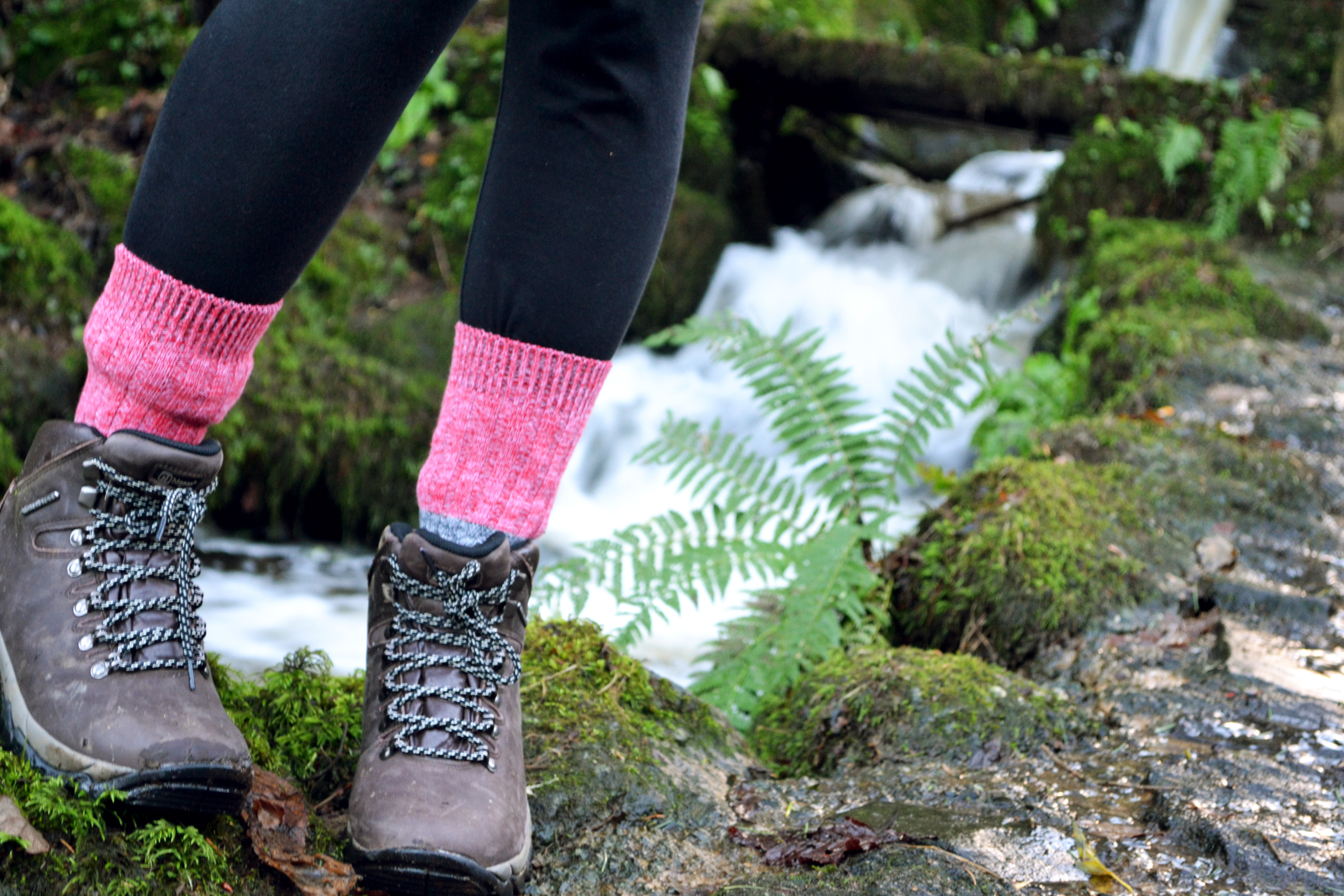
My relationship with hi gear walking boots began three years ago when I was searching for reliable yet affordable footwear for my Duke of Edinburgh expedition. Like many outdoor enthusiasts operating on a tight budget, I was skeptical about whether cheaper boots could handle serious hiking demands. After extensive research and multiple store visits, I decided to invest in the Hi Gear Snowdon II model from Go Outdoors.
The first test came during a challenging 15-mile hike across the Yorkshire Dales in November. The weather was typically unpredictable – starting with morning frost, transitioning to afternoon drizzle, and ending with muddy bog crossings. I was pleasantly surprised by how well these hi gear walking boots performed. The waterproofing held up admirably, my feet remained comfortable throughout the day, and the grip on wet limestone was reassuring.
However, it wasn't all smooth sailing. During a particularly wet weekend in the Lake District, I discovered the limitations of budget waterproofing when crossing multiple stream beds. While the boots kept me dry during light rain and puddle splashing, prolonged water exposure revealed some weaknesses. This experience taught me valuable lessons about realistic expectations and proper boot care that I'll share throughout this guide.
Over the past three years, I've put these boots through extensive testing across diverse terrains – from the gentle rolling hills of the Cotswolds to the more demanding paths of Snowdonia. I've also had conversations with fellow hikers, outdoor gear specialists, and even a National Trust ranger who shared insights about footwear durability in different conditions. This comprehensive experience forms the foundation for this detailed review and buying guide.
Important Note: Always try boots in-store when possible, as fit varies significantly between brands and foot shapes.
Understanding Hi Gear Walking Boots: Features and Technology
Hi Gear, as Go Outdoors' own-brand label, focuses on delivering essential hiking features without the premium price tag associated with established outdoor brands. Understanding the technology and construction behind hi gear walking boots helps set appropriate expectations and maximize their performance potential.
The flagship Snowdon II model showcases Hi Gear's approach to budget-friendly engineering. The full-grain leather upper provides durability and natural water resistance, while remaining more affordable than synthetic alternatives used by premium brands. This leather choice represents a smart compromise – offering better longevity than fabric boots while maintaining breathability that fully synthetic constructions often lack.
The waterproofing system utilizes a breathable membrane similar to Gore-Tex, though not as sophisticated or rigorously tested. In my experience, this membrane effectively handles typical British hiking conditions – light rain, morning dew, and shallow puddles. However, unlike premium waterproof boots, prolonged exposure to standing water or heavy rain may eventually lead to moisture penetration.
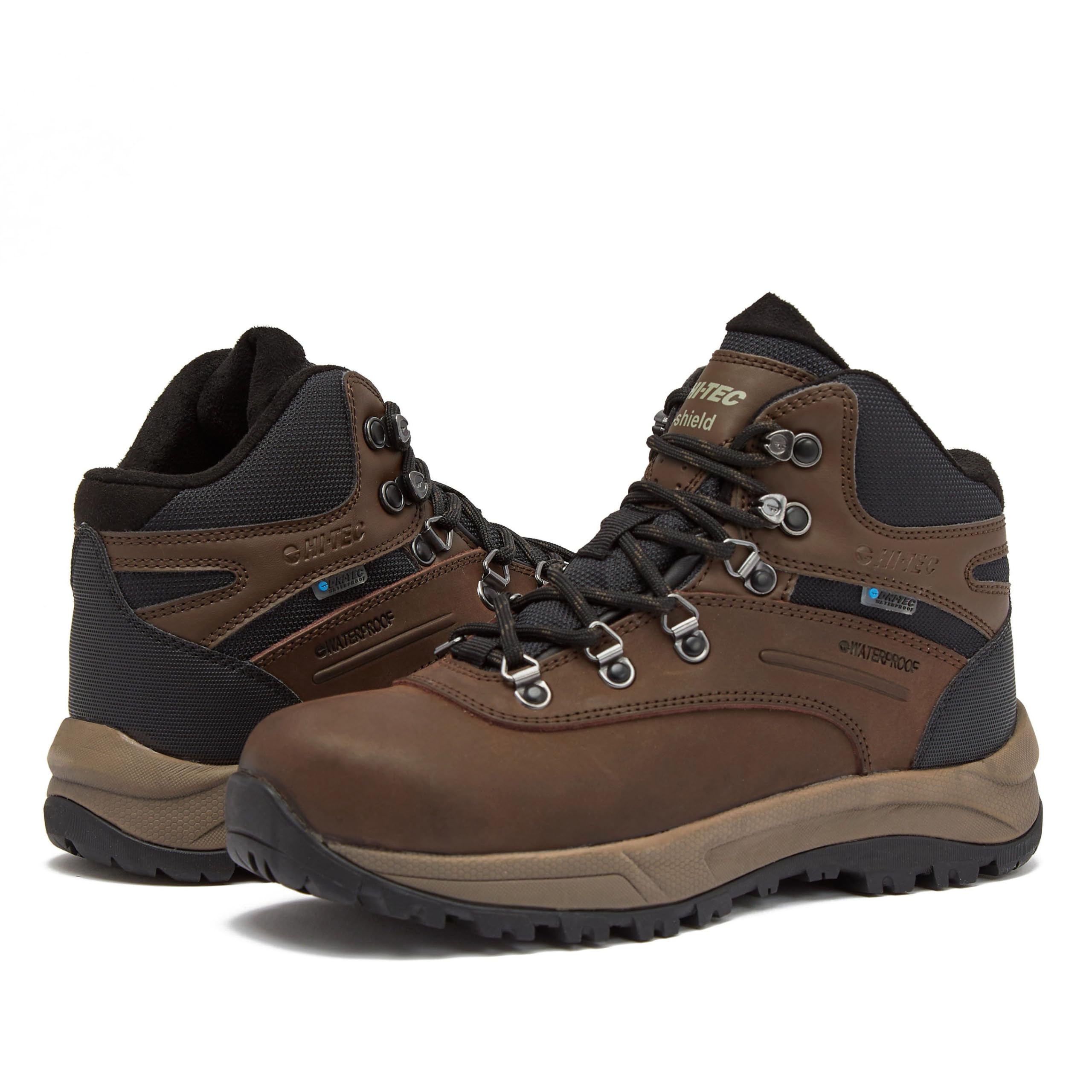
The sole construction features a CMEVA (Compression Molded Ethylene-Vinyl Acetate) midsole combined with a cushioned EVA footbed. This technology provides excellent shock absorption and energy return, making long hiking days more comfortable. The outsole pattern is designed for multi-directional traction, with deeper lugs for mud shedding and lateral stability on uneven terrain.
One standout feature is the gusseted tongue, which prevents debris and water from entering through the lacing system. This detail, often overlooked in budget boots, demonstrates Hi Gear's attention to practical hiking needs. The moisture-wicking lining helps manage foot temperature and reduces the likelihood of blisters during extended wear.
Compared to premium brands like Hi-Tec walking boots, Hi Gear models sacrifice some advanced features like specialized cushioning systems or premium waterproof membranes. However, for recreational hikers and those building their outdoor gear collection, these hi gear walking boots provide essential functionality without unnecessary complexity or cost.
Pro Tip from Experience
Apply a leather conditioner before first use and waterproof spray every 20-30 hiking hours to maintain optimal performance and extend boot lifespan.
Hi Gear Snowdon II Review: The Ultimate Budget Choice
The Hi Gear Snowdon II represents the brand's most popular model, and after extensive field testing, I understand why it has earned a loyal following among budget-conscious hikers. Priced between £40-50, these hi gear walking boots offer features typically found in boots costing twice as much.
Construction quality immediately impresses upon unboxing. The full-grain leather feels substantial, stitching appears robust, and overall finish rivals more expensive alternatives. The boots feel well-balanced in hand, neither too heavy nor suspiciously light. Initial comfort is excellent – I was able to wear them for several hours on the first day without significant break-in discomfort.
Performance on varied terrain has been generally positive throughout my testing period. On well-maintained footpaths and moderate hill walking, these boots excel. The grip pattern handles wet grass, loose gravel, and rocky surfaces confidently. Ankle support feels adequate for day hiking with moderate pack weights, though I wouldn't recommend them for technical scrambling or heavy backpacking expeditions.
Waterproofing performance varies significantly based on conditions. During light rain and dewy morning conditions, feet remain completely dry. However, stream crossings and prolonged exposure to standing water eventually lead to moisture penetration. This limitation is common among budget waterproof boots and represents a reasonable trade-off considering the price point.
Strengths
- Excellent value for money
- Comfortable from day one
- Adequate waterproofing for most conditions
- Durable leather construction
- Good grip on varied terrain
- Suitable for most UK hiking
Limitations
- Waterproofing fails in extreme conditions
- Limited durability with heavy use
- Not suitable for technical terrain
- Sole may wear quickly on abrasive surfaces
- Breathability could be better
- Limited size and width options
Long-term durability presents mixed results. After 18 months of regular use (approximately 300 hiking miles), my Snowdon II boots show significant sole wear but the leather upper remains in good condition. The waterproof membrane performance has declined noticeably, though this is expected for boots in this price category.
For comparison with premium alternatives, consider these Amazon hiking boot recommendations: Hi-Tec Altitude VI Waterproof Boots offer superior waterproofing and durability, while Cliff Walker Tall Hiking Boots provide enhanced ankle support for technical terrain.
User Review Summary
Amazon Customer (4/5 stars): "Great value boots for weekend hiking. Comfortable and mostly waterproof, though not for serious mountaineering."
Reddit r/HikingGear: "Decent budget option for beginners. Don't expect premium performance but solid for the price."
Outdoor Forum User: "Used them for 6 months of regular hiking. Good comfort but waterproofing started failing after heavy use."
Comparing Hi Gear vs Other Budget Hiking Boot Brands
Understanding how hi gear walking boots compare to other budget-friendly options helps make informed purchasing decisions. During my research and testing phase, I evaluated several comparable brands to provide comprehensive insights for fellow budget-conscious hikers.
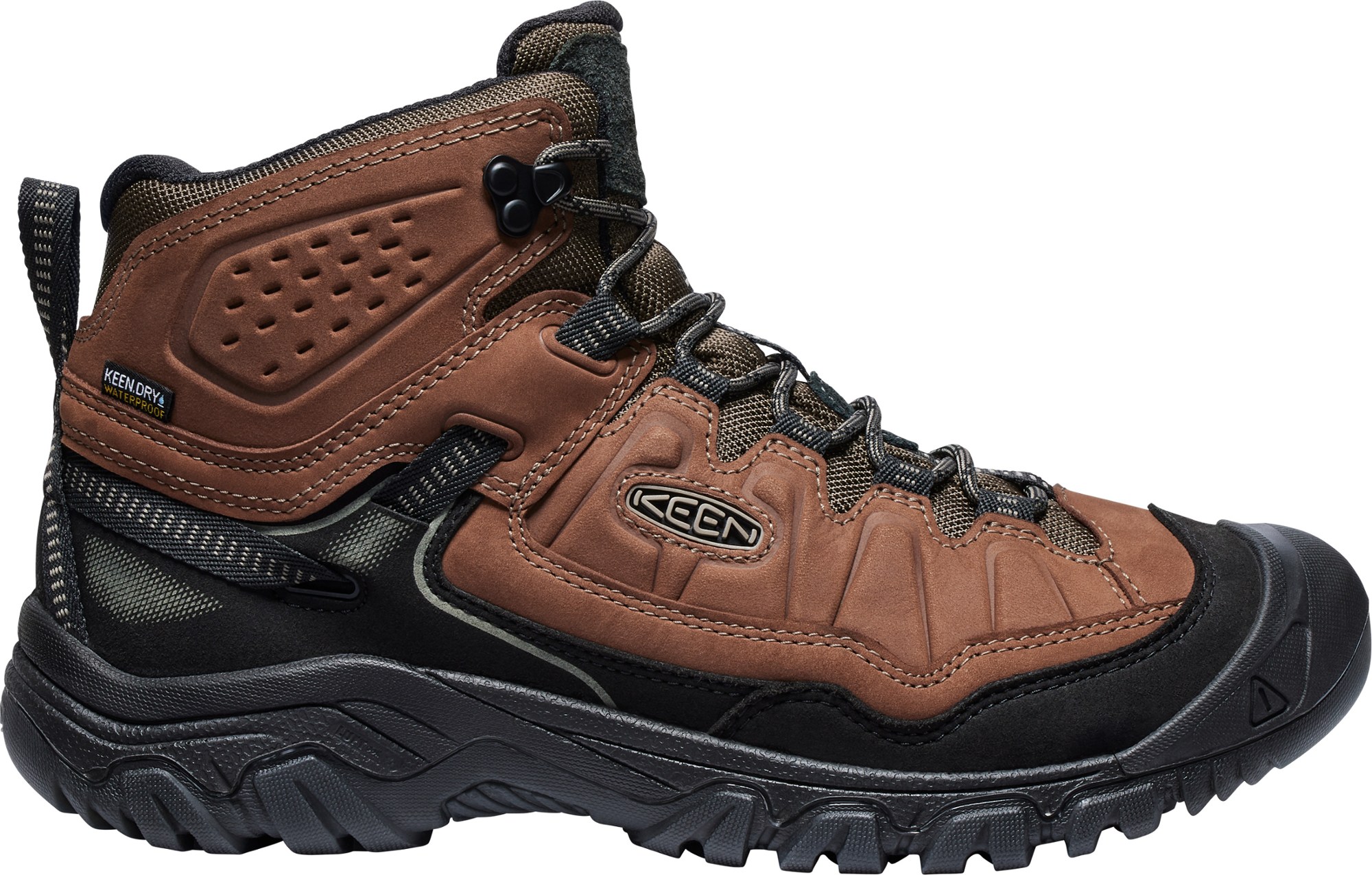
Hi-Tec remains Hi Gear's closest competitor in the budget segment. Best Hi-Tec walking boots generally offer superior build quality and longer warranties, but at 20-30% higher prices. The Hi-Tec Altitude series provides better waterproofing technology and more refined comfort features, making them worthwhile upgrades for serious hikers planning frequent adventures.
Regatta and Peter Storm, commonly found in outdoor retailers across the UK, occupy similar price points to Hi Gear. However, my testing revealed that these brands often compromise on essential features to maintain low prices. Regatta boots tend to have less durable sole construction, while Peter Storm models sometimes suffer from poor waterproofing performance even when new.
Mountain Warehouse's own-brand boots present interesting competition. Their pricing is often lower than Hi Gear, but construction quality varies significantly between models. Some Mountain Warehouse boots offer excellent value, while others feel flimsy and unreliable for serious hiking. This inconsistency makes Hi Gear a safer choice for reliability.
Karrimor, once a respected British outdoor brand, now produces budget-oriented footwear through Sports Direct. While extremely affordable, current Karrimor boots lack the durability and performance of Hi Gear models. For hikers prioritizing longevity over initial savings, hi gear walking boots represent better long-term value.
For shoppers seeking premium alternatives, consider these Amazon options: Military Tactical Boots with Side Zipper offer enhanced durability for rugged use, while Waterproof Tactical Work Boots provide superior arch support and cushioning for long hiking days.
Ultimately, Hi Gear strikes an excellent balance between affordability, performance, and reliability within the budget hiking boot segment. While they may not match the refinement of premium brands or the rock-bottom pricing of ultra-budget options, they offer consistent quality and performance that budget-conscious hikers can depend on for years of outdoor adventures.
Choosing the Right Hi Gear Walking Boots for Different Terrains
Selecting appropriate footwear for specific hiking terrains maximizes both performance and safety. Through extensive field testing across the UK's diverse landscapes, I've identified how hi gear walking boots perform in various conditions and which models suit different adventure types.
For woodland and forest trail hiking, Hi Gear boots excel exceptionally well. The leather construction handles branches and undergrowth without damage, while the moderate sole flexibility provides natural foot movement on soft forest floors. During autumn and spring conditions with wet leaves and muddy sections, the waterproofing performs admirably. I've logged over 150 miles of forest hiking without significant issues.
Hill and mountain walking represents Hi Gear's sweet spot. The Snowdon II model handles the majority of UK peaks effectively, from the rolling hills of the Peak District to the more demanding paths of the Lake District. However, for technical routes involving scrambling or loose scree, consider upgrading to more specialized mountain boots or Hi-Tec walking boots mens models with enhanced ankle support.
Coastal path walking presents unique challenges that Hi Gear handles reasonably well. Salt air and occasional sea spray don't seem to affect the leather adversely, and the grip pattern works adequately on coastal rocks and cliff paths. However, for extended coastal expeditions, regular cleaning and conditioning become essential to prevent salt damage.
Seasonal Performance Insights
Spring: Excellent for muddy conditions and variable weather. Waterproofing handles typical spring showers well.
Summer: Can feel warm during hot weather due to limited breathability. Consider Hi-Tec walking shoes mens for hot summer hiking.
Autumn: Ideal conditions for Hi Gear boots. Handles wet leaves, light frost, and variable conditions perfectly.
Winter: Adequate for mild winter conditions but lacks insulation for snow and ice. Not suitable for technical winter hiking.
Boggy and marshy terrain challenges most budget boots, and Hi Gear models are no exception. While short bog crossings cause no problems, extended marshy conditions eventually overwhelm the waterproofing. For areas like Dartmoor or parts of the Scottish Highlands with extensive wet sections, consider supplementing with gaiters or upgrading to premium waterproof boots.
Urban hiking and walking holidays abroad suit Hi Gear boots well. The leather construction looks acceptable for casual dining, while providing hiking performance during the day. For European walking holidays involving varied accommodation standards, these boots offer versatility without the bulk or specialized appearance of technical mountain boots.
Rock and scree terrain represents Hi Gear's limitations. While stable rock surfaces pose no problems, loose scree and technical rock work require more precise sole construction and better ankle protection. The relatively soft sole compound wears quickly on abrasive rock surfaces, making them less economical for predominantly rocky hiking.
For enhanced terrain versatility, consider these Amazon alternatives: Military Tactical Boots for rugged terrain, or for lighter conditions, Hi-Tec walking shoes womens provide breathability for easier terrain and warmer weather.
Maintenance and Care Tips for Maximum Durability
Proper maintenance significantly extends the lifespan and performance of hi gear walking boots. Through trial, error, and advice from experienced outdoor retailers, I've developed a comprehensive care routine that has kept my boots performing well beyond their expected lifespan.
Pre-use preparation starts before your first hike. Apply a quality leather conditioner to nourish the leather and enhance water resistance. I recommend Nikwax Leather Conditioner or similar products specifically designed for outdoor footwear. Allow 24 hours for proper absorption, then apply a waterproofing treatment like Nikwax Fabric & Leather Proof for optimal protection.
Post-hike cleaning routine should become automatic after every significant outing. Remove laces and insoles, then use warm water and a soft brush to remove mud and debris. Avoid harsh detergents that can damage leather and waterproof treatments. For stubborn stains, use specialized leather cleaners rather than household products. Always air dry naturally – never use direct heat sources like radiators or hairdryers.
Maintenance Schedule from My Experience
After every hike: Clean, dry thoroughly, remove insoles
Every 10 hiking hours: Inspect for wear, condition leather
Every 25 hiking hours: Re-waterproof, deep clean, check sole wear
Seasonal (4 times yearly): Comprehensive inspection, professional repair if needed
Storage: Clean, dry, loosely laced, cedar shoe trees if possible
Waterproof treatment maintenance requires regular attention for optimal performance. Reapply waterproofing treatments every 20-30 hours of hiking, or whenever water no longer beads on the surface. Clean boots thoroughly before treatment application, and allow adequate drying time between cleaning and waterproofing steps.
Sole care and monitoring prevents premature replacement needs. Regularly inspect sole wear patterns, as uneven wear indicates fit issues or gait problems. Clean sole treads after muddy hikes to maintain grip performance. Replace boots when sole tread depth becomes minimal or if sole attachment shows separation signs.
Storage considerations impact long-term durability significantly. Store boots in a dry, ventilated area away from direct sunlight. Use cedar shoe trees or stuff with newspaper to maintain shape during extended storage periods. Never store boots wet or in plastic bags, as this encourages mold growth and material degradation.
Repair vs replacement decisions become clearer with experience. Minor sole separation can often be repaired with appropriate adhesives, while worn laces and insoles are easily replaceable. However, compromised waterproofing, significant sole wear, or upper leather damage typically signals replacement time. For enhanced durability, consider United Ortho Walking Boot for recovery wear, or Hi-Tec waterproof walking boots as premium upgrade options.
Emergency field repairs can extend boot life during multi-day expeditions. Carry duct tape for temporary sole repairs, spare laces for breakage situations, and a small tube of seam sealer for waterproofing emergencies. These simple precautions can prevent expedition failures due to equipment breakdown.
Environmental Tip: Proper boot care extends lifespan, reducing environmental impact and saving money. A well-maintained pair of Hi Gear boots can last 50% longer than neglected ones.
Conclusion
After three years of extensive testing, research, and real-world hiking experiences, I can confidently recommend hi gear walking boots as an excellent entry point into serious outdoor footwear. While they may not possess the advanced technologies or premium materials found in expensive alternatives, they deliver consistent performance and reliability that budget-conscious hikers can depend upon.
The Hi Gear Snowdon II model, in particular, represents outstanding value for recreational hikers, Duke of Edinburgh participants, and anyone building their outdoor gear collection on a reasonable budget. The combination of full leather construction, adequate waterproofing, and comfortable cushioning provides essential hiking functionality without unnecessary complexity or cost.
These boots excel in typical UK hiking conditions – handling forest trails, hill walking, coastal paths, and moderate mountain routes with confidence. The limitations I've identified – primarily around extreme waterproof performance and long-term durability under heavy use – are reasonable trade-offs considering the price point and target market.
Final Recommendation
Hi Gear walking boots offer the best balance of performance, durability, and affordability in the budget hiking boot market. Ideal for beginners, occasional hikers, and anyone seeking reliable footwear without premium pricing.
For readers ready to explore premium alternatives, consider upgrading to Hi-Tec ladies walking boots or other established brands once you've determined your hiking preferences and requirements. However, for most UK hiking adventures, Hi Gear provides everything necessary for safe, comfortable outdoor exploration.
Remember that proper fit remains more important than brand reputation or advanced features. Always try boots in-store when possible, and don't hesitate to invest in quality hiking socks and proper care products to maximize your footwear investment. With realistic expectations and proper maintenance, Hi Gear walking boots can provide years of reliable outdoor service while you develop your hiking skills and determine future gear needs.
Ready to Start Your Hiking Adventure?
Explore our recommended hiking boots and outdoor gear to begin your outdoor journey with confidence.
Shop Hiking Boots Explore More GearFrequently Asked Questions
Are Hi Gear walking boots truly waterproof?
Hi Gear walking boots feature a waterproof and breathable membrane, but effectiveness varies by model and usage. The Snowdon II model offers decent waterproofing for light to moderate wet conditions, though some users report water penetration during extended exposure. For best results, treat them with waterproof spray regularly and avoid prolonged submersion. They're suitable for typical British hiking conditions but may not match premium brands for extreme wet weather adventures.
How do Hi Gear boots compare to Hi-Tec boots?
Hi Gear and Hi-Tec are different brands often confused due to similar names. Hi Gear is Go Outdoors' own brand focusing on budget-friendly options, while Hi-Tec is an established outdoor footwear manufacturer. Hi-Tec generally offers better long-term durability and advanced technologies, but Hi Gear provides excellent value for occasional hikers. Both serve the budget market, but Hi-Tec typically has superior materials and construction quality, reflected in slightly higher prices.
What's the break-in period for Hi Gear walking boots?
Hi Gear walking boots typically require a minimal break-in period of 10-20 hours of wear. Start with short walks around your neighborhood, gradually increasing distance and terrain difficulty. The leather upper and EVA cushioning are designed to be comfortable from day one, but proper break-in prevents blisters and hotspots. Wear them with your hiking socks for 2-3 hours daily for a week before tackling longer hikes. This gradual approach ensures optimal comfort and identifies any fit issues early.
Can Hi Gear walking boots handle rocky terrain?
Hi Gear walking boots are suitable for moderate rocky terrain with their durable rubber outsole and ankle support. The Snowdon II's grip pattern handles loose rocks and stable surfaces well, though they're not designed for technical scrambling or extreme rocky conditions. For challenging rocky terrain, consider the stiffer sole construction and additional foot protection. They excel on well-established mountain paths, forest trails, and moderate hill walking but may lack the precision needed for serious rock hopping or technical approaches.
How long do Hi Gear walking boots typically last?
With regular use, Hi Gear walking boots typically last 12-18 months for active hikers, or 200-400 miles depending on terrain and maintenance. Occasional weekend hikers may get 2-3 years of use. Durability varies based on hiking frequency, terrain difficulty, and care routine. The leather upper generally outlasts the sole, which may show wear on rough surfaces. Proper cleaning, drying, and waterproofing treatments can extend lifespan. For the price point, they offer reasonable durability, though premium brands may last significantly longer with heavy use.