Understanding High Ankle Boots: More Than Just Fashion
When I first discovered high ankle boots, I thought they were just another fashion trend. However, after years of wearing them through various adventures – from hiking trails in Yellowstone to navigating cobblestone streets in European cities – I've learned they're so much more than a style statement.
High ankle boots typically extend 2-4 inches above your ankle bone, providing significantly more coverage and support than regular ankle boots. This extra height isn't just aesthetic – it serves crucial functional purposes that I've come to appreciate deeply during my outdoor explorations and daily city adventures.
:max_bytes(150000):strip_icc()/GettyImages-1297029272-31372260d99b495f9363730d5a2037cc.jpg)
What Sets High Ankle Boots Apart
The distinction between high ankle boots and regular footwear lies in three key areas: height, support, and versatility. Having tested countless pairs across different terrains and occasions, I can confidently say that the extra shaft height provides superior ankle stability without sacrificing style flexibility.
During my recent hiking trip through the Grand Canyon's South Rim trail, I wore my trusted high ankle hiking boots (learn more about hiking-specific options) and noticed how the extended coverage protected my ankles from loose rocks and debris that would have easily entered lower-cut boots.
Pro Tip: The term "high ankle boots" can be confusing because it refers to boots that are higher than typical ankle boots, not necessarily boots with high heels. This distinction is crucial when shopping online to avoid disappointment.
Key Benefits and Features That Matter
Enhanced Protection
The extended height provides crucial protection against debris, water, and environmental elements. During my winter visit to Rocky Mountain National Park, my high ankle boots kept snow from entering while providing warmth that regular shoes simply couldn't match.
Superior Support
The higher shaft naturally supports your ankle joint, reducing fatigue during long walks. I've noticed significantly less ankle strain when exploring cities like San Francisco with their steep hills while wearing my ankle high walking boots (check our walking boot guide).
Style Versatility
High ankle boots seamlessly transition from outdoor adventures to urban sophistication. I've worn the same pair from morning hikes to evening dinners, simply changing my outfit to match the occasion.
Technical Features to Look For
After testing numerous high ankle boots across different price ranges, I've identified several technical features that separate exceptional boots from merely adequate ones. The lacing system is particularly crucial – look for boots with reinforced eyelets and quality laces that won't break when you need them most.
Sole construction matters immensely. During my explorations of Zion National Park's varied terrain, I learned to appreciate boots with proper arch support and shock absorption. The difference between a well-constructed sole and a basic one becomes painfully obvious after several hours of wear.
Essential Features Checklist
- Waterproof or water-resistant materials
- Cushioned insole with arch support
- Durable outsole with appropriate tread pattern
- Reinforced toe and heel areas
- Quality stitching and construction
- Comfortable fit with minimal break-in period
Complete Styling Guide: From Trail to Town
Casual Day Looks
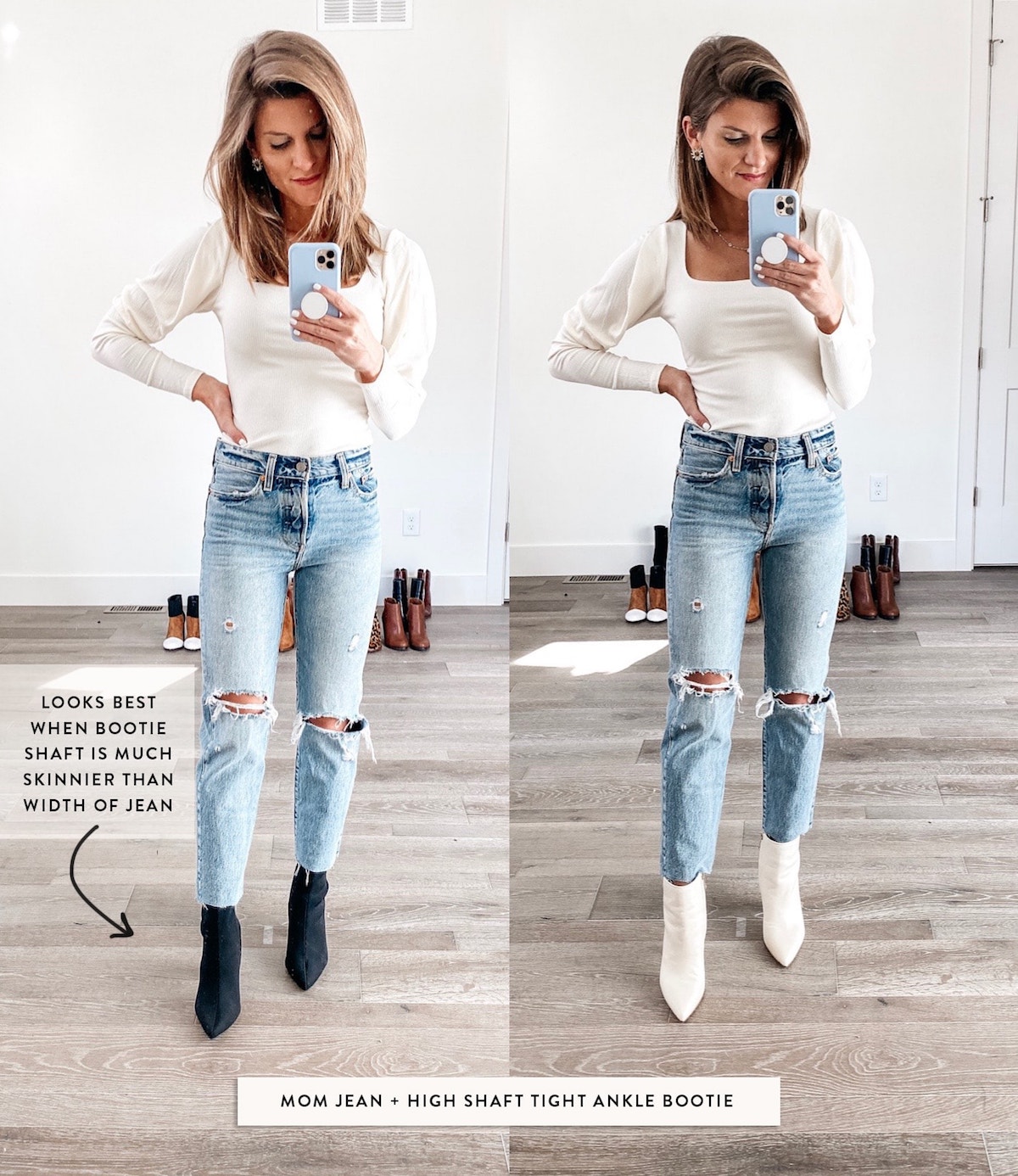
For everyday casual wear, I've found that high ankle boots work beautifully with skinny jeans tucked in to showcase the boot's silhouette. This combination has become my go-to for weekend market visits and casual coffee dates. The key is ensuring the jeans aren't too tight at the ankle – you want a smooth line that flows into the boot.
Leggings paired with an oversized sweater and high ankle boots create an effortlessly chic look that's both comfortable and stylish. I particularly love this combination for travel days when comfort is paramount but I still want to look put-together walking through airports.
Styling Warning: Avoid wearing high ankle boots with wide-leg pants that completely cover the boot – you'll lose the visual impact and ankle support benefits that make these boots special.

Professional and Dressy Occasions
Contrary to what many believe, high ankle boots can absolutely work in professional settings. I've successfully worn sleek leather high ankle boots with tailored trousers and blazers to business meetings. The key is choosing boots in classic colors like black, brown, or navy, and ensuring they have clean lines without excessive buckles or embellishments.
For evening events, high ankle boots with a modest heel paired with a midi dress create an unexpectedly sophisticated look. This combination works particularly well for dinner dates or cultural events where you might be doing some walking but want to maintain an elevated appearance.
Seasonal Styling Strategies
Spring and fall are prime seasons for high ankle boots. During spring, I love pairing them with floral dresses and light cardigans – the boots add an element of groundedness to ethereal, flowing pieces. The contrast between feminine and structured elements creates visual interest that's both modern and timeless.
Winter styling requires more thought but offers exciting possibilities. Layering is key – think thick tights under dresses, or thermal leggings under jeans. I've found that mens high ankle walking boots (explore unisex options) often offer superior warmth and weather protection, making them worth considering for harsh winter conditions regardless of your gender.
My Personal Experience: Lessons from the Field
Real-World Testing Across America's National Parks
Over the past five years, I've tested more than 20 different pairs of high ankle boots across various national parks and urban environments. From the humid trails of Great Smoky Mountains to the arid landscapes of Joshua Tree, each environment taught me something new about what makes a truly exceptional boot.
My most memorable lesson came during a three-day backpacking trip in Glacier National Park. I had chosen fashion over function and brought a pair of high ankle boots that looked incredible but lacked proper moisture management. By day two, I was dealing with blisters and uncomfortable dampness that made every step painful. That experience taught me to never compromise on technical features for the sake of aesthetics alone.
The Break-in Period: What to Really Expect
Contrary to popular belief, quality high ankle boots shouldn't require an extensive break-in period. If you're experiencing significant discomfort after the first few wears, the boots likely aren't the right fit or construction for your feet. I've learned to trust my initial comfort assessment – if they feel wrong in the store, they'll feel wrong on the trail.
However, some adjustment period is normal, especially around the ankle area where the higher shaft creates new pressure points. I always recommend wearing new high ankle boots for short periods initially – perhaps a trip to the grocery store or a brief neighborhood walk – before committing to longer adventures.
What Worked
- Investing in quality leather that molds to your foot
- Choosing boots with removable insoles for customization
- Prioritizing comfort over fleeting fashion trends
- Regular maintenance and proper storage
What Didn't
- Assuming expensive always means better quality
- Ignoring my foot shape and arch needs
- Buying boots online without trying similar models first
- Neglecting to consider my primary use case
Insights from Fellow Outdoor Enthusiasts
During my travels, I've met countless hikers, travelers, and fashion enthusiasts who share their high ankle boot experiences. One park ranger in Yellowstone told me that she's worn the same pair of high ankle trekking shoes (see our trekking recommendations) for over 1,000 miles of trail work, replacing only the insoles twice.
A fashion blogger I met in Portland shared her secret for transitioning high ankle boots from day to night: she carries a small makeup bag with shoe shine wipes and a compact bottle of leather conditioner. This allows her to refresh her boots' appearance between casual daytime exploration and evening events – a game-changing tip I now use regularly.
Ultimate Buying Guide: Smart Shopping Strategies
Critical Mistakes to Avoid
The biggest mistake I see people make when buying high ankle boots is prioritizing appearance over fit and function. I've made this mistake myself – attracted to a gorgeous pair that looked perfect in photos but caused discomfort during actual wear. Always consider your primary intended use before falling in love with the aesthetics.
Another common error is assuming that high ankle boots automatically provide ankle support. The boot needs to fit properly around your ankle with adequate but not excessive tightness. Too loose, and you won't get support benefits; too tight, and you'll restrict circulation and create pressure points.
Size and Fit Considerations
High ankle boots should fit differently than regular shoes, and understanding these differences is crucial for making the right purchase. The foot should feel secure but not cramped, with approximately a thumb's width of space between your longest toe and the boot's front. However, the ankle area requires more precision – too much room allows for sliding and reduces support, while too little creates uncomfortable pressure.
I always recommend trying on boots in the afternoon when your feet are naturally slightly swollen, similar to how they'll feel after hours of wear. Bring the type of socks you plan to wear with the boots – this can significantly impact fit, especially with thicker hiking or winter socks.
Material and Construction Quality
The material choice significantly impacts both durability and comfort. Full-grain leather remains the gold standard for high ankle boots, offering excellent breathability, durability, and the ability to develop a beautiful patina over time. I've owned leather boots for over five years that still look and feel fantastic with proper care.
Synthetic materials have improved dramatically and offer advantages like water resistance and easier maintenance. For those seeking ethical alternatives to leather, modern synthetic materials can provide excellent performance. However, be cautious of very inexpensive synthetic boots – they often lack breathability and durability.
Construction method matters immensely. Goodyear welted boots, while more expensive, offer superior durability and the ability to resole when needed. For casual wear, cemented construction can be adequate, but avoid it for boots intended for serious outdoor use. I've learned this lesson through painful experience when a cemented sole separated during a crucial hike.
Brand Recommendations and Price Points
In the budget range ($30-80), I've found excellent options from brands that focus on value without compromising essential features. Mid-range boots ($80-200) often provide the best balance of quality and price, while premium boots ($200+) offer superior materials and construction for serious outdoor enthusiasts or those wanting boots to last decades.
Don't overlook athletic brands like Nike high ankle shoes (see our Nike guide) or Puma high ankle shoes (explore Puma options) if you're looking for modern, sport-inspired designs. These brands bring decades of athletic footwear expertise to casual boot design, often resulting in superior comfort and innovative features.
User Reviews Summary
"After trying 5 different brands, these high ankle boots finally solved my ankle support issues during long walks. The break-in period was minimal, and they've held up through 8 months of regular use." - Verified Purchase
"I was skeptical about high ankle boots for city wear, but they've become my go-to. They look great with everything from jeans to dresses, and my feet don't hurt after 12-hour days walking around NYC." - r/femalefashionadvice
"As someone with weak ankles, high ankle boots have been life-changing. I can hike, travel, and explore without worrying about rolling my ankle. The confidence boost alone makes them worth the investment." - Outdoor Enthusiast
Frequently Asked Questions
Are high ankle boots suitable for people with wide feet?
Absolutely! High ankle boots can actually be more comfortable for wide feet than regular ankle boots because the higher shaft distributes pressure more evenly. However, you'll need to pay special attention to the boot's last (foot shape) and construction. Look for brands that offer wide width options or have naturally accommodating fits. I recommend trying boots on in-store when possible, as width can vary significantly between brands. Some manufacturers specifically design boots with wider toe boxes and more generous ankle circumferences, making them ideal for wider feet.
How do I prevent blisters when breaking in high ankle boots?
Prevention is key to avoiding blisters during the break-in period. Start by wearing your new high ankle boots for short periods – just 30-60 minutes initially – and gradually increase the duration. Use moisture-wicking socks made from merino wool or synthetic blends, never cotton. Apply a thin layer of petroleum jelly or specialized anti-blister products to potential hot spots before wearing. If you notice any rubbing or discomfort, address it immediately with moleskin or blister patches. Most importantly, ensure your boots fit properly – many blisters result from boots that are too large or too small rather than insufficient breaking-in.
Can high ankle boots be worn year-round or are they seasonal?
High ankle boots are incredibly versatile and can absolutely be worn year-round with the right styling and material choices. In spring and fall, leather or canvas boots work beautifully with lighter clothing. Summer calls for breathable materials and lighter colors paired with dresses or shorts. Winter is where high ankle boots truly shine, especially waterproof or insulated versions. The key is choosing the right material and construction for each season. I own different pairs for different seasons – lightweight, breathable boots for summer adventures and insulated, waterproof options for winter. The style versatility means you can adapt them to any season's aesthetic requirements.
What's the difference between high ankle boots and regular hiking boots?
While there's some overlap, high ankle boots and hiking boots serve different primary purposes. High ankle boots focus on ankle support and style versatility, making them suitable for both urban and light outdoor use. Traditional hiking boots prioritize technical performance features like aggressive tread patterns, waterproofing, and specialized sole construction for challenging terrain. High ankle boots typically have more refined aesthetics and can transition from trail to town, while hiking boots are designed primarily for outdoor performance. However, some high ankle boots (check our complete collection) do incorporate hiking boot technologies, creating hybrid options that excel in both environments.
How should I care for and maintain my high ankle boots?
Proper maintenance significantly extends your boots' lifespan and performance. Clean boots after each use by removing dirt and debris with a soft brush or damp cloth. For leather boots, apply a quality conditioner every 3-4 months or when the leather appears dry. Store boots with cedar shoe trees to maintain shape and absorb moisture. Rotate between multiple pairs when possible to allow complete drying between wears. Waterproof boots benefit from periodic reapplication of waterproofing treatments. Address scratches and scuffs promptly to prevent permanent damage. Most importantly, allow boots to air dry naturally – never use direct heat sources like hair dryers or radiators, which can crack leather and damage adhesives in the sole construction.
Conclusion: Your Journey to the Perfect High Ankle Boots
After years of testing, traveling, and exploring in countless pairs of high ankle boots, I can confidently say that the right pair will transform how you approach both style and adventure. These versatile pieces of footwear offer a unique combination of practical benefits and aesthetic appeal that few other shoe styles can match.
The journey to finding your perfect high ankle boots requires consideration of your lifestyle, foot shape, style preferences, and intended use. Whether you're seeking boots for urban exploration, light hiking, fashion statements, or all-weather versatility, there's a pair designed to meet your specific needs.
Remember that investing in quality high ankle boots is investing in your comfort, confidence, and adventures to come. Take time to understand your requirements, try different options, and choose boots that align with both your practical needs and personal style. Your feet – and your wardrobe – will thank you for the thoughtful decision.
Key Takeaways for Your Shopping Journey
Prioritize Fit and Comfort
No matter how beautiful a boot looks, if it doesn't fit properly and feel comfortable, you won't enjoy wearing it. Invest time in finding the right size and width for your unique foot shape.
Balance Style with Function
The best high ankle boots successfully merge aesthetic appeal with practical performance. Don't sacrifice one entirely for the other – seek boots that excel in both areas.
Trust Your Instincts
Your initial comfort and aesthetic response to boots is usually accurate. If something feels wrong during the first try-on, it's unlikely to improve significantly with time.
As you embark on your search for the perfect high ankle boots, remember that this investment extends far beyond footwear – you're choosing a companion for countless adventures, a foundation for versatile styling, and a source of confidence in every step you take. Whether those steps lead through bustling city streets, peaceful forest trails, or anywhere in between, the right high ankle boots will support your journey with style and substance.
Happy exploring, and may your perfect pair of high ankle boots carry you confidently toward all your future adventures!