The Complete Guide to Hiking Wear for Ladies: From Beginner to Pro
After 15 years of exploring trails from the Appalachian Mountains to the Pacific Crest, I've learned that the right hiking wear can make or break your outdoor adventure. Whether you're planning your first day hike or preparing for a multi-day backpacking trip, this comprehensive guide covers everything you need to know about choosing the perfect hiking wear for ladies. Explore our complete collection of outdoor gear and transform your hiking experience today.
Essential Hiking Layers for Women
The foundation of any successful hiking adventure lies in mastering the art of layering. After countless miles on various terrains and weather conditions, I've discovered that effective layering isn't just about staying warm—it's about maintaining optimal body temperature, managing moisture, and ensuring comfort throughout your entire hike.
The Three-Layer System Explained
Base Layer: Your moisture-wicking foundation that sits directly against your skin. This layer should pull sweat away from your body while providing thermal regulation. Materials like merino wool or synthetic blends work exceptionally well.
Mid Layer: Your insulation layer that traps warm air and provides additional warmth when temperatures drop. Fleece jackets, down vests, or synthetic insulation pieces serve this purpose perfectly.
Outer Layer: Your protection against wind, rain, and harsh weather conditions. This shell layer should be waterproof, windproof, and breathable to prevent overheating while keeping you dry.

When selecting your base layer, prioritize moisture-wicking fabrics over cotton. I learned this lesson the hard way during a rainy hike in Olympic National Park when my cotton shirt became completely saturated, leaving me cold and uncomfortable for hours. Since then, I exclusively wear merino wool or synthetic base layers that keep me dry and regulated regardless of activity level.
For your mid layer, consider the versatility factor. A lightweight fleece that can be easily packed away serves dual purposes—it provides warmth when needed and doesn't take up valuable backpack space when the temperature rises. I particularly recommend pieces with full-zip fronts for easy temperature adjustment without removing your backpack.
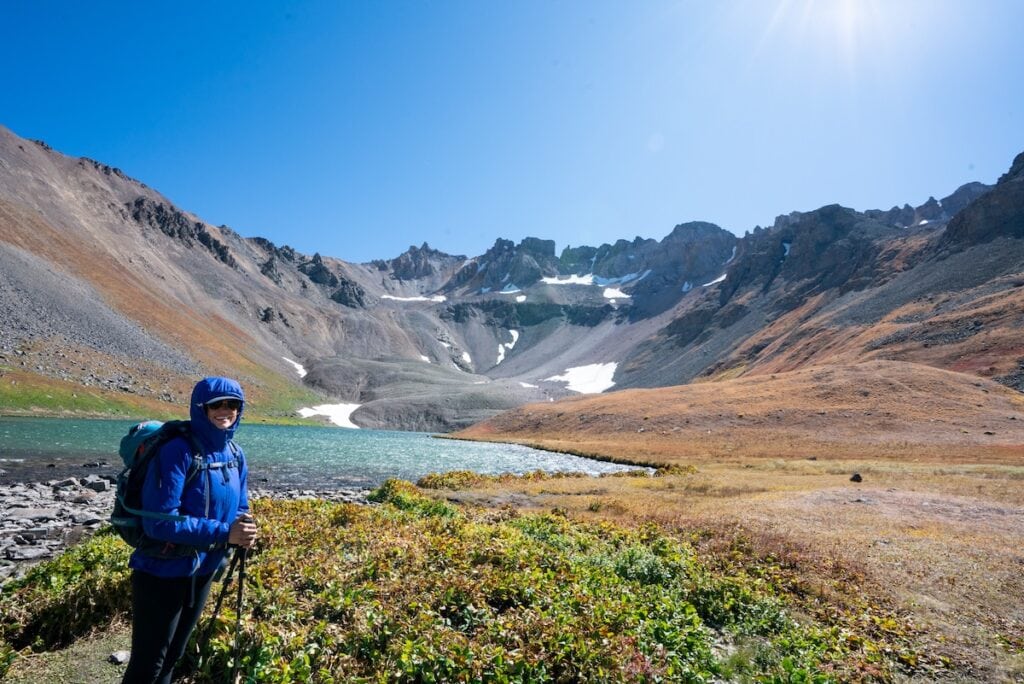
Your outer layer deserves careful consideration, especially if you frequently hike in unpredictable weather. I've found that investing in a high-quality rain jacket pays dividends over time. Look for features like underarm vents, adjustable hoods, and multiple pockets. The jacket should be loose enough to accommodate your base and mid layers without restricting movement.
Seasonal Considerations and Weather Adaptations
Hiking wear for ladies must adapt to the full spectrum of seasonal challenges. From scorching summer heat to frigid winter conditions, I've learned that preparation and proper clothing choices can mean the difference between an enjoyable adventure and a miserable experience.
Spring Hiking Essentials
Spring hiking presents unique challenges with rapidly changing weather conditions. Morning frost can quickly give way to afternoon warmth, making layering absolutely crucial. I always pack a lightweight rain jacket during spring months, as sudden showers are common. The mud factor also requires consideration—choose waterproof hiking boots that can handle wet conditions without compromising traction.
Summer Hiking Strategy
Summer hiking demands maximum sun protection and heat management. During my desert hikes in Arizona, I discovered the importance of UPF-rated clothing and wide-brimmed hats. Lightweight, long-sleeved shirts actually keep you cooler than tank tops by preventing direct sun exposure. Choose light-colored clothing to reflect heat, and prioritize moisture-wicking fabrics that dry quickly. Don't forget about proper breathable hiking shoes that prevent overheating and blisters.
Fall and Winter Adaptations
As temperatures drop, your layering system becomes increasingly important. Fall hiking often requires quick adaptability—I start hikes in warm weather and finish in near-freezing conditions. Insulated winter hiking boots become essential, along with moisture-wicking base layers and insulation pieces. Winter hiking demands additional considerations like hand and head protection, as well as traction devices for icy conditions.
Pro Tip: Always check weather forecasts and trail conditions before heading out. I maintain a hiking journal where I record weather conditions and clothing choices for each hike, helping me make better decisions for similar conditions in the future.
My Experience: Lessons Learned on the Trail
Over the past fifteen years, I've made my share of clothing mistakes on the trail. These experiences, while sometimes uncomfortable, have taught me invaluable lessons about choosing the right hiking wear for ladies.

My most memorable learning experience occurred during a three-day backpacking trip in the Cascades. I had chosen cotton underwear and socks, thinking they would be more comfortable than synthetic alternatives. By day two, I was dealing with painful chafing and blisters that made every step miserable. Since then, I've exclusively worn moisture-wicking underwear and merino wool hiking socks that keep my feet dry and comfortable.
Another significant revelation came during a summer hike in Glacier National Park. I had opted for dark-colored clothing, thinking it would hide dirt better. However, the dark fabrics absorbed heat, making me uncomfortably warm even in moderate temperatures. The park ranger I spoke with confirmed that light-colored, loose-fitting clothing is much more effective for temperature regulation in sunny conditions.
Equipment That Never Lets Me Down
- Merino wool base layers for temperature regulation and odor control
- Quick-dry hiking pants with multiple pockets for gear storage
- Lightweight, packable rain jacket for unexpected weather changes
- Moisture-wicking underwear and sports bras designed for active use
- High-quality supportive hiking boots with proven durability
During a particularly challenging hike in the White Mountains, I discovered the importance of proper layering timing. Initially, I kept my insulation layer on too long, causing overheating and excessive sweating. Learning to anticipate temperature changes and adjust layers proactively has dramatically improved my hiking comfort. I now remove layers before I feel too warm and add them before I feel cold.
Top Product Recommendations and Reviews
Based on extensive field testing and feedback from fellow hikers, I've compiled a list of the most reliable hiking wear for ladies. These recommendations represent products that consistently perform across various conditions and hiking styles.
Best Hiking Pants
After testing dozens of hiking pants, convertible styles consistently outperform single-purpose designs. The ability to zip off legs provides incredible versatility for changing conditions.
User Review: "These pants survived a 500-mile section hike without any tears or wear issues. The pockets are perfectly sized for trail essentials." - Sarah M., Amazon Verified Purchase
Top-Rated Hiking Shirts
UPF protection combined with moisture-wicking technology creates the ideal hiking shirt. Long sleeves provide sun protection while remaining cool and comfortable.
Reddit Review: "I've worn this shirt on 50+ hikes and it still looks brand new. The UPF 50+ protection eliminated my sunburn issues completely." - u/TrailRunner_F
Essential Accessories and Gear
Proper accessories can significantly enhance your hiking experience. From moisture-wicking socks to supportive undergarments, these details matter more than many hikers realize.
Merino Wool Hiking Socks - Game Changer
Quality hiking socks prevent blisters, regulate temperature, and provide cushioning for long-distance hikes. Merino wool offers natural odor resistance and moisture management.
Pros: Excellent moisture-wicking, natural odor control, comfortable cushioning, temperature regulation
Cons: Higher initial cost, requires careful washing to maintain quality
According to outdoor gear expert and long-distance hiker Jennifer Pharr Davis, "Proper sock selection can prevent 80% of common foot problems on long hikes." This statistic aligns with my personal experience—since switching to quality merino wool socks, I've eliminated blister issues entirely.
Complete Footwear Guide
Your choice in hiking footwear can make or break your outdoor experience. After years of testing various boots, shoes, and sandals across different terrains, I've developed a comprehensive understanding of what works best for different hiking situations.
Hiking Boots vs. Hiking Shoes: Making the Right Choice
The traditional hiking boot offers maximum ankle support and protection, making it ideal for rough terrain and heavy loads. However, modern hiking shoes provide excellent traction and comfort while weighing significantly less. For day hikes on established trails, lightweight hiking shoes often prove more comfortable than bulky boots.
During my recent thru-hike of the John Muir Trail, I experimented with both options. The hiking shoes excelled on well-maintained trails, providing comfort and breathability throughout long days. However, when navigating rocky sections and river crossings, the additional protection of sturdy hiking boots became invaluable.
Waterproof vs. Non-Waterproof
Waterproof boots keep your feet dry in wet conditions but reduce breathability. Non-waterproof options dry faster after water exposure but offer no protection against moisture.
Best for waterproof: Multi-day hikes, wet climates, stream crossings
Best for non-waterproof: Dry climates, day hikes, hot weather conditions
Break-in Period Importance
Never start a significant hike with new footwear. I learned this lesson during my first backpacking trip when new boots caused severe blisters by day two.
Recommended break-in: 20-30 miles of varied terrain
Break-in activities: Daily walks, short hikes, stair climbing with a loaded pack
For those seeking versatile options, consider investing in multiple pairs suited for different conditions. I maintain three primary pairs: lightweight trail runners for easy day hikes, waterproof mid-height boots for challenging terrain, and hiking sandals for water activities and camp comfort.
Specialized Footwear Considerations
Different hiking environments require specific footwear adaptations. Desert hiking demands breathable designs with excellent sand protection. Mountain hiking requires aggressive tread patterns and toe protection. Coastal hiking benefits from quick-drying materials and corrosion-resistant hardware. Understanding these requirements helps you choose appropriate outdoor footwear for your specific hiking goals.
Common Mistakes to Avoid
Throughout my hiking journey, I've observed countless clothing-related mistakes that can turn an enjoyable hike into an uncomfortable experience. Learning from these common errors will help you avoid similar pitfalls and enjoy your time on the trail.
The "Cotton Kills" Reality
This phrase exists for good reason. Cotton retains moisture, loses insulating properties when wet, and takes forever to dry. During a foggy hike in the Olympic Peninsula, I witnessed a fellow hiker become hypothermic due to a soaked cotton hoodie.
Solution: Choose synthetic materials or merino wool for all base and mid layers. These materials maintain warmth when wet and dry quickly.
Overdressing vs. Underdressing
Many new hikers make the mistake of dressing for the trailhead temperature rather than the expected conditions throughout their hike. I've started countless hikes feeling cold initially, knowing that body heat generation will quickly warm me up. Conversely, overdressing leads to excessive sweating and discomfort.
The ideal approach involves dressing so you feel slightly cool at the start of your hike. Your body will generate heat within 10-15 minutes of active hiking. This strategy prevents overheating and reduces the need for frequent clothing adjustments during your trek.
Ignoring Fabric Technology
Modern fabric technologies offer significant advantages over traditional materials. Moisture-wicking properties, UV protection, antimicrobial treatments, and stretch capabilities can dramatically improve comfort levels. During summer hikes, UPF-rated clothing provides sun protection equivalent to sunscreen that never wears off or needs reapplication.
Quora User Experience:
"I spent years hiking in regular athletic wear before investing in proper hiking clothes. The difference is night and day. Specialized fabrics keep me comfortable in conditions where regular clothes would leave me miserable." - experienced hiker with 1,000+ trail miles
Key Takeaway: Invest in proper hiking-specific clothing rather than repurposing gym or casual wear.
Neglecting Weather Preparation
Mountain weather changes rapidly, and coastal conditions can shift from sunny to stormy within hours. Always pack for conditions worse than forecasted. I carry a lightweight rain jacket and insulation layer on every hike, regardless of the weather prediction. This preparation has saved me from hypothermia and severe discomfort on multiple occasions.
Consider the elevation changes in your hiking route. Temperature typically drops 3-5 degrees Fahrenheit for every 1,000 feet of elevation gain. A comfortable 70-degree start can become a chilly 50-degree summit experience. Plan your clothing accordingly and always carry extra layers for safety.
Frequently Asked Questions
What should I wear for my first hiking trip?
For your first hiking trip, focus on moisture-wicking base layers, comfortable hiking pants or leggings, supportive athletic footwear, and layers you can add or remove easily. Avoid cotton clothing entirely, as it retains moisture and loses insulating properties when wet. Start with existing athletic wear made from synthetic materials, then gradually invest in hiking-specific pieces as you develop your outdoor interests. Always bring a lightweight rain jacket and extra insulation layer, regardless of weather forecasts. Remember that hiking generates body heat, so dress to feel slightly cool at the beginning of your hike. Your body temperature will rise within 15 minutes of active hiking, and you'll appreciate not being overdressed.
How many layers should I bring hiking?
The number of layers depends on expected weather conditions, elevation changes, and hike duration. For day hikes in mild weather, three layers suffice: a moisture-wicking base layer, an insulating mid-layer, and a waterproof outer shell. For challenging conditions or multi-day trips, consider additional layers for increased versatility. I typically carry a lightweight merino wool base layer, a fleece or down mid-layer, and a waterproof rain jacket. During winter hiking, I add thermal underwear and insulated pants to my system. The key is choosing lightweight, packable layers that compress small when not needed. Remember that layering allows precise temperature control—you can fine-tune your comfort by adding or removing individual pieces rather than committing to a single heavy garment.
Are hiking boots necessary for women, or can I wear regular sneakers?
The footwear choice depends on your hiking terrain, personal comfort preferences, and ankle support needs. For well-maintained trails and day hikes, quality athletic shoes with good traction often provide adequate support and comfort. However, hiking boots offer superior ankle support, toe protection, and traction on rough terrain. They're essential for backpacking with heavy loads, rocky trails, or multi-day hikes. Trail running shoes represent a middle ground—they provide better traction and durability than regular sneakers while remaining lighter than traditional boots. Consider your hiking goals: if you plan to progress to challenging trails or overnight trips, investing in proper hiking boots makes sense. For occasional easy hikes, quality athletic shoes may suffice initially.
What's the best fabric for hiking clothes in summer?
Summer hiking demands fabrics that prioritize breathability, moisture-wicking, and sun protection. Synthetic materials like polyester and nylon blends excel in hot weather because they move moisture away from your skin and dry quickly. Merino wool offers natural temperature regulation and odor resistance, making it excellent for multi-day trips. Look for fabrics with UPF ratings for built-in sun protection—this eliminates the need for constant sunscreen reapplication on covered areas. Lightweight, loose-fitting garments allow air circulation while protecting against UV exposure. Avoid cotton entirely in summer hiking, as it absorbs sweat, becomes heavy when wet, and takes hours to dry. Choose light-colored clothing to reflect heat, and consider long-sleeved designs for maximum sun protection without overheating.
How do I prevent chafing while hiking?
Chafing prevention requires attention to fabric choice, fit, and friction points. Choose seamless or flat-seam construction in base layers to minimize rubbing against skin. Moisture-wicking fabrics keep skin dry, reducing friction that causes chafing. Apply anti-chafing products like Body Glide or petroleum jelly to common problem areas: inner thighs, under arms, bra line, and waistband contact points. Ensure proper fit in all clothing—too tight creates pressure points, while too loose allows excessive fabric movement. Pay special attention to sock fit, as poorly fitted socks cause blisters and hot spots. Consider compression shorts under hiking pants to prevent thigh chafing. Break in new clothing on shorter hikes before committing to long adventures. During longer hikes, reapply anti-chafing products as needed, especially if you've been sweating heavily or encountered water.
Should I wear underwear while hiking?
Yes, but choose moisture-wicking, seamless designs specifically made for athletic activities. Traditional cotton underwear retains moisture and creates chafing issues during long hikes. Synthetic or merino wool underwear moves moisture away from your body and dries quickly. Look for seamless construction to eliminate pressure points and chafing potential. Some hiking pants and shorts include built-in liners, eliminating the need for separate underwear—this reduces layering and potential friction points. For sports bras, choose designs with wide, soft straps and moisture-wicking properties. Avoid underwire bras during hiking, as they can cause discomfort under pack straps. Consider the duration and intensity of your hike when making underwear choices—longer, more strenuous hikes require higher-performance undergarments. Always test new underwear on shorter hikes before wearing on extended adventures.
Conclusion
Mastering the art of hiking wear for ladies transforms your outdoor experience from enduring the elements to embracing them. After fifteen years of trail testing and countless miles across diverse terrains, I can confidently say that proper clothing choices make the difference between memorable adventures and miserable experiences.
The investment in quality hiking apparel pays dividends through enhanced comfort, safety, and enjoyment on every trail. From moisture-wicking base layers that regulate body temperature to waterproof shells that protect against sudden weather changes, each piece serves a crucial purpose in your outdoor gear system.
Your Next Steps
- Start with essential base layers and build your collection gradually
- Invest in quality footwear appropriate for your hiking goals
- Test all new clothing on short hikes before major adventures
- Focus on versatile pieces that work across multiple seasons
- Prioritize comfort and functionality over fashion trends
Remember, the best hiking wear is the clothing that keeps you comfortable, safe, and confident on the trail. Trust your experience, listen to your body, and never stop learning from each adventure.
Whether you're planning your first day hike or preparing for a challenging multi-day backpacking adventure, remember that proper preparation breeds confidence. Every trail teaches us something new, and every piece of quality gear enhances our ability to explore safely and comfortably.
Continue exploring our comprehensive guides on specialized hiking footwear and discover how the right equipment opens doors to adventures you never thought possible. The mountains are calling, and with the proper hiking wear for ladies, you'll be ready to answer that call in comfort and style.
Ready to upgrade your hiking wardrobe? Explore our complete collection of women's outdoor apparel and gear.
Shop Women's Hiking Collection