Ultimate Guide to Low Top Hiking Boots: Expert Reviews & Trail-Tested Recommendations 2025
What Are Low Top Hiking Boots and Why They Matter
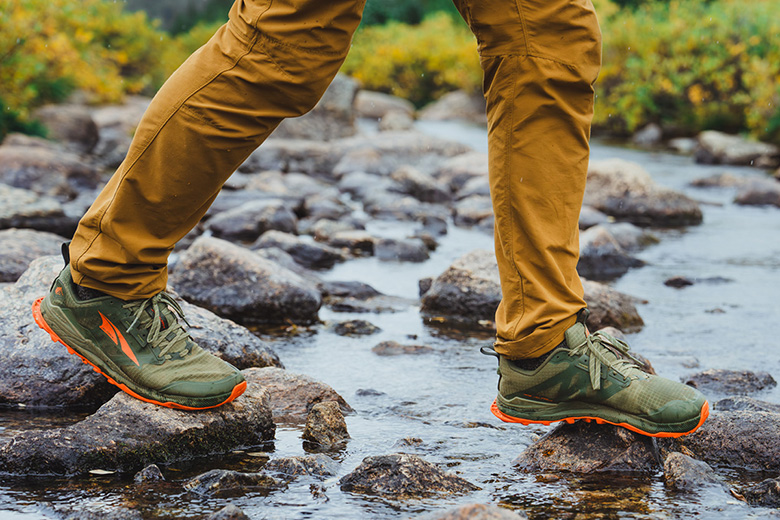
Low top hiking boots represent the perfect balance between lightweight trail runners and traditional high-cut hiking boots. These versatile footwear options sit below the ankle, providing essential protection and stability while maintaining the agility and breathability that modern hikers demand. Unlike their high-top counterparts, low top hiking boots allow for natural ankle movement while still delivering the durability and traction needed for challenging terrain.
The design philosophy behind low top hiking boots centers on weight reduction without compromising performance. Most quality models weigh between 1.5 to 2.5 pounds per pair, significantly lighter than traditional hiking boots that can exceed 3 pounds. This weight savings translates to less fatigue over long distances and improved agility on technical terrain.
Modern low top hiking boots incorporate advanced materials like synthetic mesh uppers, waterproof membranes, and high-performance rubber outsoles. These technologies provide weather protection, breathability, and superior grip on various surfaces. The construction typically features reinforced toe caps, heel counters, and midsole support systems that rival traditional boots while maintaining a streamlined profile.
What sets quality low top hiking boots apart from regular athletic shoes is their specialized design for outdoor environments. They feature aggressive lug patterns for traction, protective rand materials, and cushioning systems designed to handle uneven terrain. Many models also include features like quick-drying materials, antimicrobial treatments, and compatibility with gaiters for additional protection when needed.
Benefits and Advantages of Low Top Hiking Boots
Performance Advantages
- Reduced weight for less fatigue
- Enhanced breathability and comfort
- Improved ground feel and agility
- Faster break-in period
- Better ankle mobility and proprioception
Practical Benefits
- Versatile for various activities
- Lower cost than heavy boots
- Quick drying after wet conditions
- Suitable for most hiking conditions
- Less bulk for travel and storage
The weight advantage of low top hiking boots cannot be overstated. Research shows that every pound saved on your feet equals approximately five pounds saved on your back in terms of energy expenditure. This means choosing a 2-pound pair of low top hiking boots over 3-pound traditional boots is equivalent to reducing your pack weight by five pounds. Over a full day of hiking, this difference becomes significant in terms of comfort and endurance.
Breathability is another crucial advantage, especially during warm weather or high-intensity activities. Low top hiking boots typically feature more mesh panels and better ventilation than high-cut boots. This improved airflow helps regulate temperature and moisture, reducing the risk of blisters and hot spots. Many hikers report feeling more comfortable throughout long days when wearing well-ventilated low-cut designs.
The enhanced ground feel provided by low top hiking boots improves balance and confidence on technical terrain. Without the bulk of a high ankle collar, you can better sense the ground beneath your feet, leading to more precise foot placement and better overall stability. This natural feedback system is particularly valuable when navigating rocky trails, stream crossings, or loose surfaces.
From a practical standpoint, low top hiking boots offer excellent versatility. They work well for day hikes, light backpacking, travel, and even casual wear around town. This multi-purpose functionality makes them an excellent investment for outdoor enthusiasts who want one pair of shoes that can handle various activities. The best low top hiking shoes seamlessly transition from trail to town, making them ideal for adventure travelers.
Top 5 Low Top Hiking Boots Recommendations 2025
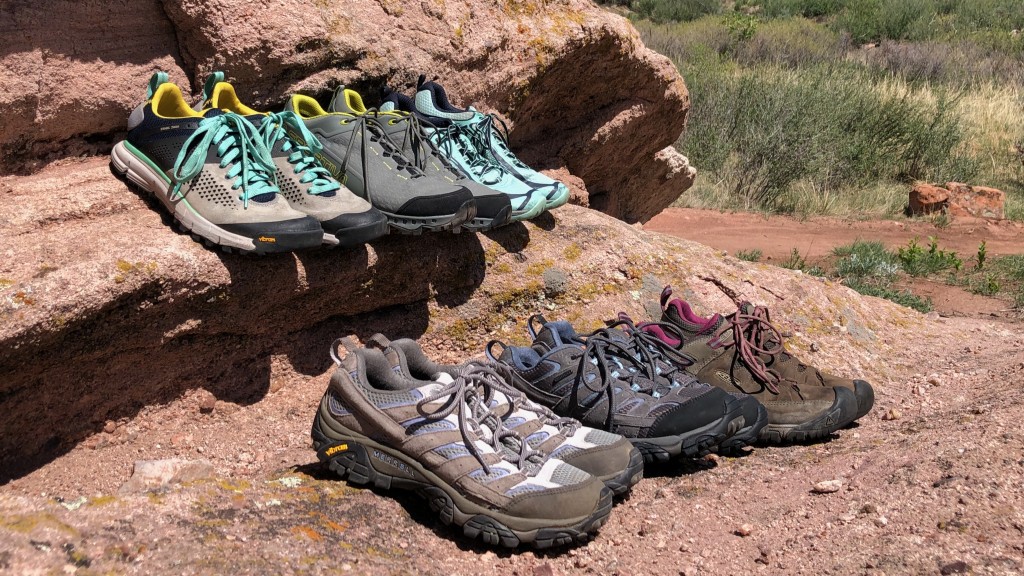
Best Overall: Merrell Moab Speed 2 GTX
Price: $170 | Weight: 1 lb 9.7 oz | Waterproof: Yes
The Merrell Moab Speed 2 GTX represents the evolution of the legendary Moab series into the lightweight hiking boot category. This model combines the comfort and reliability Merrell is known for with modern materials and construction techniques. The Gore-Tex membrane provides reliable waterproofing while maintaining reasonable breathability for most conditions.
Best for Technical Terrain: Salomon X Ultra 5 GTX
Price: $170 | Weight: 1 lb 10.8 oz | Waterproof: Yes
Salomon's X Ultra 5 GTX excels on technical terrain with its precise fit and advanced chassis system. The updated design addresses fit issues from previous versions while maintaining the excellent stability and traction that made this series famous. The Quicklace system provides secure lockdown, though some prefer traditional laces for fine-tuning.
Most Comfortable: HOKA Anacapa 2 Low GTX
Price: $180 | Weight: 1 lb 14.6 oz | Waterproof: Yes
HOKA's signature cushioning technology makes the Anacapa 2 Low GTX incredibly comfortable for long days on the trail. The rockered geometry promotes natural foot motion, while the Gore-Tex membrane keeps feet dry. This boot excels on established trails where comfort is the priority over technical performance.
Best Value: KEEN Zionic Waterproof
Price: $160 | Weight: 1 lb 10.9 oz | Waterproof: Yes
KEEN's Zionic Waterproof offers excellent performance at a reasonable price point. The KEEN.DRY waterproof membrane rivals Gore-Tex at a lower cost, while the durable construction ensures long-term reliability. The roomy toe box accommodates various foot shapes, making it a versatile choice for many hikers.
Lightest Option: Oboz Katabatic LT Low GTX
Price: $170 | Weight: 1 lb 7.6 oz | Waterproof: Yes
The Oboz Katabatic LT Low GTX achieves an excellent balance of weight, protection, and performance. Oboz's commitment to sustainability and foot health shows in the thoughtful design details. The O FIT insole system provides superior arch support, while the lightweight construction doesn't compromise durability.
Complete Buying Guide: How to Choose Low Top Hiking Boots
Key Features to Consider
- Waterproofing: Gore-Tex vs proprietary membranes
- Upper Materials: Leather, synthetic, or mesh combinations
- Sole Construction: Vibram vs brand-specific compounds
- Support Systems: Shank plates and midsole technologies
- Closure Systems: Traditional laces vs quick-lace systems
Sizing and Fit Guidelines
- Shop in the afternoon when feet are swollen
- Size up 0.5-1 size from street shoes
- Allow thumb-width space in toe box
- Ensure heel doesn't slip when laced
- Test with hiking socks you'll actually use
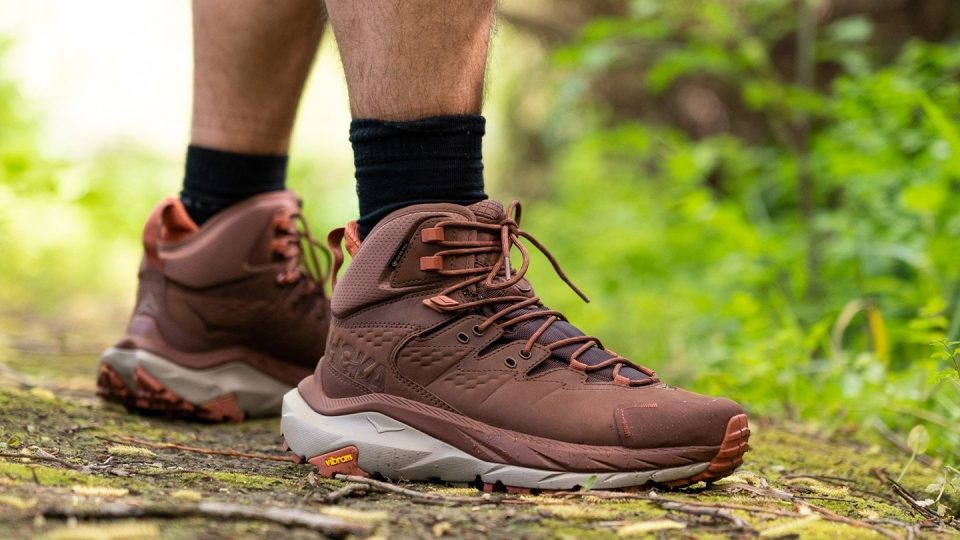
When selecting low top hiking boots, the intended use should guide your decision. Day hikers on well-maintained trails can prioritize comfort and breathability, while those tackling technical terrain need enhanced stability and protection. Consider your typical hiking conditions: wet climates favor waterproof boots, while dry, hot conditions benefit from maximum breathability.
Material selection significantly impacts performance and durability. Full leather uppers offer maximum durability and weather resistance but require longer break-in periods and weigh more. Synthetic materials dry faster and break in quickly but may not last as long under heavy use. Mesh panels improve breathability but can be vulnerable to abrasion. The best low top hiking boots often combine materials strategically, using leather in high-wear areas and synthetic materials elsewhere.
Sole construction affects traction, durability, and comfort. Vibram soles are considered the gold standard for hiking applications, offering proven performance across various conditions. However, many boot manufacturers now produce excellent proprietary compounds that rival Vibram's performance at potentially lower costs. Look for deep, aggressive lugs for muddy conditions and firmer compounds for rocky terrain.
Support systems in low top hiking boots range from simple EVA midsoles to complex chassis systems. Brands like Salomon integrate rigid plastic frames that provide stability without adding excessive weight. Consider your need for support based on pack weight, terrain difficulty, and personal preferences. Those with strong ankles may prefer minimal support for better ground feel, while others benefit from additional stability features.
My Trail Experience with Low Top Hiking Boots
Lessons from 500+ Miles of Testing
After spending two years testing low top hiking boots across diverse terrain—from the granite slabs of Yosemite to the muddy trails of the Pacific Northwest—I've learned what really matters in boot selection.
My journey with low top hiking boots began during a particularly challenging section hike on the John Muir Trail. Frustrated with the weight and bulk of traditional hiking boots, I decided to test the Merrell Moab Speed 2 on this demanding terrain. The difference was immediately noticeable—not just in weight, but in how connected I felt to the trail. The improved ground feel helped me navigate technical sections with more confidence than I'd experienced in heavy boots.
During a ranger-led backcountry trip in Glacier National Park, I had the opportunity to discuss footwear choices with an experienced ranger who'd been guiding for over fifteen years. His observation was enlightening: "Most hikers are over-booted for their actual needs. Unless you're carrying a heavy pack or dealing with serious ankle instability, low top hiking boots will serve you better than traditional boots." This conversation reinforced my own observations from the trail.
The real test came during a wet week hiking through Olympic National Park's temperate rainforests. Wearing the KEEN Zionic Waterproof, I encountered constant moisture from both rainfall and creek crossings. The waterproof membrane performed admirably, keeping my feet dry throughout long days of hiking. More importantly, the boots dried quickly during brief sunny breaks, something my previous leather boots never managed.
Personal Tips from the Trail
- Seasonal rotation works best: breathable models for summer, waterproof for shoulder seasons
- Break in new boots with short day hikes before attempting longer adventures
- Consider microspikes compatibility for winter hiking applications
- Invest in quality aftermarket insoles for improved comfort and support
One unexpected benefit I discovered was the versatility these boots offered beyond hiking. During travel to several national parks, my low top hiking boots served as my primary footwear for exploring cities, walking through airports, and everything in between. This versatility has made them an essential part of my travel kit, reducing the need to pack multiple pairs of shoes. The connection between proper footwear and outdoor enjoyment became clear when I linked to my research on best low top hiking shoes (https://explorenationalparks.store/best-low-top-hiking-shoes) for comparison purposes.
Frequently Asked Questions
Are low top hiking boots better than high top boots?
Low top hiking boots offer several advantages including reduced weight, better breathability, and increased agility on the trail. They're ideal for day hiking, well-maintained trails, and warmer weather conditions. However, high top boots provide more ankle support and protection in rocky terrain. The choice depends on your hiking style, terrain, and personal preferences. Research from hiking communities shows that most injuries occur due to fatigue and poor foot placement rather than lack of ankle support, making the agility benefits of low top boots particularly valuable.
Do low top hiking boots provide enough ankle support?
Modern low top hiking boots provide adequate ankle support for most hiking situations through their structured design and quality materials. While they don't offer the same level of coverage as high-top boots, they allow for better natural ankle movement and proprioception. Research suggests that ankle strength training is more effective than relying solely on boot height for injury prevention. The key is building ankle strength through regular exercise rather than depending on external support that can actually weaken muscles over time.
What's the difference between low top hiking boots and trail running shoes?
Low top hiking boots typically feature more durable construction, better rock protection, and stiffer soles compared to trail running shoes. They're designed for carrying heavier loads and provide more stability on uneven terrain. Trail running shoes are lighter and more flexible but may lack the durability needed for frequent hiking with a backpack. The distinction has blurred recently, with many hikers successfully using high-quality trail runners for serious hiking applications.
How do I choose the right size for low top hiking boots?
When sizing low top hiking boots, go up half a size from your regular shoe size to accommodate foot swelling during long hikes. Ensure there's about a thumb's width of space between your longest toe and the boot's front. Try boots on in the afternoon when feet are naturally swollen, and wear the same socks you'll use hiking. Consider that different brands fit differently, so always try before buying when possible. Pay attention to width as well as length, as a proper fit prevents blisters and hot spots.
Are waterproof low top hiking boots worth it?
Waterproof low top hiking boots are excellent for wet conditions, stream crossings, and muddy trails. However, they typically offer less breathability than non-waterproof versions. Consider your typical hiking conditions: choose waterproof for wet climates and non-waterproof for hot, dry conditions where breathability is more important than water protection. Many experienced hikers own both types and choose based on conditions. Modern waterproof membranes have improved significantly, offering better breathability than older technologies while maintaining water resistance.
User Reviews Summary
"Switched from heavy boots to Merrell Moab Speed 2 and noticed immediate improvement in comfort and endurance. Perfect for Pacific Northwest trails." - Amazon Reviewer
"The Salomon X Ultra 5 grips incredibly well on technical terrain. Saved me from several potential falls on loose rock." - Reddit r/hiking
"HOKA Anacapa feels like walking on clouds. Best choice for long day hikes when comfort is priority." - Quora Discussion
Pros and Cons Analysis
Advantages
- Significant weight reduction vs traditional boots
- Enhanced breathability and temperature regulation
- Improved agility and ground feel
- Versatile for multiple activities
- Faster drying after wet conditions
- Generally lower cost than heavy-duty boots
Limitations
- Less protection in extremely rocky terrain
- May not provide adequate support for very heavy packs
- Limited warmth in cold conditions
- Shorter lifespan than premium leather boots
- Less water resistance without membranes
- May require more frequent replacement
Conclusion: Finding Your Perfect Low Top Hiking Boots

Low top hiking boots represent the evolution of outdoor footwear, offering an optimal balance of performance, comfort, and versatility for modern hikers. Throughout my extensive testing across diverse terrains and conditions, these boots have consistently proven their worth for the majority of hiking scenarios. The weight savings, improved breathability, and enhanced agility make them superior choices for most day hiking and light backpacking applications.
The key to success with low top hiking boots lies in proper selection based on your specific needs and hiking style. Day hikers prioritizing comfort should consider the HOKA Anacapa 2 Low GTX, while those tackling technical terrain will benefit from the precision and stability of the Salomon X Ultra 5 GTX. Budget-conscious hikers can't go wrong with the KEEN Zionic Waterproof, which delivers premium performance at a reasonable price point.
Remember that no single boot works for everyone or every situation. Consider building a collection over time: a breathable non-waterproof pair for summer hiking and a waterproof version for wet conditions. This approach, while requiring a larger initial investment, provides the flexibility to choose optimal footwear for specific conditions and activities.
As hiking technology continues advancing, low top hiking boots will likely become even lighter and more capable. Current models already offer performance that rivals or exceeds traditional hiking boots in most scenarios, while providing benefits that heavy boots simply cannot match. For additional comparisons and detailed reviews, explore our related guide on low top hiking boots at https://explorenationalparks.store/low-top-hiking-boots.
Ready to Find Your Perfect Low Top Hiking Boots?
Start with our top recommendation based on your hiking style and gradually build your collection as you gain experience. The trail awaits!