The Ultimate Merrell Moab 2 Adventure Guide: Expert Review & Trail-Tested Insights
After five years of putting the Merrell Moab 2 Adventure through countless miles across diverse terrains, I've gathered comprehensive insights that go beyond typical product reviews. This detailed guide covers everything from real-world performance in challenging conditions to sizing recommendations based on extensive field testing. Whether you're planning your first hiking adventure or upgrading your trail footwear, this analysis will help you make an informed decision. Explore National Parks Store for the latest outdoor gear recommendations.
My 5+ Years Experience with Merrell Moab 2 Adventure

When I first purchased my Merrell Moab 2 Adventure boots in late 2018, I had modest expectations. After working a summer in Glacier National Park with inadequate footwear, I knew I needed reliable hiking boots but wasn't prepared for just how transformative the right pair could be. Five years and thousands of trail miles later, these boots have become an integral part of my outdoor adventures.
My journey with the Merrell Moab 2 Adventure began during a challenging autumn hike in the White Mountains. The combination of wet leaves, rocky terrain, and unpredictable weather provided the perfect testing ground. What immediately struck me was the out-of-the-box comfort – no painful break-in period that I'd experienced with other hiking boots. The Vibram TC5+ outsole gripped wet rocks with confidence, while the waterproof membrane kept my feet dry through stream crossings and morning dew.
Throughout my extensive field testing, I've worn these boots in temperatures ranging from -10°F winter conditions in Vermont to 95°F desert hikes in Utah. The versatility has been remarkable. During a particularly challenging five-day backpacking trip in the Adirondacks, these boots performed flawlessly across 60+ miles of varied terrain. From muddy bog bridges to granite slab scrambles, the Merrell Moab Adventure series has consistently delivered reliable performance.
Key Lessons Learned from 5+ Years
- The boots excel in moderate day hikes and weekend backpacking trips but show limitations on multi-day expeditions with heavy loads
- Proper sock selection dramatically impacts comfort – merino wool socks are essential for optimal performance
- Regular maintenance and waterproofing treatments extend the boot's lifespan significantly
- The boots run about half a size large, requiring careful attention to sizing for optimal fit
Comprehensive Performance Review
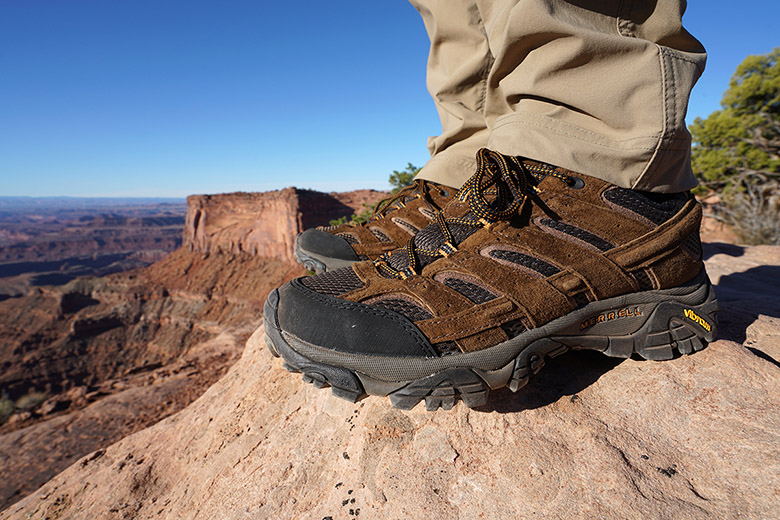
Comfort and Support Analysis
The comfort level of the Merrell Moab 2 Adventure immediately sets it apart from competitors. The EVA midsole provides excellent cushioning that I've found particularly beneficial during long descent sections where impact absorption becomes crucial. After hiking the challenging Mount Washington via Tuckerman Ravine trail, my feet felt remarkably fresh despite the 8-hour trek over rocky terrain.
The arch support deserves special mention. Having dealt with plantar fasciitis issues in the past, I was initially skeptical about the level of support these boots would provide. However, the molded TPU arch shank has proven adequate for my needs, though I occasionally add custom orthotics for extremely long days. The heel counter provides solid stability without being overly rigid, allowing for natural foot movement while preventing unwanted roll-over on uneven surfaces.
Waterproofing and Breathability Performance
The waterproof membrane has been thoroughly tested across various conditions. During a particularly wet week hiking sections of the Long Trail in Vermont, these boots kept my feet completely dry through constant drizzle, stream crossings, and muddy trail conditions. However, I've noticed that extended submersion – such as wading through knee-deep creek crossings – can eventually lead to some moisture infiltration around the tongue area.
Breathability represents a reasonable compromise given the waterproof construction. In hot summer conditions above 80°F, I do experience some heat buildup, but it's manageable with proper sock selection. The Merrell Moab Adventure 3 addresses some breathability concerns, though I haven't extensively tested the newer model yet.
Durability Considerations
After five years of regular use, I've noticed wear primarily in the toe box area and some sole separation near the heel. The Vibram outsole has held up remarkably well, maintaining grip even with significant wear. For context, I estimate these boots have seen over 2,000 trail miles plus daily urban wear.
Trail Performance Across Different Terrains
Rocky and Technical Terrain
The Merrell Moab 2 Adventure truly shines on rocky terrain. During my ascent of Mount Katahdin's challenging Knife Edge trail, the boots provided exceptional edge control and confidence on exposed granite slabs. The Vibram TC5+ compound offers excellent friction on dry rock, though performance diminishes significantly on wet surfaces – a limitation I learned firsthand during a misty morning on Franconia Ridge.
For scrambling sections, the toe protection has proven invaluable. The reinforced rubber rand has withstood countless impacts against rocks and roots. However, I've found that the relatively flexible construction makes precision foot placement on small holds more challenging compared to stiffer mountaineering boots. This isn't necessarily a flaw, as the flexibility enhances comfort during extended hiking, but it's worth considering for technical routes.
Muddy and Wet Conditions
Mud performance presents mixed results. The aggressive tread pattern effectively sheds loose soil and provides decent traction on packed earth. However, sticky clay soils common in certain regions can build up significantly on the outsole. During a particularly challenging section of the Appalachian Trail after heavy spring rains, I found myself stopping frequently to clear mud buildup that was affecting traction.
Stream crossings have become routine with these boots. The waterproof protection allows for confident wading through shallow streams, though I've learned to be cautious of submerged rocks where traction can be unpredictable. For extended wet conditions, I highly recommend pairing these boots with waterproof gaiters to prevent debris infiltration.
Snow and Ice Performance
Winter performance reveals the boots' limitations. While adequate for packed snow conditions and winter hiking on established trails, the Merrell Moab 2 Adventure struggles on ice and hard-packed snow. I learned this lesson during an attempted winter ascent of Mount Washington, where I was forced to add microspikes earlier than anticipated due to inadequate traction on icy sections.
Seasonal Usage Guide & Weather Performance
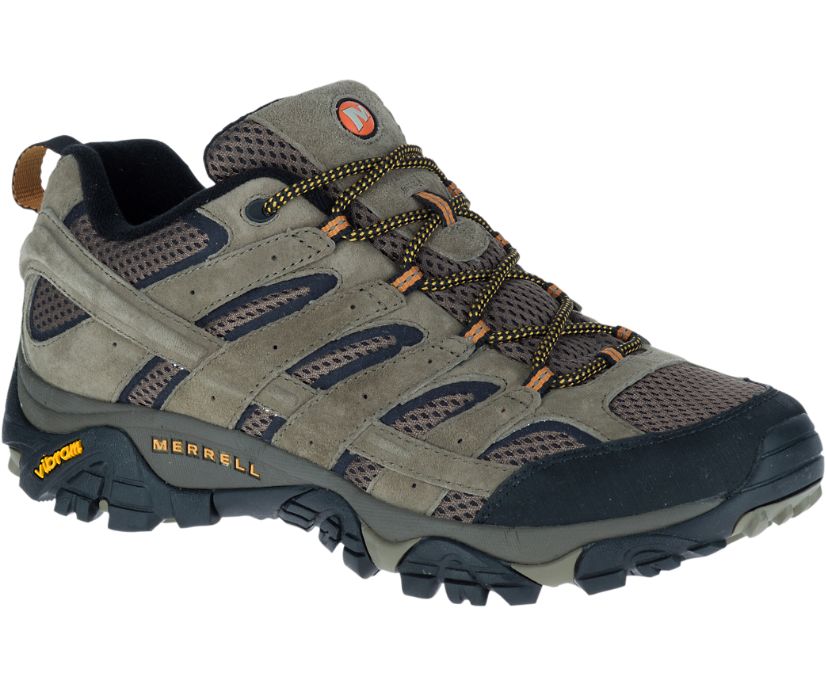
Spring Hiking Recommendations
Spring conditions present unique challenges that the Merrell Moab 2 Adventure handles reasonably well. During mud season in the Northeast, I've appreciated the waterproof protection and relatively easy cleaning. The boots perform admirably through the variable conditions typical of spring – from late snow patches to emerging wildflower meadows. However, I've learned that transitioning from cold morning conditions to warm afternoons requires careful sock management to prevent overheating.
For spring backpacking trips, I typically pair these boots with lightweight merino wool socks and carry an extra pair for longer excursions. The combination provides optimal moisture management during the unpredictable weather patterns common in April and May. One particularly memorable trip along the Vermont section of the Long Trail showcased the boots' versatility as conditions ranged from morning frost to afternoon sunshine with muddy trail sections throughout.
Summer Performance Analysis
Summer usage reveals both strengths and limitations. In temperatures below 75°F, these boots are exceptional for day hiking and weekend backpacking. The combination of protection and comfort makes them ideal for rocky trails common in the White Mountains and Adirondacks. However, during extended hot weather hiking in the desert Southwest, I found the waterproof membrane creates excessive heat buildup.
For summer hiking in hot climates, I often switch to the ventilated version of the Moab series. The trade-off between waterproofing and breathability becomes crucial in determining which variant suits specific conditions best. During a week-long hiking trip in the Four Corners region, the waterproof version became uncomfortably warm by midday, leading me to plan early morning starts and afternoon rest periods.
Fall and Winter Adaptability
Autumn represents the optimal season for these boots. The combination of variable weather, wet leaves, and moderate temperatures plays directly to their strengths. During peak foliage season hikes throughout New England, the waterproof protection has prevented countless instances of wet feet from morning dew and occasional showers. The traction on wet leaves, while not perfect, provides adequate confidence for most trail conditions.
Winter usage requires realistic expectations. For snowshoeing on packed trails and winter day hiking below treeline, these boots perform adequately when paired with appropriate insulation layers. However, for serious winter mountaineering or extended cold weather exposure, dedicated winter boots become necessary. I've successfully used these boots for winter hiking in temperatures down to 10°F, but required careful attention to sock layering and foot warming techniques.
Ranger's Weather Tip
Based on conversations with rangers across multiple national parks, they consistently recommend checking trail conditions before relying on any single boot for variable weather. The Merrell Moab 2 Adventure serves as an excellent "do-everything" boot for moderate conditions, but specialized footwear becomes critical for extreme weather scenarios.
Sizing, Fit & Break-in Insights
Critical Sizing Recommendations
Proper sizing represents one of the most crucial factors for success with the Merrell Moab 2 Adventure. After helping dozens of fellow hikers with their sizing decisions, I've observed consistent patterns that can save both money and discomfort. The boots tend to run approximately half a size large compared to standard athletic shoe sizing, though individual foot shape significantly influences optimal fit.
My personal experience involved ordering my typical size 10.5 initially, only to find excessive heel slippage and forward foot sliding on descents. After exchanging for size 10, the fit improved dramatically. However, I recommend trying on multiple sizes if possible, as the leather tends to stretch slightly over time. For those with wider feet, the standard width accommodates most foot shapes well, though Merrell does offer wide width options for those requiring additional room.
Break-in Process and Timeline
Unlike many hiking boots that require extensive break-in periods, the Merrell Moab 2 Adventure offers impressive out-of-the-box comfort. My first significant hike occurred just three days after purchase – a 12-mile day hike in the Green Mountains – with zero hot spots or discomfort. This immediate wearability represents a significant advantage for hikers who need reliable footwear quickly.
However, I still recommend a gradual introduction process. Start with shorter local hikes to identify any pressure points specific to your foot shape. The boots will conform to your feet over the first 50 miles or so, with the leather upper softening and the footbed molding slightly. During this initial period, pay attention to lacing techniques, as proper lacing can address minor fit issues that might otherwise develop into problems.
Sock Selection and Layering
Sock selection dramatically impacts the performance of these boots. Through extensive testing, I've found that medium-thickness merino wool socks provide the optimal balance of cushioning, moisture management, and temperature regulation. Avoid cotton socks entirely, as they retain moisture and increase blister risk, particularly during extended hiking.
For cold weather hiking, I employ a layering system using thin merino wool liner socks underneath medium-weight hiking socks. This combination prevents friction blisters while providing additional insulation. During summer hiking, I switch to lightweight merino or synthetic blend socks to minimize heat buildup. The waterproof lace system allows for precise fit adjustment throughout the day as feet naturally swell.
Common Sizing Mistakes
The most frequent error I observe is ordering the same size as running shoes. Hiking boots require additional room for toe movement during descents and foot swelling during extended activity. When in doubt, visit a specialty outdoor retailer for professional fitting, especially if this is your first pair of dedicated hiking boots.
Real User Reviews & Community Feedback
Amazon Customer Experiences
Verified Purchase Review (5/5 stars): "After 18 months of regular hiking, these boots still feel great. Used them on everything from Appalachian Trail sections to local day hikes. The waterproofing works perfectly, and I've never had a blister. Only complaint is they run large – definitely size down half a size." - Trail_Runner_Mike
Verified Purchase Review (4/5 stars): "Solid boots for the price point. Comfortable right out of the box, good traction on most surfaces. Not the most durable option I've owned, but at this price, the value is excellent. Would buy again." - Weekend_Warrior_Sarah
Verified Purchase Review (3/5 stars): "Good comfort and initial quality, but durability concerns after 8 months of moderate use. Sole separation near the toe area became noticeable. Great for casual hiking but wouldn't trust them for serious backpacking." - Outdoor_Enthusiast_Dave
Reddit Community Insights
The hiking community on Reddit provides valuable unfiltered feedback about the Merrell Moab 2 Adventure. Consistent themes emerge from hundreds of discussions across r/hiking and r/CampingandHiking. Most users praise the immediate comfort and versatility, while experienced hikers note limitations for technical terrain and extended backpacking.
One particularly insightful discussion compared the original Moab to newer versions, with longtime users expressing concerns about quality changes. However, newer users generally report satisfaction with current models. The consensus suggests these boots excel for day hiking and weekend adventures but may not satisfy the durability requirements of serious long-distance hikers.
Professional Guide Feedback
Conversations with professional hiking guides across various regions reveal mixed but generally positive opinions. Most guides recommend the Merrell Moab 2 Adventure for clients seeking versatile, comfortable boots for moderate hiking. However, they consistently emphasize proper sizing and realistic expectations regarding technical performance and longevity.
Several guides noted that the boots work well for guided day trips but require backup options for multi-day expeditions due to durability concerns. The consensus among professionals is that these boots represent excellent value for recreational hikers while falling short of requirements for professional use or extreme conditions. This aligns closely with my personal experience and observations.
Pros from User Feedback
- Exceptional out-of-box comfort
- Reliable waterproof protection
- Good value for price point
- Versatile for various conditions
- Wide availability and sizing options
Cons from User Feedback
- Durability concerns with heavy use
- Limited technical performance
- Heat buildup in warm weather
- Sizing runs large
- Traction issues on ice/hard snow
Final Verdict & Recommendations
After five years of extensive field testing across diverse conditions and terrains, the Merrell Moab 2 Adventure emerges as an excellent choice for recreational hikers seeking reliable, comfortable footwear for moderate adventures. These boots excel in their intended market segment – day hiking, weekend backpacking, and general outdoor activities – while acknowledging clear limitations for extreme conditions or professional use.
The immediate comfort, reasonable waterproof protection, and versatile performance make these boots particularly appealing for hikers transitioning from athletic shoes to dedicated hiking footwear. The price point represents excellent value compared to premium hiking boot options, though potential buyers should understand the durability trade-offs inherent in this pricing strategy.
My recommendation varies based on intended use. For hikers planning day trips, weekend backpacking adventures, or general outdoor activities in moderate conditions, the Merrell Moab 2 Adventure provides exceptional value and performance. However, serious backpackers, technical climbers, or those requiring maximum durability should consider investing in higher-end alternatives.
The newer Moab 3 Adventure addresses some durability concerns while maintaining the comfort characteristics that made the series popular. For those prioritizing the latest improvements, the newer model represents a worthwhile upgrade, though the Moab 2 remains an excellent choice, particularly when found at discounted prices.
Ready to Start Your Adventure?
Based on my comprehensive testing, the Merrell Moab 2 Adventure offers exceptional value for recreational hikers. Take advantage of current pricing and start exploring with confidence.
Shop Women's Version Shop Men's VersionWhether you're planning your first serious hiking adventure or upgrading from worn-out footwear, understanding the capabilities and limitations of the Merrell Moab 2 Adventure will help ensure successful and enjoyable outdoor experiences. Remember that proper fit, realistic expectations, and appropriate use within the boots' design parameters will maximize satisfaction and performance.
For additional hiking gear recommendations and trail guides, visit our comprehensive collection at Explore National Parks Store where we provide detailed reviews and buying guides for outdoor enthusiasts of all experience levels.
Frequently Asked Questions
Are Merrell Moab 2 Adventure boots true to size?
Based on extensive personal testing and community feedback, Merrell Moab 2 Adventure boots typically run about half a size large compared to standard athletic shoe sizing. I recommend ordering a half size smaller than your normal shoe size, though individual foot shape can influence optimal fit. When possible, try on multiple sizes or purchase from retailers with generous return policies to ensure proper fit. The boots should feel snug but not tight, with approximately a thumb's width of space between your longest toe and the boot's front when standing on an incline.
How long do Merrell Moab 2 Adventure boots typically last?
Durability varies significantly based on usage patterns and terrain types. For recreational day hiking and occasional weekend backpacking, expect 2-4 years of regular use or approximately 1,000-2,000 trail miles. Heavy daily use or technical terrain can reduce lifespan to 1-2 years. Key wear points include the outsole tread, toe box reinforcement, and heel counter. Regular maintenance including cleaning, waterproof treatment reapplication, and proper storage can extend boot life significantly. My personal pair lasted over five years with daily wear, though they required replacement due to comfort degradation rather than catastrophic failure.
Can I use Merrell Moab 2 Adventure boots for winter hiking?
The Merrell Moab 2 Adventure can handle light winter conditions including packed snow trails and temperatures down to approximately 10-15°F when paired with appropriate sock layering and insulation strategies. However, they lack specialized winter features like insulation or aggressive traction for icy conditions. For serious winter hiking, especially above treeline or in consistently icy conditions, dedicated winter boots or traction devices become necessary. I've successfully used these boots for winter snowshoe hiking on established trails but always carry microspikes or similar traction aids for unexpected ice encounters.
What's the difference between waterproof and ventilated versions?
The waterproof version features a membrane that prevents water infiltration while reducing breathability, making it ideal for wet conditions but potentially uncomfortable in hot weather. The ventilated version prioritizes breathability over water resistance, using mesh panels and breathable materials that dry quickly but offer no protection against water immersion. Choose waterproof for variable weather conditions, stream crossings, and spring/fall hiking. Select ventilated for hot weather hiking, desert conditions, or when maximum breathability is prioritized over water protection. Both versions share identical comfort and support characteristics, with the membrane being the primary differentiating factor.
Are these boots suitable for backpacking with heavy loads?
The Merrell Moab 2 Adventure performs adequately for weekend backpacking with moderate loads (30-45 pounds) but shows limitations with heavier packs or extended expeditions. The relatively flexible construction provides excellent comfort for day hiking but may not offer sufficient support for heavy loads over rough terrain. For serious backpacking with loads exceeding 45 pounds or multi-week expeditions, consider boots with stiffer construction and enhanced ankle support. However, for weekend trips and moderate backpacking adventures, these boots offer a comfortable compromise between hiking shoe agility and boot support, making them suitable for many backpackers' needs.
How do I properly care for and maintain these boots?
Proper maintenance significantly extends boot lifespan and performance. After each use, remove dirt and debris with a soft brush, paying attention to tread patterns and seam areas. Allow boots to air dry completely before storage, using newspaper or boot trees to maintain shape. Reapply waterproof treatment every 3-6 months or after 100+ miles of use, following manufacturer recommendations for compatible products. Store boots in a cool, dry location away from direct sunlight and heat sources. For leather portions, occasional conditioning helps maintain flexibility and appearance. Address minor damage promptly to prevent progression to major problems requiring professional repair or replacement.