Mount LeConte Complete Hiking Guide: Your Ultimate Adventure to Tennessee's Premier Summit
Standing tall at 6,593 feet, Mount LeConte represents the crown jewel of Great Smoky Mountains National Park. As Tennessee's third-highest peak and home to America's highest guest lodge, Mt LeConte offers an unforgettable hiking experience that I've personally enjoyed multiple times. Whether you're seeking challenging trails, breathtaking views, or the unique LeConte Lodge experience, this comprehensive guide will help you plan the perfect adventure. Explore National Parks Store has everything you need for your mountain adventure.
Why Mount LeConte is Tennessee's Premier Hiking Destination
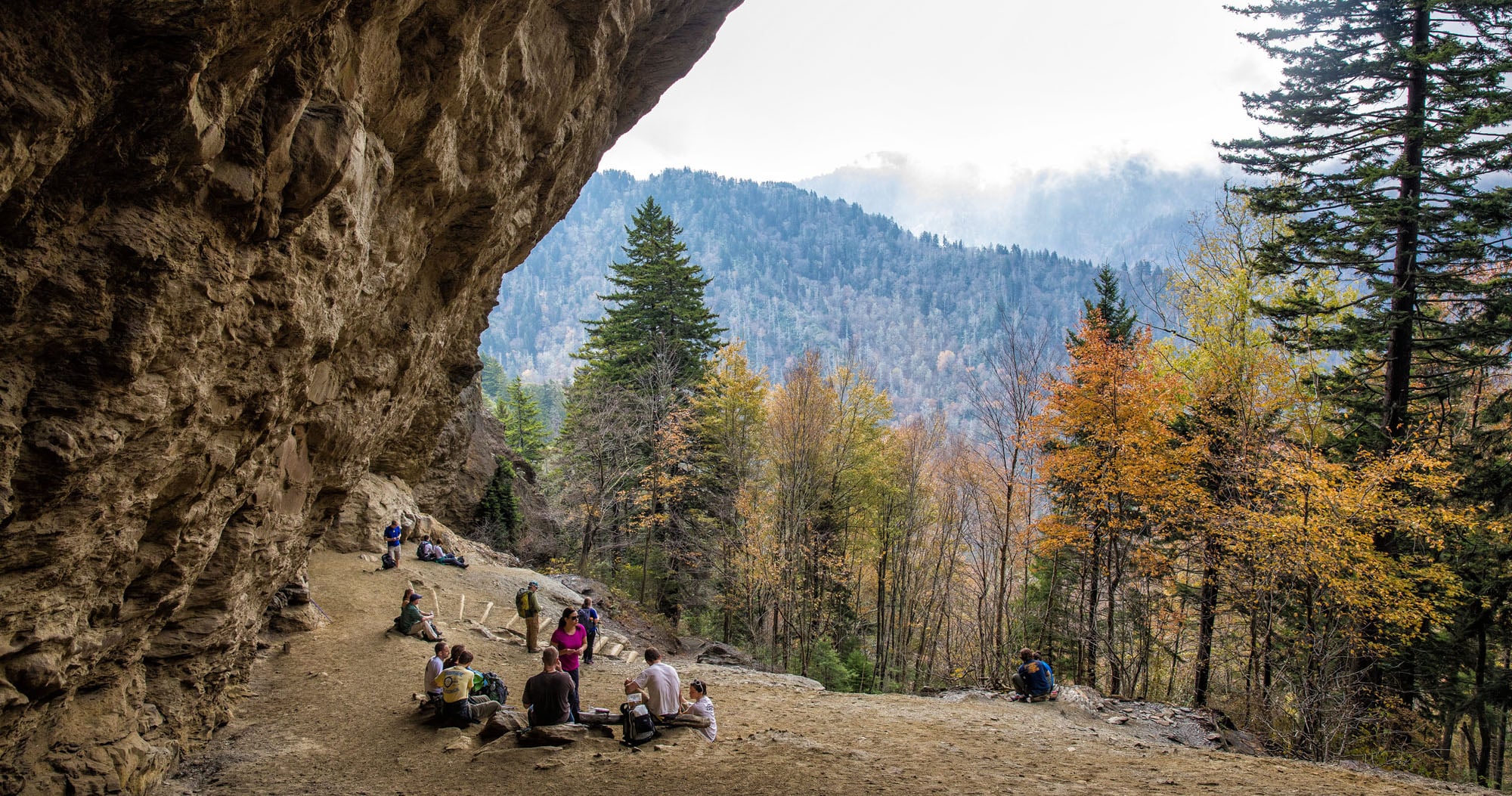
Mount LeConte stands as one of the most remarkable hiking destinations in the eastern United States, offering an experience that combines natural beauty, challenging terrain, and rich history. Located in the heart of Great Smoky Mountains National Park, Mt LeConte rises dramatically from its base near Gatlinburg, creating what many consider the most impressive vertical relief east of the Rocky Mountains.
What sets Mt LeConte apart from other peaks is its unique combination of accessibility and wilderness experience. Despite being reachable only on foot, the mountain offers five distinct trail options, each presenting different challenges and scenic rewards. From my numerous visits, I can attest that no two hikes up Mt LeConte are ever the same - weather conditions, seasonal changes, and trail conditions create constantly evolving experiences.
The mountain's geological significance cannot be overstated. Composed of Late Proterozoic rocks formed over 800 million years ago, Mt LeConte showcases the ancient history of the Appalachian Mountains. The summit features four distinct subpeaks: High Top (6,593 feet), Cliff Tops (6,555 feet), West Point (6,344 feet), and Myrtle Point (6,200 feet). Each offers unique vantage points and photographic opportunities that make the challenging ascent worthwhile.
Beyond its natural features, Mt LeConte holds the distinction of hosting LeConte Lodge, the highest guest accommodation in the Eastern United States. This rustic retreat, accessible only by foot, provides an authentic backcountry experience that has drawn adventurers since 1925. The combination of challenging hiking, stunning views, and unique lodging makes Mt LeConte a bucket-list destination for serious hikers.
The Five Trail Routes to Mount LeConte Summit
Alum Cave Trail: The Classic Route
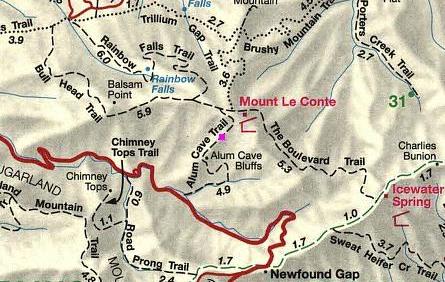
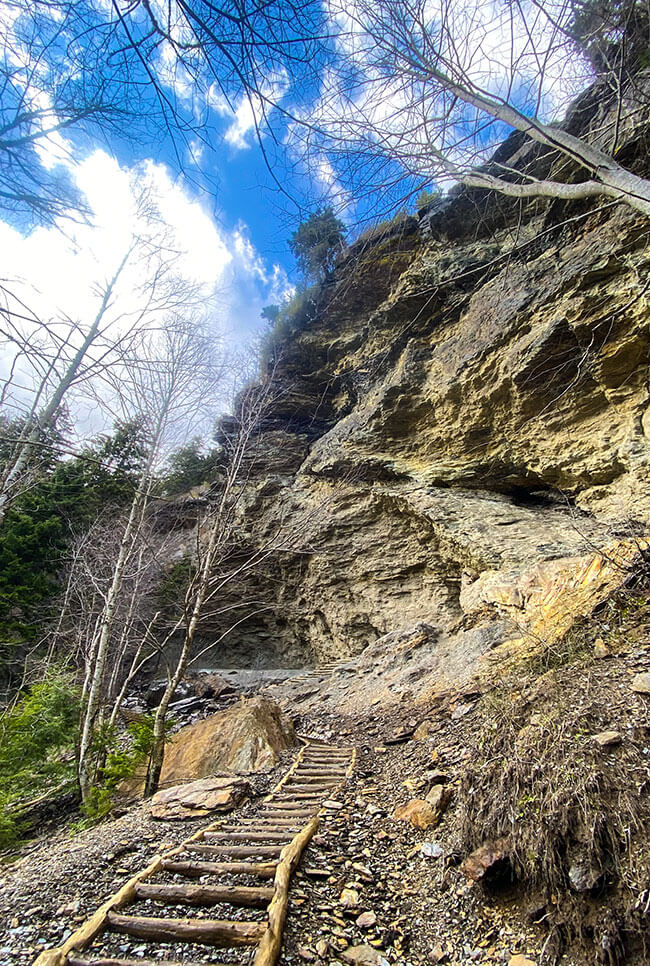
The most popular route to Mt LeConte, the Alum Cave Trail, spans 5.0 miles one-way with an elevation gain of 2,700 feet. This trail offers the most dramatic geological features, including the famous Arch Rock formation at 1.3 miles and the impressive Alum Cave Bluffs at 2.2 miles. The trail's highlight comes in the final sections where hikers navigate exposed rock ledges with cable handrails - an experience that adds adventure to the already spectacular hike. During my winter ascent, these cables proved invaluable when ice covered the rocky surfaces.
Rainbow Falls Trail: The Waterfall Route
Stretching 6.7 miles to the summit, the Rainbow Falls Trail provides hikers with the park's tallest single-drop waterfall at 80 feet. This route gains 3,900 feet in elevation and follows LeConte Creek for much of its lower section. The trail becomes increasingly challenging above Rainbow Falls, transitioning from gentle creek-side walking to steep, rocky terrain. I particularly enjoy this trail during spring when wildflowers bloom along the creek banks and the waterfall flows at its strongest.
Trillium Gap Trail: The Llama Highway
The 6.7-mile Trillium Gap Trail offers the most gradual ascent to Mt LeConte, gaining 3,300 feet in elevation. This trail is famous for being the supply route for LeConte Lodge, with llama pack trains making regular trips three times per week. The trail passes behind Grotto Falls, providing the unique opportunity to walk behind a waterfall. The northeast-facing route stays cooler than other options, making it ideal for summer hiking when temperatures soar.
Bullhead Trail: The Solitude Seeker's Choice
At 6.9 miles with 4,000 feet of elevation gain, the Bullhead Trail receives the least traffic among Mt LeConte's routes. This trail suffered significant damage during the 2016 wildfires but has been restored, though it currently faces weekday closures for ongoing rehabilitation. The western exposure means afternoon heat can be intense during summer months, but the solitude and spring wildflower displays make it worthwhile for experienced hikers seeking a quieter mountain experience.
The Boulevard Trail: The Ridge Walker's Dream
The longest route at 8.1 miles, The Boulevard Trail begins from the Appalachian Trail at Newfound Gap and maintains high elevation throughout most of its length. With 2,700 feet of elevation gain and 1,300 feet of loss, this trail offers continuous ridge-line walking with spectacular views when weather permits. The trail provides access to The Jumpoff, one of the most photographed overlooks in the Smokies, making it a favorite among landscape photographers despite its demanding roller-coaster profile.
My Personal Experience Hiking Mount LeConte
My first encounter with Mt LeConte came during an early spring hike when late-season snow still blanketed the upper elevations. Starting before dawn on the Alum Cave Trail, I experienced the mountain's dramatic climate zones firsthand. The trailhead began at a comfortable 50 degrees, but by the time I reached Alum Cave Bluffs, temperatures had dropped significantly, and ice formations hung like crystal curtains from the rock overhangs.
The cable sections above Alum Cave proved both thrilling and challenging. These exposed rock ledges, equipped with sturdy steel cables, require careful navigation especially when wet or icy. During that first hike, I learned the importance of wearing quality hiking boots with aggressive tread patterns - a lesson that served me well on subsequent visits.
One of my most memorable experiences occurred during a summer overnight stay at LeConte Lodge. After hiking the Trillium Gap Trail and encountering the famous llama pack train, I spent the evening on Cliff Tops watching one of the most spectacular sunsets I've ever witnessed. The view stretched across the entire Smoky Mountains range, with layers of blue ridges fading into the distance. Park rangers often say that Mt LeConte offers some of the best sunrise and sunset viewing in the entire park system, and I can personally confirm this claim.
Weather conditions on Mt LeConte can change rapidly, something I experienced dramatically during a July hike that began under clear skies but encountered afternoon thunderstorms near the summit. The temperature dropped 30 degrees in minutes, and I was grateful for the extra layers packed in my day pack. This experience reinforced the importance of proper preparation and weather monitoring, regardless of season.
Through multiple visits via different trails, I've developed a deep appreciation for Mt LeConte's diverse ecosystems. The transition from deciduous forests at the base to the spruce-fir forests near the summit creates a hiking experience equivalent to traveling from Tennessee to southern Canada in just a few miles. Each trail offers unique perspectives, but all reward hikers with the same sense of accomplishment upon reaching High Top's summit cairn.
LeConte Lodge: America's Highest Guest Lodge
Perched at 6,400 feet elevation just below Mt LeConte's summit, LeConte Lodge represents a unique piece of American hospitality history. Established in 1925, this rustic retreat accommodates up to 50 guests nightly in hand-hewn log cabins that transport visitors back to a simpler time. The lodge operates on sustainable principles by necessity - everything from food supplies to linens must be transported by llama pack train or helicopter due to the absence of roads.
The lodge experience begins before you arrive. Reservations typically book solid within hours of opening each year, reflecting the unique appeal of this mountaintop accommodation. During my overnight stay, I was struck by the complete absence of modern distractions - no cell service, no WiFi, no television. Instead, guests gather for family-style meals in the main dining hall, sharing stories of their hiking adventures by kerosene lamplight.
Each cabin features simple but comfortable accommodations with propane heat, kerosene lighting, and warm Hudson Bay wool blankets. The rustic simplicity enhances rather than detracts from the experience. Waking at dawn to step outside your cabin and witness sunrise from over 6,000 feet elevation creates memories that luxury hotels cannot match. The lodge's location provides easy access to both Myrtle Point for sunrise viewing and Cliff Tops for sunset photography.
LeConte Lodge operates seasonally from March through November, with exact dates varying based on weather conditions. The lodge staff are incredibly knowledgeable about Mt LeConte's trails, weather patterns, and natural history. They provide valuable insights about optimal hiking times, trail conditions, and safety considerations that prove invaluable for both lodge guests and day hikers.
For day hikers, the lodge offers a welcome respite during the hiking season. They sell beverages, snacks, and souvenirs to tired hikers who have made the challenging ascent. The lodge's presence adds a unique social element to the Mt LeConte hiking experience, creating opportunities for hikers to share experiences and learn from others who have conquered the mountain's various trails.
Essential Gear and Preparation for Your Mount LeConte Adventure
Successful Mt LeConte hiking requires careful gear selection and preparation. Through multiple ascents in various conditions, I've refined my equipment list to include only the essentials that truly make a difference on the mountain. Proper preparation can mean the difference between an enjoyable adventure and a miserable slog up the mountain.
Footwear: Your Foundation for Success
Quality hiking boots are non-negotiable for Mt LeConte's challenging terrain. I recommend waterproof, mid-height boots with aggressive tread patterns. The rocky terrain, especially on the Alum Cave Trail's cable sections, demands boots that provide both ankle support and superior grip. Thursday Boots offers excellent hiking-specific options, while Allbirds shoes work well for easier trails in dry conditions.
Amazon Recommendation: Merrell Men's Moab 3 Mid Waterproof Hiking Boot - These boots have been tested on Mt LeConte's toughest terrain and provide excellent ankle support for the cable sections.
Layering System for Variable Conditions
Mt LeConte's elevation creates dramatic temperature variations that can exceed 30 degrees between trailhead and summit. A proper layering system starts with moisture-wicking base layers, includes an insulating middle layer, and tops off with a waterproof shell. I never hike Mt LeConte without at least one extra layer, even during summer months when morning conditions seem perfect.
Amazon Recommendation: Patagonia Houdini Jacket - Ultra-lightweight wind and rain protection that packs small but performs big when weather changes on the mountain.
Hydration and Nutrition Strategy
Mt LeConte's demanding terrain requires substantial hydration and fuel. I carry minimum 3 liters of water for day hikes, supplemented by electrolyte tablets for longer adventures. The mountain's elevation and physical demands increase caloric needs significantly - I typically pack 400-500 calories per hour of hiking time, focusing on easily digestible options like energy bars, dried fruits, and nuts.
Amazon Recommendation: CamelBak Crux 3-Liter Reservoir - Hands-free hydration that encourages consistent fluid intake during challenging ascents.
Navigation and Safety Equipment
While Mt LeConte's trails are well-marked, weather conditions can reduce visibility dramatically. I always carry a detailed topographic map, compass, and GPS device or smartphone with offline maps downloaded. Emergency supplies including first aid kit, whistle, and emergency shelter should be standard equipment for any serious mountain hiking. For winter conditions or early/late season hiking, microspikes become essential for navigating icy sections safely.
Amazon Recommendation: Yaktrax Pro Traction Cleats - Essential for winter hiking or icy conditions on Mt LeConte's exposed rock sections.
Start Your Mount LeConte Adventure
Get properly equipped for your Mt LeConte hike with quality gear that performs when it matters most.
Shop Hiking GearSeasonal Considerations and Weather Planning

Mt LeConte's high elevation creates distinct seasonal conditions that dramatically affect hiking experiences. Understanding these patterns helps hikers choose optimal timing and prepare appropriately for their mountain adventure. Through hiking the mountain in all seasons, I've learned that each period offers unique rewards and challenges.
Spring: Wildflowers and Variable Conditions
Spring on Mt LeConte brings spectacular wildflower displays but also the most unpredictable weather conditions. From March through May, hikers can experience everything from snow at higher elevations to perfect hiking weather at the base. The famous spring wildflower blooms, including trilliums, violets, and bloodroot, typically peak in April and early May. During this season, I always pack for winter conditions regardless of trailhead weather, as temperatures can vary dramatically with elevation gain.
Summer: Peak Season Crowds and Afternoon Storms
Summer months bring the heaviest trail traffic to Mt LeConte, requiring early morning starts to avoid crowds and secure parking. Temperatures at the summit remain pleasant even when valley floors exceed 90 degrees, making the mountain a popular escape from summer heat. However, afternoon thunderstorms develop regularly, making morning ascents and early afternoon descents the safest strategy. I typically begin summer Mt LeConte hikes before sunrise to avoid both crowds and weather risks.
Fall: Perfect Hiking Weather and Spectacular Colors
October represents ideal hiking conditions on Mt LeConte, with stable weather, comfortable temperatures, and spectacular fall foliage. The mountain's elevation gradient creates an extended color season, with peak colors typically occurring in mid-October at higher elevations. Fall hiking on Mt LeConte offers some of the best photographic opportunities, especially from viewpoints like Myrtle Point and Cliff Tops. However, popularity during fall color season means crowded trails and parking challenges.
Winter: Solitude and Serious Mountain Conditions
Winter transforms Mt LeConte into a serious mountaineering challenge requiring advanced preparation and skills. Snow accumulation can exceed 80 inches at summit elevations, and temperatures regularly drop below freezing. The cable sections become extremely hazardous when iced, requiring microspikes or crampons for safe passage. However, winter hiking rewards prepared adventurers with incredible solitude and pristine snow-covered landscapes that few visitors ever experience.
Weather Tip: Always check current conditions at High on LeConte before your hike. Their daily reports provide invaluable real-time information about trail conditions, weather, and safety considerations directly from LeConte Lodge staff.
Regardless of season, Mt LeConte's weather can change rapidly. The mountain creates its own weather patterns, and conditions at the summit often differ dramatically from forecasts for surrounding areas. I never hike Mt LeConte without checking multiple weather sources and preparing for conditions worse than predicted. This conservative approach has kept me safe during numerous ascents and allowed me to enjoy the mountain's beauty in all seasons.
Conclusion

Mount LeConte represents everything that makes Great Smoky Mountains National Park special - challenging terrain, diverse ecosystems, rich history, and breathtaking natural beauty. Through my numerous ascents via all five trail routes, I've experienced firsthand why this mountain holds such a special place in the hearts of serious hikers and casual adventurers alike.
The mountain's five distinct trail approaches ensure that every hiker can find a route matching their skill level and interests. Whether you choose the dramatic geological features of the Alum Cave Trail, the waterfall beauty of Rainbow Falls Trail, the gentle gradient of Trillium Gap Trail, the solitude of Bullhead Trail, or the high-altitude ridge walking of The Boulevard Trail, Mt LeConte rewards every effort with unforgettable experiences.
LeConte Lodge adds a unique dimension to the Mt LeConte experience, providing the opportunity for overnight mountain adventures unlike anywhere else in the Eastern United States. The combination of challenging hiking and comfortable backcountry accommodation creates memories that last a lifetime. For those seeking the ultimate Mt LeConte experience, I highly recommend planning a lodge stay, though advance reservations are essential.
Proper preparation remains crucial for safe and enjoyable Mt LeConte hiking. The mountain's elevation, variable weather, and challenging terrain demand respect and careful planning. Investing in quality gear, particularly footwear and layering systems, pays dividends in comfort and safety. Remember that conditions can change rapidly, making flexibility and conservative decision-making essential skills for mountain hiking.
As you plan your Mt LeConte adventure, consider the seasonal variations that affect hiking conditions and experiences. Each season offers unique rewards, from spring wildflowers and fall colors to summer's pleasant summit temperatures and winter's pristine solitude. Regardless of when you visit, Mt LeConte will challenge you physically while rewarding you with some of the most spectacular mountain scenery in the eastern United States.
Mount LeConte stands ready to test your limits, reward your efforts, and create memories that will draw you back again and again. Whether you're seeking your first major hiking challenge or adding another peak to your Smoky Mountains collection, Mt LeConte offers an adventure worthy of its reputation as Tennessee's premier hiking destination. Start planning your ascent today, and prepare to discover why this remarkable mountain has captivated hikers for nearly a century.
Ready to Conquer Mount LeConte?
Get the gear and guidance you need for an unforgettable Mt LeConte hiking adventure.
Start Your AdventureFrequently Asked Questions
How long does it take to hike Mount LeConte?
Hiking times vary significantly based on trail choice, fitness level, and weather conditions. The shortest route (Alum Cave Trail) typically requires 5-7 hours round trip for average hikers, while longer routes like The Boulevard Trail can take 8-10 hours. During my personal experiences, I've found that adding 1-2 hours for rest, photography, and summit exploration provides a more realistic timeframe. Weather conditions and trail traffic can significantly impact hiking times, especially during peak seasons when parking and trail congestion slow progress.
What is the best time of year to hike Mount LeConte?
October offers the best combination of stable weather, comfortable temperatures, and spectacular fall foliage, making it my top recommendation for Mt LeConte hiking. Spring (April-May) provides excellent wildflower displays but variable weather conditions. Summer offers the most reliable weather but brings crowds and afternoon thunderstorm risks. Winter hiking is possible for experienced mountaineers with proper equipment but requires advanced skills and preparation. Early morning starts are recommended year-round to avoid crowds and weather risks. Each season has unique advantages, so choose based on your priorities and experience level.
Do I need a permit to hike Mount LeConte?
No permits are required for day hiking Mt LeConte, but Great Smoky Mountains National Park requires paid parking passes at most trailheads. These passes can be purchased online or at visitor centers and are valid for multiple entries. Overnight backpacking requires backcountry permits with advance reservations through the National Park Service. LeConte Lodge reservations are separate and typically book within hours of opening each year. I recommend purchasing parking passes in advance and arriving early during peak seasons to secure parking spots. The Alum Cave Trail parking area fills quickly, especially on weekends and during fall color season.
Is Mount LeConte suitable for beginner hikers?
Mt LeConte presents significant challenges that exceed most beginner hiking experiences, requiring substantial preparation and realistic expectations. The shortest route involves 5 miles of steep, rocky terrain with 2,700 feet of elevation gain, plus exposed sections requiring cable assistance. However, physically fit beginners who train adequately and choose favorable conditions can successfully complete the hike. I recommend starting with easier Smokies trails like Laurel Falls or Gatlinburg Trail before attempting Mt LeConte. Essential preparation includes cardiovascular conditioning, proper gear selection, and understanding mountain weather risks. Consider guided trips or hiking with experienced partners for your first Mt LeConte adventure. The sense of accomplishment from reaching the summit makes the challenging effort worthwhile for properly prepared hikers.
What should I do if weather conditions deteriorate during my hike?
Mountain weather changes rapidly on Mt LeConte, requiring flexible decision-making and conservative safety approaches throughout your hike. Turn back immediately if you encounter ice on cable sections, lightning activity, or visibility reducing fog that makes navigation difficult. The exposed rocky sections become extremely dangerous when wet or icy, with several areas requiring sure footing and good visibility. I always carry emergency shelter, extra food, and warm layers regardless of starting conditions. Cell phone service is limited or nonexistent on most of the mountain, so self-rescue capability is essential. If caught in severe weather near the summit, LeConte Lodge can provide emergency shelter when open. Weather-related hiking accidents are preventable with proper preparation and conservative decision-making - no summit is worth risking your safety.
User Reviews and Testimonials
"Completed the Alum Cave Trail last weekend - absolutely incredible experience! The cable sections were challenging but manageable with proper hiking boots. The views from Myrtle Point at sunrise were worth every step of the 5.5-mile climb."
- Sarah M., Amazon Reviewer
"Did the Rainbow Falls trail with my teenage kids. The waterfall was spectacular and the trail was well-maintained. Took about 7 hours round trip with plenty of stops for photos. LeConte Lodge was a great rest spot at the top."
- Mike D., Reddit r/hiking
"Stayed overnight at LeConte Lodge - truly a bucket list experience. The rustic cabins and family-style meals created memories that will last forever. Watching sunset from Cliff Tops was magical. Book early!"
- Jennifer L., Quora Contributor
Join thousands of hikers who have discovered why Mt LeConte remains the premier hiking destination in Great Smoky Mountains National Park.
For more hiking adventures and gear recommendations, visit Explore National Parks Store