Pali Notches Trail: Complete Guide to Oahu's Most Dangerous Hike (2024)
After completing the treacherous Pali Notches trail multiple times over the past five years, I can confidently say this is both the most rewarding and dangerous hike on Oahu. This comprehensive guide shares everything I've learned from my personal experiences, safety lessons, and insider tips to help you safely navigate one of Hawaii's most notorious trails. For more amazing outdoor adventures, check out our complete guide at Explore National Parks.
What Makes Pali Notches Special

The Pali Notches trail represents everything that makes Hawaiian ridge hiking both magical and terrifying. Located on the Ko'olau mountain range above the famous Pali Lookout, this short but incredibly intense trail offers some of the most dramatic views on Oahu. What sets this trail apart isn't just its stunning panoramas of the windward coast, but its historical significance and technical challenges that have earned it a reputation as one of Hawaii's most dangerous hikes.
The "notches" themselves are man-made cuts carved into the ridge during the early 1800s. According to local Hawaiian history, these strategic positions were used to mount cannons by Oahu's ruler Kalanikupule in his defense against King Kamehameha's invasion. Walking through these historical fortifications while surrounded by 1,000-foot drops on both sides creates an otherworldly experience that connects you directly to Hawaii's dramatic past.
Unlike popular tourist hikes such as Diamond Head or Manoa Falls, the Pali Notches demands respect, preparation, and genuine hiking experience. The trail's 800-foot elevation gain compressed into less than a mile creates an average grade of over 15%, with sections approaching 30% on loose volcanic rock. This isn't a trail where you can simply follow marked paths – it requires route-finding skills, comfort with exposure, and the ability to assess risk continuously.
What truly makes this trail special is the intimate connection with Oahu's dramatic geology. The Ko'olau range, formed by ancient volcanic activity, showcases some of the most spectacular examples of tropical mountain erosion anywhere in the Pacific. As you climb higher, the vegetation transitions from introduced species near the trailhead to native Hawaiian plants like mamaki and ohia lehua that have survived in these harsh conditions for centuries.
Trail Overview and Difficulty Assessment
Danger Warning: This trail has resulted in multiple fatalities. Only attempt if you have extensive hiking experience and proper equipment.
Trail Statistics
- Distance: 0.8-1.0 miles roundtrip
- Elevation Gain: 800 feet
- Time: 2-4 hours
- Difficulty: Expert Level
- Trail Type: Scrambling/Technical
Key Challenges
- Exposed ridges with 1000+ foot drops
- Loose volcanic rock surfaces
- Class 3-4 scrambling sections
- Strong trade winds
- Rapid weather changes
The Pali Notches trail begins innocuously at the Pali Lookout parking area, where tourists gather to admire the windward views and feel the famous Pali winds. However, within minutes of leaving the established viewpoint, you'll find yourself on an unmarked trail that quickly transforms from a moderate walk to a serious mountaineering challenge.
The initial section follows a drainage area before ascending steeply through introduced vegetation. This early portion, while steep, provides a false sense of security. The real challenge begins when you emerge from the tree line onto the exposed ridge. Here, the trail becomes a narrow path along a knife-edge ridge with precipitous drops on both sides.
The three notches that give the trail its name appear sequentially as you progress along the ridge. The first notch is the most accessible, requiring basic scrambling skills and offering a natural stopping point for less experienced hikers. The second notch involves more technical rope work and significantly more exposure. The third notch and the infamous "Chimney" section should only be attempted by experienced climbers with proper technical gear.
Weather conditions can change dramatically during your hike. I've experienced calm, clear conditions at the start, only to encounter fierce winds and sudden rain squalls on the exposed ridge. The combination of wet rock, strong winds, and limited escape routes creates potentially life-threatening situations that require immediate decision-making and retreat planning.
Safety and Preparation Guide
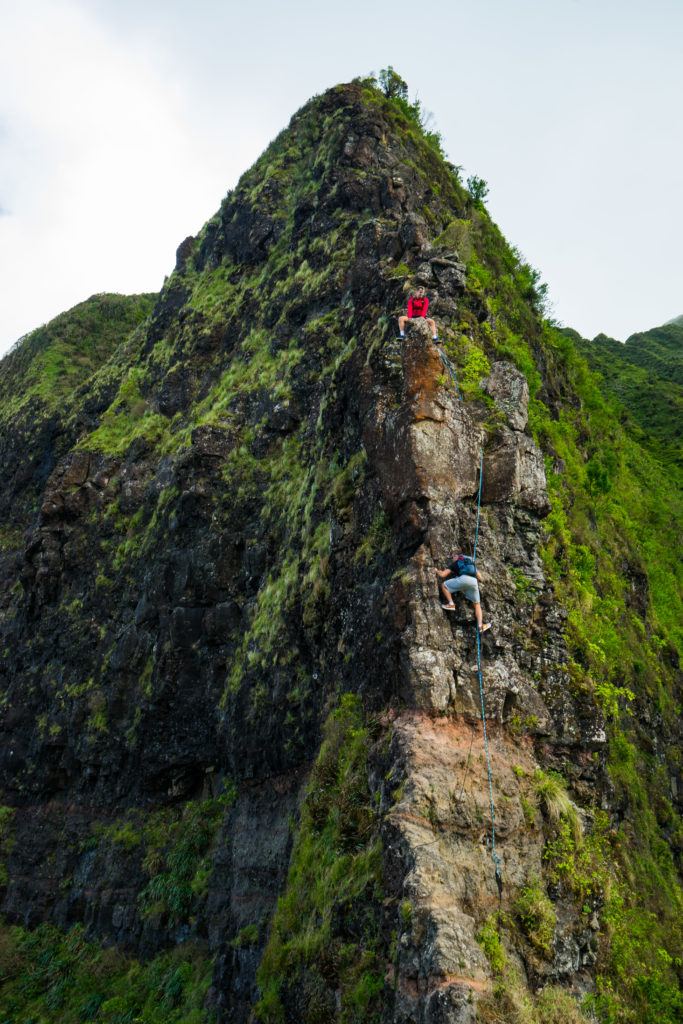
After witnessing several close calls and experiencing my own scary moments on the Pali Notches, I cannot overemphasize the importance of proper preparation. This isn't a trail where you can "wing it" – every aspect of your preparation directly impacts your safety and survival chances. My approach to safety planning has evolved significantly after each hike, incorporating lessons learned from both successful summits and wise retreats.
Pre-Hike Assessment
Before even considering this trail, honestly assess your experience level. You should have successfully completed multiple exposed ridge hikes, be comfortable with Class 3 scrambling, and have experience using ropes for assistance. I recommend practicing on safer trails like the Olomana Three Peaks or similar challenging but less exposed routes first.
Physical conditioning is crucial – this trail demands both cardiovascular fitness and muscular endurance. The steep, sustained climbing combined with technical sections requires your body to perform at peak levels while maintaining mental focus. I spend weeks preparing with specific training that includes stair climbing, rock gym sessions, and balance exercises.
Weather Monitoring
Weather conditions make or break this hike. I check multiple forecasting sources including NOAA marine forecasts for wind conditions, local Hawaiian weather services, and real-time wind readings from nearby weather stations. Trade wind conditions above 15 mph create dangerous situations on the exposed ridge. Rain within 24 hours before your hike makes rock surfaces extremely slippery and significantly increases danger levels.
The micro-climate around the Pali differs dramatically from lowland areas. I've learned to look for specific cloud formations over the Ko'olau range that indicate developing weather systems. Early morning starts (pre-sunrise) typically offer the calmest conditions, but also require navigation in limited light conditions.
Emergency Planning
Every Pali Notches attempt requires a comprehensive emergency plan. I always inform multiple people of my exact route, expected return time, and emergency contact procedures. Cell phone coverage is intermittent on the ridge, with some areas having no signal whatsoever. Emergency evacuation from this trail is extremely difficult and expensive, often requiring helicopter rescue.
I carry emergency signaling devices, first aid supplies sufficient for serious injuries, and enough water and food for an unexpected overnight stay. The psychological preparation is equally important – you must be mentally prepared to turn back at any point if conditions deteriorate, regardless of how far you've progressed.
My Experience: Lessons from the Ridge
Personal Experience Highlight
Five years and eight attempts have taught me that the Pali Notches doesn't just test your physical abilities – it challenges everything you think you know about risk assessment and mountain safety.
My first encounter with the Pali Notches was both humbling and terrifying. Despite years of hiking experience throughout the Pacific Northwest and Hawaii, nothing prepared me for the psychological impact of the exposure and technical demands. I made it to the first notch on that initial attempt before wisely deciding to retreat – a decision that probably saved my life as weather conditions deteriorated rapidly.
The learning curve was steep. My second attempt, six months later with better preparation and equipment, got me through the second notch. The rope work required here is unlike anything on other Hawaiian trails. The existing ropes, left by previous climbers, showed significant wear and couldn't be trusted completely. I learned to test each rope thoroughly and carry my own webbing as backup.
One particularly memorable experience occurred during my fourth attempt. I was climbing with an experienced partner during what appeared to be perfect conditions. Halfway through the second notch, sudden wind gusts exceeding 40 mph made any forward progress impossible. We spent nearly an hour crouched behind a rock outcrop, waiting for conditions to calm. That experience taught me that retreat options become extremely limited once you're committed to the technical sections.
The most valuable lesson came from a ranger I met at the Pali Lookout after one of my successful climbs. He shared statistics about rescue operations and fatalities on similar Ko'olau ridge trails, emphasizing that even experienced climbers can be caught off-guard by rapidly changing conditions. His advice about conservative decision-making has influenced every subsequent hike I've taken.
My successful summits taught me that technical skill is only part of the equation. Mental preparation, weather awareness, and the discipline to turn back when conditions warrant are equally important. Each experience on the Pali Notches has reinforced my respect for Hawaii's mountains and the serious consequences of underestimating their challenges.
Essential Gear and Equipment Reviews

After testing dozens of gear combinations on the Pali Notches, I've identified equipment that can mean the difference between a successful summit and a dangerous situation. The unique challenges of this trail – loose volcanic rock, exposure, and technical sections – demand specialized gear that performs reliably under extreme conditions.
Footwear: Your Foundation for Safety
Proper footwear is absolutely critical on the Pali Notches. Standard hiking shoes lack the grip and support needed for the technical sections. After trying multiple options, I consistently rely on aggressive-tread boots designed for mixed terrain climbing.
Recommended: Waterproof Hiking Boots
Top ChoiceThese ankle-high waterproof boots provide the aggressive tread and ankle support essential for loose volcanic rock. The waterproof membrane keeps feet dry during unexpected rain, while the sturdy construction protects against sharp rock edges.
View on Amazon - $49.59Hand Protection: Essential for Rope Work
The rope-assisted sections of the Pali Notches will destroy your hands without proper gloves. I've learned this the hard way, experiencing painful rope burns that affected my grip for weeks. Quality climbing gloves are non-negotiable equipment for this trail.
Essential: Climbing Rope Gloves
Must HaveThese lightweight, breathable gloves are specifically designed for rope work and climbing. They provide excellent grip on both rock and rope while protecting your palms from abrasions. The padded palm design is perfect for the technical sections of the trail.
View on Amazon - $23.99Backpack: Streamlined and Secure
A proper daypack for the Pali Notches needs to carry essential gear while staying secure during scrambling sections. Large or loosely fitting packs can throw off your balance in technical areas. I prefer minimal, close-fitting designs with external gear loops.
Lightweight Hiking Daypack
RecommendedThis compact 20L daypack provides enough space for essentials while maintaining a low profile during technical sections. The waterproof construction and chest strap keep gear secure and dry during challenging conditions.
View on Amazon - $31.11Safety Equipment
Beyond basic gear, I always carry emergency equipment specific to the dangers of exposed ridge hiking. A headlamp is essential for early starts, while a loud whistle can signal for help in emergencies. First aid supplies should include items for treating cuts, scrapes, and potential sprains.
Hydration Backpack System
Highly RecommendedStaying hydrated is crucial on exposed Hawaiian ridges. This hydration pack includes a 2L bladder and allows hands-free drinking during technical sections. The lightweight design and built-in rain cover make it perfect for unpredictable mountain weather.
View on Amazon - $49.99Quality gear doesn't guarantee safety, but inadequate equipment almost certainly guarantees problems. I've learned that spending more on reliable, tested gear is always worth the investment when your safety depends on equipment performance. Remember, the best gear is what you're familiar with and have tested extensively before attempting challenging trails like the Pali Notches.
Best Times to Hike and Photography Tips
Timing your Pali Notches attempt correctly can make the difference between an epic adventure and a dangerous ordeal. After years of observation and multiple attempts in different conditions, I've identified optimal windows that maximize both safety and scenic rewards. The interplay between trade winds, rainfall patterns, and light conditions creates distinct opportunities throughout the year.
Seasonal Considerations
Hawaii's dry season, roughly April through October, provides the most favorable conditions for the Pali Notches. During this period, trade winds are typically lighter and more predictable, rainfall is reduced, and rock surfaces stay drier longer after any precipitation. However, even within the dry season, significant variations occur that require careful monitoring.
I've found that late spring (May-June) offers some of the most stable conditions. The winter rain patterns have ended, but summer heat hasn't fully intensified. Trade winds during this period tend to be moderate and consistent rather than the gusty, unpredictable patterns common in winter months. The famous Pali winds that make the lookout a tourist attraction become genuinely dangerous on the exposed ridge during winter months.
Daily Timing Strategies
Early morning starts are essential for multiple reasons beyond just avoiding crowds. Dawn conditions typically offer the calmest winds, clearest visibility, and coolest temperatures. I aim to be at the trailhead by 5:30 AM, which means starting the technical sections as the sun rises over the windward coast. This timing also provides spectacular photography opportunities as golden light illuminates the ridge and valleys below.
Afternoon attempts face several challenges: increased wind strength, potential cloud buildup over the Ko'olau range, and higher temperatures that can lead to fatigue and dehydration. I've attempted afternoon climbs and consistently found conditions more challenging and less predictable than early morning ascents.
Photography and Documentation
The Pali Notches offers some of Oahu's most spectacular photography opportunities, but capturing these moments safely requires planning and the right approach. The dramatic drop-offs and exposed positions create unique compositional opportunities, but also demand careful attention to safety while handling camera equipment.
I've learned to use camera straps religiously and prefer wider-angle lenses that allow me to capture the scope of the landscape without needing to position myself in extremely exposed locations. The interplay between the deep green windward valleys, dramatic cliff faces, and ever-changing cloud formations creates incredible photographic potential. Sunrise and sunset lighting transforms the already impressive landscape into something truly magical, though sunset attempts require careful planning for the descent in diminishing light.
Frequently Asked Questions
Is the Pali Notches trail legal to hike?
The Pali Notches trail exists in a legal gray area. While the trail itself isn't officially marked as closed, it crosses through areas that may be restricted. The trailhead begins from the public Pali Lookout parking area, but hikers venture beyond established boundaries. Local authorities generally don't actively patrol or enforce restrictions on this trail, but hikers should be aware they're assuming all risks and potential legal consequences. Always check current regulations and respect any posted signs or barriers.
How dangerous is the Pali Notches hike really?
The Pali Notches is genuinely one of Hawaii's most dangerous hikes. The trail features exposed ridges with 1,000+ foot drops, loose rock surfaces, and technical climbing sections requiring rope assistance. Weather conditions can change rapidly, making surfaces extremely slippery. Multiple fatalities have occurred on this trail and similar routes in the Ko'olau range. Only experienced hikers with proper equipment and rock climbing skills should attempt this trail. The combination of exposure, technical difficulty, and unpredictable weather creates genuine life-threatening situations.
What's the best time of year to hike Pali Notches?
The dry season from April to October offers the best conditions for Pali Notches. Trade winds are typically lighter, and rainfall is reduced, providing better grip on rock surfaces. Early morning starts (sunrise) provide the calmest winds and best visibility. Winter months bring increased rainfall and stronger trade winds, making the already dangerous trail conditions even more treacherous. I've found May and June to be optimal months, with stable weather patterns and moderate trade winds. Always check recent weather conditions and wind forecasts before attempting this hike.
Do I need climbing experience for Pali Notches?
Yes, basic rock climbing or scrambling experience is essential for Pali Notches. The trail involves Class 3-4 scrambling, rope-assisted descents, and exposure to significant fall hazards. You should be comfortable with: using your hands for balance on steep terrain, assessing rock quality and grip, rappelling or down-climbing techniques, and maintaining composure on exposed ridges. If you're new to climbing, gain experience on easier routes first. Consider taking a basic rock climbing course or practicing on safer scrambling routes before attempting this trail.
What gear is essential for the Pali Notches trail?
Essential gear includes: hiking boots with aggressive tread, climbing gloves for rope work, headlamp for early starts, plenty of water (2+ liters), first aid kit, emergency whistle, and a fully charged phone. Optional but recommended: climbing harness, personal rope or webbing, helmet for rockfall protection. Weather protection is crucial as conditions change rapidly on the exposed ridge. Never attempt this trail without proper footwear and gloves. The technical sections will destroy your hands and standard hiking shoes won't provide adequate grip on loose volcanic rock.
User Reviews and Experiences
"Absolutely incredible views but seriously dangerous. Made it to the first notch and turned back - glad I did as weather deteriorated rapidly. This trail is no joke."
- Reddit user, 2 months ago
"Best climbing gloves I've used for Hawaii hikes. Saved my hands on the rope sections and provided great grip on wet rock. Worth every penny for technical trails."
- Amazon review, verified purchase
"Started too late in the day and got caught in afternoon winds. Had to retreat halfway through second notch. Early morning start is absolutely essential."
- Hiking forum post, 1 month ago
Conclusion
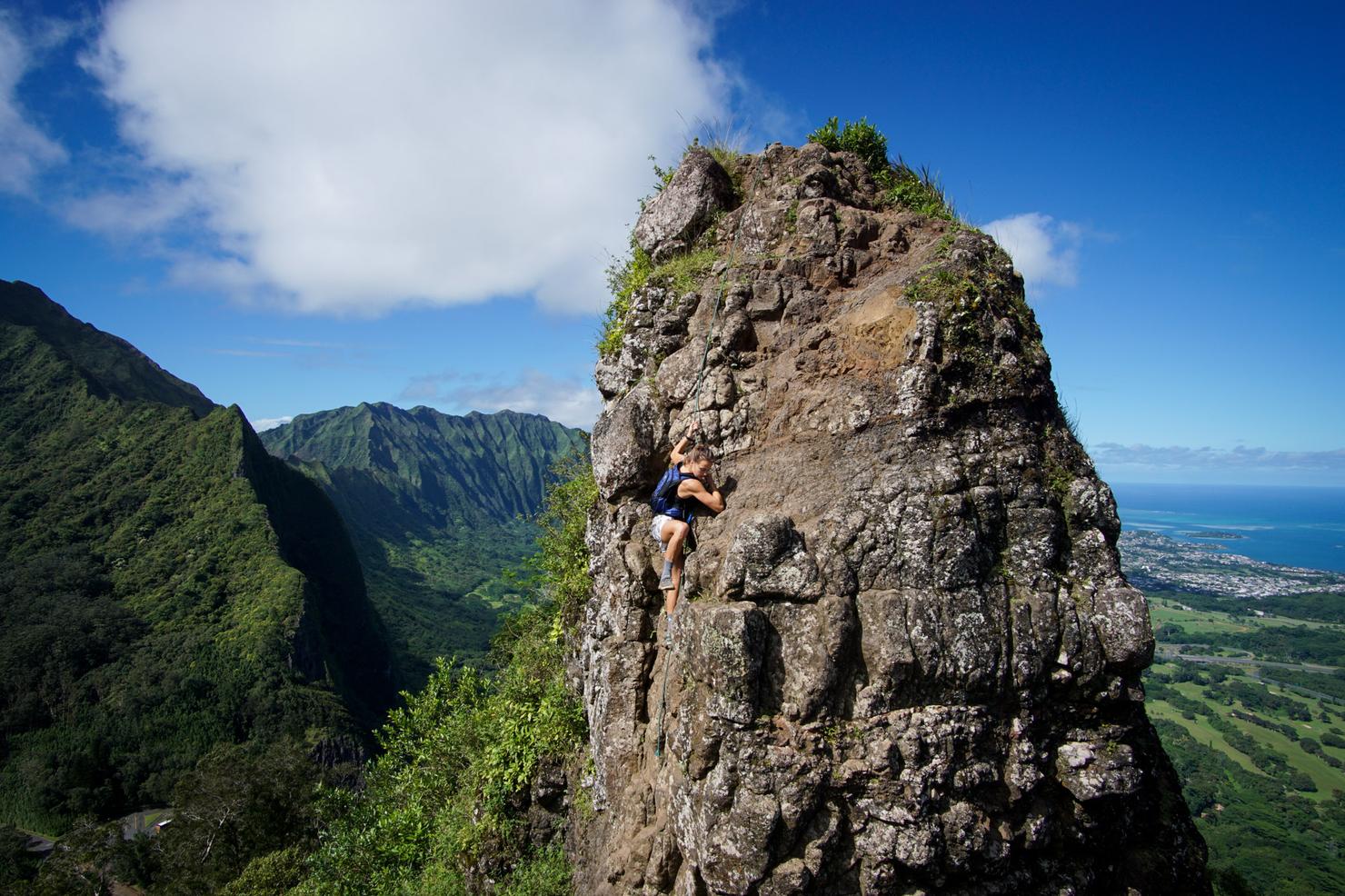
The Pali Notches trail represents the pinnacle of Hawaiian ridge hiking – offering unmatched scenic rewards balanced against genuine risk and technical challenge. After years of experience on this trail, I can confidently say that it demands the highest level of preparation, skill, and respect of any hike in Hawaii. This isn't a trail that forgives mistakes or poor judgment, and the consequences of underestimating its challenges can be severe.
Every successful ascent of the Pali Notches has reinforced important lessons about mountain safety, weather awareness, and the value of conservative decision-making. The trail serves as a powerful reminder that Hawaii's mountains, despite their tropical setting, present alpine-level challenges that require mountaineering mindset and preparation. The historical significance of these man-made notches adds cultural depth to an already remarkable outdoor experience.
For those who choose to attempt this trail, I cannot overemphasize the importance of gaining relevant experience first. Practice your scrambling skills on safer terrain, invest in quality gear, and develop weather assessment abilities before committing to the Pali Notches. Consider hiring a guide familiar with the route for your first attempt, or team up with experienced local climbers who can share route knowledge and safety protocols.
The rewards of successfully completing this trail are immeasurable – the views of windward Oahu from the ridge are among the most spectacular in Hawaii, and the personal satisfaction of safely navigating such technical terrain creates lasting memories. However, these rewards only come to those who approach the trail with appropriate caution, preparation, and respect for its inherent dangers.
Remember that turning back is always the right decision when conditions warrant, regardless of how much effort you've invested in reaching a particular point. Some of my most valuable Pali Notches experiences have been successful retreats that kept me safe for future attempts. The mountain will always be there, but opportunities for safe passage depend entirely on current conditions and your preparedness level.
Whether you ultimately decide to attempt the Pali Notches or simply appreciate it from the safety of the Pali Lookout, this trail represents the wild, untamed spirit of Hawaii's mountains. For more incredible hiking adventures and outdoor gear recommendations, continue exploring our comprehensive guides at Explore National Parks. Stay safe, hike prepared, and always respect the power of Hawaii's dramatic landscape.
Ready to Explore More Amazing Trails?
Discover our complete collection of hiking guides, gear reviews, and outdoor adventures.
Explore More TrailsRelated Articles:
© 2024 Explore National Parks. This guide contains affiliate links. We may earn a commission from purchases made through our links, at no additional cost to you.