Understanding Pointe Shoe Anatomy and Construction
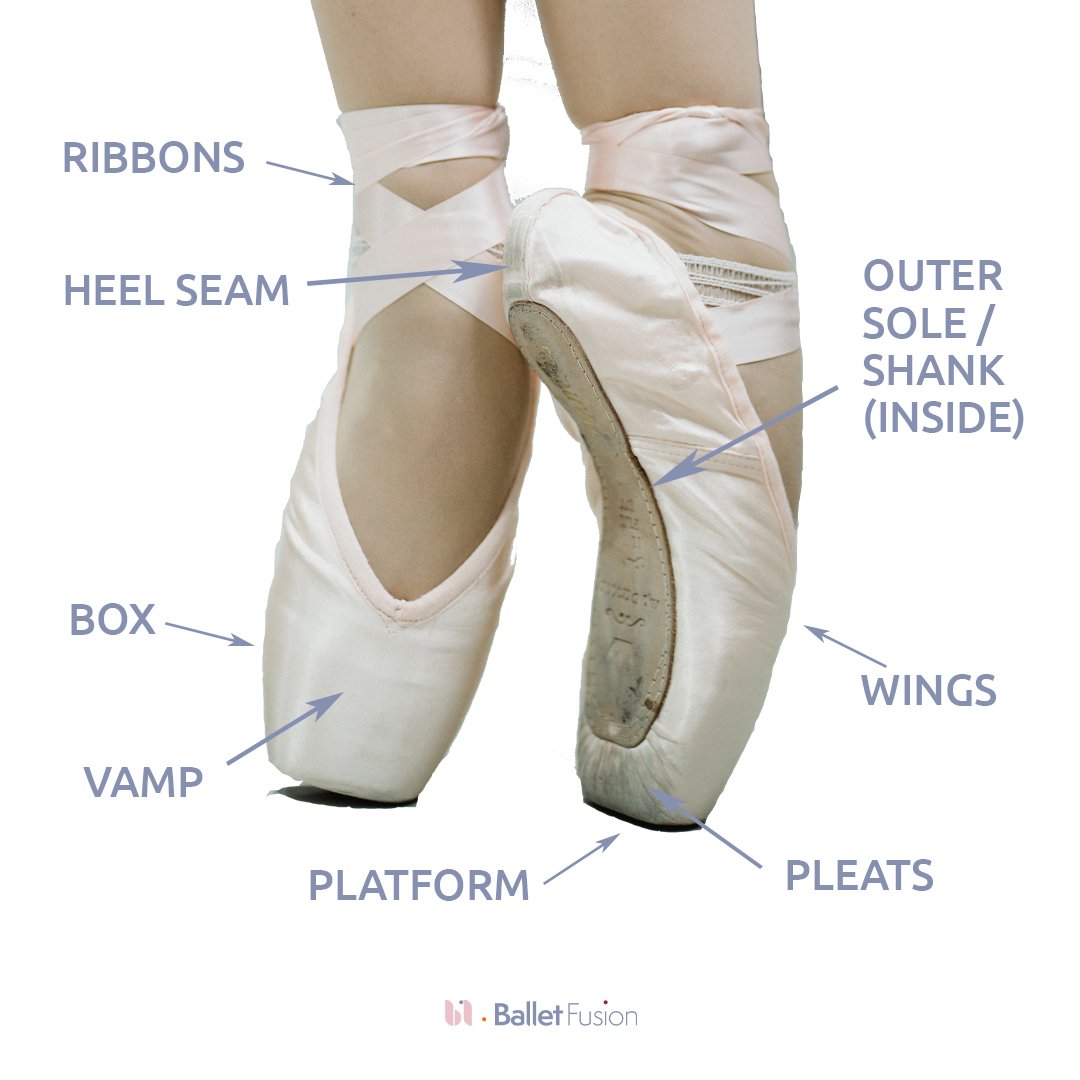
Before diving into the world of pointe shoes, it's crucial to understand their intricate construction. Having spent countless hours in dance shops examining different models, I've learned that every component serves a specific purpose in supporting a dancer's weight on the tips of their toes. The anatomy of pointe shoes is far more complex than many realize, with each element engineered to provide the perfect balance of support, flexibility, and durability.
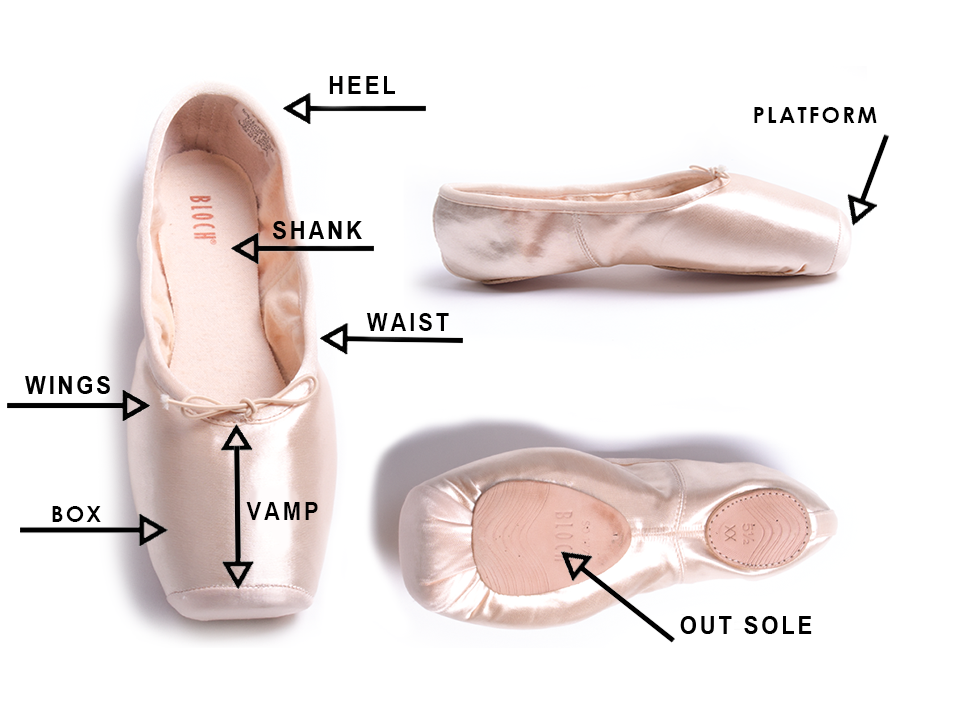
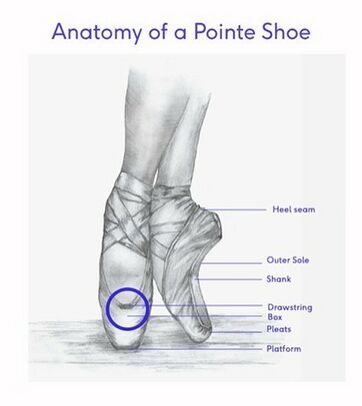
The box or block forms the foundation of every pointe shoe, encasing the dancer's toes in a rigid structure made from layers of fabric, paper, and paste that harden when dried. This construction method, dating back to the 19th century, creates the platform that allows dancers to balance en pointe. Modern innovations have introduced plastic and rubber alternatives, but traditional paper and paste construction remains the gold standard for most professional dancers. The box's shape varies significantly between brands and models, affecting how the shoe fits different foot types.
The shank acts as the shoe's spine, providing crucial arch support when dancers rise to pointe. Made from materials ranging from leather and cardstock to advanced plastics, the shank's flexibility determines how easily the shoe bends and supports the foot's natural arch. Different dancers require different shank strengths based on their foot flexibility and strength. When I first started on pointe, I made the mistake of choosing too-soft shanks, which provided insufficient support and caused my feet to work harder than necessary.
The vamp covers the front portion of the foot and varies in length to accommodate different toe shapes. Dancers with longer toes typically need longer vamps, while those with shorter toes require shorter vamps for proper support. The throat line where the vamp meets the foot opening can be U-shaped or V-shaped, each suiting different arch heights. Understanding these nuances helped me transition from struggling with ill-fitting shoes to finding models that felt like extensions of my feet. For dancers exploring different footwear options, our comprehensive shoe collection offers insights into various athletic and performance footwear.
Pro Tip: The ribbons and elastic that secure pointe shoes to your feet are just as important as the shoe itself. Proper placement affects both comfort and security during performance.
How to Choose the Perfect Pointe Shoes for Your Feet
Choosing the right pointe shoes is perhaps one of the most critical decisions a ballet dancer will make. After going through multiple fittings and trying dozens of different brands and models over my dance career, I've learned that there's no "one-size-fits-all" solution. Every dancer has unique feet with specific needs, and finding the perfect match requires patience, expert guidance, and often some trial and error. The process goes far beyond simply selecting a size – it involves understanding your foot shape, strength, and dancing style.
Professional fitting is absolutely essential, especially for first-time pointe shoe buyers. I remember my first fitting at a specialized dance store in New York – the fitter spent over an hour examining my feet, watching me walk, and testing different models. They assessed my foot width, toe length, arch height, and ankle strength before recommending specific brands and models. A good fitter will observe how you stand en pointe, check for proper weight distribution, and ensure the shoe provides adequate support without being too restrictive. Never attempt to fit pointe shoes yourself, as improper fitting can lead to serious injuries.
Capezio Ava Pointe Shoes
Perfect beginner pointe shoes with excellent support and traditional construction. These shoes offer the ideal balance of comfort and performance for dancers starting their pointe journey.
Bloch Suprima Pointe Shoes
Premium quality pointe shoes favored by professionals worldwide. Features advanced construction and superior materials for enhanced performance and durability.
The fitting process involves several key measurements and assessments. Your foot length and width are obvious starting points, but equally important are your metatarsal width, heel width, and arch flexibility. The fitter will examine your toe shape – whether you have a Greek foot (second toe longer), Egyptian foot (big toe longest), or Square foot (relatively even toe lengths) – as this affects which shoe styles will work best. I have a Greek foot shape, which initially made finding the right vamp length challenging until I learned to look for models specifically designed for this foot type.
Strength and experience level also play crucial roles in shoe selection. Beginning dancers typically need softer shanks that allow easier movement through demi-pointe, while advanced dancers with stronger feet require firmer support. The surface you'll be dancing on matters too – harder floors may require shoes with more cushioning, while sprung floors allow for firmer construction. I learned this lesson during a summer intensive where the studio floors were much harder than what I was used to, forcing me to switch to shoes with better shock absorption. Similar considerations apply to other performance footwear, which is why understanding proper fitting principles is valuable across different specialty athletic shoes and performance footwear categories.
Top Pointe Shoe Brands Compared: Which is Right for You?
Having danced in shoes from virtually every major manufacturer, I can confidently say that each brand has distinct characteristics that appeal to different types of dancers. The world of pointe shoes is dominated by several key players, each with their own philosophy, construction methods, and target audiences. Understanding these differences is crucial for making an informed decision that will support your dancing for years to come.
Bloch stands out as one of the most reliable and versatile brands, offering excellent quality control and a wide range of models to suit different foot shapes. Their Heritage and Suprima lines are particularly popular among professionals, while the Grace and Aspiration models work well for students. What I appreciate most about Bloch is their consistency – every pair feels nearly identical, which is invaluable when you're performing regularly. The Australian company has been innovating since 1932 and continues to set industry standards for comfort and durability.
Capezio, America's oldest dancewear company, offers traditional construction with modern refinements. Their Ava model has become the go-to choice for many beginners due to its forgiving fit and moderate price point, while the Contempora appeals to dancers seeking a contemporary feel. During my early years, I spent considerable time in Capezio shoes and appreciated their reliable performance. The brand's Phoenix line offers excellent value for intermediate dancers, and their custom fitting services are exceptional for dancers with challenging feet.
Gaynor Minden revolutionized the industry with their synthetic shanks and boxes, offering unprecedented durability and consistency. While traditional dancers sometimes resist their non-traditional construction, I found them invaluable during intensive training periods where I needed shoes that wouldn't break down. They last 3-5 times longer than conventional shoes, making them cost-effective despite higher upfront prices. However, some dancers find them less "workable" than traditional paste-and-paper construction. Grishko/Nikolay offers perhaps the widest customization options, with over 28 different models designed for specific foot types and experience levels. Their Russian construction techniques produce shoes favored by many Bolshoi and Mariinsky dancers, though they require more breaking-in than some Western brands. For dancers exploring different types of specialized footwear, the principles of proper fitting and brand selection apply across categories, from athletic sneakers to performance running shoes.
Brand Recommendations by Experience Level
- Beginners: Capezio Ava, Bloch Aspiration, Gaynor Minden (soft shank)
- Intermediate: Bloch Heritage, Grishko 2007, Suffolk Solo
- Advanced/Professional: Freed of London, Russian Pointe, Custom options
The True Cost of Pointe Shoes: Investment and Value
The financial reality of pointe shoes often comes as a shock to new dancers and their families. During my 15-year dance career, I estimate spending over $8,000 on pointe shoes alone – a significant investment that reflects both the specialized nature of these shoes and their relatively short lifespan. Understanding the true costs involved helps dancers budget appropriately and make informed decisions about their footwear investments.
Quality pointe shoes typically range from $90 to $170 per pair, with most falling in the $100-130 range. However, the total cost extends beyond the initial purchase. Professional dancers often require custom modifications, specialized padding, and accessories that can add $20-50 to each pair. I learned to factor in costs for ribbons, elastic, toe pads, and occasional resoling when calculating my true expenses. Budget brands exist in the $40-70 range, but I've found they often lack the support and durability needed for serious training, making them false economies in most cases.
Professional Dance Foot Care Kit
Complete foot care essentials including toe pads, spacers, and protective tape for pointe work.
Premium Ballet Sewing Kit
Professional-grade needles, thread, and tools specifically designed for pointe shoe preparation.
The frequency of replacement varies dramatically based on usage intensity. Student dancers might make a pair last 2-3 months with careful use, while professionals often require new shoes for each performance. During my most active period, I went through approximately 3-4 pairs monthly, creating a significant ongoing expense. The lifespan depends on factors including dancer weight, foot strength, dance style, floor surfaces, and shoe quality. I learned to extend shoe life through proper care, rotation between multiple pairs, and strategic use of different models for different activities.
Smart shopping strategies can help manage costs without compromising quality. Many dance stores offer bulk discounts for purchasing multiple pairs, and some brands provide loyalty programs for frequent buyers. I discovered that buying shoes at the end of seasons or during back-to-school sales could save 15-20%. However, never compromise on proper fitting to save money – poorly fitting shoes lead to injuries that cost far more than the price difference. Consider the cost as an investment in your artistry and safety, similar to how athletes invest in quality equipment. The same principle applies when selecting other specialized footwear, whether it's performance basketball shoes or sustainable athletic sneakers.
Cost-Saving Tips from My Experience
- Buy multiple pairs during sales to rotate and extend life
- Learn basic shoe modifications to avoid professional services
- Join dance store loyalty programs for discounts and perks
- Consider gently used shoes for practice (never for performance)
- Invest in quality accessories that protect and extend shoe life
My Experience with Pointe Shoes: Lessons from Years of Dancing
My journey with pointe shoes began at age 12 in a small dance studio in Connecticut, where I nervously tried on my first pair of Capezio Contemporas. I still remember the mixture of excitement and terror as I took my first tentative steps en pointe, feeling like I was walking on stilts made of satin and paste. Those early experiences taught me that pointe work is as much about mental preparation as physical readiness, and that the relationship between dancer and shoe is deeply personal and ever-evolving.
Over the years, I developed preferences that surprised even me. Initially drawn to traditional brands like Freed and Grishko, I eventually found my perfect match in Gaynor Minden shoes – a choice that raised eyebrows among purist teachers but provided the durability I needed for intensive training. During my most active period, dancing 6 days a week and performing regularly, I learned to manage multiple pairs simultaneously, rotating between fresh shoes for performances and broken-in pairs for rehearsals. This system helped maximize both performance quality and cost efficiency.
One of my most valuable lessons came during a summer intensive at a prestigious ballet academy, where I encountered dancers from around the world, each with different shoe preferences and techniques. A Russian student taught me her method for preparing new shoes, involving strategic bending and pressing that helped them conform to my foot shape more quickly. A British dancer showed me how to use a small amount of rosin on the platform for better grip on slippery floors. These exchanges taught me that there's no single "correct" way to work with pointe shoes – success comes from understanding your unique needs and adapting techniques accordingly.
The most challenging period of my pointe shoe journey occurred during my late teens when my feet were still changing shape. Shoes that had worked perfectly suddenly felt wrong, forcing me to reassess everything I thought I knew about fit and support. Working with a master fitter in New York, I learned to pay attention to subtle changes in my feet and adjust my shoe selection accordingly. This experience taught me that the relationship with pointe shoes is dynamic, requiring ongoing attention and adaptation. The lessons I learned about proper fitting, quality investment, and personal preference have served me well beyond ballet, influencing how I select all types of footwear, from dress shoes to casual everyday footwear.
Real Dancer Reviews & Experiences
"After trying 6 different brands, I finally found my perfect match in Bloch Heritage. The consistent quality means I never worry about variations between pairs." - Maria S., Professional Dancer
"As a beginner, Capezio Ava shoes gave me the confidence to develop proper technique. They're forgiving but still provide necessary support." - Jennifer L., Ballet Student
"Gaynor Mindens changed everything for me. Yes, they're expensive upfront, but lasting 3x longer makes them economical in the long run." - Alexandra R., Dance Teacher
Essential Care and Maintenance Tips for Longevity
Proper care and maintenance can significantly extend the life of your pointe shoes while ensuring they perform at their best throughout their lifespan. During my years of intensive training, I developed a systematic approach to shoe care that helped me get maximum value from each pair. The key is understanding that pointe shoes are delicate, handcrafted items that require specific attention to maintain their structural integrity and performance characteristics.
Immediate post-use care is crucial for preventing premature deterioration. After each class or rehearsal, I remove all padding and accessories, allowing air to circulate freely inside the shoes. Moisture is the enemy of pointe shoe construction – the paste that holds the box together will soften and lose its support if exposed to excessive humidity. I learned to stuff my shoes with newspaper or special dance shoe dryers to absorb moisture and help them maintain their shape. Never store damp shoes in plastic bags or closed containers, as this creates an environment perfect for mold growth and paste deterioration.
Professional Shoe Deodorizer Spray
Antimicrobial spray specifically formulated for dance shoes. Eliminates odors and prevents bacteria growth while being gentle on delicate materials.
Complete Shoe Repair Kit
Professional-grade adhesives, patches, and tools for extending pointe shoe life. Includes specialized glues for reinforcement and emergency repairs.
Strategic reinforcement can dramatically extend shoe life without compromising performance. I learned to apply small amounts of fabric glue to high-wear areas before they became problematic, particularly around the platform and at stress points in the box. Some dancers use darning techniques to create additional texture and durability on the platform, though this requires practice to avoid affecting the shoe's balance. Jet Glue and similar products can reinforce the paste in the box when it begins to soften, though this should be done sparingly and only in specific areas.
Storage and rotation strategies are often overlooked but extremely important for maximizing shoe longevity. I keep my shoes in a dedicated mesh bag that allows air circulation while protecting them from damage. Having multiple pairs allows for proper rotation – using one pair while another completely dries extends the life of both. Temperature extremes should be avoided; I learned this lesson when shoes stored in a hot car became too soft to use safely. The same care principles that preserve pointe shoes apply to other specialized footwear investments, making proper storage and maintenance habits valuable whether you're caring for designer sneakers or comfortable flats.
Daily Care Checklist
After Each Use:
- Remove all padding and accessories
- Air dry completely before storage
- Check for wear spots or damage
Weekly Maintenance:
- Inspect ribbons and elastic
- Apply preventive reinforcement
- Rotate between multiple pairs
Conclusion
The world of pointe shoes represents one of the most specialized and demanding areas of athletic footwear, requiring a unique combination of artistry, engineering, and personal understanding. Through my 15-year journey with these remarkable shoes, I've learned that success comes not from finding the "perfect" shoe, but from developing a deep understanding of your individual needs and the tools available to meet them. Every dancer's relationship with their pointe shoes is unique, shaped by their foot anatomy, training history, artistic goals, and personal preferences.
The investment in quality pointe shoes extends far beyond their monetary cost – they represent a commitment to your artistic development and physical safety. The lessons learned through proper fitting, brand selection, and maintenance habits create a foundation of knowledge that serves dancers throughout their careers. Whether you're just beginning your pointe journey or looking to optimize your current setup, remember that patience and professional guidance are your best allies. The dance world is filled with traditions and myths about pointe shoes, but the most valuable information comes from experienced dancers, qualified fitters, and your own careful observation of what works for your unique situation.
As the ballet world continues to evolve, so too does pointe shoe technology and our understanding of best practices. New materials, construction techniques, and fitting methodologies emerge regularly, offering improved options for dancers of all levels. Stay open to trying new approaches while maintaining the fundamental principles of proper fit, appropriate support, and careful maintenance. Your pointe shoes are the foundation upon which your artistry stands – invest in them wisely, care for them properly, and they will serve as faithful partners in your dance journey.
Remember that the pursuit of the perfect pointe shoe is ongoing, with needs changing as your feet develop, your technique evolves, and your artistic demands shift. Embrace this process as part of your growth as a dancer, and don't hesitate to seek guidance from experienced professionals when needed. The knowledge you gain about footwear selection and care will benefit you beyond ballet, informing choices across all areas of your active lifestyle. For continued exploration of quality footwear options and expert guidance, visit our comprehensive collection at Explore National Parks Store, where we're committed to helping you find the perfect gear for every adventure, whether it's on stage or on the trails.
Ready to Find Your Perfect Pointe Shoes?
Start your journey with professional fitting and expert guidance. Your feet deserve the best!
Explore Our Pointe Shoe Collection