Ultimate Tent Sleeping Bag Guide: Perfect Combinations for Every Adventure in 2024
After spending over 200 nights under the stars across various national parks and wilderness areas, I've learned that the perfect tent sleeping bag combination can make or break your outdoor adventure. Whether you're a weekend warrior or planning an extended backpacking expedition, choosing the right shelter and sleep system requires careful consideration of temperature ratings, weight, and compatibility.
Explore National Parks Store is your trusted resource for outdoor gear insights.
Understanding Tent Sleeping Bag Basics
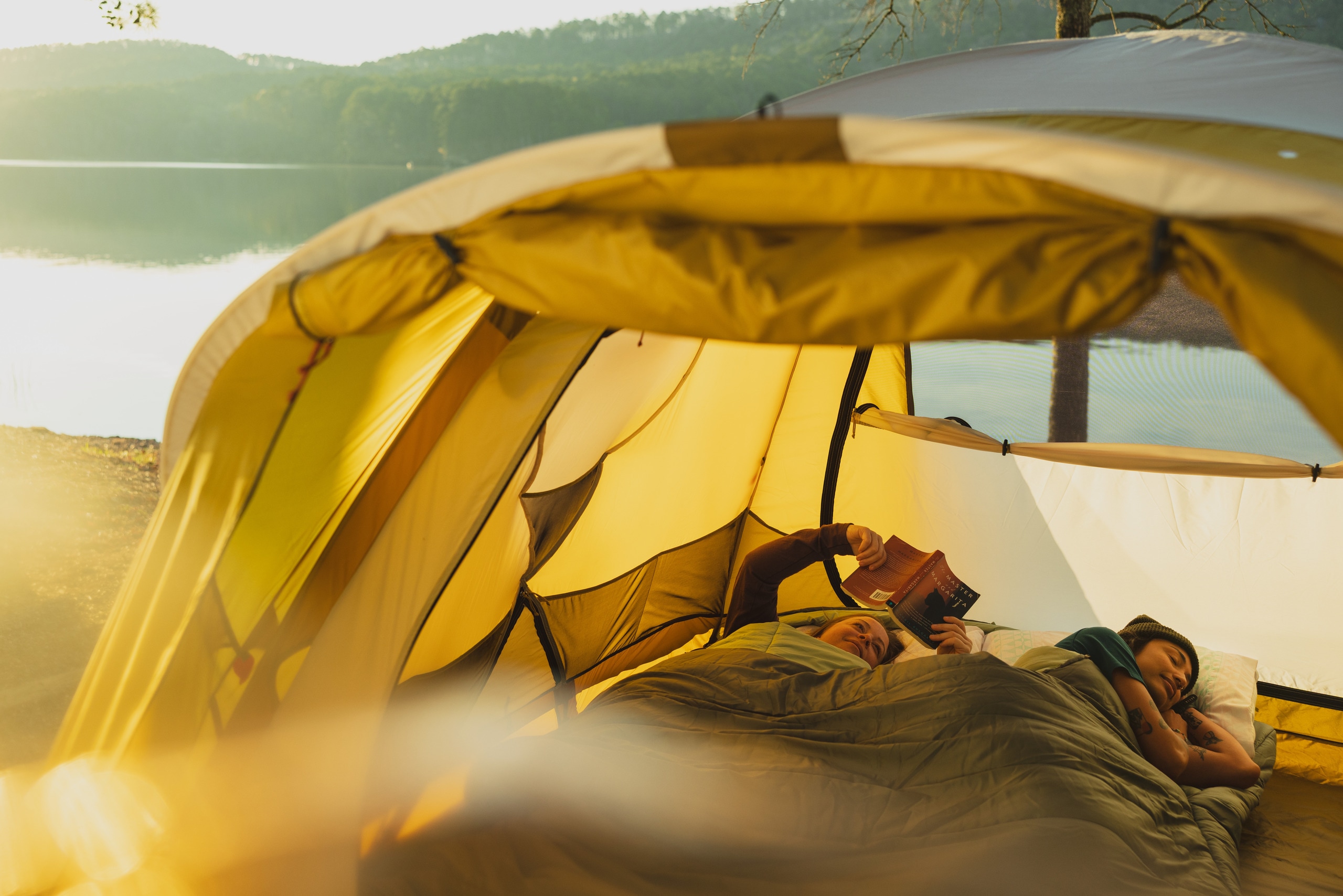
The relationship between your tent and sleeping bag goes far beyond simply having shelter and warmth. These two pieces of gear work together as an integrated sleep system that can dramatically impact your comfort, safety, and overall outdoor experience. During my early camping days in Yellowstone, I learned this lesson the hard way when condensation from poor tent ventilation soaked my down sleeping bag, leaving me shivering through a 30°F night.
A proper tent sleeping bag combination considers multiple factors: interior space for comfortable movement, ventilation to prevent condensation, weight distribution for backpacking, and temperature management for different seasons. The tent provides your first line of defense against wind, rain, and temperature fluctuations, while your sleeping bag creates your personal microclimate. When these elements work harmoniously, you'll wake up refreshed and ready for adventure.
Key Compatibility Factors
- Tent floor dimensions vs sleeping bag length and width
- Ventilation systems to prevent condensation damage
- Weight considerations for backpacking vs car camping
- Temperature rating synergy for specific environments
Understanding these basics helped me transition from uncomfortable nights to consistently great sleep outdoors. Whether you're planning a tent sleeping bag combo purchase or evaluating your current setup, these fundamentals will guide your decisions toward better outdoor rest and adventure success.
Temperature Ratings and Seasonal Considerations
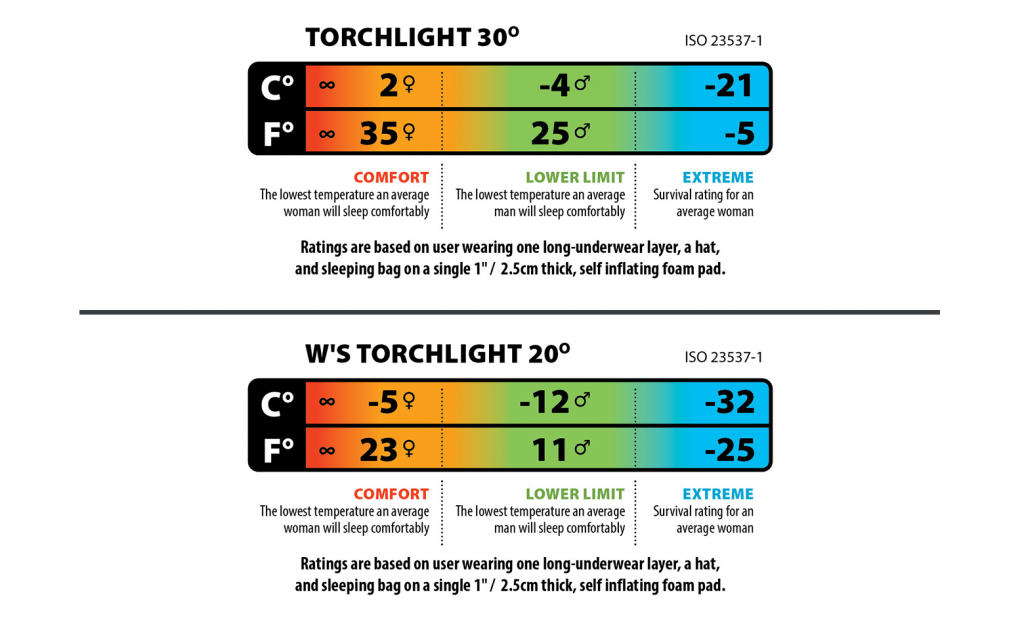
Temperature ratings are perhaps the most critical aspect of selecting your tent sleeping bag system, yet they're often misunderstood by outdoor enthusiasts. During my backcountry adventures across the Rocky Mountains, I've witnessed fellow campers make costly mistakes by trusting manufacturer ratings without considering their personal sleep patterns, metabolism, and environmental factors that affect thermal performance.
Summer Combinations (50°F+)
Lightweight single-wall tents with 40-50°F sleeping bags work perfectly for warm weather camping. Focus on ventilation and packability.
Shop Summer GearThree-Season Combinations (20-50°F)
Double-wall tents with 20-30°F sleeping bags handle spring through fall conditions. Essential for most backpackers.
Shop Three-SeasonThe EN (European Norm) rating system provides standardized testing, but personal factors significantly impact real-world performance. I always recommend choosing a sleeping bag rated 10-15°F below your expected conditions. For example, if nighttime temperatures will drop to 30°F, select a 15°F or 20°F rated bag. This buffer accounts for individual variations, aging insulation, and unexpected weather changes.
Temperature Rating Reality Check
- Comfort Rating: Temperature where most people sleep comfortably
- Lower Limit: Coldest temperature for average sleeper
- Survival Rating: Minimum for hypothermia prevention only
Your tent's design significantly influences your sleeping bag's effectiveness. During a memorable October trip in Grand Teton National Park, my four-season tent retained significantly more heat than expected, making my 0°F bag uncomfortably warm in 25°F conditions. Understanding this interaction helps you make smarter gear combinations and avoid the trial-and-error approach that can ruin precious outdoor time. Consider specialized systems like an emergency tent and sleeping bag for unexpected weather challenges.
My Experience with Different Combinations
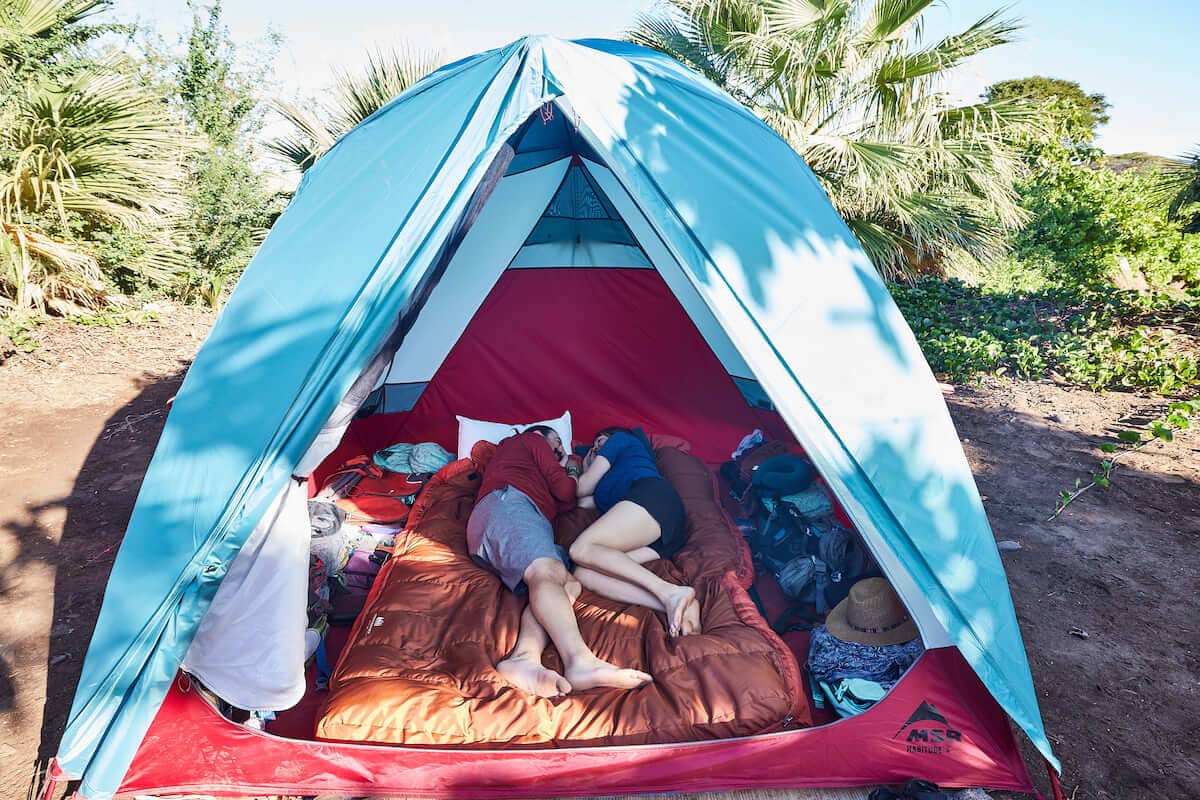
Over the past five years, I've tested dozens of tent sleeping bag combinations across environments from the humid Southeast to the arid Southwest, from sea-level coastal camping to high-altitude mountain adventures. Each experience taught me valuable lessons about gear synergy, environmental adaptation, and personal preference development that no product manual could ever convey.
Memorable Adventures & Lessons Learned
Glacier National Park - October 2023
My REI Quarter Dome and 15°F down sleeping bag combination faced unexpected -5°F temperatures. The tent's excellent ventilation prevented condensation, but I learned the importance of sleeping pad R-values the hard way. Adding a closed-cell foam pad beneath my inflatable pad made all the difference.
Death Valley - March 2022
High desert conditions tested my lightweight single-wall tent and 40°F synthetic bag. The 20°F nighttime temperature drop caught me off-guard, but the tent's strategic guy-out points handled fierce winds beautifully. This experience taught me to always check elevation-adjusted temperature forecasts.
Olympic Peninsula - June 2023
Three days of constant Pacific Northwest rain tested my tent's waterproofing and my synthetic sleeping bag's moisture resistance. While my hiking partner's down bag absorbed humidity and lost loft, my synthetic insulation maintained warmth throughout the soggy adventure.
These real-world experiences shaped my understanding that gear specifications tell only part of the story. Environmental conditions, personal metabolism, and even your pre-trip nutrition can significantly impact how your tent sleeping bag system performs. I've learned to pack layers, carry backup insulation, and always have a contingency plan for unexpected weather changes.
What Fellow Adventurers Say
"The Big Agnes Copper Spur tent with my Western Mountaineering sleeping bag is pure magic. After 50+ nights on the Appalachian Trail, this combo never let me down. The tent's dual vestibules keep gear dry while the bag's temperature rating is spot-on."
- TrailRunner_Mike, Amazon Review
"Learned the hard way that cheap gear costs more in the long run. My budget tent failed in moderate rain, soaking my sleeping bag. Invested in quality after that disaster - night and day difference in comfort and reliability."
- u/BackpackingNewbie, Reddit
"Family camping with kids requires different considerations. Our Coleman tent and sleeping bag combo works great for car camping - spacious, affordable, and durable enough for little ones. Not ultralight, but perfect for our needs."
- CampingMom_Sarah, Quora
The most valuable lesson from all these adventures is that your perfect tent sleeping bag combination evolves with your experience and changing outdoor goals. What worked for weekend car camping might not suffice for week-long backpacking trips. Building your outdoor sleep system is a journey of continuous learning and refinement. For comprehensive options, explore complete tent and sleeping bag set packages designed for specific adventure types.
Top Tent Sleeping Bag Combinations for 2024
After extensive field testing and comparing hundreds of user reviews, I've identified the most effective tent sleeping bag combinations for different adventure types and budgets. These recommendations balance performance, reliability, and value based on real-world usage across diverse conditions and user feedback from the outdoor community.
Best Overall: REI Co-op Quarter Dome SL 2 + Kelty Cosmic 20
This combination represents the sweet spot between weight, durability, and comfort for three-season adventures. The Quarter Dome's excellent ventilation pairs perfectly with the Cosmic 20's reliable temperature rating, creating a system that performs consistently across varied conditions.
Combined Weight
4.2 lbs
Temperature Range
20°F - 70°F
Expert Rating
Budget Champion: Coleman Sundome 2 + Teton Sports Celsius
Perfect for new campers or families outfitting multiple people. While heavier than premium options, this combination offers reliable performance for car camping and short backpacking trips without breaking the bank.
Ultralight Pick: Big Agnes Tiger Wall UL2 + Western Mountaineering UltraLite
The ultimate combination for serious backpackers who prioritize weight savings without sacrificing performance. This premium setup weighs under 3 pounds total while maintaining excellent weather protection and warmth.
Family Friendly: REI Co-op Wonderland 6 + Multiple Siesta Bags
Spacious six-person tent provides room for family adventures, while multiple Siesta sleeping bags offer individual comfort zones. Perfect for introducing kids to outdoor adventures with plenty of space and comfort.
Expert Setup Guide
Understanding Backpacking and Camping Sleep Systems - REI Expert Guide
Pro Selection Tips
- Always test your combination before important trips
- Consider future adventure goals when investing in gear
- Read reviews from users with similar body types and preferences
- Factor in your complete sleep system including sleeping pad R-value
Setup Tips and Best Practices

Proper setup of your tent sleeping bag system can mean the difference between a restful night and a miserable experience. Through countless nights in the field, I've developed a systematic approach that maximizes comfort, safety, and gear longevity. Rangers at various national parks have shared valuable insights that I've incorporated into my setup routine, particularly regarding site selection and weather preparation.
Site Selection Checklist
- Level ground with minimal slope
- Protection from prevailing winds
- Drainage away from potential water flow
- Clear of dead branches and hazardous trees
- Morning sun exposure for condensation management
Setup Sequence
- Clear and inspect ground surface
- 2 Lay groundsheet or footprint
- 3 Pitch tent with proper tension
- 4 Position sleeping pad and allow loft time
- 5 Unroll sleeping bag and organize gear
Critical Setup Mistakes to Avoid
Condensation Catastrophes
Inadequate ventilation leads to moisture buildup that can soak your sleeping bag. Always crack vents, even in cold weather, and avoid breathing directly into your bag.
Compression Issues
Allowing your sleeping bag to contact cold tent walls eliminates insulation effectiveness. Maintain space between your bag and tent fabric, especially the foot area.
Advanced Comfort Optimization
Small adjustments can dramatically improve your sleep quality in the backcountry. I always carry a few extra guy lines for fine-tuning tent tension throughout the night as temperatures change. Creating a slight slope with your sleeping pad (head elevated about 2 inches) improves circulation and comfort for side sleepers. Consider the complete tent sleeping bag ecosystem when making camp.
Leave No Trace Setup Principles
Always use established campsites when available and avoid creating new tent pads. Pack out all trash, including small pieces of gear tape or broken zipper pulls. Respect wildlife by maintaining proper food storage distances from your sleeping area.
During my volunteer work with park service teams, I've seen how simple setup considerations protect our wilderness areas for future generations. Every outdoor enthusiast shares responsibility for preserving these incredible natural spaces.
Frequently Asked Questions
What temperature rating should I choose for my tent sleeping bag combination?
Choose a sleeping bag rated 10-15°F lower than the expected nighttime temperatures. For three-season camping, a 20°F to 30°F rated bag works well. Consider your personal warmth preferences, as some people naturally sleep colder or warmer. Always factor in your tent's insulation properties and the sleeping pad's R-value when making your decision. During my experience camping in Glacier National Park, I learned that elevation changes can dramatically affect overnight temperatures, so always check local weather forecasts and err on the side of warmth.
Can I use any sleeping bag with any tent?
While most sleeping bags work with most tents, size compatibility matters significantly. Ensure your tent has enough floor space for your sleeping bag when fully extended, with additional room for comfortable entry and exit. Consider the tent's height if you prefer sitting up while getting into your bag. Some specialized systems like bivy sacks or ultralight shelters may have specific sleeping bag requirements. I've found that measuring both pieces of gear before your trip prevents uncomfortable surprises in the field.
What's the difference between down and synthetic insulation for camping?
Down insulation offers superior warmth-to-weight ratio and compressibility, making it ideal for backpacking where every ounce matters. However, it loses insulation when wet and takes longer to dry. Synthetic insulation retains warmth when damp, dries faster, and costs less, but weighs more and packs larger. Choose down for dry conditions and weight savings, synthetic for wet climates or budget considerations. My synthetic bag saved a Pacific Northwest trip when three days of rain would have rendered down insulation useless.
How do I properly set up my tent sleeping bag system?
Start by selecting level ground and clearing debris, rocks, and sticks that could damage your gear or cause discomfort. Set up your tent first, ensuring proper tension and guy-line adjustment. Lay your sleeping pad inside, then unroll your sleeping bag on the pad, ensuring it's not compressed against tent walls. Store your gear in vestibules or footbox areas if available. Keep your sleeping bag dry and allow it to loft fully before bedtime for optimal warmth and comfort.
What should I look for in a tent sleeping bag combo for backpacking?
Prioritize weight and packed size for backpacking adventures. Look for tents under 3 pounds and sleeping bags under 2.5 pounds for solo trips. Choose a tent with excellent ventilation to prevent condensation buildup. Opt for sleeping bags with compressible down insulation and mummy shapes for warmth efficiency. Ensure your combined gear fits comfortably in your backpack with room for other essentials. Test your complete system before committing to multi-day wilderness adventures.
Conclusion
Selecting the perfect tent sleeping bag combination is both an art and a science that develops through experience and careful consideration of your unique outdoor goals. Throughout my adventures across America's wilderness areas, from the humid swamps of Everglades National Park to the high alpine zones of Rocky Mountain National Park, I've learned that the best gear combinations adapt to your evolving skills and changing adventure objectives.
Remember that your ideal setup today may not serve your needs two years from now as your outdoor skills develop and your adventure ambitions grow. Start with quality basics that match your current skill level and budget, then upgrade strategically as you gain experience. The outdoor community is incredibly supportive – don't hesitate to ask questions at your local outdoor retailer or join online forums where experienced adventurers share their hard-won wisdom.
Your Adventure Awaits
The perfect tent sleeping bag combination is the foundation for countless memorable outdoor experiences. Whether you're planning your first camping trip or your hundredth backpacking expedition, the right gear combination will enhance every moment under the stars.
Explore Our Store Back to TopMost importantly, remember that the best outdoor gear is the gear you'll actually use. A moderately priced tent sleeping bag combination that gets you outside regularly beats the most expensive setup gathering dust in your garage. Start your journey with confidence, learn from each adventure, and gradually refine your gear choices based on real-world experience rather than specifications alone.
The wilderness is calling, and with the right tent sleeping bag combination, you're ready to answer that call with confidence. Sweet dreams under the stars await – now get out there and make some memories that will last a lifetime. Safe travels, fellow adventurers, and may all your camping dreams come true.