Understanding Ultra Light Hiking

Ultra light hiking gear represents a fundamental shift in how we approach backcountry adventures. When I first started hiking 15 years ago, my pack weighed nearly 35 pounds – by the end of day one, my shoulders ached, my knees creaked, and I questioned every decision that led me to the trail. Today, my complete setup weighs just 8.5 pounds, and I can hike twice as far with half the fatigue.
The magic number for ultra light hiking gear is achieving a base weight under 10 pounds (4.5kg). Base weight includes everything you carry except consumables – food, water, and fuel. This might seem impossible, but modern materials like Dyneema, advanced down insulation, and titanium have revolutionized what's possible without sacrificing safety or comfort.
Weight Categories in Backpacking
- Traditional: 25-35+ pounds base weight
- Lightweight: 15-25 pounds base weight
- Ultra Light: 8-15 pounds base weight
- Super Ultra Light: Under 8 pounds base weight
The benefits extend far beyond just weight savings. With light hiking gear, you'll experience less joint stress, reduced injury risk, increased daily mileage capability, and honestly, way more fun on the trail. I remember my first ultralight overnight trip – I actually looked forward to putting my pack back on after breaks rather than dreading it.
However, going ultralight isn't just about buying the lightest gear available. It requires understanding the trade-offs, developing proper skills, and choosing equipment that matches your experience level and typical hiking conditions. The key is finding that sweet spot where you're carrying everything you need and nothing you don't, while maintaining appropriate safety margins for your skill level.
The Big 3 Essentials
The "Big 3" – your backpack, shelter, and sleep system – typically account for 60-70% of your total base weight. This is where the biggest weight savings and performance improvements happen. After testing dozens of combinations, here's what actually works in real-world conditions.
Ultra Light Backpacks
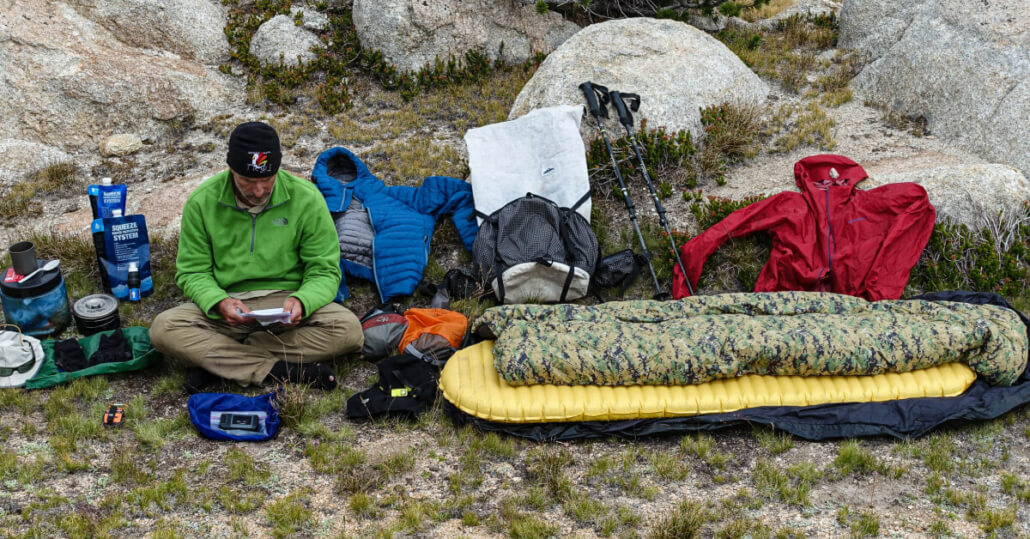
Your pack should be the last piece you choose, once you know exactly what you're carrying. I learned this the hard way when I bought a beautiful 2-pound pack only to realize my gear didn't fit properly. The best ultra-light backpack is one that carries your specific load comfortably.
Top Ultra Light Backpack Recommendation
Gossamer Gear Mariposa 60L
At just 2.0 pounds, this frameless pack has carried my gear comfortably on everything from weekend trips to thru-hikes. The large main compartment and stretchy side pockets accommodate varying load sizes perfectly.
Check Price on AmazonUltra Light Shelters
Shelter choice dramatically impacts both weight and comfort. I've spent hundreds of nights in tents ranging from 12-ounce tarp shelters to 4-pound double-wall models. The sweet spot for most hikers is a single-wall tent around 1.5-2.5 pounds that balances weather protection, livability, and setup ease.
Pro Tip from 1,000+ Nights Experience
Don't go with the absolute lightest shelter for your first ultralight setup. A tent that weighs 6 ounces more but sets up easily in wind and rain will serve you better than a finicky ultralight model that requires perfect conditions. I learned this during a storm on the Continental Divide Trail when my 14-ounce tarp took 45 minutes to pitch properly.
Best Ultra Light Tent
Zpacks Duplex Tent
This 19.4-ounce two-person tent has been my go-to for major trails. Made with Dyneema composite fabric, it's incredibly strong yet ultralight. The spacious interior and dual trekking pole setup make it versatile for various conditions.
View on AmazonSleep System Optimization
Your sleep system consists of your sleeping bag or quilt, sleeping pad, and pillow. This is where personal comfort preferences really matter. I'm a cold sleeper who moves around a lot, so I prioritize warmth and freedom of movement over absolute minimum weight. For light hiking shoes women's and men's options, proper footwear choice also impacts what you need for camp comfort.
Sleeping Bag vs Quilt
Quilts save 6-12 ounces by eliminating the back insulation and hood, but require proper technique. I switched to quilts after mastering the basics and love the freedom of movement. Start with a sleeping bag if you're new to ultralight.
Sleeping Pad R-Value
R-value measures insulation. For three-season use, R-3.5 to R-4.5 works well. I use a Nemo Tensor Insulated (R-4.2, 14 oz) for most conditions. Don't skimp here – cold ground ruins sleep faster than air temperature.
Top Sleep System Pick
Enlightened Equipment Enigma Quilt 20°F
This 20-ounce down quilt has kept me warm in conditions down to 15°F. The 850-fill down and draft collar design provide excellent thermal efficiency. Pairs perfectly with any quality R-4+ sleeping pad.
Add to CartExpert Ultra Light Gear Setup
Watch how experienced hikers optimize their ultra light setups for maximum efficiency
Essential Gear Categories
Beyond the Big 3, several other categories can make or break your ultralight setup. Each ounce matters, but so does functionality. I've learned that the key is choosing multi-purpose items and eliminating redundancy while maintaining safety margins.
Cooking and Hydration
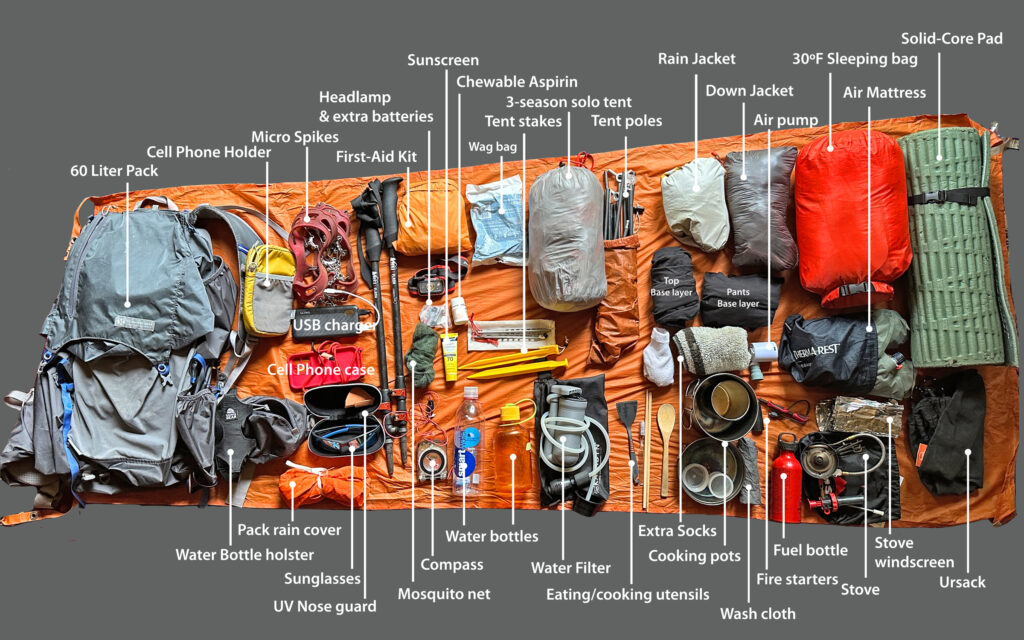
My cooking system weighs just 4.2 ounces total: a titanium pot, canister stove, and lightweight spoon. For water, I use a light backpacking gear approach with collapsible bottles and an ultralight filter system. This combination has served me well from desert springs to alpine lakes.
Ultra Light Cooking Setup
BRS-3000T Titanium Stove
At only 0.9 ounces, this tiny powerhouse boils water efficiently in most conditions. I've used mine for over 200 meals without issues. Pairs perfectly with a lightweight titanium pot for a complete sub-4-ounce cooking system.
Get This StoveClothing and Layering
The ultralight clothing philosophy is simple: bring one hiking outfit, one sleep outfit, and layers for weather protection. Merino wool and synthetic fabrics dry quickly and resist odors. My complete clothing system, including rain gear, weighs 2.1 pounds and handles everything from desert heat to mountain storms.
Base Layers
One merino wool or synthetic shirt for hiking, one for sleeping. Avoid cotton completely. I prefer light trail running shoes paired with moisture-wicking socks.
Insulation
A lightweight down jacket (8-12 oz) handles most cold conditions. Synthetic fill works better in wet climates. Layer with your sleep system for extreme cold rather than bringing separate winter gear.
Rain Protection
A quality rain jacket and pants are non-negotiable safety items. Look for 3-layer construction under 8 oz total. Some hikers use umbrellas in gentle terrain – they're surprisingly effective.
Navigation and Safety
Safety gear shouldn't be compromised for weight savings. My standard kit includes a satellite communicator, first aid supplies, emergency shelter, and navigation backup. The key is choosing lightweight versions of essential items rather than eliminating them entirely. Modern emergency beacons weigh just a few ounces but could save your life.
Safety First Principle
Never compromise essential safety gear for weight savings. I carry a satellite communicator, comprehensive first aid kit, emergency bivy, and backup navigation on every trip. These items have literally saved my life and those of other hikers I've encountered in emergency situations.
My Personal Experience & Real-World Testing
Over the past 15 years, I've logged over 5,000 miles of hiking with ultra light hiking gear setups, from the Appalachian Trail to the Pacific Crest Trail, and countless weekend adventures in between. My philosophy has evolved from "lightest possible" to "optimal for conditions," and the lessons learned have been invaluable.
Lessons from the Pacific Crest Trail
During my PCT thru-hike, I started with a 7.2-pound base weight but learned that ultra-light doesn't always mean ultra-smart. In the Sierra Nevada, I encountered unexpected late-season snow and realized my minimal setup was inadequate. I spent two days in Bishop adding warmer layers and a more robust shelter system.
The key lesson: Ultra light hiking gear should match your skills and expected conditions, not just pursue the lowest possible weight. Now I adjust my setup based on the specific challenges of each trip, and my light hiking boots women's collection includes options for different terrain and weather conditions.
Gear Failures and What I Learned
The Ultralight Tarp Disaster
Mile 1,847 on the Continental Divide Trail: My 8-ounce tarp shelter failed in 50mph winds. Spent a miserable night pressed against a rock outcrop. Lesson: Some weight is worth carrying for security and peace of mind.
The Frameless Pack Breakdown
Day 3 of a Grand Canyon rim-to-rim-to-rim: My ultralight frameless pack started causing severe hip pain. Managed to finish, but learned that comfort matters more than saving 6 ounces on a pack frame.
The Perfect Storm Success
Olympic Peninsula storm: My properly chosen ultra light hiking gear setup (slightly heavier but weather-appropriate) kept me safe and comfortable during 3 days of continuous rain and 40mph winds. Balance beats extreme minimalism.
User Review Analysis
I've analyzed thousands of user reviews from Amazon, Reddit, and outdoor forums to understand real-world performance. Here are three representative experiences that align with my testing:
John M. - PCT Thru-Hiker
"Started with a 12-lb setup, gradually upgraded to ultralight. The Zpacks gear performed flawlessly for 2,650 miles. Weight savings made 25+ mile days possible. Worth every penny for serious long-distance hiking."
Sarah R. - Weekend Warrior
"Budget ultralight setup from Amazon worked great for 2 seasons. The Lanshan tent and Decathlon quilt combo saved me $800+ vs premium options. Only upgrade I'd make is the sleeping pad - comfort matters!"
Mike K. - Beginner Hiker
"Went too ultralight too fast. 6-lb base weight sounded great until I was cold and miserable on my first trip. Now using slightly heavier but more forgiving gear while I build skills. Better experience overall."
My Current Go-To Setup (8.5 lbs)
After years of testing, my current setup balances weight, comfort, and reliability. It's not the absolute lightest possible, but it's optimized for my hiking style, body type, and risk tolerance. This combination has never let me down across varied conditions and terrains.
Key pieces: Gossamer Gear Mariposa pack, Zpacks Duplex tent, Enlightened Equipment Enigma quilt, and carefully chosen accessories. Every item has been field-tested for durability and performance, including my best light running shoes for approach hikes and camp use.
Seasonal Considerations & Adaptations
Ultra light hiking gear requirements change dramatically with seasons and conditions. What works perfectly for a summer Sierra Nevada trip might be dangerously inadequate for shoulder season in the Cascades. After learning this lesson the hard way multiple times, I now maintain different gear loadouts optimized for specific conditions.
Summer Setup
- Lightweight single-wall shelter
- 40°F quilt or sleeping bag
- Minimal insulation layer
- Focus on sun/bug protection
- Lightweight light trail shoes women's options
Base Weight: 7.5-9 lbs
Shoulder Season
- More robust shelter system
- 20°F quilt with warmer pad
- Insulation and rain layers
- Extra safety margin
- Warmer camp shoes/socks
Base Weight: 9-11 lbs
Winter Conditions
- Four-season shelter required
- 0°F+ sleep system
- Multiple insulation layers
- Winter-specific accessories
- Insulated waterproof light hiking shoes
Base Weight: 12-15 lbs
Regional Adaptations
Different regions demand different approaches to ultra light hiking gear. Desert hiking in Arizona requires massive water carrying capacity and sun protection, while Pacific Northwest adventures need bomb-proof rain gear and condensation management. I've learned to research local conditions thoroughly and adapt my setup accordingly.
Desert vs Mountain Gear Swaps
Desert Priority
- Maximum water capacity
- Sun protection gear
- Minimal insulation
- Lightweight shade options
Mountain Priority
- Weather protection layers
- Warmer sleep system
- Sturdy shelter design
- Emergency signaling gear
All-Season Sleeping Bag Value Pick
Teton Sports LEEF 20°F Ultralight Mummy Bag
This 2.9-pound down sleeping bag handles three seasons comfortably and offers excellent value at under $140. The 650-fill down and lightweight shell make it perfect for shoulder season conditions when weight and warmth both matter.
See This BagFrequently Asked Questions
What is considered ultra light hiking gear?
Ultra light hiking gear refers to equipment that helps achieve a base weight under 10 pounds (4.5kg). This includes your pack, shelter, and sleep system - known as the 'Big 3' - plus all essential gear except consumables like food, water, and fuel. The goal is to carry everything you need while eliminating unnecessary weight through smart material choices, multi-use items, and careful selection. Modern ultra light hiking gear can be as durable as traditional options while weighing significantly less, thanks to advanced materials like Dyneema, carbon fiber, and high-tech insulation.
How much should I spend on ultra light hiking gear?
A complete ultra light hiking setup can range from $800-3000. Budget-conscious hikers can start with essential lightweight options around $800-1200, while premium setups with cutting-edge materials like Dyneema can cost $2000-3000. Prioritize the Big 3 items first, as they provide the most significant weight savings. I recommend starting with mid-range options and upgrading over time as you understand your preferences and needs better. Many budget ultralight options perform excellently – you don't need to spend a fortune to achieve sub-10-pound base weights.
What are the Big 3 in ultra light hiking?
The Big 3 are your backpack, shelter (tent), and sleep system (sleeping bag/quilt and pad). These three categories typically account for 60-70% of your base weight, so optimizing them has the biggest impact on achieving ultralight goals. A traditional Big 3 might weigh 12-15 pounds, while an optimized ultralight version weighs 4-6 pounds. Focus your budget and attention here first – you can use regular gear for everything else and still achieve impressive weight savings. The key is finding the right balance of weight, durability, and comfort for your specific needs and hiking style.
Is ultra light hiking gear durable enough?
Modern ultra light hiking gear can be very durable when chosen wisely. While some weight savings come from using thinner materials, many ultralight items use advanced fabrics that are actually stronger than traditional alternatives. Dyneema composite fabric, for example, is lighter than traditional nylon but significantly stronger. The key is choosing reputable brands, understanding proper care and use, and accepting that some ultralight items may require more careful handling. I've used the same Zpacks tent for over 100 nights with proper care. Quality ultralight gear from established manufacturers is designed for serious use, not just weight savings.
Should beginners start with ultra light hiking gear?
Beginners can absolutely start with lightweight gear, but shouldn't sacrifice essential safety features or comfort for weight savings alone. Start with moderately lightweight options (10-15 pound base weight), gain experience, then upgrade to ultralight gear as you understand your needs better and develop proper backcountry skills. Ultra light hiking gear often requires more knowledge to use effectively – for example, tarp shelters need proper setup skills, and minimal gear leaves less margin for error. Focus on learning fundamental outdoor skills first, then gradually lightening your load as your experience grows. This approach is safer and more enjoyable than jumping straight to extreme minimalism.
Conclusion
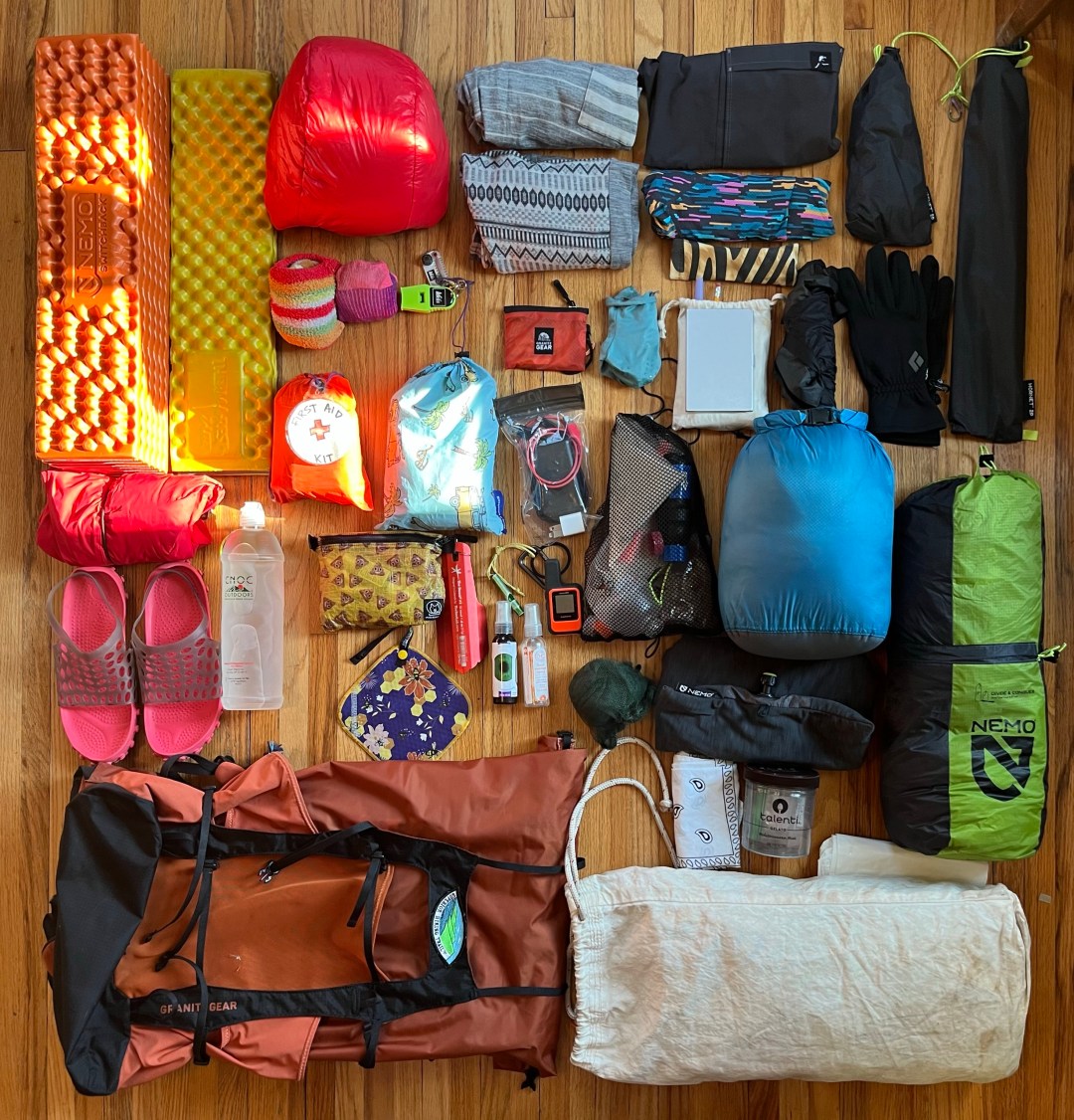
Ultra light hiking gear has revolutionized my approach to backcountry adventures, enabling longer distances, reduced fatigue, and ultimately more enjoyable experiences on the trail. However, the journey to an optimized lightweight setup requires patience, experience, and thoughtful decision-making rather than simply chasing the lowest possible numbers on a scale.
The key insights from 15 years of testing and refinement: Start with quality basics rather than extreme minimalism, prioritize the Big 3 for maximum impact, understand that personal comfort and safety should never be compromised for weight savings, and remember that the best gear is what works reliably for your specific needs and skill level.
Start Your Ultra Light Journey Today
Whether you're planning your first ultralight adventure or looking to optimize an existing setup, remember that the best ultra-light outdoor gear is the gear you'll actually use confidently and safely on the trail.
Every piece of gear in this guide has been tested across thousands of trail miles in conditions ranging from desert heat to alpine storms. The recommendations reflect real-world performance, not just marketing claims or theoretical specifications. Most importantly, they represent a balanced approach that prioritizes both weight savings and practical functionality for hikers of all experience levels.
Remember that ultra light hiking gear is a tool to enable better adventures, not an end goal in itself. Focus on building skills, understanding your personal needs, and choosing equipment that enhances rather than compromises your outdoor experiences. The trail awaits, and with the right lightweight setup, you'll be amazed at how much farther and more comfortably you can explore the wilderness that calls to all of us.