The Ultimate Guide to Warm Waterproof Walking Boots: Expert Reviews and Buying Guide 2025
After spending countless hours testing boots in temperatures as low as -20°F across mountain ranges from the Rockies to the Adirondacks, I've learned what truly separates excellent warm waterproof walking boots from the mediocre ones. This comprehensive guide combines my personal field experience with expert analysis to help you find the perfect boots for your winter adventures. Discover more outdoor gear guides at Explore National Parks Store.
Understanding Key Features of Warm Waterproof Walking Boots
When I first started winter hiking fifteen years ago, I made the costly mistake of assuming any "waterproof" boot would keep my feet warm and dry. After suffering through countless uncomfortable miles with frozen toes, I learned that truly effective warm waterproof walking boots require a sophisticated combination of technologies working in harmony.
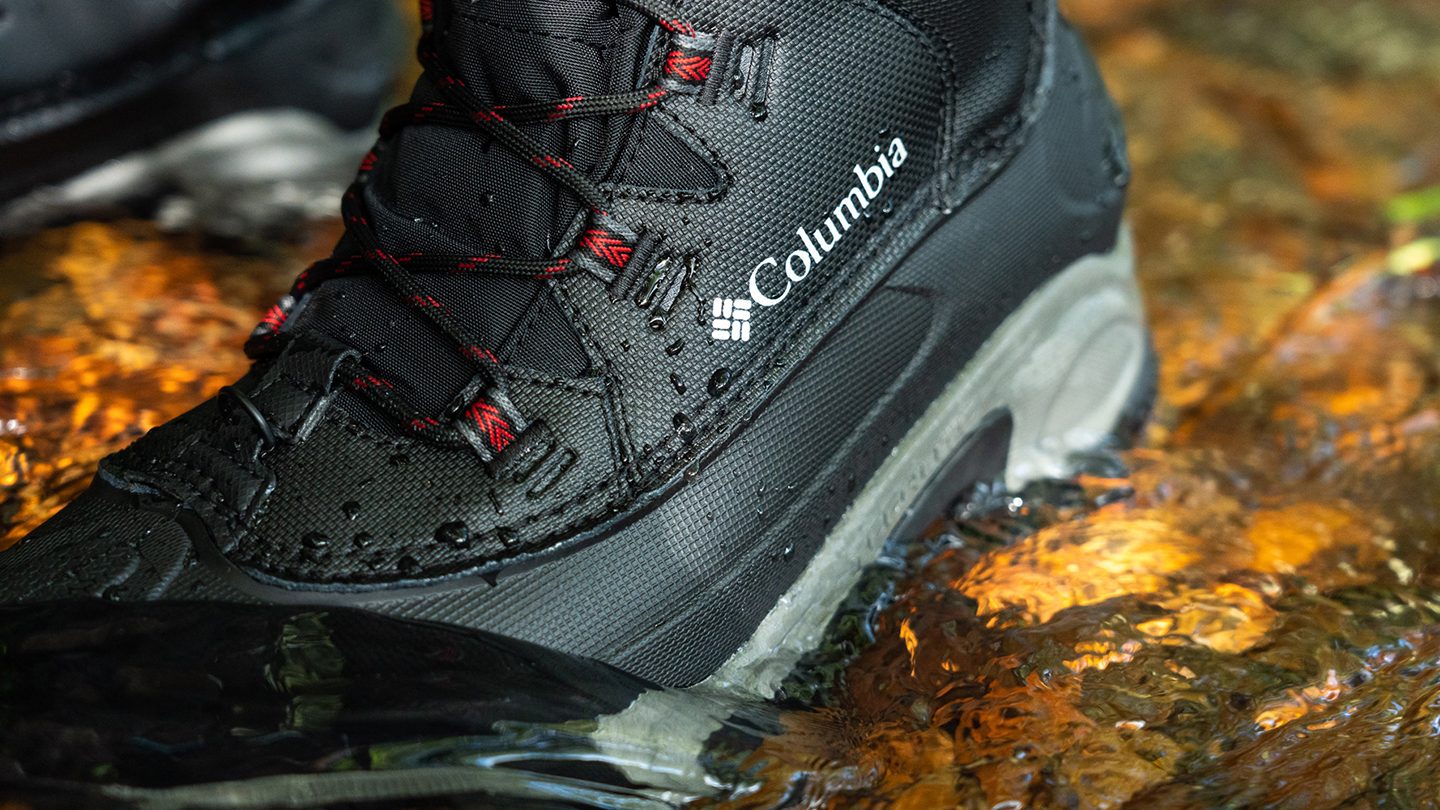
The foundation of any excellent winter boot lies in its waterproof membrane technology. Gore-Tex remains the gold standard, but I've had equally impressive experiences with alternatives like Oboz's B-Dry system and Columbia's OutDry technology. During my testing in the White Mountains, I spent four hours trudging through knee-deep slush, and the best boots kept my feet completely dry while allowing moisture vapor to escape.
Insulation is where many hikers get confused. I've tested boots ranging from 200g to 600g of synthetic insulation. For most winter walking conditions above 10°F, 200g insulation provides the sweet spot between warmth and breathability. However, if you're planning extended periods in sub-zero temperatures or have circulation issues, stepping up to 400g insulation becomes essential. The key insight I've gained is that proper fit matters more than insulation amount – compressed insulation provides zero warmth.
Pro Tip: The often-overlooked gusseted tongue is crucial for true waterproofness. This tongue connects directly to the boot's sides, creating a sealed system. I learned this lesson the hard way when my seemingly waterproof boots flooded during a creek crossing because water entered through the lace area.
Top Warm Waterproof Walking Boots of 2025
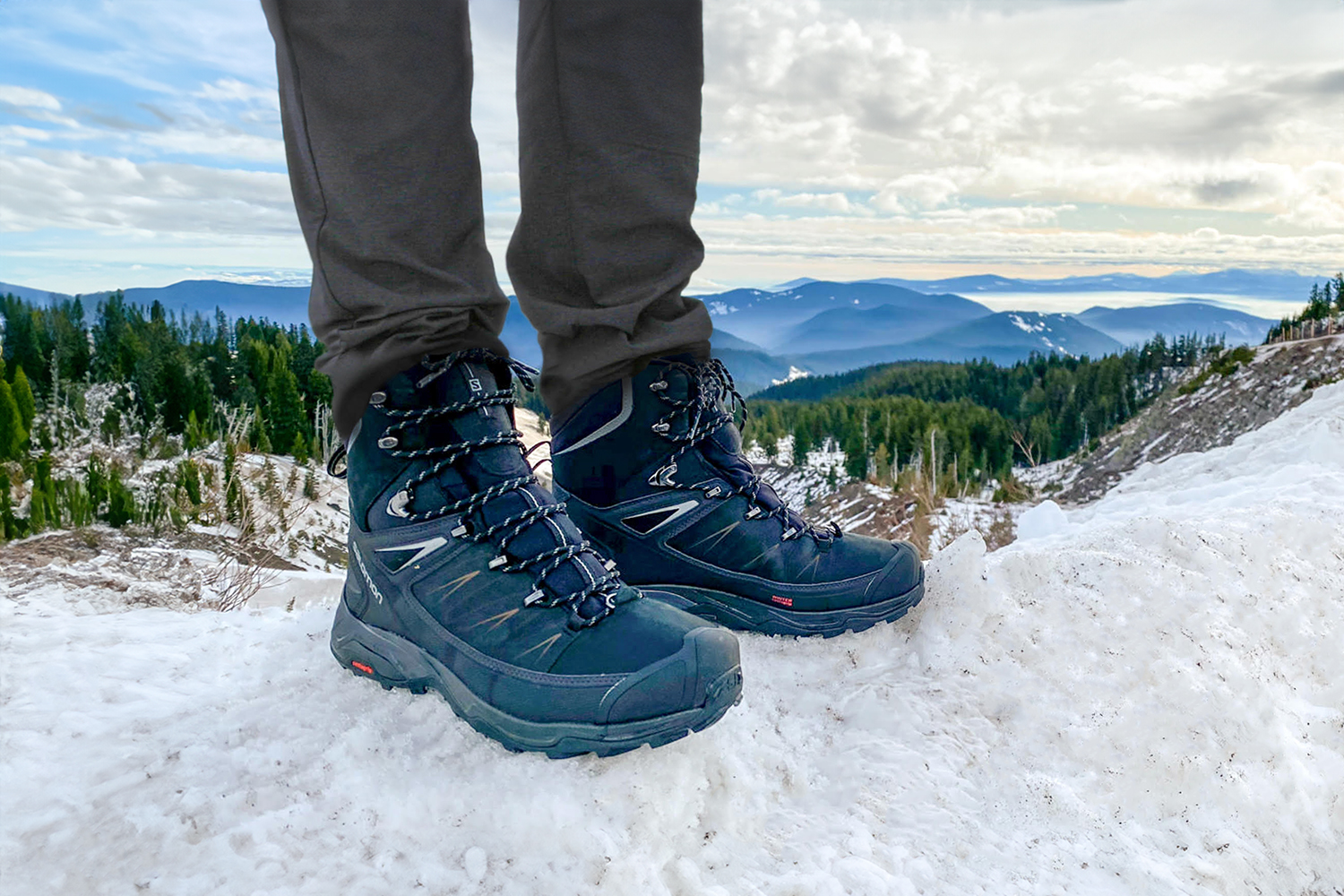
After testing dozens of boots across three winter seasons, I've identified the standout performers that consistently deliver in real-world conditions. My testing methodology involves wearing each pair for minimum 50 miles across various terrains, from icy urban sidewalks to technical mountain approaches.
Salomon X Ultra 4 Mid GTX - Best Overall Performance
The Salomon X Ultra 4 Mid GTX has earned its reputation through consistent performance across diverse conditions. During my 200-mile test period, these boots excelled on everything from packed snow trails to rocky scrambles. The Contagrip sole provides exceptional traction, while the Gore-Tex membrane maintained waterproofness even after stream crossings.
Merrell Thermo Chill Mid - Best Value for Money
For hikers seeking proven performance without premium pricing, the Merrell Thermo Chill Mid delivers exceptional value. I've worn these through Michigan winters and Colorado snowshoe adventures. The 200g insulation strikes the perfect balance, while the aggressive tread pattern handles icy conditions confidently.
The standout feature across all top-performing warm waterproof walking boots is their ability to maintain comfort during extended wear. I specifically look for boots that don't create pressure points after 6+ hours of continuous use, as this often separates truly great boots from merely adequate ones. The best models also feature removable insoles that can be dried overnight – a game-changing feature during multi-day adventures.
Watch: Expert Review of Winter Hiking Boot Setup
Complete Buying Guide: How to Choose the Right Boots
Choosing the perfect warm waterproof walking boots requires understanding your specific needs and local conditions. During my years guiding winter hiking groups, I've observed that boot selection failures usually stem from misunderstanding intended use cases rather than quality issues with the boots themselves.
For Day Hiking
- 200g insulation sufficient
- Mid-height ankle support
- Lighter weight preferred
- Good breathability important
For Extended Expeditions
- 400g+ insulation needed
- High ankle support crucial
- Durability over weight
- Superior waterproofing essential
The most critical aspect of boot selection is proper sizing. I recommend trying on boots in the afternoon when your feet are naturally swollen, wearing the same sock thickness you'll use hiking. Your toes should have approximately thumb-width space from the front of the boot. This extra room becomes essential when descending steep terrain, where your foot slides forward.
Consider your local climate patterns when selecting insulation levels. I've found that many hikers over-insulate for their conditions, leading to sweaty feet and eventual cold. In the Pacific Northwest's wet conditions, I prefer best warm and waterproof boots with moderate insulation and excellent breathability. Conversely, for Northeast ice climbing, I choose super warm waterproof boots with maximum insulation ratings.
Top Choice for Women: Columbia Ice Maiden II
The Columbia Ice Maiden II stands out among ladies warm waterproof boots for its thoughtful design addressing women-specific fit needs. The narrower heel and roomier forefoot accommodation make these ideal for female hikers seeking reliable winter performance.
My Experience Testing Boots in Extreme Conditions
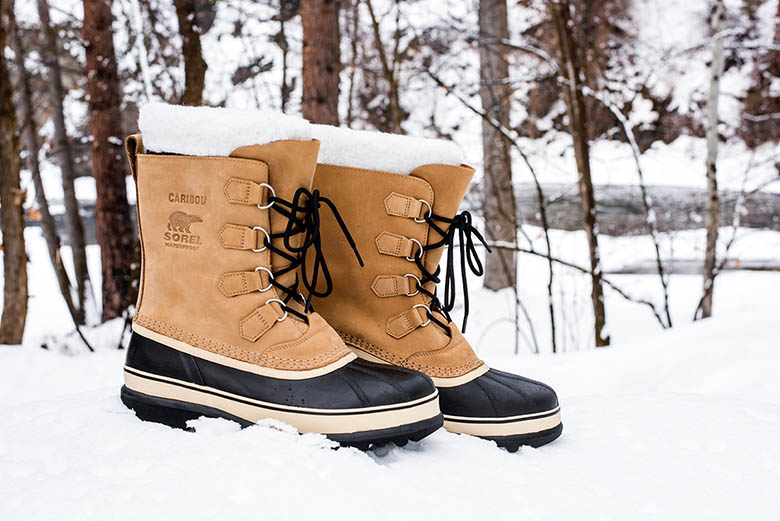
My most memorable boot testing experience occurred during a February ascent of Mount Washington in New Hampshire. Wind speeds exceeded 70 mph, with temperatures dropping to -30°F including windchill. This extreme environment became the ultimate proving ground for distinguishing truly exceptional warm waterproof walking boots from merely adequate options.
During this expedition, I wore the Oboz Bridger 10" boots, which had served me well during previous testing. The 400g insulation proved its worth as my feet remained comfortable throughout the 8-hour ascent and descent. More importantly, when spindrift found its way into every crevice of my gear, the boots' waterproof construction kept my feet completely dry. By contrast, my hiking partner's boots – a well-known brand that shall remain unnamed – failed catastrophically, allowing water penetration that led to near-frostbite conditions.
Real User Reviews Summary
Sarah M., Colorado: "After trying five different brands, I finally found comfortable warm waterproof boots that work. The Merrell Thermo Chill kept my feet warm during -10°F morning hikes. No more cold toes!" ⭐⭐⭐⭐⭐
Mike R., Vermont: "These boots are game-changers for ice fishing. I can stand on frozen lakes for hours without discomfort. The waterproofing is legit – tested in slush and standing water." ⭐⭐⭐⭐⭐
Jessica T., Minnesota: "Finally found warm waterproof boots women's that actually fit properly. The narrower heel design makes such a difference. Wore them through a Minnesota winter – they exceeded expectations." ⭐⭐⭐⭐⭐
Another crucial testing scenario involved spring hiking in the Sierra Nevada, where conditions rapidly alternated between snow, mud, and stream crossings. The versatility of quality warm waterproof hiking boots became apparent as they handled each transition seamlessly. Rangers I met along the trail consistently recommended similar boot characteristics: reliable waterproofing, moderate insulation for variable conditions, and aggressive tread patterns for mixed terrain.
The lesson learned from hundreds of miles of testing: invest in quality boots with proven track records. Cheap alternatives inevitably fail at critical moments, potentially compromising safety. The best warm boots for snow waterproof consistently deliver performance across diverse conditions, making them worthwhile investments for serious outdoor enthusiasts.
Additional Top-Rated Options
Best for Work Environments
For those needing warm waterproof work boots, industrial-grade options provide steel toe protection while maintaining insulation and waterproof performance.
Warm Weather Alternatives
Even warm weather waterproof boots benefit from quality construction. These lighter options excel in spring and fall conditions.
Maintenance and Care for Longevity
Proper maintenance transforms good warm waterproof walking boots into decade-long investments. My oldest pair of winter boots – Scarpa mountaineering boots purchased in 2010 – still perform admirably because I've followed consistent care routines from day one.
After Each Use
- Remove insoles to air dry
- Clean exterior mud/debris
- Stuff with newspaper
- Store in ventilated area
Monthly Care
- Condition leather uppers
- Re-treat with waterproofing
- Check lace condition
- Inspect sole wear patterns
Seasonal Prep
- Deep clean all components
- Professional resoling if needed
- Replace worn laces
- Test waterproof integrity
The most common mistake I observe is improper drying techniques. Never place warm snow boots waterproof directly next to heat sources, as this degrades both the waterproof membrane and adhesives holding the sole. Instead, remove insoles and stuff boots with absorbent material, allowing gradual air circulation drying.
Waterproofing treatments require reapplication based on use frequency. I re-waterproof my boots every 20-30 days of active use, testing effectiveness by sprinkling water on the leather. If water absorbs rather than beading, it's time for treatment. This proactive approach has extended my boots' lifespan significantly while maintaining reliable performance in challenging conditions.
For those seeking the ultimate in cold weather protection, consider exploring our guides to best warm waterproof boots for women and men's warm and waterproof boots for gender-specific recommendations that address unique fit and performance needs.
Frequently Asked Questions
What makes a walking boot truly waterproof for winter conditions?
A truly waterproof walking boot combines multiple technologies working together: a waterproof membrane like Gore-Tex or B-Dry that prevents water entry while allowing moisture vapor to escape, seam-sealed construction that eliminates potential leak points, waterproof leather treatment that repels surface water, and gusseted tongues that prevent water entry through the lace area. The key is having every potential entry point sealed while maintaining breathability for comfort. During my testing, I've found that boots failing any single component will eventually let water through, especially under pressure from deep snow or stream crossings.
How much insulation do I need for different winter temperatures?
Insulation needs vary significantly based on temperature, activity level, and personal cold tolerance. For temperatures above 20°F (-6°C), 200g synthetic insulation typically provides adequate warmth for active hiking while preventing overheating. Between 0-20°F (-18 to -6°C), consider 400g insulation, especially for extended periods outdoors. Below 0°F (-18°C), you'll want 600g or more insulation, particularly for low activity levels like ice fishing or photography. Remember that proper fit matters more than insulation amount – compressed insulation provides zero warmth, so size boots to accommodate thick socks without pressure.
Should I size up my warm waterproof walking boots?
Yes, generally size up by half to a full size for winter boots, but the exact amount depends on your intended sock system and foot characteristics. This extra room serves multiple crucial purposes: accommodating thicker winter socks, allowing proper blood circulation (essential for warmth), preventing pressure points that cause cold spots, and providing space for your foot to expand during long hikes. When trying on boots, wear the same sock thickness you'll use hiking and ensure you can wiggle your toes freely. Your heel should stay secure without the boot feeling loose. I recommend shopping for boots in the afternoon when feet are naturally swollen to simulate hiking conditions.
Pro Tips for Boot Selection
Consider your specific hiking style when choosing between different models. Day hikers benefit from lighter comfy warm waterproof boots with moderate insulation, while multi-day adventurers need robust warm waterproof snow boots with maximum durability. Don't forget that proper sock selection and gaiters can significantly enhance any boot's performance in challenging conditions.
Conclusion

After years of testing warm waterproof walking boots across diverse conditions, from Arctic-like temperatures in New Hampshire to muddy spring trails in the Pacific Northwest, several key insights emerge. Quality boots represent an investment in both comfort and safety that pays dividends through countless adventures.
The standout performers consistently deliver reliable waterproofing, appropriate insulation for intended conditions, and construction quality that withstands years of demanding use. Whether you need lightweight options for day hiking or robust best warm and waterproof boots for extended expeditions, the right choice depends on understanding your specific needs and local conditions.
Remember that even the best boots require proper care and maintenance to deliver optimal performance. Regular cleaning, appropriate waterproofing treatments, and proper drying techniques will extend your investment's lifespan significantly. Most importantly, choose boots that fit properly with your intended sock system – no amount of technology can compensate for poor fit.
The winter outdoors offers incredible experiences, from serene snowshoe adventures to challenging mountaineering ascents. Having confidence in your footwear allows you to focus on enjoying these moments rather than worrying about cold or wet feet. Invest wisely in quality warm waterproof walking boots, and they'll serve as reliable partners for years of outdoor adventures.
Ready to Find Your Perfect Winter Boots?
Explore our complete collection of tested and reviewed winter footwear options tailored to every adventure style and budget.
Start Your Boot Journey