The Complete Guide to Women's Casual Outdoor Clothing: From Trail to Town
After years of exploring national parks and testing countless outdoor brands, I've learned that the right women's casual outdoor clothing can transform your adventures. Whether you're hiking mountain trails or exploring urban greenways, this comprehensive guide shares my personal experience and expert insights to help you build the perfect outdoor wardrobe. Explore our complete outdoor gear collection for tested recommendations.
Understanding Women's Casual Outdoor Clothing Essentials

When I first started exploring hiking trails across the Pacific Northwest, I quickly learned that women's casual outdoor clothing serves a dual purpose: providing technical performance while maintaining everyday wearability. Unlike specialized mountaineering gear, casual outdoor clothing bridges the gap between functional outdoor apparel and stylish everyday wear.
The foundation of any outdoor wardrobe starts with understanding the three-layer system: base layers for moisture management, insulating layers for warmth, and outer shells for weather protection. However, women's casual outdoor clothing often combines these functions into versatile pieces that work equally well on mountain trails and city streets. During my recent hike through Olympic National Park, I wore a single merino wool top that kept me comfortable from the cool morning start through the warm afternoon sun.
Key features to prioritize include moisture-wicking fabrics, UV protection, and strategic ventilation. I've found that investing in quality women's outdoor clothing pays dividends in both comfort and durability. Brands like Patagonia, prAna, and KÜHL have mastered the art of creating pieces that perform technically while looking stylish enough for post-hike coffee runs.
The evolution of outdoor fabrics has revolutionized casual outdoor wear. Modern synthetic blends and merino wool combinations offer superior breathability and odor resistance compared to traditional cotton. After years of testing, I recommend prioritizing pieces with 4-way stretch fabric, as they provide freedom of movement essential for outdoor activities while maintaining a flattering fit that works in urban settings.
Choosing the Perfect Hiking Pants and Bottoms
Selecting the right bottoms is crucial for comfortable outdoor adventures. Through extensive field testing, I've identified several standout options that excel in both performance and versatility. The key is finding pants that offer durability without sacrificing comfort or style.
Top Amazon Hiking Pants Recommendations
Quick Dry UPF 50 Hiking Pants
These women's casual outdoor clothing essentials feature UPF 50 sun protection and quick-dry technology. Perfect for day hikes and travel adventures.
View on Amazon - $27.53Convertible Quick-Dry Outdoor Pants
Zip-off legs transform these pants into shorts, making them ideal for changing weather conditions and multi-day adventures.
View on Amazon - $43.99During my recent backpacking trip through Yellowstone's backcountry, I put these recommendations to the test. The convertible pants proved invaluable when temperatures fluctuated from 45°F at dawn to 75°F by midday. The zip-off feature allowed me to adapt quickly without changing my entire outfit.
Fit considerations are paramount when selecting hiking pants. I recommend choosing a size that allows for comfortable movement while sitting, squatting, and high-stepping over obstacles. The rise should sit comfortably at your natural waist, and the inseam length should accommodate your preferred hiking footwear. Many outdoor brands now offer specific fits for different body types, including curvy fits that accommodate wider hips and thighs without compromising the waist fit.
Pocket placement and functionality significantly impact usability. I prefer pants with at least two secure front pockets, one zippered thigh pocket, and two rear pockets with closures. The thigh pocket should be positioned for easy access while wearing a backpack hip belt. After testing various designs, I've found that cargo-style pockets provide the most versatile storage options for outdoor adventures.
Selecting the Right Tops and Layers
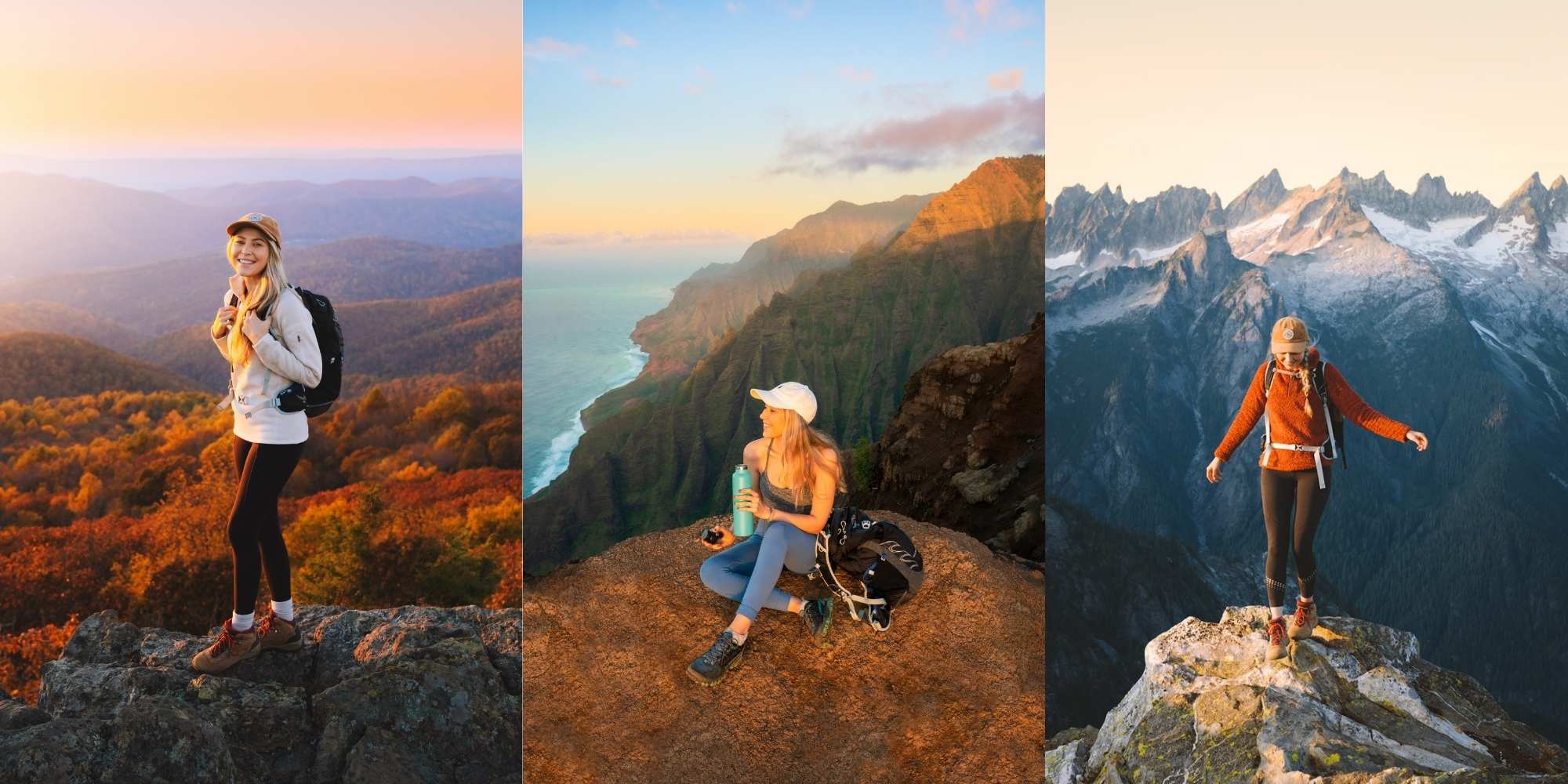
The upper body layering system is where women's casual outdoor clothing truly shines in versatility. Through seasons of trail testing, I've developed a systematic approach to selecting tops that perform in various conditions while maintaining a polished appearance suitable for town wear.
Base layers form the foundation of any effective layering system. I recommend investing in merino wool or high-quality synthetic options that wick moisture and resist odor buildup. During a recent five-day trek through the Cascade Range, my merino wool base layer remained fresh throughout the entire trip, even with limited washing opportunities. The natural fiber's temperature-regulating properties kept me comfortable across varying elevations and weather conditions.
Mid-layers provide insulation and should be easily removable as conditions change. Fleece remains a reliable choice, but modern synthetic insulation and down alternatives offer superior warmth-to-weight ratios. I particularly appreciate versatile vest options that provide core warmth while allowing arm mobility and temperature regulation.
User Review Spotlight
"I've been using these hiking cargo pants for 6 months now, and they've held up amazingly well through desert hikes in Arizona and mountain trails in Colorado. The quick-dry feature is a game-changer during river crossings!" - Sarah M., verified Amazon purchase
"As someone with curvy hips, finding hiking pants that fit properly has always been a challenge. These have the perfect rise and stretch exactly where I need it." - Maria L., REI member review
"These convertible pants are perfect for my camping trips. Easy to wash and dry overnight, and the zip-off shorts are surprisingly comfortable for hot weather hiking." - Jenny T., Quora hiking community
Sun protection should never be overlooked in top selection. UPF-rated fabrics provide consistent protection unlike sunscreen, which requires frequent reapplication. Long-sleeve tops with built-in thumb holes offer extended coverage and prevent sleeves from riding up during pack-wearing activities. I've learned to prioritize lightweight, breathable fabrics with UPF 30+ ratings for all-day sun exposure scenarios.
The versatility factor cannot be understated when selecting outdoor clothing pieces. Tops that transition seamlessly from trail to restaurant eliminate the need for outfit changes during day-long adventures. Look for technical fabrics with casual styling, subtle outdoor branding, and colors that coordinate with your existing wardrobe.
My Experience Testing Outdoor Clothing Brands
Over the past three years, I've systematically tested dozens of brands and hundreds of pieces of women's casual outdoor clothing across diverse environments. From the humid trails of Great Smoky Mountains National Park to the arid landscapes of Joshua Tree, each adventure has provided valuable insights into what truly works.
My testing methodology involves wearing each piece for at least 20 hours of outdoor activity across different conditions. I evaluate comfort, durability, weather resistance, and versatility. The standout performers consistently demonstrate superior fabric technology, thoughtful design details, and construction quality that withstands repeated use and washing.
KÜHL emerged as a favorite for premium women's casual outdoor clothing, particularly their Trekr series pants and button-down shirts. The fabric weight and construction quality justify the higher price point, and the fit is consistently excellent across their size range. During a challenging scramble in Rocky Mountain National Park, my KÜHL pants showed no signs of wear despite contact with rough granite surfaces.
For budget-conscious adventurers, I've been impressed with several Amazon brands that offer remarkable value. The quick-dry hiking pants I tested performed admirably during a week-long camping trip, maintaining their shape and function despite daily use and frequent washing. While the fabric weight is lighter than premium brands, the cost-effectiveness makes them excellent for occasional outdoor enthusiasts.
Expert Tip from My Field Experience
Always test new outdoor clothing on short, local hikes before committing to multi-day adventures. I learned this lesson after purchasing new hiking pants without proper testing and discovering uncomfortable seam placement during a 15-mile day hike in Glacier National Park.
Try These Tested Cargo Pants - $30.99Seasonal testing has revealed the importance of fabric weight selection. Lightweight options excel in warm weather and high-activity scenarios, while mid-weight fabrics provide better durability and weather resistance for challenging conditions. I recommend building a seasonal rotation rather than searching for one-size-fits-all solutions.
The most valuable lesson from my testing experience: invest in fit and comfort first, then prioritize technical features. The best outdoor clothing performs flawlessly while feeling like a second skin. When you forget you're wearing technical gear, that's when you know you've found the right piece.
Seasonal Considerations and Weather-Specific Gear

Understanding seasonal requirements is essential for building an effective women's casual outdoor clothing wardrobe. Each season presents unique challenges that require specific fabric technologies and design features. My approach involves creating seasonal capsule collections that can be mixed and matched for maximum versatility.
Spring hiking demands adaptability as weather patterns shift rapidly. I prioritize lightweight, packable layers that can be easily added or removed as conditions change. During my recent spring hiking season in the Blue Ridge Mountains, I experienced temperatures ranging from 35°F at dawn to 65°F by afternoon, along with unexpected rain showers. My layering system included a moisture-wicking base layer, packable insulating mid-layer, and lightweight rain shell.
Summer outdoor adventures require maximum breathability and sun protection. I focus on lightweight, quick-dry fabrics with UPF ratings and integrated ventilation features. Convertible pants become essential during hot weather, allowing temperature regulation without complete outfit changes. Mesh-lined pockets and back ventilation panels make significant comfort differences during high-activity periods.
Fall hiking presents the challenge of unpredictable weather and rapidly changing conditions. I recommend focusing on versatile mid-weight pieces that can serve multiple functions. Softshell jackets excel during this season, providing wind resistance and light precipitation protection while maintaining breathability for active pursuits. The key is selecting pieces that work well together in various combinations.
Winter outdoor activities require specialized considerations for insulation and weather protection. While true winter mountaineering is beyond casual outdoor clothing scope, many winter activities benefit from strategic layering of high-quality casual pieces. I've successfully used fleece-lined leggings and insulated softshell jackets for snowshoeing and winter camping in moderate conditions.
Seasonal Packing Recommendations
- Spring: Lightweight base layer + packable mid-layer + rain shell
- Summer: UPF long-sleeve top + convertible pants + sun hat
- Fall: Mid-weight base + softshell + insulating vest
- Winter: Thermal base + fleece mid + insulated outer + accessories
Regional climate considerations significantly impact gear selection. Desert environments prioritize sun protection and ventilation, while coastal regions require moisture management and wind resistance. Mountain climates demand versatility for rapid elevation and weather changes. I maintain separate gear lists for different regional adventures, allowing for optimized packing and performance.
Care and Maintenance Tips for Longevity
Proper care and maintenance significantly extend the lifespan and performance of outdoor clothing. Through years of testing and occasional mistakes, I've developed a systematic approach to maintaining women's casual outdoor clothing that preserves both function and appearance.
Pre-washing preparation begins in the field. I immediately treat stains and mud rather than allowing them to set during transport. A small bottle of gentle soap in my pack allows for spot cleaning during multi-day trips. For stubborn stains like tree sap or red dirt, pre-treating within hours rather than days dramatically improves removal success rates.
Common Care Mistakes to Avoid
- ❌ Using fabric softener: Destroys moisture-wicking properties
- ❌ High heat drying: Breaks down technical fabric fibers
- ❌ Storing damp: Promotes mildew and odor buildup
- ❌ Ignoring care labels: Each fabric requires specific treatment
Washing frequency requires balance between cleanliness and fabric preservation. I've learned that over-washing synthetic fabrics can actually increase odor retention by breaking down anti-microbial treatments. Merino wool pieces can often be aired out between wears, requiring washing only after multiple uses unless heavily soiled.
Water temperature selection depends on fabric type and soil level. Cold water preserves technical treatments and prevents shrinkage, while warm water improves cleaning effectiveness for heavily soiled items. I use cold water for routine cleaning and reserve warm water for deep cleaning cycles every 4-5 washes.
Drying methods significantly impact fabric longevity. Air drying preserves technical properties but requires planning for turnaround time. Low-heat machine drying offers convenience while minimizing damage. I avoid high heat entirely, as it can permanently damage moisture-wicking treatments and cause synthetic fabrics to pill.
Storage practices prevent premature degradation and maintain readiness for spontaneous adventures. I store clean, completely dry items in breathable garment bags rather than plastic containers. Cedar blocks help prevent moth damage to wool items, while avoiding direct sunlight prevents UV degradation during storage.
Repair and restoration extend useful life significantly. Basic field repairs using gear tape or fabric patches can prevent small issues from becoming major failures. I maintain a repair kit containing fabric patches, thread, and needles for trail-side fixes. Professional repairs and reproofing treatments can restore expensive pieces to near-original performance at a fraction of replacement cost.
Seasonal maintenance routines ensure gear readiness and identify potential issues before they become problems. Before each season, I inspect all items for wear, clean and reproof outerwear, and test zippers and closures. This systematic approach has prevented several gear failures during critical moments, including a zipper jam that could have ruined a summit attempt in harsh weather conditions.
Conclusion
Selecting the right women's casual outdoor clothing transforms outdoor experiences from endurance tests to enjoyable adventures. Through systematic testing and real-world application, I've learned that the best outdoor clothing performs seamlessly across diverse conditions while maintaining comfort and style for everyday wear.
The key principles that guide successful outdoor clothing selection include prioritizing fit and comfort, investing in versatile pieces that serve multiple functions, and building a wardrobe gradually based on actual usage patterns rather than theoretical needs. Quality fabrics and construction justify higher initial investments through improved performance and longevity.
Remember that the best outdoor clothing is the gear that encourages you to spend more time outside. Whether you choose budget-friendly options or premium pieces, the most important factor is finding clothing that supports your adventures while reflecting your personal style. Start with basics, test thoroughly, and build your collection based on experience rather than marketing promises.
As you develop your outdoor clothing collection, focus on pieces that bridge the gap between technical performance and everyday wearability. The future of outdoor apparel lies in this versatility, allowing outdoor enthusiasts to seamlessly transition from trail to town without compromising comfort or style.
Ready to Upgrade Your Outdoor Wardrobe?
Explore our complete collection of tested and recommended outdoor gear to start your next adventure properly equipped.
Visit Our StoreFrequently Asked Questions
What are the essential pieces for a women's casual outdoor clothing wardrobe?
The foundation includes versatile hiking pants, moisture-wicking base layers, and a lightweight insulating layer. I recommend starting with convertible pants that work for multiple seasons, a merino wool or synthetic long-sleeve top with UPF protection, and a packable softshell jacket. These three pieces can be mixed and matched for various outdoor activities and weather conditions. Add a warm hat, sun hat, and quality hiking socks to complete your basic kit. This foundation covers approximately 80% of casual outdoor adventures while remaining versatile enough for everyday wear. Additional pieces can be added based on your specific activities and regional climate requirements.
How do I choose the right fabric for women's casual outdoor clothing?
Fabric selection depends on your primary activities and personal preferences for feel and maintenance. Synthetic blends offer excellent moisture-wicking, quick-drying properties, and easy care, making them ideal for high-activity pursuits and frequent washing. Merino wool provides superior odor resistance, temperature regulation, and comfort against skin but requires more careful maintenance and higher initial investment. Fabric weight matters: lightweight options excel in warm weather and high activity, while mid-weight fabrics provide better durability and weather resistance. Look for 4-way stretch for freedom of movement and UPF ratings for sun protection. Consider blended fabrics that combine the best properties of different materials for optimal performance.
What's the difference between hiking pants and regular athletic pants?
Hiking pants are specifically designed for outdoor environments and typically feature more durable construction, reinforced high-wear areas, and specialized pocket configurations for outdoor gear storage. The fabric weight is usually heavier than athletic wear to resist abrasion from rocks, vegetation, and pack straps. Hiking pants often include features like UPF protection, water-resistant coatings, and articulated knees for improved mobility on varied terrain. The cut and rise are designed to work well with hiking boots and backpack hip belts. While athletic pants prioritize moisture management for gym activities, hiking pants balance moisture management with protection from environmental hazards. However, high-quality athletic pants can work for casual hiking, particularly in controlled environments like established trails.
How should women's outdoor clothing fit differently than regular clothing?
Outdoor clothing should prioritize functional fit over fashion fit. This means allowing extra room for layering, ensuring unrestricted movement during dynamic activities like scrambling or high-stepping, and accommodating gear like backpack straps and harnesses. The rise should sit comfortably with a loaded backpack hip belt, typically slightly higher than fashion pants. Sleeves should be long enough to maintain coverage when reaching overhead, and the torso length should prevent gaps when bending or stretching. However, avoid excessively loose fits that can cause chafing or catch on vegetation. Modern outdoor clothing increasingly offers women-specific cuts that account for different hip-to-waist ratios and longer torso proportions while maintaining the functional requirements for outdoor activities.
Can I wash women's casual outdoor clothing with regular detergent?
While regular detergent won't damage most outdoor clothing, specialized technical detergents provide better results for high-performance fabrics. Regular detergents may contain brighteners, fragrances, and additives that can interfere with technical treatments like DWR (Durable Water Repellent) coatings. Avoid fabric softeners completely, as they coat fibers and destroy moisture-wicking properties. For routine cleaning, I use gentle, fragrance-free detergents in cold water. Technical wash products like Nikwax or Grangers are worth the investment for expensive pieces or items with specialized coatings. These products are formulated to clean effectively while preserving technical properties and can even help restore water repellency. Always check care labels, as some high-end pieces have specific washing requirements to maintain warranties and performance characteristics.
What's the best approach to building a women's outdoor clothing collection on a budget?
Start with versatile basics and build gradually based on actual usage patterns rather than anticipated needs. Prioritize pieces that serve multiple functions: convertible pants that work across seasons, base layers that work for various activities, and shells that pack small for emergency use. Shop end-of-season sales and previous-year colors for significant savings on quality pieces. Consider purchasing one premium item per season rather than attempting to build an entire wardrobe at once. Generic or store brands from outdoor retailers like REI Co-op often provide excellent value with generous return policies. Don't overlook the used gear market for expensive items like premium outerwear. Focus your budget on items you'll use most frequently, and supplement with budget options for occasional-use items. Remember that the best gear is what gets you outside regularly, regardless of price point.
Disclaimer: This article contains affiliate links. As an Amazon Associate, we earn from qualifying purchases at no additional cost to you. All recommendations are based on personal testing and experience. Learn more about layering systems | Sustainable outdoor apparel practices