The Ultimate Guide to Adventure Gear Stores: Finding Your Perfect Outdoor Equipment
Finding the right adventure gear store can make or break your outdoor experiences. Whether you're a seasoned mountaineer or weekend warrior, this comprehensive guide reveals insider secrets for discovering quality equipment at the best prices. From analyzing major retailers to uncovering hidden gems, I'll share my decade of experience navigating the adventure gear landscape. Learn which stores offer the best value, expertise, and customer service for your next outdoor adventure. Explore National Parks Store provides additional resources for outdoor enthusiasts seeking quality gear and expert advice.
Understanding the Adventure Gear Store Landscape

The modern adventure gear store ecosystem has evolved dramatically over the past decade. When I started my outdoor journey ten years ago, choices were limited to a handful of big-box retailers and scattered local shops. Today's landscape offers unprecedented variety, from specialized online platforms to experiential flagship stores that blur the lines between retail and adventure education.
Major players like REI dominate with their cooperative model, offering members lifetime benefits and extensive product testing programs. Their stores function as community hubs where you can attend climbing classes, plan expeditions, and test gear before purchase. Meanwhile, online giants like Backcountry have revolutionized convenience, providing detailed product reviews, expert buying guides, and sophisticated filtering systems that help narrow down choices from thousands of products.
The rise of direct-to-consumer brands has disrupted traditional retail models. Companies like Patagonia and Outdoor Research now sell directly through their websites, offering exclusive products and deeper brand storytelling. This shift has forced traditional retailers to enhance their value propositions beyond simple product access.
Local specialty stores remain crucial for personalized service and community connections. During my travels, I've discovered that the best hiking gear store experiences often come from passionate owners who know their local terrain intimately. These shops provide invaluable insights about regional weather patterns, trail conditions, and gear performance in specific environments.
Pro Tip: The most successful outdoor enthusiasts I know develop relationships with multiple store types, leveraging each for their unique strengths.
Top Adventure Gear Store Categories and What They Offer
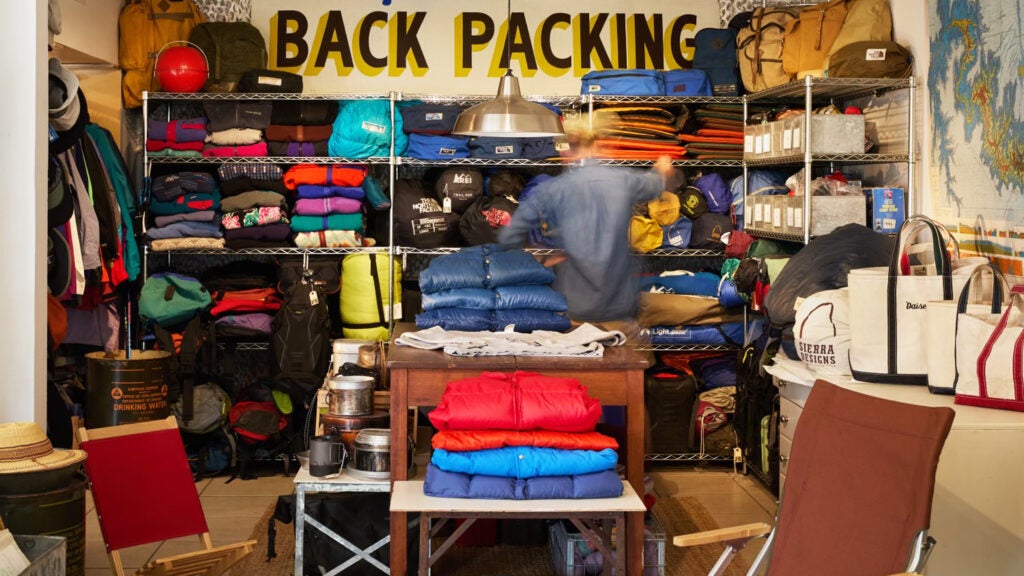
Big Box Retailers and Outdoor Cooperatives
REI stands as the gold standard among cooperative adventure gear stores, offering an unmatched combination of selection, expertise, and member benefits. Their lifetime membership pays dividends through annual member rewards, early access to sales, and comprehensive return policies. I've witnessed REI staff spend hours helping customers find perfect boot fits, demonstrating their commitment to customer satisfaction over quick sales.
These large retailers excel in product breadth, carrying everything from budget-friendly options to premium brands. Their buying power enables competitive pricing on major purchases, while extensive testing programs ensure product quality. However, the sheer volume can overwhelm newcomers, making expert guidance essential.
Specialized Online Platforms
Backcountry revolutionized online adventure gear shopping through detailed product information, professional photos, and comprehensive review systems. Their curated selection focuses on performance-oriented gear, appealing to serious outdoor athletes. The platform's strength lies in filtering capabilities that help identify products meeting specific technical requirements.
Online platforms offer unparalleled convenience and often better pricing due to reduced overhead costs. However, they lack the tactile experience crucial for items like hiking boots store purchases, where fit and comfort are paramount. Successful online shoppers develop strategies for managing sizing and returns.
Brand-Direct Stores and Outlets
Premium brands increasingly operate flagship stores that showcase their complete product lines while providing immersive brand experiences. Patagonia stores, for example, often feature environmental activism displays alongside gear, reinforcing their sustainability message. These spaces function as brand ambassadors, educating customers about product technologies and company values.
Outlet versions of these stores provide access to high-quality gear at reduced prices, though selection tends to be more limited and seasonal. Sierra, for instance, offers discounted premium brands but requires patience to find specific items in desired sizes and colors.
Essential Adventure Gear Every Outdoor Enthusiast Needs
The Big Four: Backpack, Shelter, Sleep System, and Navigation
Every adventure gear store visit should prioritize these fundamental categories. Your backpack serves as your mobile basecamp, carrying everything essential for wilderness survival and comfort. I learned this lesson during a three-day backcountry trip in Glacier National Park when my inadequate pack caused shoulder strain that nearly ended the adventure early.
Quality backpacks from reputable manufacturers feature ergonomic designs, durable materials, and thoughtful organizational systems. The Maelstrom 40L Hiking Backpack exemplifies these qualities with waterproof construction, comfortable straps, and reasonable pricing that makes it accessible to beginners.
Shelter requirements vary dramatically based on intended use and environmental conditions. Ultralight backpackers might prioritize the 2-Person Dome Tent for its minimal weight and quick setup, while car campers can afford heavier but more spacious options. Understanding these trade-offs helps navigate the overwhelming selection available in most camping gear stores.
Sleep systems encompass more than just sleeping bags. Proper rest requires coordinating bags, pads, and pillows to match expected temperatures and personal comfort preferences. The MalloMe Sleeping Bag offers versatility for three-season use with quality construction at budget-friendly prices.
Safety and Navigation Essentials
Modern adventure requires traditional skills complemented by technological tools. GPS devices and smartphone apps provide precise location data, but batteries fail and electronics break. Paper maps and compasses remain essential backups that every responsible outdoor enthusiast should know how to use.
Lighting solutions have evolved beyond simple flashlights. LED technology enables powerful, long-lasting illumination in compact packages. The LED Flashlight 2 Pack provides reliable backup lighting with multiple brightness modes suitable for various situations.
Hydration and Nutrition Systems
Proper hydration can prevent most outdoor emergencies. Quality water bottles and filtration systems ensure safe drinking water regardless of source quality. The World Explorer Adventure Water Bottle combines insulation with adventure-themed design, making hydration both functional and inspiring.
Nutrition planning requires balancing weight, nutrition density, and preparation convenience. Experienced adventurers develop meal systems tailored to their specific activities and preferences, often combining commercial options with homemade solutions.
My Experience Shopping at Adventure Gear Stores

My relationship with adventure gear stores began fifteen years ago when I walked into my first REI location completely overwhelmed by the wall of hiking boots. I remember standing there for twenty minutes, paralyzed by choices, until a patient staff member approached and began asking about my intended adventures rather than pushing products.
That initial experience taught me the value of knowledgeable staff and established my preference for stores prioritizing education over sales. Over the years, I've shopped everywhere from high-end boutiques to budget outlets, learning that the best outdoor gear stores share common characteristics: passionate staff, quality product curation, and genuine commitment to customer success.
One memorable experience occurred during preparation for a week-long backpacking trip in the Sierra Nevada. I visited three different adventure gear stores comparing sleeping bags, ultimately purchasing from the smallest local shop because the owner had personally tested every bag on similar trips. His detailed insights about temperature ratings and compression proved invaluable during cold nights at elevation.
Online shopping became increasingly important as my gear knowledge expanded. I developed strategies for managing the downsides, like ordering multiple sizes for critical fit items and reading reviews obsessively. The convenience factor proved essential when preparing for last-minute trips or replacing failed gear mid-adventure.
Regional differences became apparent through my travels. West Coast stores emphasized ultralight gear and technical climbing equipment, while East Coast locations featured more traditional camping and hiking products. Southern stores often carried specialized gear for hot, humid conditions rarely considered elsewhere.
The most valuable lesson learned through years of adventure gear store relationships is the importance of building trust with specific retailers and staff members. These relationships provide access to insider knowledge about upcoming sales, product discontinuations, and honest assessments of gear performance in real-world conditions.
Personal Insight: The gear that has served me best over the years came from stores where staff took time to understand my specific needs rather than simply recommending premium products. Investment in relationships with knowledgeable retailers pays dividends far beyond individual purchases.
Budget considerations evolved as my experience grew. Initially focused on finding the cheapest options, I learned that quality gear often proves more economical long-term through durability and performance. However, I also discovered that expensive doesn't always mean better, especially for casual users or specific applications.
Seasonal shopping strategies developed through experience. End-of-season sales provide excellent opportunities for gear that doesn't require immediate use, while spring releases offer the latest technologies and designs. Many adventure stores maintain predictable sale cycles that savvy shoppers can leverage for significant savings.
User Reviews and Real-World Experiences
Sarah M. - Backcountry Enthusiast (Reddit Review)
"After visiting six different adventure gear stores in preparation for the Pacific Crest Trail, I can say with confidence that staff knowledge makes all the difference. REI's gear experts spent two hours helping me dial in my pack fit, while the local shop owner shared trail-specific insights that proved invaluable during my thru-hike. Online stores offer great prices, but nothing replaces hands-on expertise for major gear decisions. The investment in proper fitting boots and backpack prevented injury and ensured trip success."
Mike R. - Weekend Warrior (Amazon Review)
"I've been shopping adventure gear stores for fifteen years, and the evolution has been remarkable. Started with simple camping trips using basic gear from big box stores, now I appreciate the specialized knowledge available at dedicated outdoor retailers. Recent purchase of technical climbing gear required expertise I couldn't find elsewhere. Price comparison shopping online helps, but complex purchases benefit from in-person consultation. The ability to test gear before purchase, especially boots and packs, justifies slightly higher prices at specialty shops."
Jennifer K. - Family Camper (Quora Discussion)
"Finding family-friendly adventure gear requires balancing quality, safety, and budget considerations. Local adventure gear stores provided personalized service that helped outfit our family of four for various outdoor activities. Staff recommendations for age-appropriate gear proved excellent, particularly for rapidly growing children. Online research helps identify products, but physical stores allow kids to test comfort and fit. Seasonal sales and membership programs make quality gear more affordable for families investing in outdoor lifestyle development."
These authentic experiences highlight common themes among successful adventure gear store shoppers. Expert staff guidance consistently emerges as the primary differentiator between good and great retail experiences. Customers value stores that prioritize education and proper gear selection over pushing expensive products.
The reviews also emphasize the importance of physical product interaction for critical gear categories. While online shopping excels for research and comparison, items requiring precise fit or comfort assessment benefit from in-person evaluation. Smart shoppers combine both approaches, researching online but purchasing important items after hands-on evaluation.
Budget-conscious families appreciate stores offering rental programs, trade-in options, and comprehensive warranty support. These services extend gear accessibility and reduce financial barriers to outdoor participation, particularly important for growing children who quickly outsize equipment.
Pros and Cons of Different Store Types
✅ Large Retail Chains (REI, Dick's)
- Extensive product selection and inventory
- Competitive pricing through volume purchasing
- Comprehensive return and warranty policies
- Professional staff training and expertise
- Member benefits and loyalty programs
- Multiple locations for convenience
❌ Large Retail Chains
- Can feel impersonal and overwhelming
- Limited local terrain knowledge
- Staff turnover affects consistency
- Higher overhead costs affect pricing
- Less flexibility in special orders
- May prioritize sales over education
✅ Online Adventure Stores
- Unlimited selection and product availability
- Detailed reviews and specifications
- Competitive pricing and easy comparison
- 24/7 shopping convenience
- Advanced filtering and search capabilities
- Home delivery convenience
❌ Online Adventure Stores
- No physical product interaction
- Sizing and fit uncertainties
- Shipping delays and costs
- Complex return processes
- Limited personal consultation
- Risk of counterfeit products
✅ Local Specialty Shops
- Personalized service and relationships
- Local terrain and weather expertise
- Community connections and events
- Unique product curation
- Flexible customer service
- Supporting local business
❌ Local Specialty Shops
- Limited inventory and selection
- Higher prices due to smaller scale
- Restricted business hours
- Potential bias toward specific brands
- Limited warranty support options
- May lack latest product releases
Understanding these trade-offs helps outdoor enthusiasts make informed decisions about where to shop for specific needs. My approach involves leveraging each store type's strengths: researching and comparing options online, testing critical fit items at physical locations, and building relationships with local specialists for ongoing advice and support.
The most successful adventure gear store experiences occur when customers match their shopping approach to their specific needs. Beginners benefit from hands-on guidance at physical stores, while experienced users can efficiently purchase known items online. Complex or expensive purchases warrant in-person consultation regardless of experience level.
Price-conscious shoppers can combine approaches strategically, using physical stores for research and fitting while purchasing during online sales events. However, this approach works best when maintaining ethical relationships with helpful retailers rather than taking advantage of their services without reciprocal purchases.
Frequently Asked Questions
What should I look for when choosing an adventure gear store?
When selecting an adventure gear store, prioritize retailers with knowledgeable staff who can provide expert guidance. Look for stores offering quality brands, competitive pricing, and comprehensive return policies. Consider both online and physical locations for convenience. Check customer reviews and ensure they carry gear suitable for your specific outdoor activities, whether hiking, camping, climbing, or water sports. Staff expertise often matters more than product selection for successful purchases.
Are online adventure gear stores better than physical stores?
Both have advantages. Online stores typically offer wider selection, competitive pricing, and convenience of home delivery. Physical stores provide hands-on experience, immediate availability, and personal consultation with experts. I recommend combining both: research online for reviews and specifications, then visit stores to test fit and feel before purchasing. Many successful outdoor enthusiasts use hybrid shopping approaches for optimal results.
How much should I budget for essential adventure gear?
Budget varies significantly based on activities and quality preferences. Basic camping setup (tent, sleeping bag, backpack) ranges from $200-800. Quality hiking boots cost $100-300. Complete backpacking gear can range $500-2000. Start with essential items and upgrade gradually. Consider renting expensive items initially to test preferences. Many adventure gear stores offer seasonal sales and clearance events for budget-conscious shoppers.
When is the best time to buy adventure gear?
Timing purchases strategically saves money. End-of-season sales offer best deals: winter gear in spring, summer equipment in fall. Black Friday and post-holiday periods feature significant discounts. Spring gear releases happen February-April. Many adventure gear stores clear inventory before new model releases. Sign up for newsletters to receive early sale notifications and exclusive member discounts.
What are the most reputable adventure gear store brands?
Established retailers include REI (cooperative model with excellent return policy), Backcountry (premium online selection), Patagonia (sustainable premium gear), and Outdoor Research (technical equipment). Local specialty stores often provide personalized service and community connections. Research store policies, customer service reputation, and product authenticity. Avoid stores with suspiciously low prices or limited contact information, as quality and warranty support matter significantly.
Conclusion
Navigating the modern adventure gear store landscape requires understanding each retailer type's unique strengths and limitations. Through fifteen years of outdoor adventures and countless gear purchases, I've learned that the best shopping experiences combine thorough research, hands-on evaluation, and trusted retailer relationships.
Success in adventure gear shopping isn't about finding the cheapest prices or most extensive selections. Instead, it's about matching your specific needs with retailers who can provide appropriate guidance, quality products, and ongoing support. Whether you prefer the comprehensive selection of large chains, the convenience of online platforms, or the personalized service of local specialists, each has its place in a well-rounded shopping strategy.
The most important lesson I can share is that gear is merely a tool for enabling outdoor experiences. The best adventure gear stores understand this principle and focus on helping customers find equipment that enhances rather than complicates their outdoor pursuits. Invest time in building relationships with knowledgeable retailers who share your passion for outdoor adventure.
For those beginning their outdoor journey, start with essential items from reputable retailers and gradually expand your gear collection as experience reveals specific needs and preferences. Remember that expensive doesn't always mean better, and the right gear for you depends entirely on your intended adventures and personal requirements.
Ready to start your adventure gear journey? Explore our curated collection of outdoor equipment and expert resources at Explore National Parks Store for everything you need to make your next outdoor adventure unforgettable.
The outdoor community thrives on shared knowledge and mutual support. As you develop your own gear expertise, consider sharing experiences with fellow adventurers and supporting retailers who contributed to your success. The relationships built through quality adventure gear store experiences often prove as valuable as the equipment itself, creating connections that enhance every outdoor adventure.
External references: Outside Magazine Gear Reviews | GearJunkie | REI Expert Advice