Anthony's Nose Trail Guide: Ultimate Hiking Experience in Hudson Valley New York
My Personal Anthony's Nose Experience
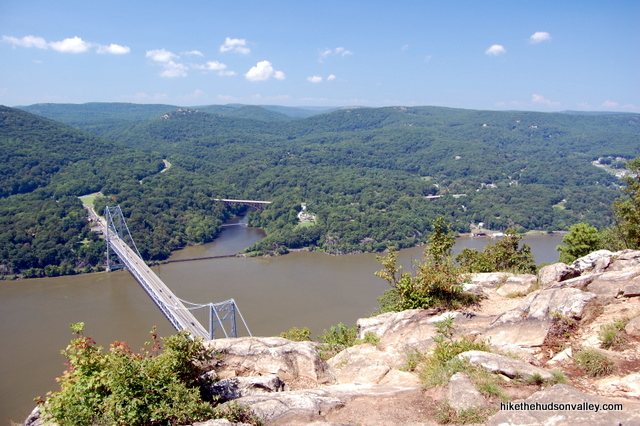
I've hiked Anthony's Nose more than a dozen times over the past five years, and each visit reveals something new about this remarkable Hudson Valley destination. My first encounter with this trail was on a crisp October morning when the fall foliage painted the Hudson Highlands in brilliant reds and golds. The initial steep climb had me questioning my fitness level, but reaching the summit viewpoint made every challenging step worthwhile.
The ranger at the Bear Mountain visitor center shared fascinating insights about the peak's history during my third visit. According to local legend, Anthony's Nose gets its name from either "Mad" Anthony Wayne, the Revolutionary War general known for his prominent proboscis, or from Anthony de Hooges, a Dutch settler famous throughout the colony for his impressive nasal feature. This historical context adds depth to the hiking experience beyond the stunning natural beauty.
Lessons Learned from My Early Mistakes
During my second hike, I underestimated the rocky terrain and wore regular sneakers instead of proper hiking boots. This mistake taught me the importance of quality hiking footwear on technical trails. The loose rocks near the summit can be treacherous without proper ankle support and grip.
Another valuable lesson came when I attempted the longer Camp Smith route without bringing enough water during a hot July afternoon. The 7.6-mile round trip demands serious hydration planning, especially during summer months when temperatures can soar above 85°F.
The most memorable aspect of hiking Anthony's Nose isn't just reaching the famous overlook – it's the journey through diverse ecosystems and terrain types. The initial Appalachian Trail section feels like climbing a natural stone staircase, while the blue-blazed Camp Smith Trail offers gentler grades through mature hardwood forests. This variety keeps the hike engaging and provides excellent training for more challenging Hudson Valley peaks.
Trail Overview and Route Options
Anthony's Nose sits majestically at 900 feet above sea level in the Hudson Highlands, offering hikers two distinct route options that cater to different fitness levels and time constraints. This iconic peak serves as the eastern anchor point of the Bear Mountain Bridge and provides some of the most photographed views in the entire Hudson Valley region.
Short Route (Route 9D Access)
- Distance: 2.2 miles round trip
- Elevation Gain: 688 feet
- Difficulty: Moderate to Strenuous
- Duration: 1.5-2.5 hours
- Trailhead: Route 9D parking area
Long Route (Camp Smith Trail)
- Distance: 7.6 miles round trip
- Elevation Gain: 2,421 feet
- Difficulty: Strenuous
- Duration: 5-7 hours
- Trailhead: Bear Mountain Toll House
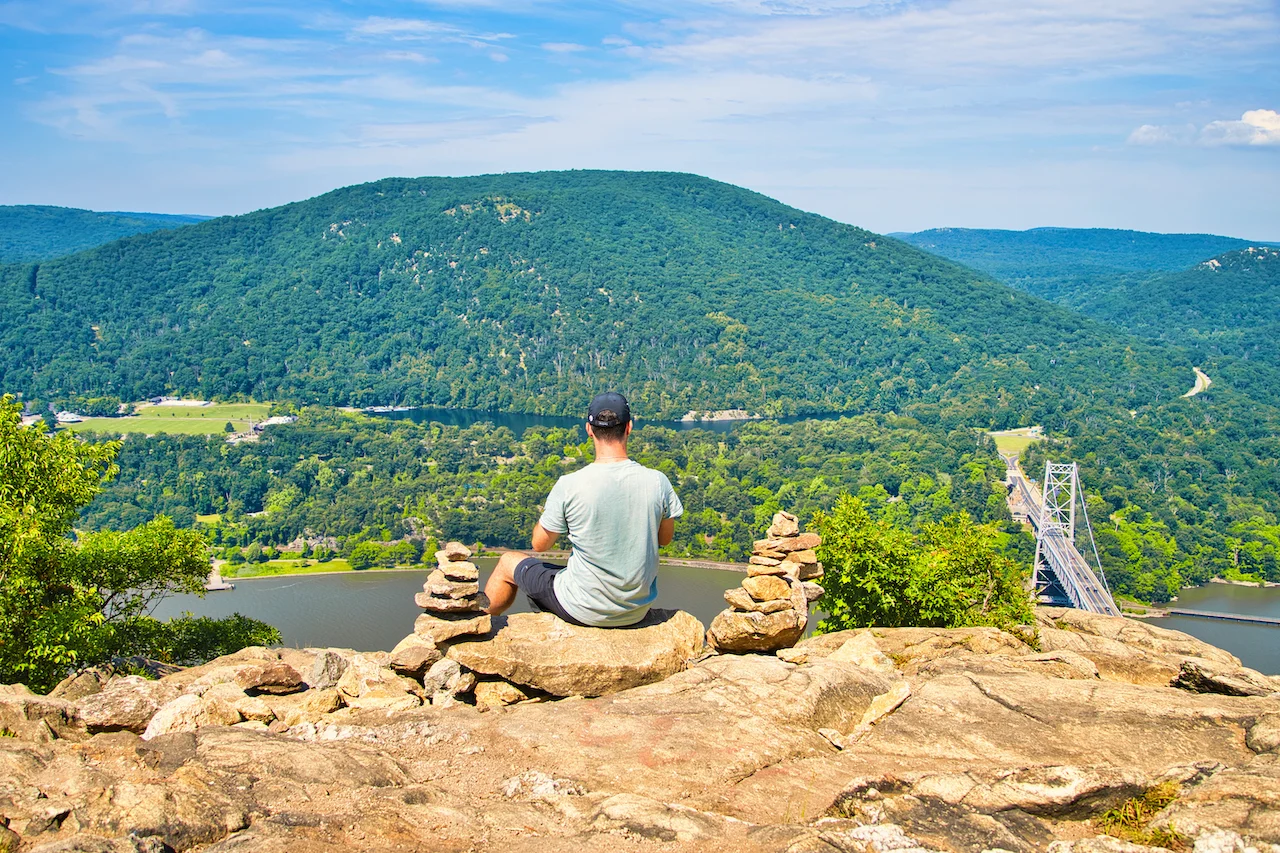
The short route via Route 9D provides the quickest access to Anthony's Nose summit and represents the most popular choice among day hikers. This path follows a section of the famous Appalachian Trail, giving hikers a taste of this legendary long-distance hiking route. The initial 0.6 miles climbs steeply through rocky terrain, gaining approximately 415 feet of elevation before connecting with the blue-blazed Camp Smith Trail.
From the trail junction, the path becomes significantly more gradual, following an old mountain road for about 0.75 miles to reach the spectacular overlook. This section allows hikers to catch their breath while enjoying glimpses of the Hudson River through the forest canopy. The final approach opens onto a broad rocky clearing that serves as Anthony's Nose main viewing platform.
Navigation Tips from Experience
The trail junction where the white-blazed Appalachian Trail meets the blue-blazed Camp Smith Trail can be confusing, especially during return trips. I recommend taking a photo of this junction and noting key landmarks like the distinctive double-blazed tree that marks the turn.
GPS coordinates for the main overlook: 41.31842°N, 73.97468°W. Cell service is generally good at the summit, making it easy to share photos or call for assistance if needed.
The longer Camp Smith Trail route offers a completely different Anthony's Nose experience, incorporating creek crossings, additional viewpoints, and passage through varied ecosystems. This challenging option attracts serious hikers seeking a full-day adventure with significantly more solitude than the popular short route. The trail connects multiple peaks and provides access to Manitou Mountain, creating opportunities for extended exploration.
Essential Hiking Gear and Recommendations
Proper gear selection can make the difference between an enjoyable Anthony's Nose adventure and a miserable struggle. Based on my extensive experience hiking this trail in various conditions, I've curated essential recommendations that prioritize safety, comfort, and performance on rocky Hudson Valley terrain.
Footwear Essentials
The rocky, uneven terrain of Anthony's Nose demands footwear that provides excellent ankle support and aggressive traction. After testing numerous options, I strongly recommend investing in quality hiking boots rather than trail runners for this particular hike.
Top Footwear Recommendation
Merrell Moab 3 Waterproof Mid Hiking Boots - $160
These boots offer exceptional grip on wet rocks and provide waterproof protection during stream crossings. The mid-height design protects ankles from rolling on loose stones.
View on AmazonBudget-Friendly Option
Columbia Newton Ridge Plus Waterproof Hiking Boots - $100
Excellent value proposition with reliable waterproofing and adequate support for Anthony's Nose terrain. Great choice for occasional hikers.
View on AmazonClothing and Layers
Hudson Valley weather can change rapidly, especially on exposed peaks like Anthony's Nose. Layering systems provide flexibility to adapt to changing conditions throughout your hike.
- Base Layer: Moisture-wicking synthetic or merino wool materials
- Insulation: Fleece or down jacket for cooler months
- Shell: Waterproof/breathable rain jacket
- Pants: Quick-dry hiking pants or shorts depending on season
Weather Protection
The exposed summit of Anthony's Nose can be 10-15 degrees colder and significantly windier than the trailhead. Always pack an extra insulation layer, even during summer months.
Technical Equipment and Safety Gear

Navigation and Communication
- Smartphone with offline maps (AllTrails, Gaia GPS)
- Portable battery pack for device charging
- Whistle for emergency signaling
- Headlamp with extra batteries
Hydration and Nutrition
- 2-3 liters water capacity (more in summer)
- Electrolyte replacement tablets
- High-energy snacks (nuts, energy bars)
- Lunch for longer Camp Smith route
First Aid and Emergency Preparedness
The rocky terrain of Anthony's Nose increases injury risk, particularly ankle sprains and cuts from sharp stones. A basic first aid kit should include bandages, antiseptic wipes, pain relievers, and elastic wrap for sprains.
Emergency contact information for Hudson Highlands State Park: (845) 786-2701. Cell coverage is generally reliable on the summit but can be spotty in valley sections.
Recommended Hiking Backpack
Osprey Talon 22 Daypack - $100
Perfect size for Anthony's Nose day hikes with excellent organization, hydration compatibility, and comfortable suspension system. The external attachment points accommodate trekking poles and extra gear.
View on AmazonEssential Hiking Poles
Black Diamond Trail Ergo Cork Trekking Poles - $140
Invaluable for the steep descent from Anthony's Nose summit. Cork grips provide excellent comfort during extended use, and the carbide tips grip well on rocky surfaces.
View on AmazonSeasonal Hiking Guide and Best Times
Each season transforms the Anthony's Nose hiking experience, offering unique advantages and challenges that dramatically alter the character of this Hudson Valley destination. Having hiked this trail throughout multiple years, I can provide insights into optimal timing for different hiking objectives and skill levels.
Spring (March - May)
Best Features: Wildflower blooms, migrating birds, comfortable temperatures, fewer crowds
Challenges: Muddy trails, unpredictable weather, tick season begins
Recommended Gear: Waterproof boots, gaiters, insect repellent
Insider Tip: Late April offers the perfect balance of mild weather and spring beauty before peak tick season.
Summer (June - August)
Best Features: Long daylight hours, warm summit temperatures, excellent photography conditions
Challenges: Extreme heat, high humidity, peak crowds, parking difficulties
Recommended Gear: Sun protection, extra water, electrolyte supplements
Insider Tip: Start before 7 AM to avoid crowds and afternoon thunderstorms common in July-August.
Fall (September - November)
Best Features: Spectacular foliage, comfortable temperatures, crystal-clear visibility
Challenges: Peak crowds during foliage season, slippery wet leaves
Recommended Gear: Camera, extra layers, microspikes for leaf-covered rocks
Insider Tip: Peak foliage typically occurs mid-October. Visit on weekdays for the best experience.
Winter (December - February)
Best Features: Solitude, snow-covered landscapes, panoramic winter views
Challenges: Icy conditions, shorter daylight, harsh weather exposure
Recommended Gear: Microspikes, warm layers, emergency shelter
Insider Tip: Winter hiking requires advanced preparation. Consider winter boots for icy conditions.
Crowd Levels Throughout the Year
Based on my extensive hiking logs, Anthony's Nose experiences predictable crowd patterns that can significantly impact your experience:
- Lowest Crowds: January-February, weekday mornings year-round
- Moderate Crowds: March-May, September (non-foliage weekdays)
- Heavy Crowds: June-August weekends, October foliage season
- Parking Challenges: Weekend mornings after 9 AM, any October day
The optimal hiking window for Anthony's Nose spans from mid-April through early June and again from mid-September through mid-October. These periods offer the perfect combination of favorable weather, manageable crowds, and excellent trail conditions. However, each season provides unique photographic opportunities and hiking experiences that make year-round visits rewarding for dedicated outdoor enthusiasts.
Weather patterns in the Hudson Valley can change rapidly, particularly on exposed peaks like Anthony's Nose. I recommend checking detailed forecasts and having backup plans, especially during shoulder seasons when conditions can vary dramatically from base to summit. The National Weather Service Albany office provides the most accurate forecasts for this region.
Safety Tips and Trail Conditions
Safety on Anthony's Nose requires understanding both the inherent risks of Hudson Valley hiking and the specific challenges posed by this trail's unique characteristics. My years of experience on this route have taught me valuable lessons about risk management and emergency preparedness that every hiker should consider.
Primary Hazards
- Loose Rock Sections: The initial steep climb features unstable stones that can shift unexpectedly
- Cliff Exposure: Summit areas have dangerous drop-offs, especially near photography spots
- Weather Exposure: Rapid temperature changes and sudden storms affect the exposed peak
- Traffic Hazards: Route 9D parking requires extreme caution due to high-speed traffic
Risk Mitigation Strategies
- Footwear Selection: Quality hiking boots with aggressive tread patterns prevent most slip incidents
- Weather Monitoring: Check hourly forecasts and have evacuation plans for severe weather
- Group Communication: Establish check-in procedures and emergency contacts before starting
- Route Familiarity: Study trail maps and key landmarks before your first visit
Navigation and Trail Conditions
The trail junction where hikers transition from the white-blazed Appalachian Trail to the blue-blazed Camp Smith Trail represents the most common navigation error point. This junction can be particularly confusing during poor visibility conditions or when returning from the summit.
Critical Navigation Points
- Trail junction at 0.6 miles: Look for dual white-and-blue blazes
- Summit approach: Trail becomes unmarked but well-worn
- Return route: Easy to miss the left turn back to parking
- Emergency bailout: No shortcuts exist - must return via main trail
Wildlife and Environmental Considerations
The Hudson Valley ecosystem surrounding Anthony's Nose supports diverse wildlife that hikers may encounter. While most wildlife poses minimal threat, proper awareness and prevention strategies ensure safe and enjoyable hiking experiences.
Tick Prevention
Lyme disease-carrying ticks represent the most significant wildlife health risk on Anthony's Nose. Peak tick activity occurs from April through October, with nymph stages particularly dangerous due to their tiny size.
- Wear long pants and closed-toe shoes
- Apply DEET-based repellent to clothing
- Conduct full-body tick checks after hiking
- Stay on marked trails and avoid brushy areas
Snake Awareness
The Hudson Highlands host both timber rattlesnakes and copperheads, though encounters remain rare. Both species prefer rocky areas for thermoregulation, making Anthony's Nose suitable habitat.
- Watch where you place hands and feet on rocks
- Make noise to avoid surprising snakes
- Never attempt to handle or relocate snakes
- Seek immediate medical attention for any bite
Heat-Related Safety
Summer temperatures on the exposed Anthony's Nose summit can exceed 90°F with high humidity, creating dangerous heat illness conditions. The combination of strenuous climbing and full sun exposure requires careful heat management.
- Start hikes before 8 AM during summer months
- Carry 50% more water than normal summer requirements
- Take frequent shade breaks during ascent
- Recognize early heat exhaustion symptoms
Emergency Preparedness Kit
Compact First Aid Kit with Emergency Essentials - $35
Specifically designed for day hiking emergencies including bandages, pain relievers, emergency whistle, and basic wound care supplies. Lightweight and comprehensive for Anthony's Nose adventures.
View on AmazonUser Reviews and Community Insights
Sarah M. - AllTrails Review
"The views from Anthony's Nose are absolutely spectacular, but the trail is definitely challenging. The rocky sections required careful footing, and I was grateful for my hiking poles on the descent. Started early to avoid crowds - highly recommend!"
Difficulty Rating: 4/5 | Scenic Value: 5/5
Mike R. - Reddit HudsonValley
"Did the longer Camp Smith route to Anthony's Nose and it was epic! Much less crowded than the short route, plus you get additional viewpoints. Bring extra water - 7.6 miles is no joke, especially in summer heat."
Route Preference: Long Route | Best Season: Fall
Jennifer K. - Hiking Community Forum
"Perfect introduction to Hudson Valley hiking! The steep start was intimidating, but manageable with proper pacing. The Bear Mountain Bridge views are postcard-worthy. Pack layers - it gets windy at the summit even on calm days below."
Experience Level: Beginner-Intermediate | Weather Tip: Dress in layers
Frequently Asked Questions
How difficult is the Anthony's Nose hike for beginners?
The Anthony's Nose hike presents moderate to strenuous difficulty for beginners, primarily due to the steep rocky ascent during the first 0.6 miles. New hikers should expect significant physical exertion and may require frequent rest stops during the initial climb. However, the remaining 0.75 miles to the summit follows a much gentler gradient, allowing recovery time before reaching the spectacular overlook. I recommend beginners start with easier trail running shoes before attempting this hike, and consider hiring a local guide for their first Hudson Valley experience. The total distance of 2.2 miles makes it achievable for most fitness levels with proper pacing and preparation.
What's the best time of day to hike Anthony's Nose?
Early morning hours between 6:30-8:30 AM provide optimal Anthony's Nose hiking conditions throughout most of the year. This timing avoids the intense afternoon heat during summer months, minimizes weekend crowds, and offers the best lighting conditions for photography from the summit overlook. Morning starts also provide better parking availability at the limited Route 9D shoulder spaces. During autumn foliage season, I strongly recommend arriving before 7 AM to secure parking and experience the colors in peaceful solitude. Winter hiking should begin even earlier due to shortened daylight hours, while spring hikes can start slightly later as weather patterns stabilize. The summit faces west, making afternoon visits suitable for sunset photography, though return hikes require headlamps during shorter days.
Can I bring my dog on the Anthony's Nose trail?
Dogs are welcome on the Anthony's Nose trail but must remain leashed at all times according to Hudson Highlands State Park regulations. The rocky terrain and steep sections present challenges for dogs, particularly on the descent where loose stones can injure paw pads. I recommend bringing protective booties for dogs and extra water, as the exposed summit offers limited shade during warmer months. The trail's popularity means encounters with other dogs are common, so proper leash control and socialization are essential. Consider your dog's fitness level carefully - the steep initial climb challenges even athletic dogs. Many hikers successfully complete this trail with well-conditioned, medium to large-sized dogs, though I advise against bringing small breeds or elderly dogs due to the demanding terrain. Always pack waste bags and follow Leave No Trace principles to preserve this beautiful area for future visitors.
How crowded does Anthony's Nose get on weekends?
Weekend crowds on Anthony's Nose can be substantial, particularly during pleasant weather conditions from April through October. Saturday mornings after 9 AM typically see 50-80 hikers on the trail simultaneously, creating bottlenecks at narrow rocky sections and overcrowding at the main overlook. Parking becomes extremely challenging, with the Route 9D shoulder often completely full by 9:30 AM on peak weekends. October weekends during foliage season represent the absolute worst crowd conditions, often requiring arrival before 7 AM to secure parking. Sunday mornings tend to be slightly less crowded than Saturdays, but still significantly busier than weekdays. For the best weekend experience, I recommend either arriving extremely early (before 7 AM) or choosing the longer Camp Smith Trail route, which sees perhaps 20% of the short route's traffic volume. Consider exploring nearby alternative trails during peak weekend periods for a more peaceful hiking experience.
What should I do if I encounter a snake on the trail?
Snake encounters on Anthony's Nose remain rare but possible, as the Hudson Highlands support both timber rattlesnakes and copperheads in rocky habitats. If you encounter a snake, immediately stop moving and slowly back away while giving the animal ample space to escape. Never attempt to handle, photograph closely, or relocate any snake, regardless of perceived threat level. Most snakes will retreat quickly when given the opportunity, as they prefer to avoid human contact. Make noise while hiking to prevent surprising snakes during thermoregulation on warm rocks. If bitten by any snake in this region, treat the situation as a medical emergency and call 911 immediately while seeking the fastest route to professional medical care. Hudson Valley Hospital Center in Cortlandt Manor provides the closest emergency services. Remember that snakes play important ecological roles and are protected by New York State regulations - observation from a respectful distance provides the safest experience for both hikers and wildlife.
Is Anthony's Nose accessible via public transportation?
Public transportation access to Anthony's Nose requires combining Metro-North Railroad service with additional transportation, as no direct bus service reaches the trailhead. The closest train station is Manitou, served by Metro-North's Hudson Line from Grand Central Terminal. From Manitou station, hikers face a 1.2-mile walk along Route 9D to reach the standard trailhead parking area - this walk includes sections without sidewalks along a busy highway with limited shoulder space. Alternatively, some hikers take Metro-North to Peekskill station and arrange ride-sharing services to the trailhead, typically costing $15-20 each way. The Bear Mountain Inn, accessible via seasonal bus service from various points, provides another starting option for the longer Camp Smith Trail route. Weekend train service from New York City takes approximately 75 minutes to reach Manitou station. For car-free adventurers, I recommend coordinating with local hiking groups or considering comfortable walking shoes for the road sections when relying on public transportation access.
Conclusion
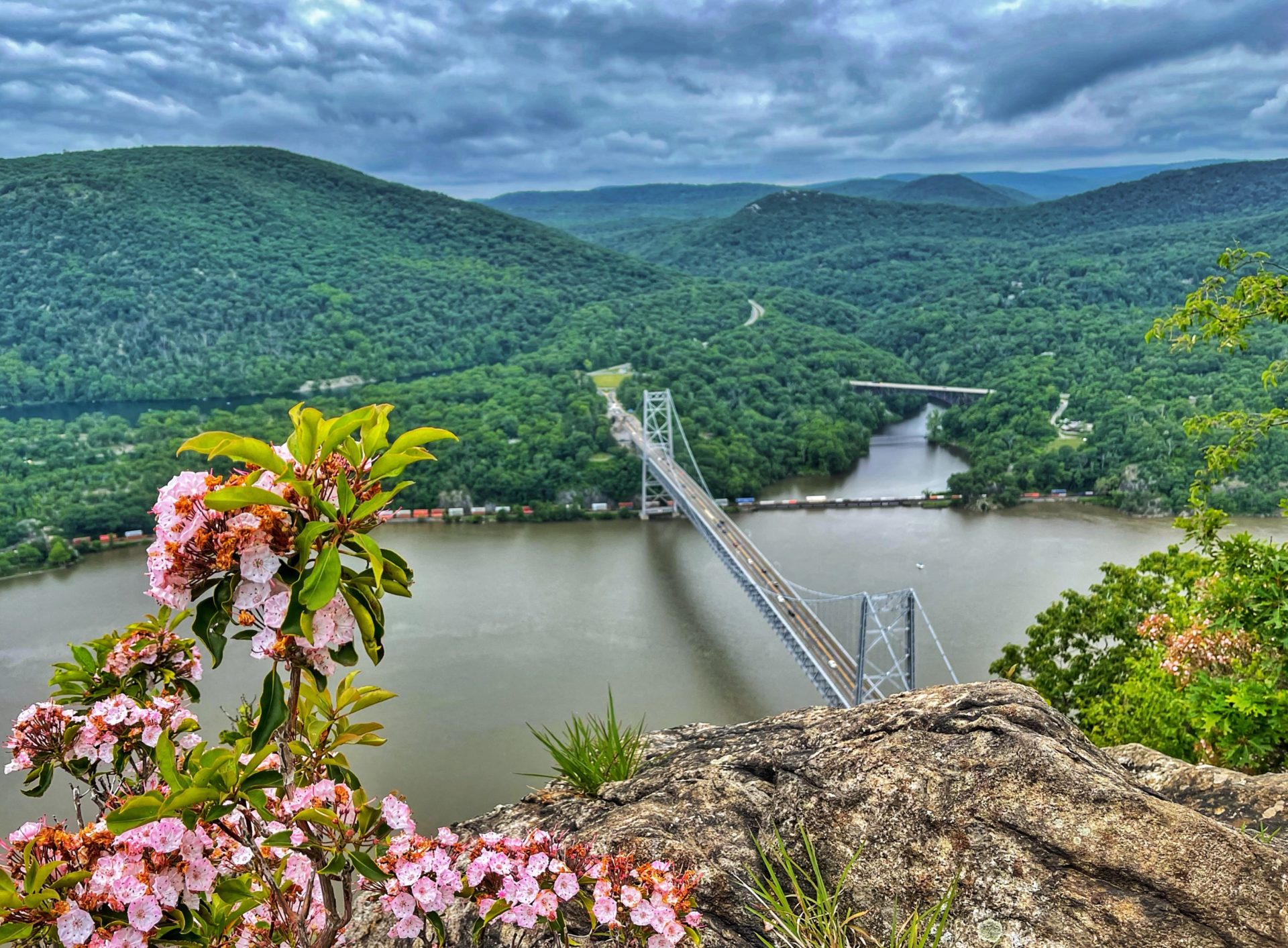
Standing on the rocky summit of Anthony's Nose, gazing across the Hudson River toward the Catskill Mountains with the Bear Mountain Bridge stretching majestically below, represents one of the Hudson Valley's most rewarding hiking experiences. This comprehensive guide has equipped you with the knowledge, gear recommendations, and insider tips necessary to transform your Anthony's Nose adventure from a simple hike into an unforgettable outdoor experience.
Key Takeaways for Your Anthony's Nose Adventure
Route Selection: Choose the 2.2-mile short route for scenic rewards with moderate effort, or the 7.6-mile Camp Smith route for solitude and extended adventure.
Timing Strategy: Early morning starts provide the best combination of weather, crowds, and lighting conditions year-round.
Essential Gear: Quality hiking boots, weather protection, and adequate hydration make the difference between struggle and enjoyment.
Safety First: Respect the rocky terrain, wildlife, and changing weather conditions that define Hudson Valley hiking.
The beauty of Anthony's Nose extends far beyond its summit views, encompassing the journey through diverse ecosystems, the challenge of technical terrain, and the satisfaction of completing one of New York's most iconic day hikes. Whether you're a beginning hiker seeking your first Hudson Valley summit or an experienced adventurer exploring new destinations, this trail offers something special for every outdoor enthusiast.
My personal experiences on Anthony's Nose have taught me that preparation, respect for nature, and flexible planning create the foundation for memorable hiking adventures. The trail's proximity to New York City makes it accessible for weekend warriors, while its challenging terrain provides genuine mountain hiking experiences without requiring multi-day commitments or specialized technical skills.
Ready to Explore More Hudson Valley Adventures?
Discover premium hiking gear and expert-curated outdoor equipment at Explore National Parks Store. From weather-resistant boots to comfortable hiking footwear, find everything you need for your next outdoor adventure.
Remember that every hike begins with a single step, and Anthony's Nose represents the perfect introduction to the incredible hiking opportunities throughout the Hudson Valley and greater New York State. The memories you'll create standing atop this historic peak, surrounded by 360-degree views of the Hudson Highlands, will inspire countless future adventures in America's most beautiful outdoor destinations.
Safe travels, and may your Anthony's Nose adventure be the first of many unforgettable hiking experiences in the magnificent Hudson Valley region. The trails are waiting, and the views are calling – it's time to answer that call and discover why this particular peak holds such a special place in the hearts of outdoor enthusiasts throughout the Northeast.