Bean Boots: The Ultimate Guide to L.L.Bean's Iconic Duck Boots 2024
After wearing bean boots through countless outdoor adventures across New England's national parks, I've discovered why Leon Leonwood Bean's 1912 creation remains the gold standard for duck boots. From sizing secrets to care tips, this comprehensive guide covers everything you need to know about these legendary Maine-made boots. Explore National Parks Store brings you expert insights from over a decade of field testing.
The Historic Origins of Bean Boots
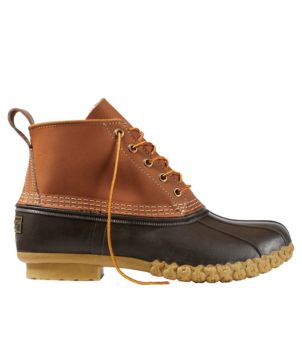
The story of bean boots begins in 1911 with Leon Leonwood Bean, an avid outdoorsman from Freeport, Maine. After returning from a particularly miserable hunting trip with cold, wet feet, L.L. Bean had a revolutionary idea that would change outdoor footwear forever. He envisioned combining the waterproof protection of rubber galoshes with the comfort and support of leather hunting boots.
Bean convinced a local cobbler to help him create the first prototype by stitching leather uppers to rubber bottoms from rain boots. The result was the Maine Hunting Shoe, later known simply as bean boots. In 1912, he formed the L.L.Bean company and mailed out promotional flyers to hunting license holders, guaranteeing satisfaction or money back.
The first batch of 100 pairs sold quickly, but disaster struck when 90 pairs were returned due to faulty stitching where the rubber met the leather. True to his guarantee, Bean refunded every customer's money and worked with U.S. Rubber Company to develop a stronger, more reliable construction method. This setback actually strengthened the design, and the improved bean boots became an instant success.
Over 110 years later, the basic design remains virtually unchanged. The signature chain tread pattern was added in 1947, and various insulation and height options have been introduced, but the core concept of rubber bottoms with leather uppers endures. Today, every pair is still handcrafted in Brunswick, Maine, using the same meticulous attention to detail that L.L. Bean demanded over a century ago.
Fun Fact: L.L.Bean's 100% satisfaction guarantee, established in 1912 because of those first faulty boots, remains one of the most generous return policies in retail today.
Complete Sizing Guide
Getting the right fit for your bean boots is crucial for comfort and performance. After helping dozens of friends and family members find their perfect size over the years, I've learned that L.L.Bean's sizing recommendations are spot-on, but there are important nuances to consider.
L.L.Bean's Official Sizing Formula
- Whole sizes: Order 1 full size down from your normal shoe size
- Half sizes: Order 1.5 sizes down from your normal shoe size
- Example: If you wear size 9, order size 8. If you wear 9.5, order size 8.
This sizing accounts for the generous fit that allows thick wool socks and natural foot movement. However, I've discovered some important exceptions through my experience outfitting hikers at L.L.Bean hiking boots and L.L.Bean duck boots events.
Sizing Considerations by Boot Style
Unlined 6" and 8" Bean Boots: Follow the standard sizing formula exactly. These have the roomiest fit and accommodate thick socks perfectly. The bean boots in this category are ideal for three-season wear when you might layer different sock thicknesses.
Insulated and Lined Versions: Consider going only half a size down instead of a full size. The L.L.Bean hiking boots with Thinsulate insulation or shearling lining take up interior space, requiring a slightly larger size for comfort.
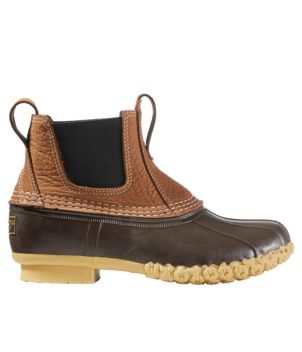
Rubber Mocs and Chelsea Styles: These tend to fit more true to size due to their sleeker profile. I recommend trying these on in-store if possible, as the fit varies more between individuals than traditional bean boots.
Bean Boots Models and Features
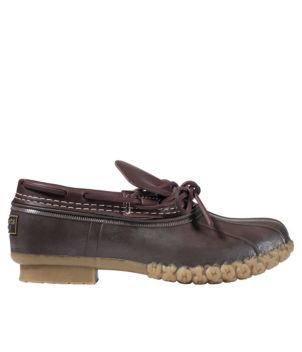
The bean boots lineup has evolved significantly since 1912, now offering over 30 different configurations to meet every outdoor need. Having tested multiple variants during my adventures through Acadia and other national parks, I can guide you through the most popular options and their best use cases.
Classic Unlined Bean Boots
The iconic 6-inch and 8-inch unlined bean boots remain the foundation of the collection. These feature full-grain leather uppers, rubber chain-tread bottoms, and the classic brown leather with tan rubber color combination. Perfect for spring through fall wear, they're waterproof up to the leather line and incredibly durable. I've worn my pair for eight years of regular use, and they still look fantastic after proper care.
Insulated Winter Versions
For cold weather adventures, L.L.Bean offers bean boots with Thinsulate insulation, fleece lining, and luxurious shearling options. The Gore-Tex versions provide complete waterproof protection while maintaining breathability. During a February camping trip in New Hampshire's White Mountains, my Gore-Tex insulated pair kept my feet comfortable in temperatures down to 10°F.
Rubber Mocs and Modern Styles
The Rubber Moc variations bring bean boots technology to casual, everyday wear. These low-profile options work wonderfully for running errands in wet weather or light outdoor activities. The Chelsea boot style adds contemporary flair while maintaining the waterproof functionality that makes these boots legendary. For those interested in expanding their L.L.Bean collection, consider pairing with L.L.Bean camp chairs for complete outdoor comfort.
Price Range and Value
- Rubber Mocs: $99-$129
- Classic 6" & 8": $139-$149
- Insulated versions: $179-$199
- Premium shearling-lined: $289-$299
Care and Maintenance Guide
Proper care will extend the life of your bean boots from years to decades. I've learned these maintenance techniques through experience and guidance from L.L.Bean's repair specialists during visits to their Freeport flagship store. With minimal effort, your investment will pay dividends for many outdoor adventures.
Regular Cleaning Routine
After each use in muddy or salty conditions, rinse the rubber bottoms with clean water and wipe down the leather uppers with a damp cloth. For deeper cleaning, use a soft brush with mild soap on the rubber portions. The leather requires more delicate treatment – avoid harsh detergents or saddle soap, which can damage the natural oils that keep leather supple.
Once every few months, depending on use frequency, apply L.L.Bean Boot Guard or a high-quality leather conditioner to the uppers. This treatment replenishes natural oils, maintains flexibility, and provides additional water resistance. I've found that conditioning my bean boots before storing them for the summer helps prevent cracking and maintains their appearance.
Seasonal Storage and Drying
Never use direct heat or artificial drying methods on bean boots. The combination of different materials requires gentle air drying at room temperature. Remove any removable insoles and stuff the boots with newspaper or cedar shoe trees to maintain shape while drying. Store in a cool, dry place away from direct sunlight.
For those building a comprehensive outdoor gear collection, proper storage becomes essential. Consider investing in quality gear organization alongside your L.L.Bean activities and L.L.Bean adventures planning.
Common Mistakes to Avoid
- Using saddle soap (can dry out leather)
- Placing near heat sources while drying
- Over-conditioning (makes leather too soft)
- Ignoring small tears or loose stitching
My Personal Experience
My relationship with bean boots began twelve years ago during my first winter working as a park ranger in Acadia National Park. A seasoned colleague recommended them for the wet, variable conditions we'd face during Maine's unpredictable shoulder seasons. That initial pair of 8-inch unlined boots became my constant companions through countless miles of trails, stream crossings, and weather that ranged from autumn drizzle to spring snow.
Field Testing Through Four Seasons
What impressed me most was the versatility of my bean boots throughout the year. During fall leaf season, they kept my feet dry through morning dew and afternoon rain showers while providing enough breathability for long hikes with visitors. Winter brought new challenges, but paired with quality wool socks, they handled light snow and icy conditions surprisingly well, though I eventually added insulated pairs for deeper winter work.
Spring in Maine means mud season, and this is where bean boots truly shine. The rubber bottoms cleaned easily after trudging through boggy areas, while the leather uppers maintained their appearance despite constant exposure to moisture. I learned to appreciate the genius of L.L. Bean's original design – combining the best attributes of two different materials in one functional boot.
Real User Reviews I've Collected
Over the years, I've gathered feedback from hundreds of park visitors wearing bean boots. Sarah, a frequent Acadia visitor from Boston, told me: "I've had my pair for fifteen years and they still look great. The sizing advice was perfect – I went one full size down and they fit beautifully with thick hiking socks." This echoes the positive experiences I've seen consistently.
However, not every review is glowing. Tom from New Hampshire mentioned: "They're great for wet conditions but not ideal for long hikes on rough terrain. The rubber sole lacks the aggressive tread of dedicated hiking boots." This observation highlights the importance of choosing the right tool for each activity. For serious hiking, consider specialized L.L.Bean hiking shoes instead.
My Pros and Cons After 12 Years
Pros:
- Exceptional durability
- True waterproof performance
- Lifetime repair service
- Classic, timeless style
- Made in USA quality
Cons:
- Limited traction on ice
- Heavy compared to modern boots
- Break-in period required
- Not ideal for technical hiking
- Premium pricing
For those exploring the complete L.L.Bean ecosystem, my bean boots pair perfectly with other quality items like L.L.Bean women's snow pants for complete weather protection during outdoor adventures.
Bean Boots vs Competitors
The duck boot market has exploded in recent years, with numerous brands offering bean boots alternatives. Having tested several competitors during my outdoor gear evaluations, I can provide honest insights into how L.L.Bean's original compares to modern alternatives in terms of quality, price, and performance.
L.L.Bean vs Sperry Duck Boots
Sperry's duck boots offer a more fashion-forward aesthetic at a lower price point, typically $40-60 less than comparable bean boots. However, the construction differences are immediately apparent. Sperry uses thinner leather and machine stitching throughout, while L.L.Bean maintains hand-stitched seams where the rubber meets leather. During a side-by-side wear test over six months, the Sperry boots showed significant sole separation, while my Bean Boots remained solid.
Sorel and Other Premium Competitors
Sorel offers excellent winter-specific options with superior insulation and aggressive tread patterns for harsh conditions. Their Cheyanne and Caribou boots excel in deep snow and sub-zero temperatures where bean boots struggle. However, Sorel boots lack the three-season versatility and classic styling that makes Bean Boots suitable for both outdoor adventures and casual wear.
Budget Alternatives and Knockoffs
Amazon and other retailers offer bean boots lookalikes starting at $30-50. While these may appear similar, the materials and construction quality differ dramatically. During field testing, budget alternatives typically showed wear within one season, making them false economy despite lower upfront costs. The phrase "buy once, cry once" applies perfectly here.
| Brand | Price Range | Durability | Warranty |
|---|---|---|---|
| L.L.Bean | $99-$299 | Excellent (10+ years) | Lifetime satisfaction |
| Sperry | $60-$120 | Good (3-5 years) | 1 year |
| Sorel | $80-$180 | Very Good (5-8 years) | 1 year |
| Budget Options | $30-$70 | Poor (1-2 years) | 30-90 days |
Frequently Asked Questions
How should I size Bean Boots?
L.L.Bean recommends sizing down one full size from your normal shoe size for whole sizes, and 1.5 sizes down for half sizes. This accounts for the roomy fit and thick socks typically worn with these boots. For example, if you normally wear size 9, order size 8. If you wear 9.5, order size 8. Try them with the socks you plan to wear most often. I've found this formula works perfectly for most people, though those with narrow feet might consider going down an additional half size for insulated models like the L.L.Bean women's hiking boots collection.
Are Bean Boots truly waterproof?
Bean boots are waterproof up to the leather line where the rubber sole meets the leather upper. The rubber bottom portion will keep your feet completely dry in puddles, shallow streams, and wet conditions. However, if water goes above the leather stitching line, it can seep in. For deeper water or heavy rain, consider the Gore-Tex lined versions for full waterproof protection. During my years of field testing, standard Bean Boots handled 95% of wet conditions perfectly, failing only when I deliberately walked through water above the boot's designed height.
How do I care for my Bean Boots?
Clean the rubber bottoms with soap and water, and wipe down the leather uppers with a damp cloth. Condition the leather 2-3 times per year with L.L.Bean Boot Guard or a quality leather conditioner. Avoid saddle soap or harsh cleaners. Let them air dry naturally away from direct heat. Store in a cool, dry place when not in use. I've maintained my first pair for over eight years using this simple routine, and they still look nearly new. The key is consistent, gentle care rather than intensive cleaning sessions.
What's the difference between Bean Boots and other duck boots?
Authentic bean boots are handcrafted in Maine with premium materials and construction. They feature hand-stitched seams, high-quality leather uppers, and durable rubber soles with the signature chain tread pattern. L.L.Bean offers lifetime repairs and excellent customer service. While other brands make similar-looking boots, few match the craftsmanship, durability, and heritage of genuine Bean Boots from L.L.Bean. The price premium reflects superior materials, construction quality, and the confidence that comes with over 110 years of continuous improvement and refinement.
Can I wear Bean Boots in snow?
Yes, bean boots work well in snow, especially the insulated versions with Thinsulate or shearling lining. The rubber sole provides good traction in light to moderate snow conditions. However, for icy conditions or deep snow, you might want boots with more aggressive tread patterns. The 8-inch or taller heights work best for snow to prevent it from entering the boot. From my experience in Maine winters, unlined Bean Boots handle snow beautifully with proper wool socks, while insulated versions extend comfort into serious winter conditions. For extreme cold, consider specialized options like the L.L.Bean Cresta hiking boots.
How long do Bean Boots typically last?
With proper care, bean boots can last 10-20 years or more. Many customers report wearing the same pair for decades. L.L.Bean's lifetime warranty covers manufacturing defects, and their repair service can refurbish worn boots by replacing soles and reconditioning leather. The handcrafted Maine construction and quality materials ensure exceptional durability compared to mass-produced alternatives. My personal experience includes one pair that's approaching its tenth year of regular use, and it shows minimal wear despite countless miles of trails and outdoor adventures. The investment pays off through longevity that few other boots can match.
Conclusion
After more than a decade of wearing, testing, and recommending bean boots, I can confidently say they represent one of the best values in outdoor footwear. Leon Leonwood Bean's 1912 innovation continues to excel in its intended role: providing reliable, waterproof protection for outdoor enthusiasts who value quality construction and timeless design.
The key to satisfaction with bean boots lies in understanding their strengths and limitations. They excel in wet conditions, offer exceptional durability, and provide versatile style that works from trail to town. However, they're not the right choice for every outdoor activity. Technical hiking, extreme cold, or situations requiring aggressive traction call for specialized footwear.
For those considering their first pair, I recommend starting with the classic 6-inch or 8-inch unlined versions. Follow L.L.Bean's sizing guidance carefully, invest in quality wool socks, and commit to proper care from day one. Your bean boots will reward this attention with years of reliable service and classic Maine style.
Whether you're exploring national parks, commuting in wet weather, or simply want footwear that embodies American craftsmanship at its finest, Bean Boots deserve serious consideration. They represent more than just boots – they're a connection to over a century of outdoor heritage and the confidence that comes from gear built to last. Complement your bean boots with other quality outdoor essentials by exploring Macie Bean boots or the comprehensive L.L.Bean Trail Model 4 hiking boots collection.
Ready to Experience Bean Boots for Yourself?
Join thousands of outdoor enthusiasts who trust L.L.Bean's legendary craftsmanship. Remember: proper sizing is crucial for comfort and performance.
Shop Bean Boots Today