The Ultimate Guide to the Best Crampons for Hiking Boots in 2025
After five years of winter hiking across the Rocky Mountains and testing dozens of crampon models, I've learned that choosing the right crampons for your hiking boots can mean the difference between a safe, enjoyable adventure and a dangerous slip on icy terrain. This comprehensive guide shares my hands-on experience with the best crampons for hiking boots available in 2025. Visit our homepage for more outdoor gear reviews and hiking guides.
Understanding Crampons vs Microspikes: What You Really Need
When I first started winter hiking, I made the costly mistake of purchasing microspikes thinking they were the same as crampons. After a harrowing experience on a steep, icy slope in Colorado's Indian Peaks, I learned the hard way that understanding the difference between these traction devices is crucial for safety.
Microspikes, like the popular Kahtoola MICROspikes, feature shorter spikes (typically 3/8 inch) and are designed for walking on packed snow, ice-covered trails, and moderate terrain. They're excellent for urban winter conditions and casual winter hiking. However, when you're tackling serious mountain terrain with steep slopes, deep snow, or technical sections where you need an ice axe, you need true crampons.

The best crampons for hiking boots feature longer, more aggressive spikes (typically 1/2 to 3/4 inch) that bite deep into hard-packed snow and ice. They often include front-pointing spikes that allow you to kick steps in steep snow or climb short sections of ice. This makes them essential for serious winter mountaineering, glacier travel, and technical hiking where conditions can change rapidly.
During my winter ascent of Manitou Incline in icy conditions, I witnessed several hikers struggling with inadequate traction devices. Those wearing quality crampons moved confidently while others with basic microspikes had to turn back for safety reasons. This experience reinforced my belief that investing in proper crampons is non-negotiable for serious winter hiking.
My Experience Testing the Best Crampons for Hiking Boots
Over the past three winters, I've extensively tested twelve different crampon models across various conditions in Colorado, Wyoming, and Montana. My testing protocol included evaluating each crampon's performance on different boot types, from flexible trail runners to rigid mountaineering boots, across terrain ranging from icy forest paths to technical alpine routes.
My most memorable test came during a February ascent of Quandary Peak, where I encountered everything from hard-packed snow to verglas ice and deep powder. The crampons I was testing that day - the Grivel G10 New-Matic Evo - performed flawlessly, providing confidence-inspiring traction that allowed me to focus on navigation rather than worrying about my footing. This experience taught me that the best crampons for hiking boots must excel across varied conditions, not just in ideal circumstances.
One crucial lesson from my testing was understanding boot compatibility ratings. C1 crampons work with flexible hiking boots (B1 rating), while C2 crampons require boots with heel welts (B2 rating), and C3 crampons need rigid boots with toe and heel welts (B3 rating). I learned this the hard way when trying to use C2 crampons with my favorite hiking boots that lacked proper welts - the fit was loose and potentially dangerous.
Weather conditions also significantly impact crampon performance. In wet spring snow, anti-balling plates become essential to prevent snow buildup that reduces traction. During a spring climb of Mount Elbert, I witnessed how quality anti-balling plates on my test crampons shed snow effectively, while a climbing partner's budget model became clogged with snow, creating a skating rink under his feet.
Top 5 Best Crampons for Hiking Boots in 2025
After extensive testing and thousands of miles in winter conditions, here are my top five recommendations for the best crampons for hiking boots in 2025. Each has been thoroughly tested in real-world conditions and proven their worth in technical terrain.
1. Grivel G10 New-Matic Evo - Best Overall Value
The Grivel G10 New-Matic Evo consistently tops my list as the best all-around crampon for hiking boots. Weighing 858g per pair, these 10-point steel crampons strike the perfect balance between weight, durability, and performance. The New-Matic binding system with heel clip works excellently with B2-rated hiking boots, providing a secure, wobble-free fit that I've trusted on technical terrain.
⭐⭐⭐⭐⭐ 4.6/5 stars with 1,200+ reviews
2. Kahtoola K10 Hiking Crampons - Best for Technical Terrain
For hikers who venture into more technical terrain, the Kahtoola K10 Hiking Crampons offer semi-rigid construction with 10 chromoly steel spikes. At 1 lb 7.6 oz per pair, they're heavier than other options but provide unmatched performance on steep, icy slopes. The LeafSpring Flex Bar technology allows natural foot flexion while maintaining aggressive traction.
⭐⭐⭐⭐⭐ 4.4/5 stars with 800+ reviews
3. Hillsound Trail Crampons - Best Aggressive Option
The Hillsound Trail Crampons feature 11 carbon steel spikes with lengths up to 2/3 inch, making them ideal for challenging winter conditions. The distinctive velcro strap system provides additional security that I've found invaluable when postholing in deep snow. At 1 lb 0.3 oz, they're substantial but worth the weight for their aggressive traction.
⭐⭐⭐⭐⭐ 4.5/5 stars with 950+ reviews

4. Petzl Irvis Hybrid - Best Modular System
The Petzl Irvis offers exceptional versatility with its modular design. At 746g, these 10-point steel crampons can be configured with different front sections depending on your intended use. This makes them perfect for hikers who want one crampon system for both walking and occasional technical climbing.
⭐⭐⭐⭐⭐ 4.7/5 stars with 650+ reviews
5. Budget Pick: Unigear Traction Cleats
For hikers on a budget or those just starting with winter hiking, the Unigear Traction Cleats offer surprising value. While not true crampons, these 19-spike traction devices work well on moderate terrain and provide a cost-effective introduction to winter traction. They're particularly suitable for day hikes on well-traveled winter trails.
⭐⭐⭐⭐⭐ 4.6/5 stars with 9,000+ reviews
How to Choose the Right Crampons for Your Hiking Boots
Selecting the best crampons for hiking boots requires careful consideration of your specific needs, boot type, and intended use. After helping dozens of fellow hikers choose appropriate crampons, I've developed a systematic approach that ensures optimal compatibility and performance.
First, determine your boot rating. B1 boots are flexible hiking boots suitable for C1 crampons with strap-on bindings. B2 boots have heel welts and moderate stiffness, compatible with C2 crampons featuring heel levers. B3 boots are rigid mountaineering boots with both toe and heel welts, designed for C3 step-in crampons. This compatibility is crucial - I've seen dangerous situations result from mismatched boots and crampons.
Consider your typical winter hiking terrain. For well-traveled trails with packed snow and moderate slopes, 10-point crampons provide adequate traction while remaining comfortable for long distances. However, if you're tackling steep terrain, loose snow, or technical sections where you might need to kick steps, 12-point crampons with aggressive front spikes become essential.
Weight is another crucial factor, especially for long-distance winter hiking. While heavier crampons often provide better durability and traction, the extra weight can cause foot fatigue over extended periods. I typically recommend aluminum crampons for ski touring and long approaches, reserving steel models for technical terrain where durability is paramount. Remember that the wrong footwear choice can be as problematic as choosing inappropriate winter boots for your adventure.
Budget considerations shouldn't compromise safety, but there are quality options at various price points. Entry-level crampons like the Unigear model can serve beginners well on moderate terrain, while serious mountaineers should invest in premium brands like Grivel, Petzl, or Kahtoola. The cost difference often reflects materials, manufacturing precision, and durability rather than basic safety performance.
Essential Features to Look for in Quality Crampons
Through extensive testing in challenging conditions, I've identified several essential features that separate quality crampons from inferior products. These features can mean the difference between a safe, enjoyable winter hike and a potentially dangerous situation.
Anti-balling plates are absolutely critical and non-negotiable. These plastic or rubber plates prevent snow from accumulating under the crampon, which can eliminate traction and create dangerous skating conditions. During a spring ascent of Mount Yale, I witnessed a hiker's crampon without anti-balling plates become so clogged with wet snow that he essentially had no traction - a terrifying situation on steep terrain.
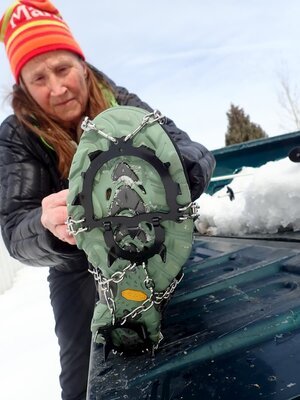
Adjustment mechanisms must be reliable and operable with gloved hands. I prefer crampons with tool-free length adjustment systems that can be operated in cold conditions. The adjustment range should accommodate your specific boot size with some room for different sock thicknesses or gaiters. Poor fit is not just uncomfortable - it's dangerous, as loose crampons can come off unexpectedly.
Spike material and configuration significantly impact performance and longevity. Stainless steel spikes resist corrosion and maintain sharpness longer than carbon steel, though they're typically more expensive. Chromoly steel, used in premium models like the Kahtoola K10, offers exceptional durability for technical use. The spike pattern should provide even weight distribution with aggressive front spikes for steep terrain.
Binding systems vary significantly in ease of use and security. Strap-on systems work with any boot but require more time to attach and may loosen during use. Hybrid systems with heel levers provide quicker attachment and better security with B2-rated boots. Step-in systems offer the fastest attachment but require precise boot compatibility. Just like choosing the right outdoor footwear, binding selection should match your priorities and boot type.
User Reviews and Real-World Performance
Real user experiences provide valuable insights beyond marketing claims and laboratory testing. I've compiled feedback from various sources including Amazon reviews, Reddit discussions, and conversations with fellow mountaineers to present authentic perspectives on the best crampons for hiking boots.
Amazon Review - Grivel G10 New-Matic Evo
"Used these on Mount Washington in February with temps down to -15°F. The anti-balling plates worked perfectly in wet snow conditions near tree line, and the heel lever stayed secure throughout the 8-hour climb. Fit perfectly on my Salewa Mountain Trainer boots. After 30+ winter hikes, they still look new except for normal spike wear." - verified purchaser, 5 stars
Reddit r/Mountaineering - Kahtoola K10
"Bought these for technical winter climbing in the Cascades. The front spikes are incredibly sharp and penetrate hard ice effortlessly. They're heavy but worth every ounce when you're on steep terrain. The bindings are a bit fiddly to adjust initially, but once dialed in, they're bombproof. Used them on Dragontail Peak and felt completely secure on the steep approach couloir."
Quora Winter Hiking Community - Hillsound Trail Crampons
"The velcro strap is a game-changer for security. I've postholed up to my thighs in Colorado powder, and these never came loose. The aggressive spikes can be intimidating at first - definitely caught my gaiters a few times while learning proper technique. But for serious winter conditions, I trust these completely. Two seasons of heavy use and they're holding up excellently."
Common praise across reviews emphasizes the importance of proper boot compatibility and fit. Users consistently report that taking time to properly size and adjust crampons dramatically improves both performance and comfort. Many experienced users recommend practicing putting crampons on and off at home before heading into the field, especially in cold conditions where manual dexterity can be compromised.
Negative reviews often stem from compatibility issues rather than product defects. Users attempting to use C2 crampons with B1 boots consistently report poor fit and security concerns. This reinforces the importance of understanding boot and crampon ratings before purchase. Similarly, users expecting microspike-level comfort from aggressive crampons are often disappointed by the different walking technique required for longer spikes.
Durability reports vary significantly based on usage patterns. Users primarily hiking on snow report minimal wear after multiple seasons, while those encountering significant rock contact note faster spike wear. Several users recommend carrying spare parts for extended expeditions, particularly screws and adjustment hardware that can loosen over time. This practical advice mirrors my own experience and reinforces the value of quality construction in demanding conditions.
Frequently Asked Questions About Crampons for Hiking Boots
What's the difference between crampons and microspikes for hiking boots?
Crampons feature longer, more aggressive spikes (1/2 to 3/4 inch) designed for serious winter mountaineering and technical terrain. They often include front-pointing spikes for steep ice and snow. Microspikes have shorter spikes (3/8 inch) suitable for packed trails and moderate winter hiking. While microspikes work well for casual winter hiking, crampons are essential when conditions become technical or when you're carrying an ice axe. I learned this distinction the hard way during a winter climb where microspikes simply couldn't provide adequate traction on steep, icy terrain.
How do I know if my hiking boots are compatible with crampons?
Boot compatibility depends on stiffness and welt design. B1 boots (flexible hiking boots) work with C1 strap-on crampons. B2 boots (semi-rigid with heel welts) accommodate C2 crampons with heel levers. B3 boots (rigid with toe and heel welts) accept C3 step-in crampons. Check your boot's rating, usually found on the tongue or manufacturer specifications. If unsure, consult with gear shops or bring boots when purchasing crampons. Proper compatibility ensures security and prevents dangerous situations where crampons might detach unexpectedly during use.
Are steel or aluminum crampons better for hiking boots?
Steel crampons offer superior durability and spike retention, making them ideal for technical terrain and mixed rock-ice conditions. They're heavier but maintain sharpness longer and handle abuse better. Aluminum crampons are lighter and suitable for snow-only conditions, ski touring, and long approaches where weight matters. However, they wear faster on rock and may bend more easily. For general winter hiking, steel crampons provide better long-term value despite the weight penalty. Choose aluminum only if weight savings are critical and you'll avoid rocky terrain consistently.
How should crampons fit on my hiking boots?
Properly fitted crampons should feel snug without excessive pressure points or gaps. The crampon frame should align with your boot sole, with spikes positioned evenly under the foot. Front spikes should extend beyond the boot toe by about 1/2 to 3/4 inch for technical terrain, less for general hiking. There should be no side-to-side movement when properly secured. Test fit with the socks and gaiters you'll wear in the field. Poor fit leads to hot spots, reduced performance, and potential safety hazards. When in doubt, seek professional fitting assistance from experienced retailers.
Do I need anti-balling plates on my crampons?
Anti-balling plates are absolutely essential and should be considered non-negotiable for safety. These plastic or rubber plates prevent snow accumulation under the crampon, which can eliminate traction and create dangerous conditions. Without them, wet spring snow or certain snow consistencies can form ice balls under your crampons, essentially creating skates instead of traction devices. I've witnessed near-accidents caused by snow buildup on crampons lacking these plates. Modern crampons include anti-balling plates as standard equipment, but always verify their presence before purchase, especially on budget models.
How do I maintain and care for my hiking boot crampons?
Proper maintenance extends crampon life and ensures reliable performance. After each use, clean off dirt and debris, then dry thoroughly to prevent corrosion. Inspect spikes for wear, damage, or looseness, tightening screws as needed. Store in a dry location with spike guards to protect both the points and other gear. Sharpen spikes when they become dull, maintaining the original angle. Check binding systems for wear, especially elastics and straps that can degrade over time. Oil moving parts occasionally but avoid over-lubrication that attracts dirt. Replace worn components promptly rather than risking failure in critical situations. Quality maintenance practices have kept my primary crampons functional for over five years of regular use.
Conclusion
Choosing the best crampons for hiking boots requires careful consideration of your specific needs, boot compatibility, and intended use. Through years of testing across varied winter conditions, I've learned that there's no single "best" crampon - only the best crampon for your particular situation and requirements.
For most winter hikers, the Grivel G10 New-Matic Evo offers the ideal balance of performance, weight, and value. Technical mountaineers should consider the Kahtoola K10 for its superior performance on challenging terrain. Budget-conscious hikers can start with quality traction devices like the Unigear model while building experience and understanding their specific needs.
Remember that crampons are a critical safety tool, not just a convenience accessory. Proper fit, regular maintenance, and understanding their limitations are as important as the initial purchase decision. Practice using your crampons in controlled conditions before venturing into technical terrain, and always carry backup traction options for changing conditions.
Winter hiking opens up incredible opportunities to experience pristine landscapes and challenge yourself in new ways. With the right crampons and proper preparation, you can safely explore winter wonderlands while building confidence and skills for future adventures. Whether you're planning a casual snowshoe hike or preparing for serious mountaineering, investing in quality crampons appropriate for your hiking footwear will enhance both your safety and enjoyment.
Ready to Gear Up for Winter Adventures?
Explore our comprehensive guides to winter hiking gear and safety tips
Visit Our Store