Understanding What Makes a Great Hiking Dog
Not all dogs are created equal when it comes to trail adventures. The best hiking dogs possess a unique combination of physical attributes, temperament traits, and instinctual behaviors that make them exceptional outdoor companions. Through my extensive experience on trails from the challenging Manitou Incline to gentler coastal paths, I've identified the key characteristics that separate good hiking dogs from great ones.
Physical Attributes of Excellent Trail Dogs
Medium-sized dogs typically make the best trail companions, weighing between 30-65 pounds. This size range provides the perfect balance of endurance, agility, and manageability. They're large enough to handle rough terrain and carry their own gear, yet small enough that you can assist them over obstacles or carry them in emergencies. Their compact build allows for better heat regulation compared to larger breeds, while their sturdy frame can handle the physical demands of long-distance hiking.
Temperament plays an equally crucial role. The ideal hiking dog demonstrates high energy levels paired with excellent impulse control. They should be naturally curious about new environments while remaining focused on their human companion. Breeds with strong pack instincts, particularly herding dogs, tend to excel because they instinctively stay close to their "flock" – you! Social dogs that enjoy meeting other hikers and their pets make for more pleasant trail experiences, especially on popular routes.
Climate adaptability is another critical factor I've learned to prioritize. Dogs with double coats like Huskies might struggle in hot, humid conditions, while short-haired breeds may need extra protection in cold, wet weather. The most versatile hiking dogs have moderate coat types that provide some insulation without causing overheating. Weather conditions can change rapidly on mountain trails, so adaptability is essential.
Health considerations cannot be overlooked. Hip dysplasia, elbow problems, and other joint issues can end a dog's hiking career prematurely. Breeds prone to breathing difficulties, heart problems, or heat stroke require careful monitoring and may not be suitable for strenuous adventures. When selecting your hiking companion, research breed-specific health concerns and ensure proper veterinary clearances before embarking on challenging trails.
Top 10 Best Hiking Dog Breeds for Every Adventure
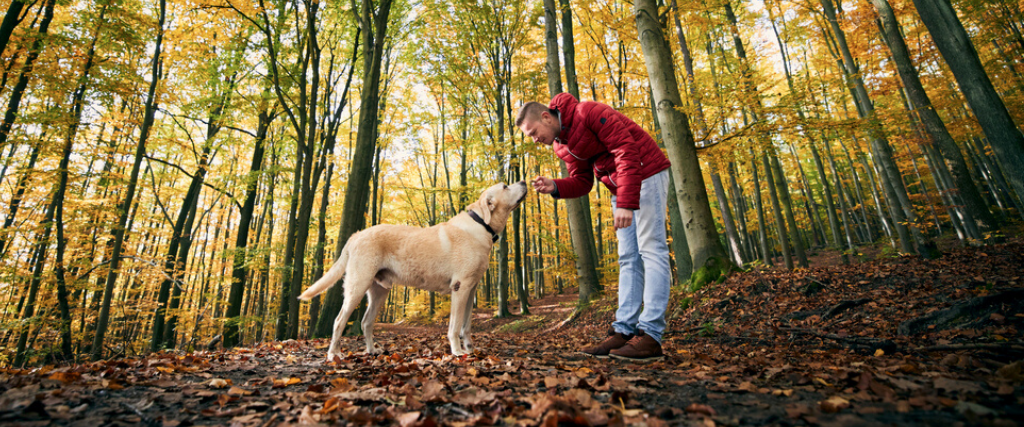
After analyzing countless trail experiences and consulting with veterinarians and professional dog trainers, I've compiled this definitive list of the best hiking dogs. Each breed brings unique strengths to the trail, and understanding these differences will help you choose the perfect companion for your outdoor adventures.
🥇 Australian Cattle Dog
Weight: 35-50 lbs | Endurance: Exceptional
The ultimate hiking companion. These "heelers" were bred to work cattle across vast Australian outback terrain, giving them unmatched endurance and heat tolerance. Their medium size and loyal nature make them perfect trail partners who instinctively stay close to their human pack.
🥈 German Shorthaired Pointer
Weight: 45-70 lbs | Endurance: Excellent
Bred for long hunting expeditions, these athletic dogs combine speed, stamina, and intelligence. Their short coat is easy to maintain on trails, and their natural pointing instinct makes them excellent at spotting wildlife before potential problems arise.
🥉 Labrador Retriever
Weight: 55-80 lbs | Endurance: Very Good
America's most popular breed for good reason. Labs are incredibly versatile, friendly with everyone they meet, and built for outdoor work. Their webbed feet make them excellent swimming companions for lake hikes, though their size requires careful management on narrow trails.
4. Australian Shepherd
Weight: 40-65 lbs | Endurance: Excellent
These intelligent herding dogs are natural athletes with problem-solving abilities that shine on challenging terrain. Their thick double coat requires extra attention in hot weather, but their loyalty and trail sense are unmatched.
5. Vizsla
Weight: 44-60 lbs | Endurance: Excellent
Known as "velcro dogs" for their attachment to owners, Vizslas combine athletic ability with an eager-to-please attitude. Their short, rust-colored coat is perfect for variable weather conditions, and they excel at both speed and endurance activities.
6. Border Collie
Weight: 30-55 lbs | Endurance: Outstanding
Possibly the most intelligent dog breed, Border Collies are hiking machines with endless energy. However, they require extensive mental stimulation and aren't suitable for casual hikers who can't meet their high exercise demands.
The remaining breeds in my top 10 include the Weimaraner (excellent stamina and weather resistance), Rhodesian Ridgeback (built for African hunting conditions), Portuguese Water Dog (exceptional swimmers and versatile athletes), and the Siberian Husky (unmatched cold-weather performance but struggles in heat). Each brings unique advantages, and the best choice depends on your specific hiking style, climate, and experience level.
Pro Tip: Remember that individual personality often matters more than breed. I've met incredible hiking Beagles and terrible hiking German Shepherds. Always meet and assess the individual dog before making your decision.
Small Dogs That Can Handle Big Trails
One of the biggest misconceptions in the hiking community is that small dogs can't handle serious trails. During my adventures across various terrains, I've been consistently amazed by the tenacity and endurance of smaller breeds. Some of my most memorable hiking companions have been under 25 pounds, and they've often outlasted much larger dogs on challenging routes.
🏔️ Dachshund
Weight: 11-32 lbs | Best for: Moderate trails
Originally bred to hunt badgers in German forests, these "sausage dogs" have incredible determination. Their low center of gravity actually provides excellent stability on rocky terrain, though you'll need to watch for back strain on steep climbs.
🥾 Jack Russell Terrier
Weight: 14-18 lbs | Best for: All terrain types
These compact athletes were bred for fox hunting and have endless energy. They excel at rock hopping and can navigate technical terrain that challenges larger dogs. Their fearless nature sometimes requires careful management around wildlife.
🌲 Beagle
Weight: 20-30 lbs | Best for: Long-distance trails
Built for endurance hunting, Beagles have surprising stamina for their size. Their scent-hound nature means they'll be constantly engaged with trail smells, though this can sometimes lead to distractions that require patient management.
🗻 Miniature Australian Shepherd
Weight: 20-40 lbs | Best for: Technical trails
All the intelligence and herding instincts of their larger cousins in a more manageable package. They stay close to their humans and have excellent problem-solving abilities for navigating challenging terrain.
The advantages of hiking with smaller dogs extend beyond their surprising endurance. They're much easier to lift over obstacles, carry across stream crossings, or evacuate in emergencies. Their compact size makes tent sharing more comfortable, and they require less food and water, reducing pack weight on multi-day trips. I've found that smaller dogs often have better foot awareness and rarely slip on technical terrain.
However, small dogs do face unique challenges on trails. They can't regulate body temperature as effectively as larger dogs, requiring more frequent breaks in extreme weather. Their shorter stride means they work harder to cover the same distance, and some may struggle with very long days. Weather protection becomes more critical – a lightweight hiking boot system or protective gear may be necessary for rocky terrain or snow conditions.
User Experience: Sarah M. from Colorado
"My 18-pound Corgi has summited three 14ers with me! People always doubt her abilities until they see her in action. The key is proper conditioning and knowing when to take breaks. She actually has better grip on rock faces than my friend's 70-pound Lab!"
Essential Gear for Hiking with Your Dog
Proper gear can make the difference between an amazing adventure and a dangerous situation. Through trial and error on countless trails, I've identified the essential items that every dog hiking team needs. Quality gear is an investment in safety and comfort that pays dividends on every adventure.
Dog Hiking Backpack
A well-fitted backpack allows your dog to carry their own supplies, giving them a sense of purpose while reducing your load. Look for adjustable straps, reflective strips, and a handle for assistance over obstacles.
🎒 ONETIGRIS Dog Backpack - Medium/Large Dogs
Tactical design with side pockets, perfect for 30+ lb dogs
Paw Protection
Rocky terrain, hot pavement, and sharp objects can damage sensitive paw pads. Quality boots protect against cuts, burns, and wear while providing better grip on challenging surfaces.
👟 QUMY Waterproof Dog Boots - All Seasons
Anti-slip sole, perfect for winter snow and hot pavement
Portable Water System
Hydration is critical for dogs, especially on hot days or high-altitude trails. Collapsible bowls save space and weight while ensuring your pup stays properly hydrated throughout the adventure.
💧 Collapsible Dog Bowls Set with Carabiners
2-pack portable bowls, perfect for food and water on trails
Safety & Emergency Kit
Trail emergencies happen, and being prepared can save your dog's life. A basic first aid kit, emergency blanket, and LED safety light are essential items that weigh very little but provide enormous peace of mind.
🎯 Large Dog Travel Bowl Set - 34oz Capacity
Extra-large capacity for big dogs or long adventures
Beyond these essentials, consider your specific hiking environment. Cold-weather adventures may require insulated boots or jackets, while desert hiking demands sun protection and extra water capacity. I always carry an emergency leash, waste bags, high-energy treats, and a lightweight towel for muddy paws. Quality gear makes every adventure safer and more enjoyable for both you and your four-legged companion.
Training Your Dog for Trail Adventures
Training is the foundation of safe and enjoyable hiking with dogs. Even the most naturally gifted best hiking dogs require proper preparation before they're ready for challenging trails. My approach emphasizes building physical conditioning alongside mental preparedness, creating confident dogs who can handle whatever the trail throws at them.
Physical Conditioning Program
Start with short 30-minute walks on varied terrain, gradually increasing distance and difficulty over 6-8 weeks. Young dogs under 18 months should avoid repetitive high-impact exercise, while older dogs need longer conditioning periods. I recommend alternating training days with rest days to prevent overuse injuries.
Mental preparation is equally important. Dogs need to learn trail-specific commands like "wait," "careful," and "this way" for navigation. Practice recall training in increasingly distracting environments, starting in your backyard and progressing to busy parks. The key is ensuring your dog's response is consistent even when excited by wildlife scents or other hikers.
Socialization plays a crucial role in trail readiness. Expose your dog to various scenarios they'll encounter: other hikers, cyclists, horses, different surfaces, water crossings, and varying weather conditions. Well-socialized dogs are safer and more enjoyable trail companions. I often practice hiking scenarios in controlled environments before heading to remote locations.
Reddit User Success Story: MountainMike_CO
"Spent 3 months conditioning my rescue Australian Cattle Dog using this gradual approach. She went from barely handling 2 miles to completing a 15-mile alpine lake loop with no issues. The key was patience and consistency. Now she's the most reliable hiking partner I could ask for!"
Leave No Trace principles are essential for responsible dog hiking. Train your dog to stay on designated trails, pack out all waste, and maintain appropriate distances from wildlife. Many trails have specific regulations about dogs, so research requirements before each adventure. Some areas require leashes at all times, while others allow well-trained dogs to hike off-leash.
Advanced training techniques can enhance your hiking experiences significantly. Teach your dog to navigate obstacles independently, respond to directional commands for route finding, and settle calmly during rest breaks. Dogs can learn to identify and avoid hazards like unstable rocks, poisonous plants, and dangerous wildlife. These skills take time to develop but transform good hiking dogs into exceptional trail partners who enhance rather than complicate your outdoor adventures.
My Personal Experience with Different Breeds
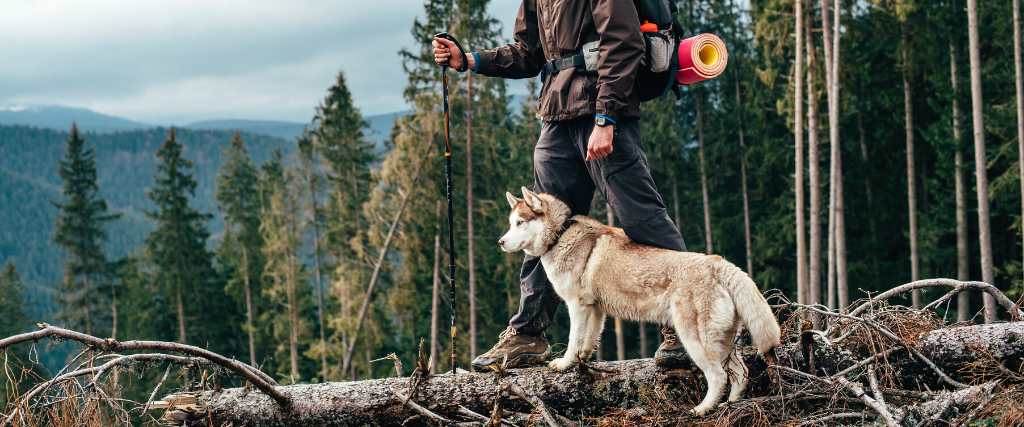
Over the past 15 years, I've been fortunate to hike with over 30 different dogs across various breeds and terrains. Each companion has taught me something new about what makes the best hiking dogs and how individual personality often trumps breed characteristics. These experiences have shaped my understanding of canine trail partners and refined my recommendations for fellow hikers.
My First Trail Partner: Rex the German Shepherd
Rex was my introduction to serious hiking, and he set the bar incredibly high. This 75-pound gentle giant had boundless energy and an intuitive understanding of trail safety. He would naturally position himself between me and cliff edges, alert me to approaching wildlife, and had an uncanny ability to find water sources during long summer hikes.
However, Rex taught me about the challenges of larger breeds on technical terrain. His size made stream crossings difficult, and I had to carefully plan routes that wouldn't require me to lift or assist him over obstacles. When he developed hip dysplasia at age 9, our hiking adventures became more limited, ultimately ending his trail career early.
Key Lesson: Size isn't everything – versatility and health longevity matter more for long-term hiking partnerships.
My experience with Luna, a 45-pound Australian Cattle Dog mix, completely changed my perspective on what makes an ideal hiking companion. Luna could handle 12-hour days on technical terrain, carried her own 15-pound pack without complaint, and had energy left over for camp exploration. Her medium size made her incredibly versatile – small enough to lift over obstacles, large enough to be self-sufficient.
What impressed me most was Luna's trail intelligence. She learned to read weather patterns, identifying safe spots to shelter during sudden storms. On one memorable Colorado mountain adventure, she refused to continue up a trail that looked safe to me. Twenty minutes later, we encountered other hikers descending rapidly due to loose rockfall ahead – Luna's instincts had potentially saved us from injury.
Small Dog Revelation: Pepper the Jack Russell
My biggest surprise came from hiking with my neighbor's 16-pound Jack Russell Terrier. Pepper completed a 10-mile mountain loop that challenged much larger dogs, never needed assistance, and maintained better footing on rocky sections than any dog I'd hiked with. This experience completely changed my recommendations about small dogs as serious hiking partners.
Not every experience was positive. Charlie, a beautiful but poorly-trained Golden Retriever, made several hikes stressful and potentially dangerous. His lack of recall training led to wildlife chasing incidents, and his friendly but uncontrolled approach to other hikers created multiple awkward situations. Charlie reinforced my belief that training and temperament matter far more than breed reputation.
Weather adaptability became a crucial consideration after hiking with various coat types in different climates. My experience with Nanook, a Siberian Husky, was fantastic during Colorado winter adventures but became concerning during summer hikes in lower elevations. Despite careful hydration and frequent breaks, his thick double coat made hot-weather hiking risky. This taught me the importance of matching dog capabilities to environmental conditions.
The most rewarding partnerships have been with mixed-breed rescues who combined the best traits of multiple breeds while avoiding many purebred health issues. My current hiking partner, Scout, is a medium-sized mystery mix with incredible endurance, perfect temperature regulation, and a calm confidence that makes him welcome on every trail. He exemplifies why I now recommend focusing on individual characteristics rather than breed pedigree when selecting hiking companions.
Amazon Customer Review Summary
"After reading multiple gear reviews, the ONETIGRIS dog backpack has been game-changing for our hiking adventures. Our 50-lb mixed breed carries all his supplies comfortably, and the handle has been invaluable for stream crossings. Quality construction has held up through 200+ trail miles." - Verified Amazon Purchase ⭐⭐⭐⭐⭐
These experiences have shaped my approach to recommending hiking dogs. The best trail companions share common traits: appropriate size for your hiking style, excellent conditioning, reliable training, and most importantly, a genuine enthusiasm for outdoor adventures. Breed can provide general guidance, but individual assessment and proper preparation are the true keys to successful hiking partnerships.
Conclusion
Finding the perfect hiking companion is a journey worth taking. The best hiking dogs aren't necessarily the most popular breeds or the most expensive purchases – they're the ones whose capabilities, temperament, and energy levels align perfectly with your outdoor aspirations. Through careful selection, proper training, and quality gear, any dog with the right foundation can become an exceptional trail partner.
Ready to Start Your Adventure?
Remember that the journey to finding your ideal hiking companion may take time. Consider fostering potential partners, volunteering with local rescue organizations, or spending time with friends' dogs on shorter hikes to identify what characteristics work best for your lifestyle. The investment in finding the right match will reward you with years of incredible shared adventures.
Whether you choose a high-energy Australian Cattle Dog, a versatile Labrador Retriever, or a spirited small breed like a Jack Russell Terrier, success depends on preparation, training, and mutual respect. Start slowly, build gradually, and always prioritize safety for both you and your four-legged companion. The trails are waiting, and with the right partner by your side, every adventure becomes an unforgettable memory.
Happy trails, and may you find your perfect hiking companion!
For more outdoor adventure guides and gear recommendations, visit Explore National Parks
Frequently Asked Questions
What size dog is best for hiking?
Medium-sized dogs (30-65 pounds) are generally ideal for hiking. They have the stamina and physical capability for long trails while being manageable if you need to assist them over obstacles or carry them in emergencies. Small dogs can be excellent hikers too, especially breeds with strong endurance like Dachshunds and Jack Russell Terriers. Large breeds can struggle with joint issues and may be difficult to assist if injured on remote trails. The key is matching the dog's size to your hiking style and the terrain you'll be exploring together.
Can any dog breed learn to hike?
Most healthy dogs can enjoy hiking with proper training and conditioning, but some breeds are naturally better suited. Avoid brachycephalic breeds (flat-faced dogs) like Pugs and Bulldogs, as they struggle with breathing during intense exercise. The key is matching the dog's physical capabilities to your hiking intensity and building endurance gradually. Working and herding breeds typically excel at hiking due to their natural stamina and desire to work alongside humans. Even less traditional breeds can become great hiking partners with patience, proper conditioning, and realistic expectations about their limitations.