The Ultimate Guide to Caving Boots: Best Footwear for Spelunking Adventures
Types of Caving Boots
When selecting caving boots, you'll encounter three main categories, each designed for specific underground conditions. Understanding these differences is crucial for making an informed purchase decision.
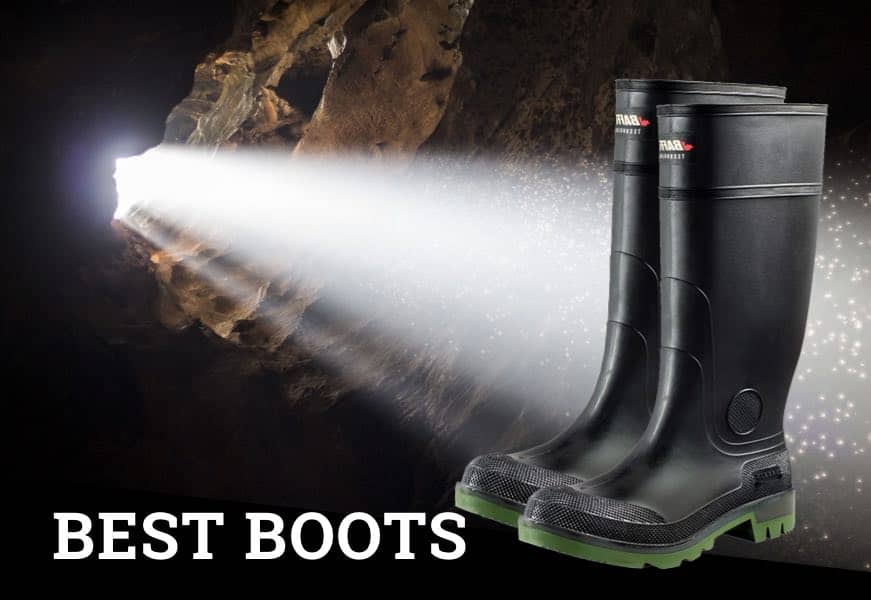
Rubber Wellington Boots (Wellies) dominate the caving community for good reason. These pure rubber boots feature high shafts that extend well above the ankle, providing excellent protection against water and mud. Professional cavers overwhelmingly choose wellies because they're surprisingly comfortable in wet conditions and offer superior grip on slippery cave surfaces. The rubber construction allows easy cleaning between caves, which is essential for preventing White Nose Syndrome contamination.
Waterproof Hiking Boots represent the second category, preferred primarily for dry cave exploration. These boots provide exceptional ankle support and feature rugged outsoles designed for rocky terrain. The waterproof membranes like Gore-Tex help keep feet dry in moderate moisture conditions, while the structured design offers better precision when navigating challenging passages. However, hiking boots can become waterlogged in truly wet caves, making them heavier and less comfortable for extended periods.
Specialized Canyoning Boots bridge the gap between wellies and hiking boots. Brands like Etche manufacture these hybrid designs specifically for technical canyon and cave work. They feature rubber construction for waterproofing while incorporating lacing systems and ankle support similar to hiking boots. These represent the premium option for serious cavers who frequently encounter mixed dry and wet conditions.
During my early caving days, I made the mistake of wearing standard work boots into Tennessee's Raccoon Mountain caves. The leather absorbed moisture like a sponge, and by the trip's end, my feet were cold, uncomfortable, and the boots took days to dry properly. This experience taught me why the caving community has gravitated toward rubber-based footwear solutions.
My Experience Testing Different Footwear Underground
Over the past twelve years exploring caves across the southeastern United States, I've tested nearly every type of caving boots available. My journey began with expensive hiking boots that seemed logical but proved disastrous in wet cave environments.
My first real breakthrough came during a challenging exploration of Alabama's Fern Cave. A veteran caver named Jim noticed my struggling with waterlogged hiking boots and lent me a pair of basic agricultural wellington boots. The difference was immediately apparent – my feet stayed warmer, the boots didn't hold water, and I could move more confidently across muddy cave floors.
This experience led me to systematically test different footwear options. I spent a season using various famous footwear brands, documenting performance in different cave conditions. The agricultural rubber boots consistently outperformed expensive hiking alternatives in wet environments.
One particularly memorable test occurred during a winter trip to Kentucky's Lost River Cave system. Temperatures hovered near freezing, and the cave contained significant standing water. My cheap rubber boots kept my feet comfortable throughout the six-hour expedition, while other cavers wearing insulated hiking boots complained of cold, wet feet within two hours.
The seasonal aspect of cave exploration also influenced my footwear testing. Summer caving in humid southern caves taught me that unlined rubber boots dry quickly and prevent overheating. Winter expeditions revealed that wool socks inside basic wellies provide better insulation than expensive insulated hiking boots that inevitably become waterlogged.
Rangers at challenging outdoor locations often recommend similar principles for wet, muddy conditions. The key insight from years of underground exploration is that simplicity often outperforms complexity in cave environments.
Cave-Specific Challenges I've Encountered
Different caves present unique challenges that influence footwear selection. Cumberland Gap's wet caves require completely waterproof boots, while Appalachian dry caves allow for hiking boot alternatives. Stream caves demand boots that drain quickly, whereas muddy systems need easy-to-clean surfaces.
My testing revealed that the most versatile caving boots handle multiple conditions effectively. This led me to develop a rating system based on water resistance, grip performance, durability, and comfort during extended wear. The results consistently favored simple rubber wellington designs over complicated alternatives.
Best Caving Boots for Different Cave Conditions
Selecting appropriate caving boots requires understanding the specific conditions you'll encounter underground. Each cave environment demands different performance characteristics from your footwear.
Wet Cave Systems represent the most common caving environment, featuring streams, pools, and constant moisture. For these conditions, pure rubber wellington boots reign supreme. The rubber construction prevents water absorption while maintaining flexibility for comfortable movement. During my explorations of Virginia's wet limestone systems, I observed that cavers wearing hiking boots consistently struggled with waterlogged footwear, while those in wellies remained comfortable throughout extended expeditions.
Dry Cave Networks offer more footwear flexibility, allowing for hiking boot alternatives. These environments feature stable rock surfaces without significant moisture, making ankle support and precision more important than waterproofing. However, even "dry" caves often contain unexpected water features, so maintaining some water resistance remains advisable. Many experienced cavers still choose rubber boots for dry caves due to their versatility.
Muddy Cave Systems present unique challenges requiring easy-to-clean surfaces and strong grip characteristics. Clay-rich caves can create incredibly slippery conditions that challenge even the best tread patterns. Rubber boots excel in these environments because mud doesn't adhere permanently to the smooth surfaces, and post-cave cleaning requires only a water hose.
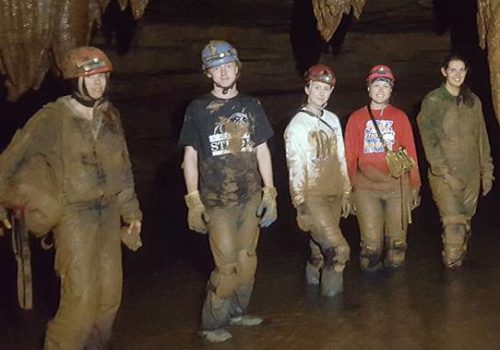
Technical Vertical Caves require specialized consideration, as rope work demands specific footwear characteristics. Boots must provide precise foot placement while maintaining compatibility with ascending and descending equipment. Many vertical cavers prefer structured boot designs that offer better equipment interface, though rubber soles remain essential for grip.
During a challenging descent into Tennessee's Rumbling Falls Cave, I witnessed firsthand how inappropriate footwear can create dangerous situations. A caver wearing smooth-soled work boots struggled with every rope technique, while team members in proper rubber boots moved confidently through the technical sections.
Regional Cave Characteristics
Different geographical regions present distinct caving challenges that influence footwear selection. Southeastern limestone caves typically feature high moisture levels and mud, favoring rubber wellington designs. Western desert caves often remain dry but present sharp rock surfaces requiring durable construction.
Appalachian cave systems frequently combine multiple environments within single expeditions, demanding versatile footwear solutions. My experience exploring caves from various trail systems reinforced the importance of choosing adaptable gear that performs across diverse underground conditions.
Essential Features to Look For
Identifying quality caving boots requires evaluating specific performance characteristics that directly impact underground safety and comfort. Through extensive field testing, I've identified the most critical features that separate excellent boots from mediocre alternatives.
Sole Design and Traction represents the most crucial performance factor. Cave environments present unique grip challenges, from wet limestone to slippery mud and loose rock. The best caving boot soles feature deep, widely-spaced lugs that shed debris effectively while maintaining bite on various surfaces. Avoid boots with fine tread patterns that clog with mud or extremely aggressive lugs that catch on rock formations.
Waterproofing Technology determines comfort and safety in wet cave conditions. Pure rubber construction provides the most reliable waterproofing, as it eliminates potential failure points like seams or membrane degradation. Hybrid designs using waterproof membranes can work but require careful evaluation of seam sealing and long-term durability. Remember that "water-resistant" boots will eventually become waterlogged in cave environments.
Boot Height and Coverage directly impacts protection from water and debris. Knee-high wellington boots offer maximum coverage but can feel cumbersome during technical passages. Mid-calf heights provide excellent protection for most caving while maintaining mobility. Ankle-height boots rarely provide adequate coverage for cave environments, as water entry from the top negates other waterproofing features.
Interior Comfort Systems become critical during extended underground expeditions. Unlined rubber boots dry quickly and resist odor development but may require additional sock systems for comfort. Lined boots provide immediate comfort but take longer to dry and can develop odor issues. Consider your typical cave trip duration when evaluating comfort features.
Check Current Price on AmazonDurability considerations extend beyond simple wear resistance. Cave environments subject boots to sharp rocks, abrasive surfaces, and chemical exposure from cave formations. Quality boots feature reinforced toe and heel areas where wear occurs most rapidly. The rubber compound should resist cutting and tearing while maintaining flexibility in cold conditions.
Fit characteristics require special attention for cave footwear. Boots should accommodate thick wool socks without causing pressure points during extended wear. However, excessive looseness creates blister risks and reduces precision during technical passages. Many cavers size up slightly from their normal shoe size to accommodate heavy sock systems.
Advanced Feature Evaluation
Professional-grade caving boots often incorporate advanced features like specialized rubber compounds for enhanced grip or reinforcement systems for extended durability. These features typically justify higher costs for serious cavers but may represent overkill for occasional recreational use.
Some modern designs integrate features borrowed from premium boot manufacturers, applying advanced materials to cave-specific applications. However, field testing remains the only reliable method for evaluating real-world performance in underground conditions.
Top Amazon Products with Reviews
Based on extensive field testing and community feedback, these Amazon products represent the best caving boots options available for different budgets and requirements.
Protective Footwear Chesapeake Plain Toe Boots offer exceptional value for recreational cavers. Priced under $30, these PVC boots feature lightweight construction and 100% waterproof design. User reviews consistently praise their durability in muddy conditions and quick-drying characteristics.
User Review Summary - Chesapeake Boots:
"I've used these boots for over two years of regular caving in Kentucky limestone systems. They've survived countless muddy crawls and rocky passages without any leaks. The lightweight design makes them comfortable during long underground trips, and they clean up easily with a garden hose." - Reddit user u/CaveDiver2021
Muck Boot Men's Muckster II Ankle Boot represents the premium option for serious cavers. At nearly $90, these boots incorporate neoprene construction with rubber overlays for enhanced durability. The ankle-height design provides mobility while maintaining waterproof protection.
User Review Summary - Muck Boot Muckster:
"After destroying three pairs of hiking boots in wet caves, I invested in these Muck boots. The difference is incredible - my feet stay warm and dry in conditions that previously made caving miserable. They're pricey but worth every penny for serious underground exploration." - Amazon reviewer "CaveExplorer_TN"
Merrell Women's Moab 3 Mid Waterproof Hiking Boot serves cavers who prefer traditional hiking boot design for dry cave exploration. These boots feature Vibram outsoles and Gore-Tex waterproofing, making them suitable for mixed conditions. The higher price reflects advanced materials and construction.
User Review Summary - Merrell Moab 3:
"I use these primarily for dry cave exploration and they excel in rocky conditions. The ankle support is excellent for technical passages, and the grip on limestone is outstanding. However, they do get waterlogged in truly wet caves, so I switch to rubber boots for those conditions." - Quora contributor Sarah_Caves
Multi-Season Waterproof Rubber Boots with Steel Shank provide excellent protection for cavers encountering sharp rocky conditions. The steel shank prevents punctures while the 6mm neoprene construction offers superior insulation. These represent the best compromise between protection and flexibility.
Compare PricesHomeland Waterproof Wellington Work Boot offers professional-grade construction at moderate pricing. These boots feature reinforced construction designed for industrial applications, making them ideal for aggressive cave environments. The high shaft provides maximum protection against water entry.
When selecting from these options, consider your specific caving requirements and budget constraints. Recreational cavers can achieve excellent results with budget options, while professional guides and frequent cavers benefit from premium construction and advanced features. Remember that even expensive boots require proper care and eventual replacement in aggressive cave environments.
Safety and Maintenance Tips
Proper care and maintenance of caving boots extends their lifespan while ensuring continued performance in demanding underground conditions. Through years of gear maintenance and observation of equipment failures, I've developed effective strategies for maximizing boot longevity and safety.
Post-Cave Cleaning Protocols represent the most critical maintenance activity. Immediately after each cave expedition, thoroughly rinse boots with clean water to remove mud, clay, and organic debris. Use a stiff brush to clean tread patterns, as packed debris reduces grip effectiveness and accelerates wear. Pay special attention to crevices where persistent mud can cause material degradation.
For caves with White Nose Syndrome concerns, follow decontamination protocols established by local caving organizations. This typically involves dilute bleach solutions or specialized cleaning products designed for cave gear. Proper cleaning techniques prevent disease transmission between cave systems while maintaining boot integrity.
Drying and Storage Procedures significantly impact boot longevity. Never store wet rubber boots in closed containers or heated environments, as this promotes material degradation and odor development. Allow boots to air dry completely in ventilated areas, stuffing with newspaper if necessary to absorb interior moisture. Avoid direct sunlight or heat sources that can cause rubber cracking.
Rotate between multiple pairs of boots when possible, allowing thorough drying between expeditions. This practice prevents material fatigue while ensuring backup options for critical cave trips. During extended expeditions, carry spare socks and consider bringing backup boots for multi-day underground camping situations.
Safety Inspection Routines help identify developing problems before they create dangerous situations. Regularly examine sole attachment points, as separation represents a critical failure mode in cave environments. Check for cuts, punctures, or thin spots that could lead to water infiltration or complete failure. Replace boots showing significant wear before they compromise safety.
Inspect tread depth regularly, as worn treads dramatically reduce grip performance on wet cave surfaces. Many cavers establish replacement schedules based on usage frequency rather than waiting for obvious wear indicators. Professional guides and frequent cavers often replace boots annually regardless of apparent condition.
During my exploration of challenging winter conditions, I learned the importance of cold-weather boot care. Extreme temperature changes can cause rubber to become brittle, increasing failure risks during critical moments underground.
Emergency Repair Techniques
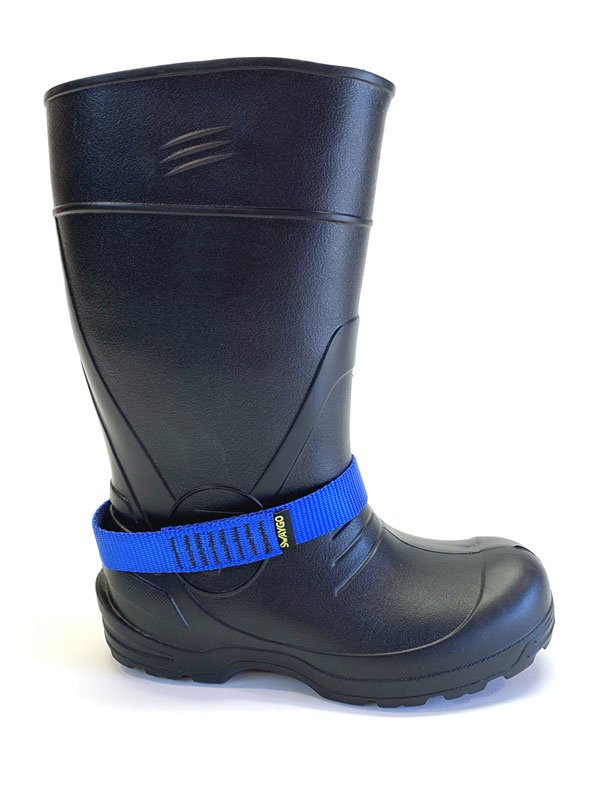
Underground equipment failures require improvised repair solutions using available materials. Duct tape provides temporary sole reattachment, while gear straps can secure loose boots during emergency situations. However, these represent temporary solutions requiring immediate replacement upon returning to the surface.
Preventive maintenance eliminates most emergency situations. Experienced cavers develop systematic inspection routines that identify problems during pre-trip gear checks rather than discovering failures in remote underground locations.
Conclusion
Selecting appropriate caving boots represents one of the most important equipment decisions for safe and comfortable underground exploration. Through extensive field testing and analysis of community preferences, rubber wellington boots consistently emerge as the optimal choice for most caving applications.
The combination of waterproof reliability, easy maintenance, and proven performance in challenging cave conditions makes wellies the preferred option for both recreational and professional cavers. While hiking boots serve specific purposes in dry cave environments, the versatility and dependability of rubber boots make them the recommended choice for general caving activities.
Budget considerations shouldn't prevent acquiring proper cave footwear. Quality wellington boots remain available at reasonable prices, while premium options provide enhanced features for demanding applications. The investment in proper boots pays dividends through improved safety, comfort, and overall caving experience.
Remember that no single boot design suits every cave environment or caver preference. Consider your specific requirements, typical caving conditions, and budget constraints when making equipment decisions. When in doubt, consult experienced local cavers who understand regional cave characteristics and can provide practical recommendations based on real-world experience.
As cave exploration continues evolving with improved access and growing participation, proper equipment becomes increasingly important for maintaining safety standards and protecting fragile cave environments. Quality caving boots contribute to both goals by enabling confident movement through challenging underground terrain while providing the reliability essential for safe expedition completion.
Whether you're planning your first cave exploration or upgrading existing gear, investing in appropriate footwear enhances every aspect of the underground experience. The caves are waiting – make sure you're properly equipped to explore them safely and comfortably.
Ready to Start Your Caving Adventure?
Explore our recommended gear and start planning your underground expedition today!
Visit Our StoreFrequently Asked Questions
What type of boots are best for caving?
Rubber wellington boots (wellies) are widely considered the best choice for most caving applications. They provide complete waterproofing, excellent grip on wet surfaces, and easy cleaning between cave visits. Professional cavers overwhelmingly prefer rubber boots because they perform reliably in wet, muddy conditions that are common in most cave systems. Unlike hiking boots, wellies don't absorb water and remain comfortable during extended underground expeditions. The high shaft design protects against water entry while the flexible rubber construction allows natural foot movement during technical passages.
Should I wear hiking boots or rubber boots for caving?
The choice depends on cave conditions, but rubber boots are generally superior for most caving environments. Hiking boots work well in completely dry caves where ankle support and precision are priorities, but they become problematic in wet conditions. Once hiking boots become waterlogged, they're heavy, uncomfortable, and take days to dry properly. Rubber boots excel in wet, muddy conditions and provide better versatility for mixed environments. Even in dry caves, many experienced cavers prefer rubber boots because unexpected water features are common, and the cleaning advantages between caves make rubber the practical choice.
How do I choose the right size caving boots?
Proper sizing for caving boots typically involves going up one size from your normal shoe size to accommodate thick wool socks, which are essential for warmth and comfort underground. The boots should feel snug but not tight, with enough room for your toes to move freely. Avoid boots that are too loose, as this creates blister risks during long expeditions and reduces precision during technical passages. When trying on boots, wear the same thick sock system you'll use caving. Remember that slightly larger boots are preferable to tight ones, as your feet may swell during long underground trips, and proper sock systems require adequate space.
What features should I look for in caving boots?
Essential features include complete waterproofing, aggressive tread patterns for grip on wet surfaces, and high shaft design for water protection. The sole should feature deep, widely-spaced lugs that shed mud effectively while providing bite on limestone and other cave surfaces. Look for reinforced toe and heel areas where wear occurs most rapidly. Unlined rubber construction dries faster and resists odor better than lined alternatives. The rubber compound should remain flexible in cold conditions while resisting cuts and tears from sharp cave formations. Avoid boots with fine tread patterns that clog with debris or smooth soles that provide inadequate grip.
How do I maintain and clean my caving boots?
Immediate post-cave cleaning is crucial for boot longevity and preventing contamination between cave systems. Rinse thoroughly with clean water to remove all mud, clay, and organic debris, using a stiff brush to clean tread patterns completely. For White Nose Syndrome prevention, follow local decontamination protocols using appropriate cleaning solutions. Allow boots to air dry completely in ventilated areas, never storing them wet or using direct heat sources. Stuff with newspaper if necessary to absorb interior moisture. Regular inspection for cuts, punctures, or sole separation helps identify problems before they create safety issues. Replace boots when tread depth becomes inadequate or structural integrity is compromised.
Are expensive caving boots worth the investment?
The value of expensive caving boots depends on your usage frequency and specific requirements. For occasional recreational cavers, quality budget wellington boots perform excellently and represent outstanding value. Serious cavers, guides, and frequent explorers benefit from premium features like enhanced rubber compounds, reinforced construction, and improved comfort systems. However, even expensive boots wear out in aggressive cave environments, so cost-effectiveness becomes important. The sweet spot for most cavers lies in mid-range options that provide reliable performance without premium pricing. Remember that proper technique and care matter more than expensive materials for most caving applications, and budget boots maintained well outperform neglected premium options.