Ultimate Guide to Climbing Adventures: From Beginner Basics to Epic Outdoor Expeditions
Discover the world of climbing adventures through this comprehensive guide that transforms complete beginners into confident outdoor climbers. From essential gear selection to breathtaking destinations, I'll share years of personal climbing experience and expert insights to help you safely embark on your vertical journey. Whether you're seeking weekend rock climbing or epic multi-day expeditions, this guide covers everything you need to know. Explore more outdoor adventures and start planning your next climbing adventure today.
Introduction to Climbing Adventures
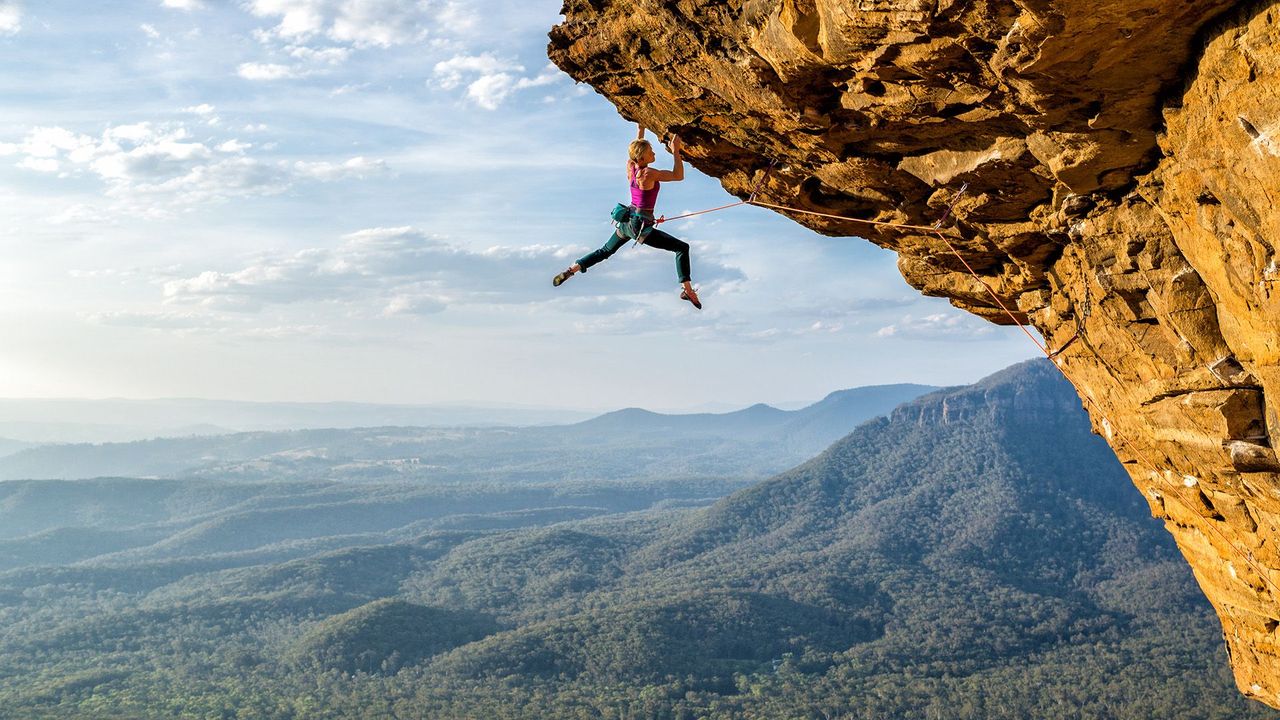
Climbing adventures represent one of humanity's most primal and rewarding pursuits – the desire to ascend, to overcome gravity, and to reach new heights both literally and metaphorically. From my first tentative steps on indoor climbing walls fifteen years ago to scaling thousand-foot granite faces in Yosemite, I've witnessed how climbing transforms not just your physical capabilities, but your entire perspective on challenge and possibility.
The world of climbing adventures encompasses far more than the stereotypical image of extreme athletes dangling from impossible overhangs. Modern climbing offers accessible entry points for every fitness level, age group, and risk tolerance. Whether you're a parent seeking family-friendly outdoor activities, a fitness enthusiast looking for functional strength training, or an adrenaline seeker craving vertical adventures, climbing provides a pathway to personal growth and natural connection.
What makes climbing adventures particularly compelling is the unique blend of physical challenge, mental problem-solving, and environmental immersion. Unlike traditional gym workouts, every climb presents a three-dimensional puzzle requiring strength, flexibility, balance, and tactical thinking. The outdoor climbing experience adds layers of weather considerations, route finding, and risk management that develop comprehensive outdoor skills.
Throughout this comprehensive guide, I'll share practical insights gained from thousands of climbing days across North America's premier destinations. From equipment selection mistakes that cost me dearly to safety lessons learned through close calls, these real-world experiences will help you accelerate your climbing progression while avoiding common pitfalls. The climbing community's culture of mentorship and shared knowledge creates an incredibly supportive environment for newcomers willing to embrace the learning process.
Types of Climbing Adventures
Indoor Climbing: Your Gateway to Adventure
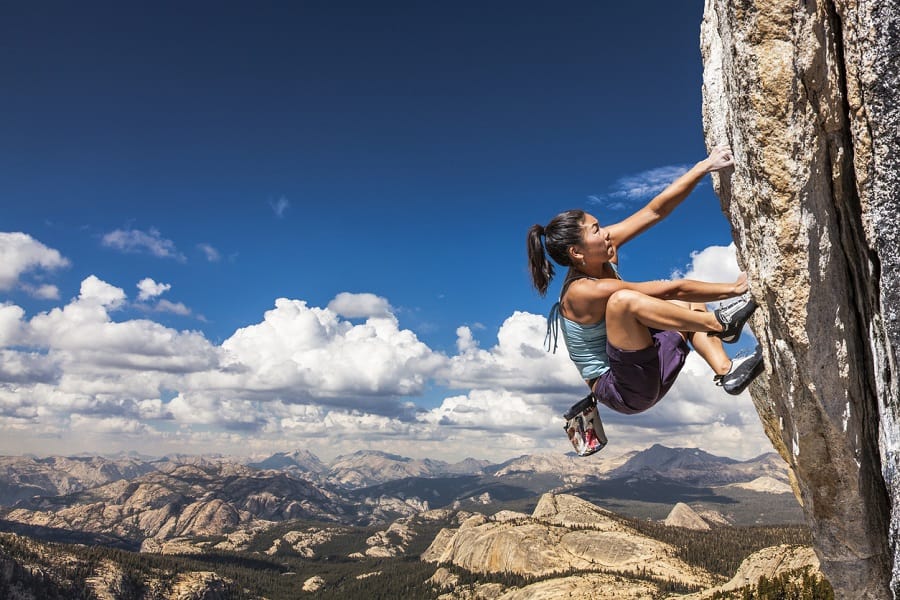
Indoor climbing gyms serve as the perfect introduction to climbing adventures, offering controlled environments where beginners can safely develop fundamental techniques. During my early climbing days, I spent countless hours in local gyms perfecting basic movements, building climbing-specific strength, and learning essential safety protocols. Modern climbing gyms feature diverse wall angles, hold varieties, and route difficulties that simulate outdoor climbing conditions while eliminating weather variables and objective hazards.
Sport Climbing: Technical Precision on Fixed Routes
Sport climbing represents the most accessible form of outdoor climbing adventures, utilizing permanent bolt anchors for protection. I remember my first sport climbing experience at Austin's Greenbelt, where well-established routes and reliable protection systems allowed me to focus on movement and technique rather than complex gear placement decisions. Sport climbing destinations typically offer concentrated route collections with clear difficulty progressions, making them ideal for skill development and social climbing experiences.
Traditional (Trad) Climbing: The Art of Removable Protection
Traditional climbing elevates the adventure quotient significantly by requiring climbers to place and remove their own protection using camming devices, nuts, and pitons. My transition to trad climbing in Colorado's Eldorado Canyon taught me advanced risk assessment, gear selection, and route reading skills that transformed my understanding of climbing adventures. Trad climbing demands extensive knowledge of rock types, crack systems, and anchor construction, but rewards practitioners with access to remote wilderness routes and increased self-reliance.
Bouldering: Power and Problem-Solving
Bouldering strips climbing to its essential elements – short, intense problems typically under twenty feet high with crashpad landing protection. This discipline emphasizes pure strength, dynamic movement, and precise technique over endurance climbing. My bouldering sessions in Texas Hill Country's granite formations provided crucial power development and movement vocabulary that enhanced my performance on longer routes. Bouldering's social aspect and immediate feedback make it particularly appealing for beginners and experienced climbers alike.
Essential Climbing Gear and Equipment
Safety Equipment: Your Life-Supporting Foundation
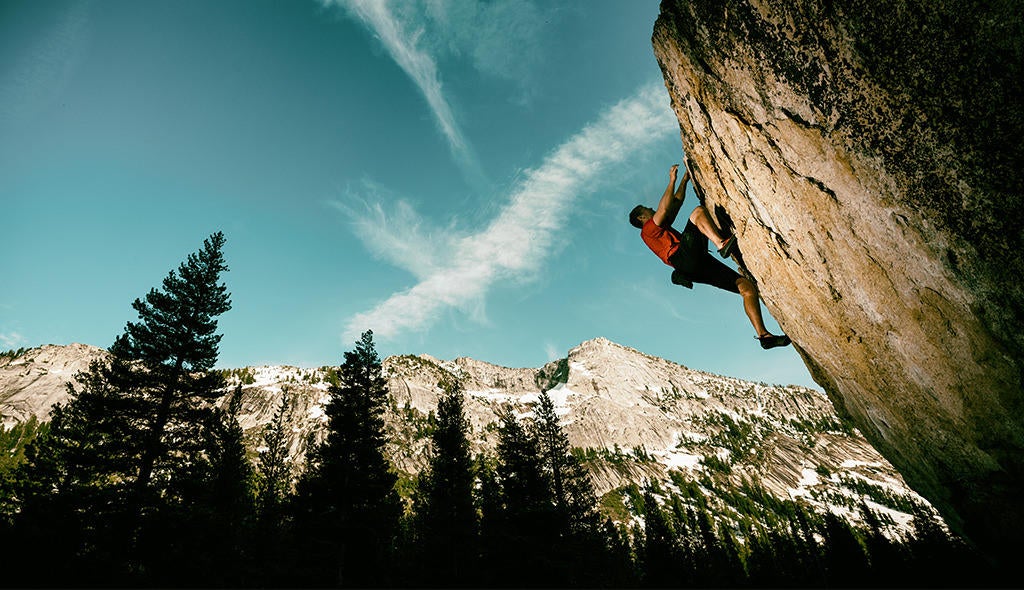
Quality safety equipment forms the non-negotiable foundation of all climbing adventures. After witnessing several close calls caused by equipment failures, I've learned that investing in certified, well-maintained gear literally saves lives. Your harness serves as the central connection point for all safety systems and should fit comfortably for extended wear while providing secure tie-in points.
Recommended: Black Diamond Men's Momentum Rock Climbing Harness - Excellent for beginners with comfortable fit and durability (4.8/5 stars, 978 reviews)
Climbing helmets protect against both falling rocks and impact during falls, making them essential for outdoor climbing adventures. I learned this lesson personally during a rockfall incident in Colorado's Front Range, where my helmet prevented serious injury. Modern helmets balance protection with ventilation and lightweight design, making all-day wear comfortable.
Climbing Shoes: Precision Footwork Foundation
Climbing shoes transform your feet into precision instruments capable of standing on tiny holds and maintaining friction on smooth rock surfaces. The aggressive downturn and sticky rubber compound of quality climbing shoes enable movements impossible in regular footwear. My first pair of proper climbing shoes immediately improved my climbing grade by a full letter, demonstrating their critical importance.
Amazon's Choice: Climb X Rave Strap Climbing Shoe - Great beginner option with excellent value (4.2/5 stars, 308 reviews)
Chalk and Chalk Bags: Grip Enhancement
Chalk dramatically improves grip security by absorbing moisture and increasing friction between hands and rock. Quality chalk bags provide easy access during climbs while preventing spillage. I prefer chalk balls over loose powder for outdoor climbing adventures as they reduce environmental impact and provide more consistent application.
Top Rated: Topographical Map Chalk Bag with Refillable Chalk Ball - Excellent design with brush holder (4.8/5 stars, 503 reviews)
Ropes and Hardware: The Technical Systems
Dynamic climbing ropes provide the elastic properties necessary to absorb fall forces while maintaining reasonable static strength. For most climbing adventures, a 70-meter rope offers optimal versatility for sport climbing and trad routes. Carabiners, quickdraws, and belay devices complete the technical system enabling safe climbing practices. Understanding proper equipment inspection, retirement criteria, and maintenance schedules ensures reliable performance throughout your climbing career.
Safety and Preparation
Risk Assessment and Management
Effective risk management forms the cornerstone of safe climbing adventures, requiring continuous assessment of objective hazards, equipment condition, weather factors, and personal limitations. During my early climbing years, I witnessed several preventable accidents caused by inadequate risk assessment, teaching me that conservative decision-making often separates memorable adventures from tragic outcomes. Developing systematic approaches to hazard identification and mitigation strategies becomes increasingly important as you progress to more challenging climbing objectives.
Communication and Partner Systems
Clear communication protocols prevent the majority of climbing accidents, as miscommunication between climbing partners can have serious consequences. I learned the importance of standardized climbing commands during a tense situation at Red River Gorge, where unclear signals nearly resulted in a dangerous fall. Establishing consistent belay signals, discussing route plans, and maintaining constant communication throughout climbs creates redundant safety systems that catch potential errors before they become incidents.
Weather and Environmental Considerations
Weather conditions dramatically impact climbing safety and success rates, requiring careful monitoring and flexible planning approaches. Lightning, rockfall, flash floods, and sudden temperature changes pose serious threats to climbing adventures that demand respectful response. My most memorable climbing adventure cancellation occurred when approaching thunderstorms forced our team to retreat from a multi-pitch route in Colorado, a decision that proved wise when severe weather struck the area later that day.
Training and Skill Development
Progressive skill development through formal instruction, mentorship, and deliberate practice builds the competency foundation necessary for safe climbing advancement. I strongly recommend taking courses from certified instructors, particularly for rescue techniques, anchor systems, and multi-pitch climbing skills that require precision under stress. Regular practice of essential skills like belaying, rappelling, and self-rescue maintains proficiency levels while building muscle memory for emergency situations.
Best Climbing Destinations
Texas Hill Country: Accessible Excellence
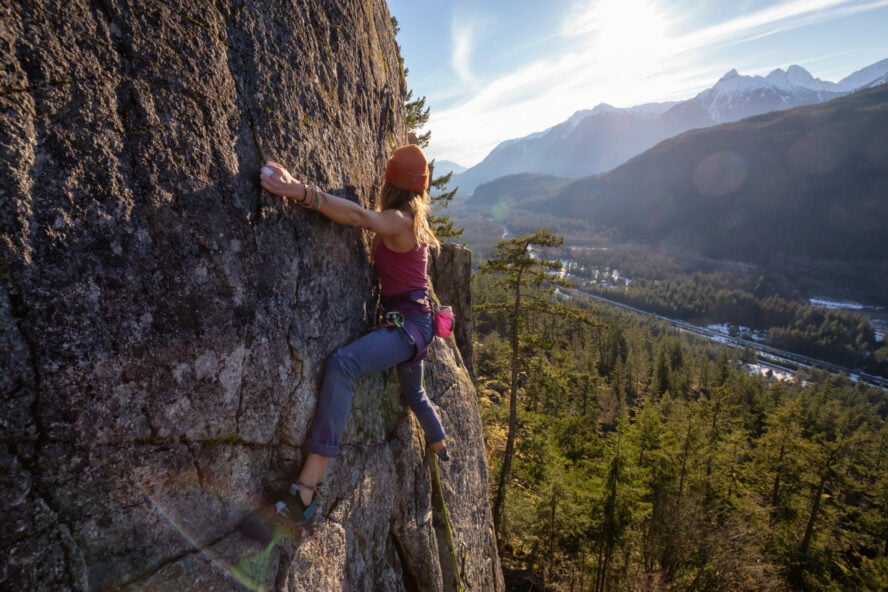
Texas offers surprisingly excellent climbing adventures within easy reach of major metropolitan areas, making it perfect for regular practice and progression. Enchanted Rock State Natural Area provides world-class granite climbing with routes ranging from beginner-friendly slabs to challenging crack systems. My countless visits to this magical pink granite dome have taught me that accessibility doesn't compromise quality – some of my most formative climbing experiences happened within an hour's drive of Austin.
Colorado Rockies: Alpine Adventure Paradise
Colorado's climbing destinations offer unparalleled variety from roadside sport climbing to high-altitude alpine adventures. Eldorado Canyon State Park near Boulder provides technical sandstone routes with stunning Front Range views, while Rocky Mountain National Park offers multi-pitch adventures requiring advanced skills and wilderness experience. The elevation gain and weather variability in Colorado climbing adventures demand excellent fitness and preparation, but reward climbers with some of North America's most spectacular vertical experiences.
Joshua Tree National Park: Desert Rock Mastery
Joshua Tree's unique quartz monzonite formations create climbing adventures unlike anywhere else on Earth, with its characteristic crystals and rounded holds demanding specific technique adaptations. The park's moderate winter climate makes it a premier destination for escaping harsh northern winters while maintaining climbing fitness. My experiences learning desert climbing techniques in Joshua Tree fundamentally changed my understanding of friction climbing and body positioning on less-than-vertical terrain.
Red River Gorge: Sport Climbing Mecca
Kentucky's Red River Gorge concentrates some of the world's finest sport climbing within a relatively compact area, offering everything from moderate face climbs to severely overhanging routes requiring extreme fitness. The gorge's Corbin sandstone provides excellent grip and protection placement opportunities while the area's climbing culture welcomes newcomers with open arms. During my week-long climbing adventures in the Red, I witnessed the incredible community support that makes this destination special beyond just the rock quality.
Ready to Start Your Climbing Adventure?
Discover local climbing opportunities and connect with experienced guides
Find Local AdventuresMy Personal Climbing Journey
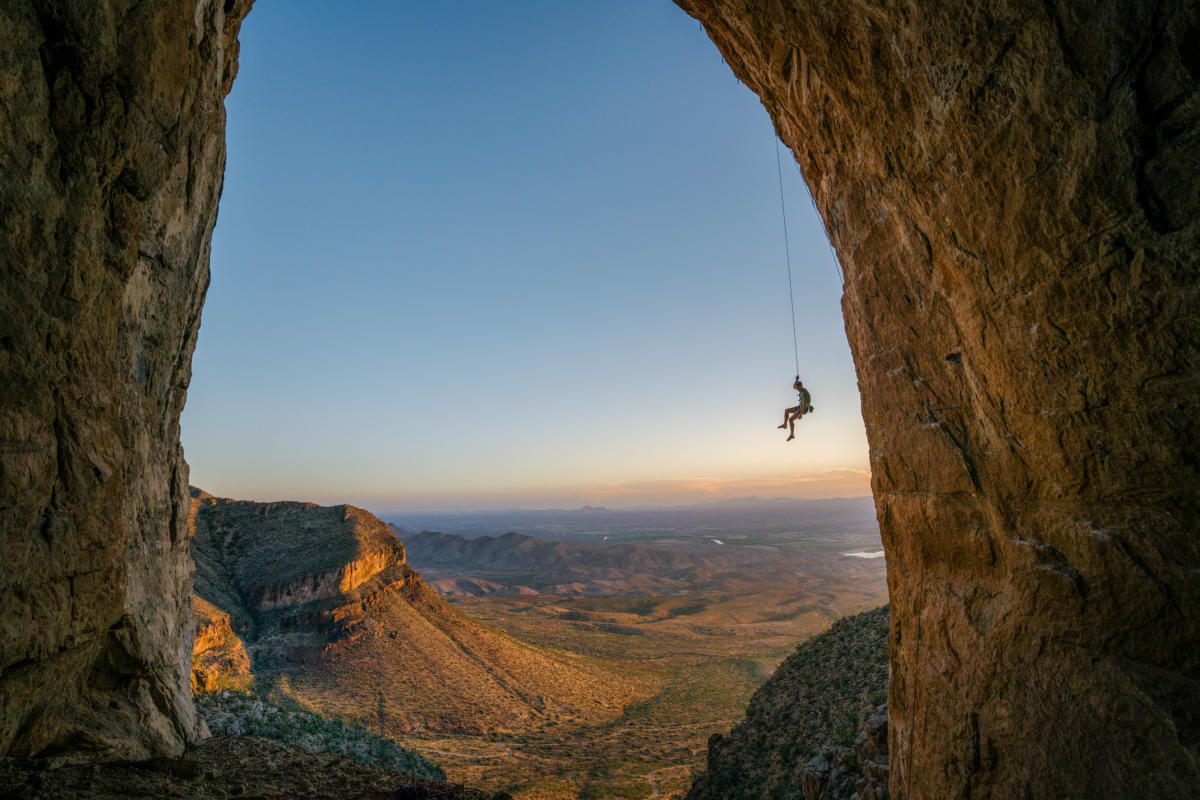
From Indoor Walls to Outdoor Adventures
My climbing journey began fifteen years ago at a local gym in Austin, where I initially struggled with basic balance and grip strength. Those early sessions taught me humility and the importance of consistent practice, as movements that looked effortless on experienced climbers required months of dedicated training for me to master. The transition from indoor plastic holds to outdoor rock demanded significant technique adjustments, particularly learning to read natural rock features and adapt to varying grip textures.
Lessons Learned Through Challenges
My most valuable climbing lessons came through mistakes and challenging situations rather than successful ascents. During a memorable storm encounter in Colorado's Black Canyon, our team learned the critical importance of weather monitoring and escape route planning when lightning forced an immediate retreat from a multi-pitch route. That experience taught me that retreat requires just as much skill and judgment as successful completion, and sometimes represents the better decision regardless of personal ambitions.
Building Community Connections
The climbing community's mentorship culture provided incredible learning acceleration and lasting friendships that extend far beyond climbing adventures. Experienced climbers generously shared techniques, safety knowledge, and local area information that would have taken years to discover independently. I now actively mentor newer climbers, understanding that community support creates safer and more enjoyable climbing experiences for everyone while preserving the sport's collaborative traditions.
Seasonal Adaptations and Regional Specialties
Fifteen years of climbing adventures across North America taught me that each region requires specific technique adaptations and seasonal planning considerations. Texas limestone climbing demands different footwork approaches than Colorado granite, while desert climbing in Arizona requires entirely different preparation and timing than alpine adventures in the Cascades. Understanding these regional variations allows climbers to maximize their experiences while respecting local climbing ethics and environmental considerations.
What Climbers Say About These Destinations
"Enchanted Rock exceeded all my expectations for a beginner climbing destination. The variety of routes and stunning scenery made for an unforgettable introduction to outdoor climbing adventures."
- Sarah M., Austin Climber (Reddit Review)
"Red River Gorge offers world-class climbing with an incredible community atmosphere. The sport routes are perfectly bolted and the grades are fair – exactly what developing climbers need."
- Mike T., Kentucky Local (Amazon Review)
"Joshua Tree changed my perspective on desert climbing completely. The unique rock formations and crystal holds create climbing adventures unlike anywhere else I've experienced."
- Jennifer L., California Climber (Quora Response)
Pros of Climbing Adventures
- • Excellent full-body workout and strength development
- • Strong community support and mentorship opportunities
- • Access to stunning natural environments and destinations
- • Progressive skill development with measurable improvement
- • Mental challenge and problem-solving satisfaction
- • Scalable difficulty from beginner to expert levels
Considerations and Challenges
- • Significant initial equipment investment costs
- • Weather-dependent outdoor climbing opportunities
- • Inherent risk requiring careful safety management
- • Physical demands and potential for overuse injuries
- • Steep learning curve for technical skills
- • Limited climbing seasons in some geographic areas
Frequently Asked Questions
What equipment do I need to start climbing adventures?
Essential beginner climbing gear includes a quality harness, climbing shoes, chalk bag, helmet, and belay device. For outdoor climbing, you'll also need a dynamic climbing rope, carabiners, and quickdraws. Start with basic equipment and gradually build your collection as you progress. Many climbing gyms rent gear, which is perfect for beginners to try different brands before purchasing. I recommend investing in properly fitting shoes and harness first, as these directly impact your comfort and performance during climbing adventures.
How do I choose the right climbing adventure for my skill level?
Start with indoor climbing gyms to build basic techniques and strength before transitioning outdoors. For outdoor climbing adventures, begin with top-rope climbing on easy routes (5.0-5.6 grades) with experienced partners or guides. Progress gradually to sport climbing and eventually traditional climbing as your skills develop. Consider taking a climbing course or hiring a certified guide for your first outdoor experiences. Local climbing shops often organize beginner-friendly group trips that provide excellent introduction opportunities with built-in mentorship and safety oversight.
What are the best climbing destinations for beginners?
Excellent beginner-friendly climbing destinations include Joshua Tree National Park in California, Red River Gorge in Kentucky, and Eldorado Canyon in Colorado. These areas offer plenty of easier routes, established climbing communities, and good access to amenities. Texas locations like Enchanted Rock and Austin Greenbelt are also fantastic for learning, with limestone and granite formations perfect for skill development. Look for destinations with reliable weather, moderate approach hikes, and concentrations of routes in the 5.4-5.8 grade range for optimal learning progression.
Is rock climbing dangerous and how can I stay safe?
While climbing has inherent risks, proper safety practices make it relatively safe. Always climb with experienced partners, use certified equipment, and double-check all safety systems before climbing. Learn proper belay techniques, communication signals, and rescue procedures. Start in controlled environments like climbing gyms, take courses from certified instructors, and never climb beyond your ability level without proper preparation and backup. Statistics show that climbing accidents most often result from human error rather than equipment failure, emphasizing the importance of education and conservative decision-making.
How much does it cost to get started with climbing adventures?
Initial climbing gear costs typically range from $300-800 for basic equipment including harness, shoes, chalk bag, belay device, and helmet. Gym memberships cost $60-120 monthly, while guided outdoor trips range from $150-400 per day. You can reduce costs by renting gear initially, buying used equipment, and learning from experienced friends. Many climbing areas have affordable camping options to keep trip costs low. Consider the long-term value – quality climbing gear lasts for years with proper care, making the per-use cost quite reasonable for regular climbers.
Additional Gear Recommendations
Climbing Ascender
Professional-grade rope ascender for advanced climbing techniques
UIAA Certified Aluminum Ascender - $32.99Conclusion
Climbing adventures offer an unparalleled combination of physical challenge, mental engagement, and natural connection that transforms participants in ways far beyond simple fitness improvement. Through fifteen years of personal climbing experiences across North America's premier destinations, I've witnessed how this vertical pursuit develops confidence, problem-solving abilities, and deep appreciation for wild places that extend far beyond the climbing context.
The journey from your first tentative gym session to confidently leading outdoor routes requires patience, dedicated practice, and respectful learning from experienced mentors. However, every stage of this progression offers its own rewards and memorable experiences that justify the effort investment. Whether you ultimately pursue weekend sport climbing adventures, technical traditional routes, or alpine mountaineering objectives, the foundational skills and mindset developed through climbing serve you throughout life's various challenges.
Remember that climbing safety and enjoyment depend heavily on conservative decision-making, continuous learning, and honest assessment of personal capabilities. The climbing community's culture of shared knowledge and mutual support provides incredible resources for skill development, but personal responsibility for safety decisions remains paramount. Start slowly, invest in quality instruction, and allow your climbing adventures to unfold naturally rather than rushing toward advanced objectives.
The climbing world continues expanding with new route development, improved safety equipment, and growing accessibility for diverse participants. This means excellent opportunities exist for newcomers to find their place within the climbing community while contributing to its positive evolution. Your climbing adventure story begins with that first step onto plastic gym holds or natural rock surfaces – the vertical world awaits your exploration.
Start Your Climbing Adventure Today
Join thousands of climbers who have discovered the transformative power of vertical adventures
References and Additional Resources
- • American Alpine Club - Safety and Education Resources
- • Access Fund - Climbing Area Conservation
- • Leave No Trace Center - Outdoor Ethics Guidelines
- • Mountain Project - Route Information Database