Rock Climbing Adventures: Your Complete Guide to Epic Outdoor Climbing Experiences
Discover the ultimate guide to rock climbing adventures with expert insights, essential gear recommendations, and personal experiences from over 15 years of exploring vertical worlds. Whether you're planning your first outdoor climb or seeking advanced techniques, this comprehensive resource will elevate your climbing journey. Visit Explore National Parks Store for more outdoor adventure guides and gear recommendations.
Getting Started with Rock Climbing Adventures

Embarking on rock climbing adventures represents one of the most rewarding ways to challenge yourself physically and mentally while connecting with nature's most dramatic landscapes. After fifteen years of exploring vertical worlds from the granite walls of Yosemite to the limestone cliffs of Thailand, I can confidently say that rock climbing adventures offer unparalleled opportunities for personal growth and breathtaking experiences.
The journey into rock climbing adventures typically begins indoors, where controlled environments allow you to develop fundamental techniques, build strength, and learn safety protocols without weather concerns or objective hazards. Indoor climbing gyms have revolutionized access to the sport, providing year-round training opportunities regardless of location or season. However, the true magic of rock climbing adventures unfolds when you transition to natural rock faces, where each route tells a geological story millions of years in the making.
Understanding the different styles of rock climbing adventures is crucial for choosing your path. Sport climbing involves pre-placed bolts for protection, making it ideal for beginners focusing on movement and technique. Traditional (trad) climbing requires placing removable protection, demanding advanced skills and judgment. Bouldering eliminates ropes entirely, focusing on short, powerful problems typically under 20 feet high. Multi-pitch climbing extends adventures across hundreds or thousands of feet, requiring efficient systems and endurance.
For those starting their rock climbing adventures, I strongly recommend beginning with a certified guide service or taking courses through organizations like the American Mountain Guides Association (AMGA). Professional instruction accelerates learning while establishing crucial safety habits that will serve you throughout your climbing career. Many accidents in rock climbing adventures result from inadequate education rather than equipment failure, making proper instruction a worthwhile investment.
The physical demands of rock climbing adventures encompass strength, endurance, flexibility, and mental fortitude. Unlike many sports that favor specific body types, climbing rewards technique and problem-solving ability over pure athleticism. I've witnessed petite climbers outperform much stronger individuals through superior technique and route reading. Regular training should include finger strength development, core stability, cardiovascular fitness, and flexibility work to prepare your body for the unique demands of vertical movement.
Essential Gear for Your Rock Climbing Adventures
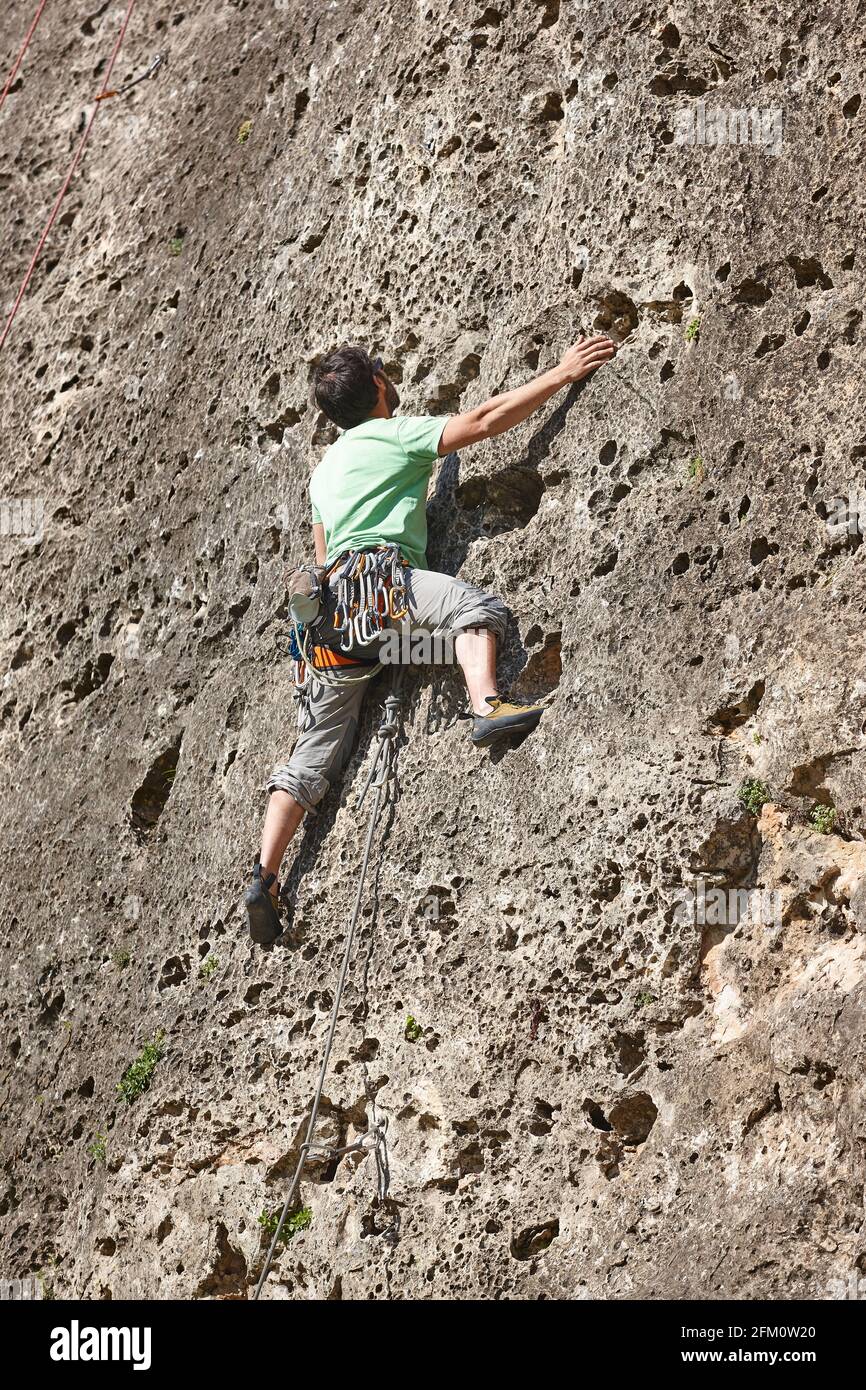
Selecting appropriate gear forms the foundation of safe and enjoyable rock climbing adventures. Quality equipment not only ensures your safety but also enhances performance and comfort during extended climbing sessions. Having tested dozens of gear configurations across various climbing styles and conditions, I've learned that investing in proven, reliable equipment pays dividends in both safety and enjoyment.
The cornerstone of any climbing kit is a properly fitting harness. The BLACK DIAMOND Men's Momentum Rock Climbing Harness has earned its reputation through years of field testing and consistently positive reviews. Its adjustable leg loops accommodate various body types, while the trakFIT adjustment system ensures comfort during long climbing days. The four gear loops provide ample space for equipment organization, crucial during complex rock climbing adventures.
Climbing shoes represent the most critical performance investment for rock climbing adventures. The Mens Tarantulace Rock Climbing Shoes offer an excellent balance of performance and comfort for developing climbers. Their unlined leather construction molds to foot shape over time, while the FriXion RS rubber provides reliable grip on various rock types. The lace-up design allows precise fit adjustment, particularly important during the break-in period.
Safety equipment cannot be compromised in rock climbing adventures. The BLACK DIAMOND Half Dome Rock Climbing Helmet provides comprehensive protection against rockfall and impact injuries. Its lightweight construction and excellent ventilation make it comfortable for extended wear, while the adjustable suspension system accommodates various head sizes and shapes. Many climbers skip helmets due to vanity or discomfort, but protecting your most valuable asset should never be optional.
User Reviews: Real Experiences with Essential Gear
Reddit User (r/climbing): "I've been using the BD Momentum harness for two years of regular climbing. The comfort is unmatched during long multi-pitch days, and the gear loops are perfectly positioned. Highly recommended for anyone serious about rock climbing adventures."
Amazon Reviewer: "These Tarantulace shoes transformed my climbing. The fit is snug but not painful, and the rubber grips incredibly well on both gym holds and outdoor rock. Perfect for progressing in rock climbing adventures."
Quora Climber: "Initially skeptical about helmet use, but the BD Half Dome changed my perspective. It's so lightweight I forget I'm wearing it, and after witnessing several rockfall incidents, I never climb without it now."
Beyond personal protective equipment, rope systems form the lifeline of rock climbing adventures. Dynamic climbing ropes absorb the energy of falls, while static ropes serve specific applications like hauling or rescue scenarios. The Black Diamond Mens Momentum Rock Climbing Harness Package provides excellent value by bundling essential components including harness, chalk bag, chalk, locking carabiner, and belay device.
Belay devices control rope during belaying and rappelling, making them critical safety components. Modern assisted-braking devices like the Petzl GriGri provide additional security margins, particularly valuable during rock climbing adventures with new or less experienced partners. However, mastering traditional tube-style devices remains important for versatility and weight savings during alpine adventures.
Shop Essential Climbing Gear →Top Destinations for Rock Climbing Adventures
Choosing destinations for rock climbing adventures involves balancing factors like rock quality, route variety, accessibility, and seasonal conditions. Over the past fifteen years, I've had the privilege of exploring some of the world's most spectacular climbing areas, each offering unique challenges and unforgettable experiences. From the towering granite walls of Yosemite to the exotic limestone towers of Southeast Asia, different destinations cater to various climbing styles and experience levels.
Joshua Tree National Park in California stands as perhaps the most iconic destination for rock climbing adventures in North America. The park's unique monzogranite formations create an otherworldly landscape perfect for traditional climbing, while the moderate desert climate allows year-round climbing opportunities. The area offers thousands of routes across all difficulty levels, making it ideal for both beginners and experts. During my numerous visits, I've particularly enjoyed the moderate traditional routes like "White Lightning" and "Toe Jam," which provide excellent introductions to desert crack climbing techniques.
For those seeking diverse rock climbing adventures with easy accessibility, Red Rock Canyon near Las Vegas, Nevada, offers unparalleled variety. The Navajo sandstone formations provide everything from single-pitch sport routes to massive multi-pitch traditional climbs. The contrast between the red rock and desert landscape creates stunning photographic opportunities, while the proximity to Las Vegas ensures comfortable accommodations and amenities. I recommend exploring classic climbing adventures in the Calico Hills for beginners, progressing to more challenging routes in the Black Velvet area as skills develop.
Yosemite National Park represents the pinnacle of granite rock climbing adventures, hosting legendary routes that have shaped climbing history. While the park's big walls like El Capitan and Half Dome attract international attention, numerous excellent routes exist for climbers of all abilities. The sheer granite walls demand technical precision and mental fortitude, making every successful climb a meaningful achievement. Cathedral Rocks and the Apron provide excellent intermediate adventures, while the valley floor offers numerous bouldering opportunities for warming up or cross-training.
International destinations expand the possibilities for rock climbing adventures exponentially. Kalymnos, Greece, has emerged as a world-class sport climbing destination, combining excellent limestone routes with stunning Mediterranean scenery and welcoming local climbing communities. Thailand's Railay Beach offers unique climbing experiences above tropical waters, while Patagonia provides wilderness adventures amid some of the planet's most dramatic landscapes. For those interested in diverse experiences, exploring specialized outdoor adventures can provide insights into less-traveled destinations.
The choice of destination significantly impacts the type of rock climbing adventures you'll experience. Desert areas like Joshua Tree and Red Rock offer reliable weather but require careful water management and sun protection. Alpine areas provide cooler temperatures and dramatic scenery but present weather-related challenges and seasonal limitations. Tropical destinations combine year-round climbing with unique cultural experiences but may involve complex logistics and equipment considerations.
My Experience: 15 Years of Rock Climbing Adventures
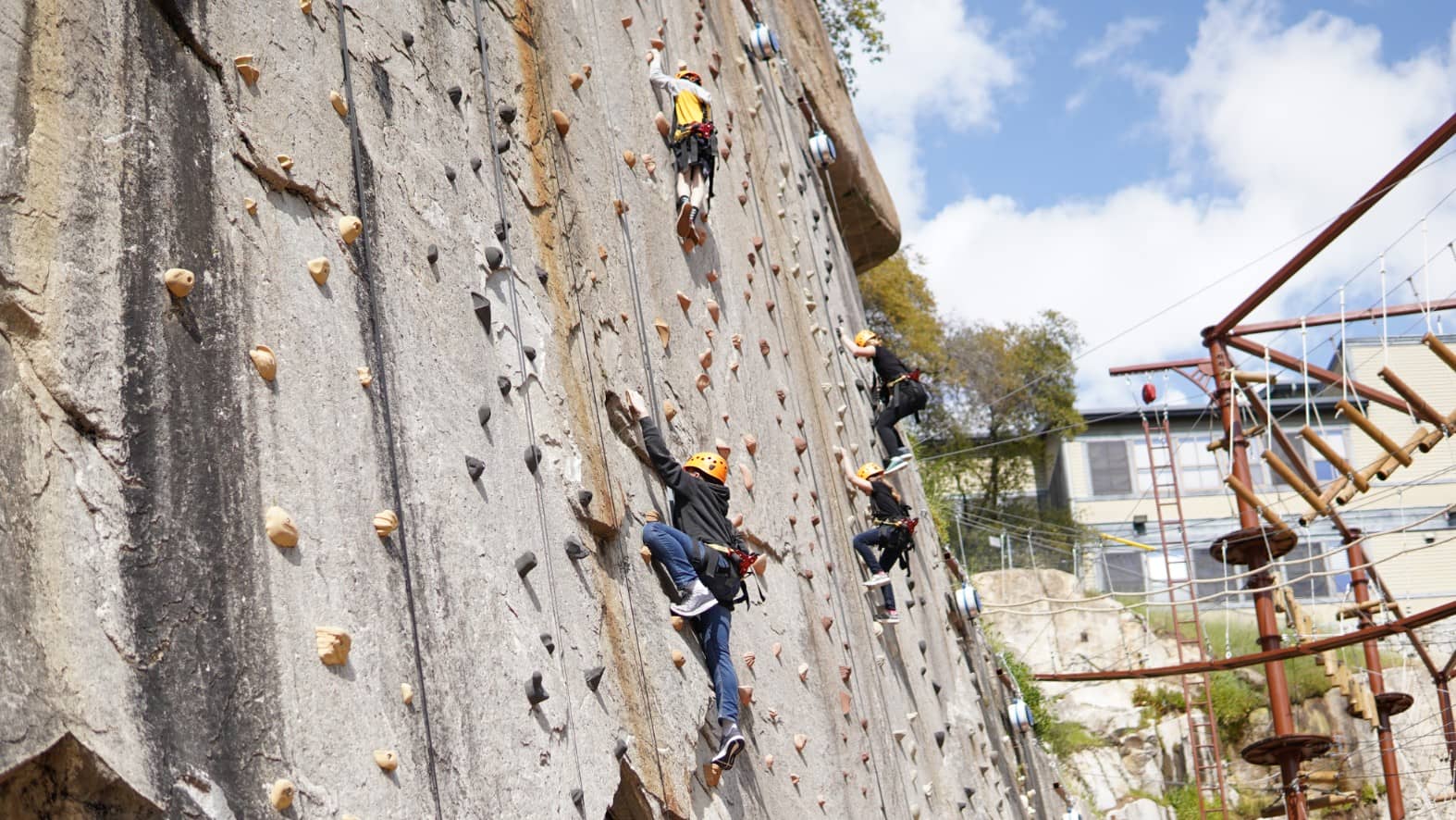
My journey into rock climbing adventures began rather unexpectedly during a college outdoor recreation course in 2008. What started as a single weekend trip to local crags quickly evolved into a consuming passion that has shaped my life in profound ways. Over fifteen years, I've logged over 300 climbing days across four continents, attempting routes from easy scrambles to challenging multi-pitch traditional climbs that tested both my physical and mental limits.
One of my most memorable early rock climbing adventures occurred at the New River Gorge in West Virginia. Attempting "Welcome to Beauty" (5.8+), a classic three-pitch route, I experienced my first genuine outdoor exposure. The combination of moderate technical difficulty with significant commitment taught me invaluable lessons about route finding, time management, and the importance of clear communication with climbing partners. That day, struggling through increasingly challenging moves while storm clouds gathered overhead, I realized that successful rock climbing adventures depend as much on mental preparation as physical ability.
The progression from gym climbing to outdoor rock climbing adventures revealed numerous gaps in my understanding. Indoor climbing's predictable holds and controlled environment poorly prepared me for the variability of natural rock. I vividly remember my first attempt at jamming cracks in Joshua Tree, where my gym-developed technique proved completely inadequate. The desert's unique granite demanded different approaches to movement, balance, and protection placement. This humbling experience reinforced the value of hiring local guides when exploring new areas, as their expertise accelerated my learning curve significantly.
International rock climbing adventures opened entirely new perspectives on the sport's cultural and environmental dimensions. Climbing in Thailand's Railay Beach introduced me to tropical limestone climbing while navigating language barriers and unfamiliar logistics. The local climbing community's warmth and generosity left lasting impressions, demonstrating how rock climbing adventures create connections transcending cultural boundaries. Similarly, climbing in Spain's Costa Blanca region revealed how European climbing culture emphasizes social aspects and long-term style development over pure difficulty progression.
Lessons Learned from Challenging Rock Climbing Adventures
Perhaps my most challenging rock climbing adventures occurred during attempts on Yosemite's longer routes. A failed attempt on "The Nose" of El Capitan taught me crucial lessons about preparation, partner compatibility, and knowing when to retreat. Despite months of training and meticulous planning, we encountered unexpected weather and underestimated the route's sustained difficulty. The decision to rappel after two days, though disappointing, proved correct when conditions deteriorated further. This experience reinforced that successful rock climbing adventures sometimes involve making difficult decisions prioritizing safety over summit ambitions.
Equipment failures during remote rock climbing adventures have provided invaluable learning experiences. A broken harness buckle during a multi-pitch route in Colorado forced creative problem-solving using backup gear and improvised systems. These incidents emphasized the importance of redundancy in safety systems and the value of practicing emergency procedures before they're needed. I now carry additional backup gear and regularly practice self-rescue techniques, skills that have proven valuable on multiple occasions.
The social aspects of rock climbing adventures have enriched my life immeasurably. Long-term climbing partnerships have evolved into deep friendships forged through shared challenges and mutual dependence. The climbing community's culture of mentorship and knowledge sharing creates opportunities for continuous learning regardless of experience level. Some of my most rewarding rock climbing adventures involved introducing newcomers to the sport, witnessing their progression from tentative gym climbers to confident outdoor adventurers.
For those beginning their own rock climbing adventures, I encourage embracing the journey's non-linear nature. Progress involves plateaus, setbacks, and breakthrough moments that rarely follow predictable patterns. Focus on developing solid fundamentals, prioritizing safety over difficulty progression, and cultivating relationships with experienced mentors. The sport's greatest rewards often come not from completing the hardest routes but from the personal growth and connections formed along the way. Consider exploring resources like local climbing adventures to find opportunities in your area.
Safety Tips and Techniques for Rock Climbing Adventures
Safety consciousness must permeate every aspect of rock climbing adventures, from equipment selection and route planning to real-time decision-making during challenging situations. After fifteen years of climbing and numerous close calls, I've developed systematic approaches to risk management that have served me well across diverse climbing environments. Understanding that climbing involves inherent risks, the goal is managing these risks to acceptable levels while preserving the adventurous spirit that draws us to vertical worlds.
The foundation of safe rock climbing adventures begins with thorough pre-climb preparation. This includes researching route conditions, studying approach and descent information, checking weather forecasts, and communicating plans with reliable contacts. I maintain detailed climbing journals documenting route conditions, seasonal variations, and lessons learned from each adventure. This personal database proves invaluable when planning return visits or recommending routes to other climbers. Additionally, creating bailout plans for various scenarios ensures you're prepared for unexpected situations.
Equipment inspection and maintenance protocols cannot be overemphasized in rock climbing adventures. I inspect all gear before each climbing season, retiring worn items according to manufacturer guidelines regardless of emotional attachment. Climbing ropes receive particular attention, as they're our primary lifelines. Dynamic ropes should be retired after major falls, visible core damage, or time-based guidelines even without obvious wear. The OutdoorMaster Rock Climbing Helmet represents modern helmet technology, providing comprehensive protection while maintaining comfort during extended wear.
⚠️ Pros and Cons of Different Safety Approaches
✓ Pros of Conservative Safety
- Reduced injury risk
- Increased confidence
- Longer climbing career
- Better decision-making skills
✗ Cons of Conservative Safety
- Slower progression
- Higher gear costs
- More time-consuming
- May limit adventure scope
Communication systems form critical safety components during rock climbing adventures. Establishing clear, consistent climbing commands prevents misunderstandings that could result in accidents. Standard commands like "On belay," "Climbing," "Safe," and "Off belay" should be used universally, regardless of climbing partnership dynamics. In windy conditions or over long distances, consider using radio communications or predetermined signal systems. I've found that reviewing communication protocols before each climbing day significantly reduces confusion and enhances safety margins.
Environmental hazard assessment requires constant vigilance during rock climbing adventures. Weather conditions can change rapidly in mountain environments, creating dangerous situations for unprepared climbers. Lightning poses particular risks on exposed ridges and tall formations, requiring immediate retreat to safe areas. Rockfall hazards increase during freeze-thaw cycles, after precipitation events, and in high-traffic areas. Developing the ability to read environmental conditions and make conservative decisions has prevented numerous potential accidents throughout my climbing career.
Emergency Preparedness and Self-Rescue Techniques
Self-rescue capabilities become essential when rock climbing adventures venture into remote areas where outside assistance may be hours or days away. Basic self-rescue techniques include escaping the belay system, rappelling past injured climbers, and performing assisted raises for short distances. While these skills hopefully remain unused, practicing them regularly builds confidence and muscle memory crucial during high-stress situations. I recommend taking formal self-rescue courses through certified instructors rather than relying solely on book learning or online resources.
First aid knowledge tailored to climbing injuries enhances safety margins during remote rock climbing adventures. Common climbing injuries include lacerations, sprains, fractures, and head injuries from falls or rockfall. Wilderness first aid courses provide valuable training in improvised treatment methods and evacuation decision-making when professional medical care is unavailable. I carry comprehensive first aid kits tailored to climbing environments, including materials for wound closure, splinting, and pain management. Those interested in expanding their adventure safety knowledge might explore comprehensive climbing safety resources for additional techniques and equipment recommendations.
Seasonal Considerations for Rock Climbing Adventures
Understanding seasonal variations dramatically enhances the quality and safety of rock climbing adventures across different geographical regions. Throughout fifteen years of year-round climbing, I've learned that successful adventure planning requires matching destinations and climbing styles to optimal seasonal windows. Temperature, precipitation, daylight hours, and seasonal hazards all influence climbing conditions significantly, making timing as important as route selection and equipment choices.
Spring represents the optimal season for many rock climbing adventures, offering moderate temperatures, stable weather patterns, and extended daylight hours. Desert areas like Joshua Tree and Red Rock Canyon provide excellent conditions from March through May, before summer heat makes climbing uncomfortable or dangerous. However, spring climbing requires awareness of increased rockfall risks as freeze-thaw cycles loosen previously stable rock features. I've witnessed several close calls during spring climbing sessions, emphasizing the importance of wearing helmets and avoiding areas below loose rock formations.
Summer rock climbing adventures excel in high-altitude locations where moderate temperatures offset shorter approach times and reliable weather patterns. Alpine areas in Colorado, Montana, and the Canadian Rockies offer spectacular climbing opportunities during summer months, though afternoon thunderstorms require early starts and flexible itineraries. Coastal areas benefit from marine layer cooling effects, making summer climbing viable in places like California's Central Coast. However, popular climbing areas often experience crowding during summer months, requiring advanced planning and flexibility in route selection.
Autumn provides some of the finest conditions for rock climbing adventures across diverse geographical regions. Cooler temperatures make previously unbearable desert climbing comfortable again, while reduced precipitation creates stable conditions for multi-day adventures. Fall colors add spectacular scenery to climbing areas in deciduous regions, though fallen leaves can create slippery approach conditions. I consider autumn the premier season for challenging traditional routes, as cool temperatures allow sustained effort without overheating concerns.
Winter Rock Climbing Adventures: Opportunities and Challenges
Winter rock climbing adventures open unique opportunities in select areas while presenting distinct challenges requiring specialized preparation. Desert areas like Phoenix, Tucson, and Southern California offer pleasant climbing conditions during winter months when summer temperatures prove prohibitive. However, winter climbing demands careful attention to shortened daylight hours and potential weather system impacts. I've experienced several winter adventures where afternoon rain or snow created dangerous descent conditions despite morning sunshine.
Cold weather equipment becomes essential during winter rock climbing adventures. Approach shoes require aggressive tread patterns for icy trail conditions, while climbing shoes may need sizing adjustments to accommodate thicker socks. Belay gloves prevent frostbite during extended belaying sessions, though they slightly reduce dexterity when operating belay devices. The BLACK DIAMOND Capitan Rock Climbing and Mountaineering Helmet provides excellent insulation while maintaining ventilation options for varying activity levels.
Seasonal route condition variations significantly impact rock climbing adventures across all seasons. North-facing routes remain shaded and potentially icy during winter months, while south-facing exposures receive maximum solar heating. Spring runoff creates temporary waterfalls on routes that remain dry during other seasons. Summer heat makes dark-colored rock uncomfortably hot to touch during midday hours. Understanding these patterns allows better route selection and timing decisions.
Planning seasonal rock climbing adventures requires monitoring long-term weather patterns and maintaining backup options for changing conditions. I maintain detailed seasonal calendars noting optimal timing windows for favorite climbing areas, allowing efficient trip planning around work schedules and weather patterns. Local ranger stations and climbing shops provide valuable current condition information, while online climbing forums offer recent trip reports and condition updates from other climbers.
Plan Your Seasonal Adventure →Conclusion
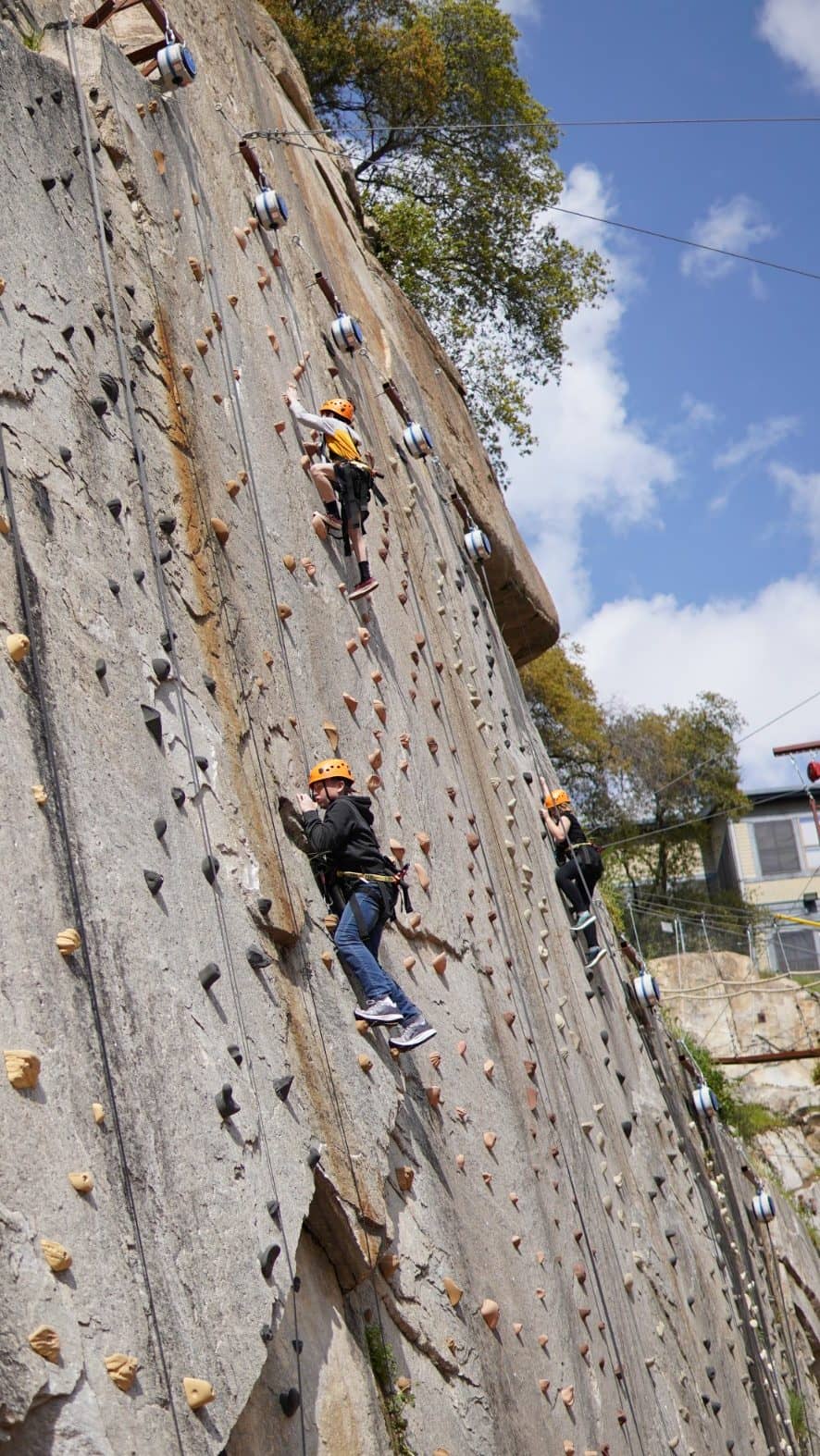
Rock climbing adventures offer transformative experiences that extend far beyond the physical challenge of ascending vertical terrain. Throughout this comprehensive guide, we've explored the essential elements that contribute to successful and safe climbing adventures, from fundamental gear selection and destination planning to advanced safety techniques and seasonal considerations. The journey from tentative first steps on indoor climbing walls to confident outdoor adventures represents a progression that enriches life through physical challenge, mental growth, and meaningful connections with both nature and climbing communities.
The evolution of rock climbing adventures from niche pursuit to mainstream outdoor activity has created unprecedented opportunities for newcomers to enter the sport safely and efficiently. Modern climbing gyms, improved gear technology, certified instruction programs, and abundant online resources have eliminated many traditional barriers to entry. However, this accessibility should not diminish respect for the inherent risks and required skill development that characterize serious outdoor climbing adventures. The key lies in balancing enthusiasm with patience, allowing skills and judgment to develop progressively through diverse experiences.
Personal growth through rock climbing adventures manifests in numerous ways throughout the climbing journey. Physical benefits include improved strength, flexibility, and body awareness, while mental advantages encompass problem-solving abilities, risk assessment skills, and confidence in challenging situations. Perhaps most significantly, climbing adventures foster resilience and adaptability as climbers learn to navigate setbacks, weather challenges, and route-finding difficulties. These transferable skills enhance performance in professional and personal contexts well beyond climbing pursuits.
The global climbing community represents one of the sport's most rewarding aspects, creating connections transcending geographic, cultural, and social boundaries. Local climbing areas foster tight-knit communities united by shared passion and mutual dependence, while international climbing destinations offer opportunities to experience diverse cultures through the universal language of vertical movement. Many of my most meaningful friendships originated through climbing partnerships formed on challenging routes, demonstrating how shared adventures create lasting bonds.
Looking toward the future of rock climbing adventures, several trends will likely shape the sport's development. Climate change impacts may alter traditional seasonal patterns and access to certain climbing areas, requiring adaptation in planning and destination selection. Technological advances in gear design, weather forecasting, and communication systems will continue enhancing safety margins and expanding possibilities for remote adventures. Simultaneously, increasing popularity creates crowding and environmental impact challenges that require thoughtful management and climber education initiatives.
The most important advice for aspiring participants in rock climbing adventures centers on building solid fundamentals through quality instruction, prioritizing safety over difficulty progression, and cultivating relationships with experienced mentors. Start conservatively, invest in proper equipment and education, and gradually expand your comfort zone through diverse experiences. Remember that climbing careers span decades rather than seasons, making long-term sustainability more valuable than rapid progression. The routes will always be there, but maintaining health and enthusiasm requires patience and wisdom in decision-making.
As you embark on your own rock climbing adventures, remember that each climb tells a story - of personal challenge overcome, natural beauty appreciated, and human connections forged through shared experience. Whether your adventures take you to local crags or international destinations, to moderate routes or extreme challenges, the fundamental rewards remain constant. Embrace the journey, prioritize safety and learning over achievement, and allow the vertical world to teach its timeless lessons about perseverance, humility, and the profound satisfaction of earned accomplishment.
Frequently Asked Questions
What equipment do I need to start rock climbing adventures?
Essential gear for rock climbing adventures includes climbing shoes, a harness, helmet, chalk and chalk bag, belay device, and dynamic climbing rope. For beginners, I recommend starting with quality shoes and a comfortable harness, as these directly impact your climbing experience. You can rent other equipment initially to determine your preferences before purchasing. Always prioritize safety equipment like helmets, especially for outdoor climbing adventures where rockfall is a concern.
How long does it take to learn rock climbing basics?
Most people can learn basic rock climbing techniques within 2-3 months of regular practice, typically 2-3 sessions per week. Indoor climbing gyms provide an excellent foundation, allowing you to develop strength, technique, and confidence before transitioning to outdoor rock climbing adventures. However, mastering advanced techniques and developing the judgment needed for independent outdoor climbing takes 1-2 years of consistent practice. Taking a certified course accelerates the learning process significantly.
What are the best destinations for beginner rock climbing adventures?
Joshua Tree National Park in California offers excellent beginner-friendly routes with stunning desert landscapes. Red Rock Canyon near Las Vegas provides diverse climbing options and year-round accessibility. For East Coast climbers, the New River Gorge in West Virginia features world-class sport climbing. Internationally, Kalymnos, Greece, and Railay Beach, Thailand, offer incredible rock climbing adventures with established climbing communities and guide services perfect for beginners.
Is rock climbing dangerous for beginners?
Rock climbing adventures carry inherent risks, but proper training, quality equipment, and following safety protocols make it statistically safer than many common activities. The key is starting with professional instruction, using certified gear, and climbing within your ability level. Indoor climbing and guided outdoor experiences provide the safest introduction to the sport. Most climbing accidents result from human error rather than equipment failure, emphasizing the importance of proper education and gradual skill progression.
When is the best season for outdoor rock climbing adventures?
The ideal season for rock climbing adventures depends on your location and climbing style. Generally, spring and fall offer the most comfortable conditions with moderate temperatures and stable weather. Summer climbing works well at high-altitude locations and northern destinations, while winter opens opportunities in desert areas like Joshua Tree and Red Rock. Always check local weather patterns, as conditions can vary dramatically. I've found that shoulder seasons often provide the best combination of good weather and fewer crowds.