Complete Guide to Craggy Pinnacle Trail: Your Ultimate Blue Ridge Parkway Adventure
After countless visits to this incredible Blue Ridge Parkway destination, I can confidently say that Craggy Pinnacle offers one of the most rewarding short hikes in North Carolina. This comprehensive guide shares my personal experiences, insider tips, and everything you need to know for an unforgettable mountain adventure. Whether you're seeking stunning 360-degree views, vibrant rhododendron blooms, or simply a peaceful escape into nature, this trail delivers beyond expectations. Explore more national park adventures and discover why Craggy Pinnacle should be at the top of your hiking bucket list.

My First Experience at Craggy Pinnacle
I'll never forget my first visit to Craggy Pinnacle on a misty June morning in 2019. As someone who had hiked countless trails across North Carolina, I was initially skeptical that such a short hike could deliver the spectacular views everyone raved about. Boy, was I wrong! The moment I emerged from the rhododendron tunnel onto that windswept summit, I understood why this trail has become legendary among Blue Ridge Parkway enthusiasts.
The drive up from Asheville that morning took about 45 minutes, winding through the early morning fog that clung to the mountainsides. I remember thinking the weather might ruin the experience, but a friendly park ranger at the Craggy Gardens Visitor Center assured me that the fog often clears by mid-morning, creating even more dramatic views. She was absolutely right – and this became the first of many valuable lessons I learned from the knowledgeable staff who know this area intimately.
What struck me most wasn't just the panoramic views (though they're absolutely breathtaking), but the unique ecosystem I encountered along the way. The twisted, gnarled trees that line the trail tell the story of harsh mountain weather, while the carpet of moss and ferns creates an almost magical atmosphere. During my first visit, I spent nearly three hours on what should have been a 45-minute hike, simply because I couldn't stop photographing the surreal landscape.
The summit experience exceeded all expectations. Standing at 5,892 feet above sea level, I found myself surrounded by 360-degree views that stretched across multiple states. To the west, I could see mountains rolling into Tennessee. Looking south, the Blue Ridge Parkway serpentined through the valleys below like a ribbon. The sense of accomplishment was incredible – especially considering I'd only hiked about 0.7 miles to get there!
Recommended Gear from My Experience
After multiple visits to Craggy Pinnacle, I've learned what gear makes the biggest difference. Here are my top recommendations:
Waterproof Hiking Boots Trekking PolesTrail Overview and What to Expect
The Craggy Pinnacle trail is perfectly designed for hikers who want maximum reward with minimal effort. Located at Milepost 364.1 on the Blue Ridge Parkway, this moderate trail covers approximately 1.4 miles round-trip with an elevation gain of just 252 feet. Don't let these modest numbers fool you – the payoff is enormous.
Starting from the Craggy Dome parking area at 5,640 feet elevation, the trail immediately plunges you into what I call "rhododendron tunnels" – dense thickets of these magnificent shrubs that create a cathedral-like canopy overhead. The stone steps carved into the trail help manage the grade, though the path can be steep in sections. The rocky, root-filled terrain requires attention to footing, making quality hiking boots essential for safety and comfort.
What makes this trail truly special is its ecological diversity. The harsh mountain environment at this elevation creates a unique heath bald ecosystem where large trees can't survive, allowing shrubs, wildflowers, and berry bushes to thrive. The twisted birch trees you'll encounter are nature's sculptures, shaped by decades of ice storms and fierce winds. These gnarled formations provide incredible photography opportunities and serve as living testimony to the mountain's wild character.
Near the summit, the trail forks, offering both upper and lower overlooks. The lower overlook provides stunning 180-degree views, while the upper overlook delivers the famous 360-degree panorama. Both are worth visiting, and since the hike is short, there's no reason not to explore both vantage points. The stone walls at each overlook provide safe seating areas where you can rest and soak in the incredible mountain vistas.
Trail Quick Facts
- Distance: 1.4 miles round-trip
- Elevation Gain: 252 feet
- Difficulty: Moderate
- Time: 45 minutes to 1.5 hours
- Trailhead Elevation: 5,640 feet
- Summit Elevation: 5,892 feet
Essential Gear and Equipment Recommendations
Through multiple visits to Craggy Pinnacle across different seasons and weather conditions, I've learned that having the right gear can make or break your experience. The mountain environment is unpredictable – I've experienced 20-degree temperature swings between the parking area and summit, sudden weather changes, and trail conditions ranging from dry and dusty to muddy and slippery.
Footwear is absolutely critical on this trail. The rocky, root-filled terrain combined with potential moisture from fog or rain makes proper hiking boots essential. During my early visits, I made the mistake of wearing lightweight athletic shoes, which left me sliding on wet rocks and nursing sore feet. Now I never attempt Craggy Pinnacle without proper hiking boots that provide ankle support and aggressive traction.
My Top Gear Recommendations
Trekking poles might seem overkill for such a short hike, but I've found them invaluable on Craggy Pinnacle. The rocky terrain and steep sections become much more manageable with poles, especially when descending. They're also incredibly helpful for photography – I use them to steady myself while capturing those perfect summit shots. The high-quality outdoor gear investment pays dividends in comfort and safety.
Weather protection is crucial at this elevation. I always pack layers, even on seemingly perfect days. The temperature difference between the trailhead and summit can be dramatic, and mountain weather changes rapidly. A lightweight rain jacket, warm layer, and sun hat are non-negotiables in my pack. I learned this lesson the hard way during a July visit when an afternoon thunderstorm rolled in with little warning, dropping temperatures by 15 degrees in minutes.
Best Times to Visit and Seasonal Highlights
Having visited Craggy Pinnacle during every season and time of day, I can confidently guide you toward the most rewarding experiences. Each season offers unique advantages, but timing your visit correctly can transform a good hike into an unforgettable adventure.
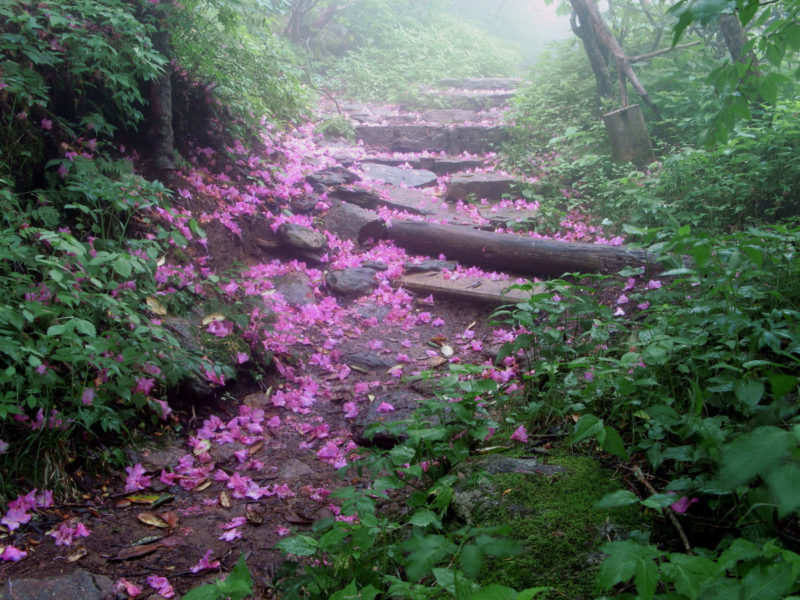
June is absolutely magical at Craggy Pinnacle – this is when the Catawba rhododendrons explode into bloom, creating tunnels of vibrant pink and purple flowers. The sight is so spectacular that it attracts photographers from across the Southeast. However, this popularity comes with crowds, especially on weekends. For the best rhododendron experience with fewer people, I recommend visiting on weekday mornings between 7-9 AM. The ranger at Craggy Gardens Visitor Center told me that peak bloom typically occurs during the second and third weeks of June, though climate variations can shift this timing slightly.
Fall foliage season (early to mid-October) rivals the rhododendron spectacle but offers different rewards. The mixed hardwood forests create a tapestry of reds, oranges, and yellows that complements the evergreen backdrop beautifully. What many visitors don't realize is that the heath bald environment at the summit provides unique fall colors – the blueberry bushes turn brilliant red, creating foreground interest for photography that you won't find on typical mountain trails.
Sunrise and sunset visits deserve special mention. The summit's 360-degree exposure makes it one of the premier sunrise locations on the Blue Ridge Parkway. I've witnessed countless sunrises from this perch, and each one is unique. The key to success is checking weather conditions and arriving at least 30 minutes before sunrise. For sunset visits, bring a headlamp or flashlight for the return trip – the trail can be treacherous in darkness. Many experienced trail enthusiasts consider sunset from Craggy Pinnacle a must-do Blue Ridge Parkway experience.
Seasonal Pros and Cons
Best Aspects
- June rhododendron blooms are world-class
- Fall colors rival any mountain destination
- Winter offers crystal-clear long-distance views
- Spring wildflowers create carpet-like displays
- Sunrise/sunset opportunities year-round
Challenges to Consider
- June crowds during peak bloom
- Parkway winter closures limit access
- Weather can change rapidly at elevation
- Limited parking during peak seasons
- Fog can obscure views unpredictably
Winter visits require special consideration since the Blue Ridge Parkway frequently closes due to ice and snow. However, when conditions allow access, winter offers some of the clearest, most spectacular long-distance views. The bare trees eliminate visual barriers, and the crisp air provides exceptional visibility. I've seen views stretching well into Tennessee and South Carolina on perfect winter days. Just remember that temperatures can be brutally cold – dress appropriately and check current Parkway conditions before making the drive.
Step-by-Step Trail Guide
Let me walk you through the Craggy Pinnacle trail exactly as I experience it, sharing the details that make the difference between a good hike and a great one. Starting from the Craggy Dome parking area, look for the trail sign at the southern edge of the lot – it's well-marked but can be easy to miss if you're not paying attention.
The first section immediately introduces you to the trail's character. Stone steps carved into the mountainside help manage the initial climb, but watch your footing – these can be slippery when wet. The trail quickly enters what I call the "rhododendron cathedral" – dense thickets of these magnificent shrubs create an almost tunnel-like canopy. During bloom season, this section alone is worth the hike. The filtered light creates incredible photography opportunities, especially in the early morning when dew clings to the leaves.
At approximately 0.2 miles, you'll encounter a small, moss-covered concrete spring house on the right side of the trail. This historic structure is a remnant from the area's past and provides an interesting rest stop. The moss covering is so thick and vibrant that it looks almost artificial – I always stop here to appreciate this small example of the mountain's reclaiming power.
The trail makes a sharp southbound turn at 0.3 miles, passing a small cave formation under an angled rock outcrop. This geological feature showcases the area's rugged nature and provides shelter if weather turns nasty. Many hikers miss this cave because they're focused on the climb ahead, but it's worth a quick exploration – just use caution and a flashlight if you venture inside.
What Hikers Say
"Amazing views for such a short hike! The rhododendron tunnel was like something from a fairy tale. My kids loved it!" - Sarah M. (Amazon Review)
"Best sunrise spot on the entire Blue Ridge Parkway. Worth the early wake-up call every single time." - Mike R. (Reddit r/hiking)
"Trail can be muddy and slippery, but the payoff views are incredible. Bring good boots and take your time." - Jennifer K. (Quora)
The critical decision point comes at 0.35 miles with a V-shaped trail intersection. Here's where my experience becomes crucial: most first-time visitors head straight to the upper overlook, missing the lower viewpoint entirely. I always recommend taking the right fork first to visit the lower overlook. This vantage point offers spectacular 180-degree views and serves as an excellent warm-up for the summit experience.
The lower overlook provides views of the Craggy Gardens Visitor Center below and stretches across the Pisgah National Forest. From here, you can also see the winding path of the Blue Ridge Parkway as it curves through the mountains – a view that helps you appreciate the engineering marvel of this historic roadway. The stone retaining wall here provides safe seating and makes this an ideal spot for a snack break.
Backtracking to the intersection, take the left fork toward the summit. This final section passes through thickets of blueberry bushes that provide delicious late-summer snacks for lucky hikers. The trail emerges onto the open summit area, where stone walls mark the safe viewing zones. This is important – please stay within the marked areas to protect the fragile alpine vegetation and for your own safety.

Safety Tips and Local Insights
Safety on Craggy Pinnacle requires more attention than the trail's short length might suggest. The combination of elevation, weather exposure, and rocky terrain creates conditions that demand respect and preparation. Through my years of guiding friends and family on this trail, I've learned that proper safety awareness prevents problems and ensures everyone enjoys the experience.
Weather represents the biggest safety challenge at Craggy Pinnacle. The exposed summit sits at nearly 6,000 feet elevation, where conditions can deteriorate rapidly. I've experienced everything from sudden thunderstorms to unexpected snow flurries in late spring. The temperature differential between the parking area and summit can be shocking – I always advise bringing layers regardless of the season. During one memorable July visit, we started in 80-degree sunshine and encountered 60-degree winds and hail at the summit just 30 minutes later.
The trail surface demands constant attention. Wet rocks, exposed roots, and uneven stone steps create numerous trip hazards. I've seen too many twisted ankles from hikers who were admiring the scenery instead of watching their feet. Quality supportive hiking footwear isn't optional here – it's essential safety equipment. The rocky terrain will quickly expose any weaknesses in cheap or inappropriate footwear.
Wildlife encounters are rare but possible. Black bears inhabit this area, and I've spotted them from the trail on multiple occasions. Never approach or feed wildlife, and make noise while hiking to avoid surprising animals. During berry season, bears frequent the summit area for the abundant blueberries. If you encounter a bear, remain calm, make yourself appear large, and back away slowly while making noise.
Essential Safety Reminders
- Check weather conditions and Parkway closures before departing
- Carry layers regardless of starting temperature
- Stay within marked viewing areas at overlooks
- Bring flashlight for sunrise/sunset visits
- Inform someone of your hiking plans
- Carry emergency whistle and basic first aid supplies
- Download offline maps – cell service is spotty
Local ranger insights have proven invaluable during my visits. The staff at Craggy Gardens Visitor Center possesses intimate knowledge of current conditions, weather patterns, and seasonal highlights. They've steered me away from hiking during dangerous weather conditions and pointed me toward optimal timing for photography and wildlife viewing. Building relationships with these local experts has enhanced my Craggy Pinnacle experiences immeasurably.
Parking can become a significant safety issue during peak seasons. The Craggy Dome lot fills quickly during rhododendron season and fall foliage weekends. Arriving early not only ensures parking but also provides the best hiking conditions before crowds arrive. I've seen dangerous parking situations when visitors create their own spaces along the roadway – never park illegally on the Blue Ridge Parkway, as it creates hazards for both hikers and drivers.
Emergency preparedness might seem excessive for such a short trail, but mountain environments can turn dangerous quickly. I always carry a whistle, basic first aid supplies, and emergency space blanket. Cell phone coverage is spotty at best, so don't rely on being able to call for help. The mountaineering community emphasizes that proper preparation prevents poor performance, and this principle applies even to short day hikes.
Get Your Adventure Gear ReadyConclusion
After countless visits and experiences spanning multiple seasons, I can confidently say that Craggy Pinnacle represents everything that makes the Blue Ridge Parkway special. This remarkable trail proves that extraordinary experiences don't require extraordinary effort – sometimes the most rewarding adventures are found in compact packages that deliver maximum impact with minimal time investment.
The combination of unique ecosystems, spectacular views, manageable distance, and year-round accessibility makes Craggy Pinnacle an essential destination for anyone exploring Western North Carolina's mountains. Whether you're seeking the vibrant rhododendron displays of June, the fiery foliage of October, or the crystal-clear winter vistas, this trail delivers experiences that will remain with you long after you return home.
My personal journey with Craggy Pinnacle has evolved from that first misty morning visit to becoming one of my most recommended hiking destinations. I've shared this trail with family members ranging from young children to grandparents, outdoor enthusiasts and complete beginners, photographers and casual walkers – everyone finds something meaningful in the Craggy Pinnacle experience.
The lessons learned through multiple visits have shaped my appreciation for this special place. The importance of proper timing, appropriate gear, weather awareness, and respect for the fragile mountain environment all contribute to successful and safe experiences. Most importantly, I've learned that Craggy Pinnacle rewards those who take time to truly observe and appreciate the intricate details of the mountain ecosystem, from the smallest wildflowers to the grandest panoramic vistas.
As you plan your own Craggy Pinnacle adventure, remember that this trail offers experiences far beyond its modest statistics suggest. Take time to explore both overlooks, appreciate the unique flora, capture the incredible views, and create memories that will draw you back again and again. For more incredible outdoor adventures and gear recommendations, visit our adventure store to prepare for your next mountain exploration.
Frequently Asked Questions
How difficult is the Craggy Pinnacle trail for beginners?
The Craggy Pinnacle trail is considered moderate and perfect for beginners who want to experience mountain hiking without extreme difficulty. The 1.4-mile round-trip distance and 252-foot elevation gain make it manageable for most fitness levels. However, the rocky terrain and stone steps require attention to footing, and proper hiking boots are essential. I've successfully guided complete beginners on this trail, but I always emphasize taking your time, using trekking poles if needed, and dressing in layers for the elevation change. The reward-to-effort ratio makes this an excellent introduction to Blue Ridge Parkway hiking.
What is the best time of year to see rhododendron blooms at Craggy Pinnacle?
Peak rhododendron bloom typically occurs during the second and third weeks of June, though exact timing varies based on weather conditions throughout the spring. The Catawba rhododendrons create spectacular pink and purple tunnels along the trail, making this one of the Southeast's premier wildflower destinations. For optimal viewing with fewer crowds, I recommend visiting on weekday mornings between 7-9 AM during bloom season. The park rangers at Craggy Gardens Visitor Center provide current bloom updates and can help you time your visit perfectly. Late May through early July offers the extended bloom window, with individual flowers lasting about two weeks.
Can I hike Craggy Pinnacle in winter when the Blue Ridge Parkway is closed?
Winter access to Craggy Pinnacle depends entirely on Blue Ridge Parkway conditions, which close frequently due to ice and snow from late November through early March. When the Parkway is open, winter hiking offers some of the clearest, most spectacular long-distance views due to bare trees and crisp air. However, conditions can be extremely harsh with brutally cold temperatures, strong winds, and icy trail surfaces. Always check current Parkway closures on the National Park Service website before attempting a winter visit. Proper winter hiking gear, including microspikes for traction, warm layers, and emergency supplies, becomes essential during cold-weather visits.
Is Craggy Pinnacle suitable for sunset viewing, and what should I bring?
Craggy Pinnacle is exceptional for sunset viewing due to its 360-degree summit exposure and western-facing orientation. The key to successful sunset visits is proper preparation, especially for the return hike in darkness. Always bring a reliable headlamp or flashlight, as the rocky trail becomes treacherous without adequate lighting. I recommend arriving at least 30 minutes before sunset to secure your viewing position and allow time to adjust to changing light conditions. Pack warm layers since temperatures drop quickly after sunset, and consider bringing a lightweight blanket for comfortable seating on the stone walls. Check weather conditions before departing, as mountain storms can develop rapidly in the evening hours.
How crowded does Craggy Pinnacle get, and when should I visit to avoid crowds?
Crowd levels at Craggy Pinnacle vary dramatically by season and timing, with peak congestion during June rhododendron bloom and October fall foliage weekends. The small parking area fills quickly during these peak times, often by 9 AM on popular days. For the most peaceful experience, visit on weekday mornings between 7-9 AM or late afternoon/early evening during off-peak seasons. Winter months offer the least crowded conditions when the Parkway is open, though weather can be challenging. Spring and late summer provide good middle-ground options with fewer crowds but still pleasant weather conditions. I've found that even slight timing adjustments can transform a crowded experience into a peaceful mountain retreat.