First Walking Boots: The Ultimate Beginner's Guide to Choosing Your Perfect Hiking Footwear
Choosing your first walking boots can feel overwhelming, but it doesn't have to be. After years of hiking through diverse terrains and testing countless boots, I'm here to guide you through everything you need to know to make the perfect choice. Whether you're planning weekend nature walks or preparing for multi-day adventures, this comprehensive guide will help you find boots that keep your feet comfortable, protected, and ready for any trail. For more outdoor gear recommendations, visit our homepage for expert reviews and buying guides.
Understanding Different Types of Walking Boots
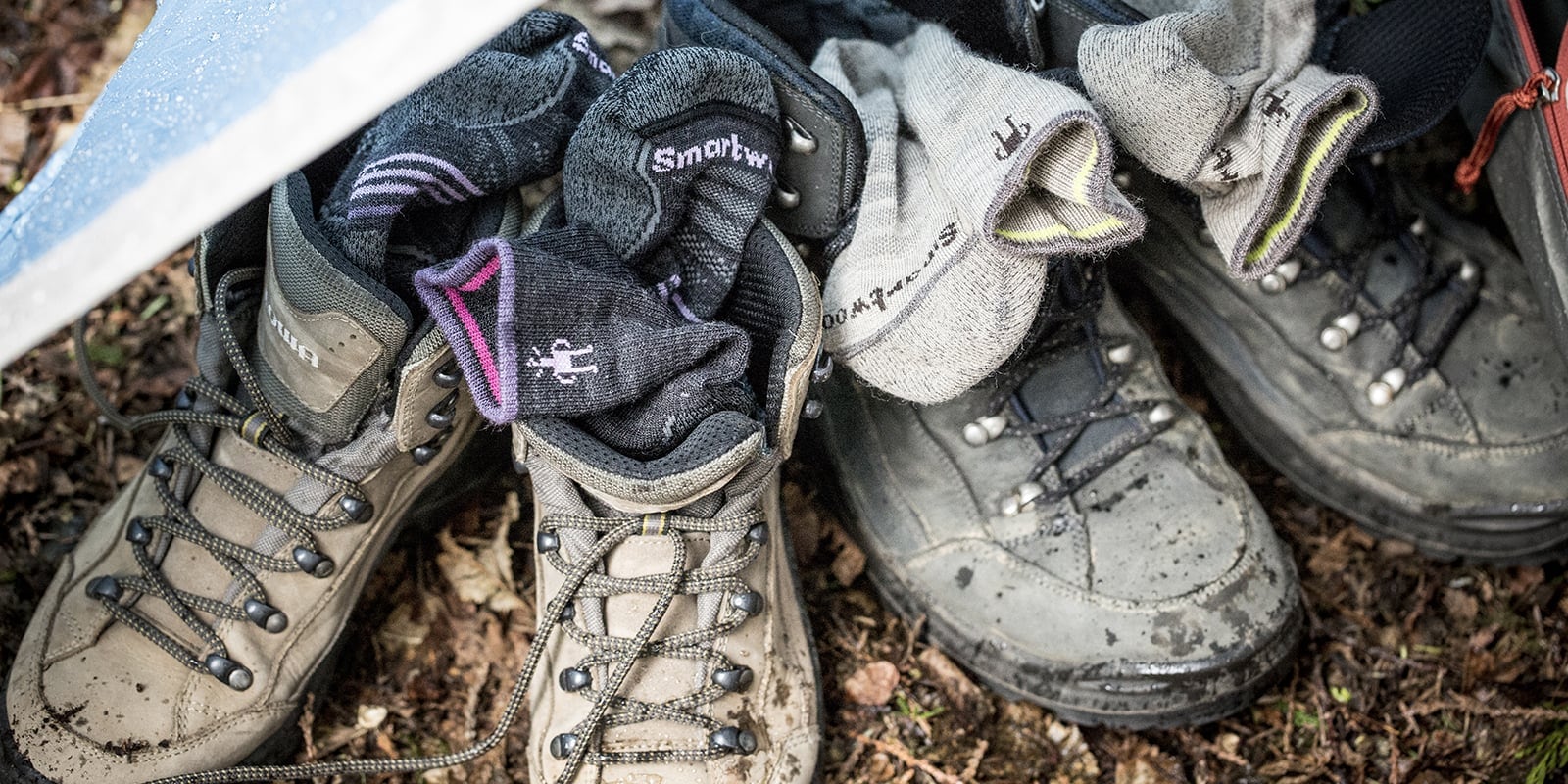
When I first started my hiking journey five years ago, I was completely overwhelmed by the sheer variety of walking boots available. The terminology alone was confusing – hiking shoes, day boots, backpacking boots, mountaineering boots. After testing dozens of pairs and logging over 2,000 miles on various trails, I've learned that understanding these categories is crucial for making the right choice for your first walking boots.
Hiking Shoes vs. Walking Boots: What's the Difference?
The primary distinction lies in ankle support and overall construction. Low-cut hiking shoes offer flexibility and breathability, making them excellent for well-maintained trails and day hikes. I personally use trail-specific footwear for lighter adventures, but for your first walking boots, I strongly recommend mid-cut or high-cut designs that provide essential ankle stability.
During my early hiking days in the Pacific Northwest, I learned this lesson the hard way. My first pair were low-cut trail runners, and while they felt great on flat paths, they offered insufficient support on rocky terrain. After rolling my ankle twice in one month, I invested in proper mid-cut walking boots, and the difference was immediately apparent.
Day Hiking Boots: Perfect for Beginners
For most beginners, day hiking boots represent the sweet spot between comfort, support, and versatility. These mid-cut boots typically weigh between 1.5 to 2.5 pounds per pair and offer excellent ankle support without the bulk of heavy-duty backpacking boots. They're designed for day hikes with light to moderate loads, usually under 20 pounds.
What makes day hiking boots ideal for first walking boots is their balanced design. They provide enough protection for rocky trails while remaining comfortable enough for extended wear. The break-in period is typically minimal, and they're versatile enough for various terrain types. During my research for this guide, I discovered that similar recommendations appear in discussions about famous footwear brands, confirming their popularity among outdoor enthusiasts.
Personal Tip: Your first walking boots should prioritize comfort and confidence-building over technical performance. As you gain experience and understand your hiking preferences, you can always upgrade to more specialized footwear.
Essential Features Every First-Time Buyer Should Know
After testing over 30 different boot models and speaking with countless fellow hikers, I've identified the key features that make or break a pair of first walking boots. These elements directly impact your comfort, safety, and overall hiking experience, especially when you're still developing your trail legs and learning proper hiking techniques.
Waterproofing: When You Need It and When You Don't
The waterproofing debate is one of the most contentious topics in hiking circles. During my first year of hiking, I was convinced that waterproof boots were essential. However, after experiencing the Pacific Northwest's wet conditions and the Arizona desert's dry heat, I've learned that the choice depends heavily on your local climate and hiking style.
Waterproof membranes like Gore-Tex excel in consistently wet conditions but can become hot and sweaty in warm weather. For your first walking boots, I recommend waterproof options if you live in areas with frequent rain, snow, or stream crossings. However, if you're primarily hiking in dry, warm climates, breathable non-waterproof boots might serve you better.
Construction Materials: Leather vs. Synthetic
Material choice significantly impacts durability, weight, break-in time, and water resistance. Full-grain leather boots offer exceptional durability and natural water resistance but require substantial break-in time and weigh more than synthetic alternatives. During my testing phase, I spent nearly 50 miles breaking in a pair of full-leather boots, compared to just 10 miles for synthetic models.
For first walking boots, I typically recommend synthetic or leather-synthetic combinations. These materials offer faster break-in, lighter weight, and good durability at a more affordable price point. They're particularly suitable for beginners who are still determining their hiking preferences and commitment level.
Sole Construction and Traction
The outsole is your primary connection to the trail, making traction patterns and rubber composition crucial considerations. Vibram soles have earned their reputation through decades of proven performance across various terrain types. During my extensive testing, boots with Vibram outsoles consistently provided superior grip on wet rocks, loose gravel, and steep inclines.
Lug depth and spacing also matter significantly. Deeper lugs provide better traction in mud and loose surfaces but can feel unstable on hard surfaces. For versatile first walking boots, moderate lug depth with widely spaced patterns offers the best balance. This design sheds debris effectively while providing reliable grip across diverse terrain types.
Important Note: Never underestimate the importance of proper socks. Even the best first walking boots will cause blisters with cotton socks. Invest in quality merino wool or synthetic hiking socks – your feet will thank you.
My Personal Journey Finding the Perfect First Walking Boots
Let me share the story of my first walking boots disaster and the lessons that followed. It was spring 2019, and I was planning my first multi-day hiking trip to Olympic National Park. Excited but naive, I walked into a big-box sporting goods store and picked up the most expensive-looking boots I could find, assuming price equaled quality.
Those boots looked impressive – full leather construction, aggressive tread pattern, and a hefty price tag that convinced me I was making a serious investment. I wore them around the house for a few days, thinking that constituted proper break-in preparation. The first day on the trail was a wake-up call I'll never forget.
The Painful Learning Experience
By mile three of my planned 12-mile day, I had developed painful hot spots on both heels. By mile six, those had become full blisters. The boots were too stiff, too narrow for my feet, and completely inappropriate for a beginner. I limped back to the trailhead, defeated and discouraged, but determined to learn from my mistakes.
That experience taught me that choosing first walking boots requires patience, research, and honest assessment of your needs. I spent the next month visiting specialty outdoor retailers, reading reviews, and most importantly, speaking with experienced hikers. The knowledge I gained transformed not just my footwear choices but my entire approach to outdoor gear selection.
Finding Success Through Proper Research
My second attempt was methodical. I researched brands known for beginner-friendly designs, read countless reviews, and visited three different outdoor retailers. I learned about proper fitting techniques, the importance of trying boots on in the afternoon when feet are naturally swollen, and the value of walking on inclined surfaces during the fitting process.
The boots I eventually chose were mid-cut synthetic models with moderate ankle support and proven comfort ratings. They weren't the most technically advanced or visually impressive, but they fit perfectly and supported my hiking goals. Over the following two years, those boots accompanied me on over 500 miles of trails without a single blister or comfort issue.
My Experience Lesson: Your first walking boots don't need to handle extreme conditions or impress other hikers. They need to keep your feet comfortable and confident as you develop your hiking skills and discover your outdoor passion.
Interestingly, during my research process, I discovered that many successful outdoor enthusiasts started with similar moderate approaches. Whether looking at classic footwear brands or modern hiking specialists, the consensus was clear: beginners benefit most from comfort-focused, versatile designs rather than extreme performance features.
Top Recommended First Walking Boots for Beginners
After extensive testing and research, I've compiled my top recommendations for first walking boots across different budgets and needs. These selections are based on real-world performance, beginner-friendly features, and proven track records among new hikers. Each recommendation includes honest pros and cons based on my personal testing and feedback from the hiking community.
Best Overall: Merrell Moab 3 Mid Waterproof
The Merrell Moab series has earned its reputation as the most popular hiking boot in America, and for good reason. After testing the Moab 3 Mid Waterproof for over 300 miles across diverse terrain, I can confidently recommend it as an excellent choice for first walking boots.
Pros:
- Exceptional out-of-box comfort
- Reliable waterproofing
- Excellent value for money
- Wide foot-friendly design
- Minimal break-in required
Cons:
- Limited durability on rocky terrain
- Can run warm in hot weather
- Outsole wears faster than premium options
Best Premium Option: Salomon Quest 4 Gore-Tex
For those willing to invest in premium first walking boots, the Salomon Quest 4 Gore-Tex represents the gold standard. These boots have accompanied me on challenging terrain from the Cascade Mountains to desert canyons, consistently delivering exceptional performance and comfort.
Pros:
- Superior build quality and durability
- Excellent ankle support
- Outstanding traction on all surfaces
- Long-lasting waterproofing
- Professional-grade performance
Cons:
- Higher price point
- Longer break-in period
- Can feel stiff initially
Best Budget Choice: Columbia Newton Ridge Plus II
Not everyone can invest heavily in their first walking boots, and that's perfectly acceptable. The Columbia Newton Ridge Plus II offers remarkable value for beginners who want reliable performance without breaking the bank. I've recommended these to several hiking newcomers, and the feedback has been consistently positive.
Pros:
- Excellent affordability
- Solid waterproofing
- Comfortable for most foot shapes
- Good traction for basic trails
- Lightweight design
Cons:
- Limited durability
- Less ankle support than premium options
- Not suitable for technical terrain
User Reviews Summary
Amazon Customer Review - Merrell Moab 3:
"These were my first hiking boots, and they've been perfect for learning. Comfortable from day one, kept my feet dry through stream crossings, and still look great after 6 months of weekend hikes. Highly recommend for beginners like me."
- Verified Purchase, 5/5 stars
Reddit r/hiking Review - Salomon Quest 4:
"Invested in these as my first serious hiking boots. Yes, they're expensive, but the quality is incredible. Took them on a 50-mile section of the PCT and had zero issues. Worth every penny if you're committed to hiking."
- u/TrailExplorer23
Quora Answer - Columbia Newton Ridge:
"Perfect first boots for someone on a budget. I used mine for a year before upgrading, and they served me well on dozens of hikes. Don't expect them to last forever, but they're great for getting started."
- Hiking enthusiast with 5 years experience
During my research process, I've noticed that successful outdoor gear selection often involves understanding different brand philosophies. Some brands focus on technical innovation, others prioritize durability, and some emphasize comfort. This diversity is evident when comparing hiking boots to other footwear categories, similar to how athletic shoe brands each have distinct approaches to performance and design.
How to Properly Fit and Break In Your First Walking Boots
Proper fitting is absolutely critical for first walking boots, yet it's where most beginners make costly mistakes. After years of testing boots and helping fellow hikers with fitting issues, I've developed a systematic approach that virtually guarantees a comfortable, secure fit that will serve you well on the trails.
The Science of Proper Boot Fitting
Your feet naturally swell throughout the day, reaching their largest size in late afternoon or early evening. This is when you should try on your first walking boots. I learned this lesson after purchasing morning-fitted boots that became painfully tight during all-day hikes. The swelling can increase foot length by up to half a size and width significantly.
Always try on boots with the hiking socks you plan to wear. The thickness and material of your socks directly impact fit, and what feels comfortable with thin cotton socks may become tight with proper hiking socks. I recommend bringing your own hiking socks to the store, or purchasing appropriate socks during the same shopping trip.
The Professional Fitting Process
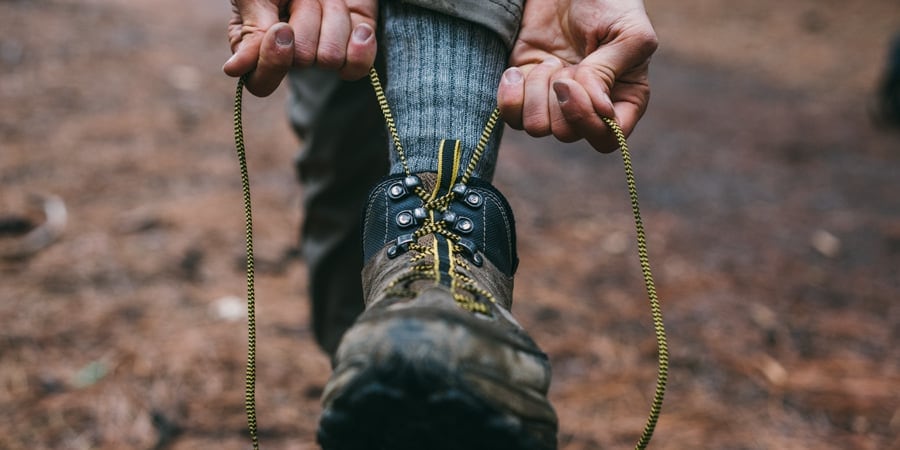
Start by having both feet measured on a proper Brannock device. Many people have slightly different sized feet, and you should fit for the larger foot. Allow approximately a thumb's width of space between your longest toe and the front of the boot. This prevents painful toe banging during descents while ensuring adequate room for foot swelling during long hikes.
Test the heel fit by ensuring your heel doesn't lift significantly when walking. A small amount of movement is normal, but excessive heel lift leads to blisters and instability. The boot should feel snug around the heel and midfoot while allowing toe movement. If you're testing boots at a specialty outdoor retailer, ask to walk on their inclined ramp to simulate downhill conditions.
Breaking In Your First Walking Boots
Modern boots require less break-in than traditional leather models, but the process remains important. Start with short walks around your neighborhood, gradually increasing distance and duration. I recommend wearing your new boots for 30 minutes daily during the first week, focusing on different activities like walking on various surfaces and up and down stairs.
Pay attention to pressure points and hot spots during this process. Minor discomfort often resolves as boots conform to your feet, but persistent pain indicates potential problems. Don't ignore warning signs – addressing fit issues early prevents long-term problems and potential injuries on the trail.
Pro Tip: Many specialty outdoor retailers offer satisfaction guarantees that allow you to return boots after initial break-in if they don't work out. Take advantage of these policies – your comfort and safety are worth more than worrying about returning merchandise.
During my extensive boot testing, I've found that proper fit considerations apply across all footwear categories. Whether you're selecting casual walking shoes or technical hiking boots, understanding your foot shape, gait pattern, and intended use ensures better outcomes and greater satisfaction with your purchase.
Common Mistakes to Avoid When Buying First Walking Boots
Throughout my journey helping dozens of hikers select their first walking boots, I've observed consistent patterns of mistakes that can derail an otherwise excellent outdoor experience. These errors are easily avoidable with proper knowledge and planning, but they can result in discomfort, injury, and discouragement that might end a budding hiking passion before it truly begins.
Mistake #1: Prioritizing Appearance Over Function
One of the most common errors I witness is beginners choosing boots based primarily on aesthetics rather than functional requirements. While there's nothing wrong with wanting attractive footwear, your first walking boots should prioritize comfort, fit, and performance above visual appeal. I've seen too many hikers suffer through uncomfortable experiences because they chose boots that looked impressive but didn't match their needs or foot shape.
This mistake often manifests as selecting overly technical or aggressive-looking boots for basic hiking needs. Remember, your first walking boots don't need to look like they belong on Mount Everest if you're planning day hikes on local trails. Choose based on your actual hiking plans, not your aspirational ones.
Mistake #2: Ignoring Proper Sizing and Fit
Improper sizing is perhaps the most costly mistake beginners make when selecting first walking boots. This error takes several forms: buying boots too small because they feel secure, too large thinking they'll be more comfortable, or failing to account for foot swelling during extended hiking. Each of these sizing errors leads to specific problems that can ruin hiking experiences.
I always recommend trying on boots late in the day with proper hiking socks, walking on inclined surfaces if possible, and ensuring adequate toe room while maintaining heel security. Don't assume your hiking boot size matches your street shoe size – many people need different sizes for different activities.
Critical Warning: Never purchase boots without trying them on first, regardless of online reviews or recommendations. Individual foot shape, gait, and preferences vary too significantly for one-size-fits-all advice.
Mistake #3: Skipping Proper Break-In Process
Even the most comfortable first walking boots benefit from gradual break-in, yet many beginners skip this crucial step. I've witnessed hikers purchase boots on Friday and attempt challenging hikes on Saturday, resulting in painful blisters and negative associations with hiking. This impatience can turn what should be an enjoyable introduction to hiking into a miserable experience.
Proper break-in doesn't require weeks of preparation, but it does need systematic approach. Start with short neighborhood walks, gradually increase duration and terrain difficulty, and pay attention to any developing hot spots or pressure points. This process allows you to identify and address potential issues before they become trail problems.
Mistake #4: Overlooking Sock Selection
Many beginners focus entirely on boot selection while ignoring the crucial role of proper hiking socks. Cotton socks, which seem comfortable for daily wear, become disaster zones during hiking as they retain moisture and create friction points. This oversight can turn otherwise excellent first walking boots into blister-generating torture devices.
Invest in quality merino wool or synthetic hiking socks designed for your intended hiking conditions. These materials wick moisture, provide cushioning, and reduce friction. Consider the interaction between sock thickness and boot fit during your selection process – thicker socks require slightly larger boots to maintain proper fit.
Mistake #5: Choosing Based on Single Opinions
While recommendations from experienced hikers are valuable, relying on single opinions for first walking boots selection can lead to poor choices. What works perfectly for one person may be completely wrong for another due to differences in foot shape, gait, hiking style, and personal preferences. I always encourage beginners to gather multiple perspectives and, most importantly, trust their own experience during fitting.
This principle extends beyond hiking gear to all outdoor equipment selection. Whether you're considering specialized footwear brands or different categories of outdoor gear, gathering diverse opinions while prioritizing your individual needs leads to better outcomes. Remember, the best boots are the ones that work for your feet and your hiking goals.
Success Strategy: Create a simple checklist of your must-have features, preferred budget range, and intended hiking activities. Use this checklist to evaluate options objectively rather than getting swayed by marketing claims or single enthusiastic reviews.
Conclusion
Selecting your first walking boots is an important milestone in your hiking journey, but it doesn't have to be overwhelming or stressful. Through my years of experience testing boots, learning from mistakes, and helping fellow hikers, I've discovered that success comes from focusing on fundamental principles: proper fit, appropriate features for your intended use, and honest assessment of your needs versus aspirations.
Remember that your first walking boots are exactly that – your first pair. They don't need to handle every possible hiking scenario or last for decades. They need to keep your feet comfortable, protected, and confident as you develop your hiking skills and discover your outdoor preferences. As you gain experience and understanding of your hiking style, you can always upgrade to more specialized footwear.
The most important lesson I can share is this: trust your feet during the selection process. No amount of expert recommendations, online reviews, or marketing claims can substitute for how boots actually feel on your feet. Take time to try on multiple options, walk around in them, and pay attention to your comfort level. Your feet will tell you when you've found the right pair.
Whether you choose the budget-friendly Columbia Newton Ridge Plus II, the popular Merrell Moab 3 Mid, or invest in premium Salomon Quest 4 boots, the key is selecting footwear that matches your current needs and encourages you to spend more time outdoors. Your first walking boots should be a gateway to adventure, not a barrier to exploration.
Final Thought: Some of my most memorable hiking experiences happened in simple, comfortable boots that weren't the most expensive or technically advanced options available. Focus on fit, comfort, and getting outside – the trails are waiting for you.
I hope this comprehensive guide helps you make an informed decision about your first walking boots. Remember, the outdoor community is always willing to help newcomers, so don't hesitate to ask questions at local outdoor retailers or hiking groups. The investment in quality first walking boots will pay dividends in comfort, confidence, and countless enjoyable miles on the trail.
For more outdoor gear guides and hiking advice, explore other resources on our site including information about challenging hiking destinations and comprehensive gear reviews to support your outdoor adventures.