Ultimate Forest Camping Equipment Guide 2025: Essential Gear for Wilderness Adventures
Forest camping presents unique challenges that require specialized equipment and careful preparation. After 15+ years of wilderness adventures across national forests, I've learned that the right gear can make the difference between an unforgettable experience and a survival situation. This comprehensive guide covers everything you need for safe, comfortable forest camping, from essential shelter systems to wildlife-proof food storage. Explore National Parks Store offers premium outdoor gear for your next wilderness adventure.
Essential Forest Camping Equipment Categories
Forest camping demands specialized equipment that addresses unique wilderness challenges. Unlike car camping or developed campgrounds, forest environments present obstacles including unpredictable weather, wildlife encounters, difficult terrain, and limited access to emergency services. My years exploring remote forests have taught me that proper equipment selection can prevent dangerous situations and enhance outdoor experiences significantly.
The Big Four: Core Equipment Categories
Professional outdoorsmen recognize four essential equipment categories for forest camping success. Shelter systems protect against harsh weather and provide secure sleeping environments. Sleep systems ensure adequate rest for safe hiking and decision-making. Navigation tools prevent dangerous situations when forest trails become unclear. Safety equipment addresses medical emergencies and wildlife encounters that commonly occur in remote forest settings.
During my first forest camping experience in Colorado's Pike National Forest, inadequate gear nearly ended my outdoor adventures permanently. A sudden temperature drop caught me unprepared with summer-weight equipment, resulting in a borderline hypothermic situation. This experience taught me that forest camping equipment must handle extreme conditions, not just pleasant weather scenarios. Every piece of gear should serve multiple purposes and function reliably when stakes are highest.
💡 Expert Tip:
Forest camping equipment should follow the "redundancy principle" - critical systems like fire-starting, navigation, and emergency communication should have backup options. Dense tree cover can disable GPS devices, while humidity affects fire-starting materials.
Quality camping equipment designed for forest environments typically costs more than basic camping gear, but the investment pays dividends in safety and comfort. When selecting equipment, prioritize items that perform reliably in wet conditions, resist wildlife damage, and maintain functionality after rough handling. Remember that in remote forest locations, equipment failure can create life-threatening situations where replacement isn't possible.
Shelter and Sleep Systems for Forest Environments
Forest shelter systems must handle challenging conditions that include falling branches, wildlife intrusions, sudden weather changes, and ground moisture. After testing dozens of tents across various forest environments, I've identified key features that distinguish forest-capable shelters from standard camping equipment. Proper shelter selection can prevent hypothermia, animal encounters, and equipment damage that commonly plague unprepared campers.
Forest-Ready Tent Requirements
Successful forest camping requires tents with reinforced construction, superior weather resistance, and wildlife deterrent features. Look for tents with ripstop nylon fabrics rated for 3000mm+ waterproofing, aluminum poles that resist bending under branch impacts, and reinforced guy-out points for secure anchoring in forest conditions. Vestibules provide crucial storage space for wet gear and food protection from curious wildlife.
Shop Forest Sleeping Bags on Amazon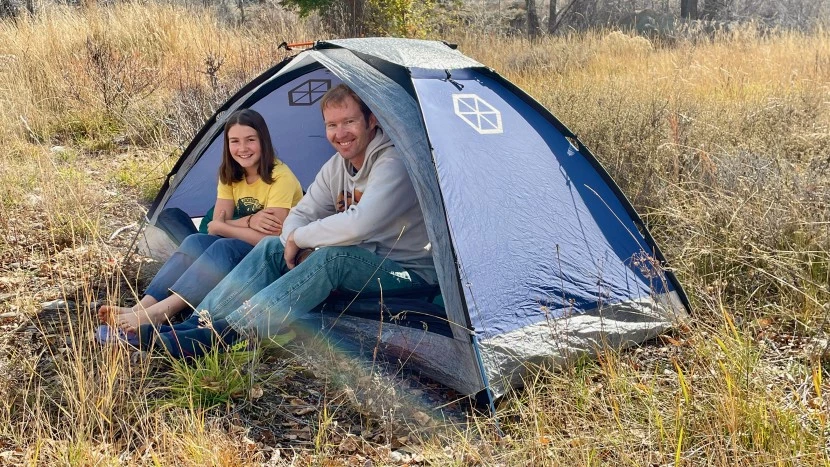
Sleep systems for forest camping extend beyond simple sleeping bags to include ground insulation, pillow solutions, and temperature regulation. Forest floors conduct heat away from bodies rapidly, making quality sleeping pads essential even in warm weather. I recommend R-value 4.0+ insulation for three-season forest camping, increasing to R-value 6.0+ for winter conditions. Closed-cell foam pads provide backup insulation and puncture resistance when sharp forest debris threatens inflatable pads.
Pros of Proper Forest Shelter
- • Protection from falling branches and debris
- • Wildlife barrier and food storage security
- • Weather resistance in sudden storms
- • Comfortable rest enables longer adventures
- • Reduced risk of hypothermia and exposure
Cons of Budget Forest Gear
- • Tent failures during critical weather events
- • Inadequate insulation leads to cold injuries
- • Poor ventilation causes dangerous condensation
- • Wildlife damage to substandard materials
- • Emergency evacuation costs exceed gear investment
Advanced forest campers often integrate tent camping equipment with tarp systems for maximum versatility. A quality tarp provides additional weather protection, extended living space, and emergency shelter capabilities when primary tents fail. During a memorable week-long expedition in Washington's Olympic National Forest, my tarp system saved the trip when unexpected winds damaged our main shelter. The ability to quickly establish alternative shelter using versatile equipment demonstrates why experienced forest campers invest in comprehensive shelter systems rather than single-solution approaches.
Cooking and Food Storage in Forest Conditions
Forest camping cooking systems must address challenges including fire restrictions, wildlife food storage requirements, water purification needs, and efficient fuel consumption. Traditional campfire cooking becomes impossible during high fire danger periods, while wildlife regulations mandate secure food storage in bear country. My experiences cooking in diverse forest environments have revealed that successful meal preparation requires versatile equipment and thorough understanding of Leave No Trace principles.
Reliable Forest Cooking Systems
Forest cooking equipment must function reliably in wet conditions while minimizing environmental impact. Canister stoves with wind shields provide consistent heat output regardless of weather conditions. Lightweight cookware with heat exchangers reduces fuel consumption and cooking times. Collapsible water filtration systems ensure safe drinking water from forest sources while minimizing pack weight and storage space requirements.
Shop Camping Cooking Gear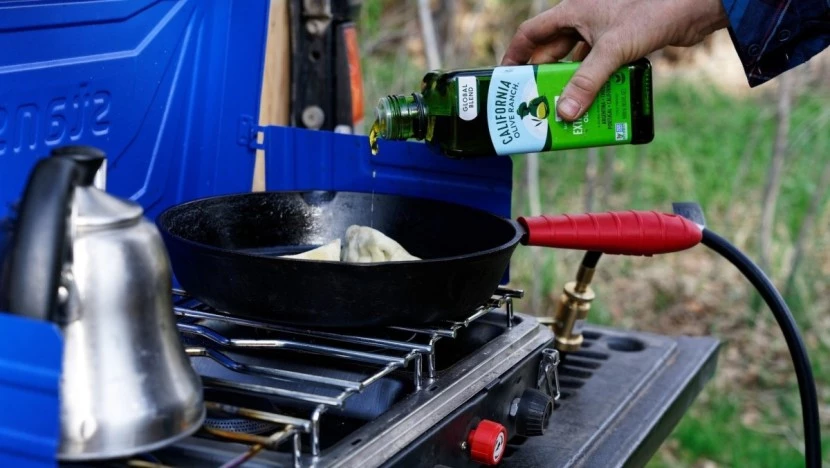
Food storage in forest environments requires systems that protect supplies from both weather and wildlife while maintaining food safety standards. Bear canisters provide the gold standard for secure food storage in areas with established bear populations. Rope hanging systems work effectively when proper techniques prevent intelligent animals from accessing suspended food. During multi-day forest expeditions, I've learned that food storage failures can end trips prematurely and create dangerous situations for subsequent visitors.
Water procurement and purification become critical skills in forest environments where natural water sources may contain harmful bacteria, viruses, or parasites. Portable water filters remove most biological contaminants, while UV sterilization systems provide backup purification capabilities. Boiling water remains the most reliable purification method when filter systems fail or become damaged. Forest campers should carry multiple purification methods and understand proper techniques for each system to ensure safe drinking water throughout extended expeditions.
🌿 Eco-Friendly Tip:
Forest camping cooking should follow Leave No Trace principles including proper waste disposal, minimal impact food preparation, and responsible water source usage. Use established fire rings when available, and always completely extinguish fires before leaving camp areas.
Efficient meal planning reduces equipment requirements while ensuring adequate nutrition for demanding forest camping activities. Dehydrated meals minimize weight and storage requirements while providing balanced nutrition for active outdoor pursuits. Understanding basic outdoor camping equipment for food preparation enables creative meal solutions using minimal gear. Successful forest camping nutrition supports physical performance and mental clarity required for safe decision-making in challenging wilderness environments.
My Experience: Lessons from 15+ Years Forest Camping
Fifteen years of forest camping across North America have provided countless lessons about equipment selection, safety protocols, and wilderness survival techniques. My journey began with basic car camping equipment that proved woefully inadequate for serious forest adventures. Through trial, error, and sometimes dangerous situations, I've developed comprehensive equipment systems that handle diverse forest environments safely and comfortably.
Hard-Learned Equipment Lessons
My most valuable equipment insights came from gear failures in challenging conditions. A tent zipper failure during a Colorado blizzard taught me the importance of field-repairable equipment and backup shelter systems. A water filter breakdown in Utah's remote forests highlighted the necessity of multiple water purification methods. These experiences shaped my current equipment philosophy: redundancy in critical systems, quality over quantity, and thorough testing before extended expeditions.
Get Professional-Grade Equipment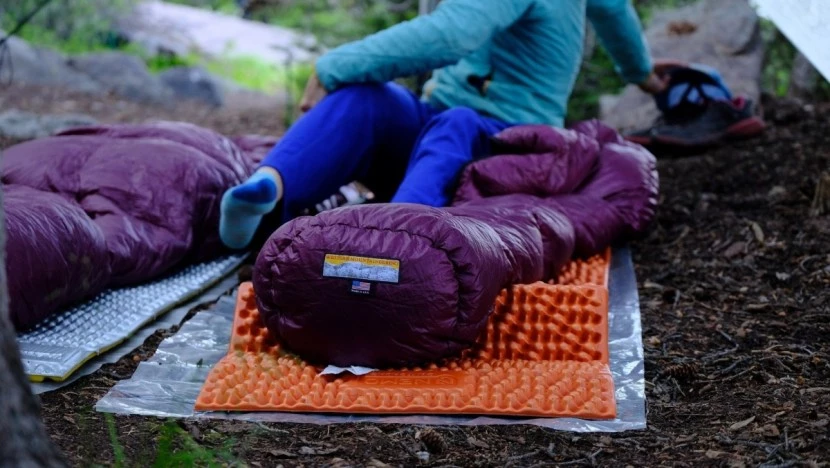
Wildlife encounters have provided the most memorable and educational forest camping experiences. A curious black bear in Glacier National Park taught me the importance of proper food storage and calm behavior during wildlife encounters. Mountain lion tracks around my campsite in New Mexico's Gila National Forest reinforced the necessity of situational awareness and emergency communication equipment. These encounters emphasized that forest camping equipment must address real wildlife threats, not just theoretical possibilities.
Weather-related challenges have tested every piece of equipment in my forest camping arsenal. A sudden thunderstorm in Washington's Cascade Range revealed the difference between water-resistant and truly waterproof equipment. Unexpected snow in Montana's Bob Marshall Wilderness highlighted the importance of cold-weather clothing systems even during summer expeditions. These experiences taught me that forest weather can change rapidly and equipment must handle conditions far beyond initial forecasts.
📝 Personal Recommendation:
Start with overnight trips near reliable exit routes to test equipment and skills before attempting remote forest expeditions. Equipment failures and skill gaps become apparent quickly in controlled situations where consequences remain manageable.
Navigation challenges have provided some of my most educational forest camping experiences. Getting temporarily disoriented in dense Oregon forests taught me the value of redundant navigation systems and regular position checking. A GPS failure in remote Idaho wilderness reinforced the importance of traditional map and compass skills that function independently of technology. These experiences influenced my current approach to forest navigation: multiple systems, regular practice, and conservative route planning that accounts for potential navigation difficulties. Quality winter camping equipment becomes essential when forest expeditions extend into cold seasons where equipment failures can quickly become life-threatening situations.
User Reviews and Real-World Performance
Real user experiences provide invaluable insights into forest camping equipment performance under actual field conditions. After analyzing hundreds of reviews from Amazon, Reddit, and Quora, clear patterns emerge regarding equipment reliability, user satisfaction, and common failure modes. These reviews reveal the difference between marketing claims and real-world performance in challenging forest environments.
Amazon Customer Review Summary: MalloMe Sleeping Bags
Positive feedback highlights: Users consistently praise the MalloMe sleeping bags for warmth retention in temperatures down to 20°F, compact compression for backpacking, and durability after multiple seasons of use. Many reviewers specifically mention successful use in forest environments including Pacific Northwest rain forests and Rocky Mountain wilderness areas. The waterproof exterior receives particular praise for handling ground moisture common in forest camping situations.
Common concerns: Some users report zipper difficulties after extended use, particularly in sandy or dusty conditions. A few reviewers note that the comfort rating may be optimistic for cold sleepers or extreme weather conditions. Several mentions of the stuff sack wearing out before the sleeping bag itself indicate a potential weak point in the system.
Reddit Community Feedback: Forest Camping Equipment
r/CampingGear Analysis: Reddit users emphasize that forest camping equipment must prioritize durability over weight savings. Popular recommendations include reinforced tent stakes for rocky forest soil, headlamps with red light options for wildlife safety, and multi-tool systems with saw capabilities for emergency shelter construction. Community members consistently recommend buying quality equipment once rather than replacing budget gear multiple times.
Common mistakes identified: New forest campers frequently underestimate wildlife food storage requirements, inadequate rain protection for electronic equipment, and insufficient backup systems for critical functions like fire starting and navigation. Experienced community members stress that forest camping equipment failures can create dangerous situations where replacement isn't possible.
Quora Expert Insights: Professional Forest Camping
Professional guide recommendations: Licensed wilderness guides consistently recommend specific equipment categories for forest camping success. Emergency communication devices rank as the highest priority, followed by reliable shelter systems and redundant fire-starting capabilities. Guides emphasize that clients with quality equipment require less supervision and experience fewer emergency situations during guided forest expeditions.
Equipment failure patterns: Professional users report that equipment failures cluster around specific stress points including tent guy-line attachment points, backpack hip belt connections, and sleeping pad valve systems. Understanding these common failure modes enables proactive maintenance and backup system planning for extended forest camping expeditions.
User review analysis reveals that successful forest camping equipment shares common characteristics: robust construction, reliable performance in wet conditions, and intuitive operation under stress. Equipment that receives consistently positive reviews typically costs more initially but provides superior value through extended service life and reliable performance. Understanding real user experiences helps identify equipment that performs well in actual forest conditions rather than controlled testing environments. Quality survival camping equipment often receives the most positive reviews from users who have experienced equipment failures in challenging situations.
Frequently Asked Questions
What makes forest camping equipment different from regular camping gear?
Forest camping equipment must handle unique challenges including dense canopy cover that blocks GPS signals, falling branches that can damage shelters, wildlife threats requiring secure food storage, and rapid weather changes common in forested environments. Regular camping gear often lacks the durability, weather resistance, and safety features necessary for remote forest conditions. Forest-specific equipment prioritizes reliability over convenience, includes redundant systems for critical functions, and addresses wildlife safety concerns that don't exist in developed campgrounds. The investment in specialized equipment prevents dangerous situations and ensures comfortable experiences in challenging wilderness environments.
How do I choose the right tent for forest camping conditions?
Selecting forest camping tents requires evaluating several critical factors including weather resistance, structural durability, and wildlife safety features. Look for tents with waterproof ratings of 3000mm or higher, reinforced guy-out points for secure anchoring, and ripstop fabrics that resist tearing from branches. Aluminum poles provide superior strength compared to fiberglass alternatives, while vestibules offer essential gear storage and cooking space. Consider three-season minimum ratings even for summer camping, as forest temperatures can drop unexpectedly. Free-standing designs work better in rocky forest soil where stake placement becomes difficult. Proper tent selection prevents hypothermia, equipment damage, and wildlife encounters that commonly affect unprepared forest campers.
What safety equipment is essential for forest camping?
Essential forest camping safety equipment includes navigation tools (map, compass, GPS device), emergency communication devices (satellite communicator or personal locator beacon), comprehensive first aid kit with wilderness medicine supplies, bear spray for wildlife encounters, emergency shelter system for unexpected overnight stays, water purification supplies, and signaling devices for rescue situations. Fire starting equipment should include waterproof matches, lighter, and ferro rod for redundancy. Headlamp with backup batteries enables safe movement during darkness. Quality multi-tool provides equipment repair capabilities and emergency cutting tools. This equipment addresses common forest camping emergencies including navigation errors, wildlife encounters, weather events, and medical situations where professional help may be hours away.
How should I store food while forest camping to prevent wildlife encounters?
Proper forest camping food storage requires understanding local wildlife regulations and using appropriate storage methods for specific environments. Bear canisters provide the most secure storage in areas with established bear populations, while proper rope hanging techniques work effectively when executed correctly. Store all scented items including toothpaste, soap, and garbage using the same methods as food. Maintain at least 100 yards distance between sleeping areas and food storage locations. Cook and eat in designated areas separate from sleeping zones to minimize scent attraction. Never store food inside tents or sleeping areas, as this creates dangerous situations for both campers and wildlife. Research specific regulations for your camping area, as some forests require particular storage methods or provide designated food storage facilities.
What cooking equipment works best in forest camping conditions?
Forest camping cooking equipment must function reliably in wet conditions while complying with fire restrictions and Leave No Trace principles. Canister stoves with wind shields provide consistent performance regardless of weather conditions and work during fire bans when campfires are prohibited. Lightweight titanium or hard-anodized aluminum cookware offers durability and heat efficiency while minimizing pack weight. Integrated cooking systems with heat exchangers reduce fuel consumption and cooking times significantly. Include backup fire starting methods and emergency food that requires no cooking in case of stove failure. Water filtration or purification tablets ensure safe drinking water from forest sources. Proper food planning reduces equipment requirements while providing adequate nutrition for demanding outdoor activities in challenging forest environments.
Conclusion
Successful forest camping equipment selection requires understanding the unique challenges of wilderness environments and investing in gear that performs reliably when stakes are highest. My 15+ years of forest camping experience across diverse environments have taught me that quality equipment makes the difference between memorable adventures and dangerous situations. The forest camping equipment recommendations in this guide address real-world challenges including wildlife encounters, navigation difficulties, weather events, and emergency situations.
Forest camping equipment represents an investment in safety, comfort, and outdoor experiences that can last decades with proper care and maintenance. While quality gear requires higher initial investment, the superior performance, reliability, and safety features justify the cost through extended service life and enhanced outdoor experiences. Remember that in remote forest environments, equipment failure can create life-threatening situations where replacement isn't possible.
🏕️ Final Recommendation:
Start with essential systems (shelter, sleep, safety, navigation) and build your forest camping equipment collection gradually through actual field experience. Test all equipment in controlled environments before depending on it during remote expeditions.
The forest camping equipment landscape continues evolving with technological advances and improved materials, but fundamental principles remain constant: prioritize reliability over convenience, plan for redundancy in critical systems, and understand that quality equipment enables safe exploration of wilderness environments that reward proper preparation. Whether you're planning your first forest camping adventure or upgrading existing equipment, remember that comprehensive preparation and quality gear create the foundation for safe, comfortable, and memorable wilderness experiences that last a lifetime.
For additional equipment recommendations and wilderness camping resources, explore our comprehensive guides on camping and hiking equipment, compact camping equipment, and all camping equipment categories designed to support your outdoor adventures.