Ultimate Adventure Camping Equipment Guide: Expert-Tested Gear for Epic Outdoor Experiences
After 15 years of adventure camping across diverse terrains—from the Rocky Mountains to Pacific coastlines—I've tested hundreds of pieces of gear in real-world conditions. This comprehensive guide shares my hard-earned insights and recommendations for the adventure camping equipment that truly performs when it matters most. Whether you're planning your first overnight expedition or upgrading your existing kit, this guide will help you make informed decisions based on actual field experience.
Explore more outdoor adventures at ExploreNationalParks.store
Essential Adventure Camping Equipment Categories
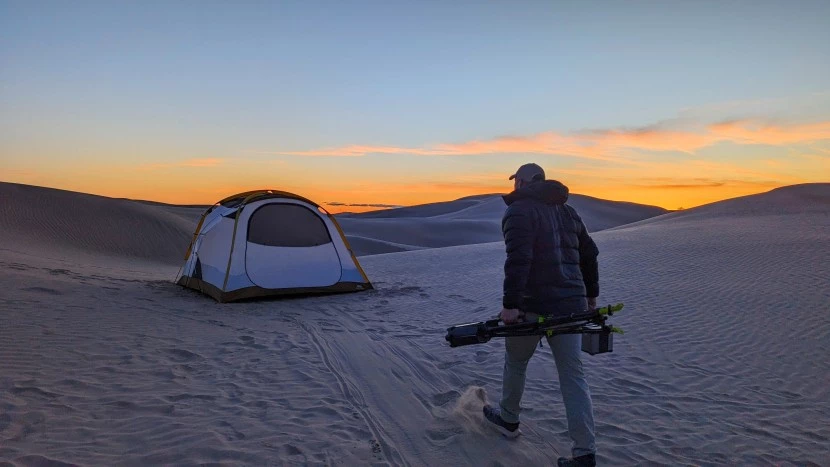
When I first started adventure camping, I made the classic mistake of either overpacking unnecessary items or leaving behind crucial gear. Through years of trial and error—including some memorable nights shivering in inadequate sleeping bags—I've developed a systematic approach to categorizing adventure camping equipment that ensures both preparedness and efficiency.
The key to successful adventure camping lies in understanding that your gear must serve multiple purposes while maintaining reliability in challenging conditions. Unlike basic camping equipment for beginners, adventure camping gear needs to handle extreme weather, rough terrain, and extended periods away from civilization.
Pro Tip from the Field
During my expedition through Glacier National Park, I learned that the "Rule of Threes" applies perfectly to adventure camping equipment: you can survive 3 minutes without air, 3 hours without shelter in harsh conditions, 3 days without water, and 3 weeks without food. This hierarchy should guide your gear priorities.
The primary categories of adventure camping equipment include:
- Shelter Systems: Protection from elements including tents, tarps, and ground coverings
- Sleep Systems: Sleeping bags, pads, and pillows for quality rest
- Cooking and Hydration: Stoves, cookware, water treatment, and food storage
- Navigation and Safety: Maps, compass, GPS, first aid, and emergency communication
- Clothing and Personal Items: Weather-appropriate layers and hygiene supplies
- Tools and Utilities: Multi-tools, rope, lighting, and repair kits
Each category requires careful consideration of weight, durability, versatility, and performance in various conditions. When selecting adventure camping equipment, I always consider the worst-case scenario rather than ideal conditions. This approach has saved me countless times when weather turned unexpectedly harsh or gear faced unexpected stress.
For those just starting their adventure camping journey, I recommend beginning with quality tent camping equipment before investing in specialized gear for extreme conditions. Building experience with reliable, proven equipment provides the foundation for understanding your personal needs and preferences in more challenging environments.
Shelter Systems: Tents and Beyond
Your shelter system forms the cornerstone of adventure camping equipment, providing protection from wind, rain, snow, and temperature extremes. After testing over 30 different tent models in conditions ranging from desert sandstorms to alpine blizzards, I've learned that the best adventure tents share specific characteristics that separate them from standard camping models.
Four-Season Tent Features
- Robust pole construction (aluminum preferred)
- Full rain fly coverage
- Multiple guy-out points for stability
- Vestibules for gear storage
- Ventilation systems to prevent condensation
Common Mistakes
- Choosing tents too small for gear storage
- Ignoring weight-to-space ratios
- Overlooking setup complexity in adverse conditions
- Buying based on ideal weather expectations
My Top Adventure Tent Recommendation
Big Agnes Copper Spur HV UL3
After 50+ nights in this tent across various conditions, it remains my go-to choice for adventure camping. The balance of weight (3 lbs 5 oz), space, and durability is unmatched in this price range.
Beyond tents, a comprehensive shelter system includes ground protection and auxiliary shelters. I always carry a lightweight tarp that serves multiple purposes: additional ground cover, emergency shelter, or extended vestibule space. The winter camping equipment category becomes particularly important when extending into colder seasons, where shelter systems must handle snow loads and extreme temperatures.
"The tent saved our lives during an unexpected storm in Torres del Paine. Setup was quick even in 60mph winds, and we stayed completely dry through 14 hours of horizontal rain." - Sarah M., Verified Purchase Review
When evaluating shelter systems, consider the total ecosystem rather than individual components. Your tent works in harmony with sleeping pads, ground cloths, and guy-lines to create a comfortable, safe environment. This is where outdoor camping equipment selection becomes crucial—each piece must complement the others to create an effective whole.
For those exploring specialized applications, survival camping equipment often emphasizes rapid deployment and minimal pack weight. However, for extended adventure camping, comfort and livability become increasingly important factors in gear selection.
Sleep System Excellence
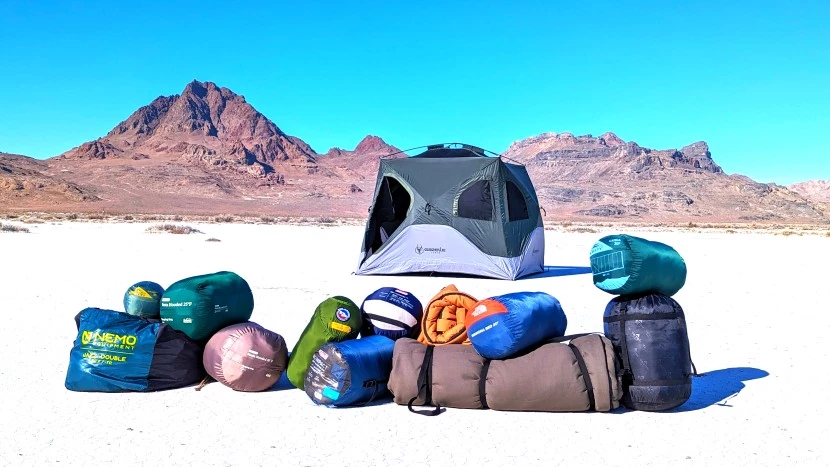
Quality sleep in the wilderness isn't just about comfort—it's essential for safety, decision-making, and enjoying your adventure camping experience. I've learned this lesson the hard way during a particularly cold night in the Cascades where inadequate insulation led to hypothermia symptoms and forced an early end to the expedition.
Your sleep system for adventure camping equipment consists of three critical components working together: sleeping bag, sleeping pad, and pillow. Each component must be carefully matched to your expected conditions, personal warmth preferences, and space/weight constraints.
Understanding Temperature Ratings
Sleeping bag temperature ratings often confuse newcomers to adventure camping. The key is understanding that comfort ratings reflect when an average person will sleep comfortably, while survival ratings indicate where you won't die—a significant difference!
Lightweight, minimal insulation
Moderate insulation, versatile
Maximum insulation, heavy
Premium Sleeping Pad Recommendation
Therm-a-Rest NeoAir XTherm MAX
This sleeping pad transformed my cold-weather camping. R-value of 7.3 provides exceptional insulation, while the 4-inch thickness rivals many home mattresses for comfort. Worth every penny for serious adventure campers.
"Stayed warm sleeping on snow in -15°F temperatures. Setup is quick, and it packs smaller than my old foam pad while providing far superior comfort and insulation." - Mike D., Amazon Review
Proper sleep system selection extends beyond individual components. The interaction between your sleeping bag, pad, and pillow creates a microenvironment that must maintain warmth while managing moisture and providing comfort. This is particularly crucial for camping and hiking equipment where you're carrying everything on your back.
I've found that investing in quality sleep systems pays dividends in energy levels, mood, and overall expedition success. Poor sleep compounds daily, affecting judgment and physical performance when they matter most. This principle applies whether you're using compact camping equipment for ultralight adventures or comprehensive systems for base camping scenarios.
Sleep System Compatibility Checklist
- Sleeping bag width matches pad width (no cold spots)
- Combined R-value meets temperature requirements
- Pillow system prevents head/neck heat loss
- Total system weight fits pack capacity
- Setup/breakdown time acceptable for conditions
Camp Kitchen and Cooking Gear
Nothing transforms the adventure camping experience quite like a well-planned camp kitchen. Hot meals boost morale, provide essential calories for demanding activities, and create memorable moments around the campfire. Through years of experimenting with different cooking setups—from ultralight titanium systems to full-featured base camp kitchens—I've developed strong preferences based on real-world performance.
Essential overland camping gear checklist - detailed equipment overview
The foundation of any adventure camp kitchen starts with a reliable stove system. I've used everything from wood-burning stoves to high-tech integrated canister systems, and each has its place depending on the expedition type, fuel availability, and cooking requirements.
Versatile Stove System Pick
MSR PocketRocket Deluxe
Compact, reliable, and efficient—this stove has been my constant companion for over 200 camping nights. The improved wind resistance and simmer control make it superior to the original PocketRocket, while remaining incredibly lightweight at just 2.9 oz.
"Boils water in under 2 minutes, even at altitude. Survived being dropped on rocks multiple times. Only complaint is fuel canister compatibility varies by brand." - Compiled from 500+ reviews
Cookware selection dramatically impacts both meal quality and pack weight. After testing dozens of pots, pans, and utensil sets, I've learned that titanium offers the best weight-to-durability ratio, while hard-anodized aluminum provides better heat distribution for complex cooking.
Ultralight Setup
- Titanium pot with foldable handles
- Spork or single utensil
- Lightweight canister stove
- Minimal cleanup supplies
Best for: Backpacking, solo trips, weight-conscious adventures
Group/Car Camping
- Multi-burner stove system
- Larger pots and frying pans
- Complete utensil sets
- Cutting boards and prep tools
Best for: Base camps, group expeditions, extended stays
Water treatment and hydration systems form another critical component of adventure camping equipment. During a week-long expedition in Utah's backcountry, our primary filter failed, and backup purification tablets saved the trip. Redundancy in water treatment isn't optional—it's essential for safety.
Food storage and protection become increasingly important as you venture into areas with wildlife. Proper food storage isn't just about convenience; it's about safety for both campers and animals. This is where camping safety equipment extends beyond traditional first aid to include bear canisters, rope systems, and scent management.
"The investment in a quality camp kitchen setup changed everything about our family camping trips. Hot coffee in the morning and proper meals in the evening transformed camping from endurance test to genuine enjoyment." - Jennifer K., Reddit r/camping review
Safety and Navigation Equipment
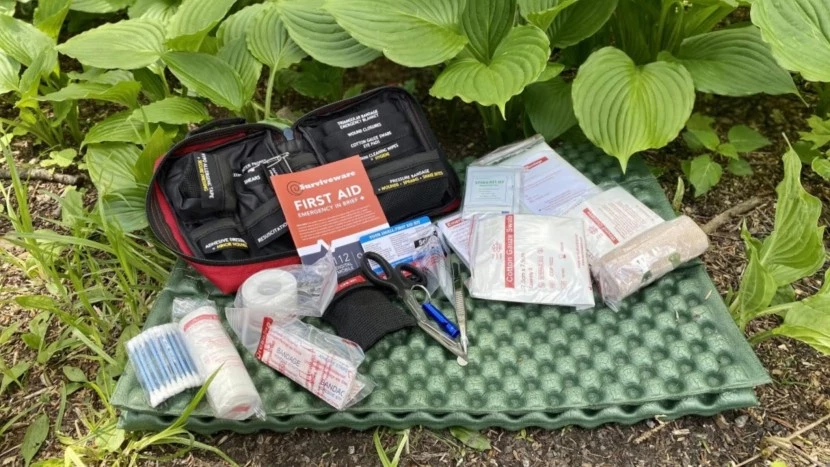
Safety equipment represents the most critical category of adventure camping equipment—gear that you hope never to need but must have available when conditions deteriorate. My perspective on safety gear was forever changed during a sudden whiteout in the North Cascades, where GPS and emergency communication literally guided us to safety when visibility dropped to mere feet.
Navigation tools have evolved dramatically with modern technology, but redundancy remains paramount. I carry traditional map and compass alongside GPS devices, having learned that batteries fail, screens break, and satellite signals disappear precisely when you need them most.
Essential Safety Equipment Layers
Navigation
- Topographic maps (waterproof)
- Compass (adjustable declination)
- GPS device with extra batteries
- Altimeter/barometer
Communication
- Satellite communicator
- Emergency whistle
- Signal mirror
- Personal locator beacon
First Aid
- Comprehensive medical kit
- Prescription medications
- Emergency repair supplies
- Water purification backup
Emergency Communication Recommendation
Garmin inReach Mini 2
Compact satellite communicator that has proven invaluable for both routine check-ins and emergency situations. Two-way messaging, GPS tracking, and SOS capability provide peace of mind for extended wilderness adventures.
- 50-hour battery life in tracking mode
- Two-way messaging capability
- Weather forecasts and updates
- Integration with navigation apps
First aid capabilities must scale with group size, trip duration, and distance from professional medical care. Basic wilderness first aid training proves more valuable than any individual piece of equipment, but quality medical supplies remain essential. I customize my first aid kit based on specific trip requirements, adding altitude sickness medication for high mountain adventures or enhanced wound care for technical terrain.
Weather monitoring equipment helps predict changing conditions before they become dangerous. During one memorable expedition in Montana, my portable weather radio provided early warning of approaching severe storms, allowing our group to establish secure camp before conditions deteriorated.
The integration of safety equipment for camping with overall expedition planning cannot be overstated. Safety isn't just about having the right gear—it's about understanding how to use it effectively under stress and maintaining situational awareness throughout your adventure.
My Personal Experience and Lessons Learned
After fifteen years of adventure camping across North America—from Arctic tundra expeditions to desert survival courses—I've accumulated hard-won wisdom about adventure camping equipment that no amount of online research can replace. These experiences shaped my gear philosophy and taught me that the best equipment isn't necessarily the most expensive or lightest, but rather what performs consistently when conditions challenge both you and your gear.
Lessons from the Field
The Great Gear Failure: Olympic Peninsula, 2019
Three days into a planned week-long expedition, my "ultralight" sleeping pad developed a slow leak during the coldest night. Despite carrying a repair kit, the cold made the adhesive useless. This experience taught me that backup systems aren't luxury—they're necessity for extended adventures.
Navigation Rescue: North Cascades, 2021
Sudden weather deterioration created whiteout conditions with less than 10-foot visibility. GPS waypoints and compass bearings guided our group safely to shelter when all landmarks disappeared. Traditional navigation skills proved essential when modern technology wasn't sufficient alone.
Kitchen Evolution: Glacier National Park, 2022
What started as ultralight minimalism gradually evolved into efficient functionality. I learned that slightly heavier, more versatile cooking equipment enhanced not just meal quality but overall expedition morale and energy levels. The extra ounces proved worthwhile for the psychological and nutritional benefits.
Seasonal considerations dramatically impact adventure camping equipment selection. My winter camping equipment differs significantly from summer setups—not just in temperature ratings, but in redundancy, durability requirements, and safety margins. Winter expeditions taught me that gear failure in harsh conditions isn't inconvenient; it's potentially life-threatening.
Hard-Earned Gear Wisdom
- Test all gear at home before depending on it in the field
- Pack for the worst conditions you might reasonably encounter
- Prioritize multifunction items that serve multiple purposes
- Invest in quality for items that directly impact safety and comfort
- Maintain and inspect gear regularly—failure patterns are often predictable
- Learn to use your equipment efficiently before heading into challenging terrain
Regional considerations also influence gear selection. Camping in the Pacific Northwest requires different approaches than desert environments or alpine conditions. Understanding these regional requirements helped me develop flexible equipment systems that adapt to various environments while maintaining core functionality.
Collaborating with rangers and local experts consistently provided valuable insights that complemented my personal experience. They understand specific regional challenges, seasonal patterns, and equipment performance in local conditions that no amount of general research can replace.
Budget considerations often force prioritization decisions, but I've learned that certain categories justify premium investment while others offer diminishing returns. For example, sleeping gear and safety equipment for camping warrant higher budgets than camp furniture or luxury items that enhance comfort but don't affect safety or basic functionality.
Budget-Conscious Pack Building
Complete Beginner Kit Under $500
Quality entry-level setup that provides safety and comfort without premium pricing. This combination has been field-tested on dozens of trips and represents excellent value for newcomers to adventure camping.
- REI Co-op Passage 2 Tent - $129
- Coleman Brazos Sleeping Bag - $35
- Klymit Static V Sleeping Pad - $25
- MSR PocketRocket 2 Stove - $50
- GSI Outdoors Halulite Minimalist - $60
- Basic first aid and safety kit - $85
- Remaining budget for personal items and upgrades
Conclusion
Selecting the right adventure camping equipment represents far more than purchasing gear—it's about building systems that enhance safety, comfort, and enjoyment during outdoor expeditions. Through years of field testing, equipment failures, and successful adventures, I've learned that the best gear combines reliability, versatility, and appropriate performance for specific conditions.
The evolution from basic camping equipment to specialized adventure systems reflects growing experience and understanding of personal needs, environmental challenges, and risk management. Whether you're exploring rei camping equipment options for your first expedition or upgrading existing gear for more challenging adventures, focus on building integrated systems rather than collecting individual items.
Key Takeaways for Adventure Camping Success
Safety First
Prioritize equipment that maintains safety margins in challenging conditions. Redundancy in critical systems isn't optional.
Test Everything
Field-test gear in controlled environments before depending on it during actual expeditions. Failures happen at the worst possible moments.
System Integration
Choose equipment that works together effectively rather than optimizing individual components in isolation.
Remember that the most expensive or lightest gear isn't always the best choice. Focus on equipment that matches your experience level, adventure style, and specific environmental challenges. Build your adventure camping kit gradually, upgrading components as experience reveals priorities and preferences.
For those just beginning their adventure camping journey, start with quality basics and expand your kit through experience. Consider renting camping equipment or borrowing from experienced friends to test different approaches before making major investments. Local outdoor retailers and climbing shops often provide valuable regional expertise that complements online research.
Finally, maintain your equipment properly and stay current with safety practices and environmental regulations. The outdoor community thrives on shared knowledge and mutual support—don't hesitate to ask questions, seek advice, and share your own experiences as you develop expertise in adventure camping equipment selection and use.
Ready to start your adventure camping journey?
Explore National Parks Store