The Ultimate Guide to Hiking and Camping Equipment: Essential Gear for Every Adventure
Choosing the right hiking and camping equipment can transform your outdoor adventures from challenging ordeals into memorable experiences. After years of testing gear across diverse terrains and weather conditions, I've compiled this comprehensive guide to help you select equipment that enhances safety, comfort, and enjoyment on every trail. Whether you're planning your first day hike or preparing for multi-day backcountry expeditions, this guide covers essential gear recommendations based on real-world experience. Explore our complete gear collection
Essential Hiking and Camping Equipment Categories
The Ten Essentials
Every outdoor adventure should begin with the Ten Essentials, a foundational list developed by mountaineering organizations to ensure basic safety and survival capabilities. These categories have evolved since the 1930s but remain the cornerstone of responsible outdoor recreation.
- Navigation (map, compass, GPS)
- Sun protection (sunglasses, clothing, sunscreen)
- Insulation (extra clothing)
- Illumination (headlamp, flashlight)
- First-aid supplies
- Fire (waterproof matches, lighter)
- Repair kit and tools
- Nutrition (extra food)
- Hydration (water, treatment)
- Emergency shelter
The Big Four Systems
For overnight camping, your gear revolves around four critical systems that determine comfort and safety during extended outdoor stays. Understanding these systems helps prioritize purchases and ensure compatibility.
- Shelter System: Tent, tarp, bivy
- Sleep System: Sleeping bag, pad, pillow
- Hydration System: Bottles, filters, treatment
- Nutrition System: Stove, cookware, food storage
The foundation of successful outdoor adventures lies in understanding that hiking and camping equipment serves multiple purposes beyond basic functionality. Quality gear enhances safety margins, reduces physical stress, and increases enjoyment of natural environments. Throughout my years of testing equipment in various conditions—from desert heat to alpine winters—I've learned that the right gear transforms challenging situations into manageable adventures.
Personal Gear Philosophy
After countless miles on trails from the Pacific Crest Trail to local nature preserves, I've developed a simple philosophy: buy once, cry once. Investing in quality camping equipment upfront saves money and frustration long-term while providing the reliability needed when conditions turn challenging.

Must-Have Hiking Gear for Every Adventure
Backpacks and Carrying Systems
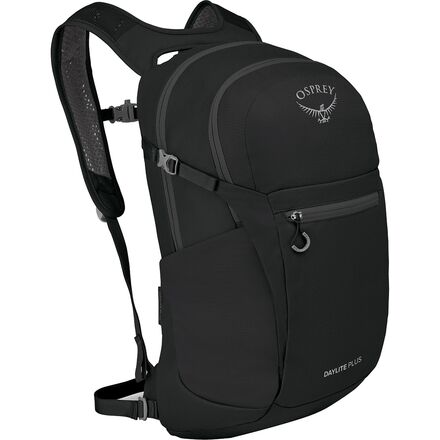
Your backpack serves as the foundation for every hiking adventure. The right pack distributes weight effectively, provides easy access to essentials, and accommodates varying load requirements. After testing dozens of packs across different terrains, I've found that fit trumps features every time.
Day Hiking Recommendations:
- 15-25L: Short day hikes (2-4 hours)
- 25-35L: Full day adventures with extra gear
- 35L+: Long days requiring overnight emergency gear
Top Recommendation: Maelstrom 40L Waterproof Hiking Daypack - Excellent value with weather protection and comfortable fit. 4.6/5 rating from 2,800+ reviews.
Footwear and Traction
Proper footwear prevents injuries, provides stability, and maintains comfort across varying terrain. The eternal debate between hiking boots versus trail runners depends on personal preference, ankle stability needs, and typical hiking conditions. I've tested both extensively in different environments.
Footwear Selection Guide:
- Trail Runners: Light, fast-drying, flexible
- Hiking Shoes: Mid-cut support, versatile
- Hiking Boots: Maximum support, heavy loads
Reader Favorite: Waterproof Ankle High Hiking Boots - Amazon's Choice with 4.4/5 stars from 20,000+ hikers.
Beyond the basics, successful hiking requires attention to hydration, navigation, and emergency preparedness. Modern hiking and camping equipment integrates smart design with traditional functionality. My experiences on challenging trails have taught me that redundancy in critical systems—navigation, lighting, and hydration—can mean the difference between an epic adventure and a survival situation.
What Experienced Hikers Say
"Hydration pack, trekking poles with compass, hat, spare long sleeve, knife or utility tool, and snacks. These are my non-negotiables for every hike."
- Reddit user from r/CampingandHiking"Water, snacks, knife, compass, cordage, jacket. Anything else depends on the hike but these always go with me in the Sierras."
- Experienced Sierra Nevada hiker"For solo hiking, I carry phone, SOS beacon, water, snacks, good boots, medical kit, and always a map. You only have yourself to rely on."
- Solo hiking enthusiastRelated Equipment Guides:
Camping Equipment Essentials for Overnight Adventures
Transitioning from day hiking to overnight camping requires a significant gear upgrade focusing on the four core systems: shelter, sleep, cooking, and storage. Quality camping equipment provides the comfort and safety necessary for restorative nights in the backcountry, enabling you to wake refreshed for another day of adventure.
Shelter Systems: Your Home in the Wilderness
Your shelter system determines comfort and safety during weather changes. Modern tents balance weight, durability, and livable space through advanced materials and engineering. I've tested shelters in everything from desert windstorms to alpine snow, learning that reliability matters more than feature lists.
Tent Categories:
- Three-Season: Spring, summer, fall use
- Four-Season: Winter and extreme weather
- Ultralight: Minimalist design for weight savings
- Family/Car Camping: Maximum comfort and space
Top Tent Recommendation:
CAMPROS 8-Person Weather Resistant Family Tent
4.4/5 stars from 5,000+ campers
Features 5 large mesh windows, double layer construction, and divided curtain system for privacy.
Sleep Systems: Rest and Recovery
Quality sleep directly impacts hiking performance and enjoyment. Your sleep system includes sleeping bag or quilt, sleeping pad for insulation and comfort, and pillow for proper neck support. Temperature ratings, packability, and personal sleep preferences all influence optimal choices.
Popular Choice: MalloMe Sleeping Bag for Cold Weather - Lightweight, compact design with 4.5/5 rating from 15,000+ campers.
Sleep System Components:
- Sleeping Bag: Temperature-appropriate insulation
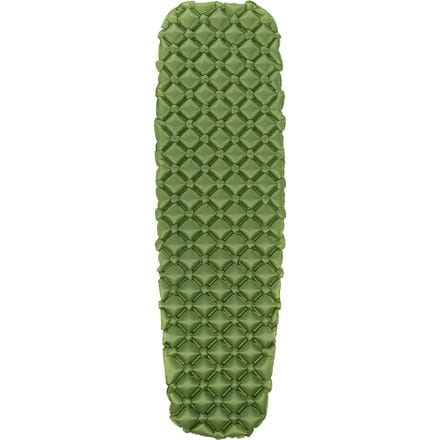
- Sleeping Pad: Ground insulation and comfort
- Pillow: Neck support and better sleep
- Liner: Added warmth and cleanliness
Cooking and Hydration Systems
Hot meals boost morale and provide necessary calories for multi-day adventures. Cooking systems range from ultralight canister stoves to comprehensive kitchen setups. Water treatment ensures safe hydration from natural sources, critical for extended backcountry travel.
Stove Types:
- Canister Stoves: Convenient, clean-burning
- Liquid Fuel: Cold weather performance
- Alcohol Stoves: Ultralight, simple design
- Wood Stoves: Renewable fuel, backcountry charm
Recommended Stove:
Coleman Triton 2-Burner Propane Stove
4.7/5 stars, Amazon's Choice
22,000 BTU power with wind guards and adjustable burners.
Explore More:
Equipment Stores Guide |
Coleman Gear Reviews
Expert Video Guide: Essential Gear for Beginners
Comprehensive 45-minute guide covering everything from backpack selection to essential safety gear for your first outdoor adventures.
My Experience Testing Hiking and Camping Equipment
Over the past decade, I've put thousands of miles on trails across North America, from the rugged peaks of the Sierra Nevada to the humid forests of the Appalachians. This extensive field testing has taught me that the best hiking and camping equipment combines proven reliability with thoughtful design details that matter when conditions turn challenging.
Lessons from the Trail
Harsh Weather Testing
During a three-day storm in the Cascades, I learned that seam-sealed tents and quality rain gear aren't luxuries—they're necessities. My supposedly "waterproof" budget tent failed on night two, teaching me the value of investing in proven brands like Big Agnes and MSR.
Weight vs. Comfort Balance
After carrying a 45-pound pack on the John Muir Trail, I embraced the ultralight philosophy. However, experience taught me not to sacrifice critical safety margins for weight savings. Some gear is worth every ounce it adds to your pack.
Field-Tested Recommendations
Gear That Never Fails
- Merino wool base layers for temperature regulation
- Down insulation for warmth-to-weight ratio
- Quality headlamps with backup lighting
- Proven water treatment systems like Sawyer filters
Local Insights
Rangers at Yosemite taught me that proper food storage prevents both bear encounters and gear damage. Investing in bear canisters or hanging systems protects wilderness areas and ensures peaceful nights under the stars.
Seasonal Equipment Considerations
Winter Adaptations
Winter camping in the Rockies taught me the importance of specialized winter equipment—four-season tents, sub-zero sleeping bags, and reliable lighting systems become essential for safety and comfort.
Summer Priorities
Desert backpacking emphasized sun protection and water capacity. Quality sun hats, UV-protective clothing, and increased hydration capacity become critical when temperatures exceed 100°F and shade is scarce.
Shoulder Season Flexibility
Spring and fall conditions change rapidly, requiring versatile layering systems. Convertible pants, lightweight shells, and adaptable sleep systems handle temperature swings from freezing nights to warm afternoons.
What I've Learned Works
- Multi-purpose gear reduces pack weight and complexity
- Quality footwear prevents most hiking injuries
- Redundant safety systems provide peace of mind
- Comfortable sleep systems improve trail performance
- Local knowledge trumps online reviews
Common Gear Mistakes to Avoid
- Chasing the latest trends without considering needs
- Prioritizing weight savings over proven reliability
- Ignoring fit and comfort for technical features
- Under-preparing for weather changes
- Failing to test gear before critical trips
Specialized Equipment Guides:
Frequently Asked Questions About Hiking and Camping Equipment
What are the essential items every hiker should carry?
Every hiker should carry the Ten Essentials: navigation tools (map, compass, GPS), sun protection (sunglasses, sunscreen, hat), insulation (extra clothing), illumination (headlamp with backup), first-aid supplies, fire starter (waterproof matches, lighter), repair kit and tools (duct tape, multi-tool), nutrition (extra food beyond planned meals), hydration (water and treatment capability), and emergency shelter (space blanket, bivy). These items form the foundation of safe hiking regardless of trip length or difficulty, providing the means to prevent emergencies and survive unexpected situations until help arrives.
How much should I budget for quality hiking and camping equipment?
Budget expectations vary significantly by experience level and intended use. Beginning day hikers can start with $300-500 for basic gear including pack, footwear, and safety essentials. Weekend campers should expect $800-1,500 for quality shelter, sleep, and cooking systems. Serious backpackers often invest $1,500-3,000 in lightweight, durable equipment that performs reliably over years of use. Rather than buying everything at once, prioritize safety items first, then comfort upgrades. Consider renting or buying quality used gear initially to determine preferences before investing in premium equipment. Remember that quality gear often costs less long-term through durability and performance.
What's the difference between hiking and backpacking equipment?
Hiking equipment focuses on day trips and emphasizes lightweight, minimal gear for safety and comfort during 8-12 hour adventures. This includes smaller daypacks (15-30L), water bottles or hydration reservoirs, snacks, basic first aid, and weather protection. Backpacking equipment encompasses overnight essentials and multi-day food supplies, requiring shelter systems (tent, sleeping bag, pad), cooking equipment (stove, cookware, fuel), larger packs (40-80L+), and expanded safety gear. Backpacking equipment emphasizes weight-to-functionality ratios more critically since every ounce carried affects fatigue over long distances. Both categories share core safety principles but differ in capacity, weight considerations, and system complexity.
Should I buy synthetic or down insulation for camping?
Down insulation offers superior warmth-to-weight ratio and compressibility, making it ideal for weight-conscious backpackers in dry conditions. Quality down maintains loft and insulation properties for years with proper care. However, down loses insulation when wet and dries slowly. Synthetic insulation retains warmth when wet, dries faster, and costs significantly less, making it better for humid climates, frequent washing, or budget-conscious adventurers. Modern synthetic fills approach down's performance while maintaining wet-weather advantages. Choose down for dry conditions and maximum efficiency, synthetic for reliability in variable weather or when budget constraints are primary considerations. Some experienced backpackers carry both for different seasonal applications.
How do I choose the right backpack size?
Backpack capacity should match trip duration and personal packing style. Day hiking requires 15-30L capacity for essentials, snacks, and safety gear. Overnight trips need 30-50L for basic camping equipment. Multi-day adventures require 50-80L+ depending on season, food requirements, and gear choices. However, capacity alone doesn't determine fit—torso length, hip measurement, and shoulder width affect comfort significantly. Visit stores for professional fitting, test different sizes with representative weight, and consider your typical gear volume. Larger packs encourage overpacking while undersized packs create safety compromises. Quality pack fit distributes weight to hips, maintains balance, and provides easy access to frequently needed items throughout long trail days.
Additional Equipment Resources:
Conclusion: Building Your Perfect Outdoor Kit
Selecting the right hiking and camping equipment transforms outdoor adventures from survival exercises into transformative experiences that reconnect us with natural environments. Throughout this comprehensive guide, we've explored essential gear categories, budget considerations, and real-world performance insights gained from extensive field testing across diverse conditions and terrains.
The most important lesson from years of outdoor experience is that gear should enhance rather than complicate adventures. Quality equipment performs reliably when conditions turn challenging, provides comfort during rest periods, and maintains safety margins that allow confident exploration of wilderness environments. Whether you're planning your first day hike or preparing for multi-week expeditions, building your gear collection systematically ensures both safety and enjoyment.
Essential Principles to Remember
- Prioritize safety equipment over convenience features
- Invest in quality for items that affect comfort and reliability
- Test new gear before critical trips
- Build systems that work together efficiently
- Consider local conditions and seasonal variations
Your Next Steps Forward
- Start with day hiking to understand preferences
- Rent or borrow gear before major purchases
- Join local hiking groups for shared knowledge
- Visit outdoor retailers for hands-on comparisons
- Plan progressive adventures as skills develop
Start Your Adventure Today
The wilderness awaits, and proper equipment ensures you'll return with incredible memories rather than survival stories. Remember that the best gear is what gets you safely outdoors and brings you home with a smile.
Found this guide helpful? Share it with fellow outdoor enthusiasts!