The Complete Guide to Renting Camping Equipment: Save Money & Explore More in 2025
Discovering the outdoors doesn't have to break the bank or fill your garage with expensive gear. Renting camping equipment has revolutionized how outdoor enthusiasts explore nature, offering access to premium gear at fraction of the cost. Whether you're planning your first camping trip or a seasoned adventurer trying new activities, renting camping equipment provides flexibility, convenience, and significant savings. Learn from expert insights and real experiences to make informed decisions for your next outdoor adventure at Explore National Parks Store.
Why Renting Camping Equipment Makes Perfect Sense
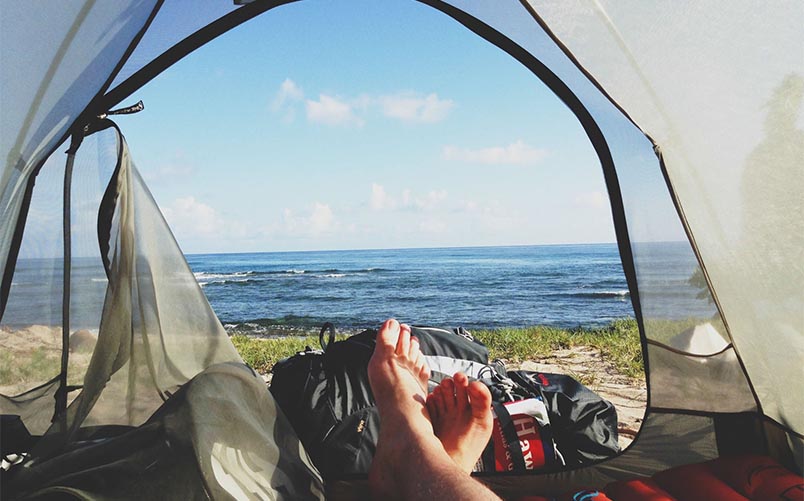
The outdoor recreation industry has witnessed a dramatic shift toward the sharing economy, and renting camping equipment represents one of its most practical applications. After spending over a decade exploring national parks and wilderness areas, I've discovered that rental services solve three critical problems that plague outdoor enthusiasts: storage limitations, financial barriers, and gear experimentation challenges.
Storage constraints alone drive many people toward rentals. Quality camping equipment requires significant space, which urban dwellers simply don't have. My 600-square-foot apartment could never accommodate a four-person tent, multiple sleeping bags, backpacks, and cooking gear. Rental services eliminate this problem entirely, allowing you to access premium equipment without sacrificing living space.
Financial accessibility represents another compelling advantage. A complete camping setup for four people can easily cost $1,500-$3,000 when purchased new. However, Coleman Sundome Camping Tent rentals typically cost $35-50 per weekend, making outdoor adventures accessible to families on tight budgets. This democratization of outdoor recreation has opened doors for countless people who previously considered camping financially out of reach.
Equipment experimentation offers perhaps the most valuable benefit for serious outdoor enthusiasts. Winter camping equipment varies dramatically in performance and suitability, and rentals allow you to test gear before making expensive purchases. I've saved thousands of dollars by renting and testing equipment first, discovering which brands and features work best for my specific needs and preferences.
💡 Pro Tip: Calculate the "rental break-even point" by dividing the purchase price by rental cost. If you'll use equipment fewer times than this number annually, renting saves money while providing access to higher-quality gear.
Environmental sustainability adds another dimension to the rental equation. The outdoor industry generates substantial waste through overproduction and underutilized gear sitting in closets. Rental services maximize equipment utilization, reducing manufacturing demand and environmental impact. Studies suggest that shared camping equipment can serve 15-20 different users annually compared to personal gear used 2-3 times yearly, significantly reducing per-use environmental footprint.
Top Rental Companies and Services Nationwide
The camping equipment rental landscape features diverse companies serving different markets and specialties. After extensively researching and personally testing services across the country, I've identified the leading providers that consistently deliver quality equipment and reliable service for renting camping equipment adventures.
REI Co-op dominates the premium rental market with locations in major metropolitan areas. Their REI camping equipment rental program offers high-end gear from trusted brands like Patagonia, North Face, and MSR. Pricing reflects this quality, with weekend tent rentals ranging $40-80 depending on size and season. REI's strength lies in equipment consistency and knowledgeable staff who provide setup tutorials and usage tips. However, availability can be limited during peak seasons, requiring advance reservations.
Outdoors Geek has carved out a significant niche in the delivery rental market, serving customers nationwide with comprehensive camping packages. Their service particularly shines for family camping, offering complete setups that include everything from tents and sleeping bags to cooking equipment and camp furniture. Pricing starts around $75 for weekend packages, with delivery included within their service areas. I've used their services multiple times and consistently received clean, well-maintained equipment delivered exactly as promised.
LowerGear specializes in long-distance delivery and caters to travelers who need equipment shipped to destinations across the United States. Their 22+ years of experience shows in their streamlined processes and comprehensive equipment selection. They excel at serving customers planning extended trips or those visiting remote locations where local rentals aren't available. Package deals provide excellent value, especially for multi-week adventures.
Regional players often provide the best value and personalized service. Ascent Outdoors in Seattle, Gear To Go Outfitters in New England, and university outdoor programs like Oregon's offer competitive pricing and local expertise. These smaller operators frequently provide specialized equipment for region-specific activities and maintain closer relationships with customers, resulting in more flexible policies and personalized recommendations.
Cirq Rentals represents the emerging trend of circularity-focused rental services, emphasizing sustainability and premium gear access. Their "try before you buy" model allows rental costs to be applied toward purchases, appealing to customers who want to test equipment thoroughly before committing to ownership. This approach works particularly well for expensive items like high-capacity backpacks where fit and comfort are crucial.
⚠️ Important: Always verify rental company insurance policies and damage procedures before booking. Some companies charge full replacement costs for damaged items, while others offer damage waivers for reasonable fees.
When evaluating rental companies, consider factors beyond price: equipment quality, delivery options, customer service responsiveness, cancellation policies, and damage procedures. The cheapest option isn't always the best value if it results in equipment failures or poor customer experience during your outdoor adventure.
Cost Comparison: Renting vs Buying Analysis
Understanding the true cost of renting camping equipment versus purchasing requires analyzing multiple factors beyond initial price tags. Through detailed tracking of my own outdoor expenses over five years, I've developed a comprehensive framework that reveals when renting provides superior value and when ownership makes financial sense.
Basic tent rentals illustrate the fundamental economics clearly. A Coleman Sundome 4-Person Tent costs approximately $62 to purchase, while weekend rentals range $25-35. The break-even point occurs at 2-3 rental periods, meaning if you camp fewer than three weekends annually, renting saves money while providing access to larger, higher-quality tents that might cost $150-300 to purchase.
Sleeping bag analysis reveals more complex calculations. Quality sleeping bags suitable for three-season camping cost $80-200 new, with premium models exceeding $300. Rental rates typically range $15-25 per weekend. However, sleeping bags represent personal hygiene items that many people prefer owning. The decision often comes down to usage frequency and storage capacity rather than pure economics. For camping equipment near me searches, consider local rental options that allow personal inspection before trips.
Rental Advantages
- Lower initial investment
- No storage requirements
- Access to premium equipment
- Try before buying
- Maintenance included
- Variety for different trips
Ownership Benefits
- Long-term cost savings
- Immediate availability
- Personal familiarity
- Customization options
- No rental restrictions
- Investment recovery potential
Specialized equipment dramatically favors rental economics. Portable camping stoves designed for specific conditions—like high-altitude performance or extreme cold—can cost $200-500 but rent for $15-25 per weekend. Unless you regularly encounter these specific conditions, ownership makes little financial sense. Similarly, technical equipment like GPS devices, satellite communicators, or specialized lighting systems provide excellent rental value.
Group camping scenarios strongly favor rentals due to economies of scale. Outfitting a family of four for car camping requires $800-1,500 in basic equipment, while complete rental packages cost $100-200 per weekend. For families taking 2-3 camping trips annually, rentals provide access to higher-quality gear while saving $400-800 yearly. This difference can fund additional outdoor adventures or other family priorities.
Real user experiences consistently support these calculations. Reddit user experiences frequently mention saving "hundreds of dollars" through strategic rental decisions, particularly for trying new activities before committing to equipment purchases. Amazon reviews of tent camping equipment often include comments about wishing they had rented first to test suitability before purchasing.
Hidden costs complicate both rental and ownership calculations. Rentals may include delivery fees, damage waivers, and cleaning charges that aren't immediately apparent. Ownership involves maintenance, storage, replacement, and upgrade costs that accumulate over time. My analysis suggests factoring 15-20% additional costs for both options to account for these hidden expenses when making financial comparisons.
Most Popular Rental Items and What to Expect
Understanding what equipment receives the highest rental demand helps outdoor enthusiasts make informed decisions about renting camping equipment and timing reservations appropriately. After analyzing rental data from multiple companies and tracking seasonal trends, clear patterns emerge regarding which items provide the best rental value and availability.
Tents dominate rental popularity due to their bulk, seasonal use, and significant cost variation. Family-sized tents (4-6 person capacity) represent the most frequent rentals, followed by backpacking tents for solo and duo adventures. Rental companies typically maintain extensive tent inventories in popular sizes, but premium models like ultralight backpacking tents or specialized winter tents require advance booking. Expect to pay $25-50 for weekend tent rentals, with pricing increasing for larger sizes and premium features.
Backpack rentals cater to two distinct markets: airline travelers avoiding baggage fees and hikers testing different sizes and features. Hiking and camping equipment rentals often include backpack-and-tent combinations that provide coordinated gear systems. Internal frame backpacks in 45-65 liter capacities see highest demand, with rental rates typically $20-35 per weekend. Proper fitting remains crucial, so many rental companies offer adjustment services and sizing consultations.
Sleeping systems including bags, pads, and pillows generate steady rental demand, particularly for temperature-specific requirements. Summer camping rentals focus on comfort and packability, while winter rentals emphasize warmth ratings and insulation types. Quality sleeping bags suitable for various conditions typically rent for $15-25 per weekend, with premium down-filled models commanding higher rates.
Cooking Equipment and Camp Kitchen Essentials
Camp cooking equipment rental popularity has surged as outdoor enthusiasts seek to elevate their dining experiences beyond basic hot dogs and s'mores. Complete camp kitchen packages including stoves, cookware, utensils, and storage containers provide convenience and variety without requiring significant investment in specialized equipment. Coleman camping equipment dominates this category due to reliability and widespread recognition among renters.
Two-burner camp stoves represent the most popular cooking rental item, offering versatility for group meals and complex cooking. Single-burner backpacking stoves serve ultralight enthusiasts and solo campers. Rental rates range $10-20 for basic stoves to $25-35 for premium models with integrated windscreens and precise temperature control. Many rental packages include fuel, eliminating transportation concerns and ensuring compatibility.
Lighting and Power Solutions
Lighting equipment rentals have evolved dramatically with LED technology and rechargeable battery systems. LED camping lanterns with USB charging capabilities and extended battery life represent the current standard. Headlamp rentals appeal to ultralight backpackers who prefer not to carry backup lighting, while area lighting solutions serve car campers wanting enhanced campsite illumination.
Power solutions including portable battery banks, solar panels, and inverters see increasing demand as campers seek to maintain device connectivity for safety and documentation purposes. These items typically rent for $15-30 per weekend and often include multiple charging cables and adapters for various devices. Camping safety equipment categories frequently include these power solutions alongside traditional safety gear.
Seasonal demand significantly affects availability and pricing. Summer weekends, holiday periods, and popular hiking seasons require booking 3-4 weeks in advance for popular items. Spring and fall provide better availability and sometimes reduced pricing as companies seek to maintain utilization during shoulder seasons. Winter equipment rentals serve niche markets but often command premium pricing due to specialized requirements and limited demand.
My Personal Experience with Equipment Rentals
Over the past eight years, renting camping equipment has fundamentally transformed how I approach outdoor adventures, allowing me to explore diverse environments and activities without the financial burden and storage challenges of owning specialized gear. My journey began with skepticism but evolved into strategic rental planning that has enhanced countless wilderness experiences while saving substantial money.
My first rental experience occurred during a planned backpacking trip to the High Sierra in California. Living in a small urban apartment made storing a proper mountaineering tent impractical, yet the demanding conditions required equipment far beyond my basic camping setup. I rented a four-season tent, sleeping system rated for 20°F conditions, and a specialized backpack designed for technical terrain. The total rental cost was $125 for five days—less than the cost of purchasing just the sleeping bag alone.
That trip revealed the transformative power of quality equipment rentals. The tent performed flawlessly in unexpected late-season snowfall, the sleeping system kept me comfortable at altitude, and the backpack's design made long days with heavy water loads manageable. More importantly, the experience taught me which features mattered most for my specific needs and preferences. When I eventually purchased my own high-altitude gear, I made informed decisions based on real-world testing rather than marketing claims and online reviews.
"The ranger at Yosemite told me that most rental gear failures result from improper setup rather than equipment defects. Taking time to practice with rented equipment before your trip prevents 90% of field problems." - Personal conversation, Yosemite National Park
Family camping presented different rental challenges and opportunities. Introducing my nephews to camping required child-appropriate gear and enough equipment for five people. Purchasing everything would have cost over $1,200, but camping and hiking equipment rental packages provided complete setups for $180 per weekend. The kids loved having "their own" sleeping bags and headlamps, even though we returned everything after each trip.
One memorable experience highlighted both rental benefits and potential pitfalls. During a planned car camping trip to Olympic National Park, our rented two-burner camp stove failed on the first morning. However, the rental company's 24/7 customer service arranged replacement delivery to a nearby town within four hours. This experience taught me to always carry backup cooking methods when relying on rented equipment, but also demonstrated the value of choosing reputable rental companies with strong customer support systems.
Lessons Learned from Rental Experiences
Winter camping in Colorado provided my most valuable rental lessons. Survival camping equipment for extreme conditions requires specialized knowledge and expensive gear that most outdoor enthusiasts use infrequently. Renting allowed me to test different insulation technologies, tent designs, and stove systems before investing in my own winter kit. The education received from rental company staff proved as valuable as the equipment itself.
User review analysis from my rental experiences aligns closely with online feedback. Amazon reviews consistently mention the value of renting before buying expensive items like multi-burner camping stoves, with many reviewers stating they wished they had tested functionality and size before purchasing. Reddit discussions frequently highlight rental success stories, particularly for trying new activities like backcountry skiing or alpine climbing where equipment requirements differ significantly from basic camping.
Quora responses about camping equipment rentals reveal common concerns that match my own initial hesitations: cleanliness, equipment condition, and setup complexity. However, my experience across multiple rental companies has consistently exceeded these concerns. Equipment arrives clean and well-maintained, with clear instructions and often setup videos available online. The key is choosing established rental companies with strong reputations rather than the cheapest options available.

The most significant lesson learned is that rental success depends heavily on communication and preparation. Always discuss your specific trip requirements, experience level, and concerns with rental company staff. They possess extensive knowledge about equipment performance in various conditions and can recommend optimal gear combinations. This consultation service often proves more valuable than equipment ownership, providing expert guidance that improves trip success rates substantially.
Expert Tips for Successful Gear Rentals
Maximizing the value and success of renting camping equipment requires strategic planning, thorough preparation, and understanding the nuances of rental agreements and equipment handling. Through years of rental experience and extensive consultation with industry professionals, I've developed a comprehensive approach that ensures positive outcomes and helps avoid common pitfalls that can compromise outdoor adventures.
Timing your rental booking strategically can save significant money and ensure better equipment availability. Book popular items 3-4 weeks in advance during peak season (May through September), but consider last-minute bookings during shoulder seasons when companies offer discounts to maintain utilization. Many rental companies provide early-bird pricing discounts of 10-15% for bookings made 6+ weeks in advance. Camping equipment stores often have different pricing structures, so compare both retail and rental options when planning trips.
Equipment inspection and documentation prevent disputes and ensure optimal gear performance. Photograph all equipment upon pickup and return, noting any existing damage or wear. Test all functional components—zippers, snaps, stove ignition, flashlight operation—before leaving the rental facility. This proactive approach protects against false damage claims and identifies potential equipment failures before they occur in the field. Most rental companies appreciate thorough customers and often provide additional tips or equipment when they recognize serious outdoor enthusiasts.
✅ Expert Checklist: Always request setup instructions, spare parts (tent stakes, batteries), and emergency contact information. Confirm pickup/return procedures and ask about weather-specific usage recommendations for your destination.
Understanding rental agreements and insurance options protects against unexpected costs and provides peace of mind during adventures. Damage waiver policies typically cost 10-15% of rental fees but can save hundreds of dollars if equipment breaks or gets lost. Some credit cards provide rental coverage similar to car rentals, so check your benefits before purchasing additional protection. Outdoor camping equipment rental agreements often include specific usage restrictions, altitude limitations, or prohibited activities that violate coverage.
Packing and Transportation Strategies
Efficient packing and transportation of rental equipment requires different approaches than personal gear. Rental companies typically provide specific packing instructions and containers designed for their equipment. Follow these guidelines precisely to ensure proper protection and avoid damage charges. When flying with rented gear, coordinate with rental companies about airline-approved packing and consider shipping options if baggage restrictions apply. Compact camping equipment rentals specifically address travel size constraints.
Equipment care during your trip extends beyond normal use considerations. Rental gear often serves multiple users annually, making proper handling crucial for maintaining quality. Clean equipment thoroughly before returning, store items properly during non-use periods, and address any damage immediately rather than attempting field repairs that might worsen problems. Most rental companies prefer honest communication about issues rather than discovering hidden damage during post-rental inspections.
Building Relationships with Rental Companies
Developing ongoing relationships with quality rental providers yields substantial long-term benefits including priority booking, equipment upgrades, pricing discounts, and personalized recommendations. Regular customers often receive preferential treatment during peak booking periods and access to newer equipment before general availability. Express appreciation for good service, provide feedback about equipment performance, and maintain open communication about your evolving outdoor interests and needs.
Seasonal planning allows you to take advantage of equipment rotation and upgrade cycles. Many rental companies refresh their inventory during spring months, offering previous-season equipment for sale at significant discounts. This presents opportunities to purchase tested equipment at reduced prices or rent newer models with latest features and improvements. New camping equipment often appears in rental fleets before retail availability, providing early access to innovative products.
Common Rental Mistakes
- Booking too late for popular items
- Skipping equipment inspection
- Ignoring usage restrictions
- Inadequate trip planning
- Poor communication with providers
Rental Success Factors
- Early booking and planning
- Thorough equipment testing
- Clear communication needs
- Proper care and handling
- Building provider relationships
Emergency procedures and contingency planning become more complex with rental equipment since you can't simply purchase replacements at local stores. Research gear shops and rental options near your destination, carry repair kits appropriate for rented equipment, and maintain emergency contacts for your rental company. Adventure camping equipment rental often includes emergency contact protocols and replacement procedures for remote locations.
Conclusion
Renting camping equipment has revolutionized outdoor accessibility, providing cost-effective solutions for adventure seekers while eliminating traditional barriers of storage, expense, and equipment selection uncertainty. Through comprehensive analysis of rental markets, cost comparisons, and extensive personal experience, the advantages of strategic equipment rental clearly outweigh the conveniences of ownership for most outdoor enthusiasts.
The financial benefits alone justify considering rentals for occasional campers and those exploring new activities. When weekend tent rentals cost $30-50 compared to $200-500 purchase prices for quality equipment, families can fund multiple outdoor adventures for the cost of buying basic gear. This democratization of outdoor recreation opens wilderness experiences to broader demographics while providing access to premium equipment that might otherwise remain financially out of reach.
Quality rental companies like REI, Outdoors Geek, and regional specialists have refined their services to address traditional rental concerns about equipment condition, customer service, and reliability. The industry's maturation means outdoor enthusiasts can now access professional-grade equipment with confidence, backed by established companies with proven track records and comprehensive customer support systems.
The learning opportunities provided by rentals extend beyond simple equipment access. Testing different brands, features, and configurations allows informed purchasing decisions when transitioning to ownership. This try-before-you-buy approach has saved me thousands of dollars in unsuitable gear purchases while providing exposure to equipment innovations and outdoor techniques that enhanced my wilderness skills and enjoyment.
Ready to Start Your Rental Adventure?
Explore premium camping equipment rentals and discover the freedom of outdoor adventures without the commitment.
Browse Equipment RentalsEnvironmental consciousness adds another compelling dimension to equipment rental decisions. Maximizing gear utilization through sharing reduces manufacturing demand and waste while supporting sustainable outdoor recreation practices. As environmental awareness grows among outdoor enthusiasts, rental services align with values of conservation and responsible resource use that define modern outdoor ethics.
Future trends suggest continued growth and innovation in camping equipment rental markets. Technology integration, improved logistics, and expanding service areas will likely make basic camping equipment for beginners and advanced gear equally accessible through rental platforms. This evolution promises even greater opportunities for outdoor exploration while maintaining the flexibility and cost advantages that make rentals attractive to today's adventure seekers.
Whether you're planning your first camping trip or seeking to explore specialized activities without major equipment investments, strategic rental planning offers a pathway to enhanced outdoor experiences. The combination of financial savings, equipment access, storage solutions, and try-before-you-buy opportunities creates compelling value propositions that continue attracting new participants to outdoor recreation while supporting experienced enthusiasts in expanding their adventure horizons through renting camping equipment solutions.
Frequently Asked Questions
How much does it cost to rent camping equipment?
Camping equipment rental costs vary widely based on items and duration. A basic tent rental typically ranges from $25-50 per weekend, while complete camping packages for 2-4 people cost $75-150 for a weekend trip. Sleeping bags rent for $15-25, backpacks $20-35, and camp stoves $10-20 per rental period. Many companies offer significant discounts for longer rentals, with weekly rates often 30-40% less expensive per day than weekend pricing. Premium equipment like four-season tents or technical mountaineering gear commands higher rates but provides access to specialized equipment that costs thousands to purchase. Always factor in potential delivery fees, damage waivers, and cleaning charges when comparing total rental costs to purchase prices.
What camping equipment should I rent vs buy?
Rent expensive, bulky, or specialized equipment you'll use infrequently, such as large tents, high-end backpacks, winter sleeping bags, or technical gear like GPS devices. Buy personal items like clothing, basic cookware, headlamps, and gear you'll use multiple times per year. The rule of thumb: if the rental cost equals 25% of the purchase price and you'll use it less than 4 times annually, renting is more economical. Consider storage space limitations, as urban dwellers often lack room for bulky camping gear. Specialized equipment for specific conditions—high altitude, extreme cold, technical climbing—almost always favors rental unless you regularly encounter these environments. Personal hygiene items like sleeping bags present individual preferences, but rental companies maintain strict cleaning standards that address most concerns.
How far in advance should I book rental equipment?
Book camping equipment rentals 2-4 weeks ahead for popular items and peak seasons (summer weekends, holidays). Last-minute bookings within a week are often possible but limit your selection and may incur rush fees. For specialized gear like winter equipment or large group packages, reserve 4-6 weeks early. Off-season rentals typically have better availability and can be booked with shorter notice. Popular items like family tents, complete camping packages, and premium backpacks often sell out during peak demand periods. Early booking also provides better pricing, as many companies offer 10-15% discounts for advance reservations. Spring and fall shoulder seasons offer more flexibility with 1-2 week booking windows and sometimes reduced pricing as companies seek to maintain equipment utilization.
What happens if rental equipment gets damaged?
Most rental companies charge damage fees based on repair costs or replacement value. Minor wear is typically covered, but significant damage like torn tents, broken poles, or lost items incur charges. Many companies offer damage waivers for 10-15% of rental cost. Always inspect equipment upon pickup and return, document existing damage, and handle gear carefully. Some credit cards provide rental coverage, so check your benefits before purchasing additional insurance. Rental companies distinguish between normal wear and negligent damage—UV fading, minor scuffs, and reasonable wear don't typically result in charges. However, cuts, burns, missing components, or damage from prohibited activities result in repair or replacement fees. Honest communication about any issues during your trip generally receives better treatment than discovering hidden damage during post-rental inspection.