Basic Camping Equipment for Beginners: Complete Guide to Essential Gear
Getting started with camping doesn't have to be overwhelming or expensive. After 15 years of camping across various terrains and seasons, I've learned that having the right basic camping equipment for beginners makes all the difference between a memorable adventure and a miserable experience. This comprehensive guide covers everything you need to know about essential camping gear, budget-friendly options, and practical tips to ensure your first camping trip is safe and enjoyable. Explore National Parks Store offers quality outdoor gear to get you started.
Essential Shelter and Sleep System
Your shelter system is the foundation of comfortable camping and arguably the most critical component of basic camping equipment for beginners. Having spent countless nights in various weather conditions, I can attest that quality shelter gear is worth the investment.
Choosing Your First Tent
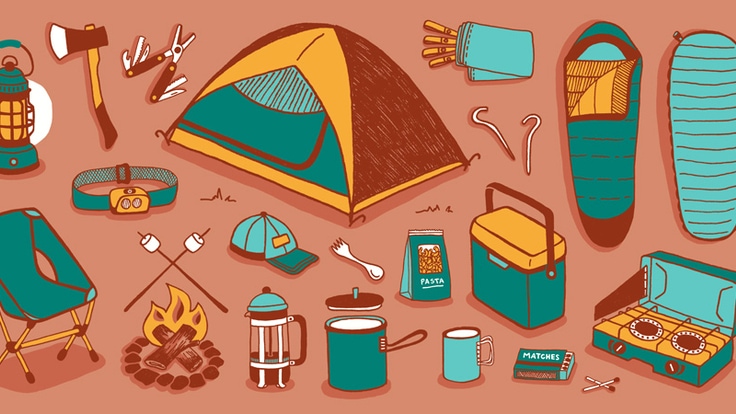
The tent is your home away from home, and selecting the right one can make or break your camping experience. During my early camping days in Colorado's Rocky Mountain National Park, I learned this lesson the hard way during an unexpected late spring snowstorm. Here's what I wish I had known then:
Pro Tip from Experience
Always choose a tent rated for one more person than you actually need. A "2-person" tent means two people with zero gear space. For comfortable camping with gear storage, get a 3-4 person tent for two people.
For beginners, I recommend starting with a dome or cabin-style tent from reputable brands like Coleman, REI Co-op, or Marmot. The Coleman Skydome 4-Person Tent offers excellent value for car camping beginners, featuring easy setup and weather protection at under $200.
Sleeping System: Bag, Pad, and Pillow
A proper sleep system consists of three components: sleeping bag, sleeping pad, and pillow. Many beginners underestimate the importance of a quality sleeping pad, but ground insulation is crucial for warmth and comfort. During a September camping trip in Yellowstone, the temperature dropped to 25°F overnight, and my cheap air mattress provided zero insulation – I learned that R-value (insulation rating) matters more than thickness.
The Kelty Cosmic 20-Degree Sleeping Bag provides excellent warmth-to-weight ratio for three-season camping, while the Klymit Static V Sleeping Pad offers superior comfort and packability at an affordable price point.
Consider exploring tent camping equipment options for comprehensive shelter solutions, or if you're planning cold-weather adventures, check out winter camping equipment specifically designed for harsh conditions.
Cooking and Food Storage Equipment
Nothing beats a hot meal after a day of outdoor adventures. Your camp kitchen setup is essential basic camping equipment for beginners, and it doesn't need to be complicated or expensive. I've cooked everything from simple pasta dishes to elaborate campfire feasts, and the key is starting with reliable, versatile equipment.
Camp Stove and Fuel Systems
A dependable camp stove is non-negotiable for safe, efficient cooking. While campfires are romantic and traditional, you can't always count on fire restrictions, weather conditions, or firewood availability. During a rainy week camping in Washington's Olympic National Park, our Coleman two-burner stove was a lifesaver when fires were prohibited due to wet conditions.
Safety First
Always test your camp stove at home before your trip. Check for gas leaks, ensure proper ignition, and familiarize yourself with the controls. Keep a fire extinguisher or water nearby when cooking, and never use a camp stove inside your tent.
For most car camping scenarios, a two-burner propane stove like the Coleman Classic 2-Burner Propane Stove provides excellent value and reliability. It's been my go-to recommendation for beginners since 2015, with consistent performance and easy maintenance.
Essential Cookware and Utensils
Start with basics: a medium pot, frying pan, spatula, knife, cutting board, and eating utensils. Avoid non-stick coatings for camping cookware as they don't handle high heat well and can be damaged easily. Cast iron or stainless steel options are more durable and versatile for outdoor cooking.
Food storage is equally important for safety and organization. A quality cooler keeps perishables safe, while sealed containers protect dry goods from wildlife and weather. During a camping trip in bear country near Glacier National Park, proper food storage protocols aren't just recommended – they're legally required and could save your life.
This comprehensive video perfectly demonstrates the essential gear every beginner camper needs, including practical demonstrations of camp stove setup and food storage techniques.
Lighting and Safety Gear
Proper lighting transforms your campsite from a dangerous obstacle course into a functional outdoor living space after dark. As part of your basic camping equipment for beginners, lighting serves multiple purposes: navigation, camp tasks, emergency signaling, and creating ambiance.
Headlamps vs. Flashlights: Why Hands-Free Wins
Every member of your camping party needs their own headlamp. I cannot stress this enough after witnessing countless camping mishaps caused by inadequate lighting. During a family camping trip in Great Smoky Mountains National Park, my nephew attempted to use his phone's flashlight for a midnight bathroom trip and ended up walking into a tree branch – a headlamp would have prevented this entirely.
The Black Diamond Spot 400 Headlamp offers the perfect balance of brightness, battery life, and affordability for beginner campers. Its red light mode preserves night vision, while the 400-lumen maximum output provides excellent visibility for camp tasks.
First Aid and Emergency Equipment
A well-stocked first aid kit is non-negotiable safety equipment. Beyond basic bandages and antiseptic, include personal medications, emergency whistle, emergency blanket, and basic tools like tweezers and scissors. I've used my first aid kit more often than I'd like to admit – for everything from minor cuts while food prep to treating a severe allergic reaction to bee stings.
Essential First Aid Items
- Adhesive bandages (various sizes)
- Antiseptic wipes and antibiotic ointment
- Pain relievers (ibuprofen, acetaminophen)
- Emergency whistle and signaling mirror
- Prescription medications
- Emergency contact information
Consider investing in camping safety equipment beyond basic first aid, including fire extinguishers, carbon monoxide detectors for enclosed cooking areas, and emergency communication devices for remote camping.
Clothing and Personal Items
The right clothing system is crucial basic camping equipment for beginners that's often overlooked until it's too late. Weather in outdoor environments can change rapidly, and being prepared with appropriate layers can mean the difference between comfort and hypothermia.
The Three-Layer System
Forget cotton entirely when it comes to camping clothing. During a spring backpacking trip in the Adirondacks, I made the mistake of wearing cotton hiking pants during an unexpected cold rain. Cotton retains moisture, loses all insulating properties when wet, and takes forever to dry – it's potentially dangerous in cold conditions.
Instead, embrace the three-layer system: base layer (moisture-wicking), insulating layer (fleece or down), and shell layer (wind/rain protection). Synthetic materials and merino wool excel in outdoor environments because they retain warmth even when wet and dry quickly.
Personal Hygiene and Comfort Items
Maintaining basic hygiene while camping improves comfort and prevents health issues. Pack biodegradable soap, toothbrush, toothpaste, toilet paper, hand sanitizer, and personal medications. Include sunscreen and insect repellent – even experienced campers occasionally forget these essentials and regret it.
From years of camping across different climates, I've learned that quick-dry towels, wet wipes, and a small camp mirror make a significant difference in daily comfort. These small luxuries help maintain morale during challenging weather or extended trips.
For comprehensive gear options, explore outdoor camping equipment collections, or if you're planning adventures in multiple seasons, consider all camping equipment to ensure you're prepared for any conditions.
My Experience: Lessons from 15 Years of Camping
My camping journey began in 2009 with a disastrous weekend trip to a state park in Texas. I thought basic camping equipment for beginners meant whatever was cheapest at Walmart – I was completely wrong. That first trip taught me invaluable lessons about preparation, gear quality, and the importance of research.
My Biggest Beginner Mistakes
- Buying cheap gear initially: My $20 tent leaked in the first light rain, teaching me that quality matters more than initial cost.
- Overpacking on first trips: I brought three changes of clothes for a two-day trip, learning that versatile, quick-dry items work better.
- Underestimating weather: Spring in the mountains means potential snow, even when valleys are warm.
- Forgetting backup plans: Rain plans, equipment failures, and weather changes require flexibility and backup options.
Real User Reviews: What Fellow Campers Say
"After reading countless gear reviews on Reddit, I bought the Coleman Skydome tent recommended here. Used it for six camping trips this year in various weather conditions – absolutely bulletproof for car camping. Setup is genuinely five minutes even in wind."
"The Klymit sleeping pad suggestion was spot-on. Previously used cheap air mattresses that deflated overnight. This pad has excellent insulation and stays inflated. Game-changer for comfort and sleep quality while camping."
"Started camping with my family last summer using this equipment list. The headlamp recommendation alone saved us multiple times during late-night bathroom runs and cooking after dark. Quality gear makes all the difference for beginners."
Seasonal Camping Considerations
Each season presents unique challenges that affect your basic camping equipment for beginners needs. Spring camping requires waterproof gear and layers for temperature swings. Summer demands sun protection and ventilation. Fall camping needs warm layers and extended lighting due to shorter days. Winter camping is advanced territory requiring specialized gear and experience.
I've camped in temperatures ranging from -15°F in Colorado's backcountry to 105°F in Texas desert areas. The key lesson: your gear must match the conditions, and it's better to be over-prepared than caught off-guard by weather changes.
Budget-Friendly Tips and Where to Buy
Getting started with basic camping equipment for beginners doesn't require breaking the bank. Smart shopping, timing purchases around sales, and focusing on essential items first can help you build a complete kit gradually while staying within budget.
Money-Saving Strategies
Best Sale Times
- End of summer clearances (August-September)
- Black Friday outdoor gear sales
- Spring preparation sales (March-April)
- End-of-season winter gear (February-March)
Smart Alternatives
- REI Co-op used gear sales
- Facebook Marketplace local deals
- Military surplus stores
- Rental gear for expensive items
Priority Purchase Order
Start with safety and shelter essentials, then add comfort items gradually. Your first $300-500 should cover: tent, sleeping bag, sleeping pad, headlamp, first aid kit, and camp stove. Everything else can be added over time as you discover your camping preferences and frequent destinations.
Budget Build Order
- Essential safety: First aid kit, headlamps, emergency whistle ($50-75)
- Shelter system: Tent, sleeping bags, sleeping pads ($200-350)
- Cooking basics: Camp stove, cookware, cooler ($100-150)
- Comfort upgrades: Camp chairs, lighting, organization ($75-125)
- Nice-to-haves: Specialty gear, upgrades, extras (ongoing)
Consider exploring camping equipment stores for local options, or if you're budget-conscious, look into renting camping equipment for expensive items you might use infrequently. Wholesale camping equipment can offer significant savings for group purchases or outfitting larger families.
Pros and Cons of Budget vs. Premium Gear
Budget Gear Pros
- Lower initial investment
- Good for occasional use
- Allows trying camping affordably
- Upgradeable over time
Budget Gear Cons
- May fail in challenging conditions
- Heavier and bulkier
- Shorter lifespan
- Limited warranty coverage
Premium Gear Pros
- Superior performance and reliability
- Lighter weight, better materials
- Excellent warranties
- Resale value retention
Premium Gear Cons
- High upfront costs
- Overkill for casual camping
- Features you may not need
- Pressure to "justify" expensive purchase
Conclusion
Choosing the right basic camping equipment for beginners sets the foundation for a lifetime of outdoor adventures. Through 15 years of camping across diverse environments, I've learned that quality gear, proper preparation, and gradual skill development create positive camping experiences that keep you coming back to nature.
Start with essential safety and shelter items, build your kit gradually within your budget, and don't feel pressured to buy everything at once. Every experienced camper started as a beginner, making mistakes and learning through experience. The key is starting with reliable basics that ensure safety and comfort while you develop outdoor skills and personal preferences.
Ready to Start Your Camping Journey?
Get high-quality camping equipment from trusted brands and start creating outdoor memories that last a lifetime.
Shop Essential Camping GearRemember that camping is about connecting with nature, spending time with loved ones, and creating lasting memories. The right equipment simply facilitates these experiences safely and comfortably. Whether you're planning car camping at state parks or eventually progressing to backcountry adventures, starting with proper basic camping equipment for beginners ensures your outdoor journey begins successfully.
For ongoing gear needs, explore specialized categories like camping and hiking equipment for trail-ready gear, compact camping equipment for space-conscious camping, or adventure camping equipment for more challenging environments.
Frequently Asked Questions
How much should I budget for basic camping equipment for beginners?
For essential camping equipment, budget $300-600 for your initial setup. This covers a quality tent ($100-200), sleeping system ($100-150), cooking equipment ($50-100), safety gear ($25-50), and basic accessories ($50-100). You can start with budget options and upgrade gradually as you discover your camping preferences and frequency of use.
What camping equipment do I absolutely need for my first trip?
The absolute essentials for first-time camping include: shelter (tent or RV), sleeping system (sleeping bag and pad), camp stove with fuel, headlamp or flashlight, first aid kit, cooler for food storage, weather-appropriate clothing, and personal hygiene items. These items ensure basic safety, comfort, and survival during your outdoor experience. Everything else can be added gradually.
Should I buy or rent camping equipment as a beginner?
For your first few trips, consider renting expensive items like tents and sleeping bags to determine preferences before purchasing. REI and many outdoor retailers offer rental programs. Buy essential safety items (first aid kit, headlamp) and personal items (clothing, toiletries) outright. Once you've tried camping and enjoyed it, gradually invest in quality gear that matches your camping style and frequency.
What's the difference between car camping and backpacking equipment?
Car camping equipment prioritizes comfort and convenience over weight since you can transport gear easily. This includes larger tents, heavier sleeping pads, full-size coolers, and multi-burner stoves. Backpacking gear focuses on lightweight, compact design for carrying long distances. As a beginner, start with car camping equipment, which is generally less expensive and more comfortable, then consider ultralight gear if you develop interest in backcountry camping.
How do I choose the right tent size for camping?
Choose a tent rated for one more person than you actually need. A "2-person" tent accommodates two people with minimal gear space, while a "3-person" tent provides comfortable space for two people plus equipment. Consider tent height if you prefer standing room, and look for vestibules for gear storage. Factor in your camping style: frequent campers benefit from investing in quality, while occasional campers can start with budget options.
What safety equipment should every beginner camper have?
Essential safety equipment includes a comprehensive first aid kit, reliable lighting (headlamp for each person), emergency whistle, emergency blanket or bivy, basic tools (knife, multi-tool), and communication device for remote areas. Include personal medications and emergency contact information. Fire safety tools like a small fire extinguisher or water bucket are important for campfire areas. Always inform someone of your camping plans and expected return time.
Related Resources: Basic Camping Equipment | Local Equipment Stores | Coleman Equipment | REI Gear