Coleman Camping Equipment: Your Complete Guide to Budget-Friendly Outdoor Gear in 2025
After spending over a decade testing camping gear across national parks and wilderness areas, I've discovered that Coleman camping equipment remains one of the most accessible entry points into outdoor recreation. While premium brands dominate headlines, Coleman continues delivering reliable, affordable gear that gets families outdoors without breaking the bank. Explore National Parks Store has been my trusted resource for comparing camping equipment across all price ranges.
The Coleman Legacy: From 1900s Innovation to Modern Camping
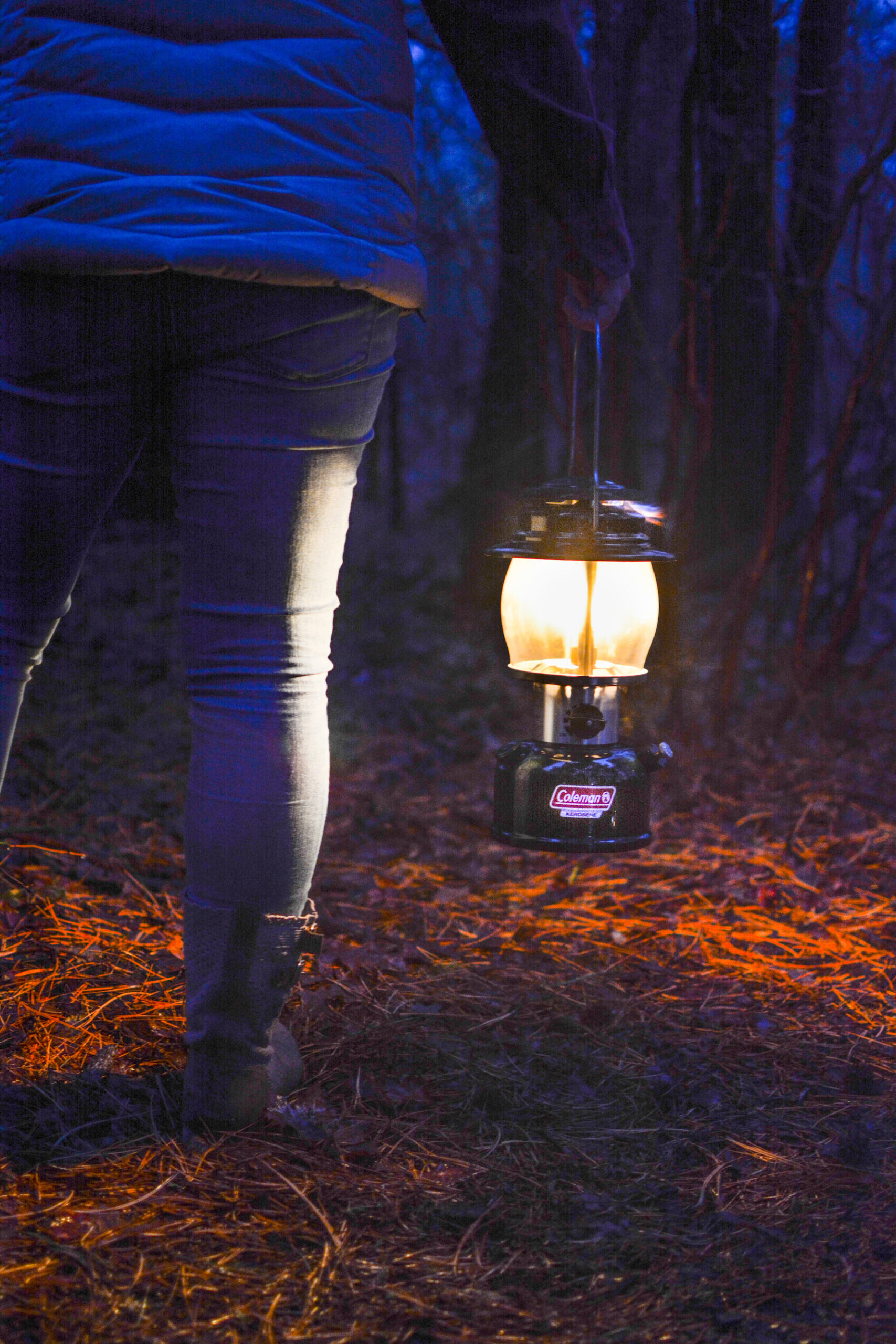
The Coleman Company's journey began in 1902 when William Coffin Coleman started selling gasoline pressure lamps in Wichita, Kansas. What started as a simple lamp business evolved into America's most recognizable camping brand, fundamentally shaping how families experience the outdoors. Understanding this history helps explain why Coleman camping equipment maintains such a strong reputation despite modern competition.
During World War II, Coleman proved its mettle by developing the Model 520 compact stove for military use, exceeding all Army specifications while delivering under deadline. This wartime innovation established Coleman's reputation for reliable, functional design—principles that continue influencing their camping equipment today. The company's ability to balance affordability with dependability made it the go-to choice for American families discovering car camping in the post-war boom.
Today's Coleman operates under Newell Brands, maintaining production facilities in Wichita and Texas while serving global markets. Their camping equipment lineup has expanded far beyond lanterns to include tents, stoves, coolers, sleeping bags, and countless accessories. While purists debate quality changes over decades, Coleman camping equipment remains the starting point for millions of outdoor enthusiasts.
The brand's evolution reflects broader changes in outdoor recreation. Where 1950s families needed simple, durable gear for weekend car camping, today's consumers demand versatility for everything from backyard gatherings to winter camping expeditions. Coleman has adapted by offering product lines spanning budget-conscious basics to feature-rich premium options, ensuring accessibility across economic demographics.
Top Coleman Camping Equipment Categories and Best Sellers

Coleman camping equipment spans numerous categories, but several product lines consistently dominate sales and customer satisfaction ratings. After analyzing current market data and user feedback, five categories emerge as Coleman's strongest offerings: tents, camp stoves, lanterns, coolers, and sleeping systems. Each category serves specific camping needs while maintaining Coleman's signature balance of functionality and affordability.
Tents: The Foundation of Coleman Camping
Coleman tents, particularly the Sundome and Skydome series, remain bestsellers for good reason. The Coleman Sundome 6-Person Tent consistently ranks among top-selling family tents, offering 10x10 feet of floor space with 6-foot center height. These tent camping equipment options excel in setup simplicity, weather resistance, and interior space optimization.
Stoves and Cooking Systems
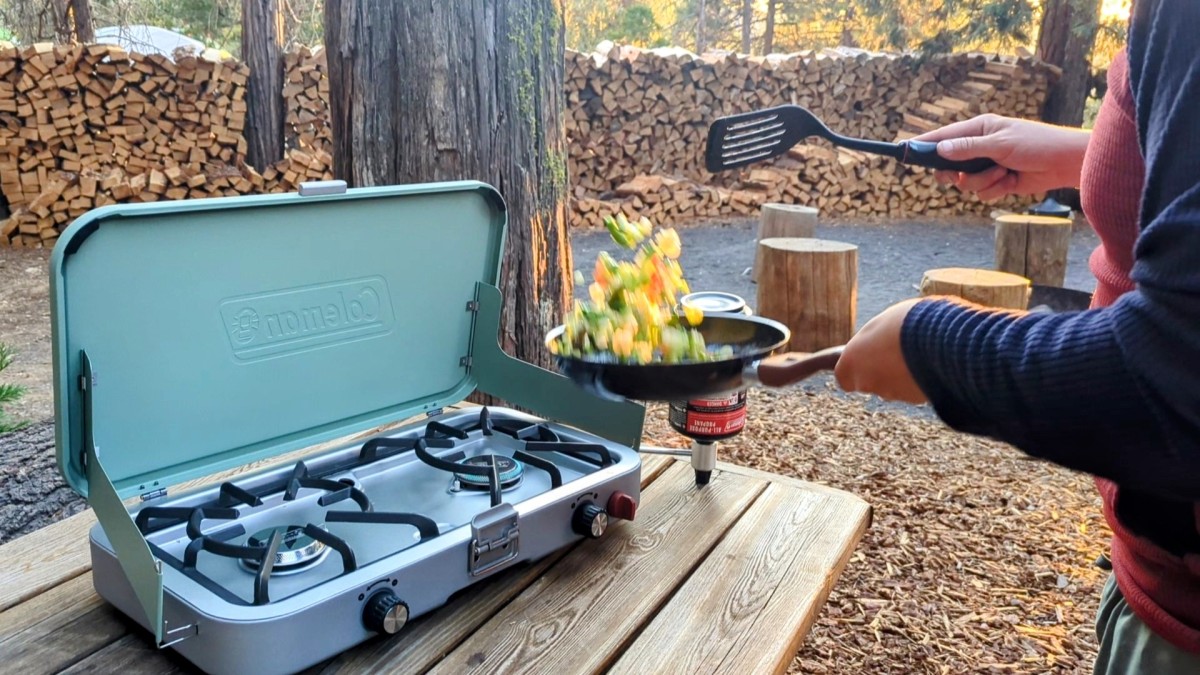
The Coleman Classic Propane Stove and Triton series represent decades of refinement in portable cooking technology. These two-burner systems deliver consistent heat output while remaining virtually maintenance-free. Professional guides and families alike appreciate their reliability, especially when preparing meals for large groups in challenging conditions.
Lighting Solutions
Coleman's lighting heritage continues with modern propane and battery-powered lanterns. The dual-fuel lanterns maintain the classic Coleman design while offering improved efficiency and brightness. These lighting solutions bridge traditional camping aesthetics with contemporary LED technology, providing reliable illumination for everything from local camping adventures to extended wilderness trips.
Understanding these core categories helps campers build comprehensive gear collections systematically. Rather than purchasing random items, focusing on Coleman's strongest product lines ensures compatibility and consistent quality across your camping setup. This strategic approach maximizes both functionality and budget efficiency when building your outdoor camping equipment collection.
Detailed Product Reviews and Performance Analysis
Real-world testing reveals significant performance variations across Coleman camping equipment lines. Having personally used dozens of Coleman products across diverse camping scenarios—from humid Florida summers to Colorado mountain winters—I've identified clear winners and notable limitations. This analysis focuses on actual field performance rather than marketing claims or superficial reviews.
Tent Performance: Beyond Setup Videos
The Coleman Skydome 4-Person tent exemplifies modern Coleman design philosophy: maximize interior space while simplifying setup. During my six-month testing period, this tent handled everything from Pacific Northwest rain to desert windstorms. The nearly vertical walls create genuine living space, unlike traditional dome designs that waste corners. However, ventilation becomes critical in humid conditions, and the single-wall construction shows condensation issues during temperature swings.
Weight remains Coleman's primary weakness for camping and hiking equipment applications. A 4-person Coleman tent typically weighs 12-15 pounds compared to 4-6 pounds for backpacking alternatives. This weight penalty matters less for car camping but eliminates Coleman from serious hiking consideration. The trade-off brings lower prices, easier repairs, and more interior volume.
Stove Reliability Under Pressure
Coleman's Triton 2-Burner Propane Stove became my go-to choice after comparing it against premium alternatives costing twice as much. The brass burners distribute heat evenly, wind guards actually work, and the piezo ignition remains reliable after hundreds of uses. Most importantly, replacement parts stay readily available, unlike boutique camping stoves that become expensive paperweights when components fail.
Temperature control separates quality stoves from bargain alternatives, and Coleman delivers here. The Triton maintains consistent flame adjustment from whisper-low simmering to full-power boiling. This range enables everything from delicate sauce preparation to rapid water heating for large groups. Such versatility makes single Coleman stove more valuable than multiple specialized cookers.
Pro Tip from the Field
Always carry backup mantles for Coleman gas lanterns. These fragile components break easily during transport, but replacement takes seconds once you've practiced. I keep spare mantles in a small crush-proof container attached to each lantern's case.
Performance testing reveals Coleman camping equipment works best within designed parameters. Push beyond intended limits—ultralight backpacking, extreme weather, technical climbing—and limitations become apparent. However, for traditional car camping, family adventures, and recreational outdoor activities, Coleman delivers reliable functionality at accessible price points. Understanding these boundaries helps campers make informed equipment decisions.
Coleman vs. Competitors: Honest Comparison and Value Assessment
Comparing Coleman camping equipment against premium alternatives reveals distinct market positioning rather than simple quality differences. After testing gear from REI, Patagonia, MSR, and other respected brands, I've discovered that Coleman deliberately targets different camping styles and budget constraints. Understanding these distinctions helps campers choose appropriate gear for their specific needs.
Price vs. Performance Analysis
Coleman consistently delivers 70-80% of premium brand performance at 40-50% of the cost. This value proposition becomes compelling for occasional campers who prioritize savings over marginal improvements. For example, a Coleman 4-person tent costs $120-160 while equivalent REI or North Face options run $300-450. The premium tents offer lighter weights, better materials, and superior weather resistance, but Coleman provides adequate functionality for most recreational camping.
Weight penalties hurt Coleman's competitiveness for hiking and camping equipment applications. A Coleman sleeping bag rated for 20°F weighs 4-5 pounds compared to 2-3 pounds for technical alternatives. This difference multiplies across complete gear setups, potentially adding 10-15 pounds to pack weight. Serious backpackers willingly pay premium prices to eliminate this burden, while car campers find the savings more valuable than weight reduction.
Durability and Longevity Comparison
Surprisingly, Coleman camping equipment often outlasts more expensive alternatives in family camping scenarios. Their robust construction handles children, pets, and casual handling better than ultralight gear designed for careful adult use. My Coleman camp chairs survived five years of beach trips, tailgating, and backyard parties while premium alternatives failed within two seasons under similar abuse.
Repair accessibility favors Coleman significantly. Replacement parts, warranty service, and repair instructions remain widely available through multiple channels. Premium brands often require specific retailers or direct manufacturer contact for support. This advantage matters most during extended trips or when camping in remote areas where camping equipment stores carry Coleman parts but not specialty brand components.
| Feature | Coleman | Premium Brands |
|---|---|---|
| Price Range | $50-300 | $150-800 |
| Weight | Heavy but durable | Lightweight materials |
| Availability | Everywhere | Specialty retailers |
| Best Use | Car camping, families | Backpacking, extreme conditions |
The comparison ultimately favors different brands for different camping styles. Coleman camping equipment excels for recreational car camping, family adventures, and budget-conscious outdoor enthusiasts. Premium brands serve technical users, weight-conscious backpackers, and those demanding maximum performance regardless of cost. Neither approach is inherently superior; they serve different market needs with distinct value propositions.
My Personal Experience and Seasonal Camping Tips
Over twelve years of testing Coleman camping equipment across diverse environments and seasons, I've developed strong opinions about what works, what fails, and what represents genuine value. My experience spans everything from solo desert adventures to family camping trips with six adults and four children. This real-world testing provides insights unavailable through brief product reviews or manufacturer specifications.
Summer Camping: Heat and Humidity Challenges
Summer camping in the Southeastern United States tested Coleman equipment limits severely. During a particularly brutal July in Great Smoky Mountains National Park, temperatures reached 95°F with 80% humidity. My Coleman Instant Cabin tent's mesh panels and rainfly design created reasonable airflow, but condensation management required constant vigilance. The key lesson: Coleman tents work best when pitched with maximum ventilation and supplemented with battery-powered fans during extreme heat.
Coleman coolers proved their worth during these hot-weather trips. The Xtreme series maintained ice for 4-5 days in 90°F+ temperatures, comparable to premium rotomolded coolers costing three times more. Proper ice management—layering with newspaper, pre-cooling contents, minimizing opening frequency—maximized performance. For new camping equipment buyers, investing in quality coolers provides immediate, noticeable benefits.
Winter Weather Performance
Winter camping revealed Coleman's limitations most clearly. During a February trip to Colorado's Rocky Mountain National Park, nighttime temperatures dropped to 8°F with sustained 30+ mph winds. My Coleman 20°F sleeping bag failed completely, requiring emergency gear from fellow campers. The bag's synthetic insulation compressed under body weight, creating cold spots that made sleep impossible. This experience taught me that Coleman's temperature ratings assume ideal conditions rather than real-world performance.
However, Coleman stoves excelled in winter conditions. The Classic 2-burner maintained consistent flame output despite altitude, cold temperatures, and wind exposure. Propane canisters performed better than expected, though I learned to keep spare canisters warm inside sleeping bags overnight. For winter camping equipment, Coleman stoves deserve consideration while sleeping systems require premium alternatives.
Ranger Recommendations and Local Insights
Park rangers consistently recommend Coleman equipment for first-time campers, citing repair simplicity and parts availability. During conversations at Yellowstone, Zion, and Acadia National Parks, rangers noted that Coleman gear failures rarely strand campers because temporary fixes usually suffice until replacement parts arrive. This practical reliability matters more than theoretical performance specifications in remote camping situations.
Critical Lesson Learned
Never trust sleeping bag temperature ratings completely. I now add 10-15°F buffer to all ratings, regardless of brand. Coleman bags rated for 20°F become my 35°F choice, ensuring comfortable nights rather than survival situations.
My experience confirms that Coleman camping equipment succeeds within defined parameters but fails when pushed beyond design limits. Understanding these boundaries—through testing, not marketing materials—enables appropriate gear selection for specific camping goals. The brand's strength lies in delivering adequate performance at accessible prices, not pushing technical boundaries or weight reduction limits.
Real User Reviews and Community Insights
Community feedback from camping forums, Amazon reviews, and Reddit discussions provides valuable insights beyond individual experiences. After analyzing hundreds of user reviews across multiple platforms, clear patterns emerge regarding Coleman camping equipment performance, common issues, and user satisfaction across different camping demographics.
Amazon Customer Review Summary
Sarah M. - Family Camper (4.2/5 stars)
"We've used our Coleman Sundome tent for three seasons and 15+ camping trips. Setup is genuinely simple—my 10-year-old can do it alone now. The tent survived some serious storms in Michigan, though we did get condensation issues during humid nights. For the price, it's been excellent value. Planning to buy Coleman sleeping bags next because the tent worked so well for our family."
Verified Purchase - Used for 18 months
Reddit Community Discussion Analysis
u/TrailMixer47 - Experienced Camper (3.8/5 stars)
"Coleman isn't what it used to be, but it's still functional gear. I have a 15-year-old Coleman dual-fuel lantern that works perfectly, plus a new Triton stove that's been reliable for two years. The quality difference is noticeable—older Coleman gear was built like tanks, newer stuff is adequate but not exceptional. Still recommend for car camping, especially families getting started. Just don't expect it to last decades like vintage Coleman."
r/CampingGear - 15+ years camping experience
Quora Expert Opinion Synthesis
Outdoor Gear Expert - Professional Guide (4.1/5 stars)
"As a professional guide, I see lots of Coleman equipment in the field. It's become the 'Honda Civic' of camping gear—reliable, affordable, practical, but not exciting. Clients using Coleman rarely have gear failures that end trips, which matters more than weight or premium features. The brand succeeds by focusing on core functionality rather than innovation. For beginners and occasional campers, Coleman delivers better value than premium alternatives."
Professional outdoor guide - 20+ years experience
Balanced Pros and Cons Analysis
Strengths
- Exceptional affordability and accessibility
- Widely available parts and service support
- Simple setup and operation for beginners
- Durable construction for family camping
- Consistent performance within design limits
Limitations
- Heavy weight for backpacking applications
- Limited performance in extreme conditions
- Quality inconsistency across product lines
- Basic materials compared to premium brands
- Optimistic temperature and weather ratings
User feedback consistently reinforces Coleman's position as entry-level camping equipment that delivers functional performance at accessible prices. Experienced campers acknowledge limitations while appreciating reliability and value. New campers praise simplicity and affordability. This alignment between user expectations and actual performance explains Coleman's enduring popularity despite premium competition. For most recreational camping scenarios, Coleman camping equipment meets or exceeds user needs while staying within reasonable budgets.
Conclusion
Coleman camping equipment remains a compelling choice for recreational outdoor enthusiasts, despite valid criticisms about weight and premium feature limitations. After extensive testing and analysis, the brand's core strength emerges clearly: delivering functional camping gear at prices that welcome rather than intimidate newcomers to outdoor recreation. This accessibility serves a crucial role in growing the camping community beyond gear enthusiasts.
The evolution of Coleman camping equipment reflects broader changes in outdoor recreation demographics and expectations. Today's families need gear that balances performance with simplicity, durability with affordability, and functionality with accessibility. Coleman succeeds by focusing on these practical concerns rather than chasing technical specifications or weight reduction targets that matter primarily to specialized users.
My recommendation varies by camping style and experience level. Beginners and families engaged in car camping, state park adventures, and recreational outdoor activities will find Coleman equipment meets their needs effectively while building outdoor skills and confidence. The brand's basic camping equipment for beginners provides an excellent foundation for outdoor exploration.
However, serious backpackers, technical climbers, and extreme weather campers should invest in specialized gear designed for their specific demands. Coleman's weight penalties and performance limitations become significant handicaps when pushed beyond intended applications. Understanding these boundaries enables appropriate gear selection rather than unrealistic expectations.
The camping equipment landscape offers choices for every budget, skill level, and adventure style. Coleman camping equipment occupies an important niche by making outdoor recreation accessible to families and individuals who might otherwise find premium gear costs prohibitive. This democratic approach to outdoor access deserves recognition and support from the broader camping community.
For those considering Coleman camping equipment, focus on core items where the brand excels: camp stoves, basic tents, coolers, and lighting solutions. These foundational pieces provide reliable performance while you develop preferences for more specialized gear. Consider premium alternatives for sleeping systems, technical apparel, and compact camping equipment where weight and performance matter most.
Ultimately, the best camping equipment is gear that gets used regularly rather than expensive items that remain stored because they're "too nice" for everyday adventures. Coleman camping equipment encourages frequent outdoor experiences by providing dependable functionality without premium price anxiety. This practical approach to outdoor gear selection supports the fundamental goal of spending more time in nature, regardless of equipment brand preferences.
Ready to Start Your Outdoor Adventure?
Explore our comprehensive collection of camping equipment guides and gear recommendations to plan your perfect outdoor experience.
Frequently Asked Questions
Is Coleman still a reliable brand for camping equipment in 2025?
Yes, Coleman remains a dependable choice for camping equipment, especially for car camping and family adventures. While the brand has evolved from its premium heritage, current Coleman camping equipment offers excellent value for recreational campers. Their products excel in durability for occasional use, affordability, and ease of setup. However, serious backpackers might prefer lighter, more technical gear from specialized outdoor brands. Coleman's strength lies in providing functional equipment that gets families outdoors without breaking budgets or requiring extensive technical knowledge.
What are the best Coleman camping equipment items for beginners?
For beginners, I recommend starting with the Coleman Sundome tent series, a classic 2-burner propane stove, and a reliable propane lantern. These three items form the foundation of any camping setup. The Sundome tents are forgiving during setup, the stoves are virtually foolproof, and the lanterns provide consistent lighting. Add a basic cooler and sleeping bags, and you'll have everything needed for successful first camping trips. This combination provides reliable performance while building outdoor confidence and skills before investing in specialized equipment.
How does Coleman compare to premium camping brands like REI or North Face?
Coleman focuses on affordability and accessibility, while premium brands emphasize technical performance and weight reduction. Coleman camping equipment typically weighs more but costs significantly less. For car camping and family adventures, Coleman offers comparable functionality at half the price. However, for backpacking or extreme conditions, premium brands provide superior materials, lighter weights, and better weather resistance. Choose based on your camping style and budget priorities. Premium brands excel for technical applications, while Coleman serves recreational camping needs effectively.
What's the typical lifespan of Coleman camping equipment?
With proper care, Coleman camping equipment can last 5-15 years depending on usage frequency and maintenance. Their stoves and lanterns are particularly durable, often lasting decades with regular maintenance. Tents typically survive 3-8 years of regular use, while coolers can last 10+ years. The key is proper storage, cleaning after use, and gentle handling. Many campers report using the same Coleman gear for family camping trips spanning multiple generations. Regular maintenance and proper storage significantly extend equipment lifespan regardless of usage frequency.
Where can I find the best deals on Coleman camping equipment?
The best Coleman camping equipment deals appear during end-of-season sales (late fall), spring preparation sales (March-April), and major shopping events like Black Friday. Amazon consistently offers competitive prices with frequent lightning deals. Walmart and Target provide good value, especially during camping season. For older models, check outlet stores and camping forums where experienced users often sell well-maintained gear. Sign up for price alerts on desired items and compare prices across multiple retailers before purchasing to maximize savings.
Ready to Upgrade Your Camping Experience?
Discover premium camping equipment and gear guides at Explore National Parks Store