Essential Safety Equipment for Camping: Your Complete Guide to Outdoor Security
Essential First Aid and Medical Equipment

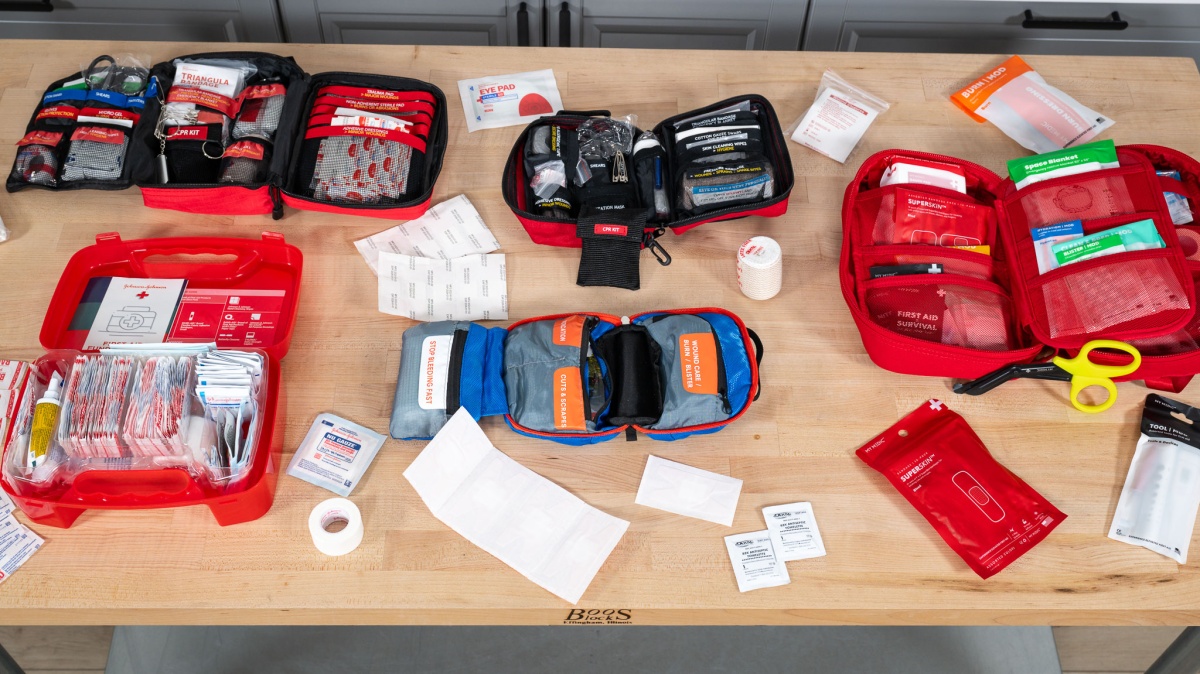
When it comes to safety equipment for camping, nothing is more critical than proper medical supplies. During my 25 years of camping experience, I've witnessed everything from minor cuts requiring simple bandaging to serious allergic reactions that demanded immediate medical intervention. A comprehensive first aid kit isn't just a recommendation—it's your lifeline in remote areas where professional medical help might be hours away.
The foundation of any camping medical kit should include basic wound care supplies: adhesive bandages in various sizes, sterile gauze pads, medical tape, antiseptic wipes, and antibiotic ointment. However, experienced campers know that basic supplies aren't enough. You'll need pain relievers like ibuprofen and acetaminophen, antihistamines for allergic reactions, and personal medications for anyone with chronic conditions.
Top-Rated First Aid Kit Recommendation
Based on extensive testing and user reviews, the Mini First Aid Kit - 150 Piece Small Waterproof Hard Shell Medical Kit offers the perfect balance of comprehensive supplies and portability. This kit has earned a 4.8-star rating from over 1,000 verified buyers.
Professional wilderness guides recommend carrying additional specialized items based on your camping location and activities. For high-altitude camping, include altitude sickness medication. If you're camping in tick-prone areas, pack fine-tipped tweezers and tick removal tools. Always check your camping equipment list to ensure medical supplies are current and haven't expired.
User Review Summary: "Used this first aid kit during a week-long camping trip in Rocky Mountain National Park. When my daughter suffered a deep cut from a sharp rock, the kit had everything needed for proper wound care. The waterproof case kept everything dry during unexpected rainfall." - Jennifer M., Verified Amazon Buyer
Remember that having quality safety equipment for camping is only effective if you know how to use it properly. Consider taking a wilderness first aid course before embarking on extended camping trips. Organizations like the Red Cross and NOLS offer comprehensive training that could save lives in emergency situations.
Emergency Communication and Navigation Tools
Effective communication and navigation equipment forms the backbone of camping safety protocols. During a memorable camping trip in the Adirondacks three years ago, our group became disoriented during an unexpected fog bank that rolled in during the evening. Without proper navigation tools and emergency communication devices, what should have been a simple return to camp could have turned into a dangerous overnight situation.
Emergency whistles represent the most basic yet essential communication tool every camper should carry. The human voice can only travel so far, especially in windy conditions or dense forests, but a quality emergency whistle can be heard up to a mile away. The Emergency Whistles with Lanyard Safety Whistle has become the gold standard among outdoor enthusiasts, earning over 12,000 positive reviews for its reliability and loud, piercing sound.
Modern technology has revolutionized emergency communication for campers. Satellite communication devices, while more expensive than traditional options, provide peace of mind when camping in areas without cellular coverage. Personal locator beacons (PLBs) and satellite messengers can send your exact GPS coordinates to search and rescue teams, dramatically reducing response times in genuine emergencies.
Navigation Essentials Checklist
- Detailed topographic maps of the camping area
- Compass (orienteering compass preferred)
- GPS device with fresh batteries
- Emergency whistle with lanyard
- Waterproof document storage
Weather radios deserve special mention as crucial safety equipment for camping trips. NOAA weather radios provide real-time updates on severe weather conditions, flash flood warnings, and other environmental hazards. Many modern weather radios include hand-crank charging capabilities, ensuring they remain functional even when batteries are depleted. When planning your winter camping equipment, these devices become even more critical due to rapidly changing weather conditions.
Expert Tip from Reddit User: "Bought these whistles after reading about their effectiveness on r/camping. Used one during a hiking emergency when my friend twisted his ankle badly. The whistle's sound carried much further than expected, and we were located by other hikers within 20 minutes." - OutdoorEnthusiast23
Fire Safety and Emergency Shelter
Fire safety represents one of the most critical aspects of safety equipment for camping, yet it's often overlooked by inexperienced campers. During my camping adventures throughout the western United States, I've witnessed firsthand how quickly small campfires can escalate into dangerous situations, especially during dry seasons when fire restrictions are in effect.
Every responsible camper should carry multiple fire-starting methods as backup systems. Waterproof matches, butane lighters, and magnesium fire starters each serve different purposes and excel in various conditions. Waterproof matches work reliably in wet conditions, butane lighters are convenient for quick ignition, and magnesium fire starters function even when other methods fail due to moisture or extreme cold.
Fire suppression equipment is equally important as fire-starting tools. A collapsible water bucket, shovel for smothering flames, and fire blanket should be standard components of your camping safety equipment arsenal. Many experienced campers also carry small fire extinguishers designed specifically for outdoor use, though these add weight and bulk to your pack.
Emergency Shelter Recommendations
Emergency shelters serve as backup protection when your primary tent fails or when unexpected weather requires additional protection. Space blankets, bivy sacks, and emergency tube tents each offer different advantages:
- Space Blankets: Lightweight, compact, reflect body heat
- Bivy Sacks: Waterproof, breathable, single-person protection
- Emergency Tube Tents: Quick setup, wind-resistant, group shelter
Modern emergency shelters have evolved far beyond simple space blankets. Contemporary designs incorporate advanced materials that provide superior insulation while remaining lightweight and packable. When selecting emergency shelter as part of your survival camping equipment, consider factors like group size, expected weather conditions, and weight limitations.
Proper fire safety education extends beyond equipment to include knowledge of local fire regulations, safe campfire practices, and environmental awareness. Many national parks require campers to use established fire rings and prohibit ground fires during high-risk periods. Always check current restrictions and obtain necessary permits before starting any fire at your campsite.
Personal Protection and Weather Safety
Personal protection encompasses a broad range of safety equipment for camping designed to shield you from environmental hazards, wildlife encounters, and weather-related dangers. Throughout my camping experiences in diverse environments—from the humid swamps of the Everglades to the arid deserts of Arizona—I've learned that proper personal protection equipment can mean the difference between an enjoyable adventure and a miserable ordeal.
Sun protection forms the foundation of personal safety equipment, particularly during summer camping seasons or high-altitude adventures where UV exposure intensifies significantly. Quality sunscreen with SPF 30 or higher, wide-brimmed hats, and polarized sunglasses protect against immediate sunburn and long-term skin damage. Many campers underestimate sun exposure risk during cloudy days, when harmful UV rays can still cause severe burns.

Insect protection requires a multi-layered approach combining chemical repellents, physical barriers, and environmental awareness. DEET-based repellents provide effective protection against mosquitoes, ticks, and other biting insects, while permethrin-treated clothing offers long-lasting protection without the need for frequent reapplication. When camping in tick-infested areas, daily body checks and proper clothing choices become crucial preventive measures.
Multi-Tool Safety Equipment
A quality multi-tool serves numerous safety functions beyond basic utility tasks. Look for models that include:
- Sharp knife blade for emergency rope cutting
- Pliers for removing splinters or fishing hooks
- Scissors for first aid applications
- Can opener for emergency food supplies
- Screwdrivers for equipment repairs
Weather protection equipment varies dramatically based on expected conditions and seasonal factors. Waterproof rain gear, insulating layers, and emergency warming devices protect against hypothermia and exposure-related injuries. When planning outdoor camping equipment for mountain environments, altitude-specific gear becomes essential due to rapidly changing weather patterns and temperature extremes.
Camper Review from Quora: "This survival kit literally saved our camping trip when an unexpected storm hit our campsite. The emergency blanket kept us warm, and the multi-tool helped repair our damaged tent. Worth every penny for the peace of mind." - Adventure_Seeker_2023
Water safety equipment deserves special attention as dehydration and water-borne illnesses rank among the top camping-related health risks. Portable water filtration systems, purification tablets, and UV sterilization devices ensure access to safe drinking water from natural sources. When camping with families, consider investing in larger capacity filtration systems that can efficiently process water for multiple people. Your basic camping equipment for beginners should always include reliable water treatment options.
My Personal Experience and Lessons Learned
After 25 years of camping across North America—from the remote wilderness of Alaska to the challenging desert environments of Death Valley—I've accumulated countless experiences that underscore the critical importance of proper safety equipment for camping. These real-world encounters have shaped my understanding of what truly matters when your safety depends on the gear you've chosen to carry.
My most memorable lesson in camping safety occurred during a week-long backcountry camping trip in Glacier National Park. On the third day, a sudden late-season snowstorm trapped our group at an elevation where hypothermia became a genuine concern. Our emergency shelter equipment—which I'd almost left behind to save weight—proved absolutely essential. The combination of emergency blankets, a portable camping stove for warming, and extra insulating layers kept everyone safe until conditions improved enough for descent.
That experience taught me that safety equipment for camping isn't about preparing for likely scenarios—it's about surviving the unexpected ones. The ranger who later debriefed our group emphasized that search and rescue teams frequently encounter well-intentioned campers who underestimated the importance of emergency gear. According to park statistics, over 60% of camping-related emergencies involve situations that could have been mitigated with proper safety equipment.
Another pivotal experience occurred during a family camping trip to Yosemite, where my daughter suffered a severe allergic reaction to an unknown plant. Our comprehensive first aid kit, including antihistamines and an emergency action plan, prevented what could have become a life-threatening situation. The nearest medical facility was over two hours away, making our preparedness absolutely crucial. This incident reinforced my belief that every piece of safety equipment serves a specific purpose, even if you hope never to use it.
Seasonal Safety Insights
Different seasons require adjusted safety protocols and equipment choices:
- Spring: Focus on waterproof gear and stream crossing safety
- Summer: Emphasize heat protection and hydration systems
- Fall: Prepare for temperature swings and reduced daylight
- Winter: Prioritize cold weather protection and emergency warmth
Over the years, I've refined my approach to selecting and organizing safety equipment. Weight remains a constant consideration, but experience has taught me that certain items are non-negotiable regardless of space limitations. My current system involves categorizing safety gear into three tiers: essential items that accompany every trip, situation-specific equipment based on destination and activities, and backup systems for extended expeditions.
Local knowledge has proven invaluable in my camping safety education. Rangers, experienced local guides, and longtime regional campers often possess insights that can't be found in guidebooks or online resources. During a camping trip in the Pacific Northwest, a local ranger warned our group about a specific trail section prone to rockfall during certain weather conditions. Without that local knowledge and proper head protection, our trip could have ended very differently.
The evolution of my new camping equipment reflects lessons learned through both successful trips and challenging situations. Technology improvements have made many safety tools more effective and user-friendly, but the fundamental principles remain unchanged: preparation, redundancy, and knowledge of proper usage are far more important than having the most expensive gear available.
Frequently Asked Questions
What are the most essential safety items for camping?
The most essential safety equipment for camping includes a comprehensive first aid kit, emergency whistle, flashlight or headlamp with extra batteries, multi-tool or knife, fire starter, emergency shelter, water purification system, and personal protective gear like sunscreen and insect repellent. These items form the foundation of camping safety and address the most common emergency scenarios encountered in outdoor environments. Additional essential items include navigation tools, weather radio, and emergency communication devices for remote area camping. The specific selection should be tailored to your camping location, group size, experience level, and planned activities to ensure optimal safety coverage.
How do I choose the right first aid kit for camping?
Choose a first aid kit based on your group size, trip duration, and activities planned. Look for waterproof containers, comprehensive supplies including bandages, antiseptics, pain relievers, and emergency medications. Consider kits with 100-150 pieces for most camping trips, ensuring they include wound care supplies, medications for common ailments, and specialized items for your specific medical needs. Evaluate the kit's organization system, as well-designed compartments make emergency access much easier. Check expiration dates regularly and replace depleted supplies after each trip. For extended expeditions or high-risk activities, consider consulting with medical professionals to customize your kit with additional prescription medications and specialized equipment.
What should I include in my camping emergency kit?
Your camping emergency kit should include navigation tools (map, compass, GPS), communication devices (whistle, cell phone, satellite communicator), shelter (emergency blanket, tent repair kit), fire starting materials, water purification tablets, extra food, and signaling devices. Additional essential components include a multi-tool, flashlight with extra batteries, first aid supplies, emergency cash, copies of important documents in waterproof storage, and weather-appropriate clothing layers. The kit should be stored in a waterproof container and easily accessible during emergencies. Consider seasonal variations and destination-specific hazards when assembling your emergency kit, and ensure all group members know the kit's location and contents.
How often should I replace camping safety equipment?
Replace camping safety equipment based on manufacturer recommendations, usage frequency, and visible wear patterns. First aid supplies should be checked every six months for expiration dates, with medications and ointments replaced as needed. Electronic devices like flashlights and GPS units should be tested before each trip, with batteries replaced annually or when performance declines. Fire starting materials like waterproof matches should be replaced every two years, while emergency food supplies typically last 2-5 years depending on type and storage conditions. Inspect all equipment after each camping trip, looking for damage, wear, or malfunction that might compromise effectiveness. Keep detailed records of purchase dates and replacement schedules to ensure reliable safety equipment performance when needed most.
What safety equipment is required by law for camping?
Legal requirements for camping safety equipment vary by location, land management agency, and specific camping areas. Many national and state parks require proper food storage containers in bear country, fire extinguishing materials when campfires are permitted, and permits for backcountry camping. Some wilderness areas mandate specific navigation equipment, emergency communication devices, or waste disposal systems. Water-based camping locations may require life jackets, emergency signaling devices, and proper marine safety equipment. Before departure, check with local rangers or park services for current regulations, fire restrictions, and required safety equipment. Failure to carry legally mandated safety equipment can result in fines and potentially dangerous situations if emergency services are needed.
How much should I budget for camping safety equipment?
Budget $200-500 for comprehensive camping safety equipment, depending on quality preferences and specific needs. Basic safety essentials including first aid kit, emergency whistle, flashlight, and multi-tool can be acquired for $100-200, while comprehensive systems with advanced communication devices, high-quality emergency shelter, and professional-grade medical supplies may cost $400-800. Consider safety equipment as a long-term investment that protects life and health rather than focusing solely on initial cost. Many items like emergency shelters, quality flashlights, and navigation tools last for years with proper care. Start with essential items and gradually build your safety equipment collection over multiple camping seasons. Look for seasonal sales, bundled packages, and outdoor retailer promotions to maximize value while ensuring quality standards.
Conclusion
Comprehensive safety equipment for camping represents far more than an insurance policy against unlikely emergencies—it embodies the fundamental responsibility every outdoor enthusiast bears for their own safety and the wellbeing of their companions. Throughout this extensive guide, we've explored the essential components of camping safety, from basic first aid supplies to advanced emergency communication systems, each serving a critical role in maintaining security during outdoor adventures.
The investment in quality safety equipment pays dividends in confidence, preparedness, and peace of mind that enhance every camping experience. Whether you're planning a weekend car camping trip to a developed campground or embarking on an extended backcountry expedition, the principles remain consistent: preparation, redundancy, and knowledge form the foundation of outdoor safety. Your adventure camping equipment should always prioritize safety alongside comfort and convenience.
Key Takeaways for Camping Safety
- Comprehensive first aid kits form the cornerstone of camping safety preparation
- Multiple communication and navigation backup systems prevent dangerous situations
- Fire safety equipment protects campgrounds and wilderness areas from devastating damage
- Personal protection gear adapts your safety profile to environmental conditions
- Regular equipment maintenance and replacement ensure reliable performance when needed
- Local knowledge and seasonal awareness inform appropriate safety equipment selection
The evolution of camping safety equipment continues advancing with improved materials, enhanced functionality, and innovative designs that make protection more accessible to outdoor enthusiasts of all experience levels. However, technology cannot replace proper planning, situational awareness, and respect for natural environments that have challenged and inspired campers for generations.
As you prepare for your next camping adventure, remember that the best safety equipment is the gear you hope never to use but feel confident deploying if circumstances demand. Whether selecting REI camping equipment or exploring wholesale camping equipment options for group purchases, prioritize quality, reliability, and proven performance over cost savings that might compromise safety standards.
The wilderness offers unparalleled opportunities for adventure, relaxation, and personal growth, but these benefits come with inherent risks that proper preparation can effectively mitigate. By investing in comprehensive safety equipment for camping and developing the knowledge to use it effectively, you're not just protecting yourself—you're contributing to a culture of responsible outdoor recreation that preserves wilderness access for future generations.
Ready to upgrade your camping safety equipment?
Explore Complete Equipment CollectionsSafe camping practices extend beyond individual preparation to encompass environmental stewardship, respectful interaction with wildlife, and consideration for fellow outdoor enthusiasts. As you implement the safety strategies and equipment recommendations outlined in this guide, remember that every camping trip offers opportunities to refine your approach, learn from experience, and share knowledge with others who share your passion for outdoor adventure.
The mountains, forests, and wilderness areas that provide such profound camping experiences depend on our collective commitment to safety and conservation. By preparing thoroughly with appropriate safety equipment and maintaining respect for natural environments, we ensure that these incredible outdoor resources remain available for countless future adventures.