Juniper Trail: Complete Hiking Guide to Utah's Hidden Desert Gem
Nestled in Utah's breathtaking red rock country near Moab, the juniper trail offers one of the most rewarding yet accessible hiking experiences in the region. This hidden gem provides spectacular panoramic views of the Colorado River valley and La Sal Mountains while remaining surprisingly uncrowded compared to the area's famous national parks. Whether you're seeking a family-friendly adventure or a peaceful desert escape, this comprehensive guide will help you make the most of your juniper trail experience. For more incredible trail adventures, visit our homepage at https://explorenationalparks.store/.
What is Juniper Trail?

The juniper trail is a remarkable 1.7-mile loop trail located in the Sand Flats Recreation Area near Moab, Utah. This moderately challenging hike offers some of the most spectacular and accessible views in the region without the crowds typically found at nearby Arches and Canyonlands National Parks. Named after the abundant Utah juniper trees that dot the landscape, this trail provides an intimate glimpse into the high desert ecosystem that defines this iconic American landscape.
What sets the juniper trail apart from other hiking options in the area is its unique combination of accessibility and rewards. With only 187 feet of elevation gain spread across the entire loop, hikers of various fitness levels can enjoy breathtaking 360-degree views of the Colorado River valley, the towering La Sal Mountains, and the distinctive red rock formations that make this region world-famous. The trail's strategic location on a mesa provides unobstructed vantage points that rival those found on much more strenuous hikes.
Beyond its natural beauty, the juniper trail serves as an excellent introduction to Utah's high desert environment. The well-maintained path features clear blue markers that guide hikers across slickrock sections, through juniper groves, and along dramatic cliff edges. This trail offers photographers and nature enthusiasts unparalleled opportunities to capture the essence of the American Southwest while experiencing the solitude that has become increasingly rare in this popular tourist destination.
Trail Overview and Key Features
The juniper trail begins at a well-marked trailhead located approximately 6 miles from the Sand Flats Recreation Area entrance station. This loop trail is designed to be hiked in either direction, though many experienced hikers recommend going counterclockwise to save the most dramatic views for the final portion of the hike. The trail surface consists primarily of slickrock, sandy paths, and occasional scrambles over low rock formations, making sturdy footwear essential for a safe and enjoyable experience.
Trail Statistics at a Glance
- Distance: 1.7 miles (loop trail)
- Elevation Gain: 187 feet
- Average Time: 41 minutes to 1 hour
- Difficulty: Moderate
- Entry Fee: $5 per vehicle (day use)
One of the most compelling aspects of the juniper trail is its exceptional trail maintenance and marking system. Blue paint markers and directional arrows guide hikers across potentially confusing slickrock sections, ensuring that even first-time visitors can navigate confidently. The trail features several rest areas with natural rock benches where hikers can pause to appreciate the panoramic vistas and photograph the stunning interplay of red sandstone formations against the deep blue Utah sky.
The trail's design takes full advantage of the mesa's natural topography, leading hikers through diverse microenvironments within the high desert ecosystem. From dense juniper groves that provide occasional shade to exposed ridgelines that offer commanding views, each segment of the juniper trail presents unique photographic opportunities and geological features. The loop format ensures that hikers experience constantly changing perspectives while returning conveniently to their starting point.
Getting There and Trail Access
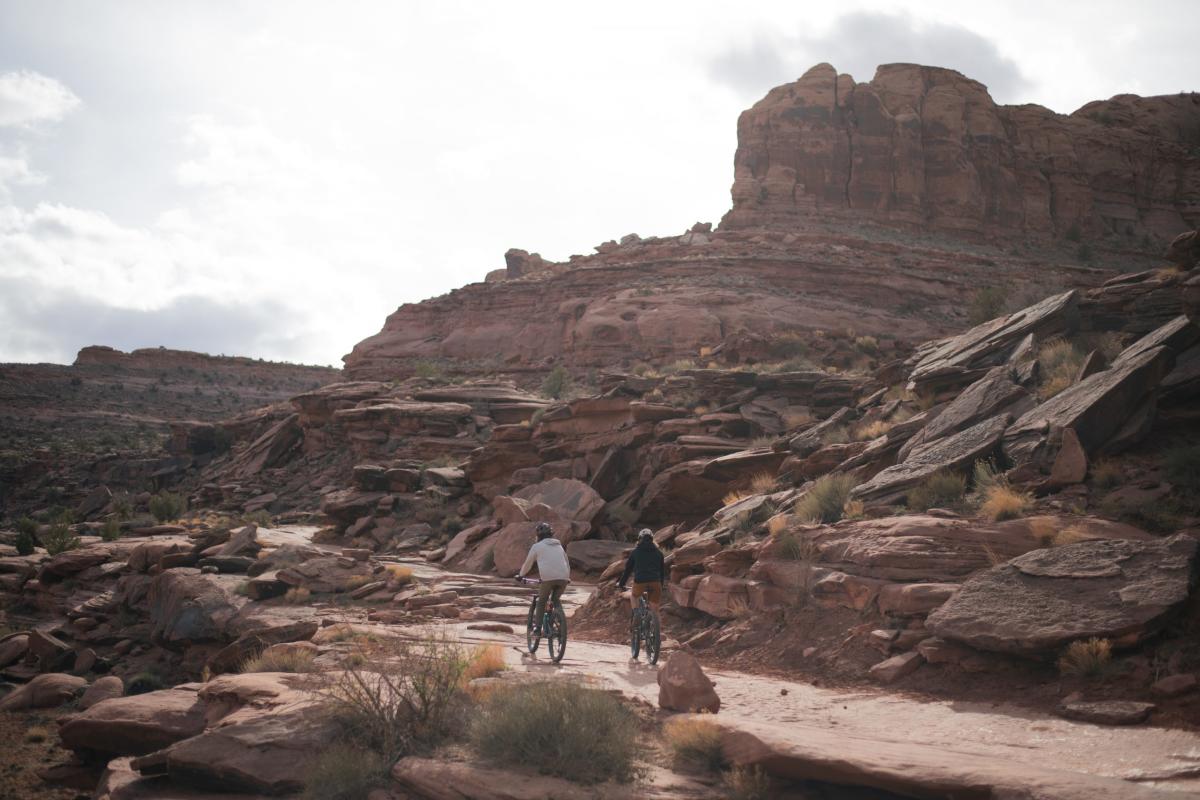
Accessing the juniper trail requires a scenic drive through Sand Flats Recreation Area, which is managed jointly by Grand County, Utah, and the Bureau of Land Management. The journey to the trailhead is an adventure in itself, winding through dramatically beautiful red rock country that provides a perfect introduction to the landscapes you'll encounter on the trail. From downtown Moab, head east on Mill Creek Drive, then turn left onto Sand Flats Road just before reaching the Moab Giants Dinosaur Park.
The entrance station to Sand Flats Recreation Area charges a reasonable $5 day-use fee per vehicle, which supports trail maintenance and facility upkeep. After paying your fee, continue for approximately 6 miles along the well-maintained gravel road until you reach the juniper trail parking area. The road is suitable for most passenger vehicles, though higher clearance vehicles will have an easier time navigating some of the deeper gravel sections and occasional washouts during wet weather.
Important Access Information
- The access road is typically open year-round, but winter conditions may require 4WD or chains
- No services (water, restrooms, or concessions) are available at the trailhead
- Parking is limited to about 10-12 vehicles; arrive early during peak seasons
- Dogs are welcome but must remain under voice control at all times
- The area is managed by BLM, so different regulations may apply than in national parks
One significant advantage of the juniper trail location is its relative isolation from the crowds that can overwhelm more famous trails in the area. The 6-mile drive effectively filters out casual visitors, resulting in a much more peaceful hiking experience. During my visits, I've rarely encountered more than a handful of other hikers, even during peak season. This solitude enhances the meditative quality of the desert experience and provides excellent opportunities for wildlife observation and photography.
For those interested in extending their visit, Sand Flats Recreation Area offers over 120 primitive camping sites available on a first-come, first-served basis. These sites provide an excellent base camp for exploring multiple trails in the area, including the popular Shafer Trail and other off-road adventures. The camping option allows you to experience spectacular sunrises and sunsets from your campsite while avoiding the daily drive from Moab accommodations.
My Personal Experience Hiking Juniper Trail
My first encounter with the juniper trail came during a crisp October morning when the desert air was perfectly cool and the autumn light painted the red rocks in their most vibrant hues. I had originally planned to hike one of the more popular trails in Arches National Park, but a ranger at the visitor center recommended this hidden gem as an alternative that would provide equally spectacular views without the crowds. That recommendation proved to be one of the best pieces of hiking advice I've ever received.
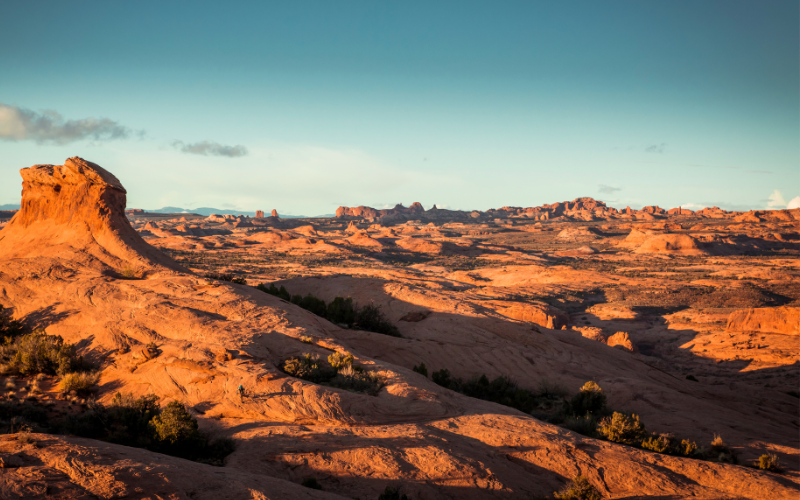
The initial section of the juniper trail leads through a fascinating landscape of scattered juniper trees and weathered sandstone formations. What immediately struck me was the trail's excellent maintenance and clear marking system - those blue paint markers are absolutely crucial for navigation, especially when crossing large sections of slickrock where the path might otherwise be unclear. I learned to always look ahead for the next marker before proceeding, a habit that served me well throughout the hike.
User Reviews from Fellow Hikers
The most memorable moment of my juniper trail experience occurred at the loop's highest point, where the panoramic views suddenly opened up in all directions. Standing on that windswept mesa, I could see the Colorado River winding through the valley below, the snow-capped peaks of the La Sal Mountains rising majestically to the east, and an endless expanse of red rock wilderness stretching toward the horizon. The silence was profound, broken only by the occasional call of a raven or the whisper of wind through the juniper branches.
During subsequent visits to the juniper trail, I've had the opportunity to experience it in different seasons and weather conditions. A winter hike revealed a completely different character, with patches of snow highlighting the red rock formations and creating stunning photographic contrasts. However, I learned the hard way that the trail can become treacherous when ice forms on the slickrock sections, requiring quality trail crampons for safe navigation. Each season brings its own rewards and challenges to this remarkable trail.
Essential Gear and What to Pack
Proper preparation is crucial for a safe and enjoyable juniper trail experience, particularly given the exposed nature of the hike and the absence of any services along the route. The desert environment can be deceptively challenging, with intense sun exposure, rapidly changing weather conditions, and terrain that demands appropriate footwear. Through my multiple visits, I've refined my gear list to include only the essentials that truly enhance safety and comfort on this specific trail.
Essential Footwear
The slickrock sections of the juniper trail demand excellent traction and ankle support. After trying various options, I've found that mid-height hiking boots with aggressive tread patterns work best.
NORTIV 8 Waterproof Hiking Shoes - $39.99Hydration System
With no water available on the trail and intense desert sun, proper hydration is critical. A quality hydration backpack ensures easy access to water while keeping hands free for navigation.
Vibrelli Hydration Backpack - $26.12Sun protection cannot be overstated when hiking the juniper trail. The combination of high altitude, intense desert sun, and reflective red rock surfaces creates conditions where sunburn can occur surprisingly quickly, even during cooler months. I always pack high-SPF sunscreen, quality sunglasses, and a wide-brimmed hat. The lack of shade along most of the trail means you'll be exposed to direct sunlight for the majority of the hike, making UV protection absolutely essential for comfort and safety.
Additional Recommended Gear
- Navigation: Download offline maps to your phone, as GPS signal can be spotty
- First Aid: Basic supplies including blister treatment and pain relievers
- Emergency Signaling: Whistle and emergency blanket for unexpected situations
- Photography: Extra batteries and memory cards - you'll want to capture everything!
- Layered Clothing: Desert temperatures can vary dramatically throughout the day
Weather conditions can change rapidly in the desert, making layered clothing essential for juniper trail adventures. I've experienced everything from scorching afternoon heat to sudden thunderstorms during my visits. A lightweight base layer, insulating mid-layer, and wind-resistant outer shell provide versatility for changing conditions. Quality trail boots are particularly important for women hikers, and I always recommend checking out specialized women's trail footwear for optimal fit and performance on challenging terrain like the juniper trail.
Best Time to Visit and Seasonal Considerations
Timing your visit to the juniper trail can dramatically impact your experience, as the high desert environment presents unique challenges and rewards throughout the year. After hiking this trail in all four seasons, I've discovered that each period offers distinct advantages and considerations that can help you plan the perfect adventure. The key is understanding how seasonal weather patterns, daylight hours, and trail conditions interact to create optimal hiking windows.
Fall (Best Season)
September - November
Perfect temperatures, clear skies, and stunning autumn colors make this the ideal time for the juniper trail. Expect comfortable hiking conditions and excellent photography opportunities.
Winter
December - February
Cool temperatures and occasional snow create dramatic landscapes, but icy conditions on slickrock can be dangerous. Requires careful planning and proper equipment.
Spring
March - May
Mild temperatures and potential wildflower blooms make spring excellent for the juniper trail. Weather can be variable with occasional rain storms.
Summer (Challenging)
June - August
Extreme heat and intense sun exposure make summer hiking on the juniper trail dangerous. Only recommended for very early morning starts.
My personal favorite time to hike the juniper trail is during late October, when the desert air is crisp and clear, and the angle of the autumn sun creates spectacular lighting conditions for photography. The La Sal Mountains often have their first dusting of snow, providing a stunning contrast against the red rock landscape. During this period, you can comfortably hike any time of day, though early morning and late afternoon still offer the most dramatic lighting conditions.
Pros and Cons Analysis
Advantages
- Spectacular panoramic views with minimal effort
- Well-marked trail suitable for most fitness levels
- Uncrowded compared to national park trails
- Dog-friendly with reasonable entry fees
- Excellent photography opportunities year-round
Challenges
- No shade or water available along the trail
- Slickrock can be dangerous when wet or icy
- Limited parking at trailhead
- 6-mile access road may challenge some vehicles
- Extreme conditions during summer months
Summer hiking on the juniper trail requires extreme caution and early starts. I once made the mistake of beginning this hike at 10 AM during July, and by the time I reached the exposed mesa sections, the heat was nearly unbearable. If you must hike during summer months, start before sunrise and carry extra water - at least one liter per person per hour of hiking. The combination of altitude, intense UV radiation, and reflective red rock surfaces creates conditions that can lead to heat exhaustion much faster than you might expect.
For photographers and nature enthusiasts, the juniper trail offers exceptional opportunities throughout the year when timed correctly. Golden hour lighting (the first and last hours of sunlight) transforms the red rock landscape into a photographer's paradise, while the dramatic weather patterns common in spring and fall can create spectacular cloud formations and lighting effects. Similar opportunities for stunning photography can be found on other remarkable trails like the Watchman Trail and the challenging Grandfather Trail.
Frequently Asked Questions
How difficult is the Juniper Trail for beginners?
The juniper trail is considered moderately challenging, making it accessible to most beginners with basic hiking experience. The 187-foot elevation gain is manageable, but the slickrock terrain requires careful footing and proper footwear. First-time hikers should allow extra time for navigation and photo stops, typically 1-1.5 hours total. The well-marked trail system helps prevent getting lost, though paying attention to blue trail markers is essential for staying on route across rock surfaces.
Can I bring my dog on the Juniper Trail?
Dogs are welcome on the juniper trail but must remain under voice control at all times, as this area is managed by BLM rather than requiring leashes like national parks. However, the slickrock terrain can be challenging for dogs with sensitive paws, and many hikers bring protective booties. There's no water available along the trail, so carrying extra water for your pet is essential. The exposed nature of the trail means shade is limited, making hot weather particularly dangerous for dogs.
What makes Juniper Trail different from other Moab area hikes?
The juniper trail offers exceptional panoramic views with relatively minimal effort compared to more strenuous hikes in Arches or Canyonlands National Parks. Its location in Sand Flats Recreation Area means significantly fewer crowds, often providing a solitary desert experience. The loop format and excellent trail marking make navigation straightforward, while the mesa-top location provides 360-degree views of the Colorado River valley, La Sal Mountains, and surrounding red rock formations. This combination of accessibility, views, and solitude makes it unique among area trails.
Are there any fees required to hike the Juniper Trail?
Yes, accessing the juniper trail requires paying a $5 day-use fee per vehicle at the Sand Flats Recreation Area entrance station. This fee supports trail maintenance, facility upkeep, and resource management in the area. For those planning to camp, overnight fees are $15 per vehicle for up to 5 people. The area offers over 120 primitive camping sites on a first-come, first-served basis, making it an excellent base for exploring multiple trails and enjoying spectacular sunrises and sunsets.
When is the best time of day to hike the Juniper Trail?
Early morning and late afternoon provide the best conditions for hiking the juniper trail, offering cooler temperatures and optimal lighting for photography. During summer months, starting before sunrise is essential to avoid dangerous heat exposure on the shadeless mesa. Fall through spring allows for more flexible timing, though golden hour periods still provide the most dramatic lighting. The exposed nature of the trail means midday sun can be intense year-round, making sun protection crucial regardless of season or timing.
Conclusion
The juniper trail represents everything that makes Utah's high desert landscape so captivating - dramatic vistas, intimate encounters with unique ecosystems, and the profound sense of solitude that has become increasingly precious in our interconnected world. This remarkable trail offers an accessible yet rewarding hiking experience that showcases the best of the Moab area while avoiding the crowds that can diminish the wilderness experience at more famous destinations.
Through my multiple visits to the juniper trail, I've come to appreciate how this relatively short hike delivers experiences typically associated with much more challenging adventures. The panoramic views from the mesa top rival those found after hours of strenuous climbing elsewhere, while the well-maintained trail system and excellent marking make navigation straightforward for hikers of various experience levels. The combination of red rock grandeur, expansive desert vistas, and snow-capped mountain views creates a visual symphony that remains etched in memory long after the hike concludes.
Ready to Explore More Trails?
Discover more incredible hiking adventures across America's most spectacular landscapes. From challenging mountain ascents to family-friendly nature walks, find your next outdoor adventure.
Explore More TrailsFor those inspired to explore beyond the juniper trail, the greater Moab area offers countless opportunities for adventure. Consider tackling the challenging Fiery Gizzard Trail or the spectacular Highline Trail for your next adventure. Each trail offers unique rewards and challenges, contributing to a deeper appreciation of America's diverse and magnificent landscapes.
As you plan your visit to the juniper trail, remember that this special place depends on responsible recreation practices to maintain its pristine character for future generations. Stay on established trails, pack out all trash, respect wildlife, and share your positive experiences with others to promote conservation awareness. The juniper trail offers a perfect introduction to the magic of Utah's red rock country - an experience that will undoubtedly inspire many more desert adventures to come.