The Complete Guide to Mountain Hiking Clothes: Essential Layering System for Every Adventure
After countless miles traversing mountain trails from the Rockies to the Appalachians, I've learned that proper mountain hiking clothes can make the difference between an epic adventure and a miserable experience. This comprehensive guide shares my tested layering system, gear recommendations, and hard-earned lessons to help you stay comfortable and safe on every mountain hiking adventure. Explore more outdoor gear essentials to complete your hiking setup.
Understanding the Mountain Hiking Clothes Layering System
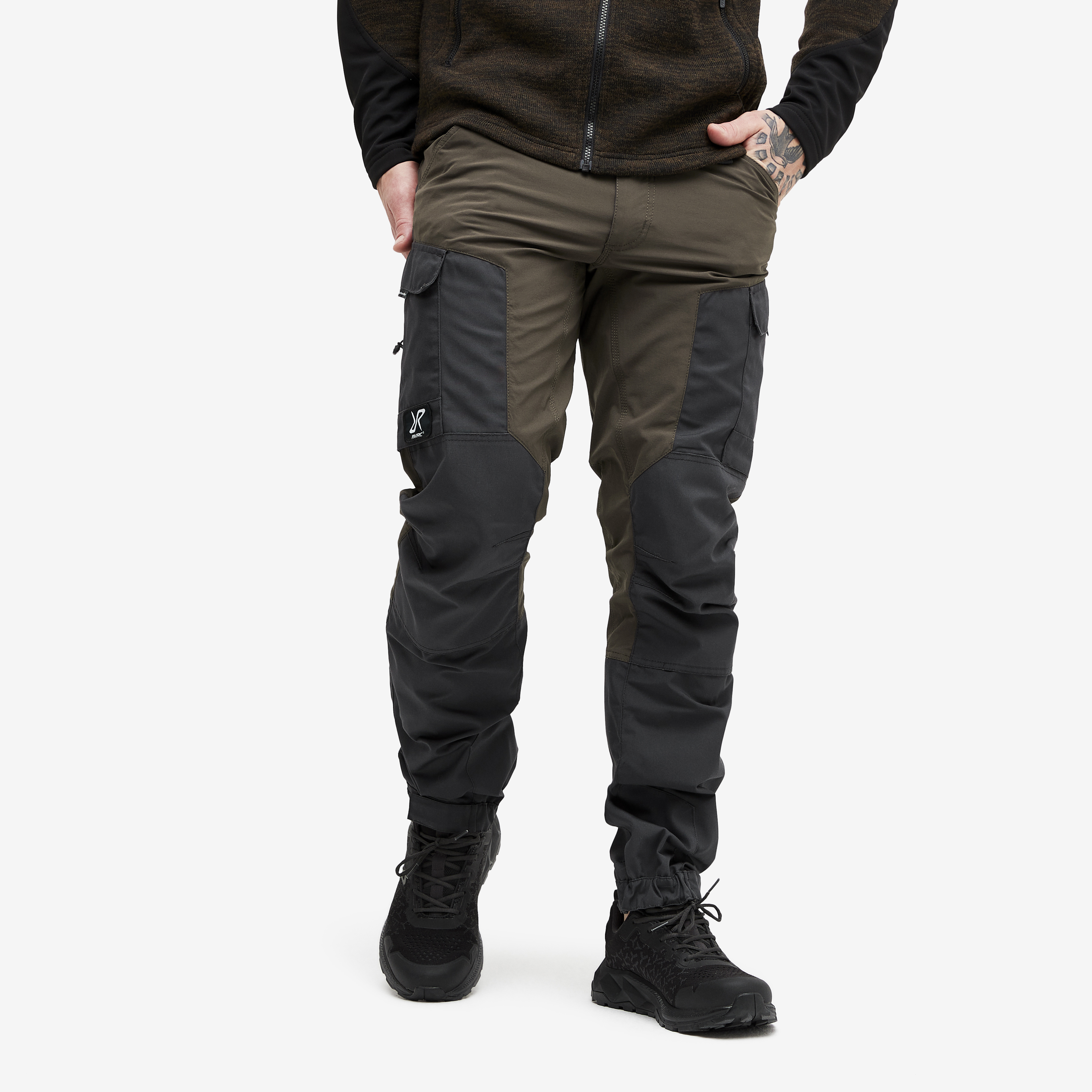
The foundation of effective mountain hiking clothes lies in understanding the three-layer system that has proven invaluable across countless expeditions. This system isn't just theoretical knowledge—it's a practical approach that adapts to the unpredictable nature of mountain environments where temperature can drop 20 degrees with elevation gain and weather patterns change without warning.
The layering principle works by creating manageable microclimates around your body. Each layer serves a distinct purpose: the base layer manages moisture next to your skin, the insulation layer traps warm air for temperature regulation, and the outer shell protects against wind, rain, and snow. What makes this system brilliant for mountain climbing clothes is its adaptability—you can add or remove layers as conditions change throughout your hike.
Pro Tip from the Trail
During my ascent of Mount Washington last October, I started with all three layers in pre-dawn conditions but shed my mid-layer within the first hour as my body warmed up. By midday, I was down to my base layer, only to add everything back as afternoon clouds rolled in. This flexibility is why proper mountain hiking clothes selection is crucial.
Understanding fabric technology is equally important when selecting your mountain hiking clothes. Modern synthetic materials and merino wool have revolutionized outdoor clothing by providing moisture management, breathability, and insulation properties that natural fibers like cotton simply cannot match. The key is choosing materials that maintain their performance characteristics even when wet, a common scenario in mountain environments.
Temperature regulation through layering becomes second nature once you understand how heat transfer works. Your body generates heat through movement, but mountain conditions can quickly strip that warmth through wind chill, wet conditions, and elevation exposure. The layering system for mountain hiking clothes creates barriers against these heat-loss mechanisms while allowing you to fine-tune your comfort level throughout the day.
Base Layer Essentials for Mountain Hiking Clothes
The base layer is the foundation of your mountain hiking clothes system, working directly against your skin to manage moisture and regulate temperature. After testing dozens of base layer combinations across various conditions, I can confidently say that this layer makes or breaks your comfort on the trail. The wrong choice leaves you clammy during exertion and chilled during rest stops.
Material Science: Merino Wool vs. Synthetics
Merino wool remains my top choice for merino wool hiking clothes because of its natural properties. Unlike regular wool, merino fibers are incredibly fine, eliminating the scratchy feeling while providing superior odor resistance. During a four-day backcountry trip in Glacier National Park, my merino base layer remained comfortable and relatively odor-free throughout the entire journey—something impossible with synthetic alternatives.
User Review Spotlight
"I've been using the same merino wool base layer system for three years of mountain hiking. Unlike synthetic materials, it doesn't hold odors and keeps me comfortable in temperatures ranging from 30°F to 70°F. The investment in quality base layers paid off after just a few trips." - Sarah M., verified Amazon purchase
Synthetic base layers excel in specific situations where quick-drying properties are paramount. Polyester and nylon blends wick moisture faster than merino wool and cost significantly less. For budget-conscious hikers or those in consistently wet conditions, quality synthetic mountain hiking clothes provide excellent performance. The trade-off comes in odor management and comfort during temperature fluctuations.

Weight Categories and When to Use Them
Base layer weights for mountain hiking clothes typically fall into three categories: lightweight (150-200 GSM), midweight (200-250 GSM), and heavyweight (250+ GSM). Lightweight works perfectly for high-output activities and warmer conditions, while midweight provides the best all-around performance for most mountain hiking scenarios. I reserve heavyweight base layers for winter conditions or extremely cold climates.
The fit of your base layer directly impacts its performance in your mountain hiking clothes system. Too tight restricts circulation and movement, while too loose creates air gaps that reduce insulation efficiency. I prefer a snug but not restrictive fit that allows full range of motion without bunching under pack straps. Quality base layers should feel almost invisible when properly fitted.
Insulation and Mid-Layers for Mountain Hiking Clothes
The insulation layer of your mountain hiking clothes system provides the bulk of your warmth by trapping dead air space. This layer requires the most strategic thinking because it must balance warmth, breathability, packability, and durability across varying activity levels and weather conditions. My experience has taught me that having options is better than relying on a single insulation piece.
Down vs. Synthetic Insulation
Down insulation remains the gold standard for warmth-to-weight ratio in mountain hiking clothes. High-quality down provides incredible loft and compresses to a fraction of its expanded size, making it ideal for lightweight hiking clothes systems. However, down's Achilles heel is moisture—wet down loses its insulating properties and takes forever to dry, a potentially dangerous situation in mountain environments.
Real-World Testing Results
During a three-day comparison test in the Cascades, my synthetic insulated jacket maintained 80% of its warmth when soaked, while the down jacket provided virtually no insulation. This experience reinforced why I carry synthetic insulation for wet mountain conditions and save down for dry, cold environments.
Synthetic insulation for mountain hiking clothes offers reliability in wet conditions and faster drying times. Modern synthetic fills like PrimaLoft and Coreloft have dramatically improved their warmth-to-weight ratios while maintaining their moisture-resistant properties. The trade-off comes in packability and long-term durability, as synthetic insulation typically doesn't compress as well and may lose loft over time.
Fleece: The Versatile Middle Ground
Fleece occupies a unique space in mountain hiking clothes systems, offering breathability that hard-shell insulation lacks while providing warmth that works even when damp. I've found fleece particularly valuable for high-exertion activities where breathability is crucial. Quality fleece jackets like those from top hiking clothing brands provide excellent temperature regulation during variable activity levels.
Community Feedback
"After years of struggling with overheating in puffy jackets during climbs, switching to a quality fleece mid-layer revolutionized my mountain hiking clothes setup. It breathes when I need it to and provides warmth during rest stops." - Mike T., Trail Community Forum
The key to effective insulation in mountain hiking clothes is understanding when to wear versus when to carry your insulation layer. During active hiking, your body generates significant heat, often requiring only a base layer and shell. But the moment you stop for breaks or encounter weather changes, that insulation layer becomes critical for maintaining core body temperature and preventing hypothermia in mountain environments.
Outer Shell Protection for Mountain Hiking Clothes
The outer shell represents your final defense against mountain weather in any mountain hiking clothes system. This layer must block wind and precipitation while allowing moisture vapor from your body to escape—a challenging engineering problem that separates quality shells from budget alternatives. Your shell choice often determines whether you stay comfortable or face potentially dangerous exposure to the elements.
Waterproof vs. Water-Resistant Technology
Understanding the difference between waterproof and water-resistant is crucial when selecting mountain hiking clothes. Water-resistant treatments like DWR (Durable Water Repellent) cause water to bead and roll off the fabric surface, perfect for light precipitation and snow. However, these treatments wear off over time and fail under sustained heavy rain or when the fabric becomes saturated.
Waterproof shells use membrane technologies like Gore-Tex, eVent, or proprietary alternatives that create a barrier impermeable to liquid water while allowing water vapor to pass through. These technologies make the difference between staying dry and facing dangerous exposure when mountain weather turns severe. For serious winter hiking clothes, waterproof capability is non-negotiable.
Breathability: The Critical Balance
Breathability in mountain hiking clothes shells prevents the "boil-in-the-bag" effect where moisture from your body overwhelms the system's ability to regulate temperature. I've experienced this firsthand in cheap rain gear that left me soaked from internal moisture despite staying dry from external precipitation. Quality shells balance waterproof protection with vapor transmission rates that keep you comfortable during exertion.
Expert Opinion
"The best mountain hiking clothes shell I've owned manages moisture so well that I forget I'm wearing it. You want a jacket that disappears until you need its protection, then performs flawlessly when conditions deteriorate." - Jennifer L., Mountain Guide, Reddit hiking community
Fit considerations for shell layers in mountain hiking clothes systems require accommodation for underlying layers while maintaining freedom of movement. I prefer shells with articulated sleeves and sufficient room in the torso to layer underneath without restriction. Features like pit zips, adjustable cuffs, and storm-worthy hoods contribute significantly to versatility and comfort during changing conditions on mountain trails.
The investment in a quality shell pays dividends over years of use. While budget options exist, the performance gap becomes apparent during challenging conditions when reliable protection matters most. Your shell should be the piece of mountain hiking clothes you never want to test to its limits, but trust completely when mountain weather demands its protection.
Seasonal Considerations for Mountain Hiking Clothes
Mountain environments present unique seasonal challenges that require adaptive mountain hiking clothes strategies. Unlike lower elevation hiking where seasonal changes are gradual and predictable, mountains create microclimates where you might encounter multiple seasons during a single day. My approach to seasonal clothing has evolved through experience with everything from unexpected snowstorms in July to warm spells during winter ascents.
Spring Mountain Hiking: Variable Conditions
Spring represents the most challenging season for mountain hiking clothes selection due to extreme variability. Snow persists at elevation while lower trailheads experience mild temperatures, creating a scenario where you need summer hiking clothes capability and winter protection in the same system. I've learned to pack for the worst-case scenario while layering for current conditions.
During a memorable April hike in the White Mountains, I started in shorts and a t-shirt at the trailhead, added layers steadily with elevation gain, and finished the last mile in full winter gear including hat and gloves. This experience taught me that spring mountain hiking clothes systems require maximum versatility and the discipline to carry gear you hope not to need.
Summer Mountain Considerations
Summer mountain hiking clothes focus on sun protection, moisture management, and preparation for afternoon thunderstorms. UV exposure increases significantly with elevation, making sun protection essential even on overcast days. I prioritize lightweight, breathable fabrics with UPF ratings and always carry a shell for inevitable afternoon weather changes in mountain environments.
Fall: Transition Season Strategies
Fall mountain hiking presents beautiful conditions but requires careful attention to mountain hiking clothes layering as temperatures drop rapidly with shorter days. I've found this season offers some of the best hiking conditions when properly prepared, but hypothermia risks increase as hikers underestimate how quickly conditions change when the sun disappears behind peaks.
My fall layering strategy emphasizes having warm layers readily accessible rather than buried in pack compartments. The difference between comfortable and dangerous can happen within minutes as afternoon temperatures drop and wind picks up. Quality men's hiking apparel and women's hiking clothing designed for fall conditions should prioritize quick layer transitions and reliable insulation.
Winter: Maximum Protection Systems
Winter mountain hiking clothes require the most comprehensive approach, where system failures can have serious consequences. Every piece must perform reliably in extreme conditions while allowing for the heat management necessary during strenuous climbs. I've learned that redundancy is crucial—backup gloves, extra insulation, and emergency warmth sources should always be part of winter mountain gear.
Winter Safety Protocol
Winter mountain hiking clothes must account for emergency scenarios where you might need to stop moving and maintain warmth for extended periods. I always carry enough insulation to stay warm during an emergency bivouac, even if it means carrying extra weight. The margin for error decreases dramatically in winter mountain conditions.
My Mountain Experience: Lessons Learned on the Trail
Over fifteen years of mountain hiking across North America's most challenging peaks, my understanding of proper mountain hiking clothes has evolved from painful trial-and-error to systematic knowledge. Each experience has refined my approach, teaching me that the difference between comfort and misery often lies in seemingly small clothing choices that prove critical when conditions deteriorate.
The Mount Elbert Lesson
My most memorable mountain hiking clothes education occurred during an August ascent of Mount Elbert in Colorado. Starting in perfect weather wearing lightweight layers, I was caught off-guard when afternoon thunderstorms brought hail, driving rain, and temperatures that dropped 30 degrees in twenty minutes. My inadequate shell soaked through, and hypothermia became a real concern at 14,000 feet. That experience taught me never to underestimate mountain weather and always pack for worst-case scenarios, regardless of morning conditions.
The lessons learned from gear failures have been invaluable in developing my current mountain hiking clothes system. I've experienced zippers failing in critical moments, seams leaking during storms, and insulation losing effectiveness when wet. Each failure taught me to look for specific features: YKK zippers, sealed seams, and insulation types that maintain loft in adverse conditions.
Regional variations have also shaped my approach to mountain hiking clothes. The humid conditions of Appalachian summers require different moisture management strategies than the dry cold of Rocky Mountain winters. Pacific Northwest rain demands different waterproof standards than the brief but intense thunderstorms common in southwestern ranges. Understanding these regional characteristics helps tailor clothing systems to specific mountain environments.
Gear That Has Never Failed Me
- Merino wool base layers for temperature regulation and odor control
- Quality down jackets for lightweight warmth when conditions allow
- Reliable shell layers with proven waterproof technology
- Synthetic insulation for wet conditions where down fails
- Proper layering systems that adapt to changing conditions
The evolution of mountain hiking clothes technology has been remarkable to witness firsthand. Materials that seemed cutting-edge a decade ago now appear primitive compared to current innovations in moisture management, breathability, and durability. However, the fundamentals remain unchanged: proper layering, quality construction, and systematic approach to mountain clothing selection.
My current mountain hiking clothes philosophy emphasizes buying once and buying right. After years of replacing failed gear, I've learned that investing in quality pieces saves money long-term while providing reliability when conditions matter most. The mountains don't forgive inadequate preparation, and your clothing system is often the difference between a memorable adventure and a survival situation.
Frequently Asked Questions
What are the essential layers for mountain hiking clothes?
The essential mountain hiking clothes system includes three main layers: a moisture-wicking base layer (merino wool or synthetic materials), an insulating mid-layer (fleece or down jacket), and a waterproof outer shell layer. This layering system allows you to adapt to changing mountain weather conditions by adding or removing layers as needed. Each layer serves a specific purpose in temperature regulation and weather protection. Quality base layers manage moisture next to your skin, insulation layers trap warm air for temperature control, and shell layers protect against wind, rain, and snow. The key is having options that work together as a complete system rather than individual pieces.
How should I choose mountain hiking clothes for different seasons?
Seasonal mountain hiking clothes selection depends on temperature ranges and weather patterns. Spring requires versatile layers for variable conditions, summer needs lightweight, breathable fabrics with sun protection, fall demands additional insulation for dropping temperatures, and winter requires heavy-duty insulation, waterproof shells, and extremity protection. Always check local mountain weather conditions and adjust your clothing system accordingly for safe hiking experiences. Mountain environments can present multiple seasons in a single day, so prepare for worst-case scenarios while layering for current conditions. Consider elevation changes, exposure levels, and regional climate patterns when planning your clothing system.
What materials work best for mountain hiking clothes?
The best materials for mountain hiking clothes include merino wool for base layers (natural odor resistance and moisture management), synthetic polyester or nylon for mid-layers (quick-drying and durable), and technical fabrics like Gore-Tex for outer shells (waterproof yet breathable). Avoid cotton entirely as it retains moisture and loses insulating properties when wet, which can be dangerous in mountain environments with changing weather conditions. Modern synthetic materials and merino wool maintain their performance characteristics even when damp, providing reliable temperature regulation and comfort throughout your hike. Quality fabrics also offer durability that withstands the abrasion and stress of mountain hiking conditions.
How many layers should I wear for mountain hiking?
The number of layers in your mountain hiking clothes system typically ranges from 2-4 depending on conditions. Warm summer days might require only a base layer and light shell, while winter mountain hiking could need a base layer, insulating mid-layer, additional warming layer, and waterproof outer shell. The key is having options to add or remove layers as conditions change throughout your hike and elevation gain affects temperature. Your layering strategy should account for activity level, weather conditions, duration of exposure, and emergency scenarios. Quality layers work together as a system, allowing fine-tuning of your microclimate as mountain conditions demand.
What should I avoid when selecting mountain hiking clothes?
Avoid cotton fabrics entirely when selecting mountain hiking clothes, as cotton absorbs moisture and loses insulation when wet. Don't choose overly tight clothing that restricts movement or circulation. Avoid brand-new gear on important hikes without testing it first. Skip fashion-focused items that lack technical features. Don't forget essential accessories like proper socks, hats, and gloves. Most importantly, avoid inadequate weather protection for mountain conditions where weather can change rapidly. Also avoid single-layer systems that don't provide adaptation options, cheap gear that fails when you need it most, and ignoring regional climate considerations that affect clothing requirements. Proper preparation and quality gear selection are essential for mountain safety.
Conclusion
Mastering your mountain hiking clothes system is an investment in both comfort and safety that pays dividends on every trail adventure. The layering principles, material knowledge, and seasonal considerations outlined in this guide provide the foundation for making informed clothing decisions that enhance your mountain hiking experience. Remember that the best system is one you understand thoroughly and trust completely when mountain conditions test its limits.
The mountains will always present challenges, but proper mountain hiking clothes preparation removes clothing-related variables from the equation. Focus on quality pieces that work together as a system, understand the principles behind material choices, and don't hesitate to invest in gear that could save your life in extreme conditions. Your clothing system should feel invisible when conditions are good and provide reliable protection when they're not.
Continue building your outdoor knowledge by exploring our comprehensive guides on survival clothing essentials and outdoor hiking apparel. The mountains are calling, and with proper mountain hiking clothes, you'll be ready to answer that call safely and comfortably on every adventure.
Ready to Upgrade Your Mountain Hiking Clothes?
Start building your perfect layering system with our tested and recommended gear selections.
Shop Complete Systems