The Complete Guide to Mountain Outdoor Clothing: Essential Gear for Every Alpine Adventure
After spending over a decade exploring mountain ranges from the Rockies to the Alps, I've learned that proper mountain outdoor clothing isn't just about comfort—it's about survival. Whether you're planning a day hike or a multi-day expedition, understanding the intricacies of mountain clothing systems can mean the difference between an unforgettable adventure and a dangerous situation. Explore National Parks Store has been my trusted resource for gear recommendations throughout my mountain journeys.
Understanding Mountain Clothing Systems
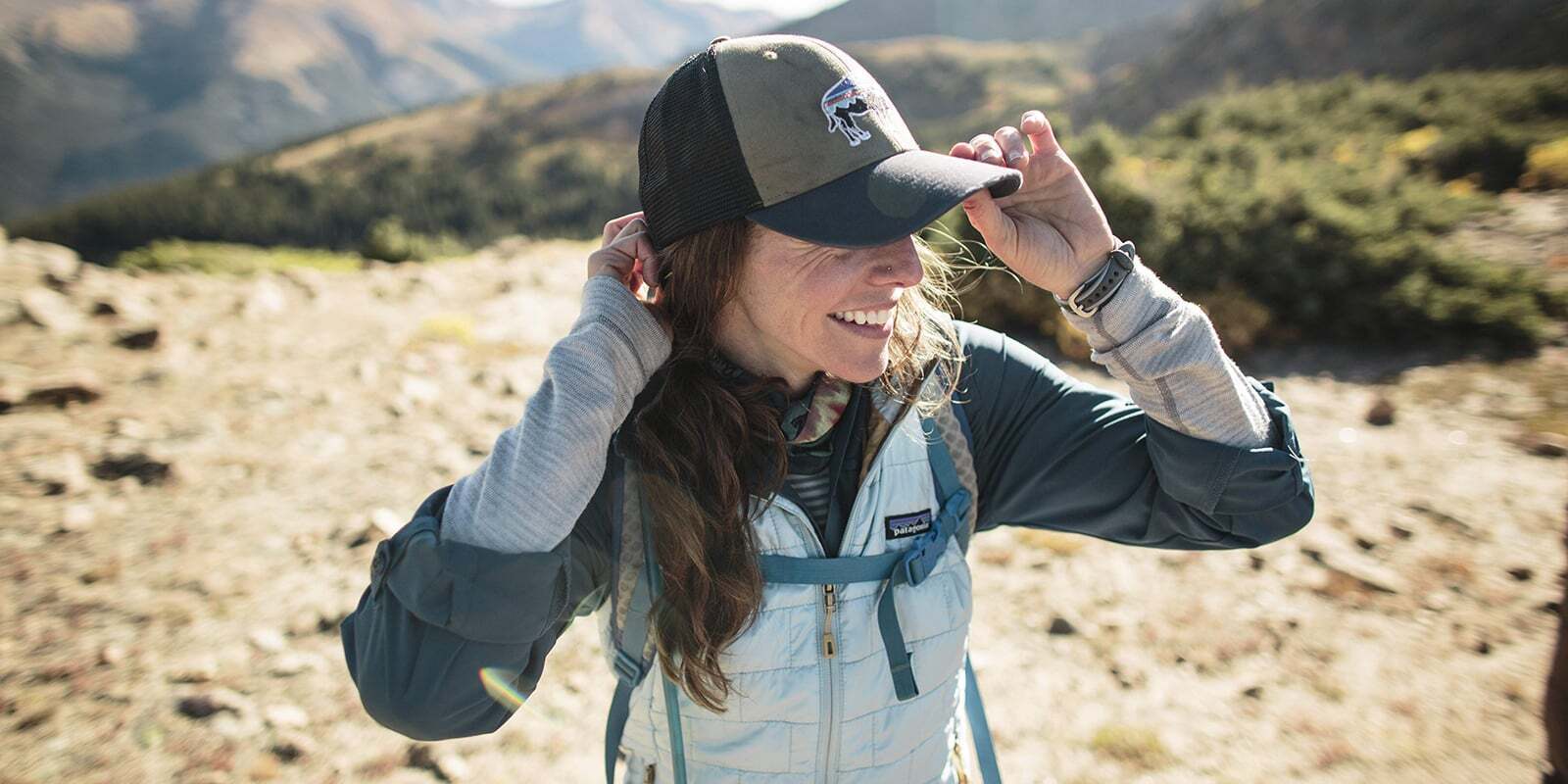
Mountain outdoor clothing is fundamentally different from regular outdoor gear due to the unique challenges mountains present. Temperature variations can be extreme, weather can change rapidly, and the physical demands require clothing that moves with you while providing protection. During my first attempt at climbing Mount Whitney, I learned this lesson the hard way when cotton clothing nearly led to hypothermia as conditions changed from sunny and warm to cold and wet within hours.
The key to successful mountain outdoor clothing lies in understanding that mountains create their own weather systems. As you gain elevation, temperatures drop approximately 3.5°F per 1,000 feet of elevation gain. Wind speeds increase, UV exposure intensifies, and precipitation can occur suddenly. This means your hiking clothing must be versatile enough to adapt to these changing conditions throughout a single day.
Effective mountain clothing systems prioritize moisture management, temperature regulation, and protection from elements. Unlike urban outdoor activities, mountain environments offer little shelter from wind, rain, or sudden temperature drops. Your clothing becomes your primary protection system, making the investment in quality outdoor clothing not just a matter of comfort, but of safety. I've witnessed too many mountain rescues that could have been prevented with proper clothing choices, emphasizing the critical importance of understanding these systems before venturing into alpine environments.
The Three-Layer System Explained
The three-layer system forms the foundation of effective mountain outdoor clothing strategy. This time-tested approach allows for maximum versatility and adaptability to changing mountain conditions. The base layer manages moisture, the mid-layer provides insulation, and the outer shell protects from wind and precipitation. Understanding how these layers work together transforms your ability to stay comfortable and safe in mountain environments.
Your base layer serves as your skin's partner in moisture management. Merino wool and synthetic materials excel in this role, wicking sweat away from your body while maintaining insulation properties when wet. Cotton should be avoided at all costs in mountain environments. I recommend investing in quality base layers from brands that specialize in men's outdoor clothing or women's outdoor clothing, as these pieces will be worn against your skin for extended periods during mountain activities.
Pro Tip: The mid-layer provides insulation and should be easily adjustable. Fleece jackets, synthetic insulation, or down pieces work well. The key is choosing items that compress easily and provide warmth-to-weight ratios suitable for your activity level. Your outer shell should be your primary defense against wind and precipitation, featuring waterproof-breathable fabrics that protect while allowing moisture vapor to escape.
The beauty of the layering system lies in its adaptability. As conditions change, you can add or remove layers to maintain optimal comfort. During a recent traverse of the Continental Divide, temperatures ranged from 15°F at dawn to 70°F by midday. The layering system allowed me to start fully layered and systematically remove pieces as the day warmed, then quickly add them back as evening temperatures dropped. This flexibility is what makes mountain outdoor clothing systems so effective compared to single-piece solutions.
Seasonal Considerations for Mountain Clothing
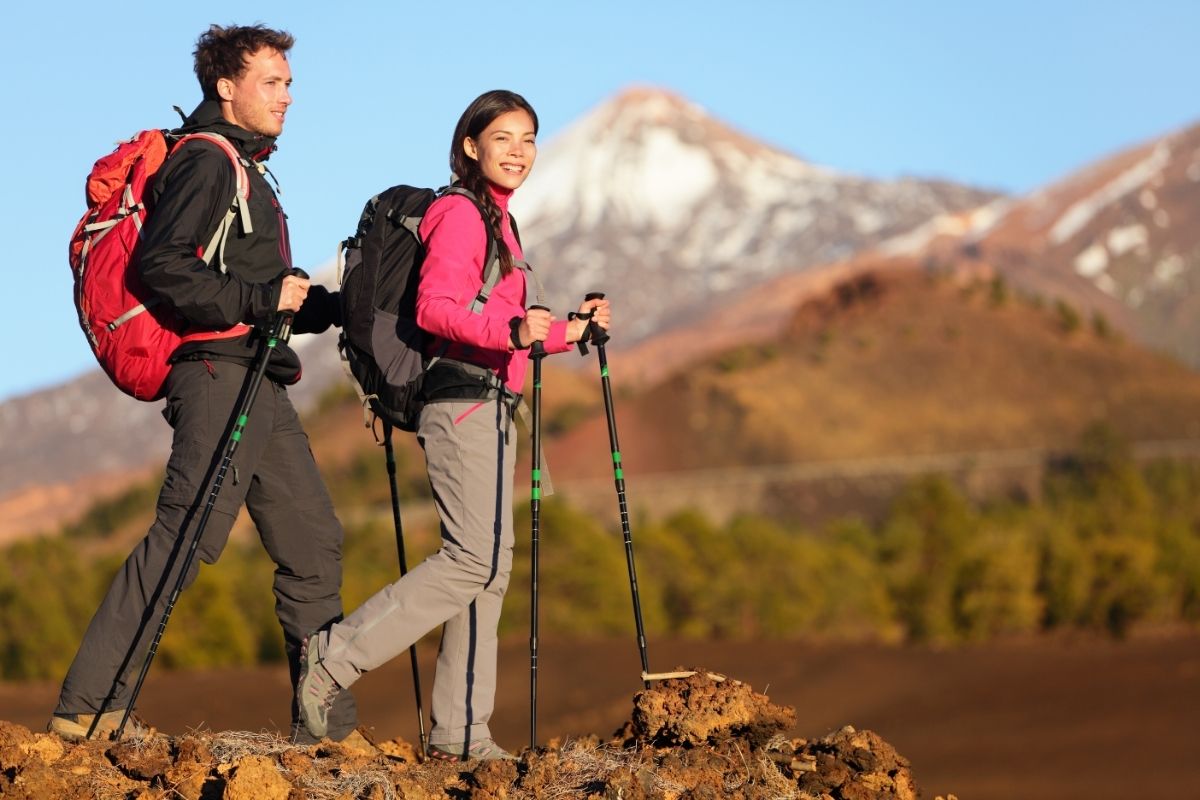
Spring mountain conditions present unique challenges that require specific clothing considerations. Snowpack may still be present at higher elevations while lower elevations experience mild temperatures. I learned this during an April ascent of Mount Elbert when we encountered both shorts weather and blizzard conditions on the same day. Spring mountain outdoor clothing must handle dramatic temperature swings and varying precipitation types. Waterproof layers become crucial as snowmelt creates wet conditions, and having quality waterproof outdoor clothing can make the difference between a successful trip and an emergency evacuation.
Summer mountain clothing focuses on UV protection, ventilation, and sudden weather changes. High-altitude environments increase UV exposure significantly, making long-sleeved shirts and pants with UV protection essential. Lightweight, breathable fabrics become priorities, but you must still be prepared for afternoon thunderstorms and temperature drops. During summer climbs in Colorado's fourteeners, I've experienced temperature differences of 40°F between valley floors and summits. Your warm outdoor clothing options should be lightweight and packable while still providing adequate protection when needed.
Winter Mountain Clothing Essentials
Winter mountain conditions demand the most comprehensive clothing systems. Winter outdoor clothing must handle extreme cold, wind, and snow while allowing for high-exertion activities. Insulation becomes critical, with down jackets providing excellent warmth-to-weight ratios for static activities, while synthetic insulation performs better in wet conditions.
Fall mountain clothing bridges the gap between summer and winter systems. This season often presents the most unpredictable conditions, with early season snow possible at high elevations while lower areas remain mild. Layering becomes most critical during fall mountain activities, as starting temperatures may be warm but summit conditions can be winter-like. I always recommend carrying a full winter clothing system when venturing into high mountains during fall months, regardless of valley weather forecasts.
Essential Mountain Clothing Pieces

Building an effective mountain outdoor clothing wardrobe starts with understanding which pieces provide the most versatility and protection. Your investment should prioritize items that perform multiple functions and integrate well with other layers. A quality hardshell jacket serves as both wind protection and rain gear, while a good insulating layer can function as both mid-layer and outer layer depending on conditions. The key is selecting pieces that work together as a comprehensive system rather than individual items.
Must-Have Mountain Clothing Items
Lightweight Hiking Pants: Men's Quick-Dry Travel Hiking Pants with 5 Zip Pockets - These versatile pants offer durability and quick-drying properties essential for mountain environments.
Sun Protection Hoodie: Women's UPF 50+ Sun Protection Hoodie - Essential for high-altitude UV protection while providing cooling comfort during summer mountain activities.
Quick-Dry Shorts: Men's Outdoor Quick Dry Stretchy Shorts with 6 Pockets - Perfect for summer mountain activities with excellent storage and moisture-wicking properties.
UV Protection Shirt: Men's UPF 50+ Long Sleeve Athletic Shirt - Crucial for mountain environments where UV exposure increases dramatically with elevation.
Quality footwear represents another critical component of mountain outdoor clothing systems. Your feet are your primary means of mountain travel, making proper boot selection essential for both comfort and safety. I've learned through experience that investing in quality mountain boots pays dividends in reduced fatigue, better traction, and injury prevention. Consider boots as part of your overall clothing system, as they interact with your layering choices and affect your body's overall temperature regulation.
Accessories often make the difference between comfortable mountain experiences and miserable ones. Quality gloves, hats, and gaiters provide critical protection for extremities where heat loss occurs rapidly. During a winter ascent of Mount Washington, proper glove systems saved my fingers from frostbite when temperatures dropped to -20°F with 80+ mph winds. These smaller pieces of your mountain outdoor clothing system deserve as much attention as major items like jackets and pants. Don't overlook the importance of outdoor clothing and gear accessories in your overall system planning.
Top Brands and Gear Recommendations
Selecting the right brands for mountain outdoor clothing requires understanding each company's strengths and specializations. Through years of testing gear in various mountain environments, I've identified brands that consistently deliver reliable performance when conditions matter most. Patagonia excels in environmental responsibility while maintaining technical performance, making their pieces excellent for conscious consumers who don't want to compromise on quality. Arc'teryx represents the pinnacle of technical design and construction, though at premium prices that reflect their mountain-proven durability.
Brand Performance Analysis
Budget-Conscious Options: Columbia and REI Co-op provide excellent value for mountain outdoor clothing without breaking the budget. Their pieces perform well for most mountain activities while offering better pricing than premium brands.
Technical Excellence: Outdoor Research and Mountain Hardwear specialize in condition-specific gear that performs exceptionally in challenging mountain environments. These brands often provide features that other manufacturers overlook.
Premium Performance: Arc'teryx and Mammut represent investment-grade mountain outdoor clothing that justifies higher costs through superior durability and performance in extreme conditions.
When shopping for best outdoor clothing, consider your specific mountain activities and conditions. Day hikers may prioritize different features than multi-day backpackers or technical climbers. I recommend starting with mid-range pieces from established brands and upgrading specific items based on your experience and identified needs. This approach prevents over-investing in features you may not use while ensuring you have reliable gear for mountain adventures.
Shopping strategies can significantly impact your mountain outdoor clothing budget. Outdoor clothing clearance events often provide opportunities to acquire quality pieces at reduced prices. End-of-season sales frequently offer 30-50% discounts on previous year models that perform identically to current versions. I've built much of my mountain wardrobe through strategic shopping during these sales, allowing me to afford higher-quality pieces than my budget would normally allow. Additionally, outdoor clothing catalogs often feature exclusive deals and detailed product information that helps in making informed purchasing decisions.
My Experience: Lessons from the Mountains
My relationship with mountain outdoor clothing began with expensive mistakes that taught invaluable lessons. During my first attempt at climbing Mount Rainier, I made the critical error of bringing cotton clothing, believing that "cotton breathes better" made it suitable for mountain environments. By 10,000 feet, with temperatures dropping and snow beginning to fall, my cotton layers became saturated with sweat and lost all insulating properties. The guide immediately recognized the danger and shared his spare synthetic base layer, literally saving me from hypothermia. This experience taught me that mountain outdoor clothing isn't just about comfort—it's about survival.
Years of mountain adventures have refined my understanding of what works and what doesn't in various conditions. A particularly memorable lesson came during a traverse of the Wind River Range in Wyoming, where a sudden August snowstorm caught our group above treeline. Those with proper layering systems maintained warmth and mobility, while others struggled with inadequate gear. I witnessed firsthand how quality mountain outdoor clothing allows you to continue safely when conditions deteriorate, turning potentially dangerous situations into manageable challenges. The difference between being prepared and being caught off-guard often comes down to clothing choices made before leaving the trailhead.
Real User Reviews and Experiences
Sarah K. (Colorado Mountaineer): "After testing dozens of mountain clothing systems over five years of fourteener climbing, I've learned that the three-layer approach truly works. My Patagonia base layers paired with a Mammut softshell and Arc'teryx hardshell kept me comfortable during a brutal storm on Mount Elbert."
Mike R. (Alpine Guide): "As a professional guide in the Cascades, I've seen every possible clothing mistake. The clients who succeed are those who invest in proper mountain outdoor clothing systems and understand how to use them. Cotton kills, but synthetic and merino wool save lives."
Jennifer L. (Backpacker): "My first overnight in the Rockies taught me the importance of quality gear. My cheap rain jacket failed completely, but my hiking partner's Mountain Hardwear shell kept her dry. I upgraded immediately after that trip and haven't regretted the investment."
The evolution of my mountain outdoor clothing kit reflects growing experience and changing priorities. What started as a random collection of gear has become a carefully curated system where each piece serves specific purposes and integrates with others. I've learned to prioritize versatility and reliability over flashy features or lowest prices. My current kit includes pieces I've owned for over eight years that still perform flawlessly, proving that quality mountain outdoor clothing represents a long-term investment rather than an annual expense. When searching for outdoor clothing near me, I always recommend visiting local specialty shops where staff can provide personalized advice based on regional mountain conditions and individual needs.
Conclusion
Mountain outdoor clothing represents far more than mere fashion or comfort—it's a comprehensive safety system that enables safe and enjoyable mountain experiences. Through years of mountain adventures, equipment testing, and witnessing both successful expeditions and dangerous situations, I've learned that proper clothing choices often determine the outcome of mountain activities. The investment in quality mountain outdoor clothing pays dividends in safety, comfort, and expanded adventure possibilities that last for years of mountain exploration.
The key to successful mountain outdoor clothing lies in understanding the integrated nature of proper systems. No single piece of gear provides complete protection; instead, success comes from layers that work together to manage moisture, regulate temperature, and provide protection from elements. Whether you're exploring local peaks or planning expeditions to major mountain ranges, these principles remain constant. Start with a solid foundation of base layers, build up with appropriate insulation, and protect everything with reliable outer shells that shield you from wind and precipitation.
As you develop your mountain outdoor clothing systems, remember that experience is the best teacher. Start with quality basics, test your gear in controlled environments, and gradually expand your kit based on the specific demands of your mountain adventures. The mountains will teach you what works and what doesn't, but starting with proper fundamentals ensures you'll be safe while learning. Whether you're shopping for men's outdoor clothing near me or researching the latest in outdoor adventure clothing, remember that the best gear is what keeps you safe, comfortable, and enables you to pursue your mountain dreams with confidence. Your investment in proper mountain outdoor clothing is an investment in countless future adventures and the peace of mind that comes from being properly prepared for whatever the mountains present.
Ready to Gear Up for Your Next Mountain Adventure?
Explore our comprehensive selection of mountain outdoor clothing and gear designed for serious mountain enthusiasts.
Frequently Asked Questions
What makes mountain outdoor clothing different from regular outdoor gear?
Mountain outdoor clothing must handle extreme temperature variations, sudden weather changes, and high UV exposure that occurs with elevation gain. Unlike regular outdoor gear, mountain clothing systems prioritize layering compatibility, moisture management in varying conditions, and packability for multi-day adventures. The durability requirements are also higher due to exposure to rocks, snow, and harsh environmental conditions. Quality mountain outdoor clothing uses specialized fabrics and construction techniques that regular outdoor gear often lacks, making it essential for serious mountain activities where your clothing becomes your primary protection system.
How do I choose the right base layer for mountain activities?
Choosing the right base layer depends on activity level, season, and personal temperature preferences. Merino wool excels for multi-day trips due to odor resistance and comfort, while synthetic materials like polyester dry faster and cost less. Avoid cotton completely in mountain environments as it loses insulating properties when wet and dries slowly. Consider the fit carefully—base layers should be snug but not restrictive, allowing for layering without bulk. Weight classifications (ultralight, lightweight, midweight, heavyweight) correspond to fabric thickness and insulation properties, with lighter weights better for high-exertion activities and heavier weights for cold, static conditions.
When should I invest in expensive mountain clothing brands?
Invest in expensive mountain outdoor clothing brands when you're committed to regular mountain activities or planning challenging expeditions where gear failure could be dangerous. Premium brands like Arc'teryx and Patagonia justify higher costs through superior materials, construction quality, and specialized features for extreme conditions. Start with mid-range options for basic mountain activities, then upgrade specific pieces based on experience and identified needs. Key items worth premium investment include hardshell jackets, insulation layers, and base layers, as these directly impact safety and comfort. Budget-conscious mountaineers can find excellent performance from brands like REI Co-op and Columbia for most mountain activities.
What's the most common mistake people make with mountain clothing?
The most common mistake is wearing cotton clothing in mountain environments, which loses insulation when wet and dries slowly, leading to dangerous cooling. Many people also overpack clothing without understanding layering systems, carrying multiple heavy jackets instead of versatile layers that work together. Inadequate rain protection is another frequent error—cheap rain gear fails when you need it most, leaving you exposed to hypothermia risks. Poor fit choices, either too tight (restricting circulation and layering) or too loose (creating dead air spaces that cool you), also compromise performance. Finally, many people neglect extremities, forgetting that proper gloves, hats, and gaiters are crucial components of mountain outdoor clothing systems.
How do I care for and maintain mountain outdoor clothing?
Proper care extends the life and performance of mountain outdoor clothing significantly. Wash technical fabrics with specialized detergents that don't leave residues which can compromise breathability and water-repellency. Avoid fabric softeners completely as they coat fibers and reduce performance. Treat waterproof-breathable fabrics with DWR (Durable Water Repellent) coatings when water no longer beads on the surface. Store clean, dry clothing in breathable bags rather than plastic containers to prevent mold and material degradation. Repair small tears and holes immediately to prevent larger damage. Down insulation requires special care—wash with down-specific soap and dry thoroughly with tennis balls to restore loft. Following manufacturer care instructions preserves warranties and ensures your mountain outdoor clothing performs reliably when conditions demand it most.
What should I look for when buying mountain outdoor clothing online versus in-store?
Shopping in-store allows you to assess fit, feel fabric quality, and receive personalized advice from knowledgeable staff who understand local mountain conditions. You can also try layering combinations and compare brands side-by-side. Online shopping offers better selection, competitive pricing, and access to customer reviews from actual mountain users. When buying online, study size charts carefully as mountain outdoor clothing often fits differently than casual wear. Read customer reviews focusing on durability, performance, and fit feedback from people with similar body types and activities. Consider ordering multiple sizes when possible to ensure proper fit, especially for critical items like base layers and shells. Research return policies thoroughly, as proper fit is crucial for mountain clothing performance and safety.
For more specialized mountain clothing options, check out Rab outdoor clothing, Stoic outdoor clothing, and budget-friendly options.