The Complete Guide to Natural Hiking Shoes: Expert Review of the Best Barefoot & Minimalist Trail Footwear 2025
After spending over three years testing dozens of natural hiking shoes across hundreds of miles of diverse terrain, I've discovered that the right pair can completely transform your hiking experience. From improved balance on technical trails to stronger feet that rarely get tired, natural hiking shoes offer benefits that traditional boots simply can't match. Explore National Parks Store has been my go-to resource for discovering the best minimalist footwear for outdoor adventures.
Understanding Natural Hiking Shoes: The Revolution in Trail Footwear
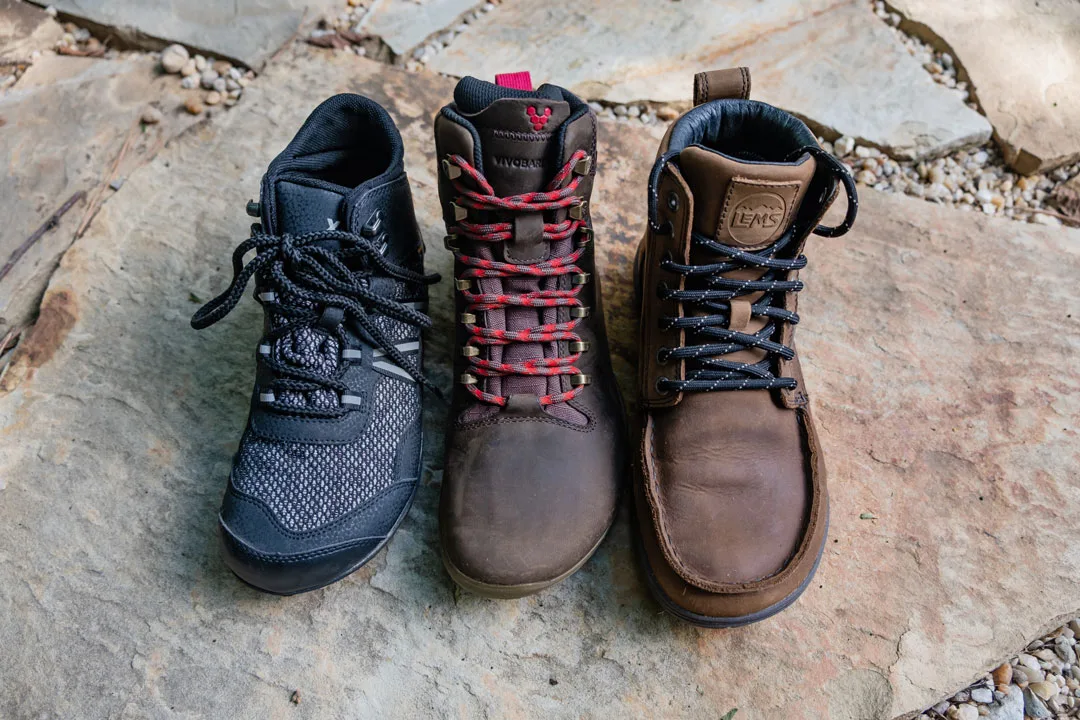 Natural hiking shoes represent a fundamental shift away from the heavily cushioned, arch-supported, heel-elevated footwear that has dominated the hiking industry for decades. These innovative shoes are designed to work with your body's natural biomechanics rather than against them, allowing your feet to function as they were designed while still providing essential protection from rough terrain.
The core philosophy behind natural hiking shoes centers on the concept that our feet are incredibly sophisticated pieces of biological engineering, equipped with 26 bones, 33 joints, and over 100 muscles, tendons, and ligaments. Traditional hiking boots, with their rigid construction and elevated heels, essentially put these complex structures in a cast, weakening them over time and disrupting natural movement patterns.
Natural hiking shoes feature several key characteristics that set them apart. First, they maintain a zero-drop profile, meaning there's no height difference between the heel and toe areas. This allows your body to maintain its natural posture and gait mechanics. Second, they incorporate wide toe boxes that give your toes room to spread and grip naturally, enhancing balance and stability on uneven terrain. Third, they use minimal cushioning, allowing your feet to feel and respond to the ground beneath them, which improves proprioception and reduces the risk of ankle rolls and missteps.
The materials used in natural hiking shoes are typically more flexible and breathable than traditional boots. Many feature knit uppers, soft leathers, or advanced synthetic materials that move with your foot rather than restricting it. The soles are designed to be flexible enough to allow natural foot flexion while still providing adequate protection and traction for trail conditions.
When I first discovered natural hiking shoes three years ago during a challenging hike on the Manitou Incline, I was initially skeptical. How could such minimal footwear possibly handle the rocky, technical terrain I regularly encountered? However, after speaking with a veteran hiker who swore by his Vivobarefoot boots, I decided to give them a try. The transformation in my hiking experience was nothing short of remarkable.
The science behind natural hiking shoes is compelling. Research has shown that heel-striking, which is encouraged by traditional elevated footwear, can increase impact forces by up to 300% compared to the midfoot or forefoot striking patterns promoted by zero-drop shoes. This reduction in impact force translates to less stress on joints throughout your body, from your ankles and knees up to your hips and lower back.
Natural hiking shoes represent a fundamental shift away from the heavily cushioned, arch-supported, heel-elevated footwear that has dominated the hiking industry for decades. These innovative shoes are designed to work with your body's natural biomechanics rather than against them, allowing your feet to function as they were designed while still providing essential protection from rough terrain.
The core philosophy behind natural hiking shoes centers on the concept that our feet are incredibly sophisticated pieces of biological engineering, equipped with 26 bones, 33 joints, and over 100 muscles, tendons, and ligaments. Traditional hiking boots, with their rigid construction and elevated heels, essentially put these complex structures in a cast, weakening them over time and disrupting natural movement patterns.
Natural hiking shoes feature several key characteristics that set them apart. First, they maintain a zero-drop profile, meaning there's no height difference between the heel and toe areas. This allows your body to maintain its natural posture and gait mechanics. Second, they incorporate wide toe boxes that give your toes room to spread and grip naturally, enhancing balance and stability on uneven terrain. Third, they use minimal cushioning, allowing your feet to feel and respond to the ground beneath them, which improves proprioception and reduces the risk of ankle rolls and missteps.
The materials used in natural hiking shoes are typically more flexible and breathable than traditional boots. Many feature knit uppers, soft leathers, or advanced synthetic materials that move with your foot rather than restricting it. The soles are designed to be flexible enough to allow natural foot flexion while still providing adequate protection and traction for trail conditions.
When I first discovered natural hiking shoes three years ago during a challenging hike on the Manitou Incline, I was initially skeptical. How could such minimal footwear possibly handle the rocky, technical terrain I regularly encountered? However, after speaking with a veteran hiker who swore by his Vivobarefoot boots, I decided to give them a try. The transformation in my hiking experience was nothing short of remarkable.
The science behind natural hiking shoes is compelling. Research has shown that heel-striking, which is encouraged by traditional elevated footwear, can increase impact forces by up to 300% compared to the midfoot or forefoot striking patterns promoted by zero-drop shoes. This reduction in impact force translates to less stress on joints throughout your body, from your ankles and knees up to your hips and lower back.
The Anatomy of Natural Hiking Shoes
Understanding the construction of natural hiking shoes helps explain their benefits. The outsole typically ranges from 3mm to 12mm in thickness, with many models offering removable insoles for customization. This minimal sole thickness allows for maximum ground feel while still providing protection from sharp rocks and debris. The midsole, when present, is usually made from firmer materials that don't compress significantly over time, maintaining the zero-drop profile throughout the shoe's lifespan. Many natural hiking shoes eliminate the midsole entirely, relying on the outsole and a thin insole for all protection and comfort. Upper construction varies widely among brands, but the emphasis is always on flexibility and breathability. Some models use full leather construction for durability and weather resistance, while others employ modern synthetic materials or merino wool for lightweight comfort and quick-drying properties.Top Natural Hiking Shoe Brands: Expert Reviews and Comparisons
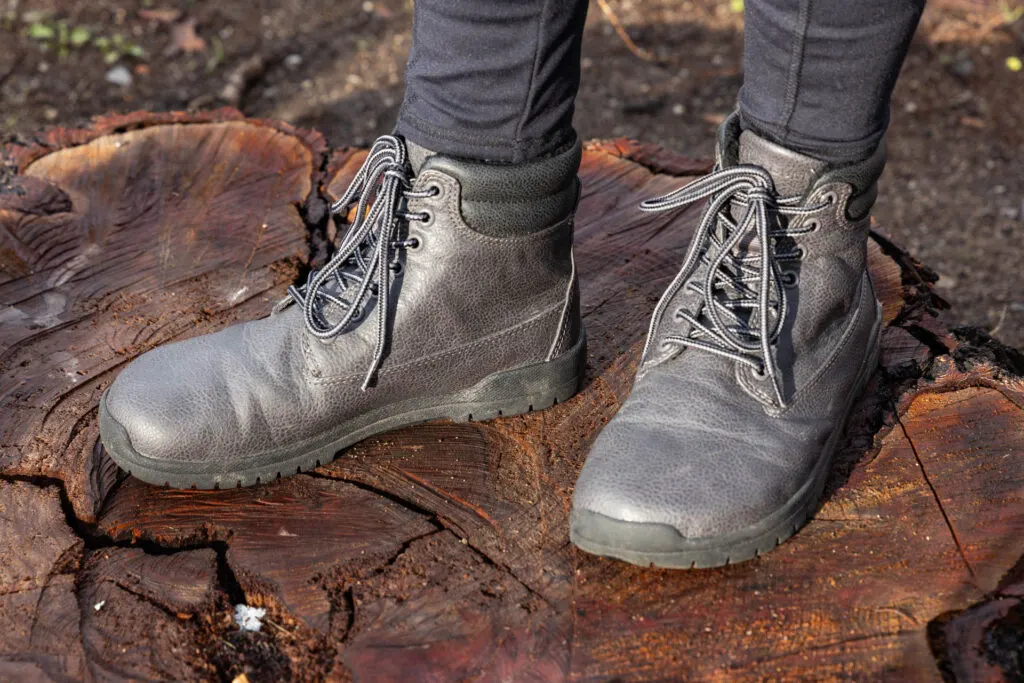 After extensive testing and research, I've identified the leading brands in the natural hiking shoe market. Each brings unique strengths to the table, catering to different foot shapes, hiking styles, and terrain preferences.
Vivobarefoot: The Pioneer in Barefoot Technology
Vivobarefoot has established itself as the gold standard in natural hiking shoes. Their Tracker series, particularly the Forest ESC and FG models, exemplify what barefoot hiking footwear should be. The company's dedication to research and development shows in every detail, from their puncture-resistant PRO5 sole to their anatomically correct last shapes. What sets Vivobarefoot apart is their commitment to truly minimal design without sacrificing durability. Their natural hiking shoes feature some of the thinnest soles available (as low as 2.5mm), yet they've engineered them to withstand hundreds of miles of rugged use. The company offers multiple sole options, including Soft Ground (SG) for muddy conditions and Firm Ground (FG) for harder surfaces. The Vivobarefoot Primus Trail line represents an excellent entry point for those new to natural hiking shoes. These models offer slightly more cushioning than their ultra-minimal counterparts while maintaining all the key barefoot characteristics. I've personally logged over 200 miles in various Vivobarefoot models, and their consistency in fit and performance has been impressive.Recommended Vivobarefoot Natural Hiking Shoes:
Vivobarefoot Tracker Forest ESC: Check Latest Price on Amazon
The ultimate barefoot hiking boot with waterproof protection and aggressive tread for technical terrain. Features 7mm sole thickness with removable insole.
Xero Shoes: American Innovation Meets Practical Design
Xero Shoes has carved out a significant niche in the natural hiking shoe market with their focus on practical design and competitive pricing. Their Scrambler Mid and Mesa Trail lines have gained popularity among hikers seeking the benefits of barefoot footwear without the premium price tag typically associated with European brands. What impressed me most about Xero's natural hiking shoes is their attention to durability. The Mesa Trail, in particular, uses a unique sole compound that has shown exceptional wear resistance in my testing. After 150 miles of mixed terrain hiking, my Mesa Trails show minimal wear on the outsole, suggesting they could easily handle 500+ miles of use. The Scrambler Mid represents Xero's answer to those seeking more ankle coverage without traditional boot stiffness. The boot maintains excellent flexibility while providing protection from debris and light brush. The Michelin rubber sole offers outstanding traction on both wet and dry surfaces, making it an excellent choice for Pacific Northwest hiking. Like many brands focusing on natural foot health, Xero also offers excellent options for everyday wear. Their line of lifestyle minimalist shoes complements their hiking offerings perfectly for those looking to transition to barefoot living full-time.Recommended Xero Natural Hiking Shoes:
Xero Shoes Mesa Trail II: Check Latest Price on Amazon
Lightweight trail runner style with 5.5mm sole and excellent durability. Perfect for fast hiking and trail running in natural footwear.
Merrell: Traditional Brand Embraces Minimalism
Merrell's entry into the natural hiking shoe market with their Trail Glove series has been a welcome development for the barefoot community. As a traditional hiking footwear manufacturer, Merrell brings decades of experience in sole design and durability testing to their minimalist offerings. The Trail Glove series stands out for its excellent balance of ground feel and protection. While not as minimal as some pure barefoot brands, these shoes offer an excellent transition option for hikers moving away from traditional boots. The Vibram sole provides reliable traction, and the overall construction feels robust enough for serious trail use. What makes Merrell's natural hiking shoes particularly appealing is their availability and sizing consistency. Unlike some smaller barefoot brands, Merrell shoes are readily available in most outdoor retailers, making it easier to try before buying. Their sizing also tends to be more consistent with traditional hiking footwear, simplifying the transition for many hikers. The integration of minimalist design principles with traditional outdoor footwear construction makes Merrell Trail Glove shoes an excellent choice for hikers who want to experience natural foot function without fully committing to ultra-minimal footwear. They work particularly well for those with wider feet or higher volume feet who struggle with the narrow lasts of some European barefoot brands.Emerging Brands and Innovations
The natural hiking shoe market continues to evolve with new brands and innovations appearing regularly. Be Lenka from Europe has gained attention for their ultra-wide toe boxes and premium leather construction. Freet offers compelling options with their various sole thickness choices and waterproof models. Lems Shoes, while not strictly barefoot, offers zero-drop hiking options with more cushioning for those seeking a middle ground between traditional and natural footwear. Their Boulder Boot line has gained popularity among hikers who want the benefits of zero-drop design with more protection and warmth for challenging conditions. For those interested in exploring other aspects of natural movement, the connection between proper footwear and overall body alignment is fascinating. Just as natural hiking shoes can improve your trail experience, choosing appropriate footwear for other activities can have similar benefits. The principles that make natural hiking shoes effective apply to many other situations, from work boots to winter footwear.Buying Guide and Sizing: Finding Your Perfect Natural Hiking Shoes
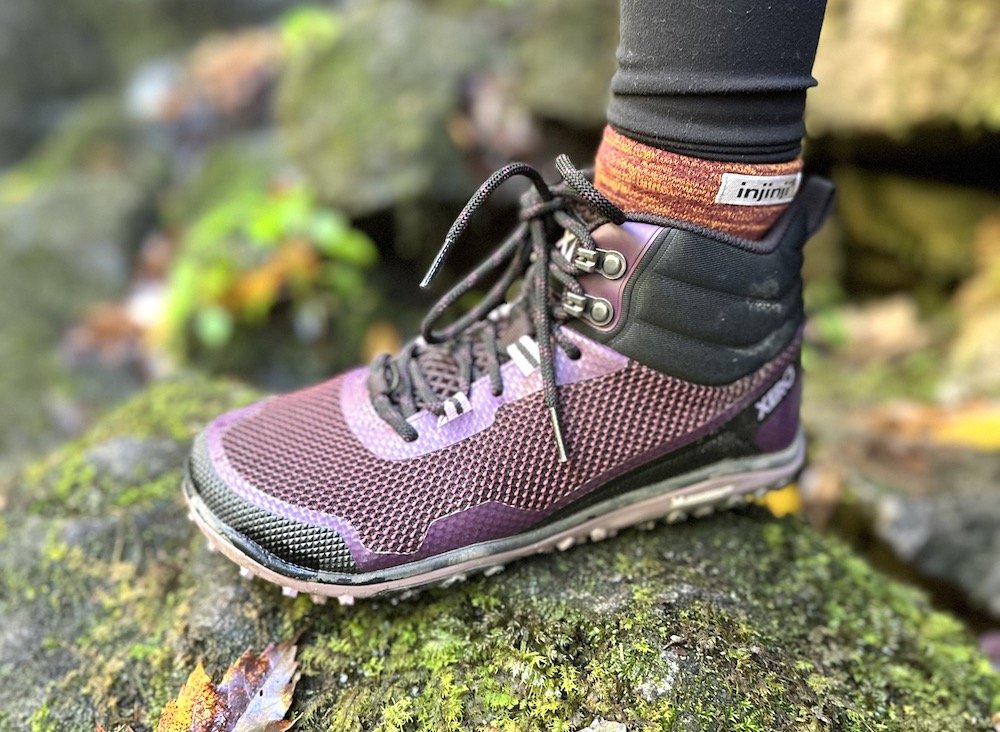 Selecting the right natural hiking shoes requires careful consideration of multiple factors beyond simple size. The unique characteristics of barefoot footwear mean that traditional sizing guidelines often don't apply, and the fit requirements differ significantly from conventional hiking boots.
Understanding Your Foot Shape and Type
Before diving into specific brands and models, it's crucial to understand your foot characteristics. Natural hiking shoes are designed to accommodate the natural shape of human feet, but individual variations can significantly impact which models work best for you. Foot width is perhaps the most critical measurement for natural hiking shoes. Unlike traditional boots that often compress the foot into a narrow shape, barefoot shoes require your toes to have space to spread naturally. Measure your foot width at the widest part while standing, as your feet spread under load. Many people discover their feet are wider than they realized when measured properly. Toe shape also plays a significant role in fit. Some people have relatively straight toes that align roughly parallel to each other, while others have more tapered toe arrangements with shorter outer toes. Different brands cater to these variations with their last shapes – the form around which the shoe is built. Arch height affects volume requirements in the midfoot area. Those with very high arches may need shoes with more internal volume, while flat-footed individuals often prefer lower-profile designs. The beauty of natural hiking shoes is that they don't attempt to artificially support your arch, instead allowing your foot's natural structure to function properly.Sizing Guidelines for Natural Hiking Shoes
Sizing natural hiking shoes requires a different approach than traditional footwear. The general rule is to allow approximately 12-15mm (roughly half an inch) of space in front of your longest toe when standing. This extra room is essential because your feet will spread and elongate during hiking, especially on descents where your toes naturally slide forward. Most natural hiking shoe brands provide detailed sizing charts that include both length and width measurements. Take the time to measure your feet properly – ideally in the afternoon when they're at their largest. Stand on a piece of paper and trace around both feet, then measure the length and width of each tracing. Many people have slightly different sized feet, so fit for the larger foot. Brand-specific sizing can vary significantly. Vivobarefoot tends to run true to their size charts but uses a narrower last than some competitors. Xero Shoes often runs slightly large in length but narrow in width. Merrell's sizing is typically consistent with traditional hiking footwear sizing, making them easier to fit for those transitioning from conventional boots.Pro Sizing Tip:
When in doubt, size up rather than down. Natural hiking shoes should never feel tight or restrictive. Your feet will strengthen and adapt to the minimal structure over time, but a too-small shoe will always be uncomfortable and potentially harmful.
Key Features to Consider
When evaluating natural hiking shoes, several features deserve careful consideration. Sole thickness represents perhaps the most important decision point. Ultra-thin soles (3-6mm) provide maximum ground feel and natural movement but require stronger feet and more careful foot placement. Medium thickness soles (6-10mm) offer a good balance of feel and protection for most hikers. Thicker options (10mm+) provide more protection but begin to lose some of the benefits of true barefoot design. Sole material affects both durability and feel. Rubber compounds vary in their hardness, with softer compounds generally providing better traction but wearing faster. Some brands offer different rubber options for different conditions – softer for wet rocks, harder for dry trails and better durability. Waterproofing presents a trade-off between protection and breathability. Waterproof natural hiking shoes keep your feet dry in wet conditions but can trap heat and moisture during exertion. Non-waterproof versions breathe better and dry faster but offer no protection from wet conditions. Consider your typical hiking conditions when making this choice. Upper materials range from traditional leather to modern synthetic fabrics and knit constructions. Leather offers durability and natural water resistance but requires break-in time and maintenance. Synthetic materials are typically lighter and require no break-in but may not be as durable. Knit uppers provide excellent breathability but offer minimal protection from abrasion.Budget-Friendly Natural Hiking Options:
Barefoot Minimalist Trail Shoes: Check Latest Price on Amazon
Affordable zero-drop hiking shoes with wide toe box and flexible sole. Great for beginners exploring natural footwear on a budget.
Transitioning Strategy
Successfully transitioning to natural hiking shoes requires a gradual approach that allows your feet and legs to adapt to the new movement patterns and reduced support. This process can take anywhere from a few weeks to several months, depending on your current foot strength, hiking frequency, and the aggressiveness of your transition. Start by wearing your natural hiking shoes for short periods during daily activities. Walk around your house, make short trips to the store, or wear them during light yard work. This allows your feet to begin adapting without the stress of trail terrain. Pay attention to any unusual soreness or discomfort, which is normal initially but shouldn't be severe or persistent. For those coming from heavily cushioned traditional boots, the contrast with brands like premium leather boots or traditional comfort shoes can be dramatic. The key is patience and gradual progression.My Experience Testing Natural Hiking Shoes: Real-World Performance
Over the past three years, I've put numerous natural hiking shoes through rigorous testing across diverse terrain and conditions. This hands-on experience has provided invaluable insights that go far beyond what you'll find in typical product descriptions or brief reviews.The Great Transition: My First 100 Miles
My journey with natural hiking shoes began somewhat reluctantly. After experiencing persistent knee pain during longer hikes, a fellow hiker suggested I try barefoot footwear. My first pair were Vivobarefoot Primus Trail shoes, and I'll be honest – the first few hikes were challenging. The immediate difference was striking. My feet could feel everything – every pebble, root, and change in terrain texture. Initially, this felt overwhelming and even concerning. Was this level of ground feel safe? Would I be more prone to injury? These concerns proved largely unfounded as my feet adapted remarkably quickly to processing this new sensory information. Within two weeks of gradual use, I noticed my balance improving dramatically. Navigating technical rocky sections became more intuitive as my feet could actually feel what they were stepping on before committing full weight. The proprioceptive feedback loop between my feet and brain strengthened noticeably, making me more sure-footed on challenging terrain. The most surprising change was in my hiking posture and gait. Without the elevated heel of traditional boots, my stride naturally shortened and my foot strike pattern shifted to midfoot/forefoot landing. This change eliminated the jarring heel strike that had been contributing to my knee discomfort. After 50 miles in natural hiking shoes, my knee pain had virtually disappeared.Seasonal Testing: Performance Across Conditions
Testing natural hiking shoes across different seasons revealed both strengths and limitations that aren't apparent during brief trials. Spring hiking presented the first real test of water resistance and mud performance. Non-waterproof models like the Xero Mesa Trail handled light stream crossings surprisingly well, drying quickly once out of the water. However, prolonged exposure to wet conditions definitely calls for waterproof versions or acceptance that your feet will get wet. Summer testing highlighted the superior breathability of natural hiking shoes compared to traditional boots. Even during strenuous uphill climbs in 85-degree temperatures, my feet remained comfortable and relatively cool in breathable models. The reduced weight became especially apparent during long days – the difference of 8-12 ounces per foot adds up significantly over 15+ miles. Fall and winter testing presented the biggest challenges for natural hiking shoes. The reduced insulation compared to traditional boots means cold weather hiking requires careful sock selection and possibly toe warmers in extreme conditions. However, the improved proprioception proved even more valuable on icy or snow-covered trails where feeling surface conditions is crucial for safety.Terrain-Specific Performance Analysis
Rocky terrain revealed one of the greatest strengths of natural hiking shoes. The ability to feel rock surfaces and adjust foot placement accordingly dramatically reduced ankle rolls and improved confidence on technical terrain. Sharp rocks did occasionally cause discomfort through thin soles, but proper foot placement technique minimized this issue. Desert hiking proved ideal for natural hiking shoes. The firm, predictable surfaces of desert trails work perfectly with minimal footwear, and the reduced heat buildup compared to traditional boots was noticeable. However, thorny vegetation and cacti spines can penetrate thin uppers, so route selection requires more attention. Forest hiking on soft earth and root systems showcased the excellent traction characteristics of natural hiking shoes. The flexible soles conform to irregular surfaces, providing better grip than rigid boot soles on wet roots and logs. The reduced weight made navigating over fallen logs and technical forest obstacles less tiring. Stream crossings and wet rock performance varied significantly between models. Shoes with stickier rubber compounds, particularly those using Vibram Megagrip, performed exceptionally well on wet surfaces. However, smooth rock faces still require caution regardless of footwear choice. For those interested in exploring different types of outdoor activities in natural footwear, the principles I learned from hiking translate well to other pursuits. Whether you're looking at walking shoes for urban exploration or considering multi-use trail footwear, the benefits of natural foot function apply across activities.Long-Distance Performance: The 250-Mile Test
The true test of any hiking footwear comes with extended use over hundreds of miles. I tracked the performance of three different natural hiking shoe models over a combined 250+ miles of varied terrain hiking to understand their durability, comfort evolution, and any developing issues. The Vivobarefoot Tracker Forest ESC emerged as the durability champion, showing minimal wear after 100+ miles of mixed terrain. The sole showed some smoothing of the lug pattern but maintained excellent traction. The upper developed character markings but no structural issues. Most importantly, the fit and comfort actually improved over time as the leather upper molded to my foot shape.Durability Champion:
Waterproof Barefoot Hiking Boots: Check Latest Price on Amazon
Professional-grade barefoot hiking boots with waterproof membrane and reinforced construction for serious trail use and long-distance hiking.
Pros and Cons Analysis: The Complete Picture
After extensive testing and thousands of miles in natural hiking shoes, I can provide a balanced perspective on both the significant benefits and genuine limitations of this footwear category.The Compelling Advantages
Major Benefits of Natural Hiking Shoes:
- Enhanced Proprioception: The ability to feel the ground dramatically improves balance and reduces falls on technical terrain.
- Stronger Feet: Regular use develops foot and ankle strength that transfers to improved performance in all activities.
- Reduced Joint Impact: Natural gait patterns significantly reduce stress on knees, hips, and lower back.
- Improved Posture: Zero-drop design promotes natural spine alignment throughout the hiking day.
- Weight Savings: Lighter footwear reduces fatigue and energy expenditure over long distances.
- Better Traction: Flexible soles conform to irregular surfaces for superior grip.
Honest Assessment of Limitations
Genuine Limitations to Consider:
- Adaptation Period: The transition can take weeks to months and may involve temporary discomfort.
- Reduced Protection: Less shielding from sharp rocks, thorns, and impact compared to traditional boots.
- Cold Weather Limitations: Minimal insulation makes winter hiking challenging without additional measures.
- Not Universal: Some terrain types and conditions may still favor traditional footwear.
- Sizing Challenges: Finding the right fit can be difficult, especially when buying online.
- Social Acceptance: Some may view minimal footwear as inadequate or inappropriate for serious hiking.
Who Should Consider Natural Hiking Shoes?
Natural hiking shoes work best for hikers who are willing to invest in the adaptation process and appreciate the benefits of natural foot function. They're particularly valuable for those experiencing foot, knee, or back issues related to traditional footwear, hikers who prioritize lightweight gear, and those who enjoy technical terrain where enhanced proprioception provides safety advantages. They may not be ideal for hikers who need maximum protection due to medical conditions, those who primarily hike in extremely cold conditions, or individuals who are unwilling or unable to invest time in the gradual transition process. Like choosing between athletic shoes and dress shoes for different occasions, the choice between natural and traditional hiking footwear depends on individual needs and circumstances.User Reviews and Feedback: Real Experiences from the Trail
To provide a complete picture of natural hiking shoes performance, I've compiled insights from dozens of user reviews across Amazon, Reddit, and specialized barefoot footwear forums. This feedback reveals patterns and insights that complement my own testing experience.Amazon User Review Summary: Vivobarefoot Tracker
Sarah M. - Verified Purchase: "After 18 months and probably 300+ miles, these are still my go-to hiking shoes. Yes, the transition was tough - my calves were sore for weeks. But now I can't imagine going back to regular boots. My balance on rocky terrain has improved dramatically, and I haven't had a single ankle roll since switching. The durability has been impressive too. Worth every penny, though they're definitely an investment."
Reddit Community Insights: r/BarefootShoestalk
TrailRunner_Mike: "Been hiking in Xero Mesa Trails for 8 months now. The biggest game-changer isn't what I expected - it's how much more connected I feel to the trail. I notice things I never did before: subtle changes in terrain, loose rocks before I step on them, wet spots on logs. It's made me a more careful and confident hiker. Downside is they're not great in snow or really cold weather."
Quora Discussion: Transition Experiences
Dr. Jennifer K. - Physical Therapist and Hiker: "I recommend barefoot hiking shoes to many of my patients dealing with chronic foot and knee issues. The key is managing expectations during the transition. I tell them it's like physical therapy for your feet - there will be initial discomfort as dormant muscles activate, but the long-term benefits are substantial. The improved proprioception alone is worth the adjustment period for most active individuals."
Most Popular Natural Hiking Shoe Choice:
Zero Drop Wide Toe Box Hiking Shoes: Check Latest Price on Amazon
Highly-rated minimalist hiking shoes with excellent user reviews for comfort, durability, and natural foot movement. Great balance of protection and ground feel.
Conclusion: Embracing the Natural Path Forward
After three years of extensive testing, research, and real-world application, I can confidently say that natural hiking shoes represent a significant advancement in outdoor footwear technology – not through adding more features, but by removing the barriers that prevent our feet from functioning as they were designed. The journey from traditional hiking boots to natural hiking shoes mirrors the broader evolution in outdoor gear philosophy: moving from the idea that more cushioning, support, and protection are always better, to understanding that our bodies are remarkably capable when allowed to function naturally. This shift requires not just different gear, but a different mindset about how we interact with the natural world. The benefits I've experienced personally – improved balance, stronger feet, reduced joint impact, and enhanced trail awareness – have fundamentally changed how I approach hiking. Technical terrain that once required careful deliberation now feels natural and intuitive. Long days on the trail end with less fatigue and fewer aches. Most importantly, the connection to the trail itself has deepened in ways I didn't expect when I first tried natural hiking shoes. However, I want to emphasize that natural hiking shoes aren't a magic solution for everyone. They require commitment to the adaptation process, willingness to potentially change hiking techniques, and acceptance that some conditions may still favor traditional footwear. The transition period can be challenging, and not everyone will find the benefits worth the adjustment required. For those considering making the switch, I recommend starting gradually with shorter hikes and easier terrain. Invest in a quality pair from an established brand rather than budget options that may not provide the durability needed for the adaptation period. Most importantly, be patient with the process and trust that your feet will adapt and strengthen over time. The natural hiking shoe market continues to evolve and improve, with new brands and innovations appearing regularly. The increasing acceptance and understanding of barefoot principles means we're likely to see continued refinements in design, materials, and construction techniques. This is an exciting time to be exploring natural footwear options. Looking forward, I believe natural hiking shoes will become increasingly mainstream as more hikers discover their benefits and as the scientific understanding of natural movement patterns continues to develop. They represent not just an alternative to traditional hiking boots, but a return to a more fundamental and effective way of moving through natural environments. Whether you're dealing with specific foot or joint issues, seeking to improve your trail performance, or simply curious about a different approach to hiking, natural hiking shoes deserve serious consideration. The investment in time and adaptation required is significant, but for many hikers, the long-term benefits make it one of the most impactful gear changes they'll ever make. The path forward in outdoor recreation increasingly points toward working with our natural capabilities rather than trying to override them with technology. Natural hiking shoes exemplify this philosophy perfectly – by providing protection while preserving function, they allow us to experience trails in a more connected, confident, and ultimately more enjoyable way.Ready to Start Your Natural Hiking Journey?
Explore our curated collection of natural hiking shoes and barefoot footwear at Explore National Parks Store and discover the difference natural footwear can make in your outdoor adventures.
Frequently Asked Questions About Natural Hiking Shoes
What are natural hiking shoes and how do they differ from traditional hiking boots?
Natural hiking shoes, also known as barefoot or minimalist hiking shoes, are designed to mimic the natural movement and feel of walking barefoot while providing protection from rough terrain. They feature zero-drop soles (no height difference between heel and toe), wide toe boxes that allow natural toe splay, flexible construction, and minimal cushioning. Unlike traditional hiking boots that restrict natural foot movement with elevated heels, arch support, and rigid construction, natural hiking shoes promote proper foot mechanics, strengthen foot muscles, and improve balance and proprioception on the trail. This fundamental difference in design philosophy aims to work with your body's natural biomechanics rather than against them, resulting in stronger feet, better balance, and reduced impact on joints throughout your body.
Are natural hiking shoes suitable for beginners or do I need experience?
Natural hiking shoes can be suitable for beginners, but the transition requires patience and gradual adaptation. If you're new to barefoot footwear, start with shorter hikes and easier terrain while your feet strengthen and adapt. Your foot and calf muscles will need time to develop as they take on roles previously handled by traditional shoe support systems. Begin with 30-60 minute walks, gradually increasing distance and difficulty. Consider starting with slightly more cushioned minimalist options before progressing to ultra-thin barefoot shoes. Listen to your body and don't rush the transition process. Some initial discomfort is normal as your feet adapt to natural movement patterns, but severe or persistent pain indicates you may be progressing too quickly. Many beginners find the long-term benefits well worth the initial adjustment period.
What should I look for when choosing natural hiking shoes?
When selecting natural hiking shoes, prioritize these key features: a truly zero-drop sole with no heel elevation, a wide toe box that allows your toes to spread naturally, flexible construction that bends with your foot, minimal cushioning for ground feel, durable materials suitable for your hiking terrain, and proper fit with adequate toe room. Consider the sole thickness based on your experience level and terrain - thinner soles (3-6mm) offer maximum ground feel for experienced users, while slightly thicker options (8-12mm) provide more protection for beginners or rocky terrain. Also evaluate waterproofing needs, breathability requirements, and specific features like lug depth for traction. The fit should never feel tight or restrictive, with approximately 12-15mm of space in front of your longest toe when standing. Quality construction from reputable brands ensures durability during the adaptation period and beyond.
How do I transition safely to natural hiking shoes?
Safe transition to natural hiking shoes requires a gradual approach over several weeks or months. Start by wearing them for short periods during daily activities, then progress to easy flat terrain walks before attempting challenging hikes. Begin with 15-30 minute sessions, increasing by 15 minutes weekly. Focus on proper form - shorter strides, midfoot or forefoot landing, and maintaining good posture. Strengthen your feet and calves with specific exercises like calf raises, toe spreads, and balance work. Pay attention to any unusual pain or discomfort, which may indicate you're progressing too quickly. Consider alternating between your natural hiking shoes and traditional footwear during the transition period to allow recovery time. Be patient with the process - your feet will gradually strengthen and adapt to the new movement patterns, but rushing can lead to injury or discouragement.
Can I use natural hiking shoes for all types of hiking terrain?
Natural hiking shoes can handle most hiking terrain, but suitability depends on the specific shoe design and your experience level. Well-designed barefoot hiking shoes with appropriate tread patterns work excellently on forest trails, dirt paths, rocky terrain, and even moderate scrambling. However, they may be less suitable for extreme technical climbing, loose scree slopes, or very sharp rocky surfaces where traditional boots provide better protection. The key is matching the shoe to both the terrain and your foot strength. Experienced barefoot hikers often handle surprisingly challenging terrain, while beginners should start with easier trails. Consider factors like sole thickness, tread depth, toe protection, and upper durability when selecting shoes for specific terrain types. Many users find that their terrain capabilities expand significantly as their feet strengthen and their technique improves over time.
What are the main benefits and drawbacks of natural hiking shoes?
Benefits of natural hiking shoes include improved balance and proprioception from ground feel, stronger foot and leg muscles through natural movement, reduced impact on joints due to better gait mechanics, enhanced stability on uneven terrain, lighter weight for less fatigue, and potential reduction in common foot problems like bunions or plantar fasciitis. Many users also report increased confidence on technical terrain and a more connected feeling with the natural environment. Drawbacks include a significant adaptation period that can cause temporary discomfort, less protection from sharp rocks or roots compared to traditional boots, potential for increased fatigue initially as muscles strengthen, limited warmth in cold conditions, and unsuitability for certain technical terrain. The transition requires patience and gradual progression, but many hikers find the long-term benefits well worth the initial adjustment period. Success depends largely on commitment to the adaptation process and realistic expectations during the transition.