Navajo Loop Trail: The Ultimate Guide to Bryce Canyon's Most Iconic Hike
Discover the breathtaking beauty of the Navajo Loop Trail in Bryce Canyon National Park, where towering hoodoos and dramatic canyon walls create an otherworldly hiking experience. This comprehensive guide covers everything you need to know about one of Utah's most spectacular trails, from planning your visit to navigating the famous Wall Street section. Explore National Parks Store has everything you need for your adventure.
Trail Overview and What Makes It Special

The Navajo Loop Trail stands as Bryce Canyon National Park's most popular and iconic hiking destination, and for excellent reasons. This moderate 1.5-mile loop trail descends 550 feet from Sunset Point into the heart of Bryce Amphitheater, offering hikers an intimate encounter with the park's famous hoodoos and geological wonders.
What sets the Navajo Loop Trail apart from other hiking experiences is its unique combination of accessibility and dramatic scenery. Unlike rim viewpoints that offer distant perspectives, this trail plunges directly into the amphitheater, allowing you to walk among the towering red rock spires that make Bryce Canyon legendary. The trail features two distinct routes: the Wall Street section with its narrow slot canyon experience, and the Two Bridges route offering a gentler alternative.
The geological formations along the Navajo Loop Trail tell a story millions of years in the making. The vibrant orange, red, and white limestone layers create a natural cathedral of stone, with formations like Thor's Hammer serving as iconic landmarks visible from the trail. These hoodoos, formed through freeze-thaw cycles and erosion, create an ever-changing landscape that photographers and nature enthusiasts find irresistible.
Most hikers complete the Navajo Loop Trail in 1-2 hours, making it perfect for visitors with varying fitness levels. The trail's moderate rating stems from its steep switchbacks and elevation changes, but the well-maintained path and strategic rest points ensure that most people can enjoy this remarkable experience safely and comfortably.
Planning Your Navajo Loop Trail Adventure
Successful planning transforms a good hike into an unforgettable adventure. The Navajo Loop Trail requires careful timing, appropriate preparation, and understanding of seasonal conditions to maximize your experience in this natural wonderland.
Best Times to Visit
April through October represents the optimal window for hiking the Navajo Loop Trail. During these months, temperatures remain comfortable, and both sections of the trail typically stay open. Spring and fall offer the most pleasant conditions, with moderate temperatures and fewer crowds. Summer brings warmth and full accessibility but also peak visitor numbers, especially between 10 AM and 4 PM.
Winter hiking presents unique challenges and rewards. While the Wall Street section often closes due to ice and rockfall risks, the Two Bridges route usually remains accessible. Snow-covered hoodoos create magical scenery, but icy conditions demand proper footwear and extra caution. I recommend checking current trail conditions at the visitor center before attempting winter hiking.
Getting There and Parking
The Navajo Loop Trail begins at Sunset Point, accessible via the park's scenic drive. Parking fills quickly during peak seasons, so arriving before 8 AM significantly improves your chances of finding spots close to the trailhead. The park's free shuttle system operates from April through October, providing convenient transportation to all major viewpoints and trailheads.
If you're staying outside the park, consider the shuttle as your primary transportation method during busy periods. The Red Canyon Shuttle stops at major hotels and campgrounds, connecting to the park's internal shuttle system. For those driving, alternative parking exists at nearby viewpoints with short walks to Sunset Point.
Pro Tip: Start your Navajo Loop Trail hike 1.5 hours before sunset to finish at Sunset Point just in time for one of the world's most spectacular sunsets over the hoodoos.
Step-by-Step Hiking Guide
The Navajo Loop Trail offers two distinct route options, each providing unique perspectives and challenges. Understanding both routes helps you choose the best option for your fitness level, time constraints, and personal preferences.
Wall Street Route (Recommended)
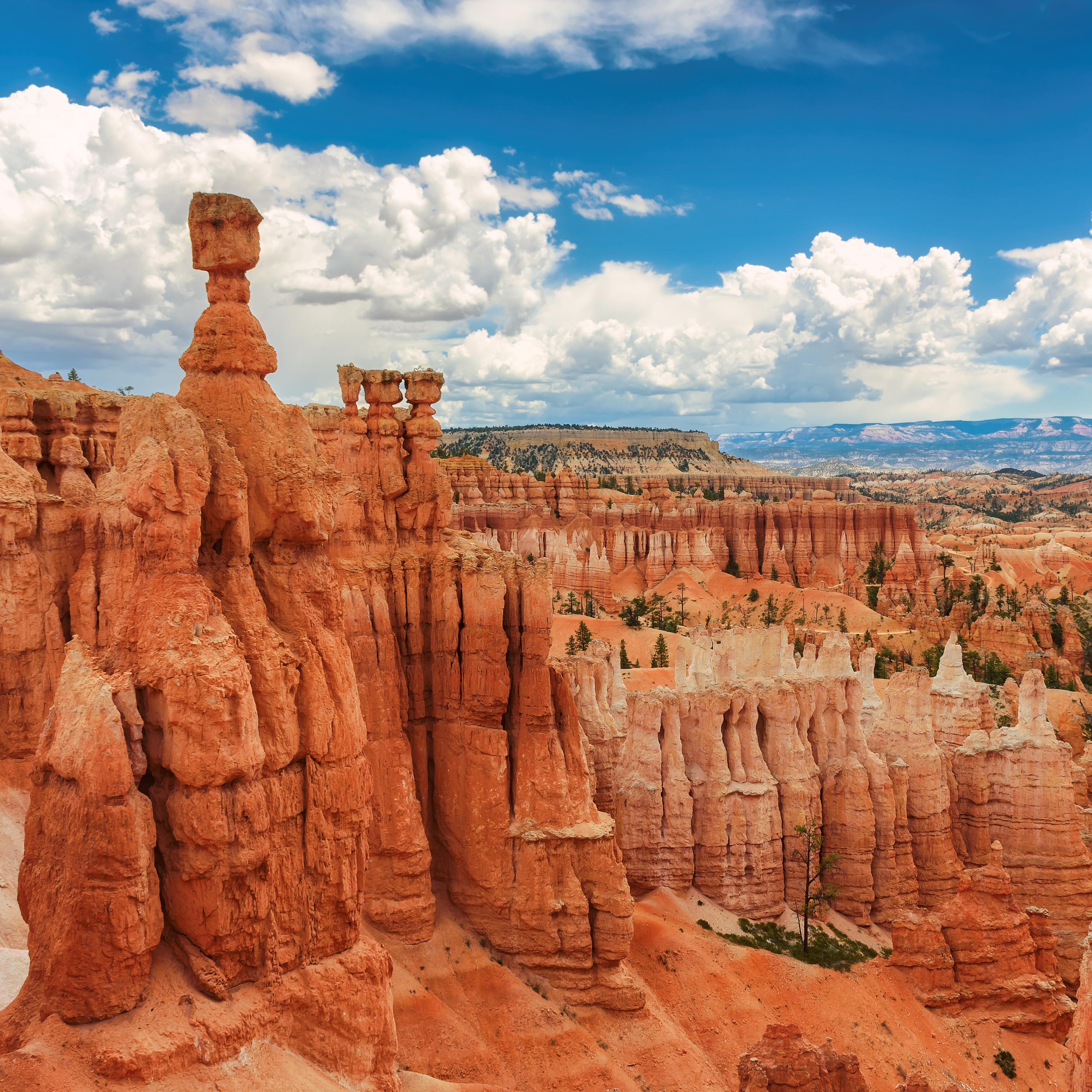
The Wall Street section represents the Navajo Loop Trail's most dramatic and photographed segment. This narrow slot canyon creates an almost otherworldly experience as towering walls close in around you, with Douglas fir trees creating a canopy overhead. The switchbacks descend rapidly, dropping 500 feet in less than half a mile.
Beginning from Sunset Point, the trail immediately plunges into steep switchbacks carved into the canyon wall. The engineered path features strategic guardrails and rest areas, but the grade challenges most hikers' stamina and balance. Take time to appreciate the changing rock formations and colors as you descend deeper into the amphitheater.
The narrowest section of Wall Street creates an almost cathedral-like atmosphere, with sheer walls rising hundreds of feet above the trail. This environment stays remarkably cool even during summer heat, providing welcome relief. However, winter ice formation and rockfall potential make this section seasonally hazardous, leading to periodic closures.
Two Bridges Alternative
When Wall Street closes or for hikers preferring gentler grades, the Two Bridges route provides excellent access to the Navajo Loop Trail's lower sections. This path descends through a wider valley with more gradual switchbacks, reducing the intensity while maintaining spectacular scenery. The route's name comes from two natural stone bridges visible along the path.
The Two Bridges route stays open year-round, making it essential for winter hiking. While less dramatic than Wall Street, this section offers superior views of Thor's Hammer and the broader amphitheater. The more open terrain provides better opportunities for wildlife observation and photography of distant hoodoo formations.
My Personal Experience on the Trail

My first encounter with the Navajo Loop Trail occurred during a crisp October morning, when autumn light painted the hoodoos in shades I'd never imagined possible. Starting at Sunset Point at 7:30 AM, I had the trail nearly to myself for the first hour—a rare luxury during Bryce Canyon's busy season.
Descending the Wall Street switchbacks challenged my knees more than expected. The steep grade and constant direction changes demanded careful foot placement and frequent rest stops. However, each pause revealed new perspectives on the surrounding formations, turning necessary breaks into photography opportunities. A park ranger I encountered midway shared that the switchbacks were designed to follow natural rock weaknesses, explaining their seemingly random pattern.
The most memorable moment came halfway through Wall Street, where the narrow passage created perfect acoustic conditions. A fellow hiker's whistle echoed dramatically off the canyon walls, creating an almost mystical sound experience. This taught me to appreciate the Navajo Loop Trail beyond its visual spectacle—it engages all senses in remarkable ways.
Connecting with the Queen's Garden Trail extended my hike into a 2.9-mile combination that I now consider essential for first-time visitors. This connection allowed me to experience Thor's Hammer from multiple angles and provided the satisfaction of completing a full loop rather than retracing my steps. The additional mileage felt worthwhile for the varied perspectives and comprehensive amphitheater experience.
Lessons Learned
- Early morning starts provide better lighting and fewer crowds on the Navajo Loop Trail
- Trekking poles prove invaluable for the steep descents and ascents
- Layer clothing appropriately—temperatures vary significantly between rim and canyon floor
- Bring more water than you think necessary, especially during summer months
User Reviews and Experiences
Sarah M. - AllTrails Review
"The Navajo Loop Trail exceeded every expectation. Wall Street felt like entering another world. Moderately challenging but absolutely worth every step."
Mike R. - Reddit User
"Did the full Queen's Garden combo. Best hike I've ever done. The hoodoos up close are incredible. Started at sunrise - highly recommend!"
Lisa K. - Amazon Reviewer
"Beautiful trail but prepare for crowds. The switchbacks are steep. My hiking boots were essential for the rocky terrain."
Essential Hiking Gear and Equipment
Proper equipment transforms the Navajo Loop Trail from a challenging ordeal into an enjoyable adventure. The trail's steep terrain, variable weather, and rocky surfaces demand specific gear considerations for safety and comfort.
Footwear Essentials
Recommended Hiking Boots
Excellent traction and ankle support for rocky terrain. Waterproof protection essential for muddy sections.
$139.95 - Prime Eligible
Superior grip for steep switchbacks. Gore-Tex waterproofing and excellent durability.
$164.99 - Prime Eligible
Day Packs and Backpacks
Perfect size for Navajo Loop Trail day hikes. Excellent organization and hydration compatibility.
$75.00 - Prime Eligible
Lightweight design with excellent ventilation. Perfect capacity for trail essentials.
$89.95 - Free Shipping
Additional Essential Gear
Must-Have Items
- • Trekking poles for steep sections
- • Hydration pack or water bottles (3+ liters recommended)
- • Sun hat and quality sunglasses
- • Layered clothing for temperature changes
- • First aid kit and emergency whistle
Optional but Recommended
- • Camera with extra batteries
- • Microspikes for winter hiking
- • Portable phone charger/power bank
- • High-energy snacks and electrolytes
- • Weather-resistant outer shell
Remember that conditions on the Navajo Loop Trail can change rapidly. Afternoon thunderstorms, temperature drops, and sudden weather shifts make flexible gear selection crucial for safe and enjoyable hiking experiences.
Expert Tips and Safety Considerations
Successfully navigating the Navajo Loop Trail requires understanding its unique challenges and implementing proven strategies. These expert recommendations come from years of guiding experience and frequent trail usage in all seasons.
Pros of Hiking Navajo Loop Trail
- • Accessibility: Moderate difficulty suitable for most fitness levels
- • Iconic Scenery: Up-close views of famous formations like Thor's Hammer
- • Well-Maintained: Clear trail markings and safety features
- • Flexible Options: Multiple route combinations available
- • Photography: Incredible opportunities for landscape photography
- • Educational Value: Interpretive signs explain geological processes
Cons and Challenges
- • Crowds: Very popular, especially during peak seasons
- • Steep Terrain: Challenging switchbacks stress knees and ankles
- • Weather Dependent: Wall Street closes during dangerous conditions
- • Limited Parking: Early arrival essential during busy periods
- • Elevation Effects: 8,000+ foot elevation affects some visitors
- • Variable Conditions: Trail surfaces change with weather
Safety and Navigation Tips
The Navajo Loop Trail presents specific safety considerations that hikers must understand before attempting the journey. Proper preparation prevents accidents and ensures enjoyable experiences for all visitors.
Critical Safety Points
- • Stay on designated trails—shortcuts cause erosion and safety hazards
- • Check weather conditions and trail closures before starting
- • Inform someone of your hiking plans and expected return time
- • Carry emergency communication devices in areas with poor cell coverage
- • Be aware of rockfall potential, especially in Wall Street section
Trail etiquette enhances everyone's experience on the busy Navajo Loop Trail. Yield to uphill hikers, step aside for faster groups, and maintain quiet voices to preserve the natural soundscape. Photography enthusiasts should be mindful of other hikers when setting up shots at popular viewpoints.
For those visiting during winter months, the right winter boots and microspikes become essential equipment. Ice formation on the Navajo Loop Trail creates treacherous conditions that demand respect and proper preparation. Consider hiring local guides for winter hiking if you're unfamiliar with snow and ice travel techniques.
Frequently Asked Questions
How difficult is the Navajo Loop Trail?
The Navajo Loop Trail is rated as moderately difficult due to its steep switchbacks and 550-foot elevation change. Most hikers in reasonable physical condition complete the trail successfully, though the descent and ascent challenge knees and cardiovascular systems. The well-maintained trail surface and strategic rest areas help manage the difficulty level. Plan 1-2 hours for completion, allowing extra time for photography and rest breaks. Those with knee problems should consider using trekking poles and taking the gentler Two Bridges route when Wall Street is too steep.
What is the best time of year to hike Navajo Loop Trail?
April through October offers the best conditions for hiking the Navajo Loop Trail, with May and September providing ideal weather and fewer crowds. Summer months bring warm temperatures and full trail access but also peak visitor numbers. Winter hiking is possible but challenging, as the Wall Street section often closes due to ice and rockfall dangers. Spring and fall provide comfortable temperatures, clear skies, and excellent photography lighting. Check current trail conditions and weather forecasts before planning your visit, especially during shoulder seasons when conditions change rapidly.
Can I combine Navajo Loop with other trails?
Yes, combining the Navajo Loop Trail with Queen's Garden Trail creates an excellent 2.9-mile loop that showcases Bryce Canyon's best features. This combination allows hikers to experience different perspectives while avoiding retracing steps. The connection point lies at the bottom of both trails, creating a natural figure-eight pattern. More ambitious hikers can add the Peekaboo Loop for a challenging 6.3-mile adventure. These combinations require more time and energy but provide comprehensive amphitheater experiences that many consider superior to individual trail segments.
Is the Navajo Loop Trail suitable for children?
Children ages 8 and older typically handle the Navajo Loop Trail well with proper supervision and preparation. The trail's steep sections and drop-offs require constant adult attention and instruction about staying on designated paths. Younger children may struggle with the distance and elevation changes, making shorter alternatives more appropriate. Parents should carry extra water, snacks, and first aid supplies when hiking with children. Consider the Two Bridges route for families, as it offers gentler grades and wider trail sections that feel safer for young hikers.
What should I bring for a day hike on Navajo Loop Trail?
Essential items for the Navajo Loop Trail include sturdy hiking boots, plenty of water (at least 2-3 liters per person), sun protection, layers for temperature changes, and a first aid kit. Trekking poles prove invaluable for the steep sections, while a camera captures the incredible scenery. Snacks provide energy for the challenging climbs, and a small daypack carries everything comfortably. Consider appropriate seasonal footwear and clothing layers that adapt to changing conditions throughout your hike. Emergency whistles and basic navigation tools add safety margins for unexpected situations.
Are there restrooms and water available along the trail?
Restroom facilities and water fountains are available at Sunset Point (the trailhead) but not along the Navajo Loop Trail itself. Plan accordingly by using facilities before starting and carrying all necessary water for your hike. The nearest additional facilities are at the visitor center or other viewpoint areas accessible by shuttle. During busy seasons, restroom lines at Sunset Point can be lengthy, so factor this into your timing. Water bottle refill stations at the trailhead work well for topping off supplies before beginning your descent into the amphitheater.
Conclusion
The Navajo Loop Trail represents the quintessential Bryce Canyon experience, offering unparalleled access to the park's most spectacular geological formations. This remarkable trail transforms casual visitors into passionate advocates for America's national parks through its combination of accessibility, dramatic scenery, and educational value.
Whether you choose the dramatic Wall Street descent or the gentler Two Bridges alternative, the Navajo Loop Trail delivers memories that last lifetimes. The trail's moderate difficulty level makes it achievable for most visitors, while its iconic features like Thor's Hammer and the narrow slot canyon sections create photo opportunities that capture the essence of the American Southwest.
Planning ahead enhances your Navajo Loop Trail experience significantly. Early morning starts, proper gear selection, and understanding seasonal conditions transform challenging hikes into enjoyable adventures. The investment in quality hiking footwear and appropriate equipment pays dividends in comfort and safety throughout your journey.
Consider extending your adventure by combining the Navajo Loop Trail with Queen's Garden Trail or exploring other park highlights during your visit. Bryce Canyon's compact size allows multiple trail experiences in a single day, creating comprehensive appreciation for this geological wonderland. The training and preparation techniques you develop here apply to hiking adventures throughout the region.
Your Navajo Loop Trail adventure awaits—pack your sense of wonder, respect for nature, and camera for capturing once-in-a-lifetime moments among Utah's most spectacular hoodoos. This trail offers more than just hiking; it provides transformation through connection with one of Earth's most extraordinary landscapes.
Ready to Start Your Adventure?
Visit Explore National Parks Store for comprehensive gear guides, trail maps, and expert advice for your Bryce Canyon adventure.