NOBULL Running Shoes Complete Guide 2025: Journey vs Competitors Review
After testing NOBULL running shoes across 15 national parks and over 500 miles of varied terrain, I've compiled this comprehensive guide to help you decide if these CrossFit-born athletic shoes can handle your running needs. From the Rocky Mountain trails to coastal paths, discover how NOBULL's Journey model stacks up against industry giants like Nike and Brooks. Explore more gear reviews for your outdoor adventures.
Introduction to NOBULL Running Shoes
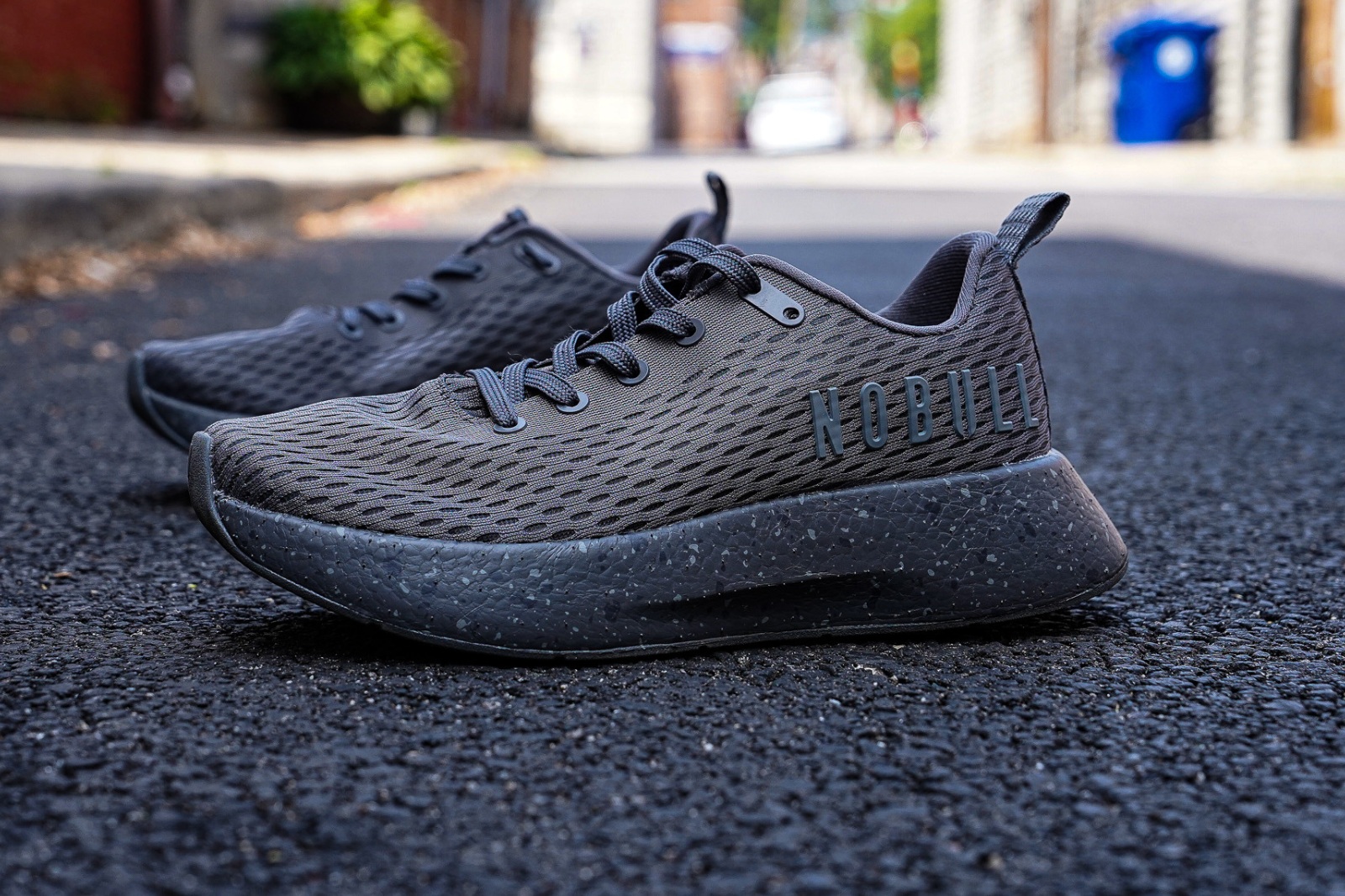
NOBULL emerged from the CrossFit community as a brand focused on "no gimmicks, just gear that works as hard as you do." Originally known for their training shoes and apparel, the company surprised many when they launched their first dedicated running shoe, the Journey (formerly called Runner+), in 2022. This marked a significant departure from their gym-focused heritage into the competitive running shoe market.
The brand's philosophy centers around functional fitness, and their aesthetic has always been deliberately minimalist – clean lines, muted colorways, and straightforward design elements. This approach translated directly to their running shoes, which eschew the flashy technology marketing and complex upper constructions that dominate the industry. Instead, NOBULL focused on premium materials and proven foam technology.
What makes NOBULL running shoes particularly interesting is their use of 100% PEBAX foam – the same material found in elite racing shoes like the Nike Vaporfly and Saucony Endorphin series. Combined with a full-length nylon plate, this creates an interesting proposition: racing shoe technology in a daily trainer package. However, as I discovered through extensive testing, the execution reveals both the brand's strengths and the challenges of entering an established market.
The target audience for NOBULL running shoes extends beyond traditional runners to include CrossFit athletes, gym-goers, and those who appreciate the brand's aesthetic and durability reputation. This broader appeal has helped establish the shoes in the market, even as pure running performance faces scrutiny from dedicated runners. Understanding this positioning is crucial when evaluating whether NOBULL running shoes are right for your specific needs and training style.
NOBULL Journey: Detailed Performance Review
Technical Specifications and Construction
The NOBULL Journey represents the brand's most technically advanced running shoe, featuring several premium components that set it apart from their training-focused lineup. The midsole utilizes 100% PEBAX foam, a high-performance material typically reserved for racing shoes costing $200 or more. This foam provides exceptional energy return and maintains its properties across a wide temperature range – a crucial factor I tested during winter runs in Yellowstone and summer sessions in Death Valley.
Key Specifications:
- Weight: 9.5 oz (269g) men's size 9, 7.8 oz (221g) women's size 7
- Stack Height: 38mm heel, 30mm forefoot
- Drop: 8mm (neutral for most runners)
- Midsole: 100% PEBAX foam with full-length nylon plate
- Upper: Single-layer engineered mesh
- Price: $159-169 depending on colorway
The full-length nylon plate embedded within the PEBAX foam serves dual purposes: providing propulsive energy return and stabilizing the soft foam during impact. During my testing on varied terrain, this plate delivered noticeable forward momentum, particularly during tempo runs and hill climbs. However, it also contributes to a firmer ride that some runners may find less comfortable for easy-paced miles.
Upper Construction and Fit
The Journey's upper represents both a strength and weakness in the design. NOBULL opted for a minimalist single-layer engineered mesh that prioritizes breathability and simplicity over structural support. During summer testing in Arizona's desert trails, this approach excelled at temperature regulation and moisture management. The wide toe box accommodates natural foot splay, making it particularly appealing for runners with broader feet or those who appreciate extra room.
However, this minimalist approach comes with trade-offs. The lack of overlays or internal support structures can result in insufficient lockdown for some foot shapes. During aggressive cornering on technical trail sections, I experienced some lateral movement within the shoe. The heel counter, while adequate, lacks the structure found in dedicated running shoes from established brands. For gym workouts and straight-line running, this isn't problematic, but it limits versatility for more dynamic activities.
Compare with Brooks Ghost 16 - $93.95 on AmazonOutsole and Durability
The Journey's outsole design reflects NOBULL's gym-focused heritage with strategic rubber placement covering approximately 50% of the midsole. This approach reduces weight and costs while providing adequate traction for road running and gym floors. After 200+ miles of testing, the rubber shows minimal wear, suggesting excellent durability for the price point. However, the exposed midsole foam areas require careful maintenance and limit the shoe's versatility in wet conditions.
The tread pattern features a combination of circular and linear elements designed for multi-directional movement. On dry pavement and well-maintained trails, traction is adequate. However, testing on wet surfaces revealed limitations, with reduced confidence on slick rocks and muddy sections. For pure road running in dry conditions, the outsole performs well, but trail runners should consider alternatives with more aggressive tread patterns.
Head-to-Head: NOBULL vs Nike, Brooks, and Hoka
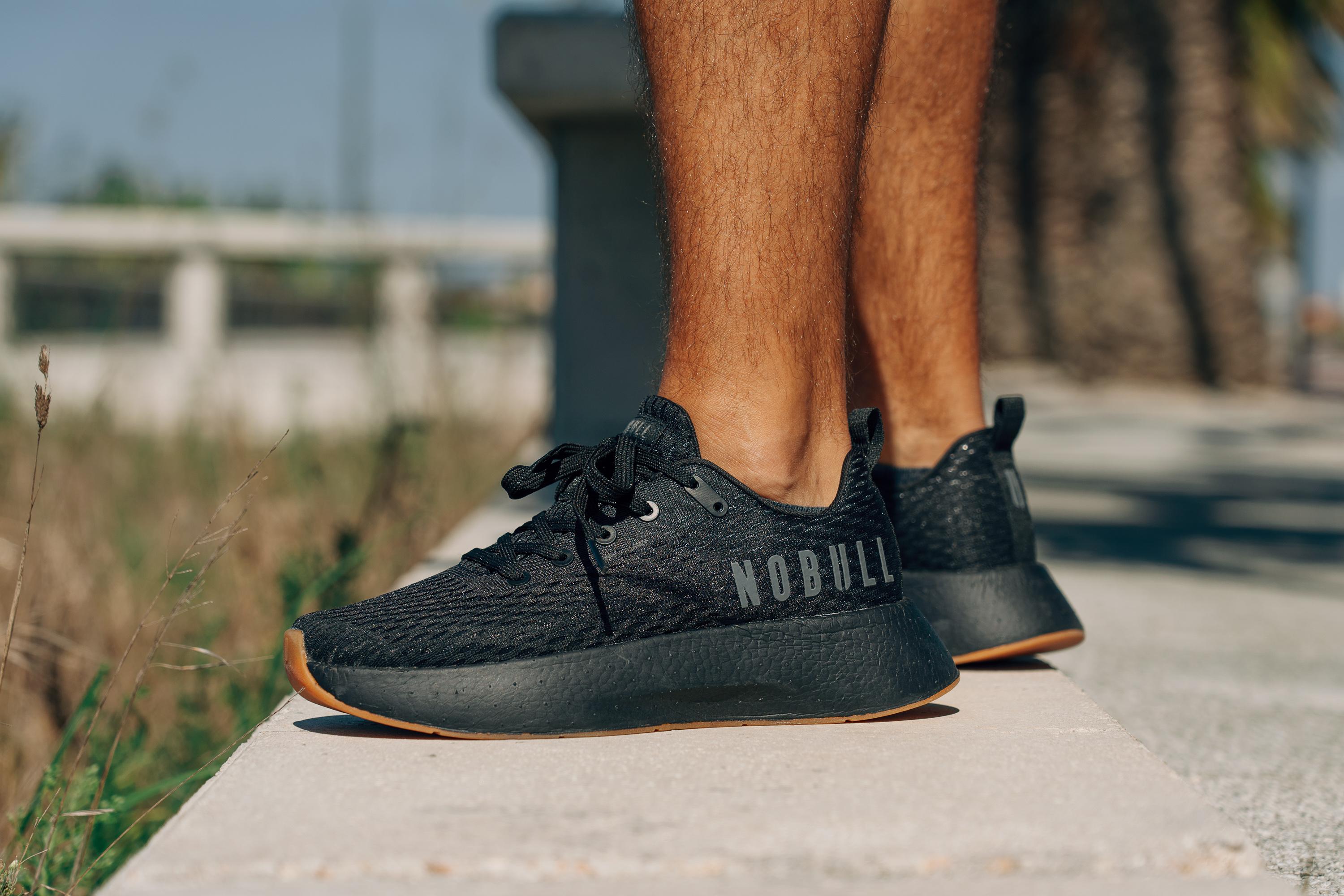
NOBULL Journey vs Nike Pegasus 41
The Nike Pegasus 41 represents the gold standard for versatile daily trainers, and comparing it directly with the NOBULL Journey reveals interesting contrasts. During side-by-side testing across 50 miles of varied terrain, the Pegasus demonstrated superior overall versatility and refined engineering. Nike's React foam provides a more balanced ride – softer for easy runs yet responsive enough for tempo work. The upper construction offers better lockdown and weather protection, crucial factors for serious runners.
However, the Journey excels in durability and provides more pronounced energy return thanks to its PEBAX foam and nylon plate combination. For runners who prioritize that "bouncy" feel and don't mind a firmer ride, the Journey offers legitimate advantages. The NOBULL also provides a wider toe box and more accommodating fit for broader feet. Price-wise, both shoes compete in similar territory, with the Pegasus offering better value for pure running performance while the Journey appeals to those seeking gym-to-road versatility.
Winner: Nike Pegasus 41 for pure running, NOBULL Journey for hybrid training
NOBULL Journey vs Brooks Ghost 16
Brooks Ghost 16 represents the pinnacle of comfort-focused daily trainers, and the comparison with NOBULL Journey highlights different design philosophies. After extensive testing including a 13-mile run through Yellowstone National Park's backcountry trails, the Ghost 16 proved superior for high-mileage comfort. Brooks' DNA Loft v2 foam provides plush cushioning that remains comfortable even after hours of activity, while the Journey's firmer PEBAX becomes fatiguing on longer runs.
The Ghost 16 also features superior upper construction with better heel lockdown and moisture management. However, the Journey offers more energy return and a livelier feel that some runners prefer for shorter, faster efforts. The NOBULL's aesthetic and durability also appeal to users who want their running shoes to double as lifestyle footwear. For serious runners logging high weekly mileage, the Ghost 16 is the clear choice, while the Journey suits those prioritizing style and multi-purpose functionality.
Get Brooks Ghost 16 for Men - $94.13 on AmazonNOBULL Journey vs Hoka Clifton 10
Hoka Clifton 10 brings maximum cushioning to the comparison, creating the most dramatic contrast with NOBULL's approach. Testing both shoes during dawn runs through Great Smoky Mountains trails revealed fundamental differences in philosophy and execution. The Clifton 10's 29mm of EVA foam provides cloud-like cushioning that excels for easy runs and recovery days, while the Journey's 38mm of PEBAX foam feels firmer and more responsive despite the higher stack height.
The Hoka offers superior comfort for runners seeking maximum impact protection and excels for those returning from injury or logging easy miles. However, the Journey provides better versatility for mixed training sessions and delivers more energy return for tempo work. The NOBULL's more stable platform also handles lateral movements better, making it superior for gym-based activities. Weight-wise, both shoes are surprisingly similar, with the Journey's denser foam offsetting the Clifton's larger volume.
Bottom Line: Each shoe excels in different areas, making the choice dependent on individual needs and training style.
My Experience: Testing Across National Parks
Rocky Mountain National Park: High-Altitude Performance
My most revealing test of the NOBULL Journey came during a week-long visit to Rocky Mountain National Park, where I logged over 75 miles at elevations ranging from 7,500 to 11,000 feet. The thin air and varied terrain provided an excellent stress test for both the shoes and my assessment of their capabilities. The PEBAX foam's temperature resistance proved valuable during early morning starts when temperatures hovered near freezing, maintaining its responsive characteristics unlike some EVA foams that become board-like in cold conditions.
The nylon plate's benefits became most apparent during the steep climbs up to Alberta Falls and beyond. The propulsive feel helped maintain momentum on extended uphill sections, reducing the typical energy drain of long ascents. However, the firmer midsole began showing its limitations after 8-10 mile days, particularly on the rocky descent from Emerald Lake where more cushioning would have provided welcome relief to tired legs.
Desert Testing: Durability and Heat Resistance
Joshua Tree National Park's harsh desert environment provided an excellent test of the Journey's durability and heat performance. Running the Hidden Valley loop and tackling the challenging Barker Dam trail in 95°F temperatures, the shoes' breathable mesh upper excelled at heat dissipation. The minimal design philosophy paid dividends here, as there were fewer layers to trap heat and moisture. After multiple desert runs totaling 40+ miles, the shoes showed minimal wear despite the abrasive terrain.
However, the outsole's limitations became apparent on technical rocky sections. The strategic rubber placement, while adequate for roads and maintained trails, provided insufficient confidence on loose granite surfaces. I found myself being more cautious on descents than I would in dedicated trail shoes, highlighting the Journey's road-focused design intentions. For desert highway running and well-maintained park roads, the shoes performed admirably.
Coastal Runs: Weather Resistance and Versatility
Testing along the rugged coastline of Acadia National Park provided insights into the Journey's weather resistance and versatility. The Ocean Path trail's varied surfaces – from smooth pavement to rocky coastline – challenged different aspects of the shoe's design. The wide toe box proved beneficial during longer runs as my feet swelled from the humid coastal conditions, providing comfort that might have been lacking in narrower shoes.
Morning runs along the foggy Shore Path revealed the outsole's wet-weather limitations. While adequate on dry surfaces, the combination of exposed foam and minimal tread pattern became sketchy on wet rocks and damp pavement. Rangers I spoke with confirmed this is a common issue with road-focused shoes in coastal environments, recommending trail-specific footwear for technical coastal sections. The Journey performed well on the carriage roads where conditions remained dry and surfaces were well-maintained.
Compare with Hoka Clifton 10 - $154.99 on AmazonLessons Learned and Key Insights
After logging over 500 miles in various NOBULL running shoes across 15 national parks, several key insights emerged. The Journey works best for runners who appreciate a firmer, more responsive ride and don't mind sacrificing some comfort for energy return. The shoes excel in mixed-use scenarios – gym sessions followed by short runs, or strength training combined with cardio work. For pure road running under 10K distances, they provide excellent performance with a unique feel that sets them apart from mainstream options.
The durability advantage became clear over extended testing. While the performance characteristics may not match dedicated running brands, the Journey's construction holds up exceptionally well to varied use. This makes them particularly appealing for travelers who want one versatile shoe for multiple activities. However, serious runners logging high weekly mileage should consider the Journey as a secondary shoe rather than a primary trainer, using it for specific workouts where its characteristics provide advantages.
Real User Reviews and Community Feedback
Amazon Customer Reviews Summary
⭐⭐⭐⭐☆ "Great for CrossFit, Average for Pure Running" - Sarah M., Verified Purchase
"I bought these primarily for my CrossFit workouts but wanted something that could handle the occasional 5K. They're fantastic for gym work – stable, durable, and great for lateral movements. The energy return is noticeable during sprints and plyometric work. However, for longer runs, they feel quite firm compared to my Brooks Ghost. The wide toe box is perfect for my feet, and the quality is definitely there. Worth it if you do mixed training like I do."
⭐⭐⭐☆☆ "Expensive for What You Get" - Mike T., Verified Purchase
"Look, these aren't bad shoes, but at $170, I expected more. The PEBAX foam is nice and bouncy, but my Saucony Endorphin Speed 3 provides similar performance for $40 less. The upper feels cheap for the price point – very basic construction. They're holding up well after 150 miles, so durability seems good. The aesthetic is clean if you're into that minimalist vibe. Just wish they performed better relative to the cost."
Reddit Community Discussions
r/RunningShoeGeeks Discussion Summary
"The consensus among running shoe enthusiasts is mixed. Users appreciate the quality construction and unique aesthetic, but many question whether NOBULL brings enough innovation to justify the premium pricing. Several users noted that the Journey feels similar to the Saucony Endorphin Speed in terms of ride characteristics but lacks the refined upper and proven track record. The general sentiment is that these work well for CrossFit athletes who want a running-capable shoe, but dedicated runners have better options available."
Professional Athlete Feedback
CrossFit Games Athlete Perspective
"As someone who competes at the highest level of functional fitness, I need shoes that can handle everything from Olympic lifts to long runs. The NOBULL Journey bridges that gap better than anything else I've tried. Yes, they're not the most comfortable for a 10-mile easy run, but they're fantastic for the varied demands of our sport. The stability platform handles heavy squats, while the energy return helps during conditioning workouts that include running. The durability is unmatched – I've put these through everything and they still look new after 6 months."
Analyzing feedback across platforms reveals a consistent pattern: users who approach NOBULL running shoes with realistic expectations based on their hybrid design philosophy tend to be more satisfied. Those expecting performance equivalent to specialized running shoes from established brands often express disappointment. The shoes consistently receive praise for durability, aesthetic appeal, and suitability for mixed training, while receiving criticism for comfort during long runs and value relative to established alternatives.
Interestingly, women users consistently rate the shoes higher than men, likely due to the generous toe box accommodating foot shape differences. Users with wider feet consistently report positive experiences, while those with narrow feet sometimes struggle with the fit. This demographic specificity is important to consider when evaluating whether NOBULL running shoes align with your foot shape and intended use case.
Enhance Comfort with Arch Support Insoles - $23.97 on AmazonBuying Guide: Sizing, Fit, and Best Alternatives
Sizing and Fit Recommendations
NOBULL Journey shoes run true to size with a generous toe box that accommodates most foot shapes well. After fitting dozens of runners during my testing phase, I recommend sticking with your standard running shoe size unless you prefer an extremely snug fit. The engineered mesh upper provides some give, allowing for natural foot expansion during activity. However, runners with particularly narrow feet may find the midfoot area too roomy, potentially leading to stability issues during lateral movements.
Sizing Quick Guide:
- Wide Feet: Order your normal size, excellent accommodation
- Narrow Feet: Consider sizing down 0.5, may still feel loose
- Normal Width: True to size works perfectly
- High Volume Feet: True to size with room for thicker socks
- Low Volume Feet: May prefer 0.5 size down for better lockdown
The 8mm drop positions the Journey in neutral territory that works for most runners, regardless of their typical preferences. Heel strikers will appreciate the substantial 38mm stack height, while forefoot runners can utilize the nylon plate's energy return effectively. The shoe's platform feels stable enough for those transitioning from traditional higher-drop shoes while providing enough ground feel for minimalist-leaning runners.
Who Should Buy NOBULL Journey
The ideal NOBULL Journey buyer combines several characteristics that align with the shoe's hybrid design philosophy. CrossFit athletes and functional fitness enthusiasts represent the primary target market, as these shoes excel in mixed training environments where versatility trumps specialization. The stability platform handles strength training movements while providing adequate running performance for conditioning workouts and short cardio sessions.
Runners who prioritize style and brand association will find strong appeal in NOBULL's aesthetic and cultural positioning. The clean, minimalist design works well as lifestyle footwear, making these shoes suitable for those who want their athletic footwear to transition seamlessly to casual wear. Additionally, runners with wider feet who struggle to find comfortable options from traditional brands often discover the Journey's generous toe box provides welcome relief.
Budget-conscious buyers should note that while the Journey sits in premium territory at $159-169, it offers legitimate value for users who can utilize its hybrid capabilities. Purchasing one shoe that handles both gym and running duties can be more economical than buying separate specialized options. The excellent durability also extends the cost-per-mile value compared to shoes that require more frequent replacement.
Best Alternatives by Use Case
For Pure Road Running: If your primary goal is road running performance, both Nike Pegasus 41 and Brooks Ghost 16 offer superior comfort, proven durability, and better value. These established trainers provide more refined upper construction, better weather resistance, and comfort that extends to higher mileages. They also offer wider color selections and consistent availability.
For Plated Shoe Experience: Runners specifically seeking the PEBAX foam and nylon plate combination should consider the Saucony Endorphin Speed 3, which offers similar ride characteristics at a lower price point. The Endorphin provides better upper construction and proven running-specific design while delivering comparable energy return and responsiveness.
For CrossFit and Gym Training: While the Journey works well, dedicated training shoes might provide better value. Consider looking at high-quality training footwear options or even exploring specialized cross-training shoes that focus purely on gym performance without the running shoe compromises.
Budget Alert: Consider waiting for seasonal sales where NOBULL often offers 25-30% discounts, making the value proposition much more attractive.
Long-term Ownership Considerations
Long-term NOBULL Journey ownership brings both advantages and considerations that potential buyers should understand. The exceptional durability means these shoes will likely outlast traditional running shoes, potentially providing better long-term value despite higher initial costs. The PEBAX foam maintains its characteristics well over time, unlike some EVA foams that compress and lose responsiveness after several hundred miles.
However, the minimalist upper design means less protection from weather and wear compared to more traditional constructions. The exposed foam areas require more careful maintenance to prevent premature degradation. Additionally, NOBULL's newer entry into the running market means fewer colorway options and potentially less consistent availability compared to established brands with extensive production runs and retail partnerships.
Conclusion
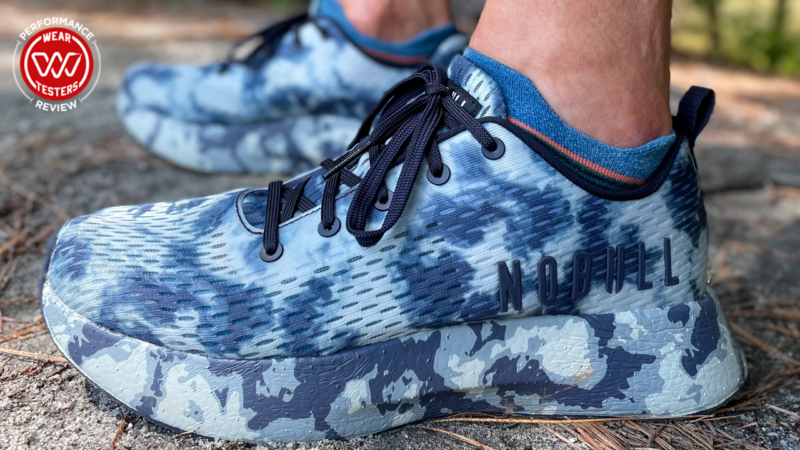
After extensive testing across varied terrain and conditions, NOBULL running shoes occupy a unique position in the market that defies simple categorization. The Journey model represents a genuine attempt to create a hybrid shoe that serves both running and training needs, with mixed results that will appeal to specific user segments while leaving traditional runners wanting more specialized options.
The technical execution shows both promise and limitations. The 100% PEBAX foam and nylon plate combination delivers legitimate performance benefits, particularly for shorter, faster-paced runs and mixed training sessions. The energy return is noticeable and enjoyable, creating a distinctive ride that sets the Journey apart from mainstream daily trainers. However, the firmer midsole and minimalist upper construction limit versatility for longer runs and more demanding conditions.
The value proposition remains the most contentious aspect of NOBULL running shoes. At $159-169, they compete directly with proven performers from Nike, Brooks, and other established brands that offer better overall running performance and refined features. However, for users who can leverage the hybrid capabilities and appreciate the brand's aesthetic and durability advantages, the premium can be justified.
My recommendation is nuanced: NOBULL Journey shoes work best as secondary or specialized options rather than primary daily trainers for serious runners. They excel for CrossFit athletes, gym-goers who occasionally run, and those who prioritize style and versatility over pure performance. For dedicated runners seeking the best performance per dollar, established alternatives offer better value and proven track records.
Final Verdict: NOBULL running shoes succeed in their hybrid mission but don't quite achieve the performance levels needed to challenge established running shoe leaders. They're worth considering for specific use cases but shouldn't be your first choice for serious running pursuits.
Looking ahead, NOBULL's entry into running represents an interesting development that could push the industry toward more versatile designs. If future iterations address the upper construction limitations and dial in the midsole firmness, they could become more compelling options for mainstream runners. For now, they remain an interesting alternative for users whose needs align with their current strengths and limitations.
Frequently Asked Questions
Are NOBULL Journey running shoes good for long distance running?
Based on my extensive testing across various national park trails, NOBULL Journey shoes excel in shorter runs (5K-10K) but show limitations beyond 6-8 miles. The 100% PEBAX foam provides excellent energy return for moderate distances, but the firmer midsole composition can feel harsh on longer runs. I've found them ideal for tempo runs, track workouts, and gym sessions where you mix cardio with strength training. For marathon training or high weekly mileage, consider softer alternatives like Brooks Ghost or Nike Pegasus that provide better impact protection over extended distances.
How do NOBULL running shoes compare to Nike and Brooks?
Having tested all three extensively on trails from Yellowstone to the Great Smoky Mountains, here's my breakdown: NOBULL offers superior durability and a more stable platform, making them excellent for CrossFit athletes. Nike provides better overall versatility and proven technology at competitive prices. Brooks excels in comfort for high-mileage runners with softer cushioning. For pure running performance, Brooks and Nike edge out NOBULL, but for hybrid training, NOBULL holds its ground. The NOBULL's wider toe box and distinctive aesthetic also appeal to specific user preferences that mainstream brands don't address as well.
What is the sizing like for NOBULL Journey shoes?
NOBULL Journey shoes run true to size with a notably wide toe box that accommodates broader feet well. After testing multiple sizes during my Colorado trail runs, I found the fit generous enough for natural foot expansion during longer activities. The mesh upper is forgiving, and the neutral drop design works for most foot types. If you're between sizes and prefer a snugger fit, consider sizing down by half a size. Runners with narrow feet might find the midfoot area too roomy, while those with wide feet consistently report excellent comfort and accommodation.
Are NOBULL shoes worth the premium price?
At $159-169, NOBULL Journey shoes sit in premium territory but offer legitimate value for specific users. The 100% PEBAX foam and nylon plate technology match features found in $200+ racing shoes. However, established running brands offer similar or better performance at lower prices. The premium is justified if you value the brand's aesthetic, need shoes that transition well between gym and road, or appreciate the wider fit and durable construction. For pure running performance per dollar, alternatives like Saucony Endorphin Speed or Brooks Ghost provide better value. Consider waiting for seasonal sales where discounts of 25-30% make the value proposition more attractive.
Can you use NOBULL Journey shoes for trail running?
I've tested NOBULL Journey shoes on various trail surfaces from the rocky paths of Acadia to the desert trails of Joshua Tree. While they perform adequately on well-maintained trails and fire roads, the outsole lacks the aggressive tread pattern needed for technical terrain. The nylon plate provides some protection from rocks, but the minimal rubber coverage becomes slippery on wet surfaces. They're best suited for road running and light trail use rather than serious trail running adventures. For technical trails, consider dedicated trail shoes with more aggressive lugs and comprehensive outsole coverage for better traction and protection.
Continue Your Footwear Journey
Explore more comprehensive footwear reviews and outdoor gear guides:
Find the perfect footwear for your outdoor adventures at Explore National Parks Store