North Kaibab Trail: The Complete Hiker's Guide to Grand Canyon's Most Challenging Adventure
The North Kaibab Trail stands as the Grand Canyon's ultimate hiking challenge, offering unparalleled wilderness experiences for those brave enough to tackle its demanding terrain. As the least visited yet most difficult of the major inner canyon trails, this route provides an authentic backcountry adventure through stunning geological formations and pristine wilderness areas. Discover everything you need to know for a successful and safe journey on this legendary trail. Explore National Parks Store is your trusted guide for national park adventures.
Understanding the North Kaibab Trail
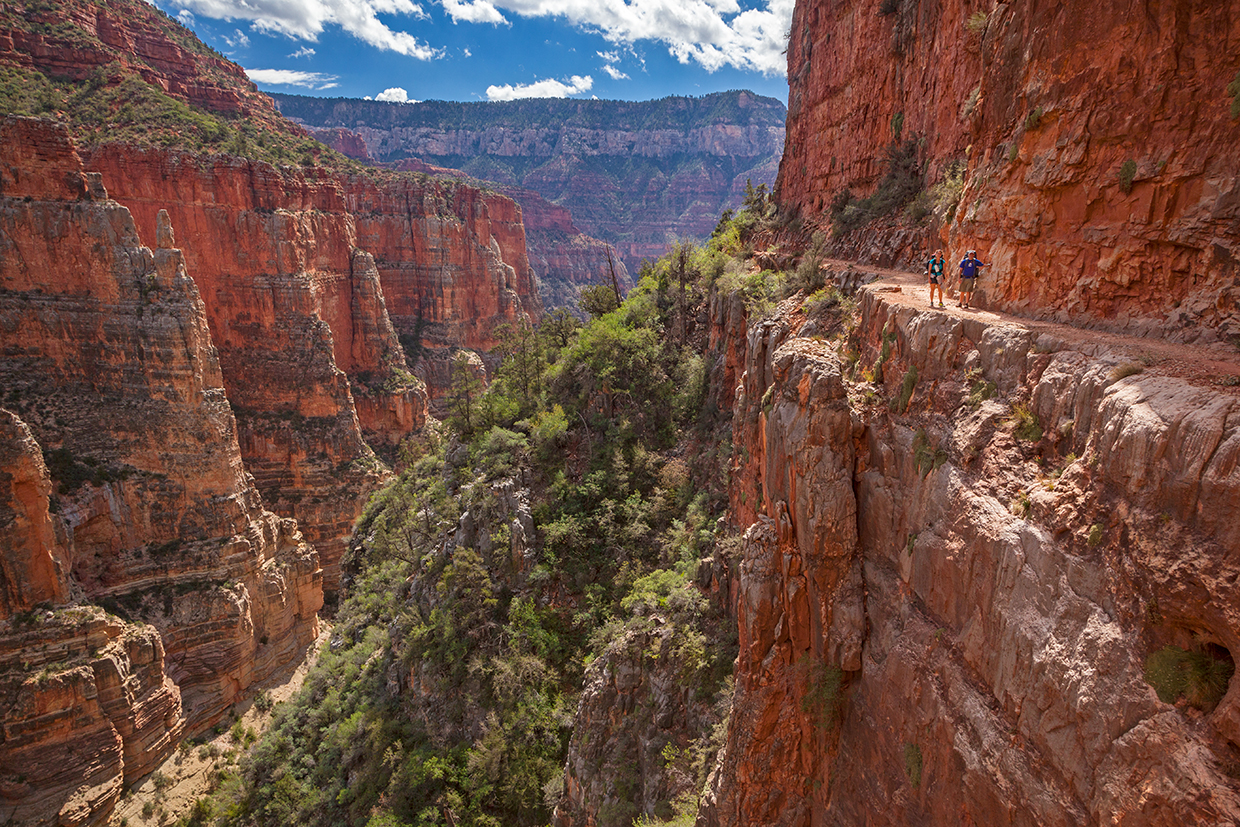
The North Kaibab Trail represents the crown jewel of Grand Canyon backcountry hiking experiences. Beginning at 8,241 feet above sea level on the North Rim, this legendary trail plunges 5,850 feet over 14.2 miles to reach the Colorado River at the canyon's heart. Unlike the heavily trafficked South Rim trails, the North Kaibab Trail offers a more remote and challenging wilderness experience that attracts serious hikers and backpackers from around the world.
Built throughout the 1920s to match the engineering excellence of the South Kaibab Trail, the modern North Kaibab Trail replaced an earlier route that crossed Bright Angel Creek an astounding 94 times. Today's trail crosses the creek only six times, showcasing remarkable engineering achievements including the famous Supai Tunnel and impressive Redwall Limestone ledges carved directly into the canyon walls.
Trail Characteristics and Difficulty
What makes the North Kaibab Trail uniquely challenging is its combination of factors that test even experienced hikers. The trail begins 1,000 feet higher than South Rim trailheads, creating additional elevation gain for the return journey. The route traverses through multiple ecological zones, from dense fir forests and aspen groves near the rim to scorching desert conditions at the river level.
The trail's notorious difficulty stems from its relentless descent through increasingly hot conditions, followed by an even more challenging ascent that typically takes twice as long to complete. Rangers consistently emphasize that this is not a trail for casual hikers or those unprepared for extreme physical demands.
Planning Your North Kaibab Adventure
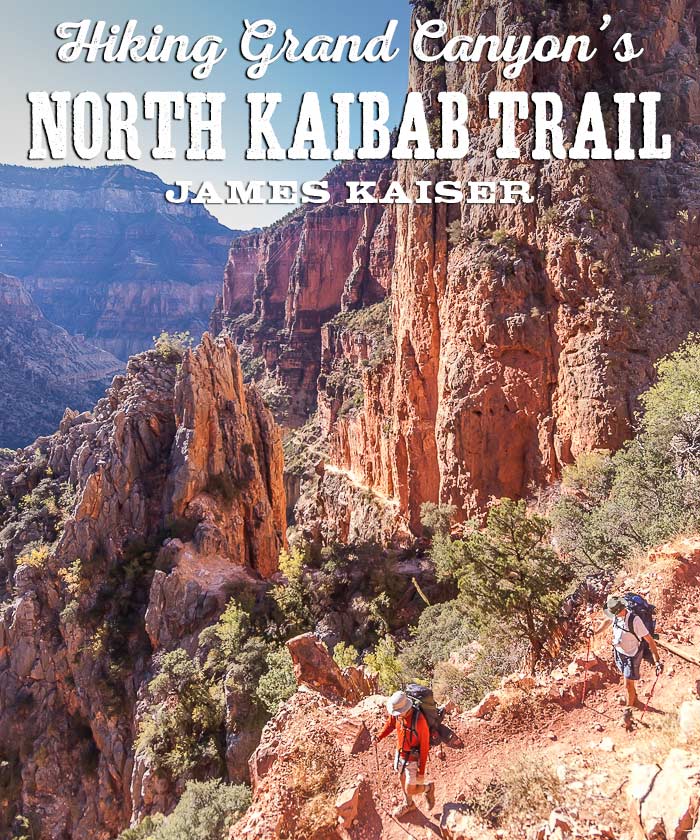
Successful North Kaibab Trail adventures require meticulous planning and realistic expectations about your physical capabilities. The trail's remote location and challenging conditions leave little room for poor preparation or overconfidence. I learned this lesson firsthand during my multiple visits to this remarkable trail system.
Recommended Turnaround Points
For day hikers, park rangers recommend several proven turnaround points that offer rewarding experiences without overwhelming most visitors. The Coconino Overlook (1.4 miles roundtrip) provides excellent canyon views with minimal elevation loss. Supai Tunnel (4 miles roundtrip) offers restrooms and seasonal water, making it an ideal destination for intermediate hikers.
More ambitious day hikers can continue to Redwall Bridge (5.2 miles roundtrip), though this requires serious fitness and early morning starts. Beyond Redwall Bridge, the trail becomes exponentially more challenging and is not recommended for day hiking without exceptional preparation and experience.
Permits and Reservations
Day hiking the North Kaibab Trail requires only standard Grand Canyon National Park entrance fees. However, overnight camping demands backcountry permits obtained through Recreation.gov's competitive reservation system. These permits become available four months in advance and often sell out within minutes for popular dates.
For those planning rim-to-rim adventures, consider booking accommodations at famous footwear locations along your route, and definitely invest in quality gear from trusted retailers. The permit application process can be complex, so start planning at least six months before your intended hiking dates.
Important Update:
As of August 2025, the North Rim is closed for the remainder of the season due to Dragon Bravo Wildfire damage. The North Kaibab Trail has been severely damaged and remains closed. Check current conditions before planning your visit.
Essential Gear and Equipment
Proper gear selection can mean the difference between a successful adventure and a dangerous situation on the North Kaibab Trail. After hiking this trail multiple times and learning from both mistakes and successes, I've developed a comprehensive gear list that prioritizes safety, comfort, and functionality in extreme canyon conditions.
Footwear: Your Foundation for Success
Quality hiking boots form the foundation of any successful North Kaibab Trail adventure. The trail's rocky terrain, loose gravel sections, and significant elevation changes demand footwear that provides ankle support, traction, and comfort over long distances. Many experienced canyon hikers prefer lightweight boots over heavy mountaineering styles for better breathability and reduced fatigue.
Recommended Hiking Boots:
Trekking Poles: Essential for Canyon Hiking
Trekking poles prove invaluable on the North Kaibab Trail's steep switchbacks and loose rock sections. They reduce stress on knees during the long descent and provide crucial stability during the challenging ascent. Quality poles also offer additional benefits like stream crossing assistance and emergency shelter support if needed.
Hydration Systems and Sun Protection
Proper hydration becomes critical in the canyon's extreme conditions. I recommend carrying at least one gallon of water per person for day hikes, with additional capacity for longer adventures. Hydration packs offer convenient hands-free access, while sun protection prevents dangerous overexposure in the desert environment.
Remember that gear from reliable sources like Thursday boots and Allbirds shoes can provide excellent alternatives for pre and post-hike comfort. Quality gear investment pays dividends in safety and enjoyment on challenging trails like the North Kaibab Trail.
My Personal Experience

My first encounter with the North Kaibab Trail was both humbling and transformative. I had previously conquered several South Rim trails and felt confident in my canyon hiking abilities. However, this trail quickly taught me that the North Rim operates by entirely different rules, demanding respect and thorough preparation.
Lessons from the Trail
During my initial attempt, I started too late in the morning and underestimated the water requirements for the desert sections. By the time I reached Redwall Bridge, temperatures had soared above 100°F, and my energy reserves were dangerously low. A park ranger I encountered near Manzanita Rest House provided crucial advice: "This trail doesn't forgive mistakes. Start before dawn, carry twice the water you think you need, and turn around at the first sign of trouble."
That experience fundamentally changed my approach to canyon hiking. On subsequent visits, I began my hikes at 4:30 AM, carried a minimum of 1.5 gallons of water, and packed emergency supplies including extra electrolytes and a space blanket. These preparations transformed challenging hikes into rewarding adventures.
The Magic of Ribbon Falls
One of my most memorable experiences involved the detour to Ribbon Falls, approximately 7 miles from the trailhead. This 100-foot waterfall cascading over moss-covered rocks creates a magical oasis in the desert canyon. The short side trail requires crossing Bright Angel Creek, but the reward justifies the effort. I spent an hour behind the falls, marveling at the engineering that carved these natural cathedrals from solid rock.
Local rangers shared that Ribbon Falls represents one of the North Kaibab Trail's hidden gems, visited by far fewer hikers than similar attractions on the South Rim. The serenity and natural beauty make it an essential stop for those with sufficient time and energy. Consider quality footwear from retailers like Tecova for post-hike comfort when exploring such destinations.
User Review Insights:
"Started at 11:45 PM to avoid heat. Great to hike under stars and watch sunrise on the way back up. Averaged 17.5 min/mile for 8:13 total hike." - AllTrails Review
"The hike up is gradual for the first half, then gets steeper. The last few miles were quite challenging. Bring a water filter for creek access." - Reddit User
"Most difficult hike I've ever done. Started at 4:45 AM, absolutely beautiful and more green than expected. North to South is easier than South to North." - Experienced Hiker
Safety Considerations and Water Sources
Safety on the North Kaibab Trail requires constant vigilance and proactive decision-making. The trail's remote location means help can be hours away, making self-reliance and proper preparation absolutely critical. During my years of hiking this trail, I've witnessed both successful adventures and dangerous situations that could have been prevented with better preparation.
Water Sources and Treatment
Understanding water availability along the North Kaibab Trail can literally save your life. Seasonal water stations operate at the North Kaibab Trailhead and may be available at Manzanita Rest House and Cottonwood Campground during warmer months. However, these sources are unreliable due to pipeline breaks, freezing conditions, and maintenance issues.
Bright Angel Creek provides natural water sources throughout the lower trail sections, but requires proper filtration. I always carry water purification tablets and a reliable filter system. The water from Roaring Springs supplies the entire Grand Canyon system and is generally safe after proper treatment, but never drink directly from natural sources without purification.
Heat-Related Dangers
Heat exhaustion and heat stroke represent the most serious threats to North Kaibab Trail hikers. Canyon temperatures can exceed 110°F during summer months, creating life-threatening conditions for unprepared hikers. I've learned to recognize early warning signs: excessive fatigue, nausea, dizziness, and reduced sweating.
Critical Heat Safety Tips:
- Start hiking before dawn to avoid peak heat
- Seek shade during 10 AM - 4 PM
- Consume electrolytes with water
- Wear light-colored, breathable clothing
- Know when to turn back - your life depends on it
Wildlife and Trail Hazards
The North Kaibab Trail hosts diverse wildlife including mule deer, wild turkeys, and occasionally mountain lions and bears. More commonly, hikers encounter mule trains that use the trail regularly. Always step off the trail on the uphill side when encountering mules, remain completely still and quiet, and wait until the last animal passes 50 feet beyond your position.
Rockfall represents another serious hazard, particularly in the Redwall Limestone sections. Loose rocks can be dislodged by mules, other hikers, or natural weathering. Always wear a helmet in high-risk areas and avoid hiking directly below other groups. Quality gear from sources like Clark shoes ensures proper foot protection on challenging terrain.
Seasonal Conditions and Best Times to Visit
Seasonal variations dramatically affect North Kaibab Trail conditions and hiking feasibility. The North Rim's high elevation and geographic location create unique weather patterns that can make the trail impassable during winter months and dangerously hot during summer. Understanding these patterns helps hikers plan successful and safe adventures.
Optimal Hiking Season (Mid-May to Mid-October)
The North Rim typically opens around mid-May when snow has cleared and road access becomes possible. This opening coincides with the beginning of the optimal hiking season, when temperatures remain manageable and water sources function reliably. During this period, rim temperatures range from 40°F at dawn to 80°F during afternoon hours, while inner canyon temperatures can still exceed 100°F.
Early summer (May-June) provides some of the best hiking conditions with moderate temperatures, flowing water sources, and spectacular wildflower displays. The aspen and fir forests near the trailhead showcase brilliant green foliage, while desert plants lower in the canyon burst with colorful blooms following spring precipitation.
Summer Challenges (July-September)
Summer hiking on the North Kaibab Trail requires extreme caution and specialized preparation. Monsoon seasons bring afternoon thunderstorms with dangerous lightning, flash flood potential, and rapid weather changes. I've experienced sudden temperature drops of 30°F when summer storms roll through the canyon, making proper layering essential.
The combination of extreme heat, afternoon storms, and increased visitor numbers makes summer the most challenging season for North Kaibab Trail adventures. Successful summer hiking demands pre-dawn starts, extensive water carries, and flexible itineraries that accommodate weather changes. Many experienced hikers prefer alternatives like AllTrail recommendations during these demanding conditions.
Winter Access and Conditions
The North Rim officially closes to vehicle access around mid-October, though hiking access may continue until heavy snowfall blocks the trail. Winter hiking presents unique challenges including icy switchbacks, potential avalanche danger, and limited rescue capability. The upper trail sections can accumulate several feet of snow, creating treacherous conditions even for experienced winter hikers.
Seasonal Gear Recommendations:
Summer (July-Sept)
Sun hat, cooling towels, extra water, electrolytes
Spring/Fall (May-June, Oct)
Layers, rain gear, warm hat, gloves
Winter (Nov-April)
Microspikes, winter layers, emergency shelter
Planning seasonal adventures requires careful consideration of current conditions and personal capabilities. Resources like Manitou Incline training can help prepare for challenging elevation gains, while quality gear from Moon Boots ensures foot warmth during shoulder seasons.
Conclusion
The North Kaibab Trail stands as one of America's most challenging and rewarding hiking experiences, offering unparalleled access to the Grand Canyon's remote wilderness areas. This legendary trail demands respect, thorough preparation, and realistic assessment of personal capabilities, but rewards properly prepared hikers with unforgettable adventures through some of the world's most spectacular geological formations.
Success on the North Kaibab Trail requires understanding its unique challenges: extreme elevation changes, unpredictable weather conditions, limited water sources, and remote location far from immediate help. These factors combine to create an experience that tests both physical capabilities and mental determination, separating casual hikers from serious backcountry adventurers.
My years of experience on this trail have taught me that proper preparation extends far beyond physical fitness. Quality gear selection, thorough route planning, weather awareness, and emergency preparedness form the foundation of safe and successful North Kaibab Trail adventures. Every piece of equipment, from reliable footwear to emergency communication devices, plays a crucial role in wilderness safety.
Whether you're planning a challenging day hike to Supai Tunnel or an ambitious multi-day rim-to-rim adventure, the North Kaibab Trail offers life-changing experiences for those willing to meet its demands. Respect the trail, prepare thoroughly, hike within your limits, and you'll discover why this legendary route continues attracting serious hikers from around the world to the Grand Canyon's most remote and spectacular wilderness areas.
Ready for Your North Kaibab Adventure?
Explore our comprehensive gear guides and trail resources
Explore More TrailsFrequently Asked Questions
How difficult is the North Kaibab Trail?
The North Kaibab Trail is considered the most difficult of Grand Canyon's major trails. It features a 5,850-foot elevation change over 14.2 miles to the Colorado River, steep switchbacks through varied terrain, and challenging conditions that test even experienced hikers. The trail's remote location, extreme temperature variations, and demanding physical requirements make it unsuitable for casual hikers or those without extensive backcountry experience.
Can you day hike the entire North Kaibab Trail?
While possible for extremely fit hikers, day hiking the entire North Kaibab Trail to the Colorado River and back (28.4 miles) is not recommended by park rangers. The combination of distance, elevation gain, extreme heat, and limited water sources creates dangerous conditions for most hikers. Most successful day hikers turn around at Supai Tunnel (4 miles) or Redwall Bridge (5.2 miles). Those attempting full trail day hikes should start well before dawn, carry extensive water supplies, and have emergency contingency plans.
When is the best time to hike North Kaibab Trail?
The optimal hiking season is mid-May through mid-October when the North Rim is open and weather conditions are most favorable. Early morning starts are crucial during summer months to avoid extreme heat in the lower canyon. Spring (May-June) offers the best combination of moderate temperatures, reliable water sources, and spectacular wildflower displays. Summer requires extreme caution due to heat and monsoon storms, while winter access is limited by snow and ice conditions.
Do you need permits for North Kaibab Trail?
Day hiking requires only park entry fees. Overnight camping requires backcountry permits available through Recreation.gov, which should be reserved well in advance due to high demand and limited availability. Permits become available four months in advance and often sell out within minutes for popular dates. The permit system helps protect the fragile canyon ecosystem while ensuring visitor safety through regulated camping and group size limits.
What gear is essential for North Kaibab Trail?
Essential gear includes sturdy hiking boots, trekking poles, plenty of water (minimum 1 gallon per person), electrolyte supplements, sun protection, first aid kit, and weather-appropriate clothing layers for elevation changes. Additional recommended items include water purification system, emergency shelter, headlamp, navigation tools, and emergency communication device. Quality gear selection directly impacts safety and success on this demanding trail. Consider the challenging nature when selecting equipment from reliable sources.