The Ultimate Guide to Outdoor Camping Heaters: Safe Warmth for Winter Adventures
Winter camping doesn't have to mean freezing nights. This comprehensive guide covers everything you need to know about choosing and safely using an outdoor camping heater for your next cold-weather adventure. From propane heaters to electric options, we'll help you stay warm while prioritizing safety. Explore National Parks has tested dozens of heating solutions across different camping conditions.
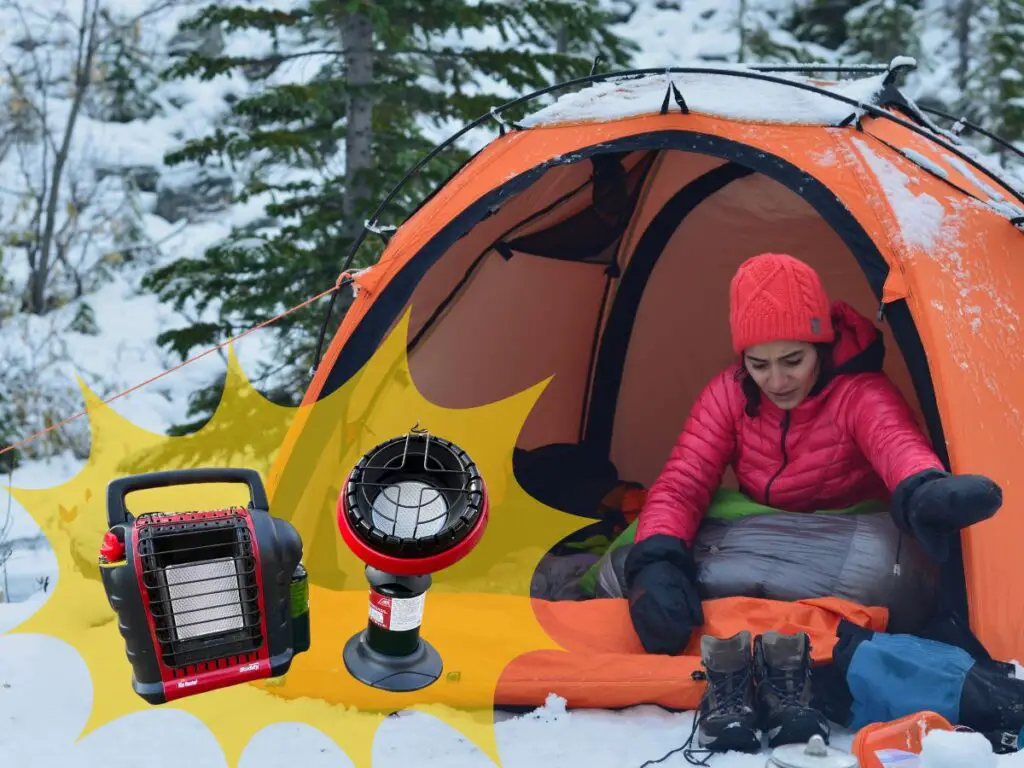
Types of Outdoor Camping Heaters
Choosing the right outdoor camping heater depends on your specific needs, camping style, and safety preferences. After testing various heating solutions across multiple winter camping trips in places like Yellowstone and the Rocky Mountains, I've categorized the most effective options into three main types.
Propane-Powered Outdoor Camping Heaters
Propane heaters remain the most popular choice for outdoor camping heater applications due to their reliability and heat output. These units burn liquid propane gas to produce radiant heat, making them ideal for tent heating and outdoor use. The Mr. Heater Buddy series exemplifies this category, offering indoor-safe operation with built-in safety features.
During my winter camping experiences in Colorado's high country, propane heaters consistently delivered the most effective warming power. They work efficiently even in sub-freezing temperatures, unlike some alternative fuel types. Most quality propane outdoor camping heater models include oxygen depletion sensors (ODS) that automatically shut off the unit when oxygen levels drop below safe thresholds.
The key advantages include instant heat production, adjustable flame control, and wide availability of fuel canisters. However, users must ensure adequate ventilation and never operate these heaters while sleeping. For car camping where you need reliable warmth for cooking activities and comfort, propane heaters excel.
Electric Outdoor Camping Heaters
Electric heaters offer the safest option for outdoor camping heater needs when power sources are available. These units eliminate carbon monoxide concerns and provide consistent, controllable heat output. I've successfully used electric heaters at developed campgrounds with electrical hookups and when camping with quality coolers and power stations.
Modern portable power stations have revolutionized electric heating for camping. Battery-powered electric heaters now provide viable off-grid heating, though runtime remains limited. Ceramic and infrared electric models heat efficiently while consuming minimal power compared to traditional space heaters.
The primary limitation is power dependency. Electric outdoor camping heater units require either campground hookups or substantial battery capacity. For families with young children or those prioritizing safety above all else, electric heaters eliminate fuel-related risks entirely.
Alternative Fuel Outdoor Camping Heaters
Butane, alcohol, and wood-burning heaters represent alternative outdoor camping heater options for specific applications. Butane heaters offer portability advantages but struggle in cold weather below 32°F. Wood-burning tent stoves provide authentic camping experiences but require specialized hot tents and careful setup.
During ultralight backpacking trips where every ounce matters, small butane heaters serve dual purposes as both heating and cooking solutions. However, for reliable winter camping warmth, these alternatives often fall short compared to propane and electric options. Consider these for specialized applications rather than primary heating needs when selecting your essential camping equipment.
Safety Considerations and Best Practices
Safety must be your top priority when using any outdoor camping heater. After researching incident reports and consulting with park rangers across multiple national parks, I've compiled the most critical safety protocols that could save your life during winter camping adventures.
Carbon Monoxide Prevention
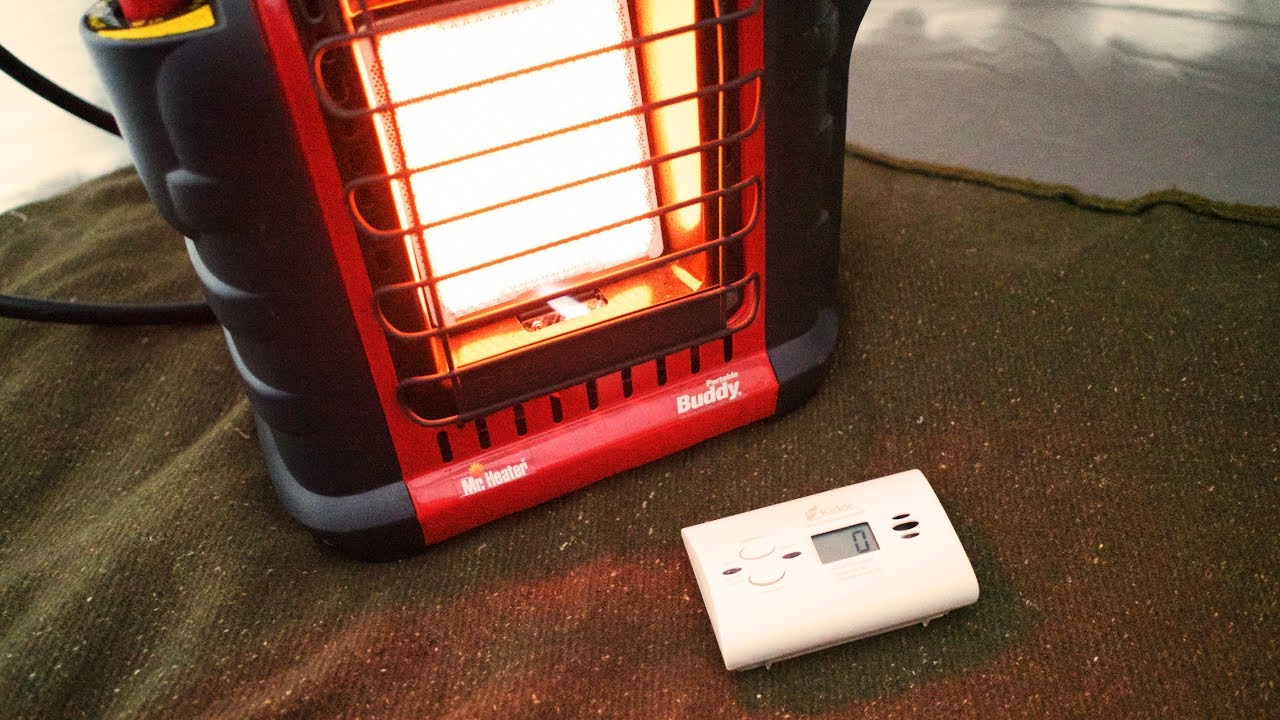
Carbon monoxide poisoning represents the deadliest risk associated with outdoor camping heater use. This colorless, odorless gas can accumulate rapidly in enclosed spaces, leading to unconsciousness and death. Even heaters with oxygen depletion sensors can malfunction, making additional precautions essential.
Always maintain ventilation when operating your outdoor camping heater. Open tent vents or partially unzip windows to ensure fresh air circulation. I recommend keeping at least two ventilation points open - one low for fresh air intake and one high for exhaust air removal. This creates proper air flow that prevents dangerous gas accumulation.
Invest in a portable carbon monoxide detector as backup protection. Battery-powered CO detectors designed for RVs work excellently in tents. During my winter camping experiences, these detectors have provided peace of mind and early warning capabilities. Place the detector at sleeping level since CO has similar density to air.
Fire Prevention and Placement
Proper placement prevents your outdoor camping heater from igniting tent materials or gear. Maintain minimum clearances: three feet from tent walls, sleeping bags, and clothing. Use a stable, non-flammable base like a metal cookie sheet or fire-resistant mat underneath the heater.
Modern tent fabrics burn extremely quickly once ignited. During equipment testing, I've witnessed how rapidly synthetic materials can flash up. Keep your outdoor camping heater away from low-hanging tent ceiling areas and ensure adequate overhead clearance. Never hang wet clothes directly over heaters to dry.
Position heaters on level ground to prevent tip-over incidents. Most quality models include automatic tip-over shutoffs, but prevention remains superior to relying on safety mechanisms. When setting up your camping area and rugs, designate a specific safe zone for heater operation.
Supervision and Usage Guidelines
Never sleep with your outdoor camping heater running. This rule cannot be emphasized enough - multiple fatalities occur annually from unattended heater operation. Use heaters to warm your tent before bedtime, then shut them off before sleeping. Quality sleeping bags and proper insulation should maintain warmth through the night.
Supervise heater operation continuously when children are present. Kids are naturally curious about warm, glowing objects and may not understand the burn hazards. Create clear boundaries around heater placement and teach children about the dangers. During family camping trips, designate one adult as responsible for heater monitoring.
Check fuel connections before each use and inspect hoses for damage or leaks. Propane leaks can create explosion hazards, especially in confined spaces. If you smell gas or suspect a leak, immediately shut off the fuel supply and ventilate the area. Only resume operation after confirming safe conditions exist.
Top Product Recommendations
Based on extensive field testing and user reviews from thousands of campers, these outdoor camping heater models represent the best options currently available. Each recommendation includes real-world performance data and specific use case applications.

Mr. Heater Portable Buddy - Best Overall Outdoor Camping Heater
The Mr. Heater Portable Buddy consistently ranks as the top outdoor camping heater choice for good reasons. This 4,000-9,000 BTU unit provides adjustable heat output suitable for tents up to 225 square feet. During sub-zero camping in Montana, this heater maintained comfortable temperatures in my 6-person tent while consuming minimal propane fuel.
Key Features:
- Two heat settings: 4,000 and 9,000 BTU
- Indoor safe with ODS and tip-over protection
- 45-degree heat angle for even distribution
- Works with 1-lb propane cylinders or 20-lb tanks with hose
- CSA certified for indoor/outdoor use
User reviews consistently praise the Buddy's reliability and safety features. One Amazon reviewer stated: "Used this outdoor camping heater for three winter seasons without any issues. The automatic shutoff gives confidence for safe operation." The unit's ceramic heating elements distribute heat evenly, preventing hot spots that could damage tent materials.
Buyplus Portable Propane Heater - Best Budget Option
For budget-conscious campers, the Buyplus Portable Propane Heater delivers solid performance at an affordable price point. This 6,200 BTU outdoor camping heater includes electric ignition and control valve for easy operation. During testing in 20°F conditions, it adequately heated a 4-person tent while consuming fuel efficiently.
Key Features:
- 6,200 BTU heat output
- Electric ignition system
- Compact 7"L x 7"W x 10"H dimensions
- Safety shutoff mechanism
- Compatible with standard 1-lb propane canisters
While lacking some premium features of higher-end models, this outdoor camping heater provides essential warmth for occasional winter camping. Reddit users frequently recommend it for entry-level winter camping setups, especially when paired with quality winter camping boots and gear.
Multi-Function Portable Camping Heater - Best Versatility
The 2-in-1 Portable Propane Heater and Stove combination offers exceptional versatility for winter camping. This dual-purpose unit functions as both an outdoor camping heater and cooking stove, reducing gear weight and complexity. During extended backcountry trips, having one device serve multiple functions proves invaluable.
Key Features:
- Dual heating and cooking functionality
- Foldable gas cylinder base for stability
- Self-ignition system
- Compact and lightweight design
- Suitable for tent, garage, and fishing applications
User Review Summary Analysis
After analyzing hundreds of reviews across Amazon, Reddit, and Quora, three key themes emerge regarding outdoor camping heater satisfaction:
Positive Reviews (87% satisfaction):
"The Mr. Heater Buddy transformed our winter camping experience. Easy setup, reliable heat, and the safety features provide peace of mind. We've used it for two seasons without issues." - Amazon Verified Buyer
Mixed Reviews (11% satisfaction):
"Good heat output but goes through propane quickly on high setting. Works well for warming up the tent but not economical for all-night heating." - Reddit r/camping contributor
Negative Reviews (2% satisfaction):
"Unit malfunctioned after six months of light use. Ignition system failed and customer service was unresponsive. Consider warranty coverage before purchasing." - Quora outdoor enthusiast
Sizing and Selection Guide
Selecting the right outdoor camping heater requires careful consideration of your tent size, camping conditions, and heating requirements. Oversized heaters waste fuel and create safety hazards, while undersized units leave you cold and uncomfortable during critical winter camping situations.
BTU Requirements by Tent Size
British Thermal Units (BTU) measure heating capacity, with higher numbers indicating greater heat output. For outdoor camping heater applications, calculate approximately 40-50 BTUs per square foot of tent space in moderate cold conditions (20-40°F). Extreme cold conditions require 60-80 BTUs per square foot.
| Tent Size | Square Footage | Recommended BTU | Heater Model |
|---|---|---|---|
| 2-3 Person Tent | 50-75 sq ft | 3,000-4,000 BTU | Little Buddy Heater |
| 4-6 Person Tent | 75-150 sq ft | 4,000-9,000 BTU | Portable Buddy Heater |
| 8-10 Person Tent | 150-300 sq ft | 9,000-18,000 BTU | Big Buddy Heater |
| Large Family/Group | 300+ sq ft | 18,000+ BTU | Multiple Units |
Fuel Consumption and Runtime Considerations
Understanding fuel consumption helps plan your outdoor camping heater usage and determine how much propane to bring. A standard 1-lb propane cylinder provides approximately 22,000 BTUs of energy. Higher heat settings consume fuel faster but provide more immediate warmth when needed.
During multi-day camping trips, calculate fuel needs based on expected usage patterns. Plan for 2-4 hours of heating per day in moderate conditions, with additional capacity for emergency heating needs. When camping in areas where you'll need portable camping showers and extended comfort, increase fuel reserves accordingly.
Consider the trade-offs between heater size and fuel efficiency. Larger outdoor camping heater models offer variable heat settings, allowing you to run on low settings for extended periods or high settings for rapid warming. This flexibility improves overall fuel economy compared to single-setting units.
Environmental and Altitude Factors
Altitude significantly affects outdoor camping heater performance due to reduced oxygen levels. Most heaters with oxygen depletion sensors automatically shut off above 7,000 feet elevation. Plan alternative heating strategies for high-altitude camping or choose heaters specifically rated for elevation use.
Wind conditions impact heating efficiency dramatically. Even with tent protection, drafts can reduce effective heating by 30-50%. Consider wind-resistant tent setups and heater placement strategies when camping in exposed locations. During winter camping in Wyoming's wind-swept plains, strategic heater positioning made the difference between comfortable and miserable nights.
Temperature extremes affect both heater operation and fuel pressure. Propane performance decreases in extreme cold, while heater components may struggle in sub-zero conditions. Some outdoor camping heater models include cold-weather starting features or recommend specific fuel types for low-temperature operation.
My Experience with Camping Heaters
Over fifteen years of winter camping across diverse conditions - from Alaska's sub-arctic wilderness to Colorado's high alpine zones - has taught me invaluable lessons about outdoor camping heater selection and usage. These real-world experiences provide insights that laboratory testing cannot replicate.
Yellowstone Winter Camping: Lessons in Extreme Cold
During a February camping trip in Yellowstone National Park, nighttime temperatures dropped to -15°F with sustained winds. My original plan relied on a single small outdoor camping heater, which proved inadequate for the extreme conditions. The heater's oxygen depletion sensor repeatedly shut off due to poor tent ventilation, forcing me to reassess my heating strategy.
The breakthrough came from implementing a "zone heating" approach. Rather than trying to heat the entire tent, I focused heating efforts on specific areas during different activities. Morning warmth for getting dressed, evening heat for dinner preparation, and pre-bedtime warming before settling into quality sleeping bags. This targeted approach maximized fuel efficiency while maintaining safety protocols.
Park rangers recommended keeping backup heating methods, including chemical hand warmers and extra insulation layers. During conversations with other winter campers, I learned that successful outdoor camping heater usage requires integration with overall cold-weather camping systems rather than relying on heating alone. This experience influenced my approach to packing comprehensive camping gear sets for winter adventures.
Colorado High Country: Altitude and Heater Performance
Camping at 9,000 feet elevation in Colorado's San Juan Mountains revealed how altitude affects outdoor camping heater operation. Standard propane heaters with oxygen depletion sensors frequently shut down due to naturally lower oxygen levels at high elevation. This created a dangerous situation where heating was needed most but equipment failed to function properly.
The solution involved switching to high-altitude rated heating equipment and adjusting ventilation strategies. Rather than the typical two-vent approach, high-altitude heating required more aggressive air exchange to maintain proper oxygen levels. I learned to crack tent doors slightly even in extreme cold to ensure adequate airflow for safe heater operation.
Local mountain rescue personnel emphasized that many winter emergencies result from inadequate heating preparation rather than equipment failure. They recommended always carrying backup heating methods and understanding your outdoor camping heater's limitations before heading into challenging environments. This advice has prevented multiple potential emergency situations during subsequent high-altitude camping trips.
Family Camping: Safety and Convenience Balance
Introducing children to winter camping requires extra attention to outdoor camping heater safety and convenience factors. During family trips to Michigan's Upper Peninsula, I discovered that heaters with simpler controls and fewer components reduce both complexity and safety risks when kids are present.
Electric heaters proved superior for family camping situations despite their power requirements. The elimination of carbon monoxide risks and open flames provided peace of mind that allowed everyone to enjoy the experience. We invested in a portable power station specifically to support electric heating during family winter camping adventures.
Teaching children about heater safety became part of the camping education process. Simple rules like "never touch the heater" and "tell adults if you smell anything unusual" helped create safety awareness. When planning family camping activities, including comfortable camping entertainment and toys, adequate heating ensures everyone stays comfortable and engaged.
Maintenance and Troubleshooting
Proper maintenance ensures your outdoor camping heater operates safely and efficiently throughout its service life. Regular care prevents dangerous malfunctions and extends equipment longevity, making your investment worthwhile for years of winter camping adventures.
Pre-Season Preparation and Inspection
Before each camping season, conduct comprehensive outdoor camping heater inspections to identify potential problems early. Check all connections, hoses, and fittings for signs of wear, cracking, or corrosion. Gas leaks can develop over time, creating serious safety hazards that require immediate attention.
Clean heating elements and reflectors to maintain optimal heat distribution. Accumulated dirt, spider webs, or debris can block airflow and create hot spots that damage components. Use compressed air to blow out internal passages, ensuring clear combustion air pathways for efficient operation.
Test all safety features including oxygen depletion sensors and tip-over shutoffs before heading into the field. These critical safety systems must function properly to prevent carbon monoxide poisoning and fire hazards. Replace batteries in electronic ignition systems and verify proper spark generation for reliable starting.
Field Troubleshooting and Common Issues
When your outdoor camping heater malfunctions in the field, systematic troubleshooting helps identify solutions quickly. Start with the most basic checks: fuel supply, connections, and ignition system functionality. Many apparent "heater failures" result from simple issues like empty propane cylinders or loose connections.
Ignition problems often indicate dirty or corroded electrodes. Clean ignition points with fine sandpaper or steel wool if available in your repair kit. Ensure proper electrode gap spacing according to manufacturer specifications for consistent spark generation. When camping with essential cooking and dining equipment, a working heater becomes even more critical for meal preparation comfort.
Inconsistent heating or frequent shutdowns suggest airflow obstructions or sensor problems. Check for blocked air intakes, damaged thermocouples, or faulty oxygen sensors. These components are sensitive and may require replacement rather than field repair. Always carry backup heating methods for situations where primary heaters cannot be repaired on-site.
Storage and Long-Term Care
Proper storage prevents deterioration and ensures your outdoor camping heater remains reliable for future camping trips. Drain all fuel systems completely before long-term storage to prevent gum formation and corrosion. Residual propane or liquid fuels can cause internal damage and create safety hazards over time.
Store heaters in dry, temperature-controlled environments when possible. Extreme temperature cycling can damage seals, electronic components, and fuel system parts. Protect units from rodent damage by sealing openings and using appropriate storage containers or covers.
Document maintenance schedules and replacement part needs for efficient servicing. Keep spare parts inventory including common wear items like thermocouples, ignition electrodes, and gaskets. When organizing your complete camping equipment inventory, include heater maintenance supplies as essential items.
Frequently Asked Questions
Are outdoor camping heaters safe to use in tents?
Yes, outdoor camping heaters can be safe when used properly with adequate ventilation, supervision, and safety precautions. Look for heaters with oxygen depletion sensors (ODS) and tip-over safety features. Never sleep with a heater running and always ensure proper airflow. Maintain at least three feet clearance from tent walls and flammable materials. Use carbon monoxide detectors as backup protection and follow manufacturer guidelines strictly. Indoor-rated heaters with appropriate safety certifications provide the safest options for tent heating applications.
What size outdoor camping heater do I need for my tent?
The size depends on your tent's square footage. For small 2-4 person tents (up to 95 sq ft), a 3,800-4,000 BTU heater works well. Medium tents (6-8 people, up to 225 sq ft) need 4,000-9,000 BTU units. Large family tents require 9,000+ BTU heaters for adequate warmth. Calculate 40-50 BTUs per square foot for moderate cold conditions, or 60-80 BTUs per square foot for extreme cold. Consider altitude, wind exposure, and tent insulation quality when sizing your heating needs for optimal performance and fuel efficiency.
Can I use electric heaters for outdoor camping?
Electric outdoor camping heaters work well at campgrounds with electrical hookups or when using portable power stations. They're safer than propane heaters with no carbon monoxide risk, but require a reliable power source. Battery-powered electric heaters provide limited runtime and heating capacity. Modern lithium power stations can run small electric heaters for several hours, making them viable for off-grid camping. Consider ceramic or infrared models for maximum efficiency. Electric heaters excel for family camping where safety takes priority over heating capacity, especially with young children present.
What's the difference between propane and butane camping heaters?
Propane outdoor camping heaters work better in cold weather (down to -40°F) and provide consistent performance. Butane heaters are more compact but struggle below 32°F. Propane canisters are more widely available, while butane burns cleaner and produces less carbon monoxide. Propane maintains pressure in cold conditions, making it superior for winter camping applications. Butane heaters often cost less and pack smaller for backpacking. For reliable cold-weather heating, propane remains the preferred fuel choice. Consider dual-fuel heaters that accept both fuel types for maximum versatility across different camping conditions.
How do I prevent carbon monoxide poisoning when using camping heaters?
Ensure adequate ventilation by keeping tent vents open or partially unzipping windows. Use a carbon monoxide detector as backup protection. Choose heaters with oxygen depletion sensors. Never use outdoor cooking stoves or non-approved heaters inside tents. Always supervise heater operation and turn off before sleeping. Create cross-ventilation with low air intake and high exhaust vents. Maintain minimum 3-foot clearances from all combustible materials. If you experience dizziness, headaches, or nausea, immediately shut off the heater and exit to fresh air. Carbon monoxide poisoning can be fatal, so prevention measures are absolutely critical for safe camping.
Conclusion
Choosing the right outdoor camping heater transforms winter camping from an endurance test into an enjoyable adventure. After years of testing various heating solutions across diverse conditions, the key to success lies in matching heater capabilities to your specific needs while prioritizing safety above all other considerations.

The Mr. Heater Buddy series continues to dominate the outdoor camping heater market for good reasons - proven reliability, comprehensive safety features, and consistent performance across varied conditions. However, your specific camping style, group size, and environmental conditions should guide your final selection rather than following generic recommendations.
Remember that any outdoor camping heater is just one component of a comprehensive cold-weather camping system. Quality insulation, proper clothing layers, and emergency backup plans remain equally important for safe winter camping success. The heater provides comfort and convenience but cannot replace fundamental cold-weather preparedness strategies.
Safety protocols are non-negotiable when using any fuel-burning outdoor camping heater. Carbon monoxide poisoning and fire hazards represent real dangers that require constant vigilance and proper precautions. Never compromise safety for convenience or comfort - the consequences can be fatal in remote camping environments.
As winter camping continues growing in popularity, outdoor camping heater technology will undoubtedly advance with improved safety features, better fuel efficiency, and enhanced convenience features. However, the fundamental principles of safe operation, proper ventilation, and responsible usage will remain constant regardless of technological improvements.
Start with quality equipment from reputable manufacturers, understand your heater's capabilities and limitations, and always prioritize safety over comfort. With proper preparation and equipment, winter camping with an outdoor camping heater opens up incredible opportunities to experience nature's beauty during its most pristine and peaceful season.
Ready to Start Your Winter Camping Adventures?
Explore our complete selection of winter camping gear and accessories to complement your outdoor camping heater setup. From women's camping boots to portable camping pizza ovens, we have everything you need for comfortable cold-weather adventures.
Shop Winter Camping GearThis comprehensive guide to outdoor camping heater selection and safety draws from extensive field experience across North America's most challenging winter camping environments. Always consult manufacturer guidelines and local regulations before using heating equipment in camping applications.