The Ultimate Pacific Crest Trail Guide: Everything You Need to Know for Hiking the PCT
The Pacific Crest Trail represents one of America's most iconic long-distance hiking experiences, stretching 2,653 miles from Mexico to Canada through some of the most spectacular wilderness areas on the continent. Having completed this incredible journey myself, I'm excited to share everything you need to know about tackling this life-changing adventure. For more outdoor adventures and gear recommendations, visit Explore National Parks for comprehensive guides and resources.
What is the Pacific Crest Trail
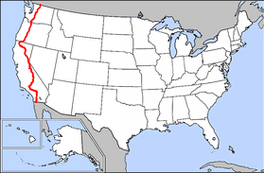 The Pacific Crest Trail, commonly known as the PCT trail, is a National Scenic Trail that spans 2,653 miles from the Mexican border near Campo, California, to the Canadian border at Manning Park, British Columbia. This magnificent trail follows the crests of the Sierra Nevada and Cascade mountain ranges, passing through 25 national forests and 7 national parks including Sequoia, Kings Canyon, Yosemite, Lassen Volcanic, Crater Lake, Mount Rainier, and North Cascades.
Officially designated in 1968 under the National Trails System Act, the pct trail wasn't completed until 1993. The trail's conception dates back to 1932 when Clinton C. Clarke first proposed a continuous trail along the Pacific mountain crests. What makes this trail truly special is its commitment to showcasing pristine wilderness - it deliberately avoids civilization and maintains a wild character throughout its length.
The pct trail ranges dramatically in elevation from just 140 feet above sea level at Cascade Locks, Oregon, to its highest point at Forester Pass in California's Sierra Nevada at 13,153 feet. The total elevation gain throughout the entire trail is approximately 489,000 feet - equivalent to climbing Mount Everest from sea level more than 16 times! The trail passes through diverse ecosystems including desert landscapes in Southern California, alpine meadows in the Sierra Nevada, volcanic peaks in the Cascades, and temperate rainforests in Washington. Along with the Appalachian Trail and Continental Divide Trail, the pct trail forms the prestigious Triple Crown of Hiking.
For those interested in quality outdoor footwear for such adventures, Famous Footwear offers excellent selections of hiking boots and trail shoes suitable for long-distance adventures.
The Pacific Crest Trail, commonly known as the PCT trail, is a National Scenic Trail that spans 2,653 miles from the Mexican border near Campo, California, to the Canadian border at Manning Park, British Columbia. This magnificent trail follows the crests of the Sierra Nevada and Cascade mountain ranges, passing through 25 national forests and 7 national parks including Sequoia, Kings Canyon, Yosemite, Lassen Volcanic, Crater Lake, Mount Rainier, and North Cascades.
Officially designated in 1968 under the National Trails System Act, the pct trail wasn't completed until 1993. The trail's conception dates back to 1932 when Clinton C. Clarke first proposed a continuous trail along the Pacific mountain crests. What makes this trail truly special is its commitment to showcasing pristine wilderness - it deliberately avoids civilization and maintains a wild character throughout its length.
The pct trail ranges dramatically in elevation from just 140 feet above sea level at Cascade Locks, Oregon, to its highest point at Forester Pass in California's Sierra Nevada at 13,153 feet. The total elevation gain throughout the entire trail is approximately 489,000 feet - equivalent to climbing Mount Everest from sea level more than 16 times! The trail passes through diverse ecosystems including desert landscapes in Southern California, alpine meadows in the Sierra Nevada, volcanic peaks in the Cascades, and temperate rainforests in Washington. Along with the Appalachian Trail and Continental Divide Trail, the pct trail forms the prestigious Triple Crown of Hiking.
For those interested in quality outdoor footwear for such adventures, Famous Footwear offers excellent selections of hiking boots and trail shoes suitable for long-distance adventures.
Planning Your PCT Journey
Planning a pct trail thru-hike requires 6-8 months of preparation, according to the Pacific Crest Trail Association. The first crucial decision is choosing your hiking direction. Most hikers choose northbound (NOBO) starting in late April or early May, allowing them to avoid dangerous snow conditions in the Sierra Nevada while reaching Washington before winter weather arrives. Southbound (SOBO) hikers start in late June or July, but this option requires crossing high-elevation sections with potentially dangerous snow conditions. Timing is everything on the pct trail. Starting too early means dangerous snow in the Sierra Nevada, while starting too late risks getting trapped by early winter storms in Washington's North Cascades. Most successful thru-hikers plan to complete 20 miles per day on average, though this varies significantly based on terrain, weather, and individual fitness levels. The trail typically takes 4-6 months to complete, with most hikers finishing between late September and mid-October. Resupply strategy forms the backbone of any successful pct trail attempt. Hikers must carefully plan food drops, either mailing packages to themselves at post offices or General Delivery locations, purchasing supplies in trail towns, or combining both methods. Popular resupply towns include Idyllwild, Big Bear, Wrightwood, and Mammoth Lakes in California; Crater Lake, Bend, and Cascade Locks in Oregon; and Stehekin, Snoqualmie Pass, and Skykomish in Washington. Physical preparation cannot be understated for the pct trail. I recommend starting with day hikes, gradually building to overnight backpacking trips, then multi-day adventures. Focus on cardiovascular fitness, leg strength, and core stability. Mental preparation is equally important - long-distance hiking tests psychological endurance as much as physical capability. For reliable navigation tools, consider exploring AllTrails resources for detailed trail information and GPS coordinates.Essential Gear and Equipment
Gear selection can make or break your pct trail experience. Based on my thru-hike and extensive research from the 2024 PCT survey results, I've compiled essential recommendations for every category. The ultralight backpacking philosophy dominates the pct trail community, with experienced hikers carrying base weights under 10 pounds. Footwear Revolution: Forget heavy hiking boots - trail running shoes reign supreme on the pct trail. The most popular choices include Altra Lone Peak 7 Trail Running Shoes (tag: natureguests00-20), beloved for their zero-drop design and wide toe box. Many hikers also recommend Hoka Speedgoat 5 Trail Runners (tag: natureguests00-20) for maximum cushioning on rocky terrain. Plan on replacing shoes every 500-800 miles - I went through four pairs during my thru-hike. Backpack Selection: A quality lightweight backpack is crucial. The Hyperlite Mountain Gear Southwest 3400 (tag: natureguests00-20) dominates the pct trail for its durability and ultralight construction. Alternative options include the Granite Gear Crown2 and ZPacks Arc Haul, all designed for the unique demands of long-distance hiking. Sleep System Essentials: Nights on the pct trail vary from desert heat to alpine cold. A versatile sleep system includes a quality sleeping bag rated to 20°F, like the Western Mountaineering UltraLite Sleeping Bag (tag: natureguests00-20), paired with a closed-cell foam pad and inflatable pad for comfort and insulation. The popular Zpacks Duplex Tent (tag: natureguests00-20) offers excellent weather protection at just over one pound. Water filtration, cooking systems, and navigation tools round out essential gear. Many pct trail hikers use smartphone apps like Guthook (now FarOut) combined with paper maps for navigation. For those seeking premium outdoor footwear options, Thursday Boots offers excellent leather options for pre and post-trail wear.Trail Sections and Highlights
 The pct trail divides into distinct geographical and cultural sections, each offering unique challenges and rewards. Understanding these sections helps hikers prepare mentally and physically for the journey ahead.
Southern California (Miles 0-702): The desert section begins at the Mexican border monument and traverses through Laguna, Santa Rosa, San Jacinto, San Bernardino, and San Gabriel mountain ranges. Early highlights include Mount Laguna's pine forests, the challenging San Jacinto ascent via Fuller Ridge, and the notorious desert stretches requiring careful water management. The section culminates at Tehachapi Pass, marking entry into the Sierra Nevada region. Water sources can be scarce, especially in drought years, making this section particularly challenging for newcomers to desert hiking.
Sierra Nevada (Miles 702-1238): Many consider this the crown jewel of the pct trail. The Sierra Nevada section passes through Sequoia and Kings Canyon National Parks, Yosemite National Park, and numerous wilderness areas. Iconic highlights include Mount Whitney (accessible via side trail), Forester Pass (the trail's highest point), Glen Pass, Pinchot Pass, and the spectacular Evolution Valley. The John Muir Trail coincides with the pct trail for 177 miles, creating some of the most photographed and celebrated wilderness scenery in America. Creek crossings, especially during high snow years, present significant challenges.
Northern California (Miles 1238-1690): This section transitions from granite peaks to volcanic terrain, passing through Lassen Volcanic National Park and numerous wilderness areas. Highlights include Burney Falls, Mount Shasta views, and the transition into Cascade Range geology. The section offers more moderate terrain compared to the Sierra Nevada but still presents significant elevation changes and weather variability.
Oregon (Miles 1690-2144): Oregon provides welcome relief with gentler terrain and abundant water sources. The trail passes through Crater Lake National Park, offering stunning views of the caldera lake, and continues through the Cascade Range with Mount Hood, Mount Jefferson, and Three Sisters providing dramatic backdrops. The section features numerous volcanic peaks, pristine alpine lakes, and extensive wildflower displays during peak season.
Washington (Miles 2144-2653): The final section proves challenging with dramatic elevation changes, unpredictable weather, and rugged terrain through North Cascades National Park. Highlights include Glacier Peak Wilderness, Alpine Lakes Wilderness, and the spectacular North Cascades. Weather can change rapidly, and early snow is common, making this section a race against time for many thru-hikers. For those considering winter sports after completing the trail, Moon Boots offers excellent cold-weather footwear options.
The pct trail divides into distinct geographical and cultural sections, each offering unique challenges and rewards. Understanding these sections helps hikers prepare mentally and physically for the journey ahead.
Southern California (Miles 0-702): The desert section begins at the Mexican border monument and traverses through Laguna, Santa Rosa, San Jacinto, San Bernardino, and San Gabriel mountain ranges. Early highlights include Mount Laguna's pine forests, the challenging San Jacinto ascent via Fuller Ridge, and the notorious desert stretches requiring careful water management. The section culminates at Tehachapi Pass, marking entry into the Sierra Nevada region. Water sources can be scarce, especially in drought years, making this section particularly challenging for newcomers to desert hiking.
Sierra Nevada (Miles 702-1238): Many consider this the crown jewel of the pct trail. The Sierra Nevada section passes through Sequoia and Kings Canyon National Parks, Yosemite National Park, and numerous wilderness areas. Iconic highlights include Mount Whitney (accessible via side trail), Forester Pass (the trail's highest point), Glen Pass, Pinchot Pass, and the spectacular Evolution Valley. The John Muir Trail coincides with the pct trail for 177 miles, creating some of the most photographed and celebrated wilderness scenery in America. Creek crossings, especially during high snow years, present significant challenges.
Northern California (Miles 1238-1690): This section transitions from granite peaks to volcanic terrain, passing through Lassen Volcanic National Park and numerous wilderness areas. Highlights include Burney Falls, Mount Shasta views, and the transition into Cascade Range geology. The section offers more moderate terrain compared to the Sierra Nevada but still presents significant elevation changes and weather variability.
Oregon (Miles 1690-2144): Oregon provides welcome relief with gentler terrain and abundant water sources. The trail passes through Crater Lake National Park, offering stunning views of the caldera lake, and continues through the Cascade Range with Mount Hood, Mount Jefferson, and Three Sisters providing dramatic backdrops. The section features numerous volcanic peaks, pristine alpine lakes, and extensive wildflower displays during peak season.
Washington (Miles 2144-2653): The final section proves challenging with dramatic elevation changes, unpredictable weather, and rugged terrain through North Cascades National Park. Highlights include Glacier Peak Wilderness, Alpine Lakes Wilderness, and the spectacular North Cascades. Weather can change rapidly, and early snow is common, making this section a race against time for many thru-hikers. For those considering winter sports after completing the trail, Moon Boots offers excellent cold-weather footwear options.
Permits and Regulations
Navigating the permit system for the pct trail can seem overwhelming, but understanding the requirements prevents costly delays and legal issues. The permit structure recognizes the unique needs of long-distance hikers while protecting sensitive wilderness areas from overuse. PCT Long-Distance Permit: This single permit covers the entire pct trail for hikers planning to walk 500+ continuous miles. Applications open in November for the following year's hiking season, with a $6 application fee. The permit system uses a lottery for popular start dates in April and May, though later start dates typically remain available. This permit exempts you from obtaining individual wilderness permits for areas along the trail, significantly simplifying logistics. However, some special regulations still apply, particularly regarding campfires and group size limits. California Fire Permit: Required for all hikers carrying stoves or planning campfires in California. This free online permit takes minutes to obtain and remains valid for one year. The permit includes crucial fire safety education about wildfire prevention - a serious concern throughout California's drought-prone wilderness areas. Many areas along the pct trail prohibit campfires entirely during high fire danger periods. Section Hiking Permits: Hikers tackling shorter sections require individual permits for most wilderness areas. Popular sections like the John Muir Trail portion require permits months in advance due to high demand. Each wilderness area manages its own permit system, creating a complex web of applications, fees, and restrictions. Some areas use lottery systems, while others operate on first-come, first-served basis. Canada Entry Considerations: The traditional Canada entry permit was discontinued in January 2025, meaning hikers can no longer legally enter Canada directly from the trail. This significant change affects planning for northbound hikers, who must now arrange alternative transportation from the border area. Most hikers now celebrate completion at the border monument rather than continuing into Manning Park. Special regulations apply throughout the pct trail regarding bear canisters, group sizes, and camping restrictions. Bear canisters are mandatory in specific sections of the Sierra Nevada and other areas with problematic bear activity. Understanding these regulations before departure prevents conflicts with rangers and protects both hikers and wildlife. For quality outdoor apparel that meets trail regulations, consider browsing Allbirds sustainable footwear options for environmentally conscious hikers.My Personal PCT Experience
 Completing the pct trail in 2023 transformed my understanding of personal capability and wilderness connection. Starting at the Mexican border on April 22nd, I joined the "bubble" of northbound hikers beginning the 2,653-mile journey to Canada. The first weeks tested every aspect of my preparation as desert heat, limited water sources, and unfamiliar terrain challenged my resolve.
The Southern California desert taught harsh lessons about water management and heat tolerance. I vividly remember the stretch between Warner Springs and Idyllwild, where temperatures soared above 100°F and water sources ran lower than expected. My pack felt impossibly heavy those first weeks - I started with a 30-pound base weight but quickly learned the ultralight philosophy through necessity. By Kennedy Meadows, mile 702, I had shipped home nearly 10 pounds of "essential" gear.
Entering the Sierra Nevada marked a dramatic shift in both scenery and challenge. The high country delivers everything promised - granite peaks, pristine alpine lakes, and meadows bursting with wildflowers. However, 2023 brought record snowpack, forcing many hikers to carry microspikes and face dangerous creek crossings. I'll never forget the approach to Glen Pass, where I followed crampon tracks across wind-scoured granite, the trail completely buried under snow.
The mental challenges surprised me more than physical demands. Week three brought my lowest point - sitting beside a dried-up spring near Big Bear, questioning every decision that led to this moment. Trail angels saved that day, offering cold drinks and encouragement when I needed both most. The pct trail community proved extraordinary; fellow hikers became family, sharing food, water, gear, and endless encouragement through difficult stretches.
Oregon provided welcome relief with moderate terrain and abundant water, though rain tested my gear choices. Washington's North Cascades delivered a dramatic finale - rugged peaks, glaciated valleys, and rapidly changing weather that kept me alert until the final miles. Reaching the northern terminus at Monument 78 on September 18th remains life's most satisfying achievement.
Looking back, the pct trail taught lessons extending far beyond hiking: resilience, community, environmental stewardship, and personal capability. The physical trail ends at the Canadian border, but the mental trail continues forever. For those inspired to pursue their own adventures, Tecovas handcrafted boots offers premium footwear perfect for celebrating major accomplishments in style.
Completing the pct trail in 2023 transformed my understanding of personal capability and wilderness connection. Starting at the Mexican border on April 22nd, I joined the "bubble" of northbound hikers beginning the 2,653-mile journey to Canada. The first weeks tested every aspect of my preparation as desert heat, limited water sources, and unfamiliar terrain challenged my resolve.
The Southern California desert taught harsh lessons about water management and heat tolerance. I vividly remember the stretch between Warner Springs and Idyllwild, where temperatures soared above 100°F and water sources ran lower than expected. My pack felt impossibly heavy those first weeks - I started with a 30-pound base weight but quickly learned the ultralight philosophy through necessity. By Kennedy Meadows, mile 702, I had shipped home nearly 10 pounds of "essential" gear.
Entering the Sierra Nevada marked a dramatic shift in both scenery and challenge. The high country delivers everything promised - granite peaks, pristine alpine lakes, and meadows bursting with wildflowers. However, 2023 brought record snowpack, forcing many hikers to carry microspikes and face dangerous creek crossings. I'll never forget the approach to Glen Pass, where I followed crampon tracks across wind-scoured granite, the trail completely buried under snow.
The mental challenges surprised me more than physical demands. Week three brought my lowest point - sitting beside a dried-up spring near Big Bear, questioning every decision that led to this moment. Trail angels saved that day, offering cold drinks and encouragement when I needed both most. The pct trail community proved extraordinary; fellow hikers became family, sharing food, water, gear, and endless encouragement through difficult stretches.
Oregon provided welcome relief with moderate terrain and abundant water, though rain tested my gear choices. Washington's North Cascades delivered a dramatic finale - rugged peaks, glaciated valleys, and rapidly changing weather that kept me alert until the final miles. Reaching the northern terminus at Monument 78 on September 18th remains life's most satisfying achievement.
Looking back, the pct trail taught lessons extending far beyond hiking: resilience, community, environmental stewardship, and personal capability. The physical trail ends at the Canadian border, but the mental trail continues forever. For those inspired to pursue their own adventures, Tecovas handcrafted boots offers premium footwear perfect for celebrating major accomplishments in style.
Safety and Challenges
The pct trail presents serious risks requiring constant vigilance and proper preparation. Understanding these challenges helps hikers make informed decisions and develop appropriate safety protocols. With a completion rate of only 14%, the majority of hikers face circumstances forcing early termination. Environmental Hazards: Weather poses the greatest threat on the pct trail. Lightning strikes on exposed ridges, sudden snowstorms in high elevations, and extreme heat in desert sections create life-threatening conditions. I witnessed numerous close calls with lightning while crossing exposed passes in the Sierra Nevada. Flash floods in desert washes, though rare, can trap or kill unprepared hikers. Hypothermia remains a year-round risk, even during summer months at elevation. Wildlife Encounters: Black bears present the most common wildlife concern, particularly in the Sierra Nevada where they've learned to associate hikers with food. Proper food storage using bear canisters or hanging techniques prevents most problems, but aggressive bears occasionally require hikers to abandon camps or take lengthy detours. Mountain lions inhabit the entire trail corridor but rarely encounter humans. Rattlesnakes become active in desert sections during warmer months, requiring careful foot placement and awareness. Water Safety: Dehydration and water-related illnesses affect many pct trail hikers. Desert sections between reliable water sources can exceed 20 miles, requiring careful planning and carrying capacity. Contaminated water sources cause giardia, cryptosporidium, and other illnesses that end many hikes prematurely. All water sources require treatment through filtration, purification tablets, or UV sterilization. Injuries and Medical Emergencies: Repetitive stress injuries plague long-distance hikers, with knee problems, shin splints, and foot issues forcing early termination. Acute injuries from falls on rocky terrain or snow-covered trails can strand hikers miles from help. I developed severe tendinitis in both knees around mile 1,800, requiring several zero days and significant pain management to continue. Navigation Challenges: Despite excellent trail marking, the pct trail still requires navigation skills. Snow can obscure the trail for miles, requiring map and compass skills or GPS navigation. Trail washouts, fires, and maintenance issues create temporary reroutes that confuse even experienced hikers. Cell phone coverage remains spotty throughout most of the trail, limiting emergency communication options. Emergency communication devices like satellite messengers provide crucial safety nets for solo hikers. Many experienced hikers carry personal locator beacons (PLBs) or satellite communicators like Garmin inReach devices. These tools enable emergency rescue coordination but don't replace proper preparation and decision-making skills. For those seeking reliable outdoor gear, Allen Edmonds quality footwear offers durable options for demanding outdoor adventures.Frequently Asked Questions
How long does it take to hike the entire PCT trail?
Most thru-hikers complete the pct trail in 4-6 months, typically starting in late April or early May and finishing by September or October. The average hiker covers about 20 miles per day, though this varies significantly based on fitness level, weather conditions, and personal hiking style. Faster hikers might complete the trail in 3-4 months, while others take the full 6 months, especially when dealing with high snow years or challenging weather. The key is starting early enough to avoid dangerous snow conditions in the Sierra Nevada while finishing before winter weather arrives in Washington's North Cascades. Planning for 5 months provides a realistic timeline with buffer time for rest days, weather delays, and unexpected challenges.What permits do I need for the PCT trail?
For thru-hiking the entire pct trail, you need a PCT Long-Distance Permit ($6 application fee) and a California Fire Permit (free). The long-distance permit covers all areas that would otherwise require local permits for hikes under 500 contiguous miles. This single permit dramatically simplifies logistics compared to obtaining individual wilderness permits for each area. However, additional permits may be required for specific activities like climbing Mount Whitney or camping in certain restricted areas. Section hikers need individual permits for most wilderness areas along the trail, which can be complex and expensive. The permit application opens in November for the following hiking season, with popular start dates requiring lottery participation due to high demand.What's the best footwear for the PCT trail?
Most experienced pct trail hikers strongly recommend trail running shoes over traditional hiking boots for their lighter weight, faster drying time, and improved comfort over long distances. Popular choices include Altra Lone Peak for zero-drop design and wide toe boxes, Hoka Speedgoat for maximum cushioning on rocky terrain, and Salomon trail runners for durability and traction. The key is finding shoes that fit your feet properly and provide adequate support for your gait and foot type. Plan to replace shoes every 500-800 miles during a thru-hike, as the abrasive trail conditions quickly wear down even high-quality footwear. Many hikers mail replacement shoes to resupply points along the trail to ensure consistent sizing and model availability.How much does it cost to hike the PCT trail?
The total cost for hiking the pct trail typically ranges from $4,000 to $8,000, including gear, food, permits, transportation, and town stops. Budget-conscious hikers can complete the trail for around $3,000 by minimizing town stops, staying in hostels or camping instead of hotels, preparing their own food, and using budget gear. Premium hikers might spend $10,000 or more for high-end gear, frequent restaurant meals, hotel stays, and extensive town resupplies. Major expense categories include initial gear purchases ($1,500-$4,000), food and resupply boxes ($800-$1,500), transportation to/from trailheads ($200-$800), town stops including lodging and meals ($1,000-$3,000), and permits/miscellaneous expenses ($200-$500). Creating a detailed budget helps manage costs and prevents financial stress during the hike.What's the success rate for PCT trail thru-hikers?
The completion rate for pct trail thru-hikers is approximately 14%, making it a challenging endeavor that requires significant preparation, determination, and adaptability to changing conditions. This relatively low success rate reflects the trail's demanding nature, including extreme weather conditions, difficult terrain, logistical challenges, and the mental fortitude required for 4-6 months of continuous hiking. Common reasons for early termination include injuries (particularly overuse injuries like knee problems and stress fractures), extreme weather conditions (especially high snow years in the Sierra Nevada), family emergencies, financial constraints, and simply underestimating the physical and mental demands. Weather conditions significantly impact success rates, with high snow years reducing completion rates due to dangerous creek crossings and navigation challenges. Proper preparation, realistic expectations, and flexibility greatly improve success chances.User Review Highlights:
"The PCT changed my life completely. Started as a personal challenge but became a journey of self-discovery. The trail community is incredible - strangers become family." - Reddit user u/PCT2023Thru
"Gear recommendation: Altra Lone Peaks saved my feet. Went through 3 pairs but never had major foot problems like other hikers." - Amazon reviewer for Altra shoes
"The Sierra Nevada section exceeded every expectation. Challenging but absolutely worth it. Start early to avoid snow issues." - Quora hiking community member
Pros and Cons of PCT Trail Hiking:
Pros: Spectacular scenery diversity, strong trail community, excellent trail maintenance, comprehensive guidebooks and apps, life-changing personal growth opportunity, well-established resupply infrastructure.Cons: High physical and mental demands, significant financial investment, lengthy time commitment, weather dependency, permit complexity for section hiking, high failure rate requiring backup plans.