Ultimate Pemi Loop Guide: Complete Hiking & Backpacking Experience
Master New Hampshire's Most Legendary 32-Mile White Mountains Adventure
The Pemi Loop stands as New Hampshire's crown jewel of backpacking adventures, offering an unforgettable journey through the heart of the White Mountains. This comprehensive guide draws from my personal experiences completing the loop multiple times, providing you with insider knowledge on gear selection, route planning, and critical safety considerations. Whether you're planning your first attempt or seeking to optimize your strategy, this guide covers everything you need for a successful Pemi Loop adventure. Explore more hiking guides and gear recommendations for your next wilderness adventure.
What is the Pemi Loop?

The Pemigewasset Loop, affectionately known as the "Pemi Loop," is a legendary 32-mile backpacking circuit that encircles the western half of New Hampshire's Pemigewasset Wilderness. This isn't just another hiking trail—it's a rite of passage for serious White Mountains enthusiasts and widely considered one of the most challenging and rewarding multi-day hikes in the Northeast.
The loop connects eight of New Hampshire's celebrated 4,000-foot peaks: Mount Flume, Mount Liberty, Mount Lincoln, Mount Lafayette, Mount Garfield, South Twin Mountain, Mount Bond, and Bondcliff. Each summit offers breathtaking panoramic views of the surrounding wilderness, with the famous Franconia Ridge traverse and Bondcliff's dramatic cliff face serving as unforgettable highlights.
What makes the Pemi Loop particularly special is its technical difficulty combined with stunning alpine scenery. The route gains over 9,000 feet of elevation through rocky, root-filled terrain that demands both physical endurance and mental fortitude. Backpacker Magazine didn't name it America's second hardest day hike without good reason—though most sane hikers tackle it as a 2-3 day backpacking adventure.
The trail begins and ends at Lincoln Woods Trailhead, following a collection of interconnected trails including sections of the famous Appalachian Trail. Unlike many hiking routes, the Pemi Loop exists more as a cultural phenomenon among hikers than an officially designated trail, representing the ultimate test of White Mountains hiking prowess. For those seeking proper hiking footwear for these technical conditions, investing in quality boots is absolutely essential for both safety and comfort on this demanding terrain.
My First-Hand Experience on the Pemi Loop
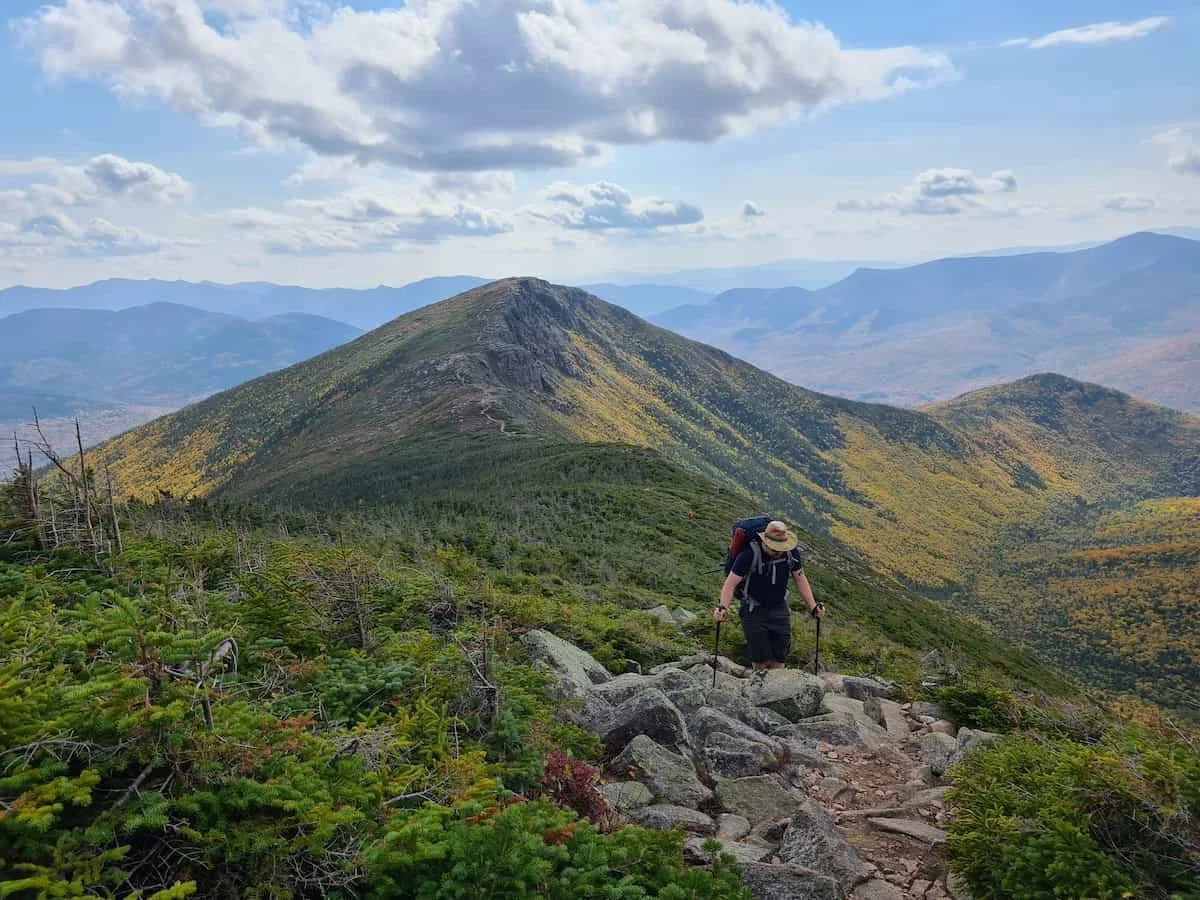
My first Pemi Loop attempt in September 2019 was both humbling and transformative. Like many ambitious hikers, I underestimated just how technical and demanding this route would be. Starting at 5:30 AM from Lincoln Woods with a fully loaded pack, I felt confident after years of White Mountains hiking experience. That confidence was quickly tested on the relentless Osseo Trail climb to Mount Flume.
The Franconia Ridge traverse remains etched in my memory as one of the most spectacular hiking experiences in the Northeast. Walking along that knife-edge ridge with 360-degree views, feeling completely exposed to the elements, I understood why this section draws hikers from around the world. However, the weather turned quickly—a valuable lesson about the White Mountains' unpredictable conditions. What started as a clear morning became a white-out fog by the time I reached Mount Lafayette.
The section from Garfield Ridge to South Twin tested every ounce of my navigation skills and physical endurance. This is where the loop's reputation for technical difficulty becomes reality. Rocky scrambles, steep descents, and limited water sources create a perfect storm of challenges. My planned 2-day itinerary became a grinding 3-day survival mission when I underestimated my water needs and overestimated my pace.
Bondcliff provided the loop's crowning moment—standing on those dramatic cliffs with the entire Pemi Wilderness spread below is an experience that photos simply cannot capture. The final descent via the Bondcliff Trail and long walk out on Lincoln Woods Trail gave me plenty of time to reflect on the lessons learned. Since that first attempt, I've completed the Pemi Loop four more times, each offering new insights and deeper appreciation for this incredible wilderness experience. The key is respecting the terrain, planning conservatively, and investing in reliable gear like these premium hiking boots that have served me well on subsequent trips.
Essential Gear and Equipment Guide
Gear selection can make or break your Pemi Loop experience. The technical terrain, variable weather, and remote location demand equipment that performs reliably under stress. Here's my battle-tested gear recommendations based on multiple successful completions of the loop.
Footwear
The rocky, technical terrain of the Pemi Loop demands serious footwear. I've learned this lesson the hard way after experiencing ankle rolls and hot spots with inadequate shoes.
Merrell Moab 3 Mid Waterproof BootsSuperior ankle support and rock protection for technical terrain
Backpack
A properly fitting 40-50L backpack with excellent load distribution is crucial for multi-day comfort on the demanding Pemi Loop terrain.
Osprey Kestrel 48 Hiking PackTrusted by serious backpackers for comfort and durability
Water Filtration
Reliable water filtration is non-negotiable on the Pemi Loop due to limited clean water sources and the critical importance of staying hydrated.
Sawyer Squeeze Water Filter SystemFast flow rate and reliable performance for backcountry use
Shelter
White Mountains weather can turn quickly. A reliable, lightweight shelter system is essential for safety and comfort during your Pemi Loop adventure.
Big Agnes Copper Spur Ultralight TentProven performance in harsh mountain conditions
Critical Gear Considerations
- Always carry emergency shelter (space blanket minimum)
- Bring extra batteries for headlamps - you will hike in darkness
- Pack layers for dramatic temperature changes above treeline
- Quality rain gear is mandatory - afternoon storms are common
- Consider specialized hiking footwear with superior grip for wet rocks
The most important lesson I've learned about Pemi Loop gear is that this isn't the time to test new equipment or cut corners on weight by sacrificing essential items. Every piece of gear should be tested and trusted. The White Mountains have a way of exposing weak links in your gear system, often at the worst possible moment. Invest in quality pieces that will perform reliably when conditions turn challenging, and always carry backup systems for critical items like navigation and emergency shelter.
Trail Route and Navigation Guide
Comprehensive video guide to the Pemi Loop route and key navigation points
The Pemi Loop follows a clockwise direction starting from Lincoln Woods Trailhead, though counterclockwise is certainly possible. The clockwise route is preferred because it tackles the steepest climbs early when energy levels are highest and saves the long, gradual descent for the final day when legs are tired but the end is in sight.
Day-by-Day Route Breakdown
Day 1: Lincoln Woods to Garfield Ridge (13 miles)
Lincoln Woods Trail → Osseo Trail → Mount Flume → Mount Liberty → Franconia Ridge → Mount Lincoln → Mount Lafayette → Garfield Ridge Campsite
Day 2: Garfield Ridge to Guyot Campsite (8 miles)
Mount Garfield → Galehead Hut → South Twin Mountain → Bondcliff Trail → Guyot Campsite
Day 3: Guyot to Lincoln Woods (11 miles)
Mount Bond → Bondcliff → Bondcliff Trail → Wilderness Trail → Lincoln Woods Trail
Navigation on the Pemi Loop is generally straightforward as it follows well-established trails with regular blazing and signage. However, several sections demand extra attention. The connection between trails above treeline can be confusing in fog or poor weather, particularly around Mount Lafayette and the transition from Garfield Ridge Trail to Twinway.
Critical navigation points include the Osseo Trail junction (easy to miss if you're not paying attention), the proper route off Mount Lafayette toward Garfield (stay on Garfield Ridge Trail), and the junction where Bondcliff Trail splits from Twinway near Guyot. Above treeline sections are marked with cairns, but these can be difficult to follow in poor visibility.
I strongly recommend downloading offline maps to your smartphone using apps like AllTrails or Gaia GPS, and carrying a paper map as backup. The White Mountain Guide's trail descriptions are invaluable for understanding key landmarks and potential hazards. Consider exploring resources on AllTrails navigation for digital mapping strategies. Remember that GPS can be unreliable in heavy tree cover or during storms, making traditional navigation skills essential for safely completing the Pemi Loop.
Camping and Water Strategy

Camping and water planning are perhaps the most critical aspects of a successful Pemi Loop experience. Unlike many backpacking areas where you can pitch a tent anywhere, the Pemigewasset Wilderness restricts camping to designated sites only, and water sources are surprisingly scarce for such a long route.
Designated Campsites
- Liberty Springs Tentsite: 0.25 miles off-trail, $15/person
- Garfield Ridge Campsite: On-trail with shelter, $15/person
- Guyot Campsite: 0.2 miles off-trail with shelter, $15/person
All sites are first-come, first-served with caretakers present during hiking season
Water Sources
- Liberty Spring: Reliable, requires 0.5 mile detour
- Garfield Ridge: Spring near campsite entrance
- Galehead Hut: Potable water when open (June-October)
- Guyot Campsite: Strong spring, worth the side trip
Always carry water treatment - natural sources may contain harmful microorganisms
Water Planning Critical Points
The most challenging water gap is the first 13 miles from Lincoln Woods to Garfield Ridge. This section crosses multiple 4,000-foot peaks with NO reliable on-trail water sources. Many hikers underestimate this and find themselves dangerously dehydrated.
I recommend carrying 3-4 liters of water for this section, especially in hot weather or if you're a heavy sweater. The detour to Liberty Spring adds time but may be necessary depending on your water consumption rate.
Campsite strategy significantly impacts your Pemi Loop experience. Garfield Ridge Campsite is the most popular stopping point, offering both tent platforms and a three-sided shelter. However, it fills up quickly on weekends and during peak season (July-September). Arriving early in the day improves your chances of securing a spot.
Guyot Campsite provides a more secluded experience and serves as an excellent base for exploring the Bonds. The 0.2-mile side trail to reach it can feel long with a heavy pack, but the reliable water source and typically fewer crowds make it worthwhile. The campsite's shelter can be a lifesaver during bad weather.
My hard-learned lesson about water planning: always err on the side of carrying too much rather than too little. Dehydration at high elevation significantly increases injury risk and impairs decision-making ability. Consider investing in a quality water filtration system and backup purification tablets. For additional information on water safety and planning, explore resources about high-altitude hydration strategies that apply well to challenging mountain routes like the Pemi Loop.
Pros and Cons: Is the Pemi Loop Worth It?
After completing the Pemi Loop multiple times and talking with dozens of fellow hikers, I can provide an honest assessment of what makes this route both extraordinary and challenging. Here's my balanced analysis to help you decide if the Pemi Loop aligns with your hiking goals and abilities.
The Pros
- Unmatched Scenery: The Franconia Ridge traverse and Bondcliff views rank among the Northeast's most spectacular hiking experiences.
- Personal Achievement: Completing the Pemi Loop provides immense satisfaction and bragging rights in the hiking community.
- Wilderness Immersion: Multi-day format allows deep connection with the Pemigewasset Wilderness ecosystem.
- Trail Quality: Well-maintained trails with reliable blazing and signage throughout most of the route.
- No Permits Required: Unlike many premier backpacking destinations, no advance permits needed.
The Cons
- Extreme Difficulty: Technical terrain and elevation gain make this unsuitable for intermediate hikers.
- Limited Water Sources: Long dry sections require careful planning and heavy water carries.
- Weather Exposure: Extended above-treeline travel increases risk during storms.
- Crowded Campsites: Popular sites fill quickly, especially on weekends during peak season.
- High Injury Risk: Technical terrain and fatigue increase likelihood of sprains and falls.
What Other Hikers Say
"Completed the Pemi Loop over 3 days in September - absolutely incredible experience but definitely not for beginners. The technical terrain wore me out faster than expected, but the views from Bondcliff made every painful step worth it."
- Sarah M., AMC Member (AllTrails Review)
"This was my first multi-day backpacking trip and I way underestimated the difficulty. Had to bail out at Garfield Ridge due to blisters and dehydration. Planning to come back better prepared next year with proper boots and more water capacity."
- Mike T., Reddit r/wmnf (Recent Trip Report)
"Fifth time completing the loop and it never gets old. Weather turned nasty on day 2 but having quality rain gear and emergency shelter made all the difference. This route demands respect but rewards those who come prepared."
- Jennifer R., Quora Hiking Expert (Equipment Discussion)
My honest assessment: the Pemi Loop is absolutely worth it for experienced hikers seeking a premier wilderness challenge. However, it's not a route to take lightly or use as a stepping stone to more advanced backpacking. Come prepared with proven gear, extensive hiking experience, and realistic expectations about the physical demands. The memories and sense of accomplishment will last a lifetime, but only if you approach this adventure with proper respect for both the terrain and your own abilities. Those considering tackling this challenge should invest in reliable performance hiking footwear as part of their preparation strategy.
Frequently Asked Questions
How difficult is the Pemi Loop for beginners?
The Pemi Loop is extremely challenging and not recommended for beginners. With 32 miles and over 9,000 feet of elevation gain, it requires extensive hiking experience, proper gear, and excellent physical fitness. New hikers should complete several smaller White Mountains peaks first and build up to multi-day backpacking trips before attempting the Pemi Loop. I recommend having at least 20+ New Hampshire 4,000-footers under your belt and previous multi-day backpacking experience before considering this route.
What's the best time of year to hike the Pemi Loop?
The optimal window for the Pemi Loop is mid-July through early October. Late June can still have snow patches and peak bug season. July-September offers the most stable weather, though afternoon thunderstorms are common. Early October provides stunning fall colors but cooler temperatures and shorter daylight hours require careful planning. Avoid May and early June due to mud season, snow, and black flies. Winter attempts are possible but require extensive mountaineering experience and specialized equipment.
How much water should I carry on the Pemi Loop?
Water planning is critical on the Pemi Loop due to limited sources. I recommend carrying 3-4 liters for the first section until Garfield Ridge Campsite (13 miles). Key water points include Liberty Spring (0.25 miles off-trail), Galehead Hut, and various camping areas. Always carry a reliable water filter like the Sawyer Squeeze for treating natural sources. During hot weather or if you're a heavy sweater, consider carrying even more water for the initial dry section from Lincoln Woods to Garfield Ridge.
Can I complete the Pemi Loop as a day hike?
While possible for extremely fit and experienced hikers, the Pemi Loop as a day hike is brutally difficult. It typically requires 12-18 hours depending on conditions and fitness level. Most hikers should plan 2-3 days to properly enjoy the experience and reduce injury risk. The technical terrain and exposure make it dangerous to rush through in marginal weather. Day hiking the loop also means missing the incredible sunrise and sunset views that make this route so special. Only attempt this as a day hike if you're already capable of hiking 20+ mile days with significant elevation gain.
What permits do I need for the Pemi Loop?
No permits are required for the Pemi Loop, but parking at Lincoln Woods Trailhead costs $5 per day. I strongly recommend purchasing a New Hampshire Hike Safe card to support search and rescue operations. Camping is only allowed at designated sites (Guyot, Garfield Ridge, Liberty Springs) with a $15 per person nightly fee managed by caretakers. These campsites operate on a first-come, first-served basis, so arrive early during peak season. Group size is limited to 10 people maximum at all backcountry sites.
Conclusion
The Pemi Loop represents the pinnacle of White Mountains backpacking—a route that demands respect, rewards preparation, and creates memories that last a lifetime. Through multiple completions of this legendary circuit, I've learned that success on the Pemi Loop comes not from rushing through the miles, but from embracing the journey with proper planning, quality gear, and realistic expectations.
This isn't a route for everyone, and that's perfectly okay. The Pemi Loop's reputation as one of America's most challenging hikes is well-earned through its technical terrain, limited water sources, and unforgiving weather exposure. However, for experienced hikers ready to push their limits and immerse themselves in some of the Northeast's most spectacular wilderness, few adventures compare to standing on Bondcliff at sunrise or traversing Franconia Ridge under a star-filled sky.
My advice to aspiring Pemi Loop hikers: start your preparation now, not just physically but mentally and logistically. Build your hiking resume on smaller White Mountains peaks, test your gear on shorter backpacking trips, and develop the navigation and wilderness skills that this route demands. Invest in quality equipment that you trust completely—your boots, pack, shelter, and water filtration system will be your lifelines in the backcountry.
Ready to Start Planning?
The Pemi Loop awaits, but proper preparation is essential for a safe and enjoyable experience. Consider these next steps:
- Complete several New Hampshire 4,000-footers to build experience
- Practice with your gear on overnight backpacking trips
- Study detailed maps and route descriptions
- Check weather forecasts and seasonal conditions before departing
- Inform others of your detailed itinerary and expected return
Whether you complete the Pemi Loop in two days or three, as a personal challenge or shared adventure with friends, this route will test every aspect of your hiking skills and reward you with experiences that define what makes the White Mountains special. Take your time, stay safe, and remember that the mountains will always be there for your next adventure. For continued exploration of challenging hiking destinations, browse our comprehensive guides at Explore National Parks for your next outdoor adventure planning needs.