Your Complete Guide to Pochuck Boardwalk: New Jersey's Hidden Wetland Gem
After countless visits to New Jersey's most unique hiking destination, I can confidently say that the Pochuck Boardwalk offers an unparalleled wetland experience along the Appalachian Trail. This mile-long wooden walkway through pristine marshlands, complete with a spectacular 110-foot suspension bridge, provides both novice and experienced hikers with an accessible adventure through one of the state's most ecologically diverse areas. Whether you're seeking a peaceful nature walk or planning to tackle the famous "Stairway to Heaven" beyond, this comprehensive guide will ensure you make the most of your visit to this remarkable New Jersey treasure. Explore National Parks brings you insider tips and first-hand experience from multiple seasons on the trail.
What Makes Pochuck Boardwalk Special
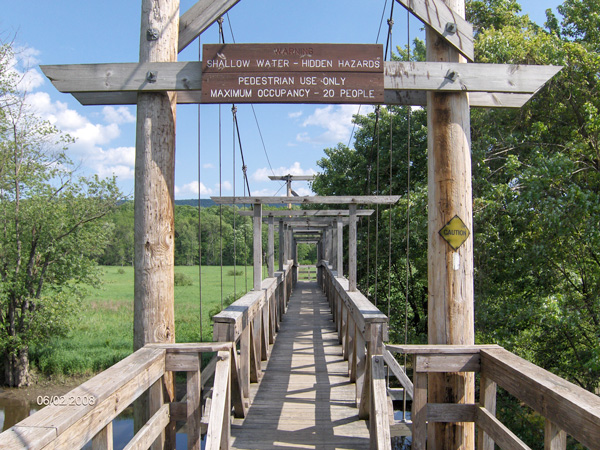
The Pochuck Boardwalk represents one of the most ambitious trail construction projects in Appalachian Trail history. This engineering marvel took 24 years of planning and seven years of construction, with over 350 volunteers contributing to its completion. What started as a vision to create a safe alternative to dangerous road walking has evolved into New Jersey's most beloved wetland hiking experience.
Located in Vernon Township, Sussex County, the boardwalk stretches approximately 1.5 miles through the Pochuck Valley wetlands, connecting Pochuck Mountain to Wawayanda Mountain along the famous white-blazed Appalachian Trail. The centerpiece of this remarkable section is the 110-foot Pochuck Suspension Bridge, which gracefully spans Pochuck Creek and serves as both a functional crossing and an iconic photography destination.
The wetlands themselves have been designated by the New Jersey Department of Environmental Protection as an "Exceptional Resource Value Wetland" due to their role as habitat for endangered and threatened species. During my visits, I've consistently observed over a dozen bird species, including Cooper's hawks, barred owls, and the occasional great blue heron. The biodiversity here is remarkable, with wood turtles frequently visible from the boardwalk and over 200 documented bird species calling this area home.
Trail Insider Tip:
The early morning hours between 7-9 AM offer the best wildlife viewing opportunities, with minimal crowds and optimal lighting for photography. I've had my most memorable encounters during these peaceful dawn visits.
My Personal Experience: Four Seasons on the Trail
Over the past three years, I've hiked the Pochuck Boardwalk more than twenty times across all four seasons, each visit revealing new aspects of this dynamic ecosystem. My first encounter was on a crisp October morning in 2021, when the surrounding maples displayed their spectacular fall colors reflected in the still waters below the suspension bridge.
Spring Awakening (March-May)
Spring transforms the Pochuck wetlands into a symphony of emerging life. During my April 2023 visit, I witnessed the remarkable spectacle of wood frogs beginning their mating season, their chorus echoing across the marsh. The boardwalk offers an elevated platform to observe seasonal wildflowers like skunk cabbage and marsh marigold emerging from the warming soil. However, spring also brings challenges - the infamous New Jersey mosquito population begins to establish itself, making insect repellent absolutely essential.
Summer Abundance (June-August)
Summer visits require serious preparation for bug encounters, but the rewards are substantial. The wetlands reach peak biodiversity during these months, with red-winged blackbirds nesting in the cattails and great blue herons frequently spotted along the creek. I learned to start my summer hikes before 7 AM to avoid both the intense heat and the most aggressive insect activity. The lush green canopy provides some shade, but the open boardwalk sections can become quite warm by mid-morning.
Autumn Glory (September-November)
Autumn remains my favorite season on the Pochuck Boardwalk. The surrounding hardwood forest creates a stunning backdrop of oranges, reds, and yellows that contrast beautifully with the dark waters below. During a particularly memorable November hike, I observed a red-tailed hawk hunting from the dead snags that dot the wetland, while photographer after photographer captured the perfect reflection shot from the suspension bridge.
Winter Serenity (December-February)
Winter visits offer a completely different perspective on the Pochuck ecosystem. The bare trees reveal hidden aspects of the wetland structure, and ice formations create fascinating patterns along the creek. However, winter hiking here requires extra caution - the boardwalk can become slippery, and proper footwear with good traction becomes critical. I've found that quality winter boots with aggressive tread patterns make all the difference in safely navigating potentially icy conditions.
Personal Lesson Learned:
Never underestimate the weather differences between your starting location and the Pochuck Valley. The wetlands create their own microclimate, often 5-10 degrees cooler and significantly more humid than surrounding areas. Always pack an extra layer, regardless of the season.
Planning Your Visit: Everything You Need to Know
Parking and Access Points
Parking for the Pochuck Boardwalk presents the biggest challenge for most visitors. The primary access point along Route 517 offers extremely limited roadside parking for approximately 10-12 vehicles. During peak weekend hours and fall foliage season, this parking fills by 8 AM. I've learned to avoid the frustration by utilizing the alternate Canal Road North parking area (GPS: 41.231694, -74.462111), which provides space for 8-10 additional vehicles and requires only a half-mile approach walk to reach the boardwalk.
Critical Parking Information:
Vernon Township has implemented strict parking restrictions on weekends and holidays (6 AM - 6 PM) on Carol Drive, Meadowlark Drive, Ann Place, Cove Court, Vlietstra Drive, Thistle Avenue, Ivy Place, and Old Glenwood Circle. Violations result in tickets, and local residents have understandably grown frustrated with inconsiderate parking practices. Always respect private property and posted signage.
Best Times to Visit
Based on my extensive experience, the optimal visiting windows are:
- Early Morning (6:30-8:30 AM): Best for wildlife viewing, photography, and avoiding crowds
- Weekday Afternoons: Significantly less crowded than weekends, though still busy during peak seasons
- Late Fall (November): Excellent weather, minimal insects, stunning foliage
- Early Spring (March-April): Emerging wildlife activity, moderate temperatures, manageable bug populations
Weather Considerations and Seasonal Challenges
The Pochuck Valley's wetland environment creates unique weather patterns that every visitor should understand. The high humidity levels can make summer temperatures feel significantly warmer, while the open boardwalk provides little wind protection during winter visits. Spring flooding occasionally affects accessibility, particularly after heavy rainfall or snowmelt periods.
During my March 2023 visit following an unusually wet winter, portions of the trail leading to the boardwalk were temporarily flooded, though the elevated boardwalk itself remained fully accessible. Rangers I've spoken with recommend checking current conditions with the AllTrails app or local hiking groups before planning your visit during periods of heavy precipitation.
Complete Trail Guide and What to Expect
The Complete Boardwalk Experience
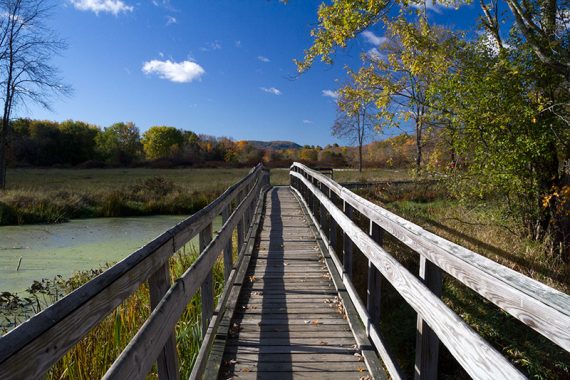
The Pochuck Boardwalk experience begins the moment you step off Route 517 onto the elevated wooden platform. The initial section passes through a mixed area of wetland grasses and scattered trees, providing immediate opportunities for wildlife observation. The boardwalk construction itself deserves appreciation - each plank was hand-carried to its location by volunteers, with nearly 900 metal piers individually sunk to support the structure.
Approximately 0.3 miles from the start, you'll encounter the first major wildlife viewing area where I consistently observe painted turtles basking on fallen logs and great blue herons fishing in the shallow waters. The boardwalk design includes several wider sections with benches, perfect for extended observation or photography setup.
The Iconic Suspension Bridge
The Pochuck Suspension Bridge represents the engineering centerpiece of the entire project. Spanning 110 feet across Pochuck Creek, this impressive structure provides spectacular views both upstream and downstream. The bridge construction required special helicopter transport for materials, as the remote location made traditional construction access impossible.
From the center of the suspension bridge, you can observe the creek's meandering path through the wetlands while enjoying panoramic views of the surrounding mountains. During my October visits, the bridge offers the perfect vantage point for capturing reflection photographs of fall foliage in the slow-moving waters below.
Beyond the Boardwalk: Connecting to Stairway to Heaven
Many hikers use the Pochuck Boardwalk as the starting point for the famous "Stairway to Heaven" hike to Pinwheel Vista. The transition from boardwalk to traditional forest trail occurs gradually, with the elevated wooden platform giving way to standard dirt paths through mixed hardwood forest. If you're planning to continue beyond the boardwalk, expect significant elevation gain and considerably more challenging terrain requiring proper hiking footwear.
Essential Gear and Equipment Recommendations
Footwear: The Foundation of Comfort
The Pochuck Boardwalk's wooden surface can become slippery when wet, making proper footwear selection critical for safety and comfort. Based on my extensive experience across all seasons, I recommend shoes or boots with aggressive tread patterns and non-slip soles. The relatively flat terrain doesn't require heavy mountaineering boots, but good ankle support becomes valuable if you plan to explore connecting trails.
Top Footwear Recommendations:
For Dry Conditions:
Columbia Men's Newton Ridge Plus II Waterproof Hiking BootExcellent traction and comfort for extended boardwalk walking with the versatility to handle connecting trails.
For Wet/Winter Conditions:
Timberland Men's White Ledge Mid Waterproof BootSuperior waterproofing and aggressive tread pattern for potentially icy or wet boardwalk conditions.
Insect Protection: Your Summer Survival Kit
New Jersey's wetland mosquitoes and biting flies represent the single greatest challenge for summer visitors to Pochuck Boardwalk. During my June visits, I've experienced some of the most aggressive insect activity I've encountered anywhere in the Northeast. Proper insect protection transforms a potentially miserable experience into an enjoyable one.
Essential Insect Defense:
OFF! Clean Feel Insect Repellent with 20% PicaridinMy go-to repellent for wetland environments - provides 8+ hour protection without the greasy feel of DEET-based products.
Pro Application Tips:
- Apply repellent before leaving your vehicle - insects are present even in the parking area
- Reapply every 2-3 hours during peak summer months
- Focus on exposed skin, particularly around ankles and wrists where clothing gaps occur
Backpack and Hydration Essentials
While the Pochuck Boardwalk doesn't require extensive gear, carrying adequate water and basic supplies enhances comfort and safety. The exposed sections of boardwalk offer little shade during summer months, making hydration particularly important. I've learned that a comfortable daypack allows you to carry extra layers, snacks, and photography equipment without fatigue.
Perfect size for day hiking with weather protection - the included rain cover has saved my gear during unexpected afternoon thunderstorms.
Photography Equipment Considerations
The Pochuck Boardwalk offers exceptional photography opportunities, but the wetland environment presents unique challenges. High humidity can fog camera lenses, while the elevated boardwalk creates vibration that affects sharp focusing. I've found that a lightweight tripod significantly improves wildlife and landscape photography results, particularly during the optimal golden hour lighting periods. For those serious about capturing the area's remarkable biodiversity, consider bringing a longer telephoto lens to photograph birds and other wildlife from the respectful distances the boardwalk naturally provides.
Wildlife Viewing and Photography Opportunities

Bird Watching Paradise
The Pochuck wetlands host over 200 documented bird species throughout the year, making this one of New Jersey's premier birding destinations. My most consistent sightings include red-winged blackbirds, great blue herons, Cooper's hawks, and various warbler species during migration periods. The boardwalk's elevation provides excellent sight lines across the marsh canopy while minimizing disturbance to nesting birds.
During my early morning visits, I've regularly observed great blue herons fishing in the shallow areas near the suspension bridge. These magnificent birds demonstrate remarkable patience, often standing motionless for 10-15 minutes before striking with lightning precision. The key to successful heron photography is positioning yourself quietly and allowing them to become comfortable with your presence.
Reptile and Amphibian Encounters
The Pochuck wetlands provide critical habitat for several turtle species, with painted turtles and snapping turtles commonly visible from the boardwalk. Wood turtles, a species of special concern in New Jersey, also inhabit the area, though sightings require patience and careful observation. During spring visits, I've witnessed impressive displays of wood frog mating activity, their distinctive duck-like calls filling the marsh.
Snake encounters, while less common, do occur along the boardwalk. Northern water snakes and garter snakes represent the most frequently observed species, both completely harmless and beneficial for controlling rodent populations. Remember that all wildlife observation should occur from the boardwalk itself - never leave the designated trail structure to pursue photography opportunities.
Seasonal Wildlife Highlights
Spring Migration (April-May)
- Warbler species passing through during migration
- Wood frog mating choruses
- Early wildflower blooms attracting pollinators
- Increased raptor activity as prey becomes more active
Summer Abundance (June-August)
- Red-winged blackbird nesting activity
- Great blue heron fishing behavior
- Turtle basking on fallen logs
- Dragonfly and damselfly diversity peaks
Photography Ethics Reminder:
The Pochuck Boardwalk's design inherently promotes responsible wildlife observation by keeping visitors elevated above sensitive habitats. Always maintain this respectful distance, avoid using flash photography, and never attempt to attract or disturb wildlife for better shots. The best wildlife photography comes from patience and understanding natural behavior patterns.
User Reviews and Experiences
Sarah_Hiker92 (AllTrails Review)
"The boardwalk portion is absolutely beautiful and perfect for families. We saw several turtles and a great blue heron during our visit. The suspension bridge is definitely the highlight - such amazing engineering in the middle of a swamp! Just be prepared for bugs if you visit in summer."
★★★★★ 5/5 stars
OutdoorPhotog (Reddit r/hiking)
"As a wildlife photographer, this boardwalk is incredible for bird watching. Early morning visits are essential - I've gotten amazing shots of herons, hawks, and various songbirds. The elevated position gives you perfect sight lines without disturbing the wildlife."
Highly recommended for photography
FamilyAdventures (TripAdvisor)
"Perfect for introducing kids to hiking. The flat boardwalk kept our 6-year-old engaged, and she loved spotting turtles from the bridge. Parking can be challenging on weekends, but the early morning visit was worth it. Educational and beautiful!"
★★★★☆ 4/5 stars
Frequently Asked Questions
How long is the Pochuck Boardwalk hike?
The Pochuck Boardwalk itself stretches approximately 1.5 miles of elevated wooden walkway through the wetlands, making for a 3-mile round-trip hike from the Route 517 parking area. This relatively short distance makes it accessible for hikers of all experience levels, including families with children and those seeking a gentler introduction to the Appalachian Trail. Most visitors complete the boardwalk section in 1.5-2 hours, allowing ample time for wildlife observation, photography, and enjoying the suspension bridge. If you choose to continue beyond the boardwalk toward the "Stairway to Heaven," the total distance increases significantly to approximately 7+ miles round-trip with substantial elevation gain.
Is the Pochuck Boardwalk wheelchair accessible?
The Pochuck Boardwalk itself is largely wheelchair accessible due to its flat, stable wooden construction and wide pathway design. However, access to the boardwalk presents challenges for wheelchair users. The primary Route 517 access point requires navigating from roadside parking across uneven ground to reach the boardwalk entrance. The suspension bridge section includes slight elevation changes that some wheelchair users may find challenging. Additionally, seasonal conditions such as wet or icy surfaces can create safety concerns. For visitors using mobility equipment, I recommend visiting during dry conditions and having assistance available for the initial access from parking areas. The boardwalk's stable surface and level construction make it one of the most accessible wetland viewing experiences in the region once you reach the wooden structure itself.
When is the best time to visit Pochuck Boardwalk?
Based on extensive personal experience across all seasons, the optimal visiting times are early morning hours (6:30-8:30 AM) during late spring (April-May) or fall (September-November) months. These timeframes offer the perfect combination of comfortable temperatures, manageable insect populations, and peak wildlife activity. Fall visits provide spectacular foliage reflections in the wetland waters, while spring brings emerging wildflowers and active bird migration. Summer visits can be rewarding for dedicated wildlife enthusiasts but require serious insect protection and very early start times to avoid both bugs and heat. Winter visits offer unique photographic opportunities and solitude but demand extra caution due to potentially icy boardwalk conditions. Weekday visits significantly reduce crowding compared to weekends, when parking becomes extremely challenging and the boardwalk can feel crowded with families and photography groups.
Where should I park for the Pochuck Boardwalk?
Parking represents the most significant challenge for Pochuck Boardwalk visitors. The primary access along Route 517 provides extremely limited roadside parking for only 10-12 vehicles, which fills completely by 8 AM during peak seasons and weekends. I strongly recommend using the alternate Canal Road North parking area (GPS: 41.231694, -74.462111), which offers additional spaces and requires only a half-mile approach walk through pleasant forest to reach the boardwalk. This alternate parking reduces frustration and provides a more peaceful start to your hike. Be aware that Vernon Township enforces strict weekend parking restrictions (6 AM-6 PM) on numerous residential streets near the trail, with violations resulting in tickets. Always respect private property boundaries and posted signage. During peak foliage season and summer weekends, consider arriving before 7 AM or visiting on weekdays to ensure parking availability.
Are dogs allowed on the Pochuck Boardwalk?
Dogs are welcome on the Pochuck Boardwalk as it follows the Appalachian Trail, but they must remain on leash at all times in accordance with National Park Service regulations and local ordinances. The boardwalk's wooden surface can become slippery when wet, so dogs with good traction and leash training perform best on this trail. Be prepared to clean up after your pet and pack out all waste, as the sensitive wetland environment requires strict Leave No Trace principles. During summer months, consider dog booties to protect paws from hot wooden surfaces, and always carry extra water for your canine companion. The elevated boardwalk keeps dogs safely away from potentially dangerous wildlife encounters while still allowing them to experience the unique sights and smells of the wetland ecosystem. Many dog owners find this trail particularly enjoyable because the level surface prevents strain on older or less athletic dogs while still providing rich sensory experiences.
Conclusion
The Pochuck Boardwalk stands as a testament to what dedicated volunteers and thoughtful planning can accomplish in creating accessible outdoor experiences. This remarkable section of the Appalachian Trail offers visitors a unique opportunity to experience New Jersey's wetland ecosystems from an elevated perspective that protects both hikers and sensitive habitats.
My years of experience on this trail have taught me that successful Pochuck visits require planning, proper preparation, and realistic expectations. The parking challenges and seasonal insect populations represent real obstacles, but they pale in comparison to the rewards of witnessing great blue herons fishing at dawn, observing painted turtles basking in afternoon sunlight, or crossing the iconic suspension bridge during peak fall foliage.
Whether you're seeking a gentle introduction to the Appalachian Trail, planning family-friendly outdoor adventures, or pursuing wildlife photography opportunities, the Pochuck Boardwalk delivers experiences that create lasting memories. The engineering marvel of the boardwalk itself, combined with the pristine wetland environment it traverses, offers something unique in New Jersey's outdoor recreation landscape.
Final Recommendations
- Visit during early morning hours for optimal wildlife viewing and parking availability
- Pack serious insect protection during summer months
- Respect local parking restrictions and private property
- Bring proper footwear for potentially slippery boardwalk conditions
- Consider combining your visit with nearby attractions or extending to the Stairway to Heaven
- Practice Leave No Trace principles to preserve this remarkable ecosystem
The Pochuck Boardwalk represents more than just a hiking destination - it's a conservation success story that demonstrates how thoughtful outdoor recreation development can enhance both accessibility and environmental protection. Every visitor who experiences this remarkable place becomes part of its ongoing story and, hopefully, an advocate for preserving such special spaces for future generations.
For those planning to explore more of New Jersey's incredible outdoor offerings, consider checking out our comprehensive guides to challenging mountain ascents and other accessible nature experiences throughout the region. The Garden State offers far more outdoor adventure than most people realize, and the Pochuck Boardwalk serves as an perfect introduction to its hidden natural treasures.
Ready to Explore?
Start planning your Pochuck Boardwalk adventure today and discover why this unique wetland walk has become one of New Jersey's most beloved hiking destinations.
Shop Essential Hiking Gear