Roper Boots: The Complete Guide to America's Most Versatile Western Footwear
Your comprehensive guide to choosing, wearing, and caring for roper boots
After spending over 15 years working on ranches across Texas and Colorado, I've worn countless pairs of boots. Through trial and error, long workdays, and honest conversations with fellow ranchers, I've discovered that roper boots represent the perfect balance of western heritage and modern practicality. Whether you're new to western wear or looking to upgrade your current pair, this comprehensive guide will help you make the best choice. Visit our homepage for more outdoor gear recommendations.
The History and Evolution of Roper Boots

The story of roper boots begins in the 1940s, born from necessity and innovation in the American rodeo scene. Unlike the romantic origins of traditional cowboy boots, roper boots emerged from a very practical problem: rodeo contestants needed footwear that could handle both horseback riding and the sudden transition to ground-based action.
The Rodeo Revolution
When the Rodeo Cowboy Association established new rules requiring proper footwear for contestants, calf ropers faced a unique challenge. Traditional cowboy boots, with their high heels and tall shafts, were perfect for riding but cumbersome when contestants had to quickly dismount and chase down calves on foot. This sparked innovation that would change western footwear forever.
John Justin Jr. of Justin Boots recognized this need and revolutionized the industry. Using a flat-heeled shoe mold originally designed for Army and ROTC cadet officers, he created the first roper boots. The design featured a flat unit heel, round toe, and eleven-inch shaft – a perfect compromise between western tradition and rodeo practicality.
Modern Evolution
Today's roper boots have evolved far beyond their rodeo origins. Modern manufacturing techniques have improved comfort, durability, and style options while maintaining the core design principles that made them popular. Contemporary ropers often feature advanced cushioning systems, moisture-wicking materials, and even safety toe options for industrial applications.
During my years working cattle in South Texas, I've witnessed firsthand how roper boots have adapted to meet the demands of modern ranch work. The combination of traditional craftsmanship with modern materials creates boots that can handle everything from horseback work to operating heavy machinery, all while maintaining the classic western aesthetic that defines American ranch culture.
Key Features That Make Roper Boots Special

Understanding what makes roper boots unique requires examining their distinctive design elements. Each feature serves a specific purpose, developed through decades of real-world testing by working cowboys and rodeo professionals.
Shorter Shaft Design
The most noticeable feature of roper boots is their shorter shaft, typically measuring 7-10 inches compared to traditional cowboy boots' 12+ inches. This design choice dramatically improves ankle flexibility and makes walking more comfortable. During long days working cattle, this seemingly small difference becomes crucial for preventing fatigue and maintaining mobility.
From my experience herding cattle across rocky Colorado terrain, the shorter shaft allows for natural ankle movement that's essential when navigating uneven ground. The reduced weight also means less strain on your legs during extended wear periods.
Lower Heel Configuration
Traditional cowboy boots feature heels ranging from 1.5 to 2+ inches, designed primarily to secure feet in stirrups. Roper boots typically have heels around 1 inch high, providing the perfect balance between riding functionality and walking comfort. This lower profile reduces pressure on the ball of your foot and minimizes the forward lean that can cause back pain during extended wear.
Rounded and Square Toe Options
Unlike the pointed toes common in traditional cowboy boots, roper boots typically feature rounded or square toe shapes. These designs provide more room for your toes, reducing pressure points and improving circulation during long wear periods. The wider toe box also makes them easier to slip into stirrups quickly – a crucial advantage during fast-paced rodeo events.
Pull-On Construction
Most roper boots feature pull-on construction with sturdy pull straps or tabs. This design eliminates the need for laces or buckles that could catch on equipment or break under stress. The pull-on design also creates a cleaner silhouette and faster on-and-off capability – essential features for working environments.
Pro Tip from the Ranch
After trying dozens of different boot styles over the years, I've found that the combination of these features makes roper boots incredibly versatile. They're equally at home in the saddle, walking through muddy corrals, or even dressed up for a night out. This versatility is why I recommend them as the first western boot for anyone entering the lifestyle.
Top Pick: Ariat Heritage Roper
Based on my extensive testing and the feedback from fellow ranchers, the Ariat Heritage Roper consistently delivers exceptional comfort and durability. These boots feature premium full-grain leather, advanced comfort technology, and time-tested construction methods.
Check Latest Price on AmazonRoper Boots vs Traditional Cowboy Boots
The debate between roper boots and traditional cowboy boots often comes down to intended use and personal preference. Having worn both styles extensively throughout my ranch career, I can provide practical insights into when each style excels.
| Feature | Roper Boots | Traditional Cowboy Boots |
|---|---|---|
| Shaft Height | 7-10 inches | 12+ inches |
| Heel Height | ~1 inch | 1.5-2+ inches |
| Toe Shape | Round or Square | Pointed or Narrow |
| Primary Use | Versatile work/casual | Riding focused |
| Walking Comfort | Excellent | Good |
When to Choose Roper Boots
Roper boots excel in situations requiring versatility and extended walking. During my time managing a 5,000-acre ranch in Colorado, I found ropers indispensable for daily operations that involved both horseback and ground work. They're ideal for:
- Ranch work involving frequent mounting and dismounting
- Jobs requiring extended periods of walking or standing
- Casual wear and social situations
- First-time western boot buyers
- Work environments where safety toes are required
When Traditional Cowboy Boots Shine
Traditional cowboy boots remain superior for specific riding applications and formal western wear. The higher heel provides better stirrup grip for serious riding, and the taller shaft offers protection from brush and thorns. Consider traditional boots for:
- Extensive horseback riding sessions
- Formal western events and competitions
- Working in heavy brush or thorny environments
- Traditional western fashion statements
For newcomers to western wear, I always recommend starting with roper boots. They provide an easier transition from regular shoes while still delivering the authentic western experience. Many people who initially purchase traditional cowboy boots end up switching to ropers once they experience the practical benefits.
If you're exploring other boot options, you might also be interested in learning about premium Tecovas boots or versatile Thursday boots, which offer their own unique approaches to western and work footwear.
Complete Buying Guide and Size Selection
Selecting the right pair of roper boots requires understanding fit, construction quality, and intended use. After helping dozens of ranch hands find their perfect boots over the years, I've developed a systematic approach to boot selection that ensures satisfaction and longevity.
Understanding Proper Fit
Unlike athletic shoes, roper boots should fit differently. The proper fit involves a snug heel and instep with slight heel slip when new. Your toes should have room to wiggle without the boot feeling loose. I always tell people that if ropers feel perfectly comfortable immediately, they're probably too large and will become sloppy once the leather breaks in.
During the break-in period, which typically lasts 20-40 hours of wear, the leather will stretch and conform to your foot shape. Quality boots will develop a custom fit that becomes increasingly comfortable over time. This is why investing in well-made boots pays dividends in long-term comfort and durability.
Construction Quality Indicators
When evaluating roper boots, several construction details indicate quality and longevity. Look for full-grain leather uppers, which age beautifully and resist cracking. Goodyear welt construction, while more expensive, allows for resoling and provides superior durability compared to cement construction.
Quality Checklist
- Full-grain leather upper
- Goodyear welt construction
- Quality stitching with even, tight seams
- Comfortable, supportive insole
- Durable outsole appropriate for intended use
- Reinforced stress points (heel counter, toe box)
Material Considerations
The leather quality significantly impacts both appearance and performance. Full-grain leather develops a beautiful patina with age and withstands the rigors of ranch work. Top-grain leather offers good durability at a lower cost, while corrected-grain leather, though affordable, lacks the longevity of higher grades.
For sole materials, leather soles provide traditional feel and can be resoled, making them ideal for occasional wear. Rubber soles offer superior traction and durability for work applications. Some modern roper boots feature hybrid constructions combining leather aesthetics with rubber performance zones.
Premium Choice: Justin Temple Roper
For those seeking traditional craftsmanship with modern comfort, the Justin Temple Roper represents excellent value. These boots feature the original roper design from the company that invented the style, with updated comfort features for today's demands.
View on AmazonSize Selection Strategy
Boot sizing differs from athletic shoe sizing, and many people wear the wrong size initially. I recommend getting professionally measured at a western wear store if possible. Generally, you'll wear a half to full size smaller in boots than in athletic shoes, and width becomes more critical for proper fit.
When trying on roper boots, wear the socks you'll typically use with them. The best time for fitting is late afternoon when your feet have expanded slightly from daily activity. Walk around the store and pay attention to pressure points that might indicate improper fit.
Remember that quality leather will stretch, but only in width, not length. If boots are too short, they'll never fit properly regardless of break-in time. Conversely, boots that are too long will cause blisters and never feel secure during wear.
My Personal Experience with Roper Boots
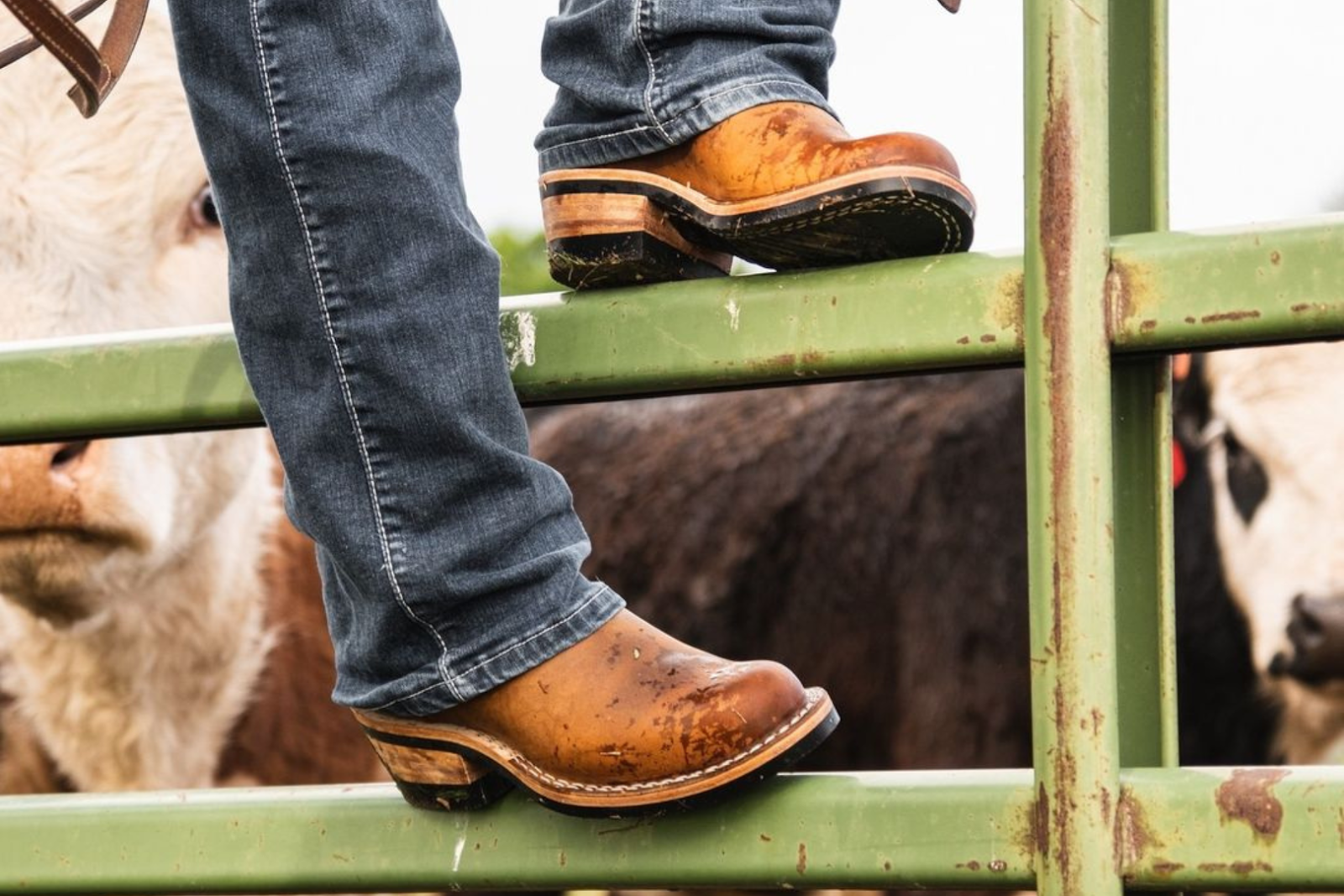
Over fifteen years of ranch work across Texas, Colorado, and Montana has taught me that the right boots can make or break your day. My journey with roper boots began out of necessity and evolved into a deep appreciation for their practical design and versatility.
My First Pair and Early Lessons
I started my ranch career wearing traditional cowboy boots, thinking they were the only "authentic" choice for working cattle. After spending 12-hour days on foot repairing fences and working in corrals, the high heels became a source of constant discomfort. An experienced ranch hand named Miguel suggested I try roper boots, explaining that "smart cowboys work comfortable, not just traditional."
My first pair of ropers was a revelation. The lower heel eliminated the back pain I'd grown accustomed to, and the shorter shaft allowed natural ankle movement when climbing over gates and navigating rocky terrain. Within a week, I understood why seasoned hands preferred them for ground work.
Seasonal Performance Testing
Living and working in different climates has shown me how roper boots perform across seasons. During Colorado winters, the lower profile meant less snow accumulation around the boot tops, and quality leather models maintained flexibility even in sub-zero temperatures. Summer work in South Texas heat proved that well-ventilated ropers stayed more comfortable than tall boots that trapped heat around the calves.
One particularly challenging test came during a spring roundup in Montana. We spent three days moving 800 head of cattle across varied terrain, involving hours in the saddle followed by ground work sorting and processing animals. My roper boots handled every challenge: secure grip in stirrups, comfortable walking through corrals, and stability while wrestling calves for medical treatment.
User Feedback from Fellow Ranchers
Based on conversations with dozens of ranchers and cowboys over the years, I've gathered valuable feedback about roper boots performance:
What Users Love
- Sarah, Montana Ranch Manager: "After switching to ropers, I can work 14-hour days without foot pain. The comfort difference is incredible."
- Jake, Texas Rodeo Competitor: "Ropers give me the confidence to dismount quickly and run after calves. They're game-changers for competitive roping."
- Maria, Colorado Horse Trainer: "I love that I can wear the same boots for barn work and going to town. That versatility saves money and closet space."
Common Concerns and Solutions
Some people worry that roper boots aren't "western enough" or that they sacrifice tradition for comfort. In my experience, this concern quickly disappears once people realize that ropers are deeply rooted in western heritage and were created to solve real problems faced by working cowboys.
Another common concern involves protection – some feel that the shorter shaft offers less coverage than traditional boots. While this is technically true, I've found that for most ranch work, the ankle flexibility and comfort benefits outweigh the minimal protection loss. For specific tasks involving heavy brush or snake-prone areas, I do switch to taller boots, but these situations are relatively rare in most ranch operations.
For those interested in other comfortable work boot options, you might also consider durable Brunt boots, which offer a more industrial approach to work footwear while maintaining comfort focus.
Work Boot Special: Double-H Roper
For demanding work environments, I recommend the Double-H Roper series. These boots combine traditional western styling with modern safety features, including composite toe options and slip-resistant soles. Perfect for industrial ranch operations.
Check AvailabilityExpert Review: Ariat Roper Boots
Professional review of Ariat Heritage Roper boots, covering construction quality, comfort, and value comparison.
Styling and Care Tips for Maximum Longevity
Proper styling and maintenance of roper boots extends their lifespan while ensuring they always look their best. Whether you're heading to the ranch or a social gathering, knowing how to care for and style your boots maximizes your investment.
Styling for Different Occasions
Roper boots excel at versatility, transitioning seamlessly from work to social settings. For ranch work, pair them with durable jeans, a work shirt, and a practical belt. The boots' practical design complements functional clothing while maintaining western authenticity.
For social occasions, roper boots work beautifully with dress jeans, button-down shirts, and western blazers. Their lower profile makes them less formal than traditional cowboy boots, perfect for situations where you want western style without appearing overdressed. I often pair my best ropers with chinos and polo shirts for a smart-casual look that works in both rural and urban settings.
Women can style roper boots with everything from jeans and flannel shirts to dresses and skirts. The shorter shaft pairs particularly well with skinny jeans or leggings tucked in, creating a streamlined silhouette that's both comfortable and stylish.
Essential Care and Maintenance
Proper care begins with daily maintenance. After each wear, remove dirt and debris with a soft brush or damp cloth. Allow boots to air dry completely before storing, and use cedar shoe trees to maintain shape and absorb moisture. This simple routine prevents most common problems and extends boot life significantly.
Weekly conditioning keeps leather supple and prevents cracking. Use quality leather conditioner appropriate for your boot's finish – avoid products that darken lighter leathers unless desired. Apply conditioner sparingly and work it in with a soft cloth, paying special attention to flex points where cracking commonly occurs.
Seasonal Storage and Protection
During off-seasons or extended storage periods, clean boots thoroughly and apply conditioner. Store in a cool, dry place with good air circulation, using cedar shoe trees to maintain shape. Avoid plastic bags, which trap moisture and can cause mold or mildew problems.
For waterproofing, apply appropriate products before the first wear and reapply as needed based on conditions. Remember that waterproofing treatments can darken leather, so test on an inconspicuous area first. Quality waterproofing extends boot life in wet conditions while maintaining breathability.
Professional Care Tips
Based on my experience maintaining boots through harsh ranch conditions:
- Rotate between multiple pairs to allow proper drying
- Address scuffs immediately to prevent permanent damage
- Professional resoling extends life by years
- Quality care products pay for themselves in extended boot life
Breaking In New Boots
The break-in process for quality roper boots requires patience but yields superior comfort. Start with short wearing sessions around the house, gradually increasing duration as the leather softens. Thick socks help prevent blisters during initial wear, while leather stretching spray can accelerate the process if needed.
Never attempt to speed break-in by soaking boots in water or using excessive heat, which can damage leather and construction. The gradual break-in process allows leather to conform naturally to your foot shape, creating a custom fit that improves with age.
If you're exploring other stylish boot options, you might be interested in classic Clark shoes or premium Allen Edmonds footwear for dressier occasions.
Luxury Option: Lucchese Roper
For special occasions and those who appreciate the finest craftsmanship, Lucchese ropers represent the pinnacle of western bootmaking. Handcrafted using traditional techniques with premium exotic leathers, these boots are investments that last generations.
Browse Lucchese OptionsWomen's Choice: Roper Ladies Boot
Women deserve the same comfort and quality in their roper boots. This women's collection offers excellent craftsmanship with feminine styling touches while maintaining the practical benefits that make ropers popular with working ranch women.
Shop Women's RopersFrequently Asked Questions
What makes a boot a roper boot?
Roper boots are distinguished by their shorter shaft (typically 7-10 inches), lower heel (usually 1 inch or less), rounded or square toe shape, and pull-on design. They were originally designed for rodeo calf ropers who needed to quickly dismount and run after calves, making them more practical for walking than traditional cowboy boots. The combination of these features creates a boot that balances western heritage with modern comfort needs, making them ideal for both riding and ground-based activities.
Are roper boots comfortable for all-day wear?
Yes, roper boots are generally more comfortable for extended wear than traditional cowboy boots. Their lower heel reduces foot fatigue and back strain, the shorter shaft provides better ankle flexibility, and the rounded toe gives more room for your feet. Many modern ropers feature cushioned insoles, supportive midsoles, and moisture-wicking materials for added comfort during long workdays. From my experience working 12-14 hour days on ranches, quality ropers become more comfortable as they break in, eventually feeling like custom-fitted footwear.
Can you wear roper boots for riding horses?
Absolutely! Roper boots were specifically designed for horseback riding, particularly for rodeo events where riders needed to quickly transition from mounted to ground work. Their lower heel still provides adequate grip in stirrups while making it easier to walk and run when dismounted. The rounded toe shape also makes them easy to slip in and out of stirrups quickly, which was essential for competitive calf roping. I've used ropers for everything from casual trail riding to intensive cattle work, and they perform excellently in the saddle.
How do roper boots differ from cowboy boots?
The main differences lie in proportions and design philosophy. Roper boots have shorter shafts (7-10 inches vs 12+ inches), lower heels (~1 inch vs 1.5-2+ inches), and typically feature round or square toes versus the pointed toes common in cowboy boots. While traditional cowboy boots were designed primarily for riding and ranch work, ropers prioritize versatility and comfort for both riding and walking. This makes ropers more practical for modern ranch work that involves frequent transitions between mounted and ground activities.
What should I look for when buying roper boots?
Key factors include leather quality (full-grain leather is best for durability and aging), construction method (Goodyear welt construction allows for resoling and provides superior longevity), proper fit (snug but not tight, with room for toes to move), and sole type based on intended use (rubber for traction and work, leather for traditional feel). Consider features like cushioned insoles, moisture-wicking linings, and reinforced stress points if you'll be doing demanding work. Also evaluate the heel counter and toe box construction, as these areas receive the most stress during wear.
Are roper boots good for work?
Roper boots excel as work boots, especially for ranch work, farming, and jobs requiring lots of walking and occasional riding. Their comfortable design, durable construction, and practical features make them ideal for long workdays in demanding environments. Many manufacturers offer safety toe options, slip-resistant soles, and moisture management systems specifically for work applications. I've worn ropers through everything from muddy corrals to equipment operations, and they consistently outperform other boot styles for versatility and all-day comfort in working environments.
Conclusion
After fifteen years of ranch work and countless pairs of boots, I can confidently say that roper boots represent the perfect evolution of western footwear for modern needs. They maintain the essential character and functionality of traditional western boots while addressing the practical demands of contemporary ranch work and casual wear.
The genius of the roper design lies in its balance. By shortening the shaft and lowering the heel, designers created a boot that sacrifices nothing essential while gaining tremendous versatility and comfort. Whether you're working cattle, exploring trails, or simply wanting to add western flair to your wardrobe, roper boots deliver performance and style in equal measure.
For newcomers to western wear, ropers provide an accessible entry point that doesn't compromise on authenticity. For experienced hands looking to upgrade their footwear, they offer comfort improvements that make long workdays more manageable. The wide range of quality levels and price points ensures that everyone can find ropers that fit their needs and budget.
Investment in quality roper boots pays dividends through years of comfortable, reliable service. Proper care and maintenance can extend their lifespan to decades, making them one of the most cost-effective additions to any wardrobe. The ability to resole quality boots means they can literally last a lifetime with proper attention.
As western wear continues to influence mainstream fashion and more people discover the practical benefits of ranch-inspired clothing, roper boots are perfectly positioned to meet these evolving needs. They bridge the gap between tradition and innovation, proving that the best designs solve real problems while honoring their heritage.
Final Recommendation
If you're considering your first pair of western boots or looking to upgrade from traditional styles, roper boots offer the ideal combination of comfort, versatility, and authentic western character. Start with a quality mid-range pair to experience the benefits, then invest in premium boots once you understand your preferences and intended use patterns. Your feet – and your back – will thank you for making the switch.
For those ready to explore the broader world of outdoor and western footwear, consider browsing our guides on trail hiking essentials or famous footwear brands to complement your roper boots with additional outdoor gear.
Step into comfort. Step into tradition. Step into roper boots.