Royal Arch Trail: The Complete Guide to Boulder's Most Iconic Hike (2025)
After countless hikes throughout Colorado, the Royal Arch Trail remains one of my absolute favorites. This challenging 3.3-mile journey through Boulder's stunning Chautauqua Park leads to a magnificent natural arch with breathtaking views of the Front Range. Whether you're a seasoned hiker or looking for your next adventure, this comprehensive guide shares everything I've learned from multiple ascents to help you conquer this iconic Colorado trail. Explore more national park adventures here.
Trail Overview and My First Experience
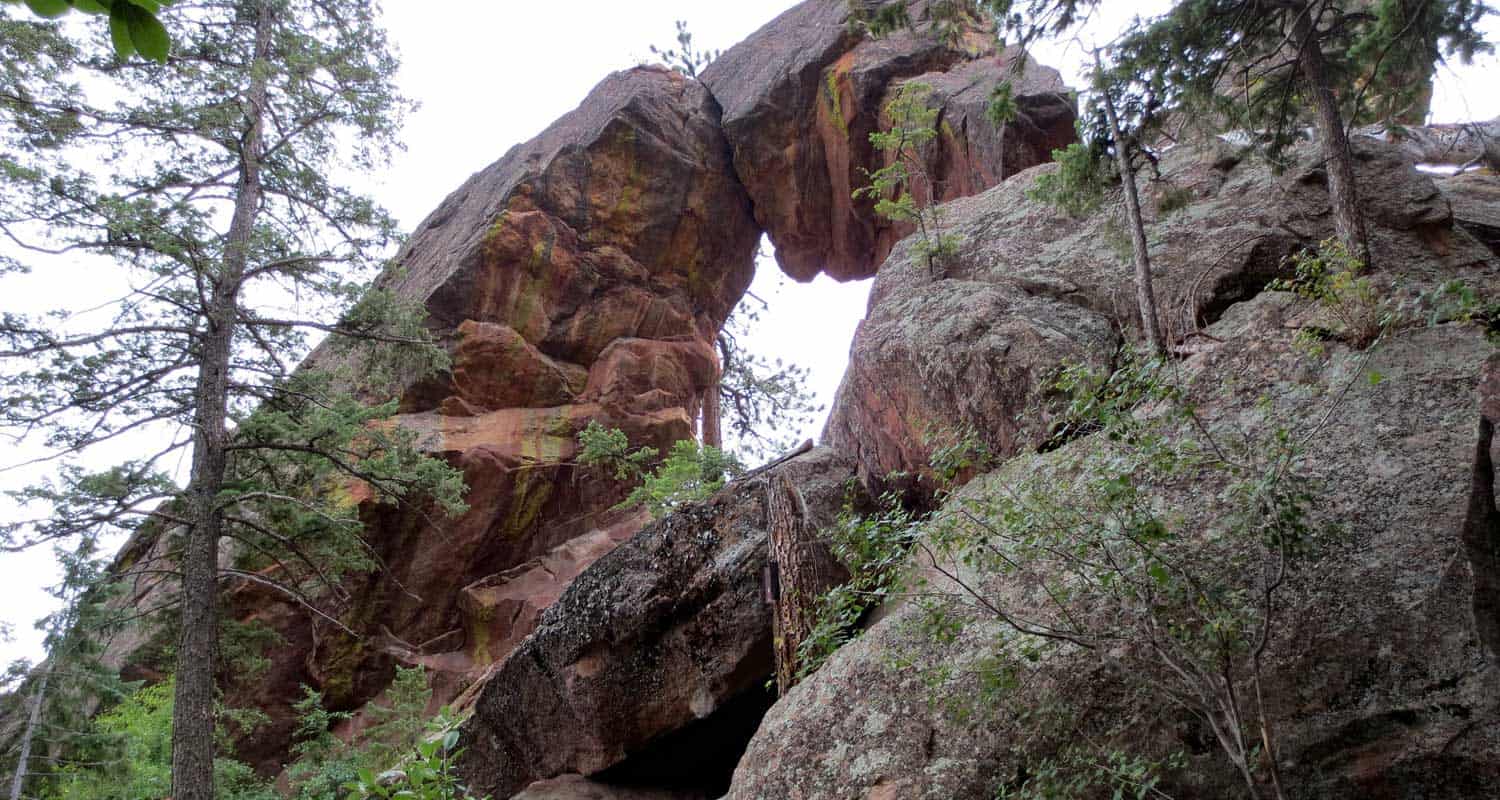
I'll never forget my first encounter with the Royal Arch Trail. Standing at the Chautauqua Park trailhead on a crisp October morning, I had no idea I was about to embark on what would become my benchmark for Colorado hiking excellence. The Royal Arch Trail is more than just a hike – it's a pilgrimage to one of Colorado's most stunning natural formations, a 3.3-mile round-trip journey that tests your endurance and rewards you with panoramic views that will leave you breathless.
Located in Boulder's Open Space and Mountain Parks system, this challenging trail gains approximately 1,400 feet of elevation as it winds through diverse ecosystems, from open meadows to dense pine forests, ultimately reaching the iconic natural arch at 6,964 feet above sea level. What makes this trail truly special isn't just the destination – it's the incredible journey through Bluebell Canyon and up the rocky terrain that has been challenging hikers for over a century.
Trail Statistics That Matter
During my multiple ascents of the Royal Arch Trail, I've tracked detailed statistics that paint a clear picture of what you're getting into. The trail officially measures 3.3 miles round-trip, but don't let that modest distance fool you – this is one of the most challenging short hikes in the Boulder area. The constant elevation gain, combined with technical rock sections and numerous stone staircases, creates a workout that rivals much longer trails.
The trail has earned its reputation as a "bucket list" hike for Colorado enthusiasts, and after experiencing it firsthand, I understand why. The combination of accessibility (just minutes from downtown Boulder), dramatic scenery, and the iconic arch formation creates an unforgettable experience that keeps drawing me back. Whether you're visiting Colorado or are a longtime resident, the Royal Arch Trail offers a perfect introduction to Front Range hiking challenges.
Getting There: Parking and Access
Accessing the Royal Arch Trail requires some planning, especially during peak season. The primary trailhead is located at Chautauqua Park, one of Boulder's most beloved outdoor spaces. From my experience, timing your arrival is crucial for securing parking and enjoying the trail with fewer crowds.
The main parking area at Chautauqua Park is spacious but fills quickly, especially on weekends and during summer months. Boulder Open Space charges seasonal parking fees from Memorial Day through Labor Day – expect to pay $5-8 per day using the ParkMobile app or cash at the pay stations. I've found that arriving before 8 AM on weekends virtually guarantees parking, while weekday visits offer much more flexibility.
Alternative Parking Strategies
Over the years, I've discovered several parking alternatives that can save money and frustration. The residential neighborhoods north of Baseline Road offer free parking, but you'll need to walk an additional 10-15 minutes to reach the trailhead. Pay close attention to posted signs – some areas have time restrictions or permit requirements.
My favorite alternative is the small dirt parking area on 12th Street, accessible by turning left from Baseline Road. This lot is free year-round and only adds about 5 minutes to your walk. The HOP bus system also services the area, with stops at 9th and College Avenue, making it an eco-friendly option for Boulder residents.
Pro Tip: Download the ParkMobile app before your visit. Cell service can be spotty in some parking areas, and having the app ready saves time and stress when you're excited to start hiking.
Detailed Trail Description and Route

The Royal Arch Trail journey begins at the ranger station on the west side of Chautauqua Park. Unlike many Colorado trails that start with gentle warm-up sections, this trail immediately presents you with choices that can significantly impact your experience. The most popular route follows the Bluebell Trail initially, offering spectacular views of the Flatirons as you traverse open meadows.
After following the Bluebell Trail for approximately 0.7 miles, you'll reach the Bluebell Shelter, a historic stone structure that serves as a crucial junction point. Here, the trail character changes dramatically as you transition from open meadows to the dense forest environment of Bluebell Canyon. This is where the Royal Arch Trail truly begins to show its challenging nature.
The Challenging Ascent Through Bluebell Canyon
Entering Bluebell Canyon marks the beginning of the trail's most demanding section. The well-maintained path becomes increasingly steep as it winds through towering ponderosa pines and Douglas firs. During my spring visits, this section comes alive with wildflowers, including the bluebells that give the canyon its name. However, don't let the beauty distract you from the technical challenges ahead.
The trail features hundreds of stone steps carefully constructed to manage erosion and provide stable footing. These aren't gentle garden steps – they're substantial stone blocks that require deliberate foot placement and can be particularly challenging on the descent. I've learned to take my time on this section, using trekking poles and focusing on proper foot placement rather than speed.
Sentinel Pass and the Final Push
Approximately 1.5 miles into the hike, you'll reach Sentinel Pass, a small saddle that provides your first glimpse of the arch ahead. This brief flat section offers a welcome respite before the final 0.5-mile push to the Royal Arch Trail's ultimate destination. The views from Sentinel Pass are spectacular, providing an excellent photography opportunity and a chance to rest before the final ascent.
The final section to the arch involves some light scrambling over exposed rock faces. While not technical climbing, this section requires three points of contact and can be intimidating for those uncomfortable with exposure. The reward, however, is worth every challenging step – the natural arch frames the Boulder valley perfectly, creating one of Colorado's most photographed hiking destinations.
Essential Gear and Safety Considerations
Proper gear selection can make the difference between a memorable adventure and a miserable experience on the Royal Arch Trail. Based on my extensive experience on this trail, I've refined my gear list to include only the essentials that truly matter for safety and comfort.
Footwear is absolutely critical on this trail. The combination of stone steps, loose rock, and potential for wet conditions demands sturdy hiking boots with excellent ankle support. I've witnessed too many injuries from inadequate footwear on the rocky terrain. The investment in quality boots pays dividends in confidence and safety, especially during the descent when loose gravel can be treacherous.
Essential for Royal Arch: These lightweight, collapsible poles are perfect for the stone steps and rocky terrain. I use them on every Royal Arch hike.
Hydration and Nutrition Strategy
The Royal Arch Trail's elevation gain and Colorado's dry climate make proper hydration crucial. I recommend carrying at least 32 ounces of water per person, and 48 ounces during summer months. A high-quality water bottle with easy one-handed operation is essential when navigating technical sections.
Energy snacks become important on longer hikes, especially when spending time at the arch. I pack trail mix, energy bars, and electrolyte supplements for summer hikes. The combination of physical exertion and altitude can quickly deplete energy reserves, making proper nutrition a safety consideration rather than just comfort.
Weather Protection and Emergency Preparedness
Colorado weather can change rapidly, especially in the mountains. I always carry a lightweight daypack with rain protection, an extra layer, and basic first aid supplies. The exposed sections near the arch offer no shelter from sudden storms, and hypothermia is a real risk even during summer months.
A comprehensive first aid kit is non-negotiable for the Royal Arch Trail. The rocky terrain and potential for falls make basic medical supplies essential. I've personally assisted injured hikers who were unprepared for the trail's challenges, reinforcing the importance of emergency preparedness.
My Personal Experience and Pro Tips
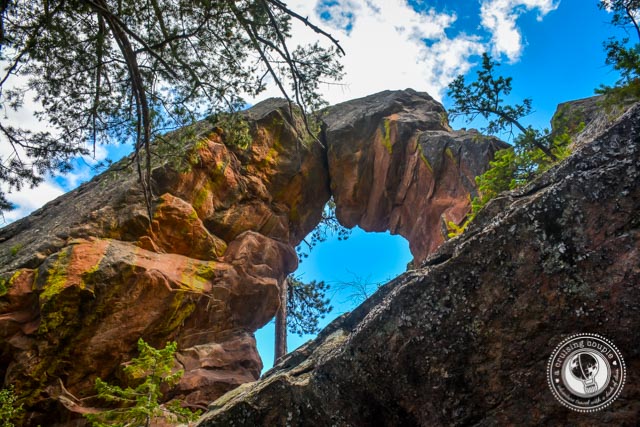
My relationship with the Royal Arch Trail has evolved through seasons and years of regular visits. Each hike teaches something new, whether it's discovering a better route variation, learning about seasonal wildlife patterns, or simply appreciating the trail's nuances that only come with repeated experience.
My most memorable Royal Arch experience occurred during a late September hike when autumn colors were at their peak. Starting before dawn, I witnessed the sunrise illuminating the arch in golden hues that photographers dream about. The solitude of that early morning hike, before the crowds arrived, reminded me why timing is everything on popular trails like this one.
Seasonal Considerations and Optimal Timing
I've hiked the Royal Arch Trail in every season, and each offers distinct advantages and challenges. Spring brings wildflower blooms and moderate temperatures, but muddy conditions can close sections temporarily. Boulder Open Space manages these closures carefully to prevent trail damage, so always check current conditions before heading out.
Summer offers the most stable weather but also the heaviest crowds. I've learned that weekday visits during summer provide the best balance of good conditions and manageable crowds. For those seeking solitude, early morning hikes on renowned trails like the Manitou Incline have taught me that sunrise starts typically ensure peaceful experiences.
Winter hiking on the Royal Arch Trail requires special preparation but rewards dedicated hikers with pristine conditions. Microspikes are essential for the icy stone steps, and I always carry extra layers since the arch area can be extremely cold and windy. The winter views, with snow-capped peaks and crisp air, create some of Colorado's most stunning hiking photography opportunities.
Navigation Tips and Route Variations
While the primary route to the Royal Arch Trail is well-marked, I've discovered several variations that can enhance the experience. The loop option combining the Chautauqua Trail with the Bluebell Trail offers different perspectives and can reduce crowding on the most popular sections.
For experienced hikers seeking additional challenge, continuing past the arch to explore the mesa provides extended adventure opportunities. However, these routes require careful navigation and aren't recommended without proper map and compass skills. The main trail offers plenty of challenge and reward for most hikers.
Insider Tip: The best photography at the arch occurs during golden hour – arrive at the arch 30 minutes before sunrise or stay until 30 minutes after sunset for magical lighting conditions.
Pros and Cons: What You Need to Know
After years of guiding friends and family on the Royal Arch Trail, I've developed a realistic perspective on what makes this hike exceptional and what challenges you should anticipate. Honest assessment helps set proper expectations and ensures successful hiking experiences.
The Outstanding Positives
The Royal Arch Trail delivers incredible value for the time invested. The stunning natural arch formation provides a dramatic focal point that few Colorado trails can match. The diverse scenery, from open meadows to dense forest to exposed rock faces, creates visual interest throughout the entire journey. The proximity to Boulder makes this trail accessible for day trips without requiring overnight camping or extensive travel.
The trail's well-maintained condition and clear signage make navigation straightforward, even for intermediate hikers. The stone steps and engineered trail sections demonstrate excellent trail management, ensuring sustainable recreation that will preserve this experience for future generations. The sense of accomplishment upon reaching the arch is genuinely rewarding, providing that perfect combination of challenge and achievement that defines great hiking.
Realistic Challenges to Consider
Crowding is the Royal Arch Trail's most significant drawback. Weekend visits during peak season can feel more like urban hiking than wilderness experience. Trail congestion creates safety concerns on narrow sections and can significantly extend hiking times. The parking situation compounds crowding issues, often forcing early morning starts that might not suit all schedules.
The trail's technical difficulty catches some hikers unprepared. The constant elevation gain and rocky terrain demand good fitness levels and proper footwear. I've witnessed numerous hikers turning back because they underestimated the challenge based on the relatively short distance. The stone steps can be particularly challenging for those with knee issues.
User Reviews and Community Feedback
Sarah M. (AllTrails Review): "Amazing views but bring more water than you think you'll need. The stone stairs are no joke - took us 4 hours total with plenty of rest stops. Worth every challenging step!"
Mike T. (Reddit r/boulder): "Did this trail last weekend with family. Kids (ages 10 and 12) handled it fine but adults were huffing and puffing! The arch is incredible though. Go early to avoid crowds."
Jennifer L. (TripAdvisor): "Royal Arch Trail was the highlight of our Boulder visit. Challenging but doable for anyone in reasonable shape. The views from the arch are absolutely breathtaking. Definitely recommend trekking poles!"
Conclusion
The Royal Arch Trail represents everything I love about Colorado hiking – dramatic scenery, physical challenge, and the reward of reaching an iconic natural landmark. While this trail demands respect and preparation, it delivers experiences that justify its reputation as one of Boulder's must-do adventures.
Through multiple seasons and countless ascents, I've learned that success on the Royal Arch Trail comes down to proper preparation, realistic expectations, and appreciation for the journey as much as the destination. The combination of technical challenge and stunning beauty creates memories that extend far beyond the 3-4 hours spent on the trail.
Whether you're planning your first Colorado hiking adventure or adding another peak to your collection, the Royal Arch Trail offers an experience that exemplifies the best of Front Range hiking. Take time to prepare properly, respect the trail and other hikers, and allow yourself to be amazed by one of Colorado's most spectacular natural formations.
For those seeking additional Colorado adventures, I recommend exploring other challenging footwear options for rocky terrain and considering how different famous footwear brands perform on technical trails. The lessons learned on the Royal Arch Trail translate well to other demanding hikes throughout Colorado's incredible trail system.
Ready to tackle the Royal Arch Trail? Remember to check current trail conditions, arrive early for parking, and pack the essentials. This iconic Colorado hike awaits your adventure!
Frequently Asked Questions
How difficult is the Royal Arch Trail?
The Royal Arch Trail is considered challenging due to its steep elevation gain of 1,400+ feet over 3.3 miles. The trail features numerous stone stairs, rocky terrain, and scrambling sections. While the distance is manageable, the constant uphill climb and technical sections make it demanding for most hikers. I recommend good fitness level and proper hiking boots. The difficulty is worth it for the stunning views at the natural arch formation.
What's the best time to hike Royal Arch Trail?
The best time to hike the Royal Arch Trail is early morning (before 8 AM) or weekdays to avoid crowds. Seasonally, March through October offers the most favorable weather conditions. Summer can be very crowded on weekends. I've found early spring and fall provide the perfect combination of good weather, fewer crowds, and beautiful scenery. Winter hiking is possible but requires microspikes due to icy conditions on the stone steps.
Do I need special gear for the Royal Arch Trail?
Essential gear for the Royal Arch Trail includes sturdy hiking boots with ankle support, trekking poles for the descent, plenty of water (at least 32 oz), snacks, and layers for changing weather. The rocky terrain and stone stairs can be hard on knees and ankles. I always bring a first aid kit and headlamp, even for day hikes. In winter, microspikes are absolutely necessary for the icy stone sections.
Are dogs allowed on the Royal Arch Trail?
Yes, dogs are allowed on the Royal Arch Trail but must remain on leash at all times per Boulder Open Space regulations. However, I'd recommend carefully considering whether to bring your dog due to the challenging terrain, stone stairs, and crowded conditions. The rocky scrambling sections can be difficult for dogs, and the heavy foot traffic makes navigation challenging. If you do bring your dog, ensure they're in excellent shape and comfortable with steep, rocky terrain.
How long does it take to hike the Royal Arch Trail?
The Royal Arch Trail typically takes 2.5 to 4 hours to complete round-trip, depending on your fitness level and how long you spend at the arch. My average time is about 3 hours total - 1.5 hours up, 30 minutes at the arch, and 1 hour down. The ascent is slow due to the steep terrain and stone stairs, while the descent requires caution on the rocky sections. Plan extra time if hiking during peak season when trail congestion slows progress.
Where should I park for the Royal Arch Trail?
The main parking is at Chautauqua Park on Baseline Road, but paid parking is required from Memorial Day to Labor Day ($5-8 per day). Free alternatives include parking on residential streets north of Baseline (check signs carefully) or the small dirt lots on 12th Street. I recommend arriving before 8 AM on weekends to secure parking. The HOP bus also services the area if you prefer public transit from Boulder.
Related Trail Resources
Explore more Colorado hiking adventures with our comprehensive guides to AllTrail resources and discover the best Thursday boots for hiking. For technical terrain similar to Royal Arch, consider upgrading your gear with Brunt boots or explore options from Tecovas boots for durability and comfort on Colorado trails.