The Ultimate Sahale Arm Trail Guide: Your Complete North Cascades Adventure (2025)
Master the iconic Cascade Pass to Sahale Arm hike with insider tips, personal experiences, and essential gear recommendations for your alpine adventure.
After three attempts over five years, I finally conquered the legendary Sahale Arm trail in North Cascades National Park. This comprehensive guide combines hard-earned personal insights with practical advice to help you succeed where I initially struggled. From navigating the notorious Cascade River Road to surviving the final rocky scramble, I'll share everything you need for a safe and unforgettable adventure. Visit our complete hiking resource center for more epic trail guides.
Trail Overview & What Makes Sahale Arm Special
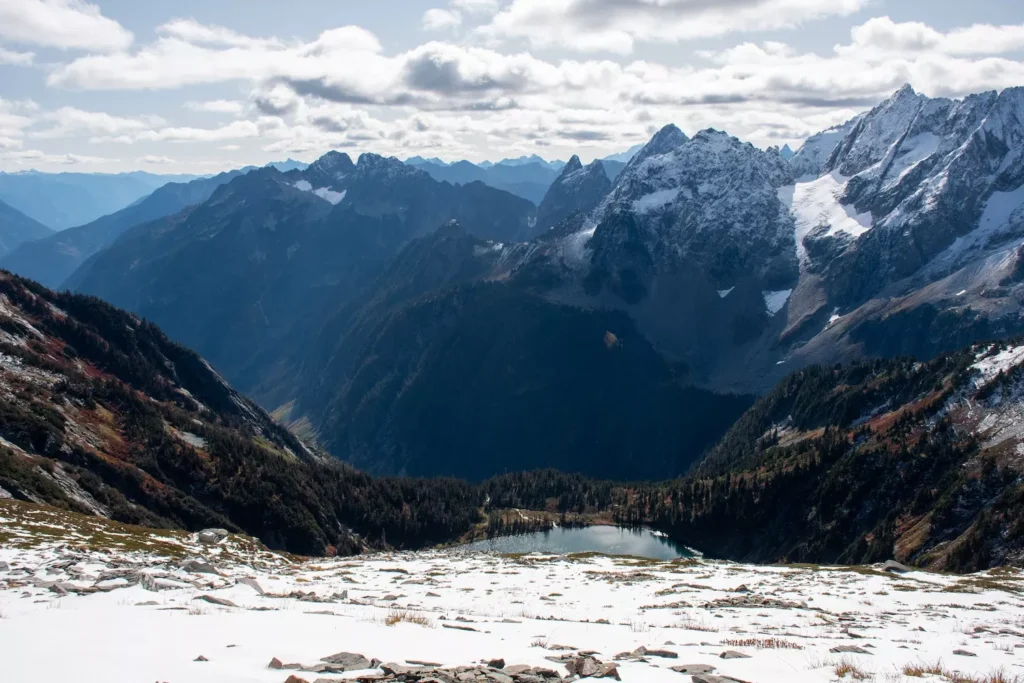
The Sahale Arm trail represents the pinnacle of North Cascades hiking experiences, combining dramatic alpine scenery with challenging terrain that tests even experienced adventurers. This iconic route extends beyond the popular Cascade Pass, ascending through pristine alpine meadows to reach the base of Sahale Glacier at 7,600 feet elevation.
Key Trail Statistics
Total Distance: 11.6 miles roundtrip
Elevation Gain: 3,963 feet
Difficulty: Strenuous
Duration: 8-12 hours
Trailhead Elevation: 3,600 feet
Maximum Elevation: 7,600 feet
Best Season: Mid-July to October
Permits Required: None for day hiking
What sets the Sahale Arm apart from other North Cascades trails is its remarkable diversity of ecosystems and the dramatic transition from dense forest to glacial terrain. Unlike many alpine hikes that offer limited views until the summit, this trail provides spectacular vistas throughout the upper sections, making every challenging step worthwhile.
The trail's reputation stems from its unique combination of accessibility and wilderness experience. While the initial forest section follows well-maintained switchbacks, the final approach to Sahale Glacier involves scrambling over loose rock and navigating cairns across exposed alpine terrain. This progression from comfortable hiking to mountaineering-style challenges creates an adventure that appeals to both ambitious day hikers and experienced backpackers.
My Personal Sahale Arm Journey: Three Attempts, One Success

My relationship with the Sahale Arm began with failure, progressed through determination, and culminated in one of the most rewarding hiking experiences of my life. Like many Pacific Northwest adventures, success required patience, preparation, and respect for the mountain's unpredictable nature.
Attempt One: The Reality Check (July 2022)
My first attempt taught me harsh lessons about North Cascades conditions. Arriving at 9 AM on a Saturday, I found the parking lot overflowing and cars lined along the narrow Cascade River Road for over a mile. After adding two extra miles to our hike just reaching the trailhead, we encountered snow fields at 6,000 feet that we weren't equipped to handle safely. Without microspikes and facing deteriorating weather, we turned back at Cascade Pass—disappointed but wiser.
Attempt Two: The Weather Defeat (September 2023)
Learning from my first experience, I arrived at 6 AM and brought proper gear. The conditions looked perfect until thick fog rolled in as we reached the alpine sections. Visibility dropped to less than 50 feet, making the rocky scramble sections dangerous and eliminating all views. We pushed to within 0.5 miles of Sahale Glacier Camp before admitting defeat. The descent through fog-shrouded rock fields reinforced why this trail demands respect.
Success: The Perfect Storm of Preparation (October 2024)
My successful third attempt combined optimal timing, thorough preparation, and a bit of luck. Arriving at 5:30 AM on a weekday, I secured parking and started hiking in crisp, clear conditions. The fall colors were absolutely spectacular—carpets of red and orange alpine vegetation stretched across entire hillsides. Most importantly, I'd learned to read weather patterns and chose a high-pressure system that delivered crystal-clear skies.
The final scramble to Sahale Glacier Camp challenged every muscle and tested my navigation skills as I followed cairns across loose scree. Standing at 7,600 feet, surrounded by towering peaks and looking down at the impossibly blue Doubtful Lake, I understood why this trail has such a devoted following. The sense of accomplishment was amplified by the knowledge that I'd earned this view through perseverance and respect for the mountain's power.
Planning Your Sahale Arm Adventure
Transportation and Access Logistics
The notorious Cascade River Road presents the first challenge of your Sahale Arm adventure. This 23-mile access road leaves State Route 20 at Marblemount and winds through forest service land to reach the trailhead. The first 10 miles are paved, but the remaining 13 miles become increasingly rough gravel with washboard sections, potholes, and narrow passages where only one vehicle can pass safely.
During my successful trip, I witnessed a sedan attempt the road and bottom out spectacularly in a large pothole near mile 18. While a high-clearance vehicle isn't absolutely required, I strongly recommend at least a crossover SUV or truck for comfort and safety. Budget extra time for the drive—expect 60-75 minutes from Marblemount to the trailhead, plus potential delays if you encounter road maintenance or other vehicles.
Critical Timing and Parking Strategy
The Sahale Arm's popularity creates significant parking challenges that can derail your entire day. The official parking area accommodates roughly 40 vehicles, but weekend demand often exceeds 200 cars. Here's my tested strategy based on multiple visits:
- Weekday visits: Arrive by 7:00 AM for guaranteed parking
- Weekend visits: Arrive by 5:30 AM or risk parking 1-3 miles away
- Peak season (August-September): Consider arriving by 5:00 AM on weekends
- Alternative plan: Start from roadside parking and add 2-4 miles to your hike
Physical Preparation and Fitness Requirements
The Sahale Arm trail demands genuine fitness preparation, especially for the final 1.5 miles above treeline. I recommend completing several preparation hikes with similar elevation gain before attempting this adventure. Excellent local training options include AllTrail favorites like Mount Si or Mailbox Peak for building leg strength and cardiovascular endurance.
The psychological challenge equals the physical demands. The exposed rocky sections require mental fortitude as you navigate loose scree with significant exposure. Practice hiking on unstable surfaces and build confidence with scrambling techniques. I found that previous experience on similar terrain, like the challenging approaches to popular destinations requiring quality hiking boots, proved invaluable for the final push to Sahale Glacier Camp.
Detailed Trail Guide: Mile-by-Mile Breakdown
Miles 0-3.7: The Forest Approach to Cascade Pass
The adventure begins at 3,600 feet elevation with a well-maintained trail that immediately starts climbing through dense Douglas fir and western hemlock forest. The first two miles feature 32 numbered switchbacks that efficiently gain 1,500 feet of elevation while protecting your knees from excessive steepness. This section provides excellent warm-up hiking with occasional glimpses of surrounding peaks through the canopy.
Around mile 3, the forest begins opening and you'll catch your first spectacular views of the dramatic North Cascades peaks including Johannesburg Mountain and Mix-up Peak. The trail becomes rockier but remains well-defined as it traverses several small creek crossings—excellent opportunities to refill water bottles and rest before the final push to Cascade Pass.
Cascade Pass itself, reached at mile 3.7, serves as a natural rest stop and decision point. The broad saddle offers 360-degree mountain views and houses the only restroom facilities on the route. Many hikers turn back here, satisfied with the substantial accomplishment of reaching this historic pass used by Native Americans and early settlers for centuries.
Miles 3.7-5.8: Ascending the Sahale Arm
The real adventure begins as you turn north from Cascade Pass onto the Sahale Arm trail. This section immediately reveals why the route has such a devoted following—expansive alpine meadows stretch across rolling terrain with unobstructed mountain views in every direction. The trail gains elevation more gradually through this magnificent alpine zone, allowing you to fully appreciate the dramatic landscape transformation.

This is prime wildlife habitat, and you'll likely encounter the famous hoary marmots that serve as the trail's unofficial ambassadors. These charismatic creatures often pose for photos and seem genuinely curious about hikers. Keep your eyes open for mountain goats on the rocky ridges above and pikas calling from talus fields. During berry season (late August through September), this area attracts black bears, so make noise and stay alert.
Miles 5.8-5.8: The Final Challenge to Sahale Glacier Camp
The final 0.8 miles to Sahale Glacier Camp represent the trail's most demanding section, gaining nearly 800 feet of elevation over increasingly unstable terrain. The well-defined trail disappears, replaced by cairns marking the route across loose scree and exposed bedrock. This section requires genuine scrambling skills and tests both physical strength and mental determination.
Navigation becomes critical as you follow cairns across the rocky landscape. Weather can change rapidly in this exposed environment—I've experienced everything from blazing sun to hail storms within minutes. Take your time, test each foothold, and don't hesitate to use your hands for stability on the steepest sections. The exposure isn't technical climbing, but a slip could result in serious injury.
Sahale Glacier Camp, perched at 7,600 feet, provides the ultimate reward for your efforts. The designated camping areas feature rock windbreaks and offer commanding views of Doubtful Lake 1,000 feet below. From this vantage point, you can see across to Mount Baker, Mount Shuksan, and dozens of unnamed peaks stretching to the horizon. The sense of accomplishment and the spectacular scenery create memories that last a lifetime.
Seasonal Hiking Guide: Timing Your Adventure Perfectly
Summer Season (July-August): Peak Conditions with Crowds
Summer represents the optimal window for Sahale Arm adventures, offering the most reliable weather and complete snow-free access. July brings spectacular wildflower displays throughout the alpine meadows—glacier lilies, mountain heather, and paintbrush create colorful carpets across the landscape. However, this prime season also attracts maximum crowds, requiring extremely early starts and strategic planning to secure parking and enjoy the experience.
During my July visits, I've encountered snow patches even at this optimal time, particularly in shaded areas above 6,500 feet. The final rocky sections can be especially challenging when wet, so carry microspikes as backup even in midsummer. Water sources are abundant during this season, but always treat or filter natural water sources. The extended daylight hours (sunrise around 5:30 AM, sunset after 9:00 PM) provide generous time margins for completing this long adventure safely.
Fall Season (September-October): Golden Colors with Variable Conditions
Fall hiking on the Sahale Arm offers the most spectacular scenery of the year, with alpine vegetation transforming into brilliant reds, oranges, and golds that rival any New England foliage display. The crowds thin significantly after Labor Day, creating a more peaceful wilderness experience. Cool, crisp mornings and dramatic lighting create ideal photography conditions, though weather becomes increasingly unpredictable.
October hiking requires careful weather monitoring and complete preparation for winter conditions. During my successful October attempt, I encountered everything from bright sunshine to sudden snow squalls. The dramatic weather changes actually enhanced the experience—watching storm clouds sweep across distant peaks while standing in bright sunlight created unforgettable moments. However, this unpredictability demands respect and thorough preparation.
Seasonal Gear Considerations
Each season demands specific gear adjustments for safe and comfortable hiking:
- Early Season (June-July): Microspikes, extra layers, waterproof gear
- Peak Season (August-September): Sun protection, extra water, insect repellent
- Late Season (October): Winter layers, backup heating, emergency shelter
- All Seasons: Weather monitoring apps, flexible itinerary planning
Spring and Winter Considerations
While technically accessible year-round, spring and winter Sahale Arm adventures require mountaineering skills and specialized equipment. Cascade River Road often remains closed until late June due to snow, and avalanche danger makes the upper sections extremely hazardous without proper training and equipment. These seasons are best left to experienced mountaineers with avalanche education and rescue gear.
Essential Gear and Equipment Recommendations
Footwear: Your Foundation for Success
Proper footwear can make or break your Sahale Arm experience, particularly during the challenging final sections across loose rock and scree. Through trial and error, I've learned that sturdy, ankle-supporting boots are absolutely essential for the rocky terrain and unpredictable weather conditions you'll encounter in the North Cascades.
Top Footwear Recommendations
Merrell Men's Moab 3 Mid Waterproof Hiking Boot - $95
Excellent all-around performance with proven durability on rocky terrain. The waterproof membrane keeps feet dry during stream crossings and unexpected weather.
Columbia Women's Newton Ridge Plus Waterproof Boot - $89.95
Best-selling option with superior ankle support and traction on loose surfaces. Lightweight design reduces fatigue on long approaches.
Hiking Poles: Essential for Safety and Stability
The rocky descent from Sahale Glacier Camp convinced me that hiking poles aren't optional equipment—they're essential safety gear. The loose scree and exposed terrain create unstable footing where poles provide crucial balance and reduce stress on knees and ankles. I've watched experienced hikers struggle with the descent without poles while those with proper equipment descended confidently and safely.
Recommended Hiking Poles
Cascade Mountain Tech Lightweight Trekking Poles - $29.99
Budget-friendly option with aircraft-grade aluminum construction. Includes tip kit for different terrain conditions encountered on Sahale Arm.
TrailBuddy Trekking Poles with Cork Grip - $39.90
Premium choice with comfortable cork grips that don't slip when wet. Collapsible design convenient for scrambling sections where you need hands free.
Safety Equipment: Bear Spray and Emergency Gear
The North Cascades ecosystem includes healthy black bear populations that frequent the berry-rich alpine meadows along the Sahale Arm trail. During my visits, I've encountered bear sign regularly and witnessed actual bears twice, including one memorable sighting of a large black bear grazing in the meadows near Doubtful Lake. Proper bear safety equipment isn't paranoia—it's responsible wilderness travel.
Critical Safety Equipment
SABRE Frontiersman MAX Bear Spray - $39.94
EPA-registered maximum strength formula with 40-foot range. Essential for North Cascades bear country hiking and lightweight enough for day hiking.
Complete Sahale Arm Packing Checklist
Navigation & Safety
- • Bear spray
- • Headlamp + backup
- • Emergency whistle
- • First aid kit
- • Emergency shelter
Clothing System
- • Base layer
- • Insulating layer
- • Rain jacket/pants
- • Warm hat + sun hat
- • Gloves
Essentials
- • 2-3 liters water
- • High-energy snacks
- • Sunscreen + sunglasses
- • Microspikes (seasonal)
- • Camera/phone battery pack
For footwear inspiration beyond hiking boots, check out our guides to winter hiking footwear and versatile outdoor boots for different hiking environments. Understanding proper footwear selection principles applies across all outdoor adventures, from casual day hikes to serious mountaineering objectives.
Ready to Tackle More Epic Adventures?
The Sahale Arm is just one of many incredible hiking destinations waiting to be explored. From technical challenges to scenic walks, we've got comprehensive guides for every adventure level.
What Hikers Are Saying: Real Reviews and Experiences
Sarah M. - AllTrails Review (★★★★★)
Completed October 2024
"This trail exceeded every expectation. Yes, it's challenging, but the payoff is extraordinary. The final scramble to Sahale Glacier Camp tested my limits, but standing at the top looking down at Doubtful Lake made every step worthwhile. Saw mountain goats, marmots, and even a black bear at a safe distance. Start EARLY for parking - we arrived at 6 AM on a Saturday and barely got a spot. The fall colors were absolutely spectacular."
Mike T. - Reddit r/PNWhiking (★★★★☆)
Completed August 2024
"Incredibly beautiful but don't underestimate the difficulty. The stats don't tell the full story - that final section is a genuine scramble over loose rock that requires focus and good boots. Saw tons of wildlife including pikas and several mountain goats. The alpine meadows in peak summer are amazing. My advice: bring poles, start early, and be prepared for weather changes. Worth every challenging step."
Jennifer K. - Amazon Hiking Gear Review (★★★★★)
Completed September 2024
"Used the Merrell Moab 3 boots recommended in this guide and they were perfect for the rocky terrain. The final push to the glacier camp is no joke - very exposed and requires scrambling skills. Weather changed three times during our hike. Having proper layers and rain gear saved our trip. The views from the top are absolutely world-class. This trail has everything you want in an alpine adventure."
Pros and Cons: Honest Assessment
Why Sahale Arm is Incredible
- • Spectacular 360-degree alpine views throughout upper sections
- • Diverse ecosystems from temperate forest to glacial terrain
- • Excellent wildlife viewing opportunities (marmots, mountain goats, bears)
- • No permits required for day hiking
- • Challenging but achievable for fit hikers
- • Incredible fall foliage displays in September-October
- • Rich history as Native American trading route
Challenges to Consider
- • Extremely difficult parking situation on weekends
- • Long, rough access road requires high-clearance vehicle
- • Final sections involve genuine scrambling over loose rock
- • Weather can change rapidly in exposed alpine environment
- • Limited season due to snow and road closures
- • Crowds during peak season diminish wilderness experience
- • Long, demanding hike requiring excellent fitness
Frequently Asked Questions
How difficult is the Sahale Arm hike?
The Sahale Arm trail is considered strenuous with 11.6 miles round trip and 3,963 feet of elevation gain. The final section involves scrambling over loose rock and scree. Most experienced hikers find it challenging but manageable with proper preparation. The trail requires good fitness, sturdy boots, and hiking poles for stability on the descent. I'd rate it as a solid intermediate-to-advanced day hike that demands respect for the terrain and conditions.
When is the best time to hike Sahale Arm?
The optimal time for the Sahale Arm hike is from mid-July through early October. Late summer offers wildflower blooms, while early fall provides stunning autumn colors. Snow can linger until July at higher elevations, and Cascade River Road typically opens by late June. Check road conditions before visiting as access can be limited by weather and maintenance. My personal favorite time is late September for the incredible fall colors and fewer crowds.
Do I need permits for Sahale Arm?
Day hiking the Sahale Arm trail requires no permits. However, overnight camping at Sahale Glacier Camp requires a backcountry permit from North Cascades National Park. Permits must be obtained in person at the Wilderness Information Center in Marblemount, either the day before or day of your trip. They cost $10 per person plus a $6 processing fee. Permits are limited and popular, so have backup plans.
What wildlife can I expect to see on Sahale Arm?
Sahale Arm is famous for its wildlife viewing opportunities. Hikers commonly spot hoary marmots (the trail's unofficial mascots), mountain goats on rocky ledges, pikas in talus fields, and various bird species including ptarmigans. Black bears are occasionally seen, especially in berry patches during late summer. Always maintain safe distances and carry bear spray for protection. The marmots are particularly entertaining and seem genuinely curious about hikers.
What gear is essential for the Sahale Arm hike?
Essential gear includes waterproof hiking boots, trekking poles for the rocky sections, layers for changing weather, rain gear, plenty of water (2-3 liters), high-energy snacks, first aid kit, headlamp, and bear spray. In early season, microspikes may be necessary for snow. The exposed alpine environment requires preparation for rapidly changing conditions including wind, rain, and temperature drops. Don't underestimate how quickly conditions can deteriorate above treeline.
Final Thoughts: Why Sahale Arm Remains Unforgettable
The Sahale Arm trail represents everything that makes North Cascades National Park extraordinary—dramatic alpine scenery, challenging terrain, abundant wildlife, and the profound satisfaction that comes from earning spectacular views through genuine effort. After multiple attempts and one successful summit, I can confidently say this ranks among the finest single-day hiking experiences in the Pacific Northwest.
What sets this trail apart isn't just the destination, but the complete journey from dense forest through alpine meadows to genuine mountaineering terrain. Each ecosystem offers unique rewards, from the peaceful forest approach to the exhilarating final scramble across exposed rock faces. The diversity of challenges keeps you engaged throughout the long day, while the escalating views provide constant motivation to push forward.
The lessons learned through my three-attempt journey taught me valuable skills that extend far beyond this single trail. Reading weather patterns, respecting mountain conditions, proper gear selection, and most importantly, knowing when to turn back safely—these skills prove invaluable for any serious hiking pursuits. The North Cascades demand respect, but they reward preparation and persistence with experiences that resonate for years.
For those considering the Sahale Arm adventure, my advice is simple: prepare thoroughly, start early, respect the mountain's power, and embrace both the challenges and rewards that await. This trail will test your limits and expand your capabilities while providing memories that justify every difficult step. The view from Sahale Glacier Camp, looking down at Doubtful Lake with endless peaks stretching to the horizon, represents the pinnacle of North Cascades hiking experiences.
Start Planning Your Sahale Arm Adventure Today
Ready to tackle one of the Pacific Northwest's most rewarding trails? Visit our complete hiking resource center for more expert guides, gear recommendations, and insider tips for your next outdoor adventure.
Explore More Epic Trails